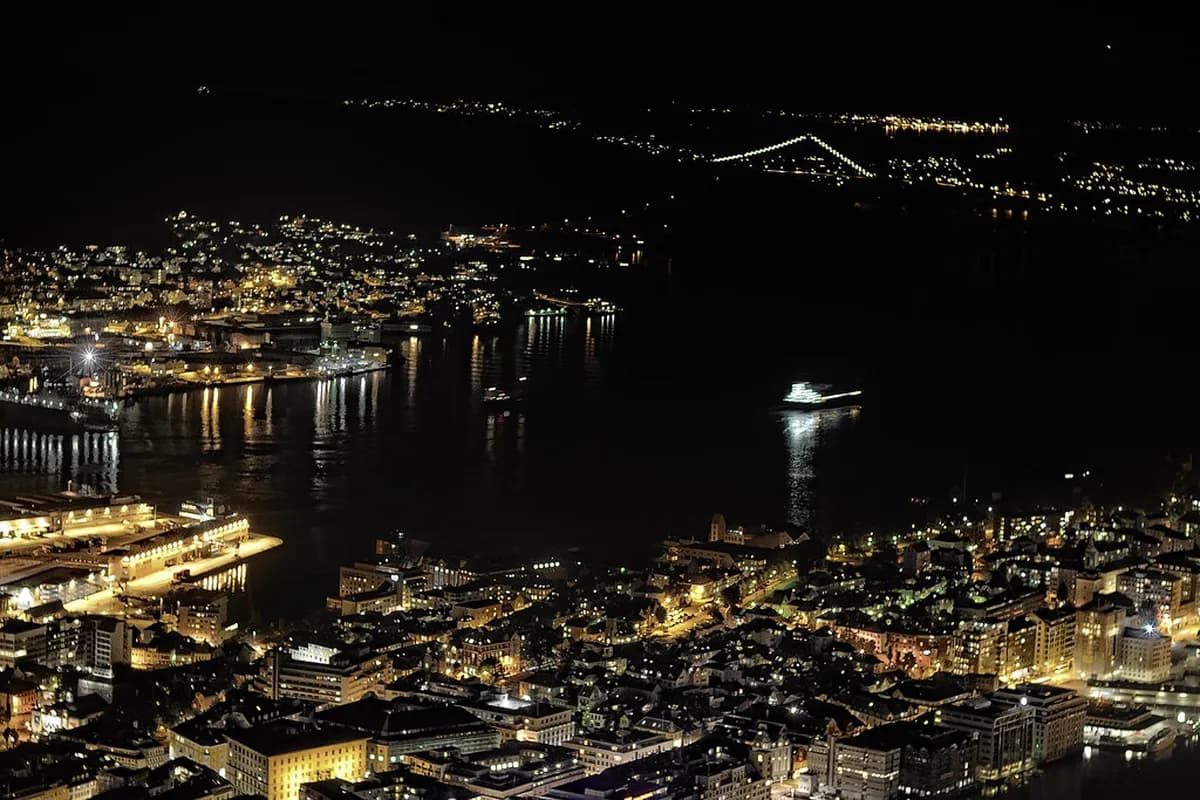
How Many Days in Bergen? The Perfect 3-Day Itinerary
Discover how many days in Bergen you really need. Plan your trip with our 3-day itinerary, fjord cruise tips, and practical advice on the Bergen Card.
On this page
How Many Days in Bergen: A Complete 3-Day Itinerary
Bergen is Norway's second city, but for most international visitors it is the first real taste of the country. The colorful wharf, the funicular, the fjords an hour from the harbor — all of it is here, compact and walkable. The question is not whether Bergen is worth a stop. It is how many days to block out so you do not leave feeling rushed.
This guide gives you a clear answer for every trip length — two days, three days, four days — and a day-by-day itinerary built around the way the city actually works in 2026. I have also included a Bergen Card cost breakdown, a weather plan for rainy days, and a neighborhood guide for where to stay. Bergen gets rain roughly 230 days a year, so having a Plan B is not optional.
How Many Days Do You Need in Bergen?
Two days is enough to see the core: Bryggen Wharf, the Fløibanen funicular, and the Fish Market. You will feel the city's character and tick the main landmarks. What you will miss is breathing room and any meaningful time on the water. A quick harbor cruise or the Norway in a Nutshell route is hard to fit into 48 hours without cutting something else short.
Three days is the sweet spot for most first-time visitors. One day for the historic center, one for the mountains and galleries, one for a fjord cruise — that structure works without feeling rushed. You also get time to eat well, which matters in a city with food this good. Bergen is not cheap, and spending three days here lets you get full value from the Bergen Card.
Four days makes sense if you want to do the full Norway in a Nutshell loop, hike the Vidden trail between Mount Fløyen and Mount Ulriken, or explore Hardangerfjord by car. Bergen also works well as a base for a wider Scandinavia circuit: a common 16-day loop runs Copenhagen – Oslo – Flåm – Bergen – Stockholm, with Bergen absorbing two to three nights in the middle. If that is your shape, three nights gives you flexibility without dragging.
One day is not enough. Cruise passengers get six hours on the quay and spend most of it in a queue. If Bergen is your only Norwegian stop, it deserves at least two nights. Check the Visit Norway Official Site for current seasonal events before you set your dates.
The 72-hour Bergen Card almost always pays for itself on a three-day visit. A round-trip funicular ride (160 NOK) plus two museums (150–160 NOK each) and a couple of bus journeys exceed the card's 749 NOK cost within the first day.
Must-See Bergen Attractions and Landmarks
Bryggen is the obvious starting point. The row of wooden Hanseatic warehouses along the harbor dates to the 14th century, rebuilt repeatedly on the same 12th-century foundations after fires — which is exactly why UNESCO listed it in 1979. Walk the facade from the waterfront side first to get the postcard angle, then go behind it. The narrow alleyways hide artisan workshops, small galleries, and the kind of cobblestone quiet that the main quay never has.
Bergenhus Fortress occupies the north end of the harbor and is free to enter. Inside the complex you will find Haakon's Hall, a great stone hall built in the 1260s by King Haakon Haakonsson. It is one of the best-preserved medieval buildings in Scandinavia and is sometimes cited as an inspiration for Hogwarts' Great Hall. Check the Bergen City Museum website for opening hours before you visit — the hall closes for events.
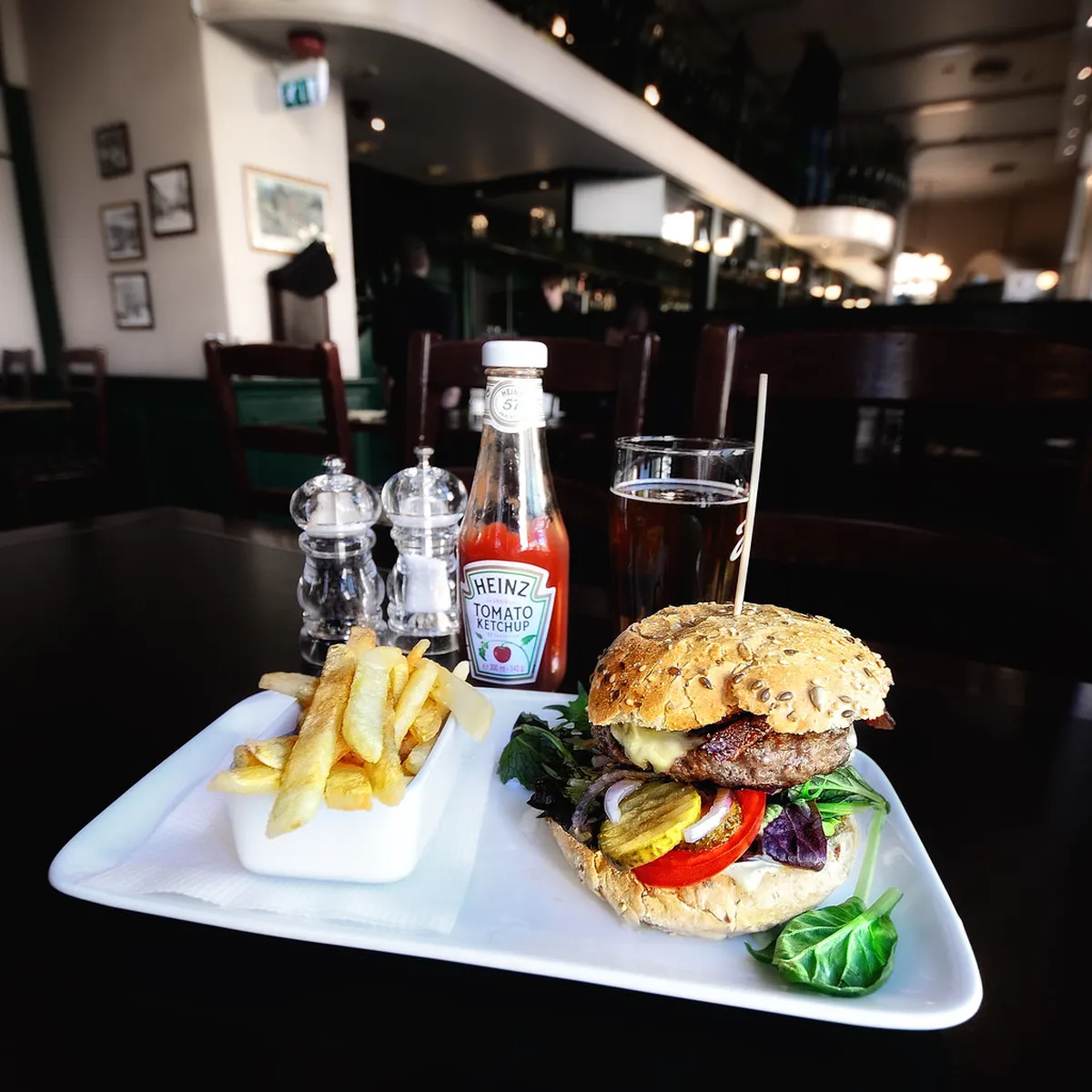
The Fish Market (Fisketorget) has been trading on this site since the 1200s. In summer it is a large outdoor market with vendors selling king crab, fresh salmon, and Bergen's fish soup. In winter the whole operation moves indoors and is far smaller. Either way, the fish soup is worth stopping for — look for versions with white fish rather than shellfish if you want the traditional style. There is also a street food stall called Trekroneren near the market that serves reindeer sausage with lingonberry sauce, which is a cheap and very good lunch.
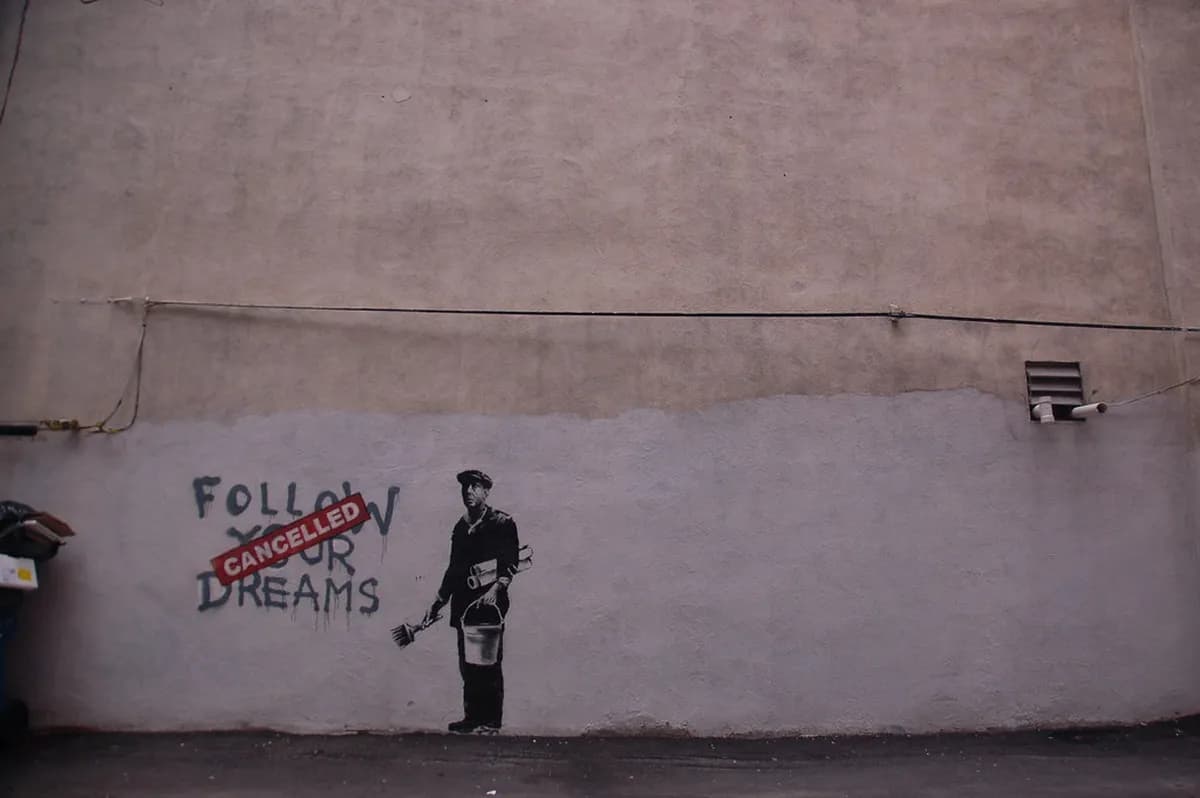
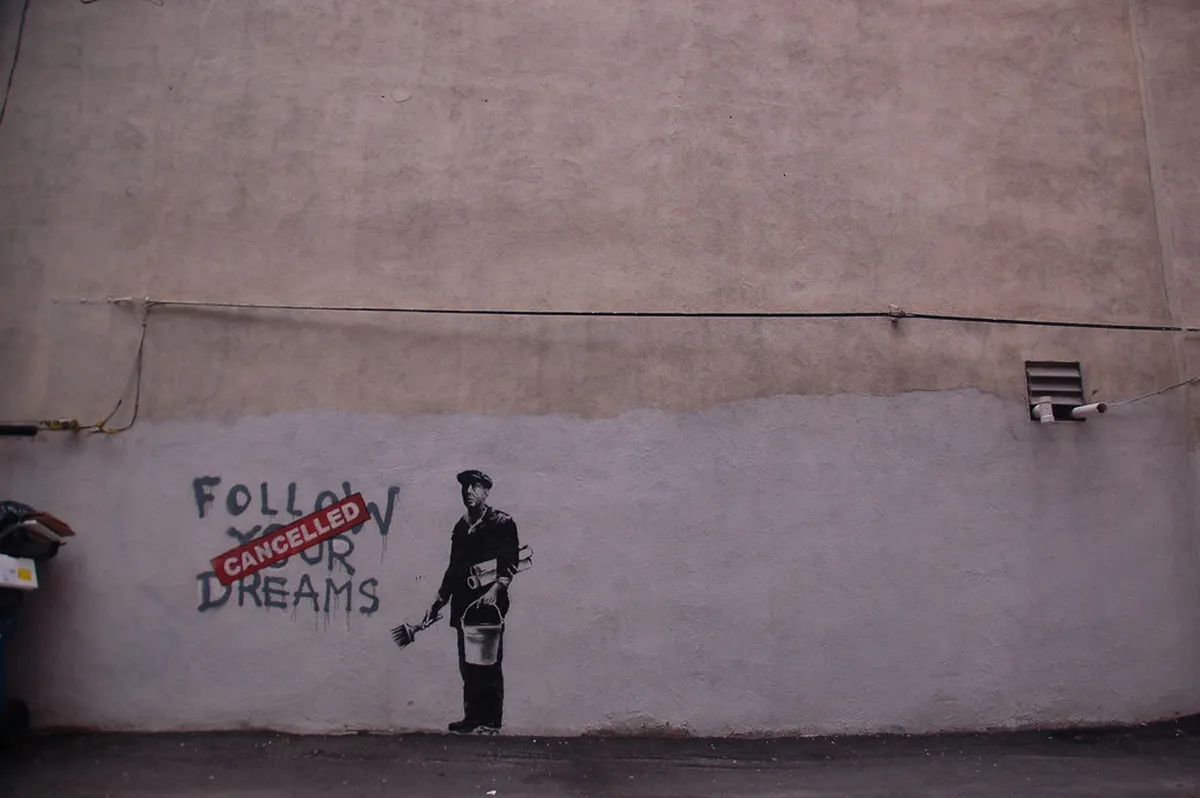
The photogenic streets away from the wharf are worth a half-morning detour. Strangebakken is the one that shows up constantly on social media. Lille Øvregaten, Klosteret, and Kong Oscar are also excellent for the combination of street art and colorful wooden houses. Bergen is hilly — genuinely hilly — so comfortable shoes matter more than most cities.
Parks, Gardens, and Outdoor Spots: Mount Fløyen
The Fløibanen funicular is Bergen's most-used attraction and the fastest way to understand the city's geography. The ride takes six minutes from the lower station on Vetrlidsallmenningen, near the city center, to the summit of Mount Fløyen at 320 metres. A round-trip ticket costs 160 NOK for adults in 2026. The queue at mid-morning can be 45 minutes long on a clear summer day. Go at 08:00 when the funicular opens, or use the footpath alongside the tracks and ride down.
From the summit you get a panoramic view over Bergen's harbor, the surrounding fjords, and as many of the Seven Mountains as the cloud cover allows. The plateau has a cafe, a children's play area, and a goat enclosure. Hiking trails head out from here in several directions — the most popular is the marked path toward the Skomakerdiket lake, which takes about 40 minutes at a relaxed pace. More ambitious hikers do the Vidden high-plateau route across to Mount Ulriken, which takes four to five hours and requires proper footwear and layered clothing.
Mount Ulriken (643 metres) is Bergen's highest peak and accessible via the Ulriksbanen cable car, which departs from Haukeland by shuttle bus from the Fish Market. The views are longer and wilder than Fløyen. On a clear day you can see the open sea. The cable car costs 265 NOK round-trip and runs daily from 09:00.
The Old Bergen Open Air Museum (Gamle Bergen) sits about 4 kilometres north of the city center, reachable by bus. It reconstructs Bergen street life from the 18th and 19th centuries with 50 wooden buildings. It is open daily 10:00–16:00 from mid-May to mid-September and costs around 170 NOK for adults. The walk from Bryggen takes about 35 minutes along the waterfront and is pleasant on a dry day.
Museums, Art, and Culture in Bergen
KODE is the name for Bergen's four interconnected art museums arranged around Lille Lungegårdsvannet, the central lake in the city. Together they hold one of the largest collections of Edvard Munch works in Norway, alongside Picasso ceramics and a strong collection of Norwegian decorative arts. KODE 2 focuses on the historical collections; KODE 3 has the Munch room. A combined day ticket covers all buildings and costs 150 NOK. The museums are closed on Mondays.
The Hanseatic Museum at Bryggen (Hanseatisk Museum) is the most directly relevant to the history you are walking through. It occupies one of the original merchant buildings and shows the sleeping quarters, workrooms, and counting houses where German merchants lived and traded from the 14th century onward. The museum reopened after renovation in 2022 and is now one of the best-presented small museums in Norway. Entry costs 160 NOK.
The University Museum of Bergen covers natural history and cultural history under one roof at Muséplass, a short walk from the lake. The geological and zoological exhibits are strong, and it is a practical rainy-day option for families. Entry is 100 NOK for adults, free for children under 18. For contemporary art, Kunsthall Bergen near the old post office has free entry and rotating exhibitions from Norwegian and international artists.
Family-Friendly and Budget-Friendly Options
Bergen is expensive by most standards. A sit-down lunch for two with a beer will typically cost 400–600 NOK. Dinner at a mid-range restaurant runs 900–1,400 NOK for two. The practical way to reduce costs is to make lunch your main meal (many restaurants have lower middag prices before 16:00), buy wine or beer at the Vinmonopolet off-licence rather than bars, and self-cater breakfast from Rema 1000 or Kiwi supermarkets. The airport duty-free is also significantly cheaper for alcohol than anything in the city — stock up on arrival if that matters to your budget.
For families, the funicular to Mount Fløyen is one of Bergen's best free-ish experiences — children under 16 ride for 90 NOK round-trip. At the top there is a playground and the goats are reliably entertaining for small children. The Old Bergen Open Air Museum has hands-on areas designed for families and is one of the cheaper full-day options in the city. The aquarium (Akvariet i Bergen) at Nordnes is popular with children; entry is 350 NOK for adults and 220 NOK for children, and the daily feeding show runs at 12:00 and 15:00.
The Bergen Card is worth calculating before you buy. A 24-hour adult card costs 409 NOK, a 48-hour card is 619 NOK, and the 72-hour card is 749 NOK. The card covers unlimited bus and light rail travel, the Fløibanen funicular (round-trip), free entry to KODE museums, the University Museum, the Hanseatic Museum, and Bergenhus fortress buildings, plus discounts on several fjord cruises. If you ride the funicular (160 NOK), visit two museums (150 + 160 NOK), and use the bus twice (48 NOK), you have already recovered the 48-hour card price. For a three-day stay the 72-hour card almost always pays off if you follow this itinerary.
Dressing for Bergen's Weather — and What to Do When It Rains
Bergen receives rain on roughly 230 days per year. That is not a figure to skim past. The city sits in a valley between seven mountains, which act as a funnel for Atlantic moisture. Even in August — the driest month — you should expect at least a few wet afternoons. The microclimate shifts fast: clear at 09:00, horizontal rain by 11:00, sunshine by 14:00. Checking the hourly forecast on Yr.no (Norway's official weather service) each morning is a genuine time-saver.
What to wear: a waterproof shell jacket is non-negotiable, not a nice-to-have. Merino wool layers dry quickly and insulate even when damp. Do not pack jeans as a primary trouser — denim holds water, takes hours to dry, and makes a miserable afternoon far worse. Sturdy, waterproof walking shoes are essential. The cobblestones in the old town and on the hillside streets are uneven and slippery when wet. Low-heeled fashion boots are a common mistake; ankle sprains on Bergen's cobblestones are a reliable travel forum topic.
The rainy-day plan matters because the funicular view from Fløyen is not worth the ride when clouds sit below the summit. On wet days, front-load your indoor activities: KODE museums open at 10:00, the Hanseatic Museum is under cover, and the aquarium at Nordnes is fully indoor. The Fish Market's indoor section is a good wet-hour option. Kaffemisjonen on Nedre Korskirkeallmenningen is the city's most beloved coffee shop — it is small, very good, and worth arriving early for a window seat when it is drizzling. Save the funicular and the outdoor street walks for any clear window the afternoon brings.
Bergen's cobblestones are notoriously slippery when wet. Denim jeans are a common mistake — they take hours to dry and will ruin your afternoon. Pack waterproof shoes with good grip, not low-heeled fashion boots; ankle sprains on Bergen's hillside streets are a travel-forum staple.
The Perfect 3-Day Bergen Itinerary
Start Day 1 at the Bryggen wharf before 09:00. The alleyways behind the facade are quiet at that hour and the light is good for photos. Spend the morning on the wharf and in Bergenhus Fortress before cruise passengers arrive — ships typically dock between 08:00 and 10:00 and the quay transforms quickly. Have lunch at the Fish Market, then spend the afternoon at the Hanseatic Museum and a slow walk through the photogenic streets south toward the lake. Dinner at Bryggeloftet & Stuene or Enhjørningen, both near the wharf — book ahead, especially for weekends.
Day 2 starts with the funicular. Take the first car at 08:00, before the queue builds. Walk the Skomakerdiket trail at the top, or if weather is overcast, descend and redirect to KODE. The afternoon is flexible: Mount Ulriken cable car if the sky has cleared, or the afternoon session at KODE 2 and 3. In the evening, the Nordnes peninsula is a good slow walk — white wooden houses, harbor views, and the aquarium if you have children. Craft beer options include Apollon (an old record shop converted to a bar) and the bar inside the Fish Market.
Day 3 is the fjord cruise. Boats depart from Strandkaiterminalen, the main quay near the Fish Market. The Mostraumen cruise runs three to four hours and takes you through the narrow Osterfjord passages — this is the most accessible cruise for a half-day. If you want the full Norway in a Nutshell experience, that is an all-day commitment: train to Voss, bus to Gudvangen, two-hour fjord ferry to Flåm, scenic Flåm Railway up to Myrdal, train back to Bergen. Total time is 10–12 hours. Book the NIN route through Fjord Tours in advance; self-guided booking via vy.no (train) and Fjord1 (ferry) is cheaper but requires more coordination. Afternoon: Mount Ulriken if you skipped it on Day 2. Evening: farewell dinner.
| Day | Focus | Main Activities | Time |
|---|---|---|---|
| Day 1 | Hanseatic history & harbor | Bryggen Wharf, Bergenhus Fortress, Fish Market, Hanseatic Museum, photogenic streets | 08:30–21:00 |
| Day 2 | Mountains & museums | Fløibanen funicular + summit hike, KODE art museums, Nordnes peninsula walk | 08:00–20:30 |
| Day 3 | Fjords & cable car | Mostraumen fjord cruise (or Norway in a Nutshell), Mount Ulriken cable car, farewell dinner | 09:30–20:30 |
- Day 1: Hanseatic history and harbor
- Morning: 08:30 – 12:00, Bryggen Wharf + Bergenhus Fortress
- Afternoon: 12:30 – 16:00, Fish Market lunch + Hanseatic Museum
- Evening: 19:00 – 21:00, dinner at Bryggeloftet & Stuene
- Logistics: Entirely walkable city center
- Day 2: Mountains and museums
- Morning: 08:00 – 11:30, Fløibanen funicular + summit hike
- Afternoon: 12:30 – 16:30, KODE art museums
- Evening: 18:00 – 20:30, Nordnes walk + local bar
- Logistics: Use the scenic cable car for ascent; KODE is walkable from the lake
- Day 3: Fjords and cable car
- Morning: 09:30 – 13:30, Mostraumen fjord cruise from Strandkaiterminalen
- Afternoon: 14:30 – 17:00, Mount Ulriken cable car
- Evening: 18:30 – 20:30, farewell dinner
- Logistics: Shuttle bus to Ulriksbanen from Fish Market area
- Optional: Swap morning cruise for full Norway in a Nutshell (all-day)
How to Plan a Smooth Bergen Itinerary
Getting to Bergen: Bergen Airport Flesland (BGO) is 20 km south of the city. The airport light rail (Bybanen) runs every 6 minutes during peak hours and takes 45 minutes to the city center — a single ticket is around 39 NOK. The Flybussen airport bus stops at the Radisson Blu on Bryggen and costs 145 NOK one-way; it is comfortable and slightly faster. Taxis are expensive — budget 500–700 NOK for the same ride. If you are arriving as part of the Norway in a Nutshell loop from Oslo, you will arrive by train at Bergen Station, a 10-minute walk from the wharf.
Getting around Bergen: the city center is very walkable. The main KODE museums, Bryggen, the Fish Market, and Bergenhus Fortress are all within 15 minutes on foot of each other. Buses and the Bybanen light rail cover the wider city and airport. Taxis and Uber are available but the prices are steep. The Bergen Card covers all public transport including the funicular, which makes it straightforward for three-day visitors.
Norway in a Nutshell — self-guided vs. guided: the full NIN circuit (Bergen → Voss → Gudvangen → Flåm → Myrdal → Bergen) can be booked as a package through Fjord Tours for around 1,450 NOK per adult, which includes all transport and is a good option if you prefer not to coordinate separate tickets. Self-guided saves roughly 200–300 NOK and gives you more flexibility at Flåm. The train portions (Vy) and the ferry (Fjord1) book separately; the Flåm Railway sells out fast in summer so book it at least two weeks ahead. Either way, start from Bergen Station early — a 08:05 train departure gives you a full day before returning by 20:30.
Booking ahead: Bryggeloftet & Stuene restaurant fills up by Thursday for weekend slots. The Fløibanen funicular does not take reservations — just queue or go early. Fjord cruises benefit from advance booking in July and August. KODE and the Hanseatic Museum rarely sell out and walk-ins are fine. Check for cruise ship schedules at the port — on days with two large ships docked, Bryggen receives thousands of extra visitors between 09:00 and 16:00 and the narrow alleyways become difficult. A cruise timetable is available at cruisemapper.com.
Best Places to Eat in Bergen
Bryggeloftet & Stuene is the most-recommended traditional restaurant in the city and has been for decades. It sits right on the wharf and serves classic Norwegian dishes: reindeer, cured salmon (gravlax), fish soup, and klippfisk (salted cod). The wood-panelled interior is warm and the food is reliably good. Reserve a table — especially Thursday through Saturday. A two-course dinner with a glass of wine runs around 550–700 NOK per person.
For a more relaxed and local atmosphere, Pingvinen near the university area does homemade meatballs, fish soup, and a pub-style menu that locals actually use. Daily Pot near the market area is good for lighter meals — soups, salads, and healthy bowls with vegetarian and gluten-free options. Godt Brød is a bakery chain with multiple locations including one right by the Fløibanen station; the cardamom pastries are the thing to get. For coffee, Kaffemisjonen is the standout — a serious specialty coffee shop in a small, atmospheric space.
The Fish Market is worth at least one meal. The fish soup with fresh bread is around 150 NOK and is one of the better-value meals in the city. The sausage stand Trekroneren (also written 3-Kroneren) near the market has reindeer sausage with lingonberry sauce for around 100 NOK — this is a legitimate quick lunch, not just a tourist snack. For a special dinner in an extraordinary setting, Frescohallen inside the Bergen Børs Hotel opened in 2022 in the old stock exchange building; the vaulted ceilings and painted murals make it worth a look even if you only stop for a drink.
Where to Stay in Bergen by Neighborhood
Staying in the Bryggen and Sentrum area puts you within walking distance of everything covered in this itinerary. The Hanseatic Hotel (Det Hanseatiske Hotel) occupies a building inside the actual UNESCO Bryggen complex — some rooms have original 18th-century timber walls. It is a boutique 4-star option and books out fast in July. Thon Hotel Orion and the Radisson Blu Royal are both on or near the waterfront, offer reliable modern rooms, and have the Flybussen airport bus stop directly outside.
For a more residential feel, the Nordnes peninsula is a 10-minute walk from the harbor. It has white wooden houses, quiet streets, and a very different pace from the main tourist zone. Smaller guesthouses and apartment rentals cluster here. The aquarium is at the peninsula's tip. This is a good base if you prefer calm evenings and do not mind a short walk to the main sights.
Budget travelers should look at the area around the university and the train station. There are several hostels along Kong Oscars Gate and in the Nygård district. Prices in Bergen are high — even budget options rarely drop below 600–700 NOK per person per night in summer. Booking two to three months ahead for June, July, and August is not excessive. Most hotels include breakfast, which reduces your daily food cost meaningfully. Always check whether your hotel offers a Bergen Card discount for guests.
Add an Extra Day: Fjord Day Trips
If you have a fourth day, Hardangerfjord is the most scenically varied option from Bergen. The fjord is known for its orchards — you pass apple and cherry trees in bloom if you visit in May or June — and its long arm reaches deeper into the mountains than most of the shorter cruises from the harbor. Renting a car is the most flexible way to explore; the drive from Bergen to Eidfjord at the inner end of the fjord takes about two hours. The Bergen day trips guide has detailed logistics if you prefer a guided option.
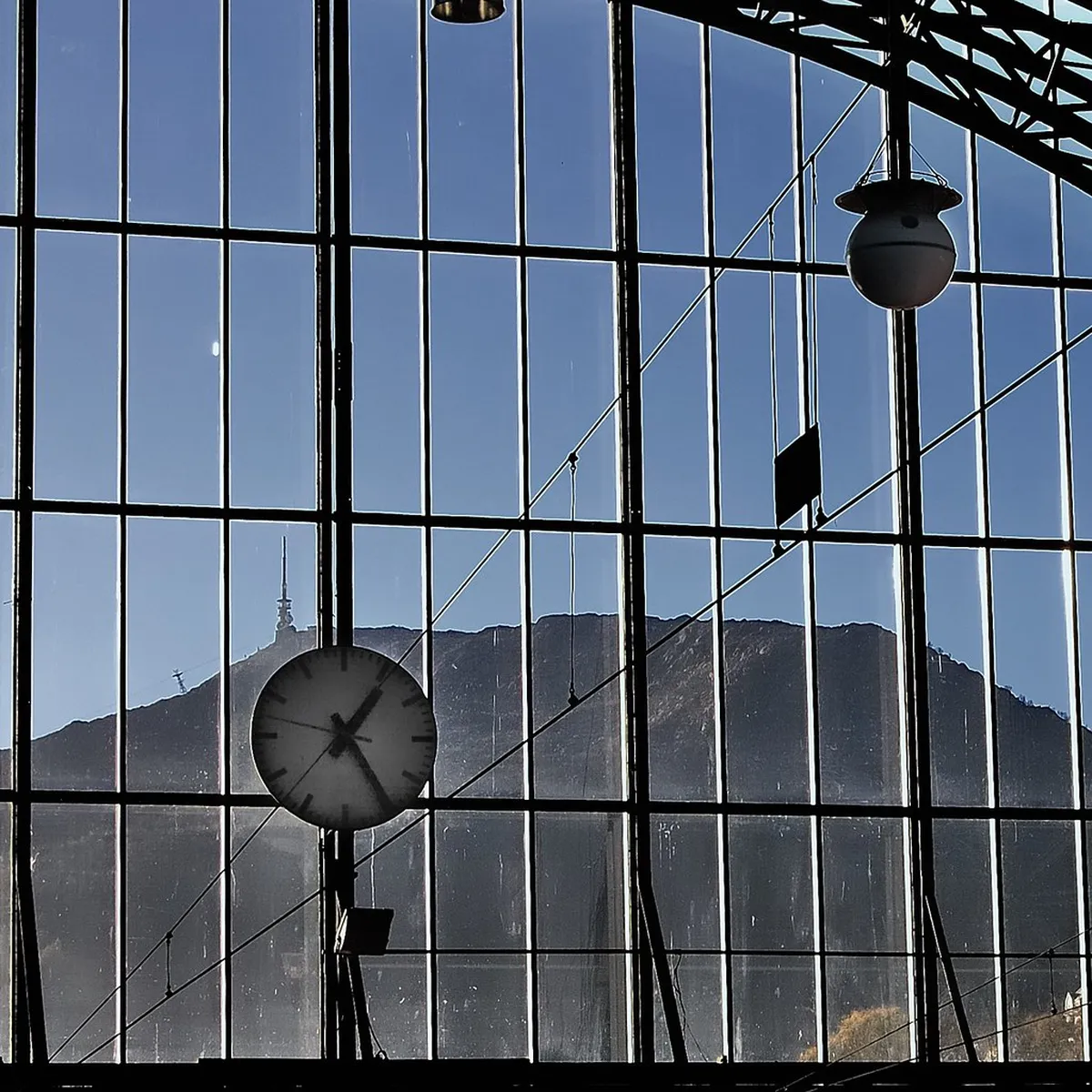
The full Norway in a Nutshell circuit (Bergen → Voss → Gudvangen → Flåm Railway → Myrdal → Bergen) works best as a day four activity if you want to do it properly without rushing. It takes 10–12 hours and is the most famous single-day journey in Scandinavia. The Nærøyfjord segment — a two-hour boat ride through one of the world's narrowest fjords, listed as a UNESCO site — is what makes it exceptional. In winter, daylight is short and the mountains close in early, but the snow-covered landscape on the Flåm Railway is among the most dramatic views in Norway.
For those who want a quieter extension, the coastal islands of Sotra and Øygarden west of Bergen offer a completely different perspective: wide Atlantic skerries, fishing villages, and almost no other tourists. Bus 155 from the city center reaches Straume on Sotra in about 45 minutes. It is a good half-day if you have seen the main city sights and want to understand what Norwegian coastal life outside Bergen actually looks like.
Frequently Asked Questions
Is 2 days enough for Bergen?
Two days is enough to see the historic wharf and take the funicular. However, you will likely miss the full fjord experience. I recommend three days to include a cruise and mountain hiking.
How much time should you plan for a fjord cruise?
Most local cruises from the harbor last between three and four hours. You should arrive at the pier 20 minutes before departure. This fits easily into a morning or afternoon slot.
Is the Bergen Card worth it for a 3-day stay?
Yes, the 72-hour Bergen Card is usually worth the investment for active sightseers. It covers most museums and all local bus and light rail transport. You will save money if you visit two museums daily.
Bergen is a city that rewards those who take the time to explore. While you can see the main sites quickly, three days allows for true immersion. I hope this itinerary helps you plan a memorable trip to the Norwegian coast. Remember to pack your waterproof gear and embrace the beautiful coastal rain.
Whether you are a hiker or a history buff, Bergen has something special. The combination of mountain peaks and deep blue water is truly world-class. For a comprehensive guide to all the city has to offer, check out our complete list of Bergen attractions. Start planning your adventure today and experience the magic of the fjords.
You might also like

Continue reading
More guides you'll find useful