Is Bergen Worth Visiting? 11 Reasons to Say Yes
Plan is bergen worth visiting with top picks, neighborhood context, timing tips, and practical booking advice for a smoother trip.
On this page
Is Bergen Worth Visiting? 11 Reasons to Say Yes
Yes, Bergen is worth visiting. It packs UNESCO heritage, fjord access, mountain hikes, and a genuine food scene into a compact walkable city. For most Norway first-timers it outperforms Oslo on atmosphere per square metre — and for fjord travelers it is the only logical base. The honest caveat: Bergen is one of the wettest cities in Europe, averaging around 240 rainy days a year. If you can accept that, you will love it.
This guide answers the question directly: who Bergen suits, how long you actually need, what the top draws are, and how to get there cheaply from the airport. Updated for 2026.
The Verdict: Is Bergen Worth Visiting?
Bergen earns a clear yes for travelers who want to combine a handsome city with Norway's natural highlights in one base. The historic wharf, the funicular, and same-day fjord access from the harbour give you more depth in 48–72 hours than almost any comparable Scandinavian city. It is better than Oslo as a starting point if your priority is fjords and mountains rather than galleries and nightlife.
The trip is not for everyone. Norway is expensive and Bergen is no exception. A modest lunch runs 150–200 NOK per person, a fjord cruise 700–900 NOK, and a mid-range hotel room in summer easily exceeds 1,500 NOK a night. Budget travellers who cook in self-catering accommodation and use the Bergen Card for transport and museums can manage; those who do not plan their spending will be shocked. Rain is also a structural reality, not bad luck — pack a proper waterproof, not just a light shell.
We recommend staying at least two nights. A three-day itinerary is the sweet spot: one day for the city, one for a fjord cruise, and one for a mountain hike or a cultural afternoon. Day trippers on a cruise ship stop miss almost everything good.
- Best for: first-time Norway visitors, fjord-focused travelers, hikers, food lovers, families with older children
- Skip if: strict shoestring budget without self-catering, strong aversion to rain, or if pure urban nightlife is the priority
- Alternative: Stavanger offers similar fjord access with fewer tourists and a slightly warmer climate
1. The Iconic UNESCO Hanseatic Wharf (Bryggen)
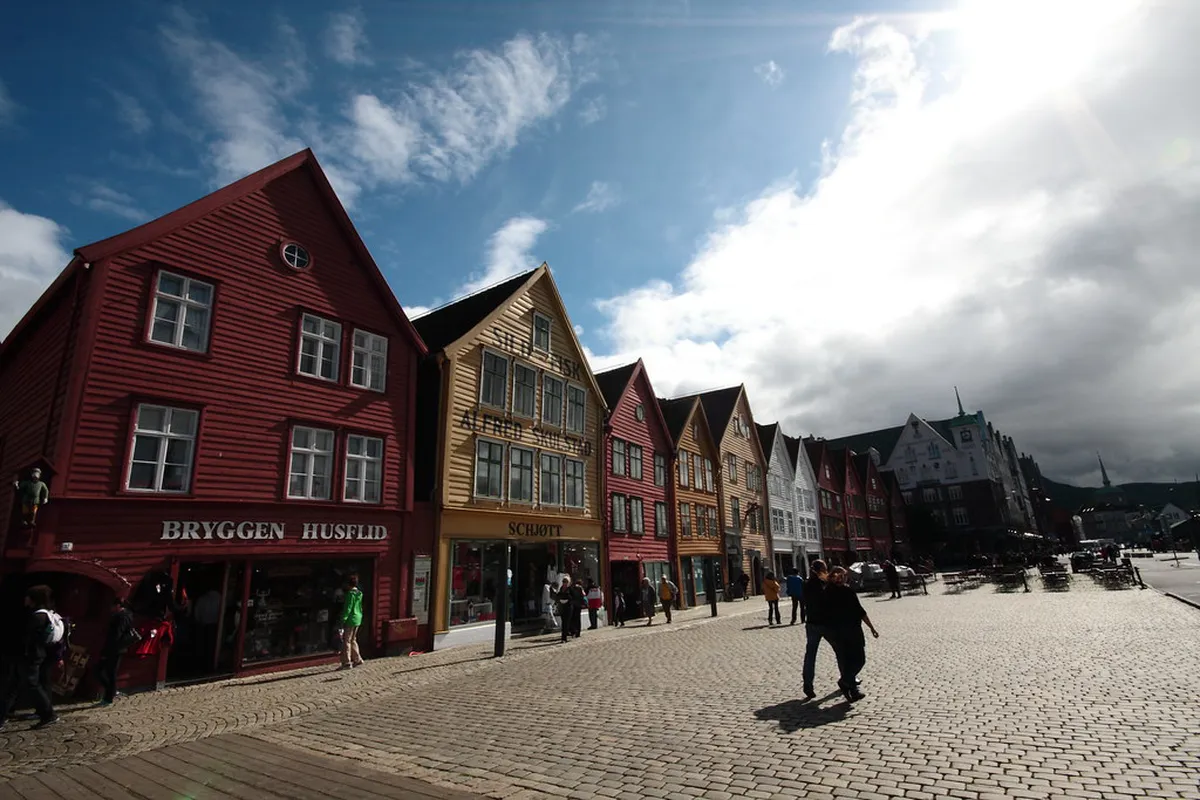
Walking through Bryggen feels like stepping back into the 14th century. These colourful wooden buildings once housed Hanseatic League merchants trading stockfish and grain across Northern Europe. The wharf has burned down multiple times, but the original stone foundations from the 12th century still sit beneath the current structures. Entry to the alleyways and courtyards is free, 24 hours.
Most visitors photograph the iconic coloured facades from the harbour side and move on. The better experience is behind the front row, where narrow crooked passages lead to artisan workshops, small galleries, and the smell of old timber. The Hanseatic Museum — housed in one of the original merchant buildings — shows the austere living conditions of the German traders with original furniture and dried fish stores intact.
Plan to spend 1.5–2 hours here, more if you visit the Hanseatic Museum. Arrive before 09:00 or after 17:00 in July and August to avoid the worst cruise ship crowds. The wooden beams smell particularly strong after rain, which is an oddly atmospheric bonus in Bergen.
- Bryggen highlights: hidden courtyards with local galleries, the Hanseatic Museum, St. Mary's Church, Bergenhus Fortress a five-minute walk away, the Bryggen Museum with archaeological foundations
2. Unrivaled Access to the Norwegian Fjords
Bergen sits at the edge of the fjord system, which makes it the best-placed city in Norway for fjord day trips. Two very different options leave from the harbour: the Mostraumen cruise and the Hardangerfjord express boat to Rosendal. They suit different types of traveller and most guides treat them as interchangeable — they are not.
Mostraumen is a three-hour return cruise through narrow channels with steep walls on both sides and close passes by waterfalls. The focus is pure scenery; you stay on the boat the whole time. It is the right choice if dramatic landscapes are the goal and you have limited time. Rosendal, on the Hardangerfjord, takes about 2.5 hours each way by express boat and drops you in a small village with a barony, an apple orchard trail, and views towards the Folgefonna glacier. It suits travellers who want a slower day combining culture and landscape over pure spectacle.
The Norway in a Nutshell route — Bergen by train to Myrdal, then down the Flåm Railway and back by Sognefjord ferry — is the most famous option. It takes a full day (10–12 hours) and connects Sognefjord, arguably Norway's most dramatic fjord. Book train segments and the ferry separately on the Vy and Norled websites to pay roughly half the price of packaged tour operators.
- Fjord options at a glance: Mostraumen cruise (3 hours round trip, scenery-focused, from Bergen harbour), Rosendal/Hardangerfjord express boat (culture + scenery, half or full day), Norway in a Nutshell (full day, train + ferry, Sognefjord)
Book your fjord cruise at least one day in advance, especially in summer. Express boats to Flåm and Rosendal often sell out; the Norled website shows real-time availability and allows advance booking at the same price.
3. The Seven Mountains: Hiking and Panoramic Views
Bergen is encircled by seven mountains, all accessible by public transport or on foot. The Fløibanen funicular at the bottom of Bryggen is the easiest entry point: it runs every 15 minutes from 07:30, takes eight minutes to reach the 425-metre summit, and costs 160 NOK return for adults in 2026. Views of the city, the harbour, and the islands beyond are exceptional on clear days.
Fløyen is the tourist mountain. For a more local experience, take bus 12 from the city centre to Montana and hike the Sherpa steps up Mount Ulriken — the tallest of the seven at 643 metres. The Ulriken cable car is an alternative if you want to go up mechanically and hike down. The Vidden trail between Fløyen and Ulriken takes approximately five hours and requires proper hiking footwear; it is one of the more rewarding half-day walks in Norway close to a major city.
Less-visited but genuinely worthwhile: Løvstakken (477 metres) to the west of the city centre is reachable by light rail to Danmarksplass and a 10-minute walk to the trailhead. The hike takes about an hour each way and the summit views extend over the fjord. Almost no tourists, which is a meaningful contrast to the Fløyen crowds.
- Mountain options: Fløyen (funicular, easy, tourist-facing), Ulriken (cable car or Sherpa steps, highest peak), Løvstakken (light rail + walk, local, uncrowded), Vidden traverse (Fløyen to Ulriken, 5 hours, requires boots)
4. A World-Class Culinary Scene (and the Seagulls)
The Fish Market (Fisketorget) is one of those places you visit for the experience rather than the price. The covered indoor section sells fresh salmon, shrimp, king crab, and whale meat at prices clearly aimed at tourists. It is worth a walk-through and worth buying a small plate of prawns — but keep your food below shoulder height. Seagulls here are experienced thieves; they do not wait for you to lose attention, they make a direct approach. Eating under the covered stalls helps.
For a better-value fish meal, Søstrene Hagelin on Strandgaten has been serving traditional Norwegian fast food since 1929. Fish soup and fish cakes run around 75–120 NOK and the quality is consistently good. Trekroneren, a small kiosk near the Fish Market, is the local tip for reindeer hot dogs with lingonberry sauce — an honest, cheap lunch that no tourist guide usually mentions. Our Bergen food guide covers more options across all budgets.
For a more formal meal, Bryggeloftet on the harbour is Bergen's oldest restaurant (1910), with good fish soup, raspeballer potato dumplings on Thursdays, and a beautiful interior. Bien Basar serves local persetorsk (steamed Bergen-style cod) and is the place to try traditional local cooking in a non-touristy room. Pingvinen near the university is the best option for budget-friendly Norwegian classics.
- Seagull survival at the Fish Market: hold food low and close to your body, eat under covered stalls, never photograph food held up in the air, dispose of wrappers immediately in closed bins
5. Rich Cultural Heritage: KODE and Edvard Grieg
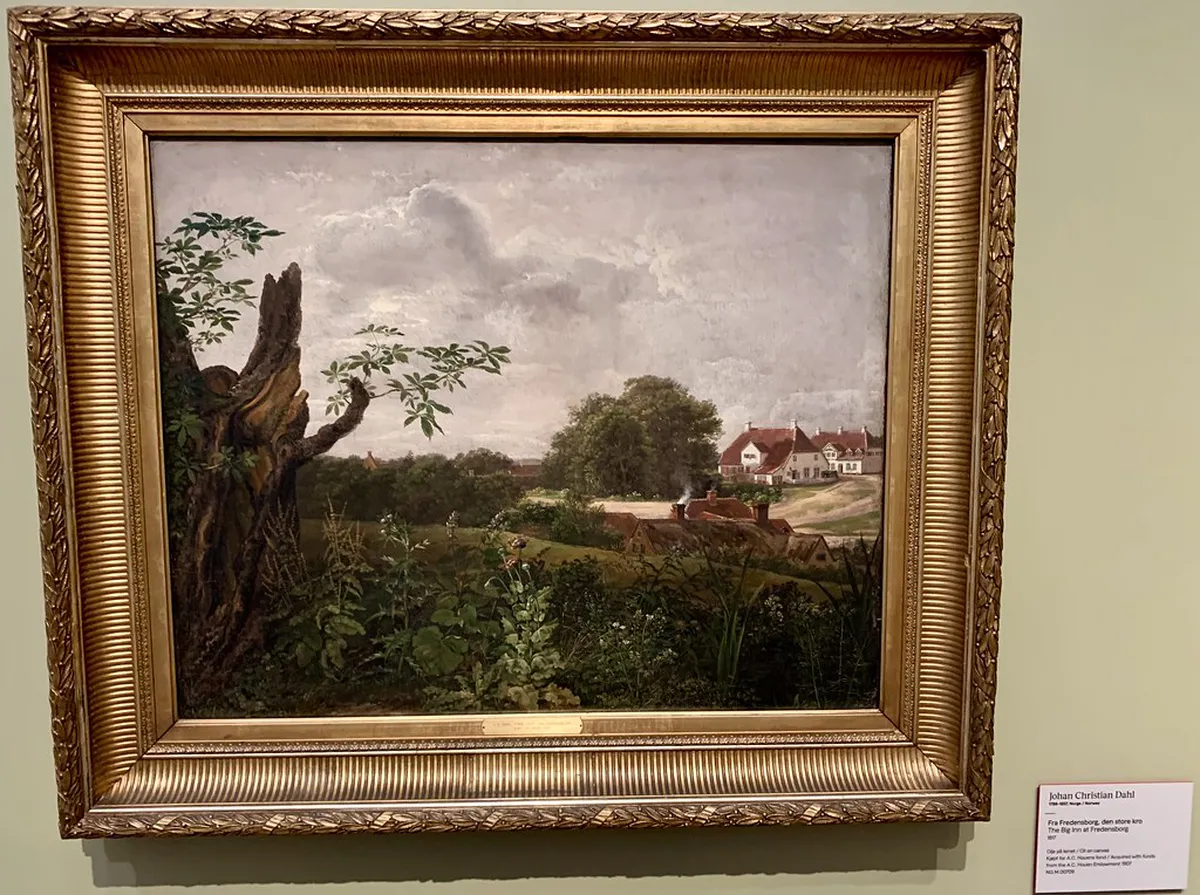
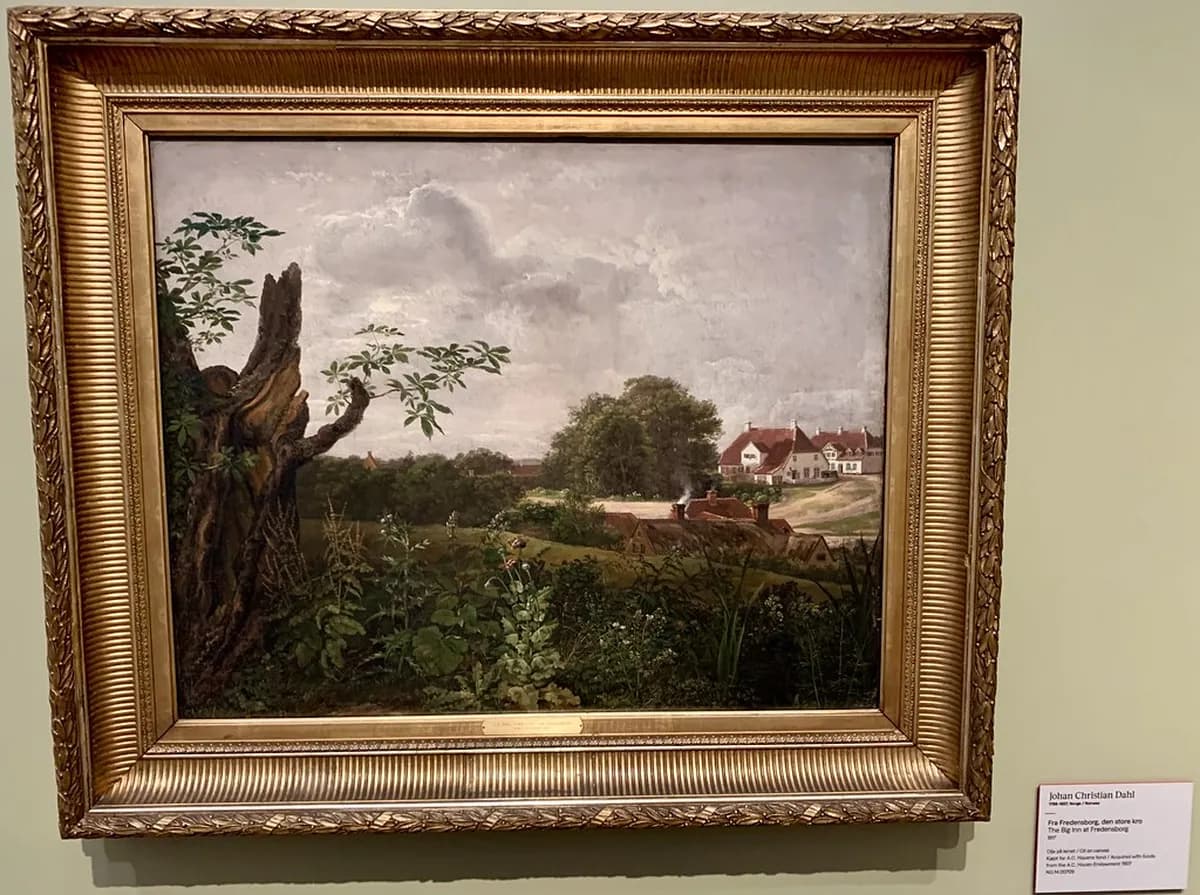
Bergen has a serious claim to being Norway's cultural capital. The KODE museum complex — four interconnected buildings around Lille Lungegårdsvannet lake — holds more than 50,000 works including the Rasmus Meyer Collection of Norwegian Golden Age painters. Edvard Munch, J.C. Dahl, and Harriet Backer are all represented. KODE 2 focuses on applied art and design; KODE 3 has the most celebrated paintings. A combined ticket covers all four buildings and is included in the Bergen Card.
Troldhaugen, the villa where composer Edvard Grieg lived and worked from 1885 until his death in 1907, is 20 minutes south of the city by light rail and bus. The house, his lakeside composing hut, and the concert hall Troldsalen (200 seats) are all open to visitors. Summer concerts in Troldsalen run several times a week from June through August — worth booking in advance if chamber music interests you. This is the closest you get in Bergen to genuinely off-the-tourist-trail cultural depth.
Bergen Cathedral (Domkirken), on Kong Oscars Gate, dates to 1250 and contains a cannonball still embedded in the exterior wall from a 1665 naval battle. Entry is free and takes less than 30 minutes; the interior is calm and beautiful, and the street leading up to it from the harbour is one of the most atmospheric in the city.
6. Visual Charm: Wooden Architecture and Street Art
Bryggen gets all the attention for historic wooden architecture, but the most authentic version is in two residential neighborhoods further from the centre. Nordnes, the peninsula on the west side of the harbour, has streets of painted wooden houses from the 18th and 19th centuries with none of the tourist infrastructure. It is a 15-minute walk from Bryggen and almost entirely locals. Sandviken, north of the fortress, has a similar character — quiet clapboard streets, a small harbour, and the Bergenhus walls as a backdrop. Both neighborhoods take less than an hour to walk through and show what Bergen looked like before it became a tourist destination.
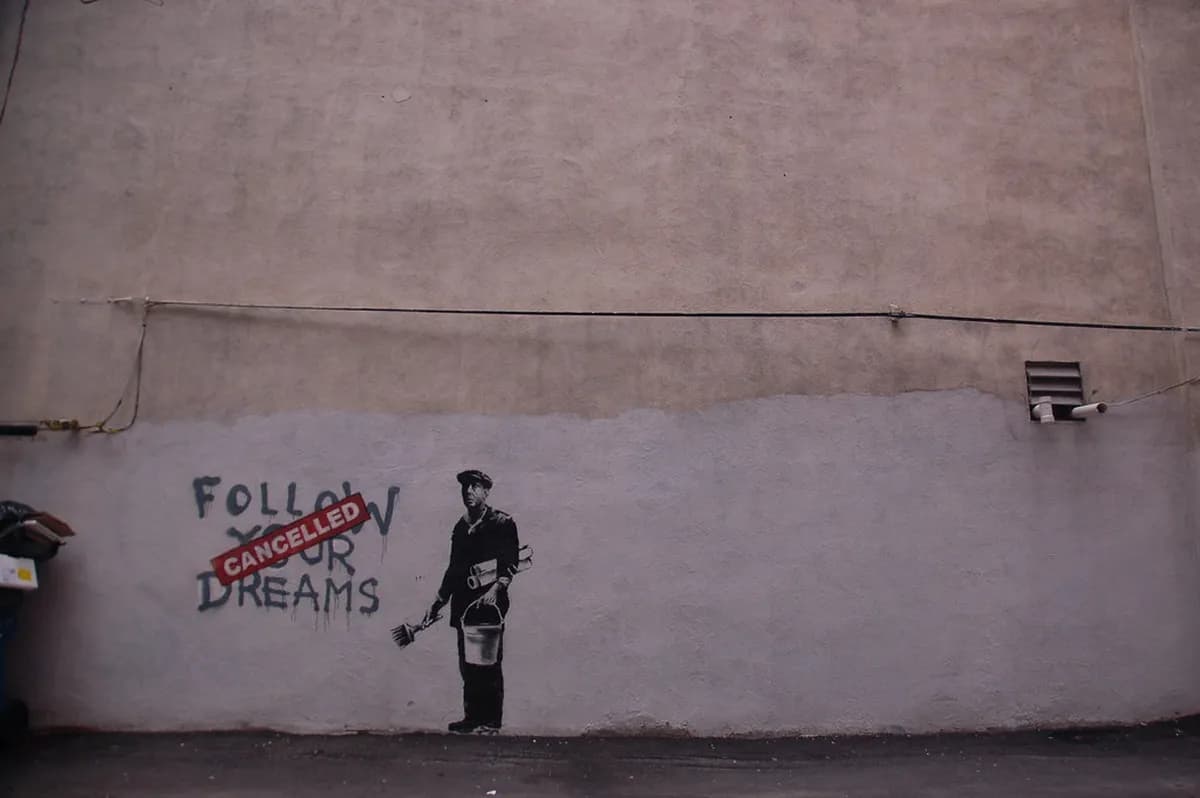
For street art, the Skostredet area — a cluster of streets running inland from Strandgaten between the fish market and the KODE museums — has the densest concentration of large-format murals in the city. Most were commissioned through Bergen's annual cultural programme and range from floor-to-ceiling photorealism to abstract Scandinavian folk motifs. It is a 20-minute walking loop and most visitors miss it entirely because it sits one block back from the main harbour drag.
The Old Bergen Open-Air Museum in Sandviken reconstructs 18th–20th century wooden house interiors in a preserved neighbourhood context. It is genuinely interesting rather than didactic and sits near the Sandviken neighbourhood walk.
7. The Bybanen Light Rail: Bergen's Most Underrated Asset
Most travel guides mention the Bybanen as a cheap airport transfer and leave it there. That undersells it considerably. Line 1 runs from the airport at Flesland through the city centre and out south to Lagunen, stopping at Fantoft along the way. For visitors it effectively connects the airport, central Bergen, and two worthwhile cultural sites that most tourists skip.
Airport to city centre: the light rail costs approximately 40–50 NOK per adult in 2026 (buy at the machine before boarding — inspectors check) and takes 45 minutes. The Flybussen airport bus covers the same route in 30 minutes for 149–189 NOK and stops directly outside Bryggen, which is useful if you are staying in the Bryggen area with heavy luggage. If you have a Bergen Card, the light rail is free; the Flybussen gives you a 20% discount.
The Fantoft stop on Line 1 puts you a five-minute signed walk from Fantoft Stave Church, a medieval stave church originally built in 1150 in the Sogn valley and relocated to Bergen in 1883. It was burned down in 1992 — a notorious moment in Norwegian black metal history — and subsequently rebuilt to its exact original specifications. Admission is modest and the building is strikingly detailed. This combination of cheap transport, dramatic backstory, and genuine medieval architecture is one of the best-value half-hours in Bergen that almost no one takes.
- Bybanen vs Flybussen: Bybanen — 40–50 NOK, 45 min, free with Bergen Card, stops at Fantoft and Paradis; Flybussen — 149–189 NOK, 30 min, stops at Bryggen directly, 20% discount with Bergen Card
8. Incredible Day Trip Potential
Bergen's day trip options are genuinely among the best of any city in Europe. Sognefjord, the longest fjord in Norway at 204 km, and Hardangerfjord, famous for its waterfalls and fruit orchards, are both reachable in under three hours. The express boat from Strandkaiterminalen runs north into Sognefjord (stopping at Flåm, Aurland, and Balestrand) and south to Rosendal on Hardangerfjord. Schedules and prices are on the Norled website.
Flåm is the most popular single destination: it sits at the foot of the Flåm Railway, a 13-mile mountain train considered one of the most scenic rail journeys in the world. The round trip from Bergen combining train, mountain rail, and ferry takes a full day. Aurland, a stop further along, is less crowded and has the Stegastein viewpoint — a cantilevered platform 650 metres above the fjord — accessible by a short taxi ride from the village. Both are worth the journey if time allows.
For something slower, kayaking from the city harbour takes you through the islands and skerries of Øygarden within an hour of Bergen. Guided tours accommodate beginners. This is the day trip with the lowest logistics overhead and the most immediately physical payoff.
9. When to Visit: The Rain Caveat, Honestly Explained
Bergen receives around 2,250 mm of rainfall per year — more than London, Amsterdam, or Oslo combined. This is not a seasonal quirk; it happens across all months. June through August are the warmest months (average 17–19°C) and have the most daylight but also the highest cruise ship volume and the longest funicular queues. May and September offer a slightly quieter experience at lower hotel rates, though weather is no more reliable.
The rain is manageable rather than miserable because the city is built for it. Covered market halls, constant cafes, and a culture of taking shelter and resuming rather than cancelling plans means a wet afternoon rarely loses its value. Bring a genuinely waterproof jacket with a hood — not a water-resistant shell — and treat the mist over the mountains as atmosphere rather than a problem. The moody light on the wharf after a shower is legitimately beautiful.
Avoid visiting during major cruise ship days in July if possible. The city sees multiple ships simultaneously; the Bryggen area becomes congested by 10:00 and stays that way until 17:00. Most cruise passengers leave by early evening, returning the streets to a much quieter and more pleasant state. Staying overnight gives you access to a completely different city.
- Crowd calendar: June–August (peak, most daylight, 17–19°C, high prices, cruise crowds), May/September (quieter, better value), October–April (very wet, minimal tourists, cheaper accommodation, Christmas market in December)
Bergen averages 240 rainy days per year across all seasons. Rain is not a seasonal issue — it happens year-round. Pack a genuinely waterproof jacket with a hood (not just a water-resistant shell) and plan indoor activities (museums, cafes, markets) as backup for heavy downpours. The rain also creates moody, atmospheric lighting that many visitors find beautiful.
10. Practical Tips: The Bergen Card and Budgeting
The Bergen Card covers unlimited travel on the Bybanen light rail and Skyss buses, free entry to most major museums, and discounts on fjord cruises and attractions. In 2026 it costs approximately 400 NOK for 24 hours or 700 NOK for 96 hours per adult. It pays for itself quickly if you take the airport light rail, visit two museums, and make one fjord trip on the same day. Check the full Bergen Card guide to model whether it fits your specific plan.
Practical cost benchmarks for 2026: funicular return 160 NOK, museum entry 120–180 NOK per adult, fjord cruise 700–900 NOK, a coffee 45–60 NOK, a budget meal at a café 150–200 NOK. Grocery shopping at Rema 1000 or Kiwi supermarkets cuts food costs sharply — both are in the city centre. Bergen's accommodation market is genuinely undersupplied in summer; prices spike hard and good options sell out weeks in advance. Book early, particularly for July.
For accommodation context: Det Hanseatiske Hotel inside Bryggen and Bergen Børs Hotel (former stock exchange building on the harbour) are the standout luxury options. Bergen Citybox works well for mid-range city-centre access. Budget travellers should book hostels early in summer; the market is thin.
11. Family-Friendly Bergen and Practical Accessibility
Bergen works well for families with children of most ages. The Bergen Aquarium at Nordnes is Norway's largest and a reliable two-hour stop. The funicular is straightforward for young children (bring a carrier for toddlers as it is a standing cabin). The Bryggen alleys are safe, traffic-free, and genuinely interesting for older children who enjoy history.
The city centre is compact and flat along the harbour, which makes it navigable with pushchairs and wheelchairs. The Fløibanen funicular is accessible by wheelchair (inform staff when boarding). The Bybanen light rail is modern and step-free. Note that the Bryggen alleyways have uneven wooden surfaces and slight inclines — negotiable but not easy with heavy equipment. Troldhaugen is 20 minutes by public transport; the garden paths are wide but can be slippery in wet weather.
Nordnes Sjøbad — a heated outdoor sea pool and sauna complex on the Nordnes peninsula — is one of the best family stops in the city that most guides overlook. It is open year-round including winter cold-water swimming, has shallow pool sections for small children, and charges a modest entry fee. It is exactly the kind of place that makes Bergen feel like more than a scenic stopover.
Frequently Asked Questions
Is Bergen worth visiting in the rain?
Yes, Bergen is worth visiting even when it rains. The city is built for wet weather, and the mist adds a beautiful, moody atmosphere to the mountains. Just bring a waterproof jacket and enjoy the cozy cafes.
How many days do you need in Bergen?
You should plan for at least two to three days. This allows one day for the city highlights and another for a fjord cruise. Three days gives you enough time for a longer mountain hike.
Is Bergen expensive for tourists?
Bergen is quite expensive compared to most European cities. Expect to pay more for food, alcohol, and transport. Using the Bergen Card and eating at local supermarkets can help manage your budget.
Bergen is one of the most complete short-stay destinations in Europe. In three days you can cover medieval heritage, fjord scenery, mountain hiking, and serious food — and leave with material for a return trip. The cost and the rain are real but manageable. The question is not really whether Bergen is worth visiting; it is whether you have the right expectations going in. Set them correctly and this city will exceed them.
Start by booking accommodation early — Bergen's hotel supply consistently falls short of summer demand. Then map two or three priorities per day rather than trying to cover everything. The city rewards unhurried time. Once you've settled on your stay, our complete attractions guide helps you prioritize the top experiences.
You might also like

Continue reading
More guides you'll find useful