17 Best Northern Lights Tours in Tromso (2026 Guide)
Discover the best northern lights tours in Tromsø. Compare minibus chases, aurora cruises, and husky safaris with expert tips on timing, costs, and booking.
On this page
17 Best Northern Lights Tours and Essential Tips in Tromso
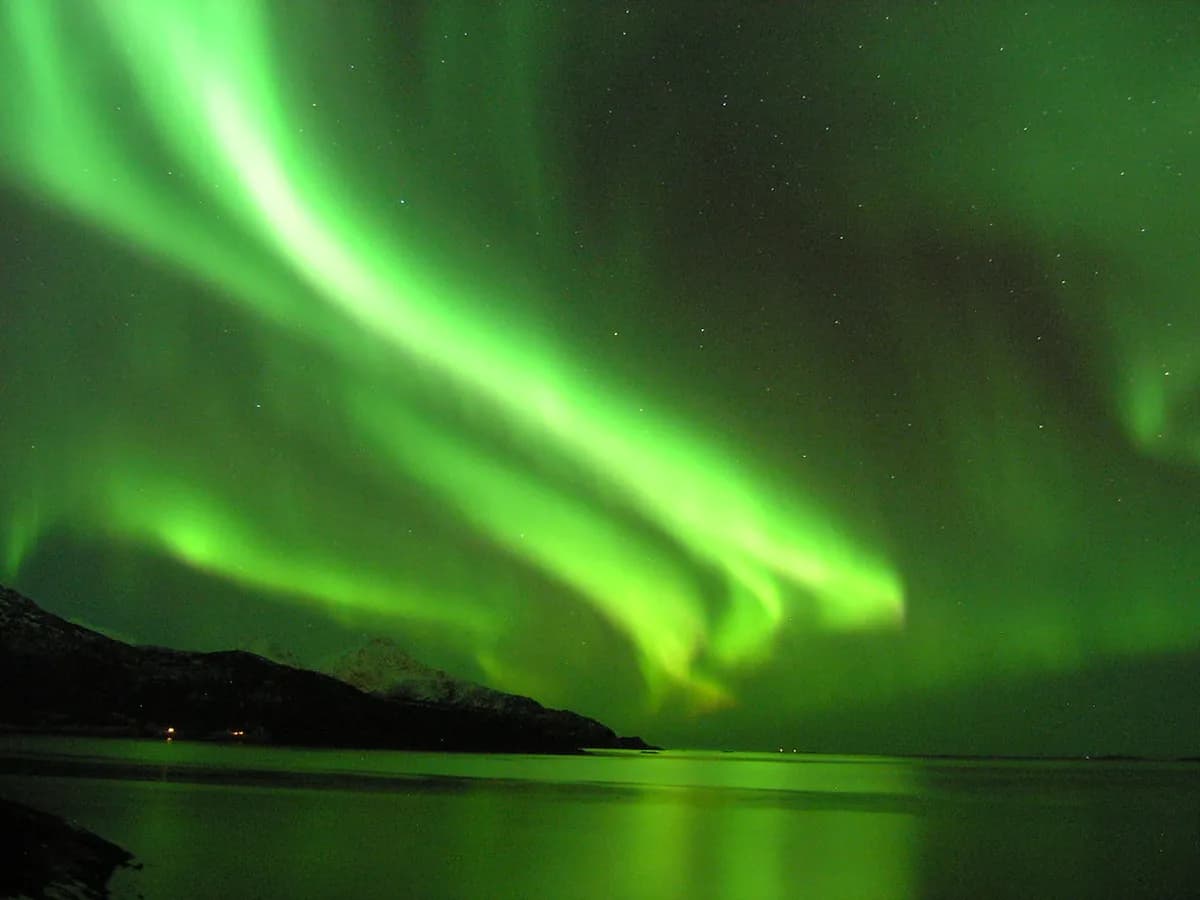
Tromsø is the premier base for the northern lights in 2026, and for good reason. It sits directly under the Auroral Oval, where solar particles hit the atmosphere at maximum intensity. The city also combines Arctic remoteness with real infrastructure — warm hotels, good restaurants, and dozens of competing tour operators that have been chasing the lights for decades.
We reviewed the full tour roster and field-tested the key options across multiple winter seasons. This guide covers every major tour format — bus, minibus, sailing, camp, and activity combos — plus the practical planning details that booking platforms rarely explain. Solar activity in 2026 is near a confirmed 11-year cycle peak, making this one of the best windows in recent memory.
Quick Tromsø Travel Guide
Before diving into the tour list, here is what you need to sort before you arrive. Most northern lights tours in Tromsø depart from central hotels at around 18:00–18:30. If you book an Airbnb on the outskirts — Tromsdalen, Kvaløya island, or anywhere requiring a 20-minute drive to the pickup point — you risk missing departures, especially on the first night when you are still navigating the city. Stick to central accommodation or confirm pickup logistics with your host before booking.
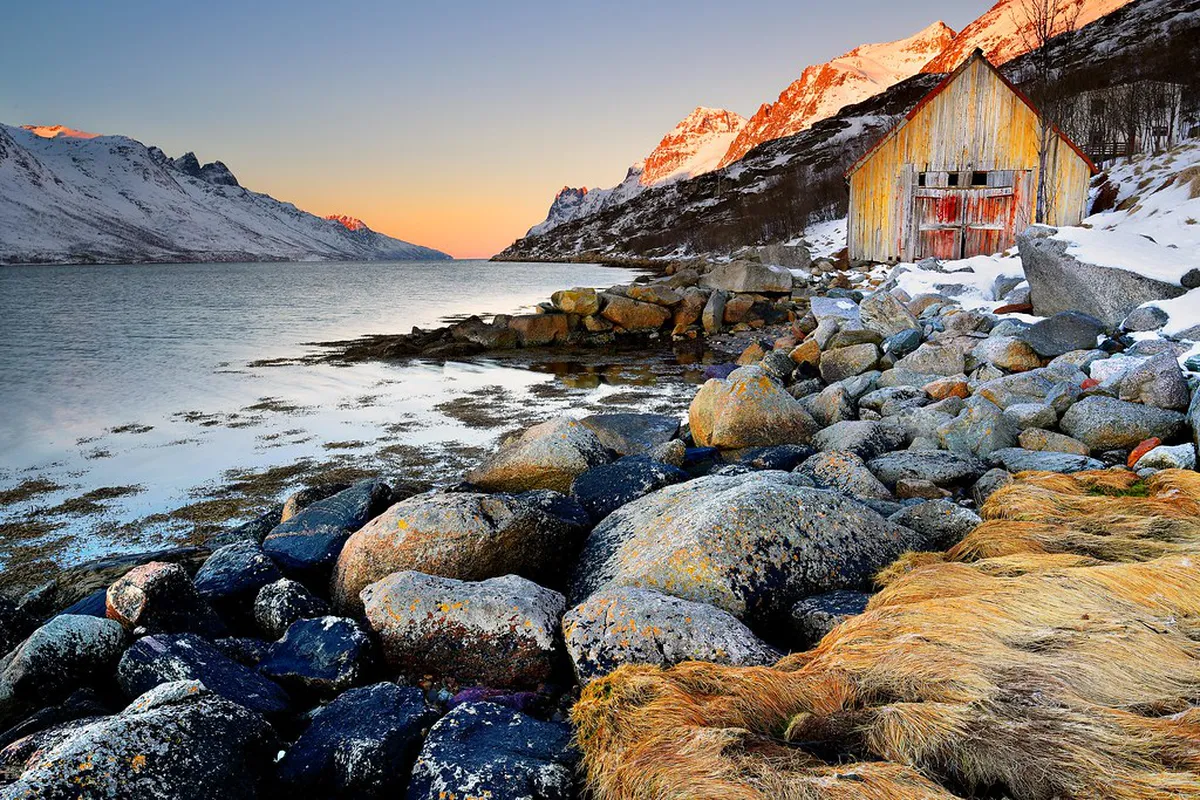
For hotels, Thon Hotel Polar and Thon Hotel Tromsø are reliable mid-range options within a few minutes' walk of most tour departure points. Clarion Hotel The Edge is the top-end choice, right on the waterfront. If you want to watch the lights from your bed, Aera Glass Cabins and Skulsfjorden Dome (both near Tromsø) offer glass-roof options — but these require a car.
Car rental is worth considering if you plan to spend time outside the city. Tromsø's public transport does not reach most aurora viewing areas. Renting gives you the freedom to position yourself in Kvaløya or the Lyngen Alps when a clear-sky window opens up. For packing, prioritise wool base layers over synthetics — wool retains warmth even when damp, which matters during long outdoor waits. Check our packing list for winter for the full breakdown.
Is Tromsø the Best Place to See Northern Lights in Norway?
Compared to Alta or the Lofoten Islands, Tromsø offers a meaningful advantage: it combines high aurora frequency with a coastal position that keeps temperatures warmer than similarly-latitudinous inland towns. Alta averages colder nights and less tour infrastructure. Lofoten sits further south, outside the Auroral Oval's most active band, and its weather is notoriously unstable.
The real reason Tromsø works is the escape radius. When coastal clouds roll in — which is frequent — guides can drive 60–120 minutes east toward the Finnish border or south into the drier Tamok Valley. These inland micro-climates often have clear skies even when the coast is socked in. That flexibility is not available to the same degree from any other Norwegian city. It is why Tromsø remains the best place to see northern lights in Norway for most first-time visitors.
The best time to visit Tromsø for the aurora is late September through early April. February and March tend to produce the most photogenic conditions — snow on the ground, longer nights, and enough daylight to enjoy the city during the day. September and October are milder but darker by 21:00, which is sometimes too late for visitors on a tight schedule.
Best Tromso Northern Lights Tours
We have grouped the tours below into chase tours (mobile, following the clear skies), camp experiences (stationary, wilderness-based), water-based tours, and activity combos. Use the descriptions to match your style — mobile chasers have the highest probability of seeing the lights, while camps and activity tours are worth booking as a second night option regardless of weather.
All-inclusive Northern Lights Chase by Minibus
This is the single most effective tour format for seeing the aurora. Small vans — typically a Mercedes 4x4 or equivalent — can reach narrow mountain roads and remote valleys that large coaches cannot access. Guides communicate via radio networks and share real-time cloud data, repositioning the group toward the clearest skies throughout the night.
Tours run from approximately 18:00 to 01:00 and cost between 1,500 and 2,100 NOK per person. Most operators include thermal suits, insulated boots, a hot meal, and warm drinks. If the lights do not appear, most minibus operators offer a 50% rebooking discount on the next available tour — subject to availability at their sales desk in Tromsø city centre. Confirm this policy when booking, as it is not always automatic.
This format also suits photographers. Guides typically stop at pre-scouted locations with low light pollution and clear horizon lines. You get hands-on help with camera settings and access to tripods if you have not brought your own. For most visitors, this is the tour to book first.
Most minibus tours include thermal suits and insulated boots, but bring your own wool base layers and spare camera batteries — cold drains lithium cells to 90-minute runtime at -10°C.
Chasing the Northern Lights by Bus
The large-coach chase is the most affordable entry point. Prices start around 950–1,295 NOK per adult, and the Aurora Bus has been operating for years with a strong reputation. The bus can travel up to 2.5 hours from Tromsø to find clear skies, and the on-board restrooms make longer journeys manageable.
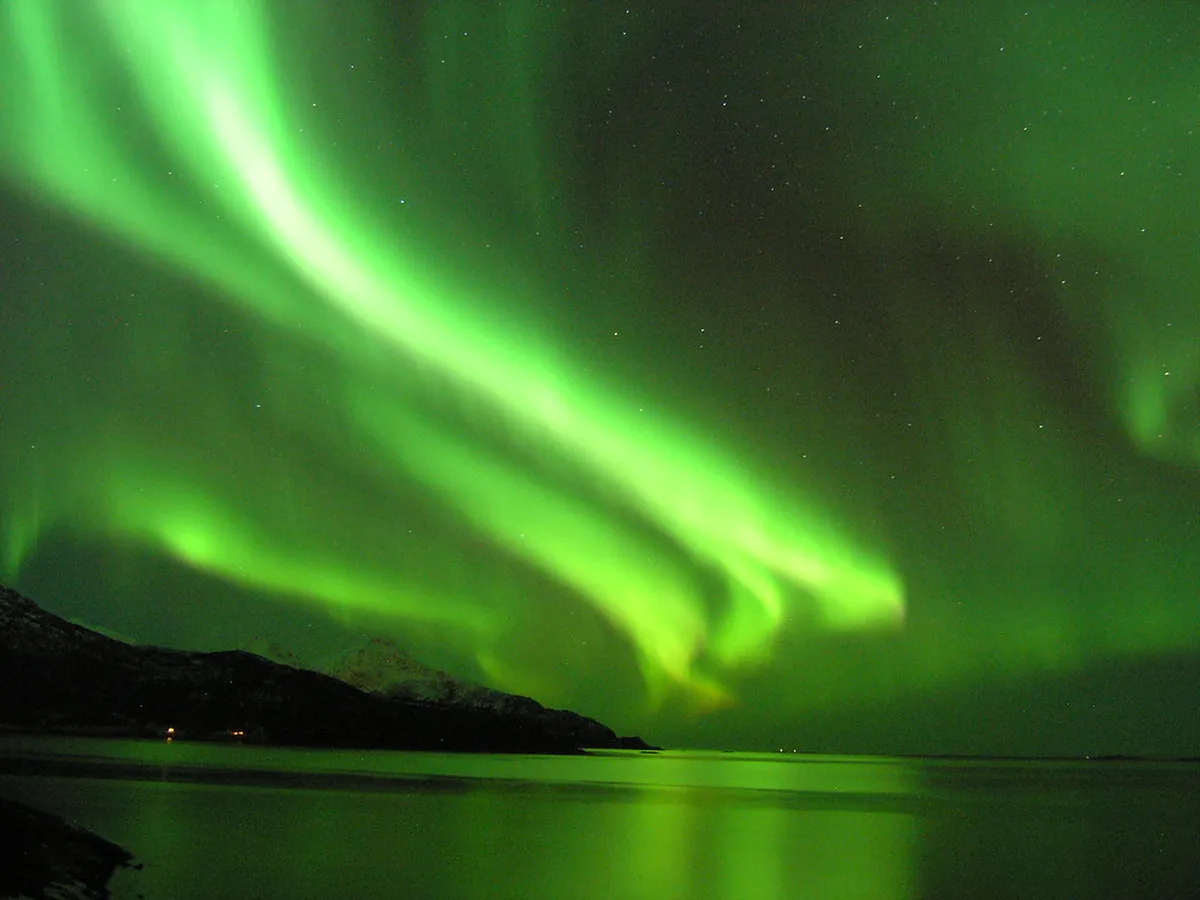
The trade-off is group size and flexibility. Large buses cannot reach the narrow inland tracks that minibus guides use as escape routes. If the main corridor has cloud cover across a wide front, bus tours are more limited in their response. That said, the rebooking policy — 50% discount on a future tour if the lights do not appear — provides a real safety net. Availability is subject to seats remaining, so visit the sales shop early the next morning if you want to secure it.
Bus tours are a good starting point if you are unsure about the lights or on a tight budget. Pair them with a minibus or activity tour on subsequent nights for the best overall chances.
Northern Lights Visit at Camp Tamok
Camp Tamok sits roughly 90 minutes by bus from central Tromsø, positioned in an inland valley with a drier micro-climate than the coast. When clouds park over the city, this area often clears first — the geography channels moisture away from the mountains and toward the sea. The camp itself is built around a traditional lavvu (a Sami-style tent), where guests eat a warm meal by an open fire while guides watch the sky.
Entry to the camp with transport costs approximately 1,500–1,900 NOK. If you have a car, you can book the camp visit without transport at a reduced rate. This is a stationary experience — the guides are not chasing the lights across the region. For first-timers, combine a Camp Tamok evening with a bus or minibus chase on another night rather than relying on it as your only aurora option.
Camp Tamok Overnight Package Tour
The overnight stay extends your viewing window across the full arc of the night sky. You arrive around 17:00, choose from a menu of evening activities (dog sledding, snowmobiling, reindeer sledding, or a northern lights walk), sleep in a wilderness cabin or insulated tent, and spend the next morning on a second activity before returning to Tromsø around 11:00.
Packages start at around 3,500 NOK per person including all meals, accommodation, and two activity slots. The extended time at Camp Tamok means multiple aurora-watching windows — if it is cloudy at midnight, a 03:00 clearing can still deliver a sighting. This is the highest-value format for travellers who want to integrate the lights into a broader wilderness experience.
Aurora Dinner Cruise
The electric-boat dinner cruise departs from Tromsø harbour at around 19:00 and runs for three to four hours. Inside the heated cabin, floor-to-ceiling panoramic windows face the sky. The menu uses locally sourced ingredients from northern Norway — expect salt fish preparations, reindeer, and seasonal produce. When the lights appear, guests move to the outer deck.
Tickets cost 1,400–1,800 NOK and include the multi-course dinner. Because the boat stays relatively close to the city and cannot chase clouds, this tour works best on clear-forecast evenings. Check the 48-hour aurora and weather forecast before booking, or book in advance and monitor the cancellation window. This is the most comfortable aurora experience available in Tromsø.
Overnight Northern Lights and Whale Watching Safari
This 24-hour expedition combines two of the most sought-after Arctic experiences. The boat sails beyond the fjord into the Aurora Oval Zone, where light pollution is essentially zero. You spend the first evening chasing the lights at sea, retire to your cabin for a 3-course Arctic dinner, and wake the next morning with a chance of spotting humpback whales or orcas through the porthole.
All-inclusive pricing starts at roughly 5,000–8,000 NOK depending on cabin type. Departures run from November through January when whale activity peaks near Tromsø. It is worth noting that seeing the lights from a moving vessel makes long-exposure photography difficult — bring a fast wide-angle lens or accept that phone photos will be blurry. The experience itself more than compensates. Read more in our guide on whale watching near Tromsø.
Husky Northern Lights Excursion
You drive your own team of huskies through the dark wilderness, then stop at a fire for dinner while the guides watch the sky. This tour lasts four to five hours and costs 1,800–2,200 NOK. The experience is genuinely excellent even without the lights — the dogs are energetic and the trail through snow-covered forest is memorable on its own terms.
One practical note: this is a stationary experience at the husky centre once the run is complete. It works best as a second-night tour alongside a mobile chase on another evening. Snow cover is most reliable from January through March. Some centres substitute wheeled carts in November or December if snow depth is insufficient.
Reindeer Sleigh Ride under the Northern Lights
This evening excursion takes you to a Sami camp where reindeer pull a wooden sleigh through quiet forest. You learn about reindeer herding traditions and Sami cultural history, and finish with a hot stew around an open fire. Tours run from around 18:00 to 22:00 and cost 1,600–2,000 NOK.
The pace is gentle and the group sizes tend to be small. It is the most family-friendly aurora option on this list, and the most culturally grounded. Like the husky tour, it is stationary — book it as a complement to a chase tour, not a replacement.
Northern Lights Sailing Excursion
Small sailing yachts offer an intimate alternative to the larger cruise formats. You sail the inner fjords with a crew of six to twelve people, scanning the sky from the deck. Prices run 1,500–2,100 NOK per person, with departures at 19:00 or 20:00 from the main harbour.
Skies are typically clearer inland than over open water, and the boat's motion makes tripod photography nearly impossible. But when conditions align — calm seas, high KP index, clear skies over the fjord — the reflection of the aurora on black water is something no land-based tour can replicate. Worth booking on a night with a strong forecast.
Whale Watching from Tromsø
From roughly November through January, humpback whales and orcas move into the fjords near Tromsø to feed on herring schools. The exact location shifts year to year, but tour operators track the pods daily and redirect their boats accordingly. Whale watching is not guaranteed, but sighting rates are high during peak months.
The most comfortable format is the silent electric whale watching boat — an eight-hour expedition that stays warm inside the cabin and switches to the bow when whales surface. More adventurous visitors can book a RIB (rigid inflatable boat) tour, which gets you closer to the water but exposes you to the spray and cold. Dress accordingly: a RIB in November feels significantly colder than a comfortable electric cruiser.
Norway is also one of the few places in the world where you can legally snorkel with orcas and humpback whales. Several operators, including some based in Skjervøy (about two hours north of Tromsø), run snorkelling whale safaris from late autumn. This is a niche experience that fills up quickly — book several weeks in advance if it is on your list.
Catching The Northern Lights in Norway: 9 Helpful Tips
Preparation is the difference between a cold, disappointing night and a memory that lasts a lifetime. Follow these nine tips to maximise your chances in 2026.
- Wear wool base layers, not just cotton thermals. Wool traps body heat even when damp, which matters during waits that can stretch to three hours.
- Bring a sturdy tripod. Your phone cannot capture a sharp northern lights photo without one. A compact travel tripod fits in a day bag.
- Pack spare camera batteries. Cold drains lithium cells fast — a battery that is full indoors may last only 90 minutes at -10°C.
- Set your camera to manual focus at infinity, ISO 1600–3200, aperture f/2.8, and a shutter speed of 5–15 seconds as a starting point. Adjust from there based on the brightness of the display.
- Check cloud cover — not just the KP index. A KP7 event is invisible under cloud. The Yr.no weather app and the dedicated Norway Lights aurora app give better local forecasts than generic weather services.
- Book multiple nights. Three to four nights gives you a realistic chance of at least one clear window. One or two nights is a gamble.
- Get away from city lights. Even moving 10 kilometres from Tromsø centre increases contrast dramatically. The naked eye sees aurora at KP2–3 in a dark field versus KP4–5 in a lit area.
- Don't use flash. It ruins your own long exposure and disturbs other people's shots.
- Trust your guide over your app. Professional guides have radio networks, weather contacts, and years of pattern recognition for Arctic micro-climates. A free app showing a forecast made two hours ago is no substitute.
What is the Best Month to See the Northern Lights in Tromsø?
The aurora season runs from late September to early April, but the months differ significantly in character. September and October offer milder temperatures — often 0°C to -5°C — and the chance of catching the lights before the full tourist rush. There is little or no snow on the ground, which affects the landscape but not the sky. These months are best if cold weather is a concern.
October, November, February, and March are considered the peak months for stable weather and frequent aurora activity. February and March specifically combine deep snow, longer viewing windows, and returning daylight hours — you can enjoy Tromsø during the day and still have dark skies by 17:00. January is the coldest month and the darkest, which suits dedicated photographers but can be brutal for casual visitors.
December and early January often disappoint due to persistent coastal cloud systems. If your trip is fixed to the Christmas or New Year period, book a tour that can drive inland to the Tamok Valley or toward Finland — the micro-climate advantage becomes critical in these months.
Is it Worth Going on a Northern Lights Tour?
Yes, almost always. The core argument is simple: professional guides use real-time weather satellite data, local radio networks, and years of pattern knowledge to find clear sky pockets that a solo visitor cannot replicate with a smartphone app and a rental car. A guide who has driven the Tromsø-to-Finland corridor 200 times knows which valley clears first when a front moves through. You do not know that on your first visit.
There is also the equipment benefit. Most tours include thermal suits, insulated boots, and sometimes tripods — gear you would otherwise need to buy or rent. In temperatures below -10°C, the quality of that gear directly affects how long you can stand outside watching the sky.
The one scenario where a tour adds less value is if you are renting a car, staying multiple weeks, and are comfortable driving remote roads in winter conditions. In that case, self-guided chasing becomes viable. For everyone else — especially first-timers on three to seven night trips — a guided tour is the right call. Check our Tromsø travel tips for more on planning your overall visit.
One night is essentially a coin flip regardless of solar activity. Book at least three to four nights to achieve a 70–80% probability of a clear viewing window, and confirm 50% rebooking policies with tour operators before purchasing.
How Many Days Should I Stay in Tromsø?
The minimum realistic stay for a reasonable chance of seeing the lights is three nights. With three nights, you have a probability of encountering at least one clear window in the 70–80% range, assuming you join professional tours each evening. Two nights is a gamble. One night is essentially a coin flip regardless of solar activity.
Four or five nights is the sweet spot for most visitors. It allows for two or three tour attempts plus weather buffer, and gives you enough daytime hours to explore the city, take a fjord cruise, and do a day activity without feeling like the entire trip rides on a single cloudy evening. A stay of this length also lets you take advantage of rebooking discounts if your first tour is unsuccessful.
If you are booking around a fixed window — a long weekend, for example — set expectations accordingly. The Arctic weather is genuinely unpredictable, and no guide or article can promise you a sighting. What three to four nights gives you is a fair statistical chance, not a guarantee.
More Things to Do in the Arctic Capital
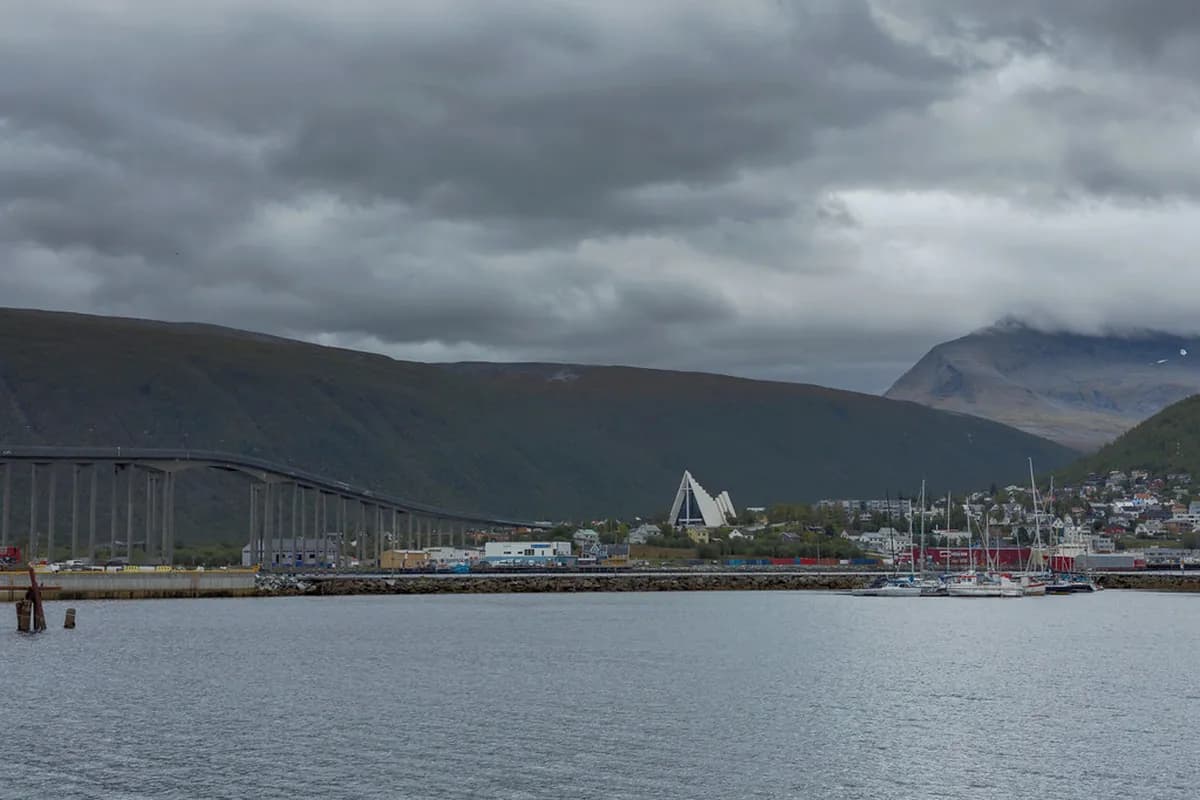
The days between aurora hunts are well spent in Tromsø itself. The Arctic Cathedral (Ishavskatedralen) is the most photographed building in the city — the modernist triangular facade is striking at any time of day, and the stained-glass window above the altar is worth seeing up close. The Fjellheisen cable car runs to 421 metres above sea level and gives a panoramic view over the city and fjords. On a clear day, it is one of the best viewpoints in northern Norway.
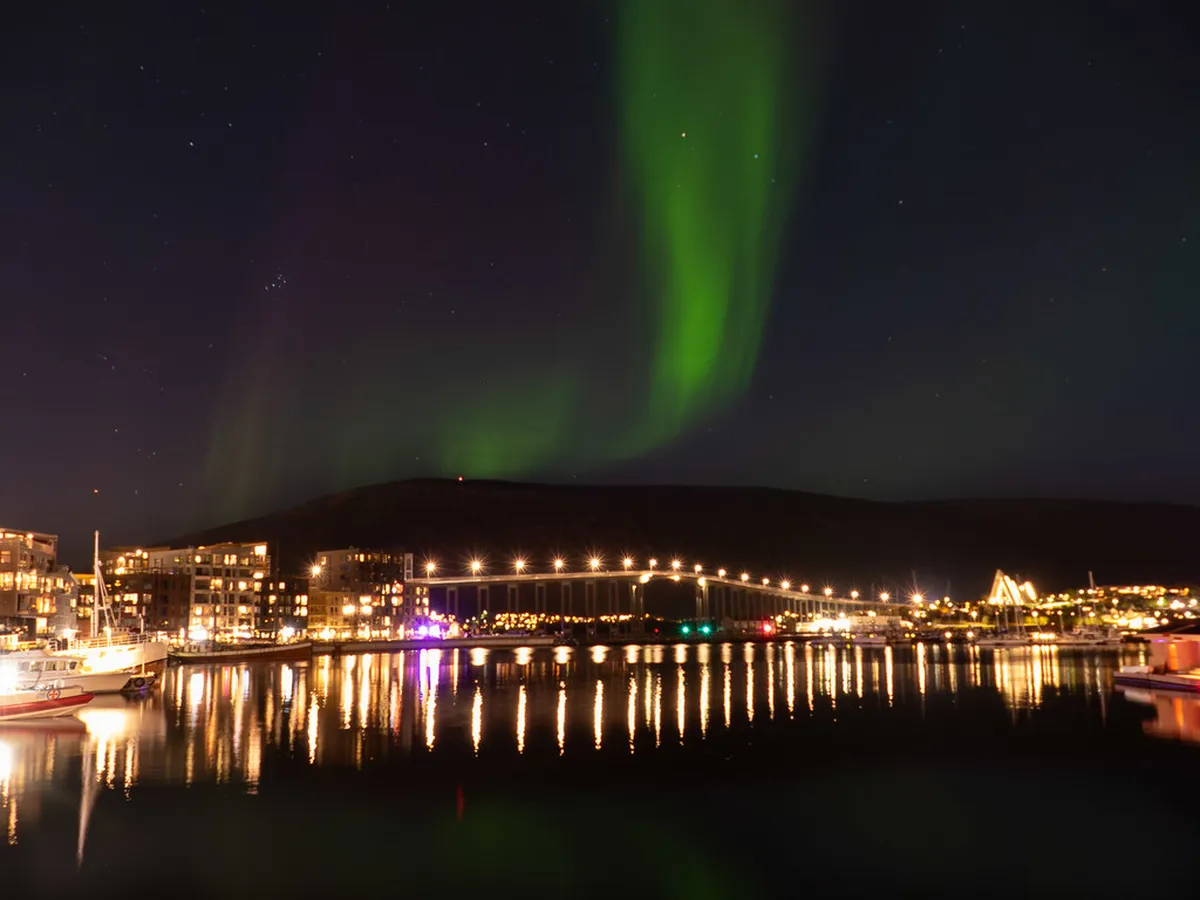
Dog sledding in Tromsø is a strong daytime option from January through March when snow is reliable. The Tromsø Wilderness Center is a well-regarded operator that combines activity with genuine care for the animals. Snowshoeing tours operate from Fjellheisen and require no prior experience. King crab cruises — less famous than the whale safaris but equally memorable — depart from the harbour and include a fresh crab meal on board.
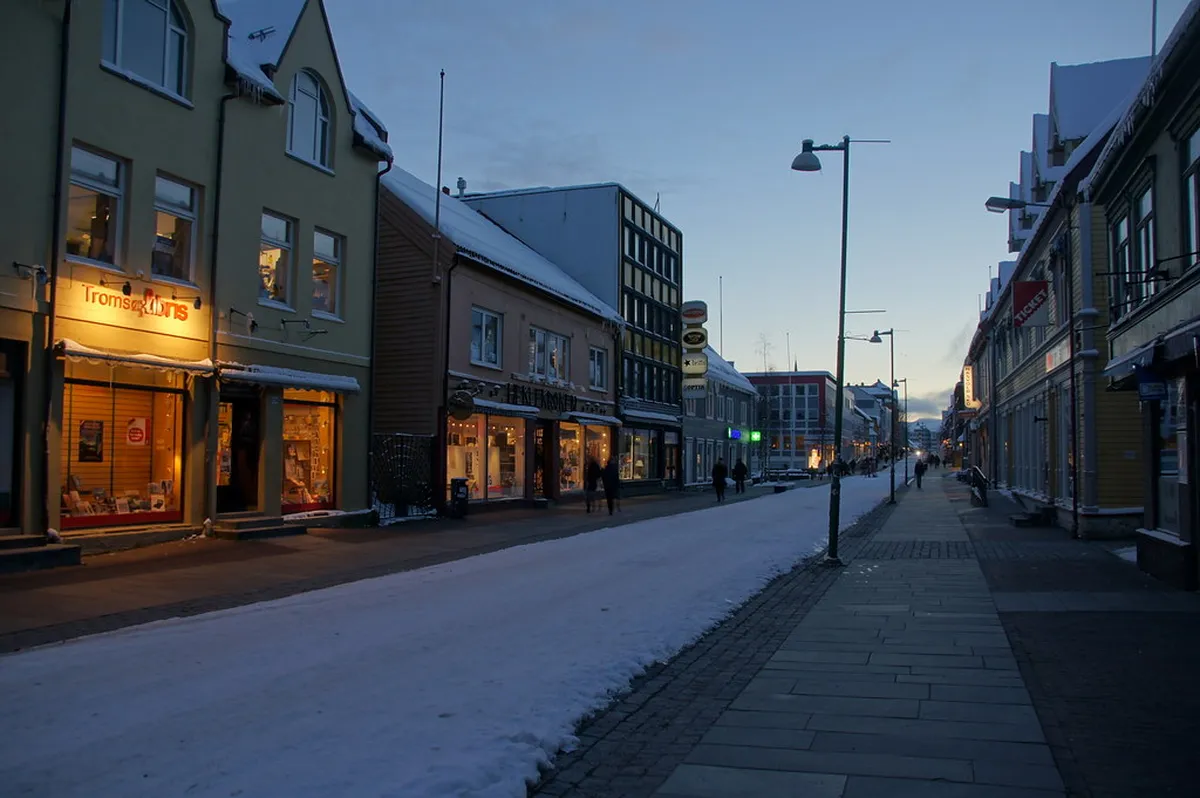
The city centre is compact and walkable. The Polaria museum explains Arctic ecosystems and is worth an hour. The Mack Brewery, the world's northernmost large brewery, offers tours and tastings. For a full daytime activity itinerary, see our guide to things to do in Tromsø.
Frequently Asked Questions
What is the best month to see the Northern Lights in Tromsø?
The best months are from late September to early April when the nights are truly dark enough for viewing. Aim for October or March for slightly warmer weather and high solar activity according to historical weather patterns. These shoulder months offer a great balance between clear skies and comfortable temperatures.
Is it worth going on a Northern Lights Tour?
Yes, tours are highly recommended because guides use real-time weather data and local networks to find clear skies. They can drive several hours to escape coastal clouds, something that is difficult to do alone in Arctic conditions. Most tours also provide professional photography assistance and thermal gear.
How much does it cost to go on a Northern Lights Tour in Tromso?
Basic bus tours typically cost between $90 and $130 per person. Small-group minibus chases or specialized activity tours like husky sledding usually range from $160 to $250. Private tours or luxury overnight packages can exceed $500 depending on the inclusions and duration of the trip.
How likely are you to see the Northern Lights?
If you stay for at least three nights and join professional tours, your chances are over 80 percent. The lights occur almost every night, but cloud cover is the primary obstacle for visitors. Professional guides are experts at finding the small gaps in the clouds to ensure a sighting.
How many days should I stay in Tromsø?
We recommend staying at least four nights to maximize your chances of seeing the aurora. This duration allows for weather fluctuations and gives you time to enjoy daytime activities like dog sledding. A longer stay reduces the pressure of finding clear skies on a single night.
Tromsø is truly the heart of the Arctic and the best gateway to the northern lights. With so many options — from rugged minibus chases to cozy fjord cruises — there is a format for every travel style. See the complete overview of the tours here for the full operator listing and real-time availability. Book your core chase tour first, add an activity tour for a second night, and build in at least three nights of buffer. The 2026 solar cycle peak makes this one of the best seasons in a decade — plan accordingly.
You might also like
Continue reading
More guides you'll find useful