10 Best Attractions in Tromso to Visit (2026)
Discover the 10 best attractions in Tromso, from the Arctic Cathedral to King Crab cruises. Includes seasonal tips, transport advice, and local secrets.
On this page
10 Best Attractions and Things to Do in Tromso
After visiting Tromsø four times across both Polar Night and Midnight Sun seasons, I have learned that this city rewards the traveler who goes beyond aurora chasing. The 'Paris of the North' packs an unlikely mix of polar history, culinary ambition, and raw mountain scenery into a compact island that you can cross on foot in under an hour. Our editors reviewed every neighborhood and attraction category to produce this 2026 guide, so you skip the overpriced tourist traps and spend your time on experiences that genuinely deliver.
Whether you arrive during the ethereal blue light of December or the endless days of July, the logistical challenges are different but the city's pull remains constant. The guide is organized by season and attraction type — scroll to the section that matches your travel window to get directly actionable advice.
Must-See Tromso Attractions
The city center occupies a small island connected to the mainland by the Tromso Bridge, and most major cultural sights sit within an easy 20-minute walk of each other. Start at the harbor, where fishing boats and expedition vessels dock alongside modern glass hotels, then work outward to the landmark attractions that require crossing the bridge or riding the cable car. Understanding this geography prevents wasted hours on taxis.
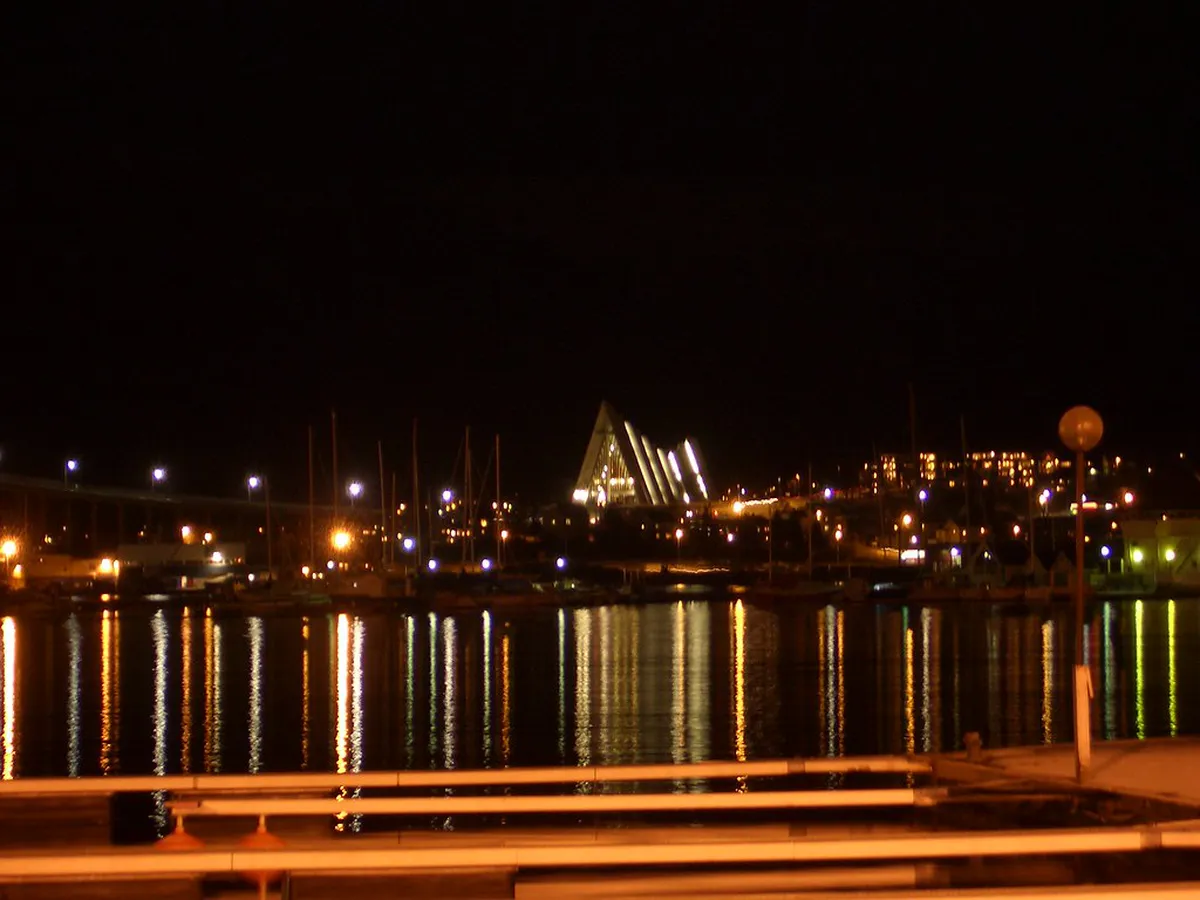
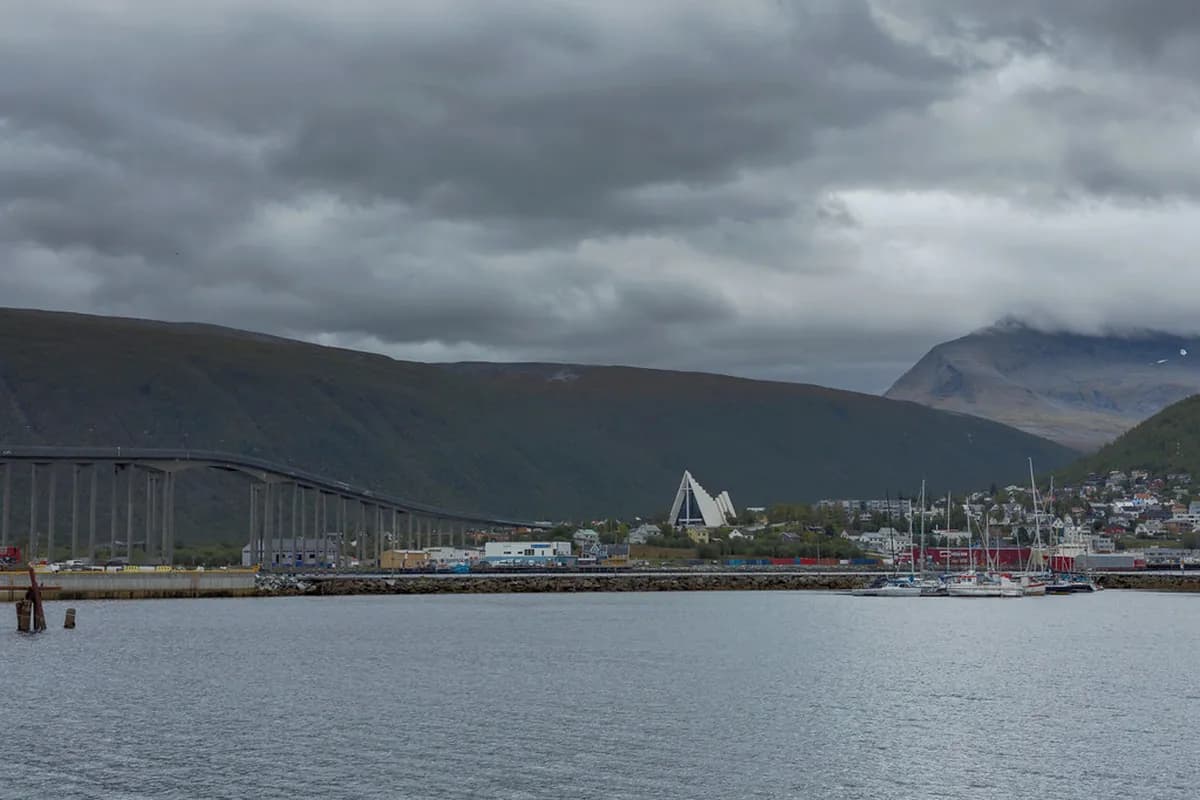
The Arctic Cathedral (Ishavskatedralen) on the mainland is the city's most photographed landmark. Its triangular aluminium facade was designed to echo both the surrounding peaks and the northern lights, and the massive stained-glass mosaic on the east wall — one of Europe's largest — glows at almost any time of day. Entry costs around 80 NOK (roughly €7) in 2026, with daily opening from 13:00 to 18:00. Walking across the bridge at golden hour to see the facade lit from the west is free and arguably more impressive than going inside.
The Fjellheisen Cable Car up to Mount Storsteinen is non-negotiable for first visits. The four-minute ride deposits you at 421 metres for a panoramic view of the entire island, the fjords, and the mountains beyond. Return tickets are approximately 380 NOK (€33) in 2026, with cars running from 10:00 to midnight in summer and on a reduced schedule in deep winter. Arrive by 17:00 to claim a good viewpoint before the crowds; during Polar Night the city lights below are extraordinarily atmospheric even without sunshine.
Checking the transportation options into and around Tromso before you arrive will prevent expensive last-minute taxi decisions. Walking handles the central island; the bus or a short taxi handles the mainland attractions.
Museums, Art, and Culture in Tromso
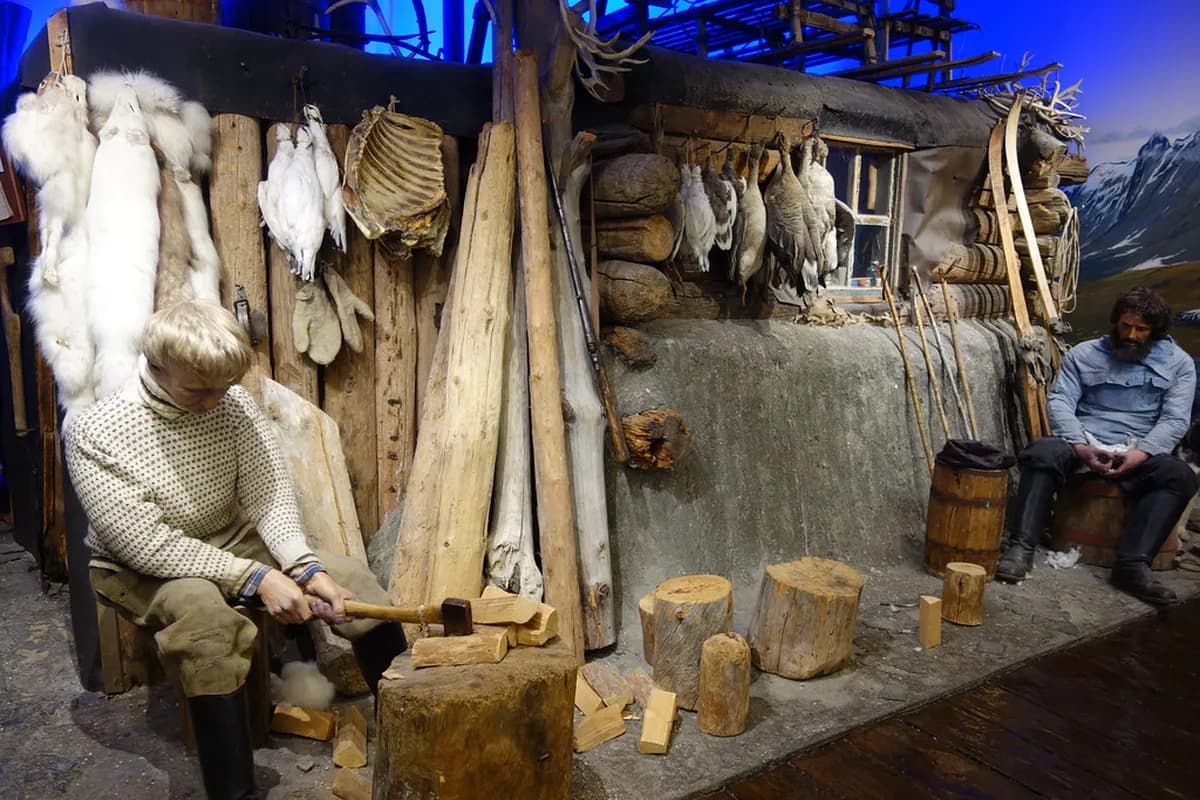
The Polar Museum (Polarmuseet) inside a restored 1830s wharf building is the single best place to understand Tromsø's identity as a launching point for Arctic expeditions. The exhibits cover the brutal realities of 19th-century seal and walrus hunting alongside the stories of Amundsen, Nansen, and the largely overlooked Wanny Woldstad — the first woman to winter as a trapper in Svalbard. Admission is around 120 NOK (€10) per adult; the museum opens daily from 11:00 to 17:00.
The Tromso Museum, run by the University of Tromsø, covers the region's natural history and Sami culture in more depth than any other institution in northern Norway. Permanent galleries on geology, wildlife, and indigenous heritage make it an excellent rainy-afternoon anchor. The Nordnorsk Kunstmuseum nearby holds a strong permanent collection of 19th-century and contemporary northern Norwegian art, including significant indigenous artists — entry is typically around 100 NOK (€9).
For a more contemporary experience, the Tromso Aurora Cinema screens both mainstream releases and international festival films, most with English subtitles. The cinema hosts the Tromsø International Film Festival every January, which brings the city to life during the deepest stretch of Polar Night and offers an affordable alternative to the city's outdoor excursions when the weather turns foul.
The interactive Tromso Troll Museum uses augmented reality to bring Norwegian folk mythology to life. Admission is around 160 NOK (€14) per adult. Download the museum's app before entering — the AR features require it to function properly, and the in-museum Wi-Fi can be slow with a crowd.
Parks, Gardens, and Outdoor Spots in Tromso
The Tromso Arctic-Alpine Botanical Garden, located near the university campus on the northern side of the island, holds the title of the world's northernmost botanical garden. Its collection of Arctic and alpine plants peaks in bloom between June and August, when rare specimens like the Himalayan blue poppy draw plant enthusiasts from across Europe. Entrance is free, and the garden is open 24 hours — ideal for midnight photography during the Midnight Sun season.
Telegrafbukta Beach and Park on the southern tip of the island is the local's choice for watching the midnight sun from the city without taking a boat or cable car. The grassy shoreline faces south across the fjord toward the mountains, and the light between 23:00 and 01:00 in June turns everything an extraordinary copper-gold. Entry is free, and several picnic benches make it easy to linger. In winter, brave souls use the small sauna cabin here for a dip in the 4°C water — a genuinely local ritual that costs nothing but nerve.
The fjord beaches and trails on the neighboring island of Kvaløya are accessible from central Tromsø on bus 42 to Storelv or bus 425 to Ersfjord. The Ersfjordstranda beach — a wide arc of white sand backed by sheer mountain walls — looks nothing like the Norway of the tourist brochures and is regularly cited by locals as one of Norway's best-kept secrets. Hiking trails from here gain elevation quickly and reward with fjord views that rival anything accessible from the cable car.
Best Attractions In Tromso All Year Round
Some of Tromsø's best experiences are season-independent and work equally well regardless of when you arrive. The Fjellheisen Cable Car runs year-round and delivers completely different but equally compelling views depending on the season — snow-capped peaks in winter, green mountain plateaus in summer. The Polar Museum and Tromso Museum never close for the season. The harbor waterfront stroll takes less than 30 minutes and shows a working Arctic port in action at any time of year.
Mack Brewery, operational since 1877, claims the title of the world's northernmost brewery and remains a genuine piece of the city's social fabric rather than a manufactured tourist attraction. Guided tours of the production facility cost around 200 NOK (€17) and end with a tasting flight. The adjacent historic Ølhallen pub — essentially unchanged since polar explorers drank here before departing for Svalbard — opens at 10:00 and provides one of the most atmospheric pints in Norway without requiring any tour booking.
Polaria Arctic Experience Center, built to resemble toppled ice floes along the harbor, runs bearded seal feedings twice daily and operates a panoramic cinema focused on Arctic ecosystems. Entry is approximately 220 NOK (€19). The seal feeding schedule (usually 12:00 and 15:00) is the most reliable crowd-pleaser for first-time visitors and families. Allow 90 minutes.
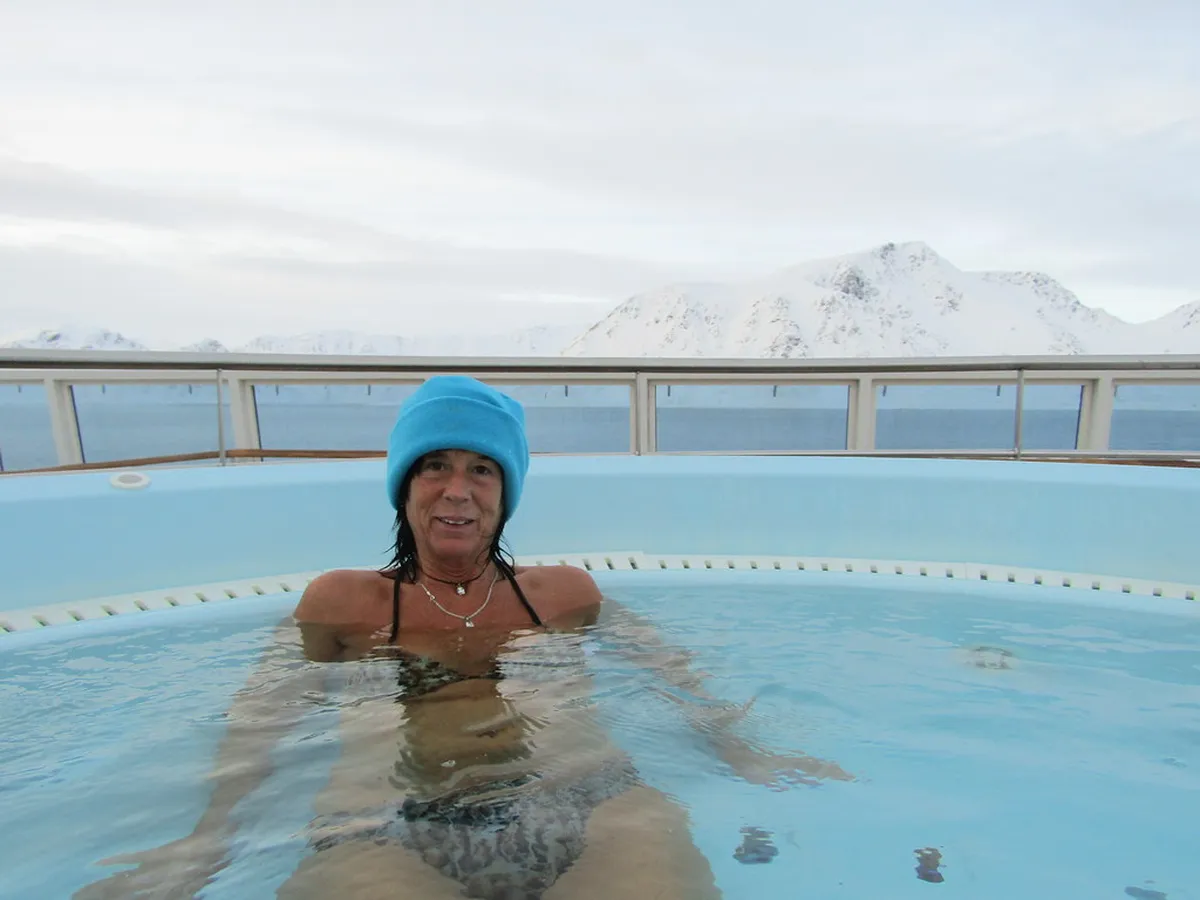
One practical year-round option that most travel guides overlook entirely is Tromsøbadet, the city's large indoor aquatic center on the island's eastern shore. It runs multiple pools, jacuzzis, a steam room, and a heated outdoor pool with mountain views. A day pass costs around 220 NOK (€19) for adults. It is an excellent rainy-day option, genuinely popular with locals rather than tourists, and an honest glimpse of ordinary Arctic city life between high-adrenaline excursions.
Best Things To Do In Tromso In Winter
Winter in Tromsø runs roughly from October through March, with Polar Night — when the sun never rises — lasting from 27 November to 15 January. During Polar Night, there are still around three hours of beautiful blue-tinted twilight light each day between approximately 10:00 and 13:00. This is the single best window to photograph the landscape and visit outdoor sights like the Arctic Cathedral without artificial light flattening the scene. Plan your cultural stops for this window, not midnight.
Polar Night window for sightseeing: 10:00–13:00. Plan museums and outdoor attractions during these three hours of twilight, not at midnight, to avoid artificial lighting and shadows.
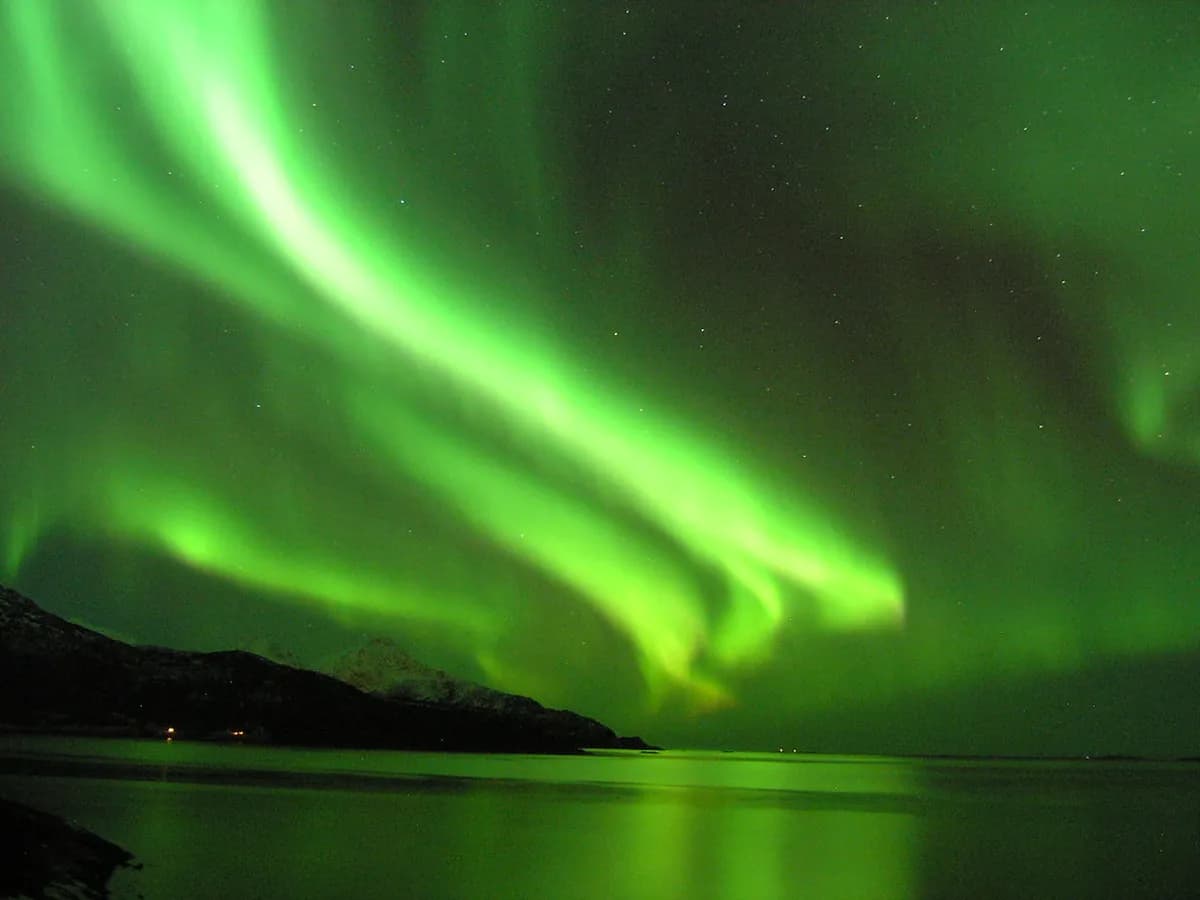
The Northern Lights are visible from late September through mid-April whenever skies are clear and solar activity is high. The best strategy is to join a small-group Northern Lights tour with a knowledgeable guide who reads both weather forecasts and aurora indices in real time. Guides routinely drive across the border into Sweden or Finland to find clear skies, something no self-drive tourist can replicate without inside knowledge. Thermal suits are included on most tours — you only need personal base layers.
Whale-watching runs from approximately October to late January, when humpback and killer whales enter the fjords north of Tromsø to feed on herring. Tours depart from Tromsø harbor and travel to the feeding grounds — sometimes near Skjervøy, sometimes closer — meaning the journey time varies by year. If you dislike cold exposure, choose a large electric boat with panoramic windows over a RIB; the RIB puts you within metres of the whales but leaves you exposed to Arctic wind at speed.
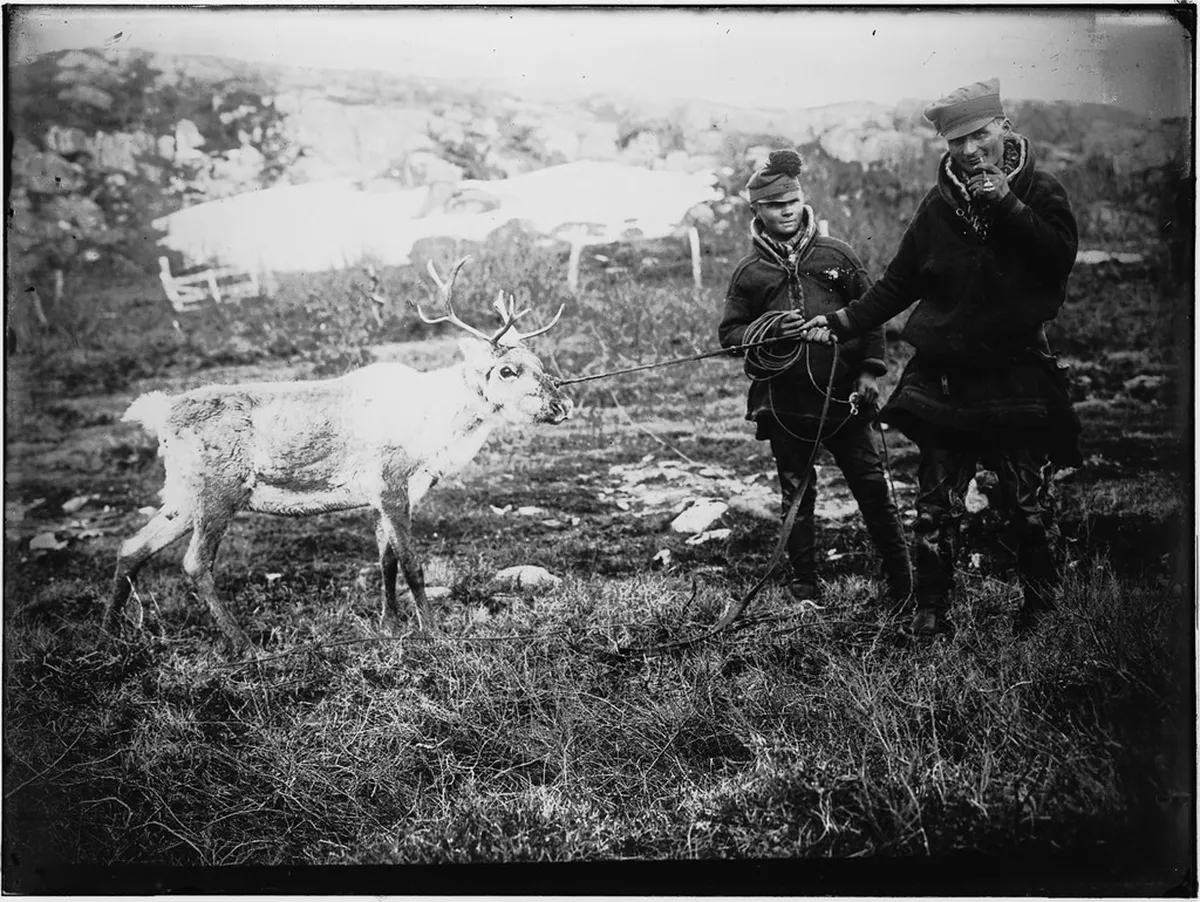
Sami culture experiences — reindeer feeding, joik singing in a lavvu tent, and reindeer sleigh rides — operate primarily during the snowy winter months from November through March. Half-day tours typically cost 1,800–2,200 NOK (€160–€195) per person. Tours departing for Camp Tamok in the Lyngen Alps are longer (about 90 minutes each way) but more likely to have reliable snow and offer the most authentic camp setting. Evening tours in this season can coincide with a Northern Lights display if conditions cooperate.
Best Things To Do In Tromso In Summer
The Midnight Sun lasts in Tromsø from 18 May to 25 July, when the sun genuinely does not set. This creates a completely different city from the winter version: hikers are out at 02:00, cafes fill their terraces all night, and the harbor feels like a continuous Sunday afternoon. The Tromso Botanical Garden reaches its flowering peak in June and July and is the best free activity in the city during this window.
Mountain hiking is the dominant summer activity. Trails begin directly at the top of the Fjellheisen Cable Car, or from the Fjellheisen base station if you prefer to earn your views on foot. The hike up to Tromsdalstinden (1,238 metres) is achievable for fit walkers in around five hours return and offers a 360-degree panorama of fjords, islands, and the open Barents Sea. Take extra layers — the summit can be 10–15°C colder than the city even on a warm summer day.
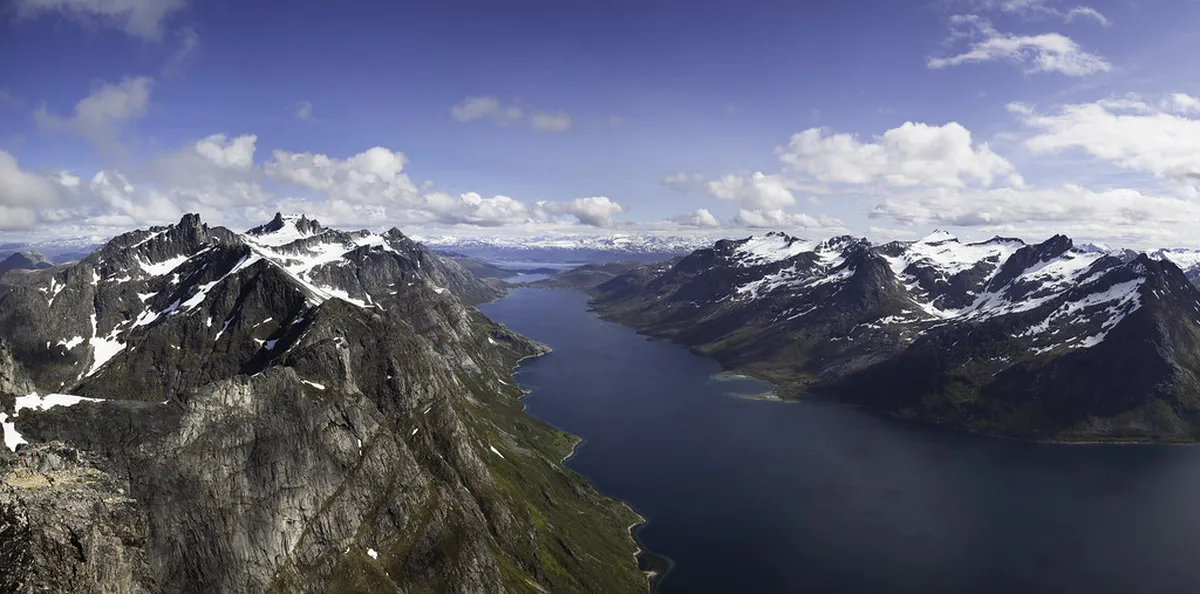
Sea kayaking in the fjords runs from May through September and allows you to approach the coastline from angles that boats cannot reach. The midnight sun provides golden light for photography between 23:00 and 01:30 — a window that kayak operators in Tromsø actively schedule tours around. For downhill skiing late in the season, the Tromsø Alpinpark sometimes keeps slopes open into May depending on the snow pack; check their website for current season status before planning around it.
One honest practical warning: April is not a good time to visit Tromsø. The Northern Lights season has ended, the mountain trails are buried under wet spring snow too unstable for hiking, and the botanical garden has not yet bloomed. If you are locked into an April arrival, focus on the Polar Museum, Nordnorsk Kunstmuseum, and day trips toward Senja Island, which has accessible coastal scenery at lower elevation.
Avoid visiting in April. Northern Lights season has ended, mountain trails are unstable with wet spring snow, and the botanical garden has not yet bloomed. If locked into April, stay in museums or take day trips to Senja Island instead.
King Crab Cruise and Arctic Excursions
The king crab safari is one of Tromsø's most compelling half-day experiences and works year-round, with peak availability from October through March when calm fjord conditions are most reliable. Tours involve pulling traps from the seafloor, cooking the crabs on board, and eating a meal of fresh crab with bread and butter — the entire experience from dock to dock typically runs four to five hours. Prices in 2026 range from 1,700 to 2,800 NOK (€150–€250) depending on the operator and boat size.
Thermal suits are provided by all reputable operators — you only need to wear thermal base layers underneath, not specialist outerwear. This is a commonly misunderstood point: visitors pack enormous amounts of specialist Arctic clothing when the tour company already supplies the warmest layer. Bring a thin wool mid-layer and good waterproof gloves for your hands during the trap-hauling section, which is the coldest part of the experience.
Dog sledding runs from roughly January through March when snow coverage is most reliable. Half-day tours from the Tromsø Wilderness Center on Kvaløya cost around 1,800–2,200 NOK (€160–€195) and include the sled driving lesson, equipment, and a warm meal. If snow is thin in December, some operators substitute wheeled carts — worth confirming before booking. Snowmobile tours are a faster-paced alternative available from January through April, covering more ground across the mountain plateaus above the city.
| Experience | Season | Duration | Price (2026) |
|---|---|---|---|
| King Crab Safari | Oct–Mar (year-round) | 4–5 hours | 1,700–2,800 NOK (€150–€250) |
| Dog Sledding | Jan–Mar | Half-day | 1,800–2,200 NOK (€160–€195) |
| Snowmobile Tour | Jan–Apr | Half-day+ | Varies |
| Whale Watching | Oct–Jan | Full-day | Varies |
| Sami Reindeer Experience | Nov–Mar | Half-day | 1,800–2,200 NOK (€160–€195) |
Family-Friendly and Budget-Friendly Options in Tromso
Tromsø's best free experiences are genuinely excellent, not just budget consolation prizes. The Arctic-Alpine Botanical Garden (free, 24 hours), Telegrafbukta Park (free), and the harbor waterfront walk cost nothing and deliver authentic Arctic atmosphere. The view from the Tromso Bridge at sunset is one of the most photographed scenes in northern Norway and requires only 20 minutes of walking.
For families with children, Polaria's bearded seal feedings and the Troll Museum's augmented-reality exhibits are the two most reliably engaging paid options. Both are centrally located and run in under 90 minutes each, making them practical for shorter attention spans. Tromsøbadet's indoor pools are a strong wet-weather fallback for families — the facility has a dedicated children's section with shallow pools and water features, and the cost is significantly lower than any organized excursion.
Budget travelers should know that the Tromsø Billett app keeps single bus fares at around 25–27 NOK (€2.20–€2.40) per journey, which makes reaching the mainland attractions and Telegrafbukta affordable. Buying directly from the driver costs roughly 70 NOK (€6) for the same trip — a difference that compounds quickly across a three-day visit. The free self-guided walking route connecting the harbor, the Polar Museum, Storgata shopping street, and the cable car base takes around two hours at a relaxed pace and requires no booking or expense.
One specific tourist-trap to avoid: the Magic Ice Bar charges approximately 280 NOK (€25) for a single drink in a small frozen room with generic ice sculptures. The experience runs about 20 minutes and has no genuine connection to local culture or Arctic history. That same budget covers entry to both the Polar Museum and the Troll Museum with change to spare.
The Best Tromsø Day Trips
Senja Island is the most rewarding day trip from Tromsø and is dramatically underused by foreign visitors. The island sits about 2.5 hours south by car and packs dramatic sea-facing peaks, fishing villages, and some of Norway's most striking coastal landscapes into a single day's driving loop. The Segla summit hike (about two hours return) is one of the most accessible alpine viewpoints in northern Norway. Senja works in any season but is particularly spectacular from June through August when the road around Mefjorden is clear.
The Lyngen Alps rise directly across the fjord from central Tromsø and form the backdrop of most Tromsø skyline photographs. A car ferry from Breivikeidet (about 50 minutes drive from the city) crosses to Svensby, from where a network of hiking trails reach alpine terrain in under an hour. In winter, the Lyngen Alps are one of Norway's premier ski touring destinations, and the drive along the eastern fjord shore provides among the finest mountain scenery accessible from any Arctic city.
For travelers without a car, the Hurtigruten or Havila coastal ferry offers an extraordinary day experience. Purchasing a one-way cabin between Tromsø and the next port (Skjervøy, about three hours north) puts you on a working coastal supply ship threading through narrow fjords and past small island communities. Return by bus or ask the operator about same-day round trips. This is one of the most atmospheric and cost-effective ways to see the inner fjord landscape without renting a vehicle.
Combining Tromso and Lofoten
The Lofoten Islands are the most logical extension to a Tromsø trip, and many travelers want to combine both destinations in a single northern Norway journey. The fastest connection is a 45-minute flight from Tromsø Airport (TOS) to Svolvær (SVJ) or Leknes (LKN), with daily services operated by Wideroe. Prices vary enormously by booking window — reserving four to six weeks ahead typically halves the cost versus booking the week before departure.
The Hurtigruten or Havila coastal ferries provide the scenic alternative at the cost of about 17 hours of travel time. This is genuinely one of the great ship journeys in Europe, passing through the Vestfjorden approaches to Lofoten in conditions that range from glassy fjord calm to dramatic open-water swells depending on the season. A cabin is worth the upgrade over a recliner seat for this length of crossing, particularly in winter when the departure from Tromsø at 18:30 means arriving at Svolvær around 09:00 the following morning.
Driving the 6–8 hours between the two destinations via the E6 and E10 is beautiful but requires a serious commitment to winter driving skills from November through April. Roads are maintained and rental cars come with winter tires, but unfamiliarity with black ice and mountain passes makes self-driving a genuine risk for those without Nordic winter driving experience. Always check Yr.no for weather and Varsom.no for avalanche risk before setting off. Book your transport between destinations several months ahead for summer travel, when flights and ferries fill quickly.
How to Plan a Smooth Tromso Attractions Day
The bus system covers virtually every sight in this guide and is entirely cashless and app-based. Download the Tromsø Billett app before you arrive — single tickets bought in the app cost around 25–27 NOK (€2.20–€2.40), while paying the driver on board costs approximately 70 NOK (€6) for the same journey. Bus 40, 42, or 24 connect the airport to the city center; bus 42 continues to Kvaløya. For the mainland (Arctic Cathedral), take any bus across the Tromso Bridge. Google Maps public transport directions are accurate for the Tromsø network.
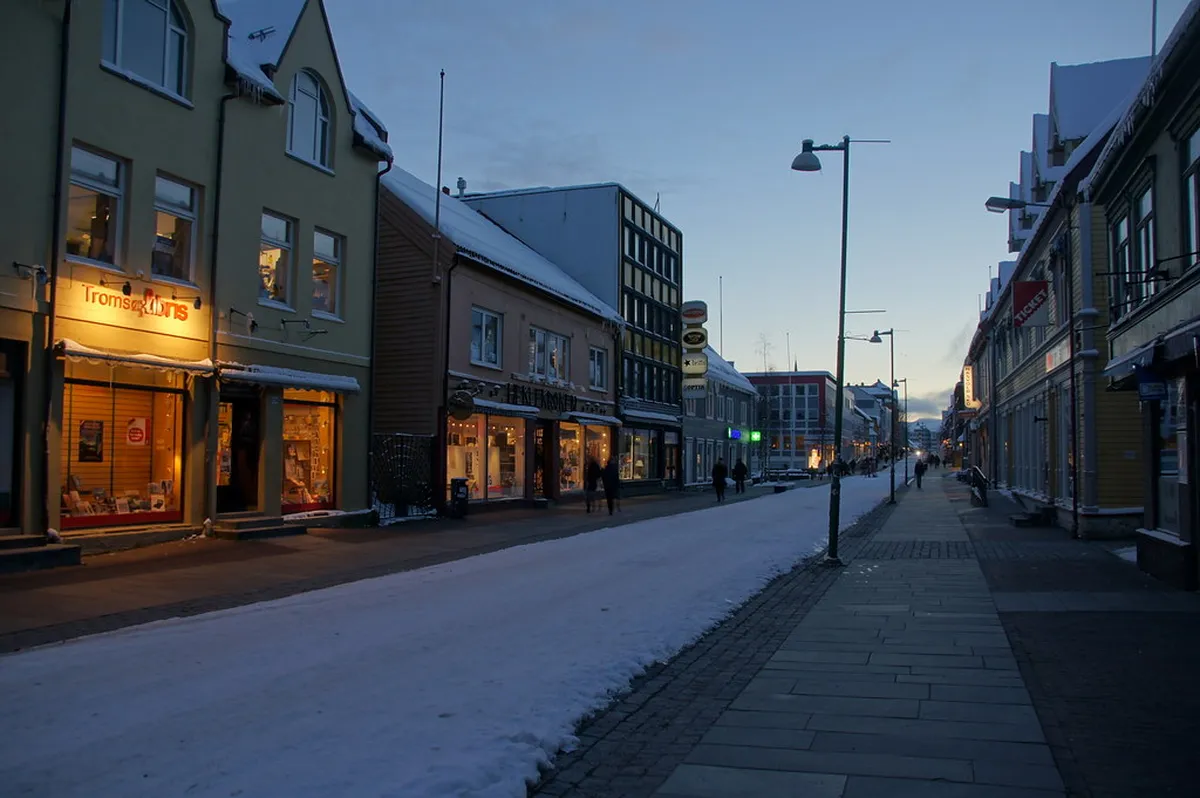
Walking handles the city island efficiently if you have good footwear. Between November and March, pavements can be seriously icy — clip-on traction spikes (brodder) are sold at every sports shop in Tromsø for around 200 NOK (€17) and are worth buying immediately on arrival. Taxis are available and metered but expensive for cross-city journeys; the airport transfer by taxi costs approximately 250 NOK (€22).
A logical one-day itinerary for first-time visitors: morning at the Polar Museum and harbor walk → lunch on Storgata → afternoon cable car ride → evening at the Arctic Cathedral (the bridge walk at dusk is the best free activity in the city). This circuit is achievable without a car and keeps transport costs minimal. If you are planning around a Northern Lights tour, save energy in the evening — tours typically depart at 17:30–19:00 and run until 23:30 or later.
For a realistic budget: plan approximately 1,200–1,500 NOK (€105–€135) per person per day covering museum entries, one cable car ride, and bus transport. Add 1,700–2,800 NOK (€150–€250) per person for each organized excursion (King Crab cruise, Northern Lights tour, whale watching). The accommodation landscape ranges from hostels at around 350 NOK (€30) per night to design hotels exceeding 3,000 NOK (€270) per night — position near the harbor for best walking access to most attractions.
Frequently Asked Questions
Which top attractions in Tromso fit first-time visitors?
First-time visitors should prioritize the Fjellheisen Cable Car and the Arctic Cathedral for iconic views. The Polar Museum provides essential context on the city's history. These sights are centrally located and easy to reach via public transport.
How much time should you plan for Tromso attractions?
Plan for at least three full days to see the main city sights and join an evening excursion. This timeframe allows you to visit museums during the day and chase the northern lights at night. Four days is better if you want to include a fjord cruise.
What is the best way to get around Tromso for sightseeing?
The bus system is the most efficient way to get around the island and to the mainland sights. Use the Tromsø Billett app to purchase tickets before boarding. Walking is also feasible for most central attractions if you have proper winter footwear.
Tromsø is a rare destination that successfully balances its rugged Arctic roots with a modern, welcoming atmosphere. From the heights of Mount Storsteinen to the quiet halls of the Polar Museum, there is a deep sense of history and wild geography here that few European cities can match. The key to a great visit is matching your itinerary to the season — winter rewards patience and delivers extraordinary light and wildlife; summer rewards energy and physical effort with hiking and midnight kayaking.
Book major tours — Northern Lights, whale watching, King Crab, dog sledding — at least four to six weeks ahead for winter travel, when demand far exceeds availability. Always monitor the weather forecast the day before outdoor excursions. Safe travels through northern Norway.
You might also like
Continue reading
More guides you'll find useful