Reindeer Sledding and Sami Experiences Tromso: Ultimate Guide
Discover the best reindeer sledding and Sami experiences in Tromsø. Learn about Sami culture, ethical tours, Camp Tamok, and practical tips for your Arctic adventure.
On this page
Reindeer Sledding and Sami Experiences Tromso
Reindeer have been central to life in Northern Norway for thousands of years. The indigenous Sami people have herded these resilient animals across the Arctic tundra for countless generations. Visiting Tromsø offers a unique chance to connect with this living history through immersive cultural tours.
Modern Sami culture in Tromso blends ancient traditions with a welcoming spirit for global travelers. You can choose between peaceful reindeer feeding sessions or the excitement of a traditional sled ride. These experiences provide a deeper understanding of the Arctic environment and its original inhabitants.
Overview of Reindeer Sledding and Sami Culture in Tromsø
The relationship between the Sami people and reindeer is a cornerstone of Northern Norwegian identity. Reindeer provide food, clothing, and transportation in a landscape that can be incredibly harsh. Modern herding families now share their heritage with visitors to preserve their traditional way of life. Every tour supports the local community while educating guests on indigenous rights and history.
The Sami are the only people in Norway legally permitted to own and herd reindeer. This exclusive right reflects their deep historical bond with the land — a relationship that predates Norwegian statehood by millennia. Most herding families around Tromsø have been tending their flocks for generations, and many still practice seasonal migration between coastal lowlands and mountain plateaus. When you visit a Sami camp, you are stepping into a living cultural institution, not a museum exhibit.
Reindeer are semi-wild animals that roam freely across the mountains for much of the year. During the winter months, herders bring some of the herd closer to the camps for safety and supplemental feeding. This seasonal cycle dictates how and when you can interact with these gentle creatures. Understanding this natural rhythm helps travelers appreciate the authenticity of the experience.
The Two Main Reindeer Camps Near Tromsø
There are two established Sami camps that accept visitors from Tromsø, and the difference between them matters. Tromsø Arctic Reindeer sits about 30 minutes from the city center on the coastal side. Camp Tamok lies roughly 90 minutes away at the base of Lyngenfjord, well inland and at higher elevation. All reputable tours include return transport from central Tromsø in the price.
Camp Tamok is the consistent top recommendation for anyone willing to make the longer drive. Because it sits farther inland and at greater altitude, it almost always holds snow even when the city itself is bare — in mid-November, Tromsø can be slushy or snow-free while Camp Tamok has enough cover for a full sledding track. The surrounding Lyngen Alps also make for a far more dramatic landscape than the coastal option. If you have a single day for this experience, Camp Tamok is worth the extra hour in the minivan.
Tromsø Arctic Reindeer is the better choice if your schedule is tight or if you are combining the reindeer visit with a morning Northern Lights debriefing in town. The coastal setting offers fjord views, and the shorter transfer means you can fit the activity into an afternoon. Both camps employ Sami guides who run structured cultural programs alongside the animal interaction.
| Camp | Distance from City | Setting | Snow Guarantee | Best For |
|---|---|---|---|---|
| Tromsø Arctic Reindeer | 30 min | Coastal fjord | Low (Nov-Dec) | Tight schedule, afternoon visits |
| Camp Tamok | 90 min | Alpine (Lyngen Alps) | High (Dec+) | Full-day experience, reliable snow |
The Reindeer Sledding Experience: What to Expect
Most full-day tours follow a similar structure regardless of which camp you visit. On arrival, guides fit guests with insulated snowsuits, boots, and mittens — you need only bring your base layers. Groups then walk down to the reindeer enclosure together, and in many camps guests are invited to lead the animals out themselves to hook them to the sleds. This hands-on introduction sets the tone for the whole experience.

At Camp Tamok, groups of around fifteen people typically split in two: one half heads out on the sleds while the other sits in a heated lavvu or gamme for a cultural session. Sleds hold two people, with solo travelers usually getting their own sled. The ride lasts around twenty minutes with a midpoint stop for photos and questions. It moves at a walking pace — calm and quiet, with only the sound of runners on snow and the reindeer's breathing.
After the ride, you return the reindeer to their enclosure and feed them by hand. Guides explain what the animals eat in each season and how the herd is managed. Feeding is universally described by visitors as the emotional highlight of the day — the reindeer are calm, curious, and surprisingly gentle. The experience concludes with hot drinks and a traditional meal in the camp's main shelter.
Sami Traditions: Joik, the Lavvu, and Bidos Stew
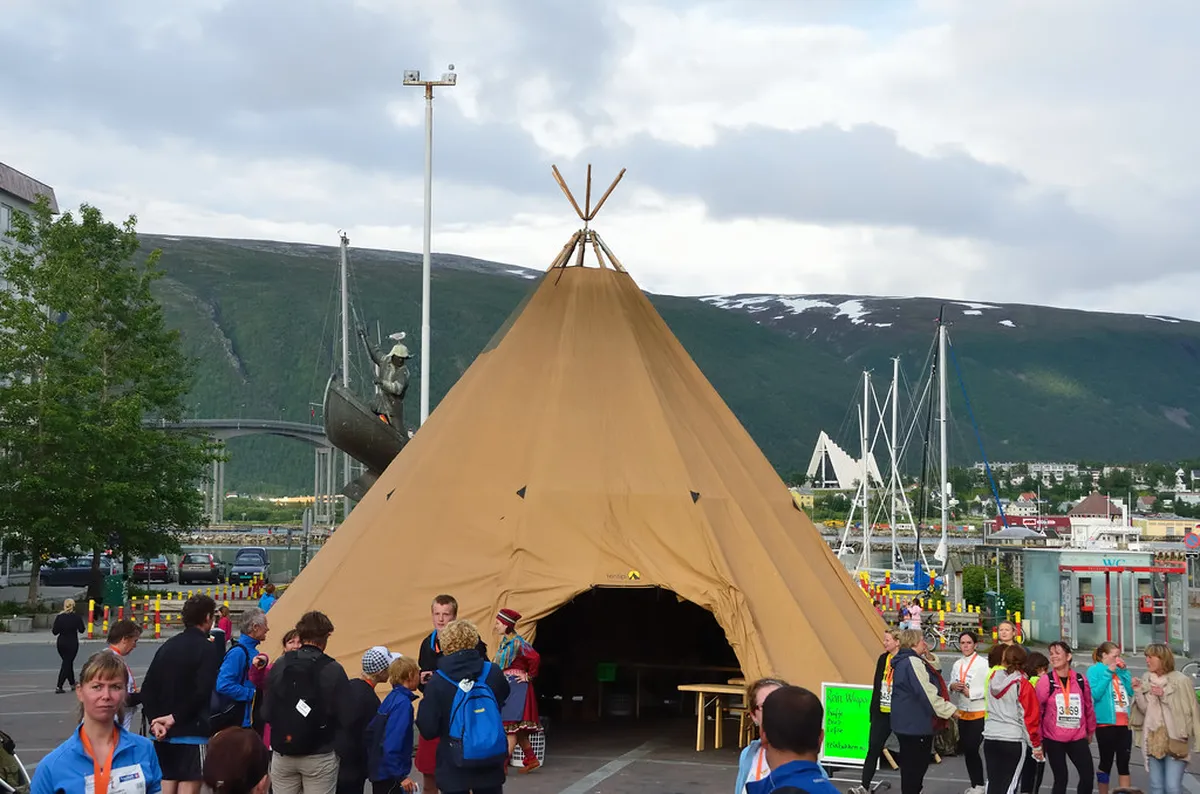
A traditional Sami dwelling is a lavvu — a conical tent with a central smoke hole, stretched over wooden poles and lined with reindeer skins. Some camps also use a gamme, a sturdier turf-built hut with a low entrance and a fireplace at its heart. Both serve the same purpose: a warm, intimate space where stories, songs, and food bring a group together after time in the cold. Sitting on a reindeer skin beside an open fire while snow falls outside is a distinct sensory experience that photographs cannot capture.
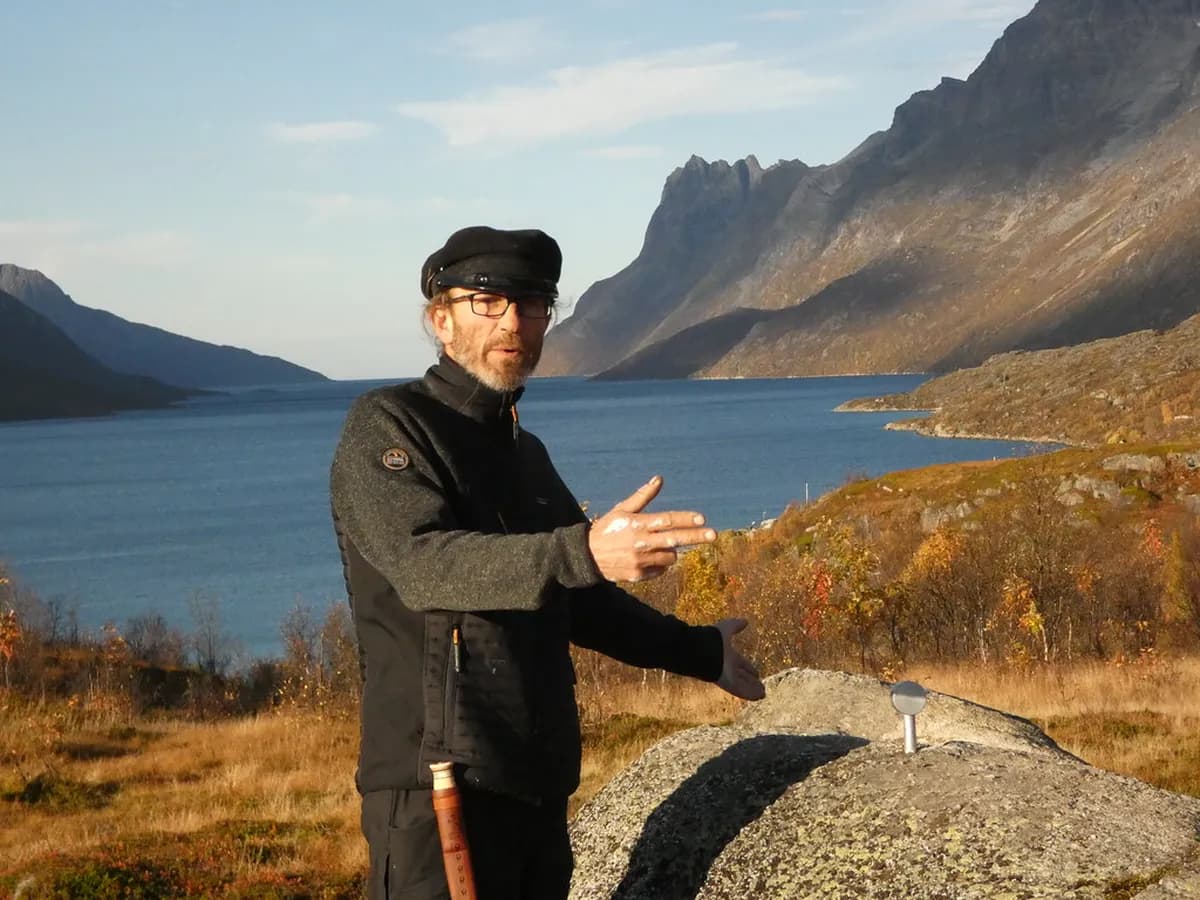
The Joik is one of the oldest continuous song traditions in Europe, and it carries a very specific weight. A Joik is not a song about a person, animal, or place — it is understood to embody that subject's essence directly. Your guide may perform a Joik for the reindeer, for the mountains, or as a personal tribute. The sound is immediate and raw, nothing like familiar folk music, and it tends to be the moment that makes the cultural exchange feel genuine rather than staged. For deeper context on this musical tradition and its role in Sami people heritage, Norway's official tourism authority documents how Joik preserves spiritual connections across generations.
Food in a Sami camp centers on the reindeer. Bidos is the traditional stew — reindeer meat simmered slowly with root vegetables and seasoned simply to let the meat speak. It is the kind of hearty, warming food designed for a body that has spent hours in Arctic air. Most operators will accommodate vegetarians if you give advance notice when booking, and some serve cloudberries or flatbread alongside the main course.
Is Reindeer Sledding Ethical? Understanding Animal Welfare
This is the right question to ask before booking. The reindeer at Sami camp tours are not wild animals — they are part of a managed herd that has been trained and cared for over years. They receive regular veterinary attention and live mostly natural lives between the tourist season sessions. The sledding work itself is comparatively light: the animals routinely pull heavy supply sleds for hours in traditional herding practice, so a 20-minute tourist ride is easy labor by their standards.
Responsible tour companies follow strict guidelines to ensure the welfare of their herds. Ethical operators ensure the animals are never overworked and have plenty of time to rest. Crucially, the sledding portion of most tours is optional — guests can participate in the cultural and feeding elements without riding at all, and good guides will say so upfront.
When evaluating an operator, look for a few signals. Guides should explain the reindeer's biology and seasonal behavior, not just rush you onto a sled. The camp should look clean and the animals should appear calm and well-fed. Transparent operators will also speak openly about the challenges Sami herders face — land rights disputes, climate change affecting migration routes, and the role tourism income plays in sustaining these communities. Supporting that conversation is part of what makes ethical tourism meaningful.
Sledding is optional — guests can participate in the cultural storytelling, Joik singing, and hand-feeding of the reindeer without riding. Most visitors report the feeding experience as the emotional highlight of the day, making it equally rewarding.
Seasonal Planning: When to Visit for Sledding vs. Culture Only
The timing of your visit determines which activities will be available. September and October are cultural-only months at most camps: the reindeer are present for feeding and interaction, and Sami guides run storytelling and Joik sessions, but snow is not yet reliable enough for sledding. These shoulder-season visits are quieter, cheaper, and still deeply worthwhile for the cultural depth alone.
Sledding requires a solid snow base, which typically arrives at inland camps like Camp Tamok from late November onward, and at coastal camps from December. The polar night period — roughly late November through late January — adds a particular atmosphere. Tromso in winter during this stretch means darkness by mid-afternoon, which makes the campfire and lavvu feel even more essential. The scientific backdrop to these seasonal shifts is documented by Arctic University Museum research on aurora, which explains how Arctic daylight cycles influence both the landscape and human experience. February and March bring increasing daylight along with reliable snow, making them the most photographically rewarding months for the experience.
Sledding usually ends by mid-April as the snowpack softens and the reindeer begin their migration toward summer pastures. Always confirm current conditions directly with the operator before booking, especially in November and December when snow at the coastal camp can be unpredictable. If you are visiting then, booking Camp Tamok specifically reduces the risk of a snow-free experience.
Daytime Tours vs. Nighttime Northern Lights Excursions
Daytime tours are better for photography, for families with young children, and for anyone who wants to clearly see the reindeer and the landscape. The winter light in Tromsø — even during polar night, there is a blue twilight around midday — gives the snow and the Lyngen Alps a striking quality. You will have a full view of the camp, the animals, and the terrain without needing a headlamp.
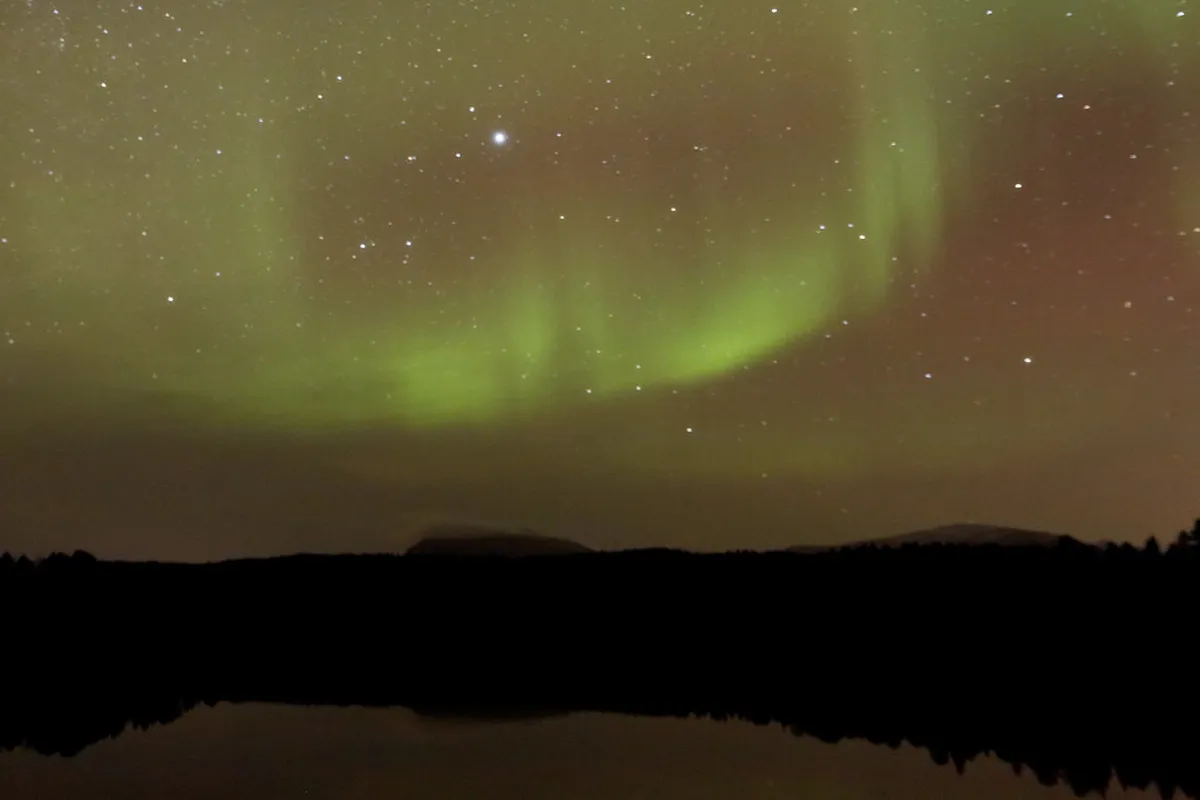
Nighttime tours offer the possibility of seeing the Aurora Borealis while at the camp. Being far from city lights makes the reindeer camps excellent spots for Northern Lights tours in Tromso. Experienced guides confirm that night tours can be colder and windier than daytime trips, so thermal preparation matters even more. The lights are a natural phenomenon and can never be guaranteed, but the campfire experience in the dark is rewarding regardless.
Some travelers book both types across a multi-day Tromsø stay to experience the different moods. If you can only choose one, the daytime tour at Camp Tamok gives the most complete experience — you can see everything, photograph the landscape, and still spend a long evening around the campfire before the drive back to town.
Practical Guide: Logistics, Packing, and What Tours Include
Most tours depart from a central meeting point near the Tromsø harbor or main hotels, between 09:00 and 11:00 for day tours and around 18:00 for evening tours. Transport, guide, thermal outerwear, and the meal are included in the standard price. Expect to pay roughly 1,200–1,800 NOK per adult for a full sledding experience; feeding-and-culture-only tours run 800–1,200 NOK. Children's prices are typically 50–60% of the adult rate. Book well in advance for December through February, as popular tours sell out weeks ahead. The Camp Tamok official site provides real-time availability and direct booking for the most popular inland location.

Staying warm is the most important part of enjoying your time at a reindeer camp. Operators provide snowsuits and boots, but your base layers are critical — consult a Tromso winter packing list before you travel. Merino wool performs best next to the skin. Add a mid-layer fleece, a windproof neck gaiter, and hand warmers in your pocket. You will be sitting on a sled for twenty minutes in sub-zero air with wind chill, and a thin base layer under a snowsuit will not be sufficient.
Camps are 30 to 90 minutes from the city center depending on which one you choose. If your tour is cancelled due to dangerous weather — ice, high winds, or heavy drifting snow — reputable operators will offer either a full refund or a partial refund to cover the cancelled sledding segment while continuing with the cultural program. Always confirm the cancellation policy before you pay. Arrive at the departure point ten minutes early and bring a small backpack with extra socks and a fully charged camera battery.
Family-Friendly and Budget Sami Experiences
Reindeer experiences are among the best activities for those visiting Tromso with kids. Children find the reindeer less intimidating than larger animals like horses. Feeding them by hand is an easy activity for toddlers, and most camps have warm indoor spaces where families can take shelter whenever needed. The cultural storytelling in the lavvu also holds children's attention well — Sami legends about the reindeer and the Northern Lights travel well across ages.
If you are on a budget, choose a feeding-and-culture tour rather than a full sledding package. These shorter tours still include Sami storytelling and the traditional meal in a lavvu or gamme, and you get the same cultural depth without the premium price of the sledding activity. Look for family rates or group discounts when booking, and check whether a morning departure is priced lower than the prime evening slot.
Combining your Sami tour with other winter activities at the same operator can also bring the per-activity cost down. Some Camp Tamok packages bundle the reindeer experience with a husky kennel visit, for example. Planning your trip for early December or late March rather than the peak January–February window can reduce accommodation costs in Tromsø by 20–30%, giving you more budget for the experiences themselves.
The Snow Guarantee Problem: Why Camp Choice Matters in Early Winter
One detail that consistently catches visitors off guard: Tromsø city sits at sea level near the coast, and its maritime climate means snow is far from guaranteed in November and even December. You can fly in for a reindeer sledding trip and find the city rainy and brown. This is not a fringe scenario — it happens every year in early winter.
Camp Tamok at Lyngenfjord almost always has snow in this window because it sits at the transition zone between coastal and continental Arctic climate, at higher elevation and sheltered by the Lyngen Alps. Visitors who booked the coastal Tromsø Arctic Reindeer camp in early November have missed the sledding segment entirely while Camp Tamok guests 60 kilometres away had full powder conditions the same day. This is the single most practical reason to choose Camp Tamok if you are visiting between early November and mid-December.
If you have already booked a coastal camp and are worried about snow, call the operator 48 hours before your tour and ask directly. Most will give you an honest assessment and some allow rebooking to the inland camp at short notice. The 60-minute difference in transfer time is a reasonable trade for not missing the activity you came for.
Tromsø city sits at sea level near the coast — snow is not guaranteed in November and even December. If visiting early winter, book Camp Tamok (90 min from city, higher elevation) where snow is reliable from mid-November onward.
How to Plan a Smooth Reindeer and Sami Culture Day
Start by researching the different things to do in Tromso to understand how a Sami tour fits your schedule. Book your reindeer experience as one of your first activities in Tromsø, not the last — weather delays are common in the Arctic, and having flexibility in the back half of your trip allows for a reschedule if needed. Keep the evening free on the day of a daytime tour, as some scenic drives can run longer than expected.
Most tours depart near the city center. Arrive at the meeting point at least fifteen minutes early and bring a small daypack with extra socks, a power bank for your camera, and a reusable water bottle. The drive out is half the experience — the valleys and fjord views are worth photographing from the window. Tell the guide about any food restrictions when you arrive if you did not already note them at booking.
Remember that you are visiting a working farm and a living cultural heritage site. Respect the instructions of your Sami guides and give the reindeer space when the guide asks you to. Taking the time to ask questions during the lavvu session will enrich your experience far more than any number of selfies with the animals. A well-planned day at a Sami camp will likely be the highlight of your Norwegian trip in 2026.
Pair this with our main Tromsø things-to-do guide to plan the rest of your trip.
Frequently Asked Questions
Is reindeer sledding ethical?
Yes, reindeer sledding is considered ethical when booked through reputable Sami herders. These animals are working partners who receive excellent care and live mostly natural lives. Ethical tours prioritize animal welfare and limit work hours. For more on local costs, see Tromso travel costs.
What is the Sami culture?
Sami culture is the heritage of the indigenous people of Sápmi, covering parts of Norway, Sweden, Finland, and Russia. It is defined by reindeer herding, the Joik song tradition, and the Sami languages. Their traditions emphasize a deep respect for the natural world and its seasonal cycles.
When is the best time for reindeer sledding in Tromsø?
The best time for sledding is between December and March when snow cover is most reliable. Feeding and cultural tours often start as early as September. Peak winter months offer the best chance to experience the sledding tracks in perfect condition under the polar night sky.
What should I wear for a reindeer tour in Tromsø?
You should wear thermal wool base layers, a warm fleece or wool sweater, and thick wool socks. While most tour operators provide outer thermal suits and boots, your base layers are critical for warmth. Do not forget a windproof hat, gloves, and a neck warmer for the sled ride.
Experiencing reindeer sledding and Sami culture is a must for any visitor to Northern Norway. These tours offer a rare look into a lifestyle that has survived in the Arctic for millennia. You will leave with a new appreciation for the resilience of both the people and the animals.
Whether you choose an inland mountain camp or a coastal fjord site, the memories will last a lifetime. The combination of adventure and education makes these experiences truly unique and valuable. Plan your visit for 2026 and discover the magic of the Sami heartland for yourself.
You might also like
Continue reading
More guides you'll find useful