8 Things to Know Before Visiting Polaria Tromso
Plan your visit to Polaria Tromso with our expert guide. Discover seal feeding times, the world's northernmost aquarium exhibits, and essential ticket info.
On this page
8 Things to Know Before Visiting Polaria Tromso
Polaria Tromso stands as a unique gateway to the wonders of the high North. Located just a short walk from the city center, this striking building serves as the world's northernmost aquarium.
Travelers often include this stop when exploring various 10 Best Museums in Tromso during their Arctic adventure. It offers a mix of education, entertainment, and stunning architecture that appeals to all ages.
The center focuses on the fragile ecosystem of the Arctic Ocean and the Barents Sea. Visitors can expect an immersive look into how wildlife survives in these extreme conditions.
This guide covers everything you need to know to make the most of your visit in 2026. From seal training schedules to the Tromsø Pass discount, we have the essential details ready for you.
The "Ice Floe" Architectural Design
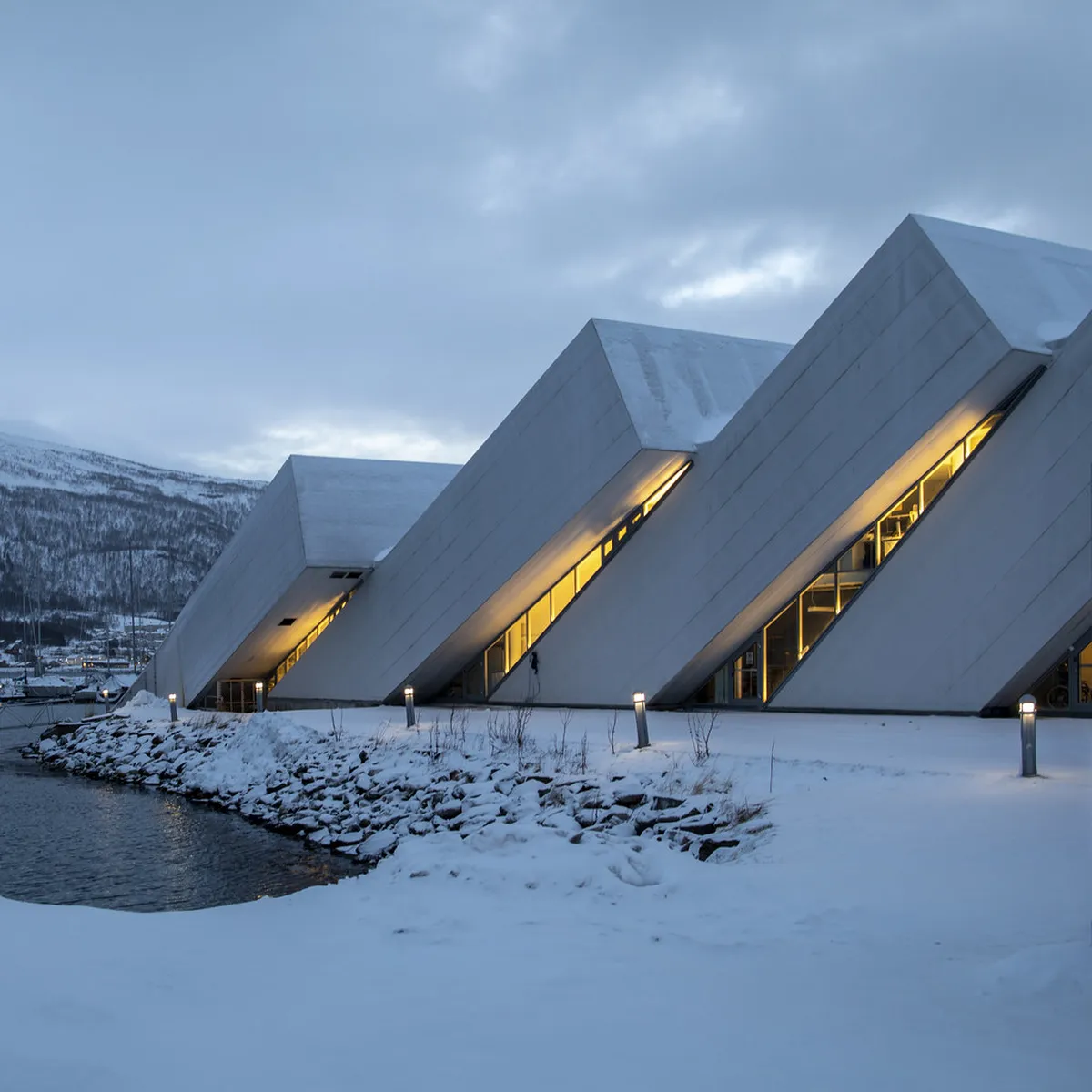
The first thing you will notice about Polaria is its incredible exterior shape. Architect Jiri Lunde designed the structure to resemble massive blocks of ice pushed ashore by the Arctic seas — a concept called iskant, or ice edge, in Norwegian.
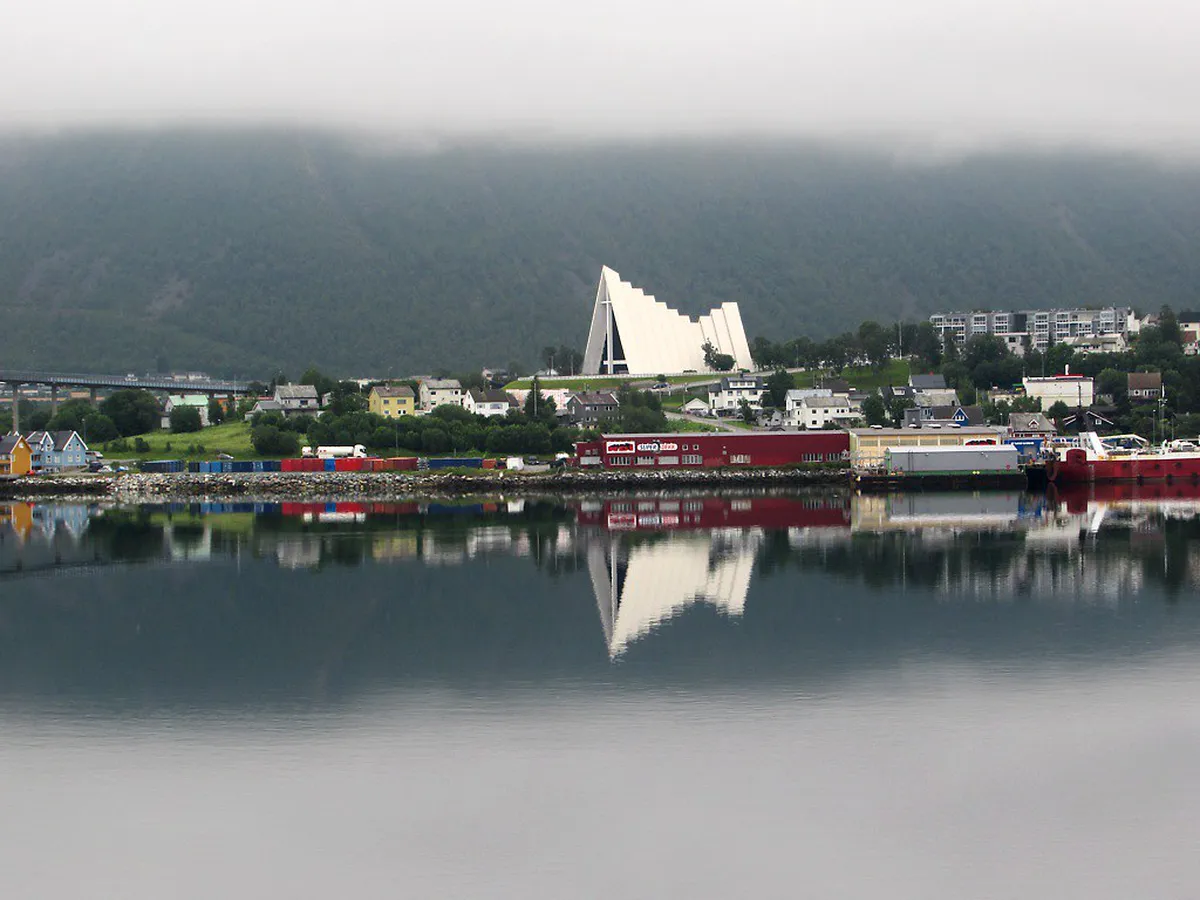
The leaning white panels create a dramatic silhouette against the dark winter skies or the summer midnight sun. Each block is angled differently, mimicking the chaotic, natural stacking of real sea ice driven onto land.
For the best photography results, head to the harbor side of the building during golden hour. The low Arctic light emphasizes the texture of the "ice floes" and creates a striking reflection on the waterfront below.
Inside, the building continues this Arctic theme with open, light-filled spaces. The architecture serves as a physical bridge between the urban city and the wild polar wilderness just a few hours away by boat.
The Bearded Seal Training and Feeding
The bearded seals (Erignathus barbatus) are undoubtedly the main stars at Polaria. These animals are named for the dense, drooping whiskers they use to sense prey along the seabed in the Arctic Ocean.
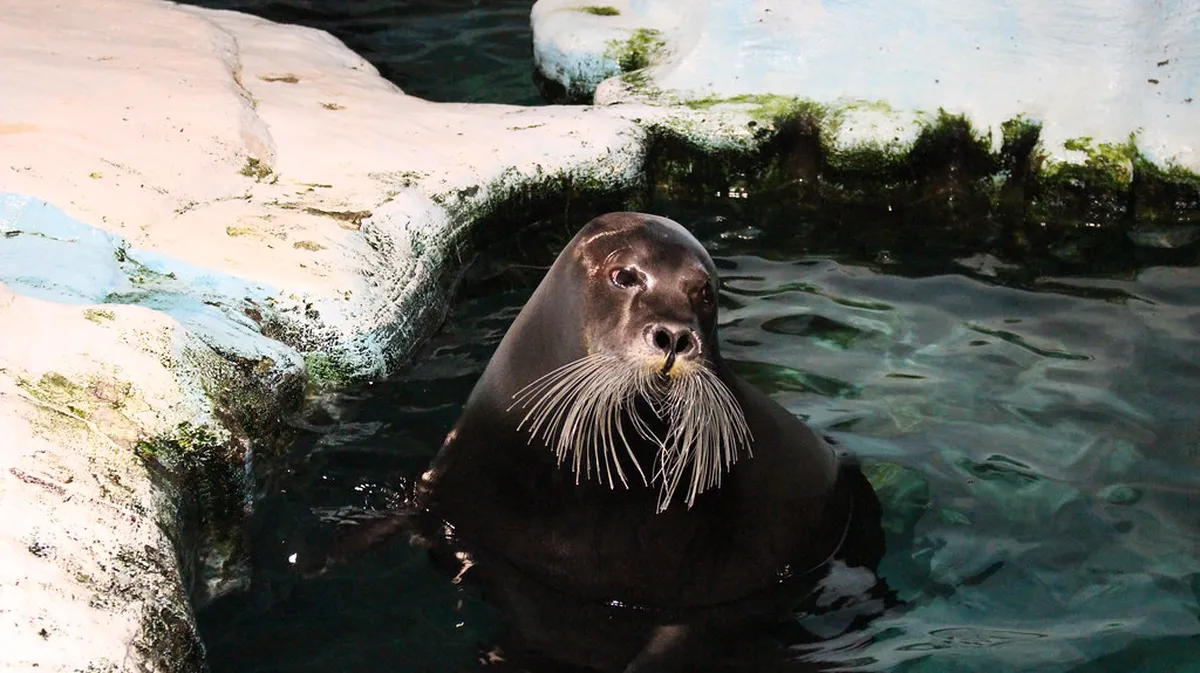
Unlike standard zoo shows, the sessions here focus on cognitive training and physical exercise for the animals. Trainers use positive reinforcement to work through tasks that keep the seals mentally stimulated — not just performing tricks for applause.
These daily sessions are particularly popular for those visiting 12 Best Things To Do In Tromso With Kids Travel Guide because of the close-up views through large glass panels. It is a rare chance to see these marine mammals display their natural intelligence up close.
Check the Polaria Official Site for current daily training times before you arrive. Most sessions happen twice a day and last about fifteen to twenty minutes.
- Seal Training Schedule (typical; confirm on-site)
- Morning Session: 12:30
- Afternoon Session: 15:30
- Focus: Cognitive stimulation and physical exercise
- Species: Bearded Seals (Erignathus barbatus)
Arrive 15 minutes early to the seal training sessions to secure a good viewing spot near the glass panels. The two daily sessions at 12:30 and 15:30 are the most memorable part of a visit and fill up quickly, especially during peak winter season.
The Arctic Aquarium and Marine Life
The aquarium section showcases the diverse species that inhabit the cold northern waters. You will find several tanks filled with local fish like cod, wolffish, and various flatfish that are staples of the Barents Sea ecosystem.

One of the most impressive residents is the massive king crab, which looks like something from a prehistoric era. Watching these giant crustaceans move across the tank floor is a fascinating experience for most visitors.
A highlight of the layout is the glass tunnel that runs through one of the larger tanks. As you walk through, fish and seals may swim directly over your head, providing a perspective that is impossible to get anywhere else in northern Norway.
The exhibits also feature smaller marine life like colorful sea anemones and delicate starfish. These displays help explain the complex food chain that supports larger Arctic predators at the top of the food web.
The Panoramic Cinema Experience
Before you explore the tanks, make sure to catch a screening in the panoramic cinema. This theater uses five different projectors to create a wide, immersive viewing experience that wraps around the audience.
The films usually focus on the wilderness of Svalbard or the magic of the Aurora Borealis. These high-definition visuals transport you to remote parts of the Arctic that are difficult to reach in person, even from Tromsø.
The "Svalbard - Arctic Wilderness" film is a favorite among guests for its stunning landscape shots. It provides a deeper context for the wildlife you will see throughout the rest of the building once the lights come up.
Screenings run throughout the day and are included in your standard admission ticket price. The theater is large enough to accommodate groups, but arriving a few minutes early secures the best central seating.
Interactive Arctic Research Exhibitions and the Fram Centre
Polaria is not just a tourist attraction — it is an active participant in Arctic science through its connection to the Fram Centre. The Fram Centre (Framsenteret) is a consortium of 20 research institutions based in Tromsø, and Polaria operates as its public-facing science communicator.
This partnership means the exhibits are regularly updated with real findings from Barents Sea field expeditions. Interactive displays allow visitors to track polar bear movements or see satellite data showing how sea-ice coverage has changed over the past three decades.
You can learn about the history of Arctic exploration and the modern technology used by researchers today, including ice-coring drills, underwater drones, and climate modeling tools. This scientific layer adds significant depth beyond what you would find in a standard aquarium.
The center frequently refreshes these displays to reflect the latest published findings. Returning visitors often notice new data panels that did not exist during their previous trip.
Best Time to Visit and the Tromsø Pass
Polaria is open every day of the year from 10:00 to 17:00, which makes it a flexible option in any weather. The busiest period is December through March, when cruise ships dock regularly and tour groups arrive in the late morning.
Cruise ship passengers typically disembark between 09:00 and 10:00 and flood central attractions by 11:00. The heaviest congestion at Polaria runs from around 11:30 to 14:00. Arriving at opening time (10:00) or after 14:30 gives you noticeably quieter tank access and easier viewing at the seal pool.
If you hold a Tromsø Card, entry to Polaria is included in the pass. The card also covers the Tromsø Museum, the cable car, and several other sites — making it genuinely cost-effective if you plan to visit more than two or three attractions in a single day. You can buy the Tromsø Card online or at the Visit Tromsø tourist office near the harbor.
For those traveling in summer (June–August), Polaria is a smart choice on overcast or rainy days when outdoor activities are less appealing. The midnight sun means long daylight hours, so the 17:00 closing time is the main constraint to plan around rather than light levels.
December through March, cruise ships dock regularly and create heavy crowding between 11:30 and 14:00. Arrive at opening time (10:00) or after 14:30 for a quieter visit with better seal pool access.
Polaria Reviews: What Visitors Say
Many visitors describe Polaria as a cozy and educational way to spend a few hours indoors. Reviews consistently highlight the seal training as the most memorable part of the entire visit, often because the glass viewing panels allow an unusually close encounter.
Some travelers note that the aquarium is smaller than those found in major world capitals. However, the tight focus on specific Arctic species provides a specialized depth that larger venues often miss entirely.
According to the WhichMuseum Polaria Profile, guests appreciate the modern facilities and clean environment. It is widely regarded as a top-tier choice for families traveling in Northern Norway, ranking first among children's museums in the country.
Adults interested in architecture and science find the building and the films highly rewarding. Most people recommend planning for about ninety minutes to two hours to see everything without feeling rushed, particularly if you want to catch both seal sessions.
Nearby Attractions in Tromsø
After finishing your tour, you can easily walk to several other famous landmarks in the city. The historic Mack Brewery is just a few blocks away and offers guided tours through Norway's northernmost brewing facility.
If you want to see more iconic architecture, consider visiting the Arctic Cathedral Tromso: 6 Essential Visitor Tips across the bridge. Its sharp triangular form provides a perfect visual counterpart to the leaning ice-floe panels of Polaria.
For a view from above, the 8 Things to Know Before Visiting Fjellheisen Cable Car Tromso is a short bus ride or a brisk walk away. From the mountain ledge at 421 metres, you can see the entire city, the fjords, and on a clear day the islands stretching toward the open sea.
The city harbor area also features many local restaurants and shops for a relaxing afternoon. Exploring these spots on foot is one of the best ways to soak in the atmosphere of a place that genuinely lives alongside the Arctic.
Visitor Information: Tickets, Hours, and Location
Polaria is located at Hjalmar Johansens gate 12, south of the main city center. You can reach it by a ten-minute walk along the scenic waterfront path from the harbor — follow the path south past the Cultural Centre and the building becomes unmissable.
Tickets can be purchased at the door, but booking online is faster during the busy winter months. Families should look for discounted family tickets that cover two adults and up to two children, which offer meaningful savings over buying individually.
It is a good idea to check the Best Time to Visit Tromsø: The Ultimate Seasonal Guide alongside the Polaria schedule so you can combine it with other attractions efficiently. Most major credit cards and mobile payment methods are accepted at the entrance desk.
- Ticket price estimates for 2026 (verify on polaria.no)
- Adult: approx. 220 NOK
- Child: approx. 110 NOK
- Family (2 adults + 2 children): approx. 550 NOK
- Senior/Student: approx. 160 NOK
- Tromsø Card holders: included
- Opening hours (year-round)
- Daily: 10:00–17:00
- Peak season: December to March
- Quietest arrival windows: 10:00–11:00 or after 14:30
Frequently Asked Questions
How much time should you plan for Polaria Tromso?
Most visitors spend between 90 minutes and two hours at Polaria. This allows enough time to watch the panoramic films, see the seal training, and explore the interactive exhibits. If you are traveling with children, you might stay longer to enjoy the play areas and touch tanks.
Is Polaria Tromso worth it for adults?
Yes, Polaria is worth visiting for adults interested in unique architecture and Arctic research. The panoramic films provide high-quality cinematography that appeals to all ages. While the aquarium is compact, the specific focus on northern marine life offers a specialized experience you won't find elsewhere.
What are the seal feeding times at Polaria?
Seal training and feeding sessions typically occur at 12:30 and 15:30 daily. These times are subject to change, so verify them on the official website before your visit. Arriving 15 minutes early is recommended to secure a good viewing spot near the glass.
Can you buy Polaria tickets at the door?
You can purchase tickets directly at the entrance desk upon arrival. However, Getting Around Tromso Travel Guide during peak winter season can be busy, so online booking is a great way to save time. Most major credit cards and digital payment methods are accepted at the ticket counter.
Polaria Tromso is a must-visit destination for anyone looking to understand the Arctic environment. Its mix of striking design, live seal training, and Fram Centre-backed research exhibits makes it a highlight of any trip to Northern Norway.
Whether you are watching the bearded seals demonstrate cognitive tasks or learning about sea-ice decline from satellite data, the experience is both fun and thought-provoking. It is a perfect indoor activity during the cold polar nights or a rainy summer afternoon.
Be sure to check out other 15 Best Things to Do in Tromsø, Norway to round out your travel itinerary. This vibrant Arctic city has much more to offer beyond its famous aquarium.
Enjoy your journey to the world's northernmost aquarium and take plenty of photos of that iconic ice-floe facade. It is an experience worth planning carefully — and one you will likely remember long after you leave the Arctic.
You might also like
Continue reading
More guides you'll find useful