8 Essential Things to Know About Ice Fishing in Tromso
Plan your ice fishing trip in Tromso with our guide to the best fjord spots, traditional catch-and-cook meals, and essential packing tips for the Arctic.
On this page
8 Essential Things to Know About Ice Fishing in Tromso
Imagine sitting on a frozen fjord surrounded by the jagged peaks of the Arctic wilderness, a short fishing line disappearing into the black water below. Ice fishing Tromso is a slow, meditative activity that stands apart from the high-adrenaline winter sports the city is known for. This traditional pastime connects you directly with Northern Norway's landscape and its centuries-old relationship with the sea.
You do not need prior fishing experience to join a tour. Guides handle everything from drilling the hole to cooking the catch. Visiting Tromso in winter rewards travelers who seek quiet moments alongside the more obvious spectacles, and a morning on the ice is one of the best you will find.
Overview: Ice Fishing on the Arctic Fjords
Ice fishing is a deeply rooted tradition in Northern Norway that dates back many centuries. Locals have long relied on the frozen fjords and inland lakes to provide fresh food during the dark polar winters. Today it remains one of the most authentic things to do in Tromso for visitors who want more than a postcard experience.
The main operator running fjord ice fishing tours in 2026 is Skadi Adventures, a family-owned company based in Tromsdalen. The fishing spot sits roughly 30 minutes by road from the city center, deep in a valley framed by high mountains. The intimacy of the operation — small groups, a local guide, a private home or grillcabin for the meal — is what sets this apart from larger coach-tour activities.
The target species are Arctic char and brown trout, both native to the cold, clear waters beneath the fjord ice. For more details on ice fishing across Norway, official guides cover all regions. Fishing season runs from late December through early March, when ice thickness is sufficient and safe. Outside that window the fjord is open water, so timing your visit matters.
What to Expect: The Arctic Fishing Experience
Your adventure begins at a central pick-up point in Tromsø, then a 30-minute drive through snowy valley roads to the fishing spot. Once you reach the frozen fjord, the guide drills holes through ice that can exceed one metre in thickness using a manual auger. You take turns at the hole using a short jigging rod, gently raising and lowering the line to attract fish below.
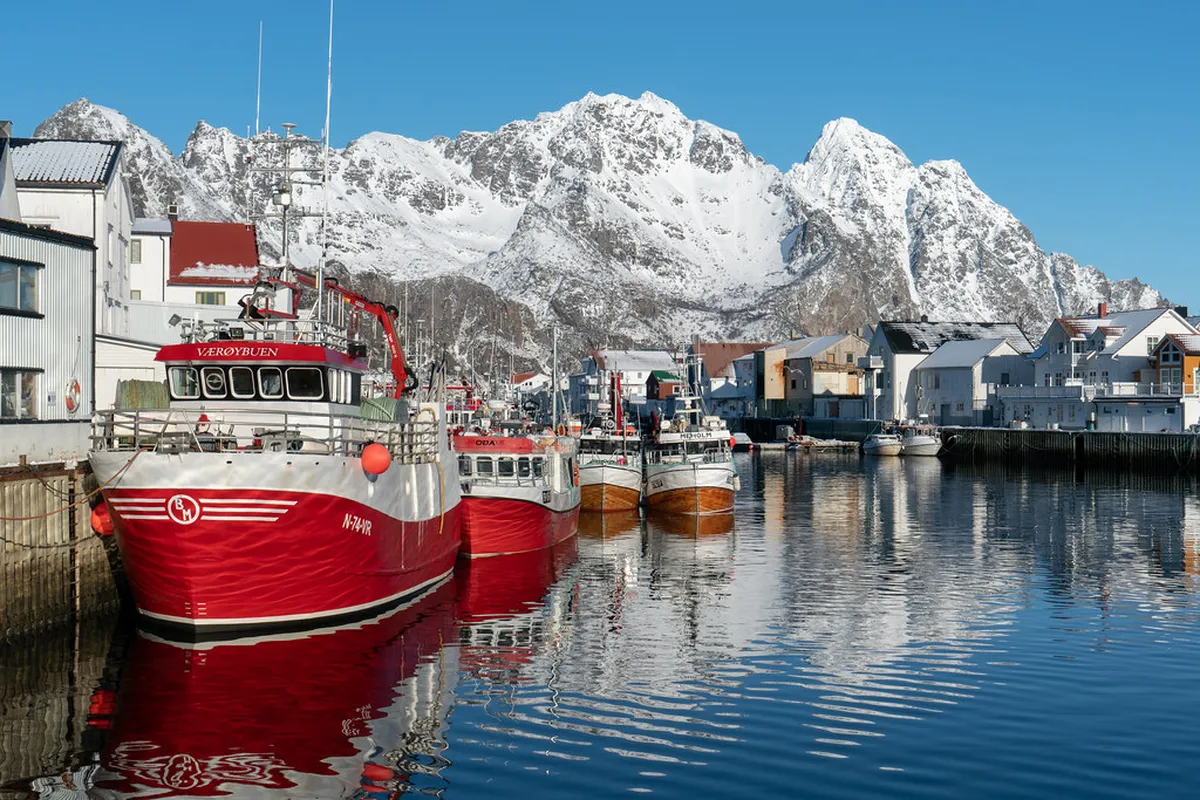
The technique is simple enough for children to master within minutes. Families often find this one of the more accessible ways to enjoy Tromso with kids because the pace is calm, the ice is monitored for safety at all times, and there is no physical strength required. The polar light — whether full darkness in December or the low golden sun of late February — creates an atmosphere no indoor activity can replicate.
Between turns at the rod you have time to watch for reindeer on the valley hillsides and sea eagles overhead. The guide shares stories about local fishing culture and the ecology of the fjord. This educational layer transforms what could be a simple waiting game into a genuinely engaging hour outdoors.
What's Included: Gear, Food, and Transport
Standard tours cover the core equipment so you do not need to bring any outdoor gear of your own. The operator provides a warm jacket and insulated trousers sized for adults and children, fishing rods, bait, and all tackle. A backpack with a light drink and snacks accompanies the group on the ice.
Pick-up and drop-off from a central Tromsø location is included, as is the basecamp meal after fishing. That meal is a fish burger or fresh grilled fillet if the group catches something, or a prepared fish dinner if they do not — no one leaves hungry. Hot and cold drinks are served at the private home or grillcabin during the meal.
One detail worth noting on footwear: winter shoes are listed as provided by special request, not automatically. Contact the operator in advance if you do not own warm winter boots rated for sub-zero temperatures. Do not assume standard hiking boots will be sufficient on frozen fjord ice.
Winter boot sizing is NOT automatic. The operator provides boots only by advance request — confirm your size (EU or US) at the time of booking. Standard hiking boots are unsafe on slippery frozen fjord ice; insulated boots with grip are mandatory.
What's Not Included: Essential Items You Must Bring
The operator is explicit that warm mittens, a cap, thermal underwear, and winter shoes are the guest's responsibility. This is the single biggest preparation gap travelers overlook when booking. Sitting still on ice in temperatures that regularly drop below -10 °C is a very different exposure to standing in the same cold while moving.
Follow a standard Tromso packing list and layer up with wool or synthetic base layers for both top and bottom. A woollen or fleece mid-layer goes beneath the outer suit the guide provides. Bring liner gloves thin enough to handle the fishing rod without exposing your skin, then pull the provided mittens on top when you are not actively fishing.
Cold temperatures also drain phone and camera batteries fast. Carry a fully charged power bank and store electronics inside your inner jacket pocket when not in use. Polarised sunglasses or goggles are worth packing for late-February and March sessions when the low sun bounces hard off the white ice.
- Thermal base layers, top and bottom — wool or synthetic, no cotton
- Warm hat covering your ears
- Liner gloves (thin, dexterous) to wear under the operator-supplied mittens
- Woollen socks, thick pair
- Winter boots rated for sub-zero temperatures (or request from operator in advance)
- Power bank for electronics
- Polarised sunglasses for February and March sessions
The Catch and Cook: Traditional Norwegian Basecamp Meals
After the fishing session, the group drives to a barbecue hut (grillcabin) or the guide's private home to prepare and eat the catch. If the group landed fish, the guide walks everyone through cleaning and cooking it the traditional Norwegian way — a practical skill most visitors have never attempted. The result is typically a simple fish burger or grilled fillet, eaten beside the fire.
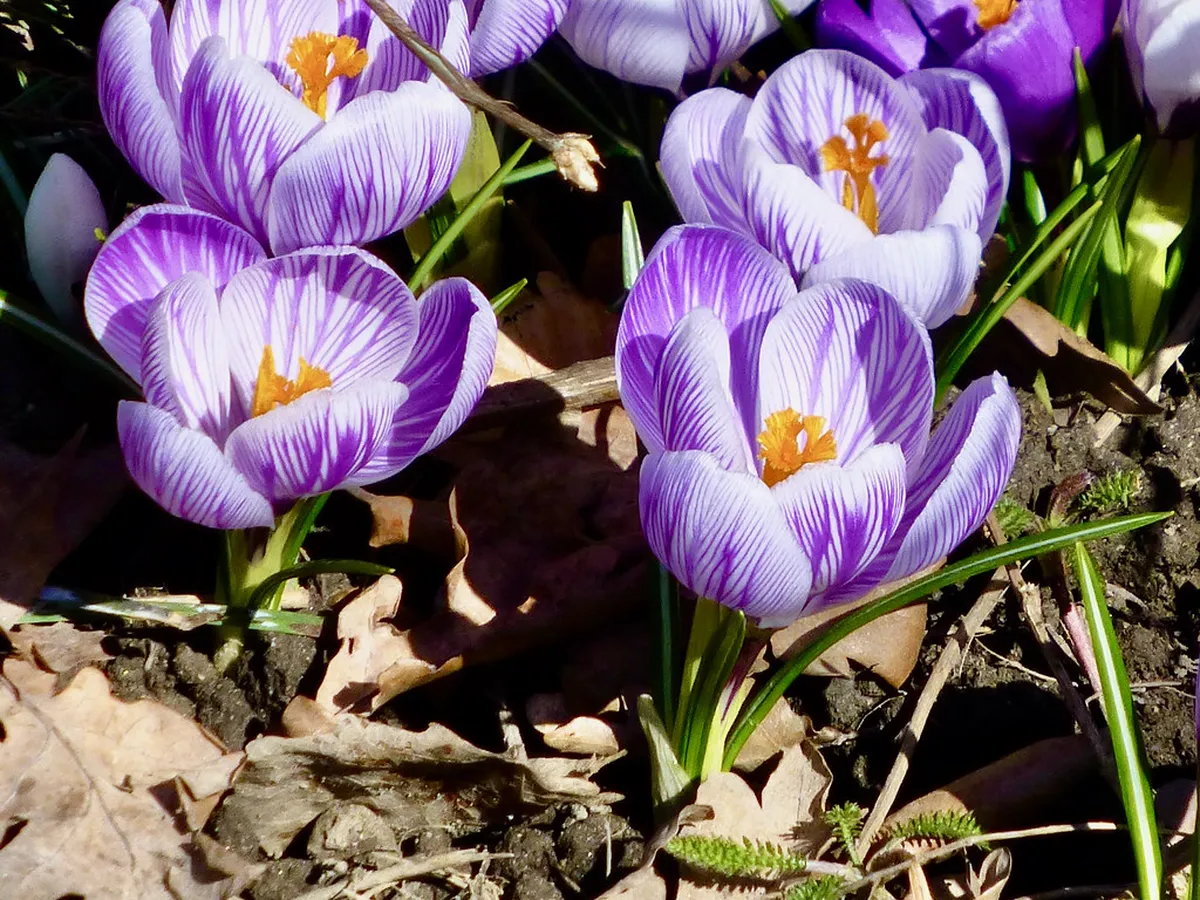
If the fish were not biting, the guide prepares a fish dinner regardless. This no-catch guarantee is stated explicitly by Skadi Adventures and removes the lottery anxiety that can make fishing trips feel high-stakes. The meal is the social centrepiece of the day: warm drinks, a heated shelter, stories swapped with fellow guests from around the world.
Eating a meal connected to the place and the season — Arctic char grilled in a Norwegian valley in midwinter — is a different experience to any restaurant in the city. It gives a tangible sense of what Sami culture and traditional northern life actually looked like. The Sami people have practiced fishing in the Arctic for centuries, sustaining themselves through a balance of coastal and inland traditions.
Why This Tour Works Especially Well for Solo Travelers
Most ice fishing tours in Tromso run at scale, filling minibuses with 12 to 16 passengers. Skadi Adventures operates differently: groups are deliberately small, and the guide-to-guest ratio is close enough that conversations happen naturally rather than through a megaphone. Solo travelers who book this tour consistently report that the family-run atmosphere dissolves the awkwardness of joining a group activity alone.
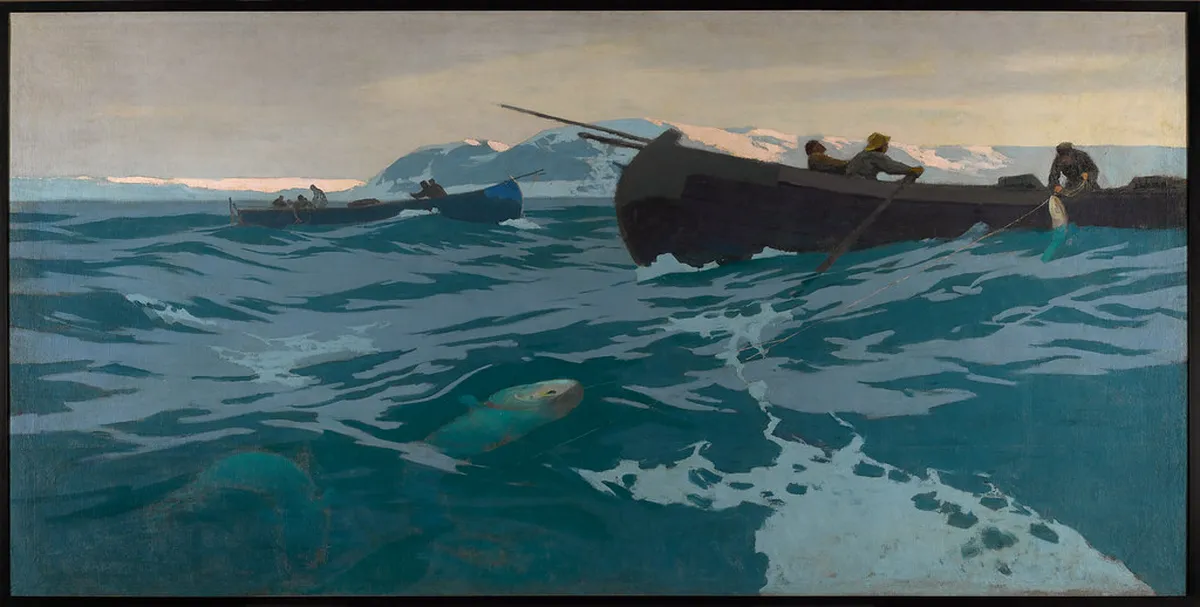
The basecamp meal is a key reason. Sitting around a fire or inside a private home forces conversation in a way that a large restaurant table does not. By the time the fish is on the plate, the group usually feels like a small expedition party rather than a collection of strangers from a booking platform.
If you are travelling solo in winter and weighing options, this activity pairs well with a solo Northern Lights tour on the same trip. Ice fishing in the morning, lights chase in the evening — the contrast between the two is the most compact version of what Arctic Norway actually offers. For deeper cultural immersion, explore the Sami heartland in nearby Finnmark.
Booking and Pricing: Navigating Norwegian Tax Rules
Prices for ice fishing tours in Tromso in 2026 typically range from 1,500 to 2,500 NOK per person. If you book through a global platform like TripCanvas or GetYourGuide, you will often see a lower price at first glance. The final total shown at checkout will be higher once Norwegian VAT (MVA, currently 25 % for most services) is applied.
This is not a scam or a pricing error — Skadi Adventures notes it explicitly on their booking page. Norwegian tax rules require that domestic VAT is calculated at the point of sale rather than displayed upfront on international aggregator listings. Always compare the checkout total, not the headline price, when comparing operators.
Norwegian VAT (MVA) at 25% is applied at checkout, not shown in headline prices on booking platforms. The final cost will be roughly 25% higher than the listed price — this is standard practice, not a surprise fee.
Book early. Small-group tours in peak winter season (January and February) fill weeks in advance. Late March offers slightly more availability and longer daylight hours for photography, often at the same price. Contact the operator directly if you have specific date requirements or need to arrange winter boot sizing in advance.
Logistics: Pick-up Points and Accessibility
Pick-up is from a central location in Tromsø city, making getting around Tromso to the meeting point straightforward on foot or by bus. Hotel pick-up and drop-off to your specific accommodation is not included — plan to walk or take a short taxi to the meeting point. Arrive at least 15 minutes early so the guide can check gear sizing before departure.
The drive to the fjord takes approximately 30 minutes. Once on site, you walk a short distance across flat terrain to reach the fishing holes. The ice surface is uneven and snow-covered, which makes the activity unsuitable for wheelchair users. Guests with reduced mobility should contact the operator before booking to discuss what is feasible.
Service animals are permitted on this tour. Confirm with the operator in advance if you are travelling with a service animal so they can prepare adequate space in the vehicle. Public transport links are available near the pick-up point for those without a hire car.
Cancellation Policies and Booking Terms
The standard cancellation policy offers a full refund if you cancel at least 24 hours before the scheduled departure time. Cancellations made inside that window are typically non-refundable. If the operator cancels due to unsafe ice conditions or extreme weather, you will receive a full refund or the option to reschedule.
Mobile and paper tickets are both accepted on the day. Some tours require a minimum number of participants and will notify you in advance if the minimum is not met — this is rare in peak season but more likely in early December or late March. Keep your contact details updated so the guide can reach you with any last-minute weather changes.
Request a booking confirmation by email immediately after purchase. It will list the exact meeting point, gear requirements, and emergency contact details. Having this document on your phone offline saves significant stress on the morning of the trip when you may be navigating unfamiliar streets in the dark.
For the full picture, see our complete guide to things to do in Tromsø.
Frequently Asked Questions
Is ice fishing in Tromso worth it?
Yes, ice fishing is highly worth it for travelers seeking a peaceful and authentic Arctic experience. It offers a unique combination of stunning scenery, local culture, and a delicious catch-and-cook meal. It is a great alternative to high-speed activities like snowmobiling.
What should I wear for ice fishing in Norway?
You should wear high-quality wool base layers and a thick fleece or wool mid-layer. Most tours provide heavy thermal suits and specialized boots for the ice. Do not forget a warm hat and gloves. Check a best time to visit Tromso guide for seasonal weather tips.
Do I need experience to go ice fishing in Tromso?
No prior experience is necessary to join an ice fishing tour in Tromso. The guides provide all the equipment and teach you the simple techniques needed to catch fish. It is a beginner-friendly activity that is suitable for children and adults alike.
What happens if we don't catch any fish?
Most professional tours have a 'no catch' policy that ensures you still get a full experience. Guides will still prepare a traditional meal like fish burgers or soup at the basecamp. The focus remains on enjoying the Arctic wilderness and the social atmosphere of the campfire.
Ice fishing in Tromso is more than a hobby; it is a gateway into the quiet soul of the Arctic. Whether you are a seasoned angler or a first-time visitor, a morning on the frozen fjord leaves a different impression than any museum or viewpoint can. The combination of still wilderness, traditional food, and genuine local hospitality makes it a standout winter activity in 2026.
By packing the right base layers, clarifying your footwear needs in advance, and understanding the Norwegian tax pricing before checkout, you arrive prepared rather than surprised. Embrace the slow pace. The frozen fjord rewards patience — and so does Northern Norway as a whole.
You might also like
Continue reading
More guides you'll find useful