Best Time to Visit Tromsø: The Ultimate Seasonal Guide
Discover the best time to visit Tromsø for Northern Lights and the Midnight Sun. Includes weather, daylight charts, and local travel tips for 2026.
On this page
Best Time to Visit Tromsø
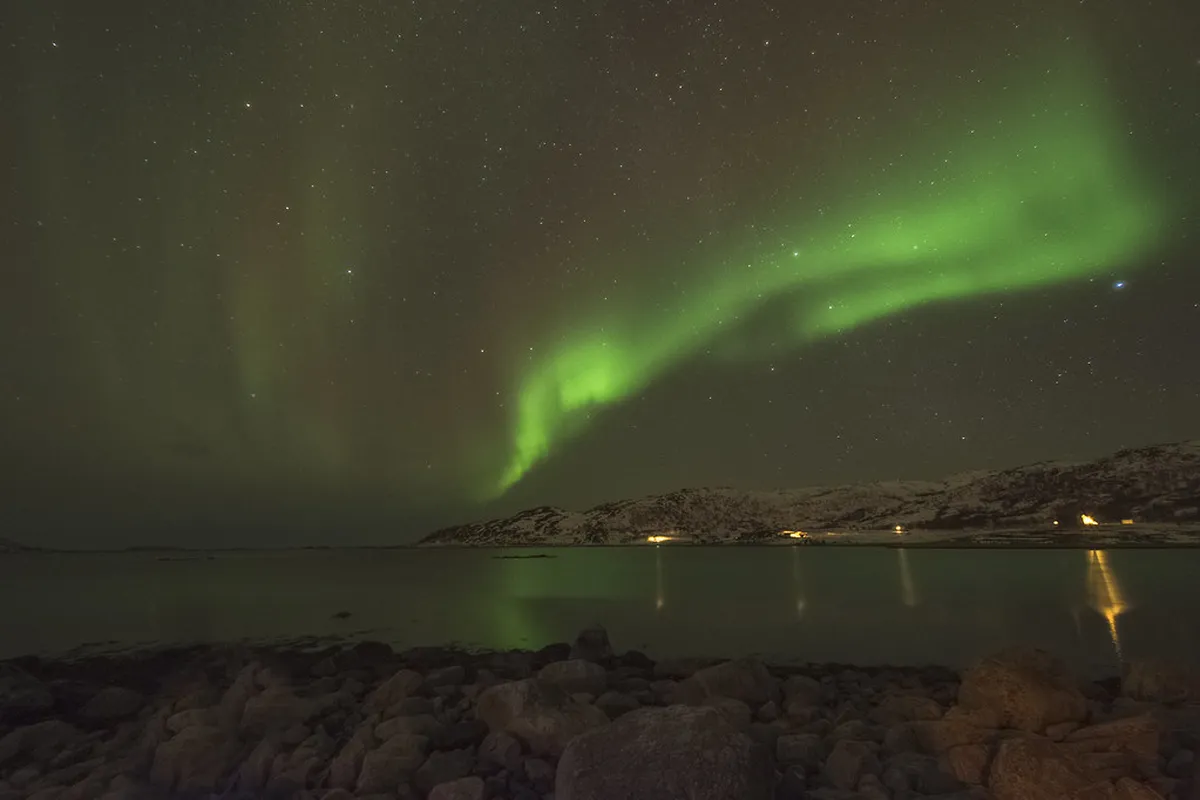
The best time to visit Tromsø is mid-February to late March for snow, Northern Lights, and the longest usable daylight of the winter season. The balance of darkness and recovering light makes aurora hunting more reliable, and most dog sledding and reindeer tours run at full capacity. I visited in late February and watched the aurora dance over the harbor at 10 PM.
Tromsø transforms completely with each season. Winter brings the aurora borealis and Polar Night. Summer delivers the Midnight Sun, with the sun above the horizon around the clock from late May to late July. Choosing the right month depends entirely on which phenomenon you want to experience. You can find detailed 15 Essential Guides to the Northern Lights in Tromso information to help narrow your planning.
This guide covers all four seasons, a month-by-month daylight breakdown, the whale watching window, and the honest trade-offs of each shoulder season. Prices and tour availability in 2026 reflect a city that has grown busier — book peak-season accommodation at least four to six months ahead.
Best Time for Northern Lights: The Aurora Window
The aurora season in Tromsø runs from late September to late March. Darkness is the critical factor — you need several hours of true night to see the lights clearly, which rules out the Midnight Sun months entirely. Clear skies are the second variable, and February and March statistically offer more stable weather than the cloudier December and January period.
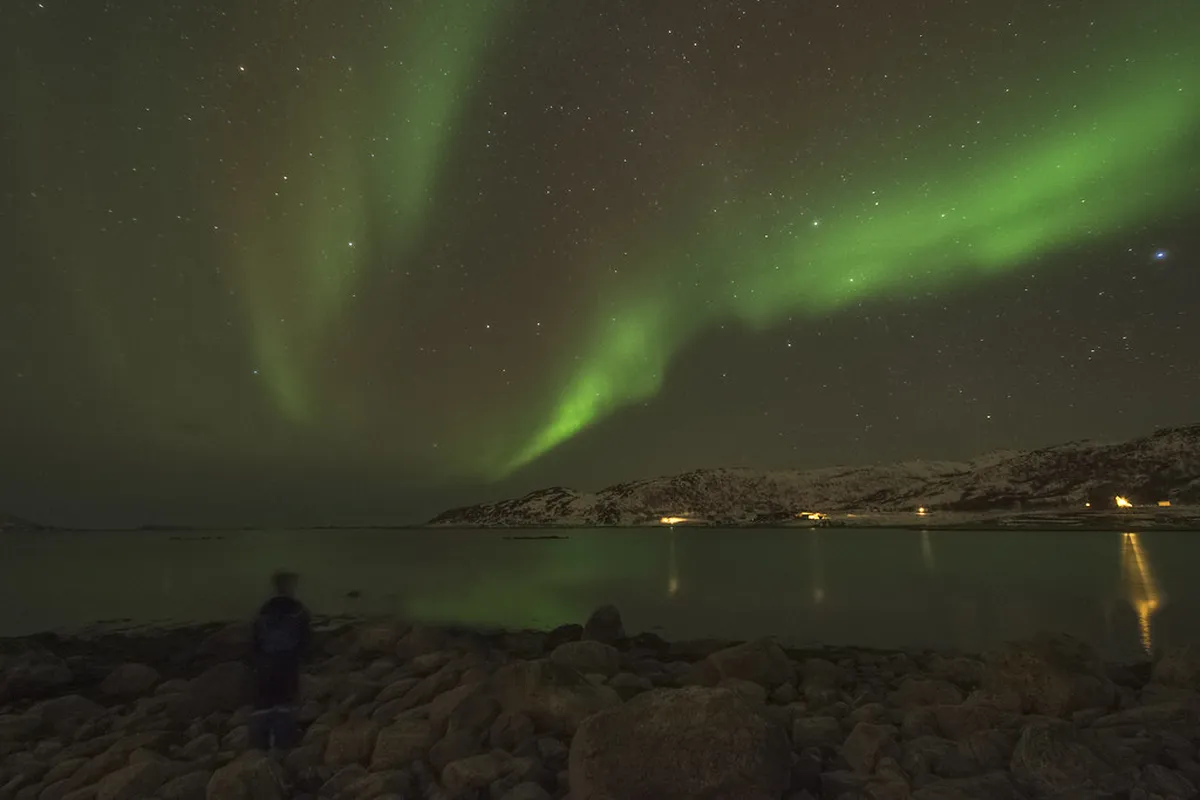
September and October provide milder temperatures alongside the returning darkness. Temperatures sit between 2 and 9°C (36 to 48°F), the roads are snow-free, and you can drive to dark viewing spots without winter tyres. Autumn colors add a photogenic backdrop to evening sessions. The downside is shorter windows of darkness — September nights are still relatively brief compared to mid-winter.
January sits in the heart of the Polar Night and offers the longest darkness, but cloud cover is more persistent and temperatures drop to -10 to -3°C (14 to 27°F). February and March are widely regarded as the sweet spot: darkness lasts well into the evening, the aurora is still active, snow is usually reliable for activities, and the weather is more often clear than in deep winter. Solar activity in 2026 remains near the peak of Solar Cycle 25, which increases aurora frequency across all months of the season.
One booking reality most guides skip: February and March tours and hotels fill six months in advance. If your heart is set on peak aurora season, reservations placed by September for the following February give you the best selection. Check the Tromso Weather by Month: A Guide to Seasons & Daylight data before finalizing dates.
February and March are peak aurora season but book accommodation 4–6 months in advance for the best availability and prices. Peak season fills quickly, especially for late February dates.
Tromsø in Winter (November–March): Polar Nights and Snow
The Polar Night lasts from 27 November to 15 January. During this window the sun never clears the mountains south of the city, but that does not mean total darkness. For two to four hours each day, the sky fills with a deep indigo and soft pink twilight that locals call the Blue Hour. It is genuinely one of the most photogenic light conditions in the world, and it changes by the minute.
On 21 January each year, Tromsø celebrates Soldagen — Sun Day — when the first direct sunlight finally reaches the main square at the Amtmannsbakken viewpoint. Locals gather to watch the brief appearance, there are concerts in the city center, and restaurants offer special menus. It is one of Norway's most genuinely local celebrations and worth timing a visit around if you want to experience the city rather than just the wilderness tours.
Snow covers the ground reliably from December through April. Most 15 Best Things to Do in Tromsø, Norway like dog sledding, snowmobiling, reindeer experiences, and cross-country skiing operate at full capacity from mid-January through March. The Tromsø Wilderness Center is a well-regarded husky operation for dog sledding. For alpine skiing, Tromsø Alpinpark is a short bus ride from the city center. Winter gear rental is available at Tromsø Outdoor downtown, where cross-country ski rentals cost around 340 NOK per day for adults.
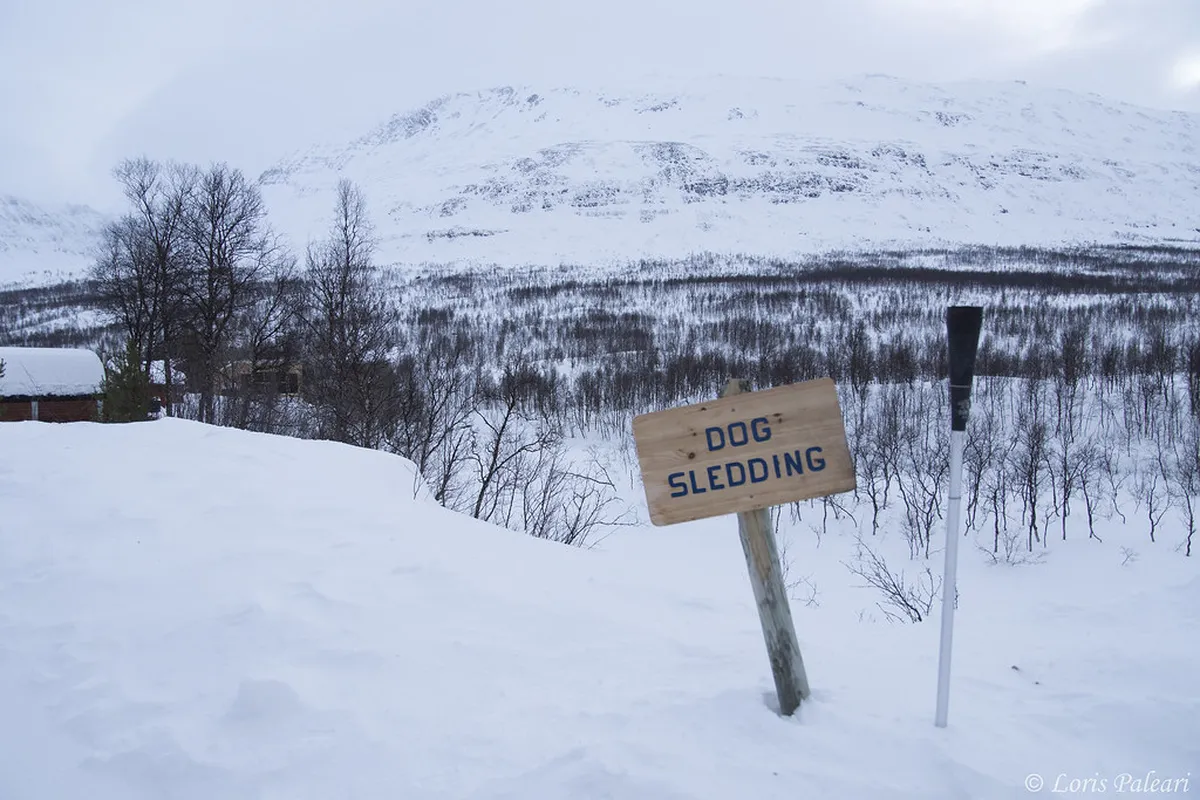
Temperatures near the coast typically hover between -5 and 1°C (23 to 34°F) thanks to the Gulf Stream moderating the climate. Inland valleys and the fjord areas used for aurora chasing can reach -20 to -25°C (-4 to -13°F), which is a significant difference. Any tour that drives you inland should provide insulated snowsuits — confirm this before booking.
Inland temperatures can drop to -20°C or below, significantly colder than the coast. Winter aurora tours venture inland — always confirm your operator provides insulated snowsuits, or bring extreme-cold rated gear (-25°C minimum).
Tromsø in Spring (April–May): The Sun Returns
Spring is Tromsø's most underrated window and its most honest shoulder season. Temperatures creep from 0°C in early April to around 7°C by late May (32 to 45°F). The snow is melting by April, which means dog sledding shuts down and the high trails are still buried but the coastal paths become walkable. Prices for accommodation drop compared to peak winter and summer.
April still has enough darkness for occasional aurora sightings in the first half of the month, though success rates fall sharply after mid-April as twilight stretches well past midnight. The upside is that April can deliver rare conditions where you see the aurora above a snow-covered landscape in near-zero temperatures rather than deep cold. It is a niche but genuinely rewarding combination.
By May, the city shifts into Midnight Sun preparation. The sun sets later each day until it stops setting entirely around 20 May. May is genuinely slushy in the city — wet pavements, patchy snow on the mountains, and muddy hiking trails below the snowline. Visitors who come in May expecting either winter activities or proper summer hiking often feel disappointed. If you prioritize budget and solitude over conditions, May delivers both. If conditions matter, lean toward April or June instead.
Tromsø in Summer (June–August): Midnight Sun and Hiking
The Midnight Sun is continuous from approximately 20 May to 26 July. During peak Midnight Sun, the sun stays above the horizon all day and all night — it circles rather than rises and sets. Hiking trails at altitude become fully accessible from June onward as the snow clears. Summer temperatures run from 9 to 15°C (48 to 59°F), and the long light creates a strange, energizing atmosphere that most visitors describe as disorienting in the best way.
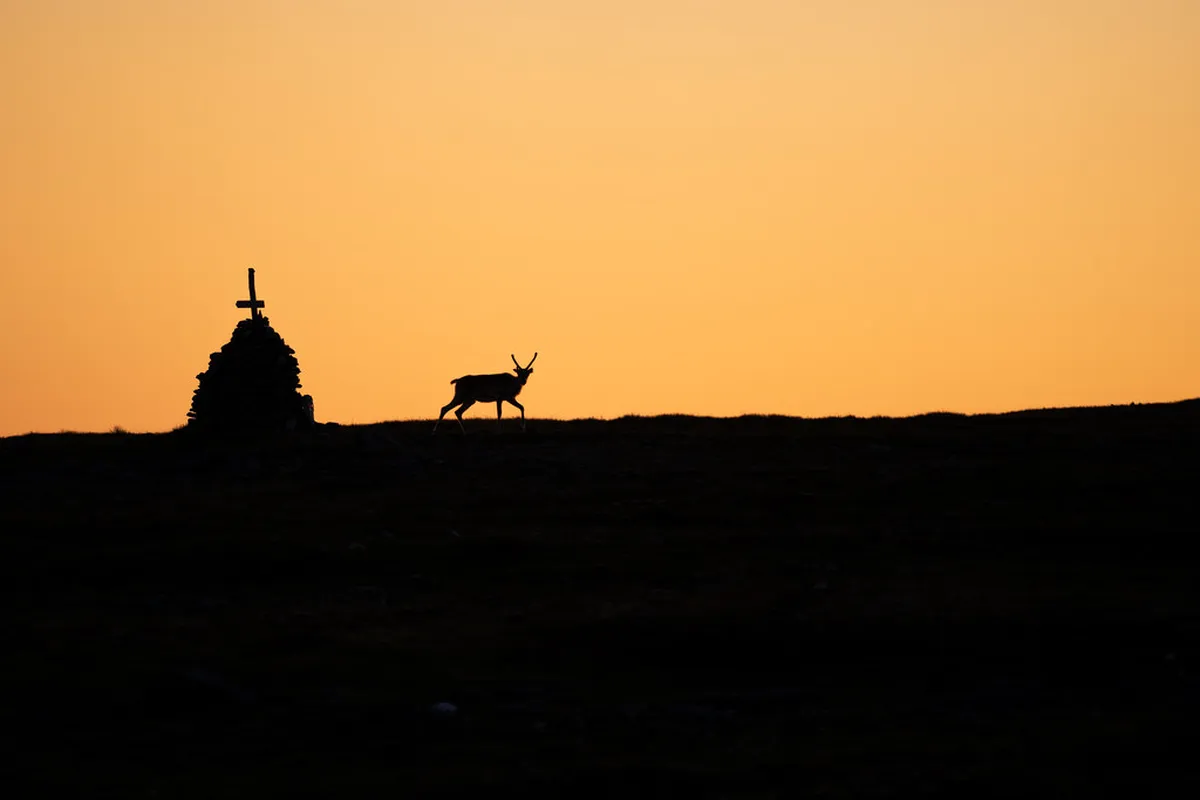
The Midnight Sun Marathon takes place each June in Tromsø, drawing runners from across Norway for a race timed to the peak of the phenomenon. Riddu Riđđu, an international indigenous festival celebrating Sami and circumpolar cultures, happens in Kåfjord in July, roughly two hours from the city. Both events add strong reasons to time a summer visit more precisely.
August is when the sun begins setting again, producing long amber sunsets that can last well past midnight. Coastal beaches on Kvaløya are popular for late-evening bonfires. The fjord cruise season operates at full capacity through August, with routes covering the surrounding archipelago. You can experience the 10 Best Ways to Experience the Midnight Sun in Tromsø from the top of local peaks reached via the Fjellheisen cable car, which offers views of the city, the fjord, and the surrounding islands. The cafe at the top stays open late to match visitor demand.
One practical note for summer visitors: bring a sleep mask and blackout curtains or ask your hotel for room-darkening options. The continuous daylight makes sleep difficult without them, and not every budget property stocks them automatically.
Tromsø in Autumn (September–October): Fall Colors and Early Auroras
September is when darkness returns to Tromsø and the first aurora sightings of the season become possible. The landscape shifts from summer green to yellow, orange, and red as the birch forests on the hillsides turn. September offers a combination available at no other time of year: genuine autumn colors under an aurora-capable sky, with temperatures still mild enough (5 to 9°C / 41 to 48°F) for comfortable outdoor photography.
Crowds are noticeably lower in September and October than in the February–March peak. Hotels are easier to book and prices are 20 to 30% lower than mid-winter. The trade-off is that aurora sightings are less frequent early in the season — September nights are shorter than January nights, and the sun still produces significant twilight well into the evening. Cloud cover can also be heavy in October as Atlantic weather systems push in.
October marks the start of the whale watching season, which is the most underappreciated reason to visit Tromsø in autumn. The herring arrive in the northern fjords in late October, and the whales follow. By November the season is in full swing. October is also when the Polar Night begins its approach — daylight shortens dramatically, and the first traces of the Blue Hour twilight appear at the edges of the day. For visitors who want the feeling of winter without the full commitment to deep cold, October hits a useful middle point.
Tromsø Month-by-Month: Weather and Daylight Hours
Daylight in Tromsø swings more dramatically than almost anywhere else with a significant population. The table below shows approximate hours of usable daylight (including civil twilight) and average temperatures for each month in 2026, based on historical averages for this Arctic latitude.
| Month | Daylight / Twilight | Avg Temp | Conditions |
|---|---|---|---|
| January | 0 h sun / 3–4 h blue light | -3°C (27°F) | Polar Night; aurora peak; Soldagen Jan 21 |
| February | 5–8 h rising | -3°C (27°F) | Best month for aurora + snow activities |
| March | 11–13 h | -1°C (30°F) | Excellent for aurora and skiing |
| April | 15–17 h | 2°C (36°F) | Aurora fades; trails partly accessible |
| May | 20+ h; Midnight Sun from ~May 20 | 6°C (43°F) | Slushy; shoulder season prices |
| June | 24 h continuous | 11°C (52°F) | Peak Midnight Sun; hiking season opens |
| July | 24 h until ~Jul 26 | 14°C (57°F) | Warmest month; busiest crowds |
| August | 17–20 h | 13°C (55°F) | Sunsets return; berries ripen |
| September | 12–14 h | 8°C (46°F) | Aurora season starts; autumn colors |
| October | 7–10 h | 4°C (39°F) | Whale season starts; fewer crowds |
| November | 2–5 h; Polar Night from Nov 27 | 0°C (32°F) | Polar Night begins; whale peak |
| December | 0 h sun / ~2 h blue light | -2°C (28°F) | Darkest month; aurora hunting |
January is the coldest month with an average of -3°C (27°F) in the city, though coastal moderation from the Gulf Stream keeps it warmer than many visitors expect. July is the warmest, averaging 14°C (57°F). Precipitation is spread fairly evenly across the year, with slightly wetter conditions in autumn.
Best Time for Whale Watching and Wildlife
Whale watching in Tromsø runs from late October to mid-January. The season is defined by the herring migration — humpback whales and orcas follow the herring as they move through the northern Norwegian Sea. This is not a year-round activity, and visiting outside this window means no whale sightings regardless of what tour operators may suggest.
An important detail that few guides mention in 2026: the whales have largely moved away from the fjords immediately around Tromsø city. They now congregate near Skjervøy, a coastal town roughly two to three hours north of Tromsø by minibus or boat. Tour operators make this journey as part of standard whale watching packages, but it means a full-day commitment of eight to ten hours rather than a short boat trip. The electric silent-boat tours that operate out of Tromsø now often run up to eight hours to cover the distance and maximize time with the animals. Confirm with your operator exactly where the whales are expected before booking, as the location shifts each season with the herring.
Whale watching from Tromsø now requires travel to Skjervøy, 2–3 hours north — a full-day commitment. Always confirm your operator's current whale location before booking, as herring migration shifts seasonally.
For wildlife beyond whales, reindeer are visible year-round on Kvaløya island west of the city — they frequently wander onto the roads. Sea eagles are present through autumn and winter. King crab cruises operate through the winter months and offer a combination of wildlife viewing and a fresh crab lunch on board. The Whale Watching In Tromso: The Ultimate Guide season aligns almost exactly with the Northern Lights season, which means November and December offer the unusual opportunity to see both on the same trip.
Winter vs. Summer: Honest Trade-Offs
Most visitors choose between the two peak seasons. The table below gives an honest summary to help you decide.
| Factor | Winter (Nov–Mar) | Summer (Jun–Aug) |
|---|---|---|
| Key phenomenon | Northern Lights, Polar Night | Midnight Sun |
| Temperature | -5 to 1°C (23 to 34°F) | 9 to 15°C (48 to 59°F) |
| Crowds | High (Feb–Mar peak) | High (July peak) |
| Prices | High | High |
| Booking lead time | 4–6 months for Feb–Mar | 2–3 months for July |
| Top activities | Dog sledding, aurora tours, whale watching, skiing | Hiking, fjord cruises, kayaking, cycling |
| Daylight for sightseeing | Limited (2–6 h in deep winter) | Unlimited (24 h) |
| Sleep quality | Easy in the dark | Difficult without blackout blinds |
Spring (April–May) and autumn (September–October) offer lower prices and fewer crowds at the cost of less reliable conditions for either headline phenomenon. October is the best shoulder season for activity variety: early auroras, whale season beginning, autumn colors, and significantly lower prices than February.
Seasonal Packing Guide: What to Wear in the Arctic
Winter packing in Tromsø requires a layered approach centered on wool, not cotton. The baseline is merino wool base layers — top and bottom — which regulate temperature even when wet. A mid-layer fleece or down jacket goes over that, and a windproof and waterproof outer shell seals the system. The outer layer matters most on aurora nights when you stand still for extended periods in the cold. Check the full 8 Essential Categories for Your Tromso Winter Packing List before you depart.
Feet are where most first-timers underestimate Tromsø. Insulated waterproof boots rated to at least -20°C are essential for winter visits, especially if any aurora tour will take you inland. Wool socks add another layer of protection. Hand warmers are useful but not a substitute for properly insulated gloves — bring liner gloves you can wear inside mittens for the coldest nights. A thin balaclava or neck gaiter prevents the significant heat loss that happens around the neck and lower face in wind.
For summer, the approach is completely different. Tromsø is casual — locals dress for the outdoors, not for formality. Hiking trousers, a waterproof jacket, and sturdy trail shoes are appropriate for most summer activities. The temperature can drop quickly in the evening and on the water, so a warm mid-layer is worth packing even in July. A sleep mask is non-negotiable for summer visitors who struggle with continuous daylight. Don't forget sunscreen — UV exposure is real even at 11°C under a bright Arctic sun.
Tromsø Outdoor on the main street rents winter gear including skis, snowshoes, and snow boots if you prefer not to pack your own. This makes short-notice winter visits more manageable for travelers who fly carry-on only.
Frequently Asked Questions
When is the best month to see Northern Lights in Tromsø?
Late September to March is the best time for the aurora. These months provide the necessary darkness and high activity. Mid-February to March often has the clearest skies.
Is Tromsø worth visiting in the summer?
Yes, the Midnight Sun offers a unique 24-hour daylight experience. You can hike and explore fjords at any hour. The lush green landscape is stunning for photography.
How many days do you need in Tromsø?
Most travelers find that four to five days is ideal. This allows time for several aurora chases or summer hikes. It also provides a buffer for bad weather days.
Tromsø offers a spectacular experience regardless of when you choose to visit. Winter provides the magic of the aurora while summer brings endless sun. I recommend following a Tromso Itinerary: 8 Essential Planning Steps and Daily Routes to maximize your time.
Be sure to pack appropriately for the ever-changing Arctic weather patterns. Book your tours and accommodation well in advance for the peak seasons. Your Arctic adventure will be unforgettable no matter the month you pick.
You might also like
Continue reading
More guides you'll find useful