Best Time To See Northern Lights In Tromso: 2025 Guide
Discover the best time to see the Northern Lights in Tromso. Our guide covers peak months, the 2025 Solar Maximum, and the best time of night for a sighting.
On this page
The Best Time To See Northern Lights In Tromso
The best time to see northern lights in Tromso is from late September through early October, or again in March. These shoulder windows balance dark skies, manageable temperatures, and the equinox-driven spike in geomagnetic activity that makes displays more frequent and more dramatic. You can check the Tromso Weather by Month: A Guide to Seasons & Daylight to see how conditions shift across the full year.
We are currently deep inside Solar Cycle 25's maximum phase, which runs through 2026. That means aurora activity right now is the highest it has been in over a decade. Every month from August through April is a viable window — the question is which tradeoffs matter most for your trip.
This guide breaks down each month from August to April, the best time of night to watch, and the practical difference between booking a guided chase versus simply walking outside your hotel door.
The Best Months for Northern Lights in Tromsø: August to April
The aurora season in Tromsø runs from late August to early April. Outside that window the Midnight Sun keeps the sky bright through the night, making sightings impossible. Within the season, each month has a distinct character that will suit different types of travelers.
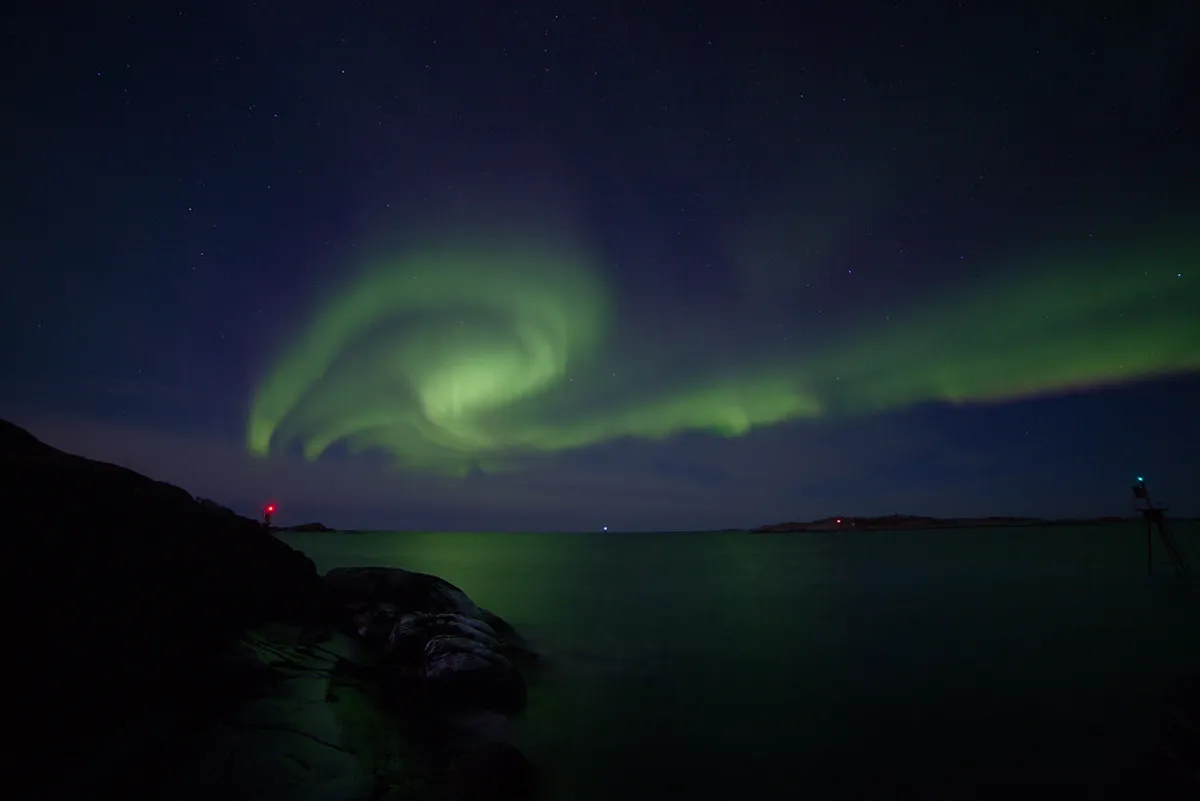
August marks the season's opening. Displays are possible from mid-month onward, but the sky never reaches true darkness. You need a strong KP-index reading — KP4 or above — for the lights to cut through the twilight. Think of August as a bonus month for those already in the Arctic rather than a dedicated aurora trip.
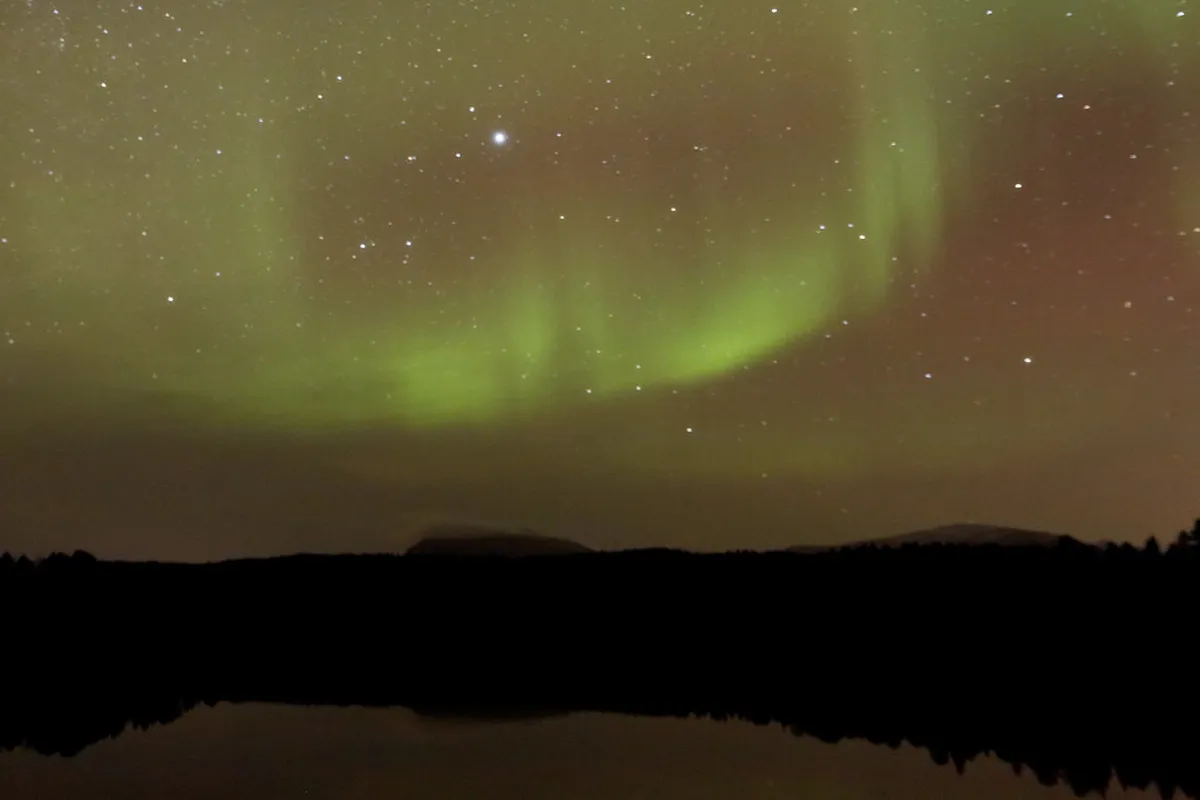
September is where the season properly begins. By mid-month the sun sets around 19:30 in Tromsø and temperatures sit between 4°C and 10°C. The autumn equinox (around 22 September) reliably produces heightened geomagnetic activity via the Russell-McPherron effect. Photographers prize this month for the reflected aurora in unfrozen fjords.
October offers conditions nearly as good as September with slightly colder nights (2°C to 8°C). Lakes are not yet frozen, giving the same reflection photography opportunities. Prices and crowds are lower than the deep winter peak, making it excellent value. The equinox effect lingers into early October and continues to boost chances.
November brings rapid darkening and the first snow. Polar Night arrives in Tromsø around 27 November and lasts until mid-January. The extended darkness is ideal for sightings in principle, but November is statistically one of the cloudiest months — be prepared to drive inland for clear patches.
December and January are peak season for atmosphere but not necessarily for sightings. Polar Night means the aurora can appear at any hour. Prices and crowds are at their highest, especially around Christmas. Cloud cover is frequent, and temperatures regularly drop to -10°C or colder. Aurora apps and forecast alerts become essential companions.
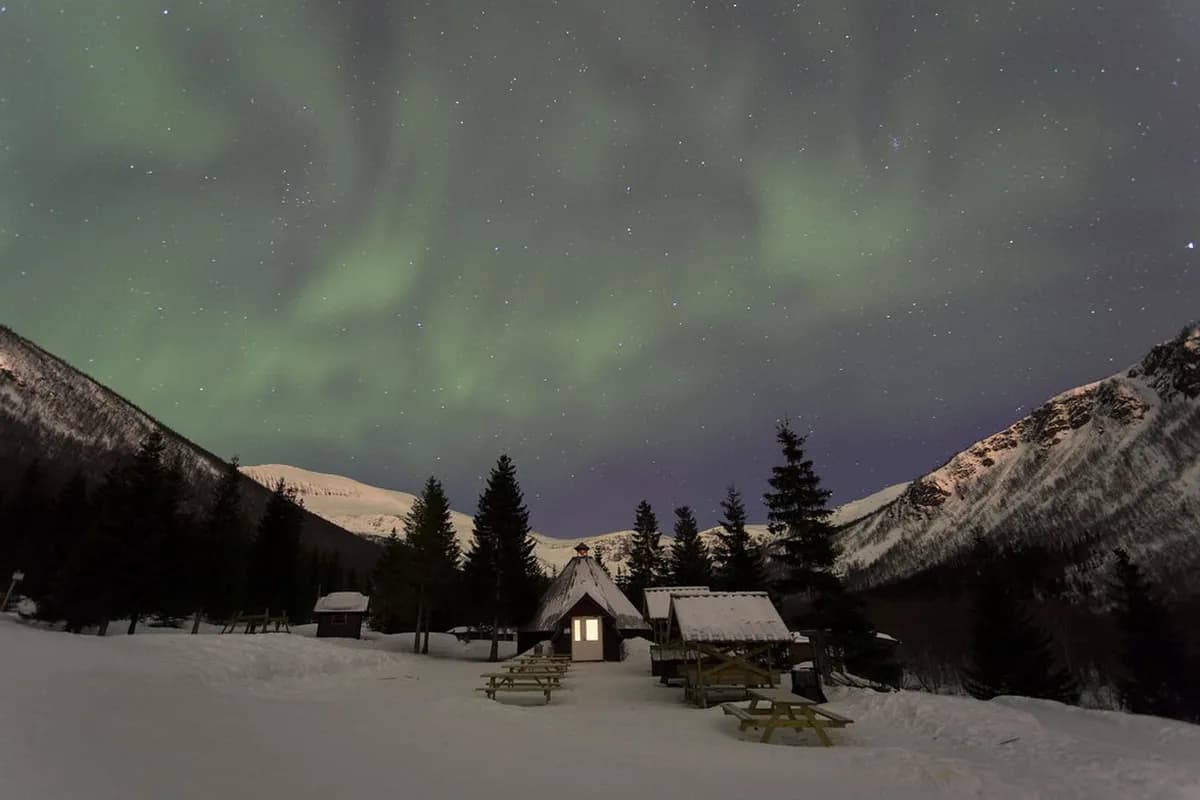
February is widely regarded as the most reliable month. Days are lengthening, skies are clearer than in December, and temperatures (around -8°C to -2°C) are manageable with the right clothing. Snow covers the landscape, providing dramatic foregrounds for photography. 17 Best Northern Lights Tours in Tromso operate daily throughout the month with high booking rates.
March combines the spring equinox boost with returning daylight for daytime activities. The March equinox (around 20 March) triggers the same Russell-McPherron geomagnetic spike as September. Temperatures hover between -8°C and -2°C, snow is still deep, and days are long enough for dog sledding or a fjord cruise before dark. Many experienced aurora hunters rate March as the single best month.
Early April is the last viable window. The first week of April can deliver strong displays close to the equinox. By mid-April the nights shorten too rapidly and the season ends. Temperatures are rising and conditions are comfortable, making this a good late-season option for travelers wary of deep winter cold.
| Month | Temperature Range | Darkness | Cloud Risk | Best For |
|---|---|---|---|---|
| August | 8–12°C | Twilight only | Low | Bonus sightings, mild weather |
| September | 4–10°C | 22:00–03:00 | Moderate | Fjord reflections, autumn equinox |
| October | 2–8°C | Longer | Moderate | Value, unfrozen lakes, equinox |
| November | -2–4°C | Polar Night begins | High | Full darkness, prepare for clouds |
| December–January | -10–0°C | 24-hour dark (Polar Night) | High | Peak season, atmosphere, crowds |
| February | -8–-2°C | Full night | Lower | Most reliable month, clear skies |
| March | -8–-2°C | Lengthening days | Moderate | Spring equinox, winter activities, best month |
| Early April | -4–2°C | Short nights | Moderate | Last viable window, milder conditions |
Peak Season: November to February (The Polar Night)
Tromsø enters Polar Night around 27 November. The sun does not rise above the horizon again until 15 January. During this period the sky stays dark enough for aurora viewing around the clock — though practically speaking the prime window is still the evening hours when most people are awake and alert.
The Polar Night has a distinct atmosphere that goes beyond the lights. The city operates under a soft blue twilight at midday. The mountains surrounding the fjord are white. Restaurants, bars, and the city's cultural life feel unusually alive against the darkness — Tromsø has long learned how to make winter feel welcoming rather than oppressive.
The tradeoff is cost and cloud cover. December through January is the most expensive stretch of the aurora calendar, and both months sit among the cloudiest. If you are traveling primarily to see the lights rather than to experience the full Polar Night, February offers a better balance of clear skies, manageable cold, and competitive pricing.
Shoulder Seasons: September–October and March–April
Both shoulder windows benefit from the equinox effect. Around the September and March equinoxes, Earth's magnetic field aligns more favorably with the solar wind through a mechanism called the Russell-McPherron effect. This reliably produces a statistical spike in geomagnetic activity — KP-index values that average higher during equinox weeks than in the depths of winter.
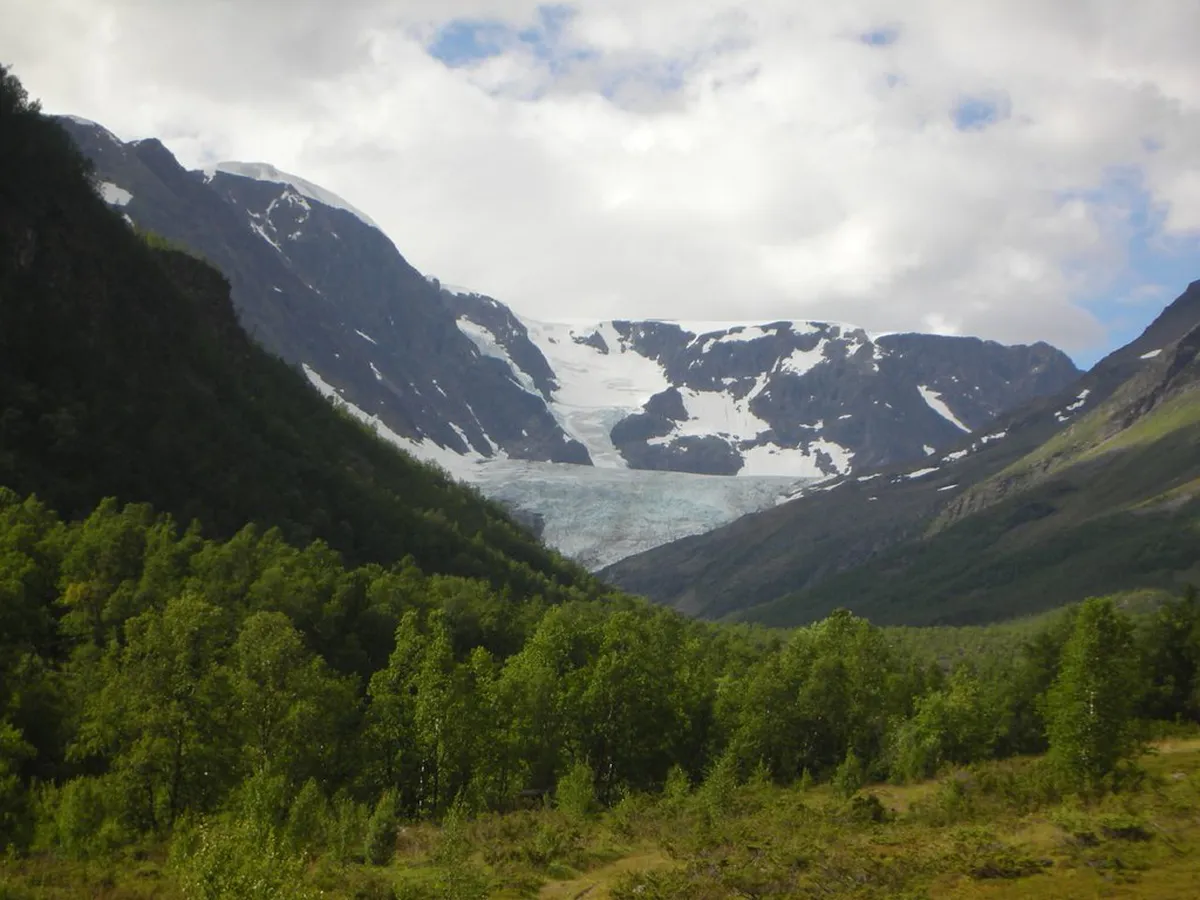
Temperatures during shoulder season are less extreme. September sits between 4°C and 10°C; March between -8°C and -2°C. Neither requires the extreme cold-weather layering of mid-winter. Crowds are thinner and accommodation prices are noticeably lower than the December to February peak.
The main limitation is the length of darkness. In September, true darkness lasts roughly from 22:00 to 03:00 — a narrower window than mid-winter, but still ample for a strong display. By March the window has expanded again and the landscape is snow-covered, giving you the best of both worlds: winter scenery and milder conditions. You can check the Best Time to Visit Tromsø: The Ultimate Seasonal Guide for a broader look at how the seasons compare across all activities.
The Best Time of Night to See the Aurora
The aurora borealis does not follow a fixed schedule. Solar wind interacts continuously with Earth's magnetic field, so displays can appear at any hour once the sky is dark. That said, there is a statistical peak. Most guide services and aurora forecast apps report the highest frequency of activity between 18:00 and 02:00, with the most consistent displays clustering around magnetic midnight — approximately 23:00 to 00:30 local time in Tromsø.
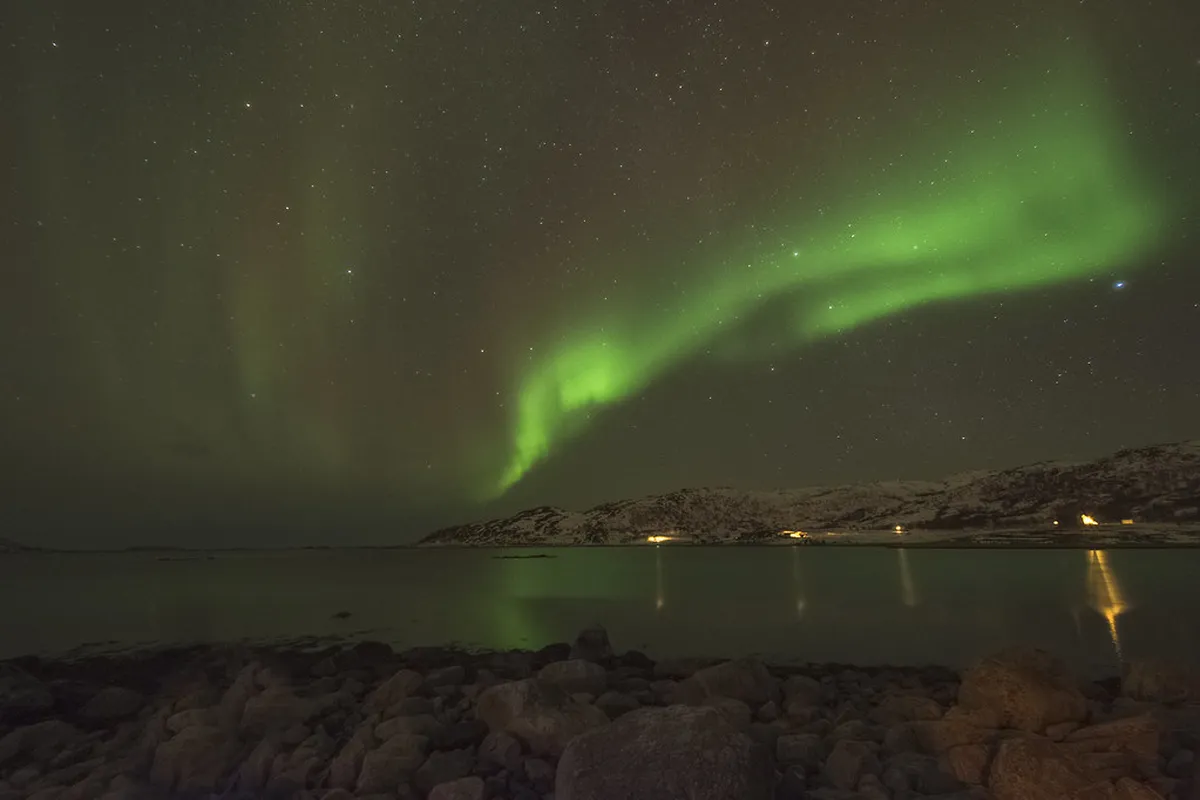
The KP index is the single most useful number to check before you go out. KP1 or KP2 is a faint glow on the northern horizon, often only visible to cameras. KP3 to KP4 produces visible green bands overhead. KP5 and above — a geomagnetic storm — fills the sky with color and can include red, purple, and pink hues. During Solar Maximum, KP5 events occur several times per month rather than a few times per year.
Set an alert on the Norway Lights forecast or the SpaceWeather.com app before you sleep. When the KP index climbs above 3 and the cloud forecast is clear, head outside immediately. The most spectacular displays often peak and fade within 20 to 40 minutes, so speed matters once an alert fires. Standing outside for 90 minutes near midnight on a clear night during peak season gives you a very high probability of witnessing at least a moderate display.
Understanding the Solar Maximum (Why 2024–2026 is Critical)
The sun follows an approximately 11-year activity cycle. Solar Cycle 25 reached its maximum phase in 2024 and activity is expected to remain elevated through 2026. This means solar flares and coronal mass ejections — the events that fuel aurora displays — are happening at a rate not seen since Solar Cycle 24's peak around 2013 to 2014.
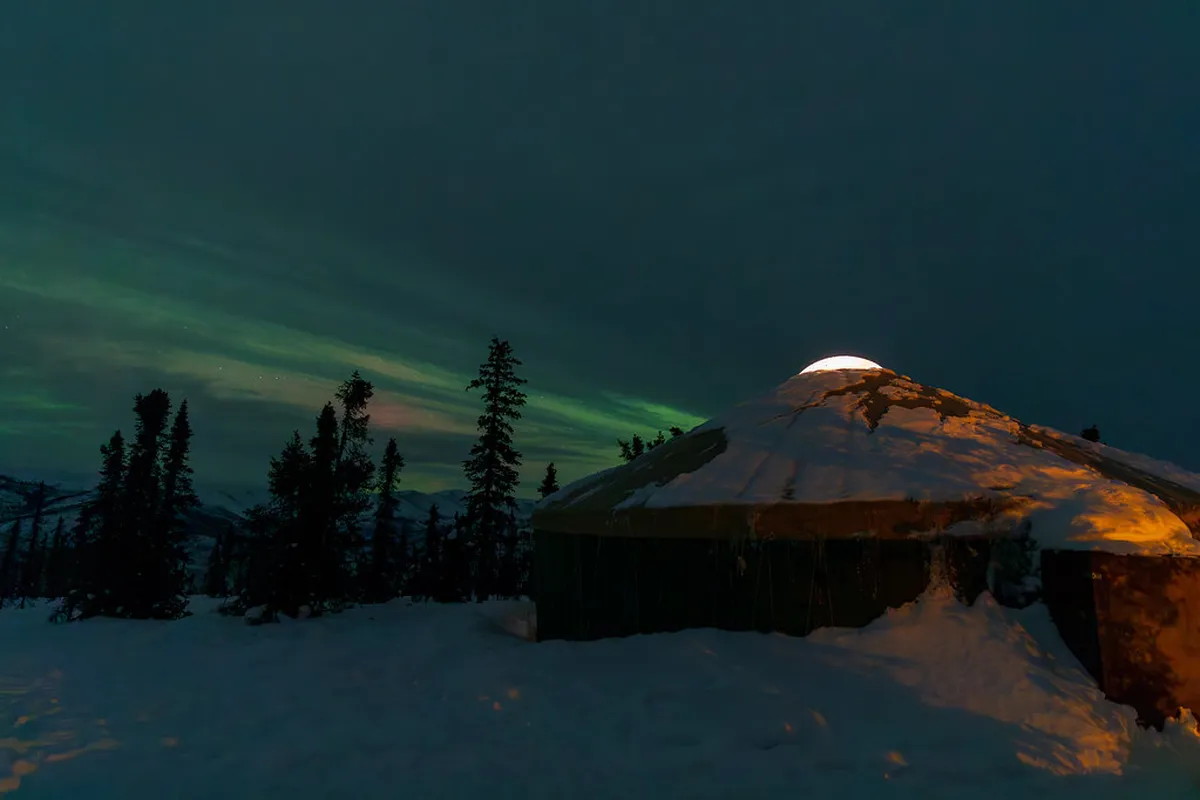
In practical terms, rare colors are now common. During a Solar Maximum, KP5+ storms are frequent enough that purple and red curtains appear regularly rather than once or twice per decade. The lights also appear at lower latitudes than normal: strong storms during this cycle have produced aurora visible from Scotland, Germany, and even parts of France. In Tromsø, sitting at 69°N directly under the auroral oval, even a moderate KP3 event delivers a show worth photographing.
NOAA and SpaceWeather.com data suggest 2025 was statistically the strongest year of the cycle, with 2026 still in elevated territory. If you have been waiting for the right year to make the trip, that window is now. The chances of seeing northern lights tromso are measurably higher during these peak years than at any other point in the cycle. You can also check 14 Best Spots for Northern Lights Near Tromso to plan the best viewing spots around the city.
Weather and Cloud Cover: Tromsø's Microclimates
Cloud cover is the single biggest obstacle to seeing the aurora. Tromsø sits on an island in the Norwegian Sea and receives maritime weather — cloud is frequent and can arrive quickly even on a forecast-clear night. This is not a reason to avoid Tromsø; it is a reason to understand how aurora chasers navigate the weather.
The key is the inland valleys east of the city. The Lyngen Alps and the mountains along the E8 road create a rain shadow that clears cloud faster inland than on the coast. The valley around Skibotn, roughly 90 minutes east of Tromsø near the Finnish border, regularly sits under clear skies while the city is overcast. Many guided 17 Best Northern Lights Tours in Tromso drive this exact route — it is not a fallback plan, it is a standard strategy.
The Föhn effect can also clear skies on the eastern lee side of the mountains even when westerly storms are pushing cloud in from the sea. Watch the Yr.no or Storm.no forecast specifically for Skibotn and Lavangsdalen, not just the city center. A 20-minute drive can mean the difference between a clouded-out night and a full-sky display. You can verify the latest local microclimate patterns via Visit Tromsø.
The inland valleys around Skibotn and Lavangsdalen (90 minutes east of Tromsø) regularly sit under clear skies while the coastal city is overcast. Guided tours use this as a standard strategy, not a backup plan — check microclimates separately on Yr.no or Storm.no before deciding to drive.
Moon Phases: Does a Full Moon Ruin the Lights?
The short answer is no — but it does raise the bar. A full moon adds ambient light that washes out faint KP1 to KP2 displays. You need a KP3 or stronger event for the aurora to compete with a bright moon. During the Solar Maximum, those events are common enough that the moon phase rarely determines whether you see the lights at all.
A full moon actually improves night photography in one significant way. It illuminates the snow-covered mountains and frozen fjords, giving you a naturally lit foreground without long-exposure noise. Many aurora photographers actively plan full-moon shoots for this reason. The combination of moonlit landscape and overhead aurora produces images that dark-moon nights simply cannot replicate.
For the absolute darkest skies, plan around the new moon — the three or four days on either side of new moon produce the faintest background glow. If your priority is a raw KP1 display barely visible to the naked eye, those nights give you the best chance. If your priority is a dramatic photograph or a KP4+ storm that fills the horizon, the moon phase matters very little.
A full moon washes out faint KP1–KP2 displays, but during the Solar Maximum (2024–2026) those events are common enough that moon phase rarely determines your success. For the best photography, a full moon actually improves landscape foregrounds by illuminating snow-covered mountains and frozen fjords naturally.
When to Book a Tour — and When to Just Step Outside
Every tour operator in Tromsø will tell you to book a guided chase. The honest answer is more nuanced. During the Solar Maximum and in good weather, KP4+ events are frequent enough that walking 10 minutes from your hotel to the waterfront or driving to Telegrafbukta beach on the south side of the island produces a perfectly adequate viewing experience with no guide required.
A guided tour adds genuine value in specific situations. If you are visiting in November through January when cloud cover is unpredictable, a driver who monitors multiple forecasts simultaneously and knows which inland valleys clear fastest is worth the cost — typically 1,200 to 1,800 NOK per person. Tours also provide thermal suits, hot drinks, and transportation, removing the cold-logistics problem entirely.
In September and October, with mild temperatures and a clear forecast confirmed the afternoon before, you can reasonably self-guide. Park at Telegrafbukta (free, 5 minutes from the city center) or drive 20 minutes north to Kvaløya island, away from the city glow. Bring a tripod, set your phone alert for KP3+, and wait. A tour becomes worth the cost again in February and March when temperatures drop below -10°C and you need the extra layer of thermal equipment support.
Beyond the Lights: Other Arctic Adventures in Tromsø
Tromsø is a full Arctic destination, not just an aurora viewing platform. The activities available alongside aurora hunting shift significantly by season, so it is worth aligning your travel window with the experiences you want during daylight hours as well.
Whale watching runs from October to January in the fjords around Tromsø and Skjervøy to the north. Orca and humpback whales follow herring schools into the sheltered waters during these months. A whale safari combined with an evening aurora chase is one of the most distinctive itineraries available in Norway, and October and November are the prime overlap months for both.
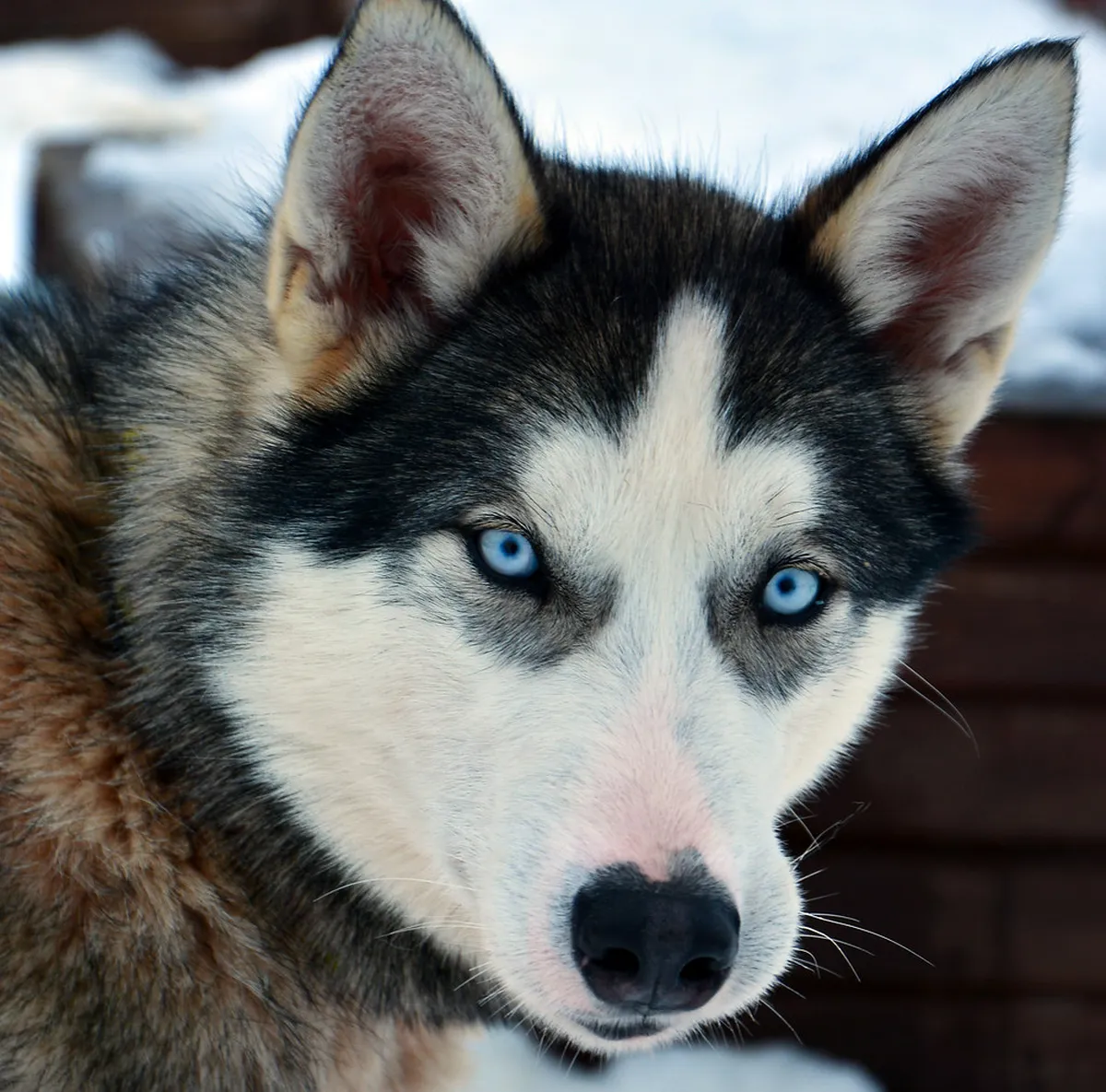
Husky dog sledding and reindeer sleigh rides operate from December through late March, when snow depth is reliable. February and March are the peak months for snow-based activities: the days are long enough to make the most of them, and the trails are in their best condition. Snowmobiling, ice fishing, and ski touring are all available in this window. The 10 Best Ways to Experience the Midnight Sun in Tromsø takes over from late May through late July, making summer a completely different type of trip — hiking, kayaking, and mountain biking under 24-hour daylight rather than aurora hunting.
Essential Tips for a Successful Aurora Chase
Check the KP forecast on SpaceWeather.com the day before and again at 18:00 local time. A KP3+ reading with a clear-sky window of two or more hours is a strong go signal. If cloud cover is forecast for the city, check Skibotn and Lavangsdalen separately.
- Download the Aurora Forecast or Northern Lights Now app and set a KP3 alert — it will wake you if activity spikes after midnight.
- Dress in merino wool base layers, a mid-layer fleece, and a windproof outer shell. Insulated waterproof boots with a temperature rating below -20°C are essential from November onward.
- Bring a tripod and set your camera to ISO 1600, f/2.8, and a 4- to 10-second shutter — adjust from there based on aurora intensity.
- Keep phone and camera batteries warm inside your jacket until you need them. Cold drains lithium batteries in minutes.
- Stay out for at least 90 minutes once you find clear sky. Displays that look faint at 22:00 can explode to full-sky intensity by 23:30.
You can find a complete 8 Essential Categories for Your Tromso Winter Packing List with the full gear breakdown for each month of the season.
For the full picture, see our complete guide to things to do in Tromsø.
Frequently Asked Questions
When is the best month to see the Northern Lights in Tromsø?
The best month is usually March or October for most visitors. These months offer dark skies and relatively mild weather for the Arctic. You also benefit from high solar activity and frequent clear nights during these times. Most tours operate daily throughout this peak window.
Can you see the Northern Lights in Tromsø in September?
Yes, you can see the lights starting in late August. September is excellent because the ground is not yet frozen. The autumn equinox often brings very strong geomagnetic storms to the region. Many photographers prefer this month for the fjord reflections.
What time of night is best for the Aurora in Norway?
The best window is typically between 8 PM and 2 AM. Solar activity can happen at any time of the night. However, the magnetic midnight usually occurs during this specific timeframe. Most guided chases stay out until at least 1 AM.
Choosing the right time for your trip will ensure you have the best possible aurora experience. Whether you pick autumn or winter, Tromsø remains one of the best places on earth. You should start planning your arctic adventure today to see the magic for yourself.
The solar maximum makes the next few years the perfect time for a northern lights chase. You will never forget the first time you see the green lights dancing above you. Tromsø is waiting to show you the beauty of the arctic sky during the best time to see northern lights in Tromso.
You might also like
Continue reading
More guides you'll find useful