15 Essential Guides to the Northern Lights in Tromso
Plan your Tromsø aurora trip with our guide to the 15 best ways to see the Northern Lights. Covers top tours, DIY locations, timing, and photography tips.
On this page
15 Essential Guides to the Northern Lights in Tromso
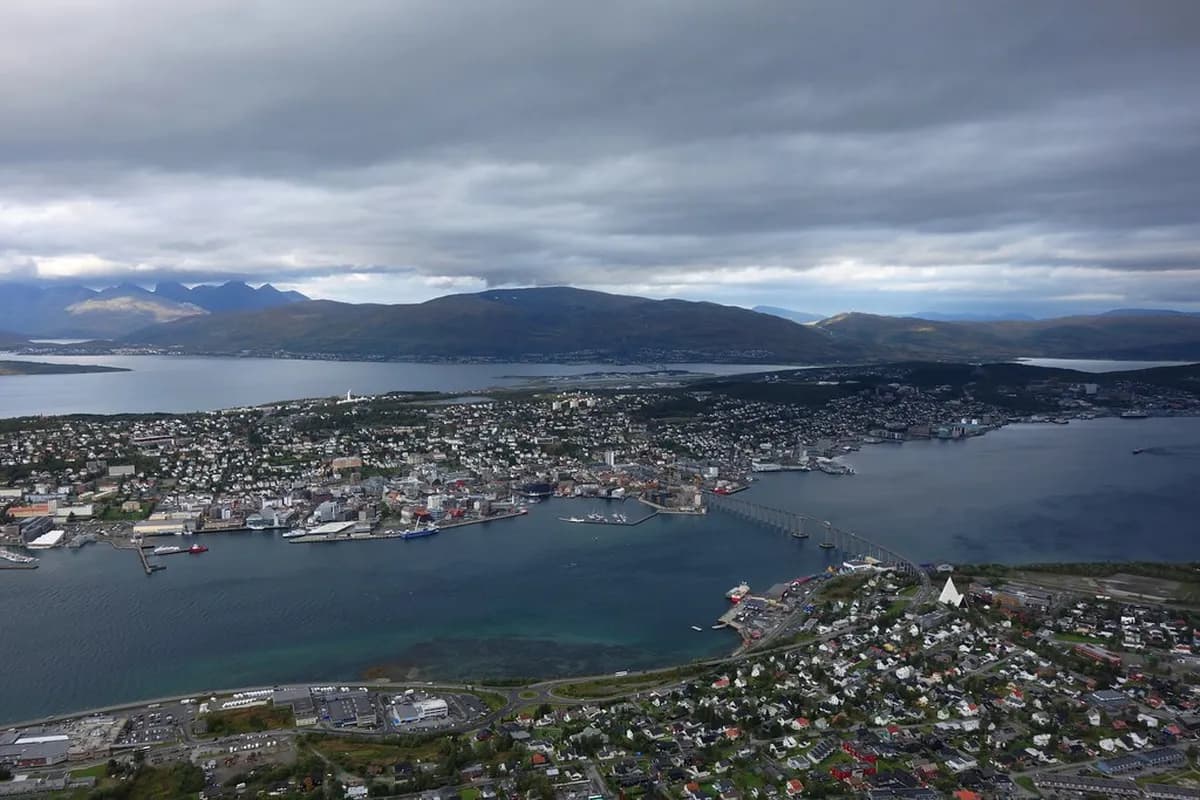
Tromsø is often called the Arctic capital because it sits directly under the active auroral oval region. Many travelers visit between September and April to catch a glimpse of the dancing green lights. Seeing the northern lights in Tromso requires a mix of good timing, clear weather, and a bit of luck. This guide explores the best ways to experience this natural wonder in Northern Norway.
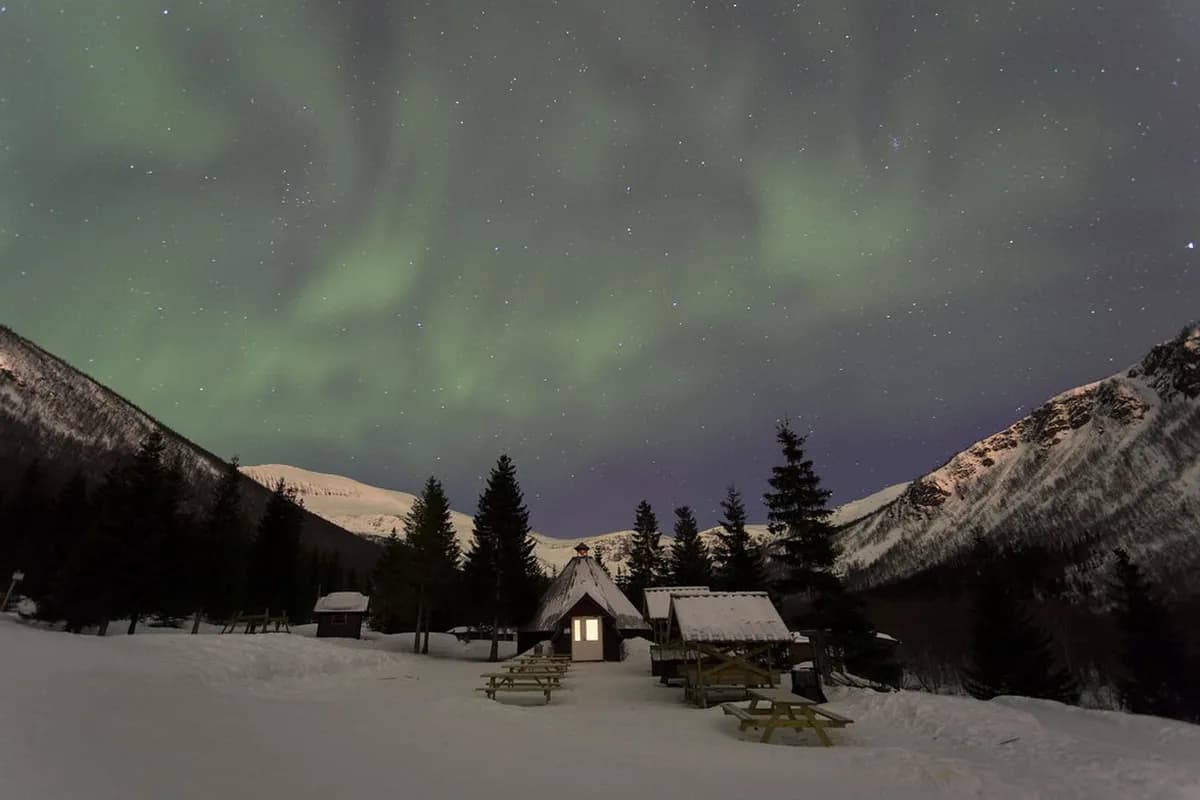
The city provides a wonderful base for anyone hoping to see the famous aurora borealis during the winter. You can choose between professional tours, coastal cruises, or driving yourself into the dark wilderness. Each option offers a different perspective on the lights and caters to various travel styles. Planning ahead will help you maximize your chances of witnessing a spectacular display.
Best Months and Times for Aurora Activity
The best time for northern lights in Tromso usually falls between late September and early April. During these months, the nights are long enough to provide the deep darkness needed for visibility. October and March are often favored because they coincide with the equinoxes, which historically produce heightened geomagnetic activity. Clear skies are the single most important factor for a successful sighting during these peak months. Check official Norwegian travel resources for seasonal weather patterns and travel logistics.
February and March carry a practical advantage over autumn: there is snow on the ground and a few hours of daylight return, so you can combine aurora hunting with daytime activities. September and October are warmer and the lakes are still unfrozen, giving you reflections in the water that freeze into pure white slabs by January. Pick your month based on what matters more to you — comfort or photographic conditions.
Aurora displays peak most frequently between 21:00 and 02:00 local time. You should be prepared to stay awake late, check the cloud forecast hourly, and shift locations if a weather window opens up. Patience is not optional in the Arctic; it is the primary skill every aurora hunter needs to develop.
Reading the KP Index for Tromsø
The KP index measures geomagnetic storm strength on a scale of 0 to 9. Most traveler guides say you need a KP of 5 or higher to see the lights — that is accurate for destinations further south, but it is incorrect for Tromsø. At 69°N latitude, a KP of 2 is often enough for a visible display on a clear night. A KP of 3 or 4 will produce a strong arc that fills much of the northern sky. Waiting for KP 5+ means missing dozens of quieter but still beautiful shows.
The free apps SpaceWeatherLive and My Aurora Forecast both display real-time KP readings and push notifications when activity rises above your chosen threshold. Set your alert at KP 2 so you receive an early warning rather than scrambling after a spike has already peaked. The Yr.no weather app is the most reliable cloud-cover forecast for Norwegian coastal regions and should run alongside your aurora tracker throughout every night you are in Tromsø.
Solar activity in 2026 remains near a solar maximum, which means elevated baseline KP readings are more common than in previous years. Even nights forecast at KP 1 can briefly spike to 3 or 4 without warning, so keeping your warm clothes handy and your camera on the tripod is always worth it during any clear window.
In Tromsø at 69°N latitude, a KP of 2 is often enough for a visible aurora display on a clear night. Set your alert at KP 2 in SpaceWeatherLive or My Aurora Forecast to catch shows early.
Top Locations to See the Northern Lights Around Tromsø
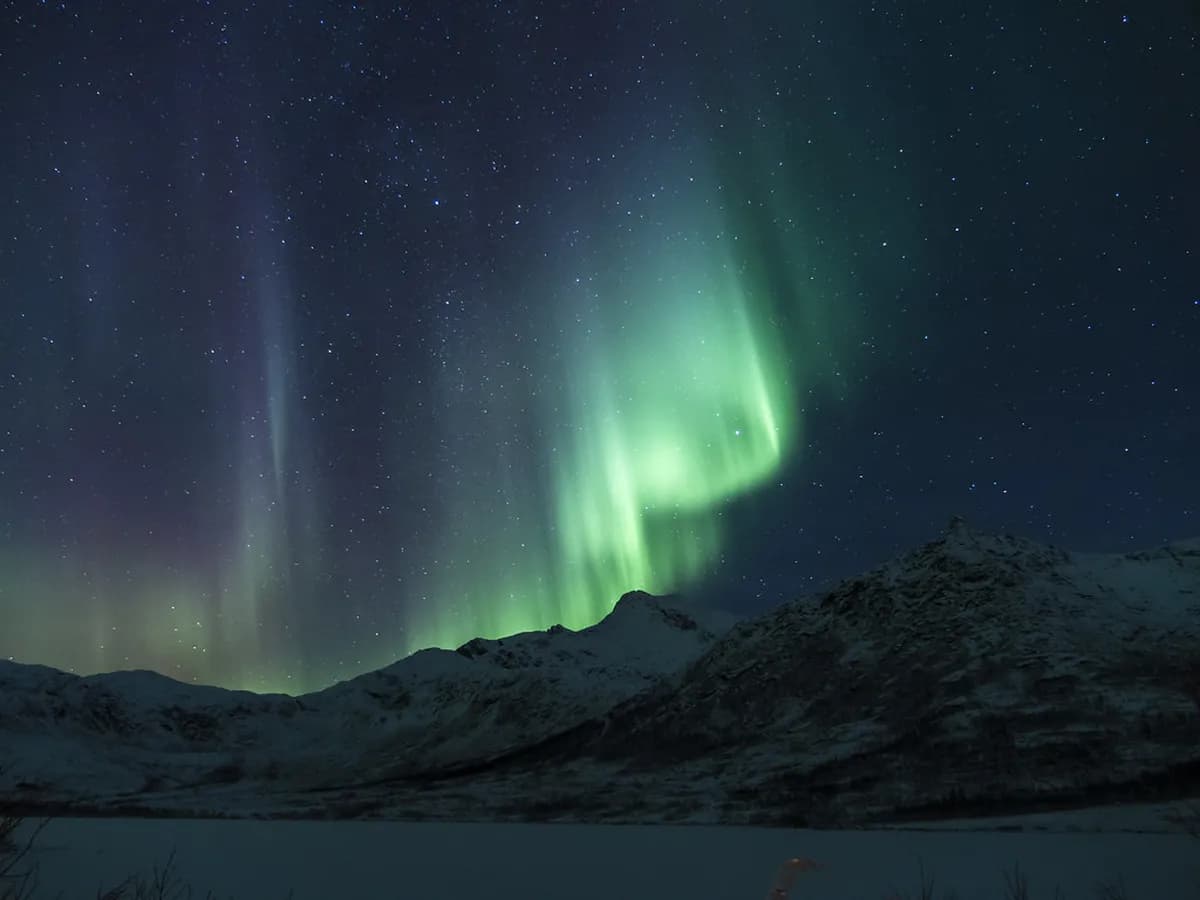
Finding the right places to see the northern lights means escaping the city's bright streetlights. Kvaløya island is the first stop for most visitors because it is a 30-minute drive from the city center and offers open, north-facing coastline. Grotfjord is a favorite among photographers for its dramatic mountain peaks reflected in the fjord — it faces north and west, which is the ideal orientation for catching an aurora arc. Kattfjordvatnet lake further along the Sommarøy road provides 10 kilometers of parking spots beside a frozen surface that doubles as a vast foreground for wide-angle shots.
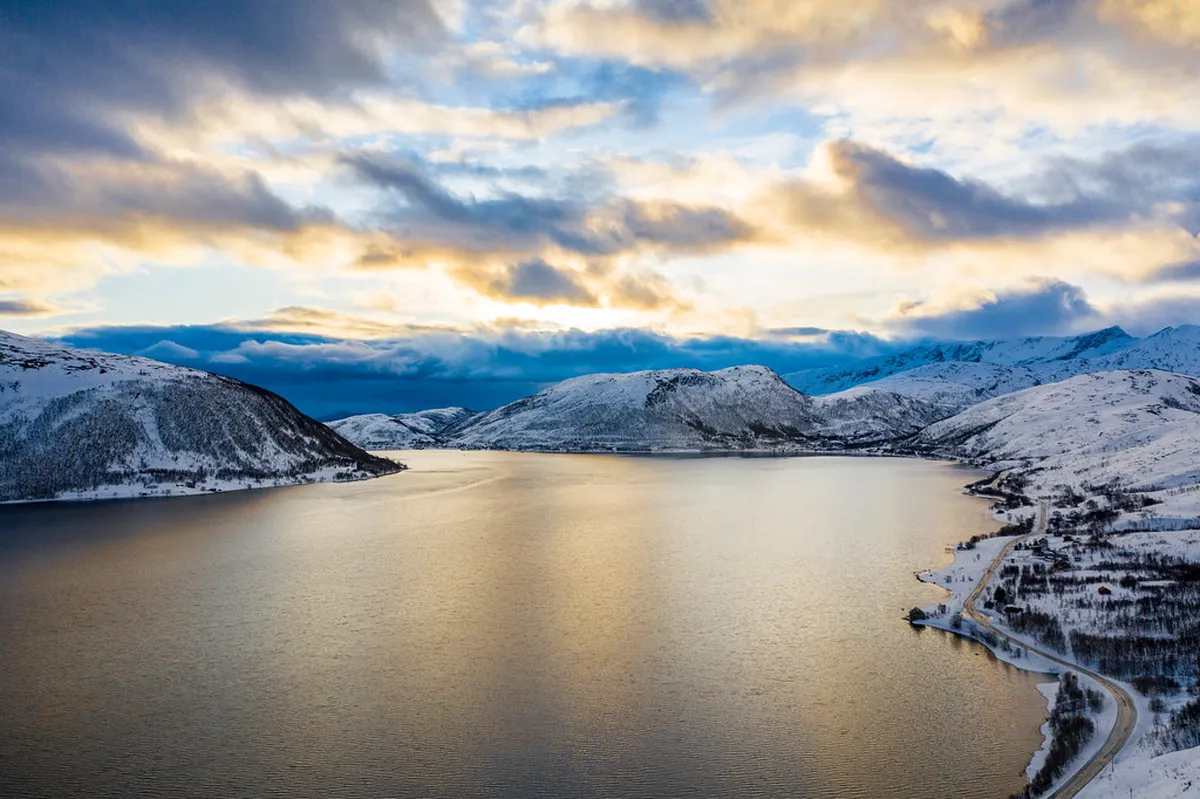
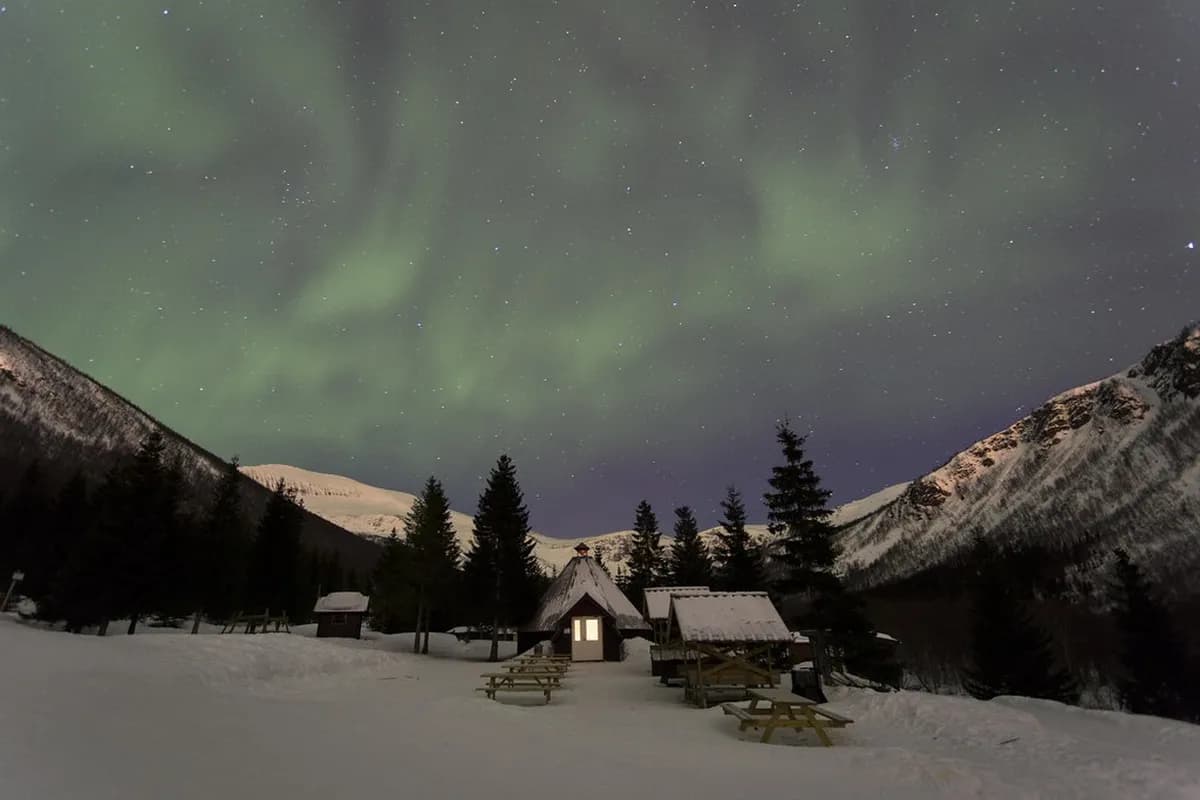
Signaldalen valley, about 90 minutes south of Tromsø, faces north-northwest with a wide open sky and very little traffic. Breivikeidet valley runs colder than the coast, often by 10 degrees, which means drier air and fewer clouds — a reliable backup when Kvaløya is socked in. Kilpisjärvi across the Finnish border is two hours away but sits on a flat tundra plain with almost no light pollution and its own microclimate that frequently stays clear when the Norwegian coast is cloudy.
If you do not have a car, Telegrafbukta beach is a 40-minute walk from the city center and faces south toward Kvaløya with reduced streetlight interference. The Fjellheisen cable car is the other car-free option, lifting you 420 meters above the city for a panoramic view. Both are inferior to the rural spots but entirely workable on a strong aurora night of KP 3 or above.
Choosing the Best Northern Lights in Tromso Tours
Booking one of the many Tromso northern lights tours is the most reliable way to find clear weather on any given night. Professional guides share real-time cloud data with each other and can redirect a van 200 kilometers toward a clear gap before you have even realized conditions are changing. Most operators supply insulated thermal suits, waterproof boots, hot drinks, and a campfire, so you do not need to own specialist gear.
Small group minibus chases carry 8 to 15 passengers, cost roughly 1,500–2,000 NOK per person, and offer the highest flexibility. Guides can stop at any roadside viewpoint, set up tripods for photography assistance, and change the entire route mid-drive. Large bus tours carry 30 to 50 people and cost 900–1,200 NOK, using fixed basecamps rather than dynamic routing. They are a reasonable budget option but offer less personalized guidance and slower repositioning when weather shifts.
| Tour Type | Group Size | Cost (NOK) | Routing | Best For |
|---|---|---|---|---|
| Small Minibus | 8–15 | 1,500–2,000 | Dynamic (mid-route changes) | Photography + flexibility |
| Large Bus | 30–50 | 900–1,200 | Fixed basecamp | Budget-conscious travelers |
| Expert Small Group | ≤8 | 2,000–3,500 | Dynamic + magnetometer routing | Aurora science + photography |
| Coastal Cruise | Variable | 1,200–1,800 | Ship repositioning | Comfort + scenic experience |
Photography enthusiasts should book specifically with operators who include tripods and offer camera settings coaching. Capturing the aurora on a smartphone is possible but requires a long-exposure night mode. A dedicated camera on a tripod with ISO 1600–3200 and a 5–15 second exposure at f/2.8 will produce far sharper results. Ask operators before booking whether they provide shooting guidance, as this varies significantly between companies.
More on the Northern Lights
The aurora borealis is a natural light display caused by solar particles hitting the upper atmosphere. These particles are funneled toward the poles by the Earth's magnetic field into the auroral oval, a ring-shaped zone where aurora activity is continuously high. Tromsø is positioned inside this oval, which is why residents can see the lights on dozens of nights each winter rather than occasionally.
Oxygen atoms produce the most common green color at altitudes of 100 to 150 kilometers. At higher altitudes, oxygen emits a rarer red. Nitrogen adds purple and blue fringes at the lower edges of the curtain. For detailed aurora science, atmospheric physics libraries document the full spectrum. The structure of the display — whether it appears as a quiet arc, a pulsating band, or a dramatic full-sky corona — depends on the speed and density of the incoming solar wind.
Solar activity follows an 11-year cycle. We reached a solar maximum in 2025 and remain near the peak through 2026, which means the lights will be unusually active and storms that would normally produce a KP of 4 can briefly reach KP 7 or 8. Travelers visiting in the 2026–2027 winter season are arriving at one of the best possible windows in the entire solar cycle.
Our Northern Lights Cruises in Tromsø
Sailing into the fjords offers a peaceful way to witness the aurora away from the noise and headlights of land-based tours. Silent electric boats provide a modern and eco-friendly experience on the water, and the reflection of the green lights on the dark fjord surface creates a visual effect that no land location can replicate. Many cruises include a warm dinner made from local ingredients such as reindeer or Arctic fish, served while anchored in a sheltered bay.
You can retreat to a heated indoor lounge if the cold becomes too much, and the captain can reposition the vessel toward areas with fewer clouds. Most boats depart from the city center harbor between 19:00 and 20:00, making them very accessible from central Tromsø hotels. Sailing tours cost roughly 1,200–1,800 NOK and typically run three to four hours. They are a more relaxed alternative to long van drives, though inland tours generally have a statistical edge in finding clear skies because the coast draws more cloud cover.
Follow the Northern Lights – Norway to Finland (Fall 2026–Winter 2027)
In the 2026–2027 season, cross-border chases will be an essential tool for dedicated aurora hunters. When Atlantic fronts bring coastal storms to Norway, the inland plains of Finland often remain clear and dry. A typical Tromso itinerary should budget at least one night for a long-distance chase that may cross the border. Experienced guides have been known to drive 200 kilometers or more to find a gap in the thick Arctic cloud deck.
Crossing from Norway into Finland is straightforward for EU and Schengen passport holders — no formal border check is required, but carry your passport regardless in case of any random controls. The landscape shifts from steep fjords to flat, snow-covered birch forests as you enter Lapland, and temperatures can drop significantly lower than the coastal climate near Tromsø. Pack gear rated for minus 30 degrees Celsius when crossing inland. Kilpisjärvi is the first major Finnish waypoint, about 130 kilometers from Tromsø and well worth scouting during any cloudy night on the Norwegian coast.
Why Choose a Hurtigruten Cruise Over a Northern Lights Tour?
Hurtigruten offers a 'Northern Lights Promise' on select coastal voyages: if the lights do not appear during your sailing, they will offer a second cruise free of charge. This guarantee removes much of the anxiety associated with a short-stay aurora hunt. A ship sailing continuously along the coast has a built-in advantage — it moves away from stationary cloud banks throughout the night, covering hundreds of kilometers while you sleep.
The onboard experience is substantially more comfortable than spending hours in a van on icy mountain roads. You can retire to a heated cabin and wait for the aurora alarm before stepping onto the deck. Meals, accommodation, and daytime port excursions are bundled, making the total cost easier to predict than booking individual tours across a week's stay. The trade-off is flexibility: the ship follows a fixed schedule and cannot race to Finland if the Norwegian coast is overcast for several consecutive nights.
A Hurtigruten voyage suits travelers who want to experience the full Norwegian coast rather than maximizing single-night aurora probability. If your sole objective is seeing the lights at the highest possible odds, a mobile minibus tour remains the more statistically reliable choice. If you want a broader Arctic experience with the lights as a bonus, the coastal voyage wins easily.
Go with the Experts: Best Arctic Northern Lights Tours
Expert-led small-group tours differ from standard minibus chases in one important way: the guide is typically an aurora researcher or professional nature photographer with access to real-time magnetometer data. Rather than following the standard cloud-avoidance route used by all operators, expert guides make independent routing decisions based on both the weather and the geomagnetic forecast. They know which valleys produce the clearest skies at specific wind directions and which parking spots put you facing directly into the most likely activity zone.
Most expert tours limit their groups to 8 people or fewer and run private basecamps with heated huts, composting toilets, and astrophotography rigs already set up. The price is higher — typically 2,000–3,500 NOK — but the experience is qualitatively different from a commercial bus operation. You will spend most of the evening learning: why the aurora is pulsating versus steady, what the solar wind speed means for tonight's show, how to read the magnetogram on your phone in real time. These tours are the right choice for anyone who wants to leave Tromsø understanding the aurora rather than just having photographed it.
He Drove 15,000 Kilometers to Tromsø for This View
Every season, a handful of travelers drive from southern Europe to Tromsø — a journey of 4,000 to 7,500 kilometers each way — to chase the aurora independently. The appeal is total freedom: you stop when you want, stay as long as the lights are active, and follow cloud gaps across the border without waiting for a guide to make the call. The reality involves studded winter tires, a diesel tank that empties fast in the cold, and the knowledge that finding the best spots without local expertise takes several unsuccessful nights before the pattern clicks.
Fuel, accommodation, and car rental for a two-week DIY trip typically cost more than a week's worth of professional tours — not less. The real dividend from driving your own vehicle is time: you can wait out a five-night cloudy stretch and catch the lights on night six, something a tour-only visitor cannot do without rebooking everything. DIY chasing is the right approach for travelers who can stay at least ten nights, are comfortable driving on ice, and genuinely enjoy the process of hunting as much as the sighting itself. For first-timers on a one-week visit, starting with two or three professional tours is the more pragmatic choice.
How to Find the Perfect Viewing Spot
To find a good viewing location, orient yourself toward the north or northwest. The aurora typically starts as a low green arc on the northern horizon before expanding overhead, so any obstruction in that direction — a hill, a dense tree line, a building — will cut off the early stages of the show. A wide, open field or a coastal headland facing north-northwest gives you the most sky. Avoid narrow fjords for your first visit; save those aesthetic locations for nights when you already know the display is going to be strong.
Drive the area during daylight to scout positions before dark. You are looking for a north-facing view with no streetlights, a safe and legal place to stop the car, and enough space to step back from the vehicle and let your eyes adjust. Allow 15 to 20 minutes for dark adaptation before judging whether the sky is clear enough. Avoid checking your phone screen during this period — the blue light resets your night vision immediately. A red-light headlamp is the practical solution for moving around without losing your sky sensitivity.
Winter safety matters more than any photography consideration. Do not park on narrow curves or in the middle of the road. Keep your engine running at intervals to stay warm, but step well away from exhaust fumes when watching the sky. Tell someone at your accommodation where you are going and when you expect to return. Road conditions can change quickly in the Arctic and mobile coverage disappears in some remote valleys.
Arctic road conditions change rapidly. Always scout viewpoints during daylight, park legally and safely away from traffic, allow 15–20 minutes for dark adaptation, and inform someone of your location and expected return time.
The North Cape Line – Roundtrip
The North Cape Line is a deep-Arctic coastal voyage that extends well beyond the standard Tromsø-to-Bergen Hurtigruten route. Sailing this far north places you at latitudes of 71°N and above — inside the auroral oval's most active band — for several consecutive nights. Remote fishing villages along the route, such as Berlevåg and Båtsfjord, have almost no light pollution and sit far from the weather patterns that affect the Tromsø coast.
Daytime excursions on this route include king crab safaris, visits to the iconic North Cape globe, and excursions into the Sami heartland. The ship serves as a floating hotel that repositions every few hours, so you combine a slow coastal cruise with maximum aurora exposure. For serious aurora hunters who can spare ten days or more, this route offers more viewing nights at extreme northern latitudes than any land-based strategy can replicate. It is the most comprehensive Arctic winter experience available on a single booking.
We Leave the Light Pollution Behind
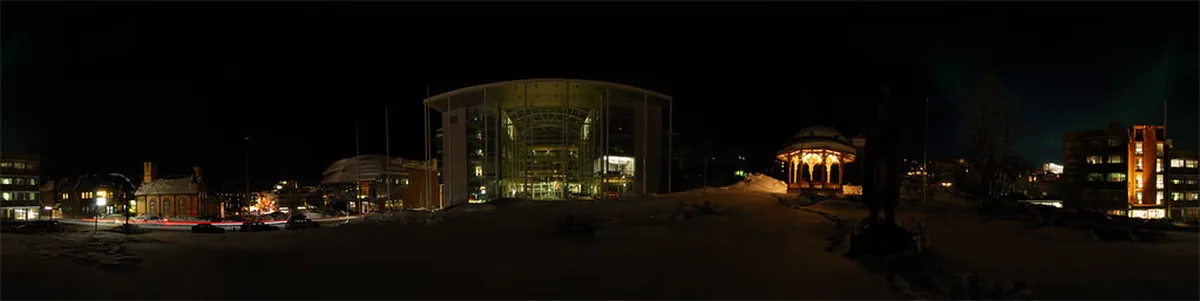
Light pollution is the most overlooked enemy of a good aurora display. The Bortle scale rates sky darkness from 1 (pristine dark sky) to 9 (inner-city sky). Tromsø city center sits at roughly Bortle 5, which makes faint green arcs difficult to see and completely washes out any purple or red in the aurora's structure. Driving 30 minutes to Grotfjord or Kattfjordvatnet drops you to Bortle 2 or even 1. In that environment, the same display that looked like a thin haze from the harbor becomes a curtain of saturated color filling half the sky.
Coastal cruises move you away from the city glow but anchor within sight of small villages that carry their own light footprint. Open-sea positions give the cleanest skies. If you are staying in the city and a strong display erupts — KP 4 or above — walk to Prestvannet lake or take the cable car to Fjellheisen. Both reduce your light exposure enough that a powerful storm will still be impressive. For any display below KP 3, leaving the city boundary entirely is the only way to see it properly.
Arctic Dome in Kokelv
For a high-end alternative to city hotels, the Arctic Domes at Kokelv let you watch the sky from your bed through a curved glass ceiling. The domes sit on top of a hill with a 360-degree unobstructed view, Bortle-class sky, and a Sami-style turf house attached with a kitchen, shower, and sauna. This is not a gimmick: guests at Kokelv frequently report seeing the lights without leaving the warmth of their bed, which is a genuinely different experience from any tour. The dome is perched far enough from the fjord floor that low cloud inversions rarely reach it.
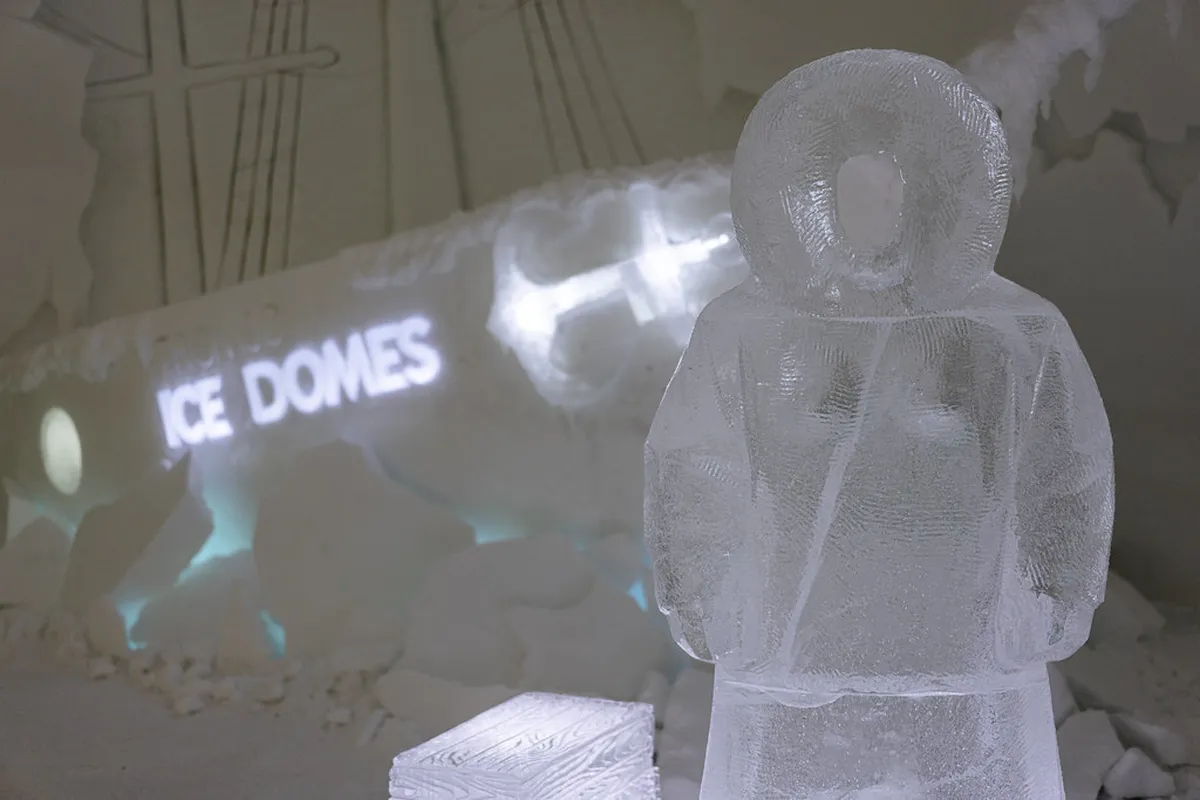
Kokelv is about two hours from Tromsø and requires a car. Book at least three months in advance for the December-to-February high season — these accommodations sell out faster than any hotel in the region. The nightly rate is substantial, typically 4,000–7,000 NOK, but covers accommodation and the viewing infrastructure in a single cost. Nearby activities include ice fishing on the fjord and guided snowshoe walks. This option suits couples or small groups who want a memorable base camp rather than a multi-stop road chase.
Astronomy Voyage on Original
Astronomy voyages pair coastal sailing with onboard scientists or astrophotographers who deliver evening lectures between aurora watch sessions. You can learn how to identify constellations and read a magnetogram while waiting for solar activity to build. Specialized telescopes are available on the top deck. Lectures typically cover solar physics, the history of auroral research in Norway, and practical low-light photography technique — the kind of background that makes every future display more meaningful rather than just visually spectacular.
These voyages run primarily in December, January, and February during the deepest polar night. Group sizes are small by design, usually 20 to 40 guests, compared to 200 or more on a standard Hurtigruten sailing. The ship's crew is trained to sound an aurora alarm at any hour. If you leave Tromsø wanting to understand the Arctic sky rather than just having witnessed it once, an astronomy voyage is the highest-value format available on a single itinerary.
Dog Sledding in Tromsø
Combining dog sledding in Tromso with an aurora hunt is the best dual-purpose evening activity in the Arctic. Many husky farms sit in dark inland valleys — Breivikeidet and the Lyngen side roads are common locations — where the sled run doubles as an excellent viewing platform once the dogs stop and the guides light a fire. You drive your own team through the snow as the sky darkens, then sit around a campfire in a traditional Sami lavvu tent while waiting for the display to develop. The evening often ends with a bowl of Bidos, a hearty reindeer stew.
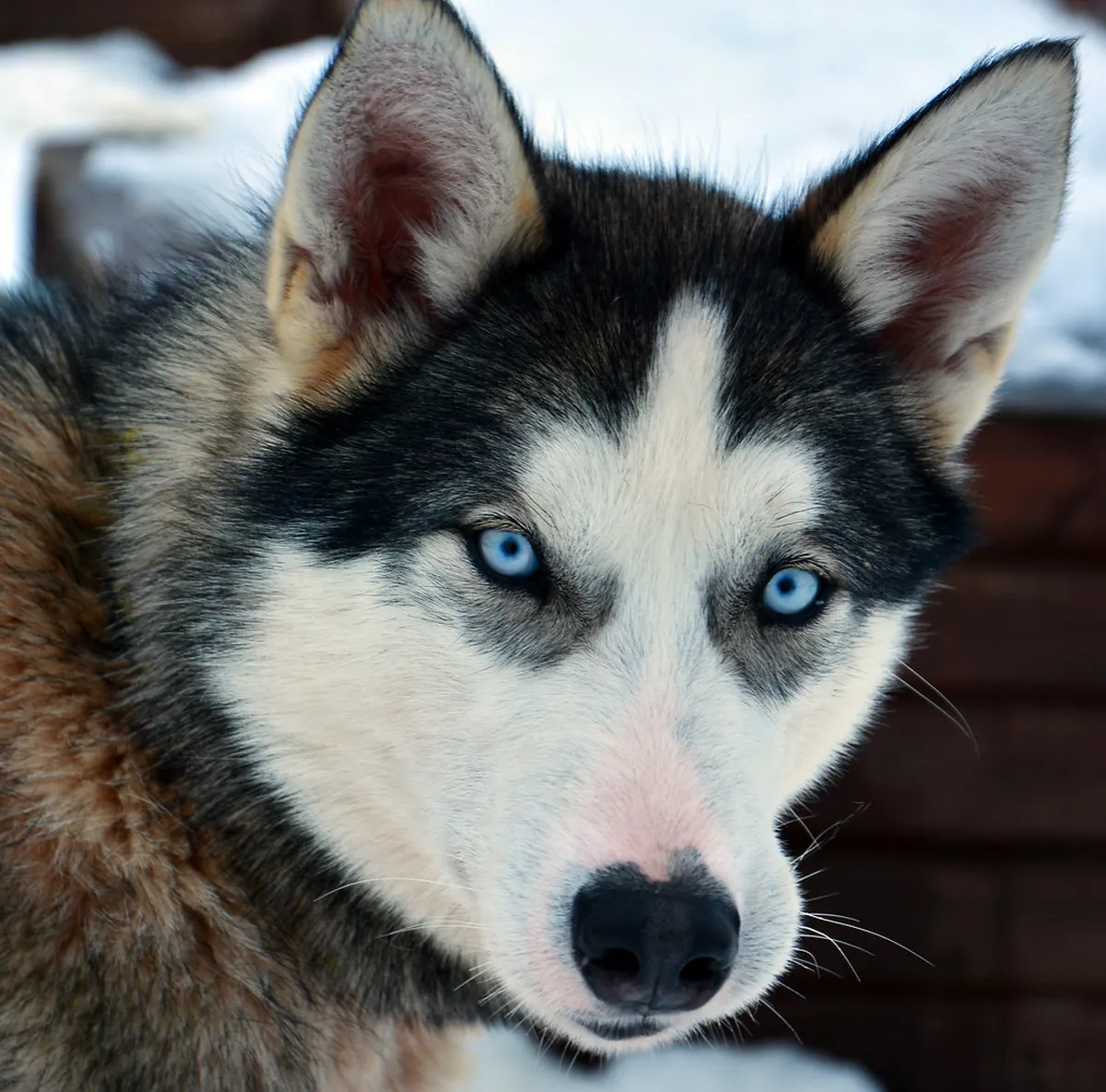
Dog sledding tours are not a substitute for a dedicated aurora chase because you remain in one location rather than following the weather. The upside is that you will have an extraordinary evening even if the lights do not appear. The activity peaks between January and March when there is guaranteed snow cover; some operators run wheels instead of runners in November and December if the snowpack is thin. Book it as your second or third night's activity after you have already attempted a cloud-chasing minibus tour and secured at least one sighting.
Frequently Asked Questions
When is the best time to see the Northern Lights in Tromsø?
The peak season runs from late September to early April when the nights are dark. You have the highest chances of seeing northern lights in Tromso during the equinoxes in October and March. Clear skies are required, so check the weather daily.
Can you see the Northern Lights from Tromsø city center?
Yes, you can see strong displays from the city, but light pollution makes them look fainter. For the best experience, you should walk to Prestvannet lake or take the cable car. Moving away from streetlights will always provide a much better view.
What should I pack for a Northern Lights chase?
Layering is essential for staying warm in the Arctic. You should pack wool base layers, a thick down jacket, and windproof trousers. Don't forget insulated boots, warm gloves, and a hat. A tripod is necessary if you want to take high-quality photos.
Is it better to take a tour or a cruise to see the aurora?
Tours are better for finding clear skies because they can drive long distances to escape clouds. Cruises offer a more comfortable and scenic experience on the water. Choose a tour if your main goal is seeing the lights at any cost.
Seeing the northern lights in Tromso is a bucket-list experience for many travelers around the world. Whether you choose a guided chase or a peaceful cruise, the Arctic capital offers endless opportunities. Remember to dress warmly and stay patient while waiting for the sky to come alive. With the right preparation, you will likely witness a display that you will never forget.
You might also like
Continue reading
More guides you'll find useful