9 Things to Know About Dog Sledding in Tromso
Plan your Tromso dog sledding adventure with our guide to self-drive vs. guided tours, ethical husky welfare, and the best locations like Camp Tamok.
On this page
9 Things to Know About Dog Sledding in Tromso
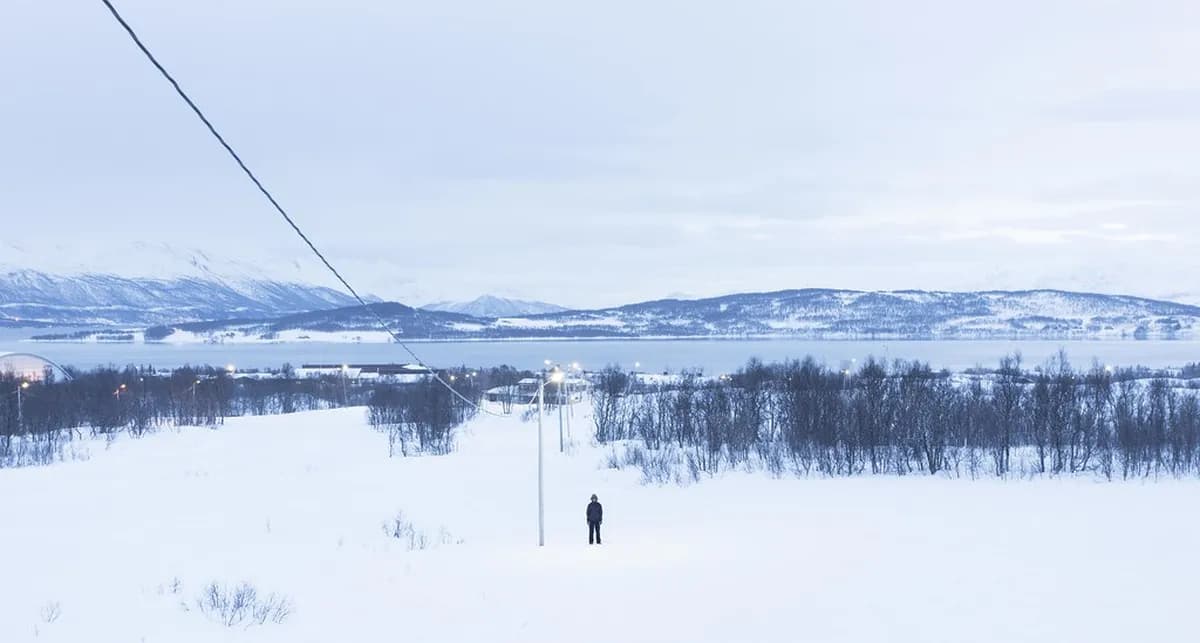
Dog sledding in Tromso is a bucket-list adventure for many travelers visiting Northern Norway. You will glide across frozen landscapes while powerful Alaskan Huskies lead the way through the snow. This activity offers a unique connection to the Arctic wilderness and traditional polar travel recognised by Visit Norway as a signature experience. Planning your trip during Tromso in winter ensures you experience the best snow conditions for mushing.
The city serves as a perfect base for exploring the surrounding mountains and fjords. Many professional kennels operate within a short drive of the city center, with tours fanning out to coastal islands, mountain valleys, and remote border villages. Visitors can choose between driving their own sled or sitting back as a passenger. This guide covers everything you need to know to book the right husky excursion for your group in 2026.
What is dog sledding?
Dog sledding, also known as mushing, is a traditional method of transport in the Arctic. Indigenous peoples and polar explorers once relied on sled dog teams to cross vast distances across frozen terrain. Today it is a popular recreational pursuit that lets visitors explore remote snowy valleys and mountain passes in Northern Norway. You will feel the raw power of the dogs as they pull the sled across the ice and through forest trails.
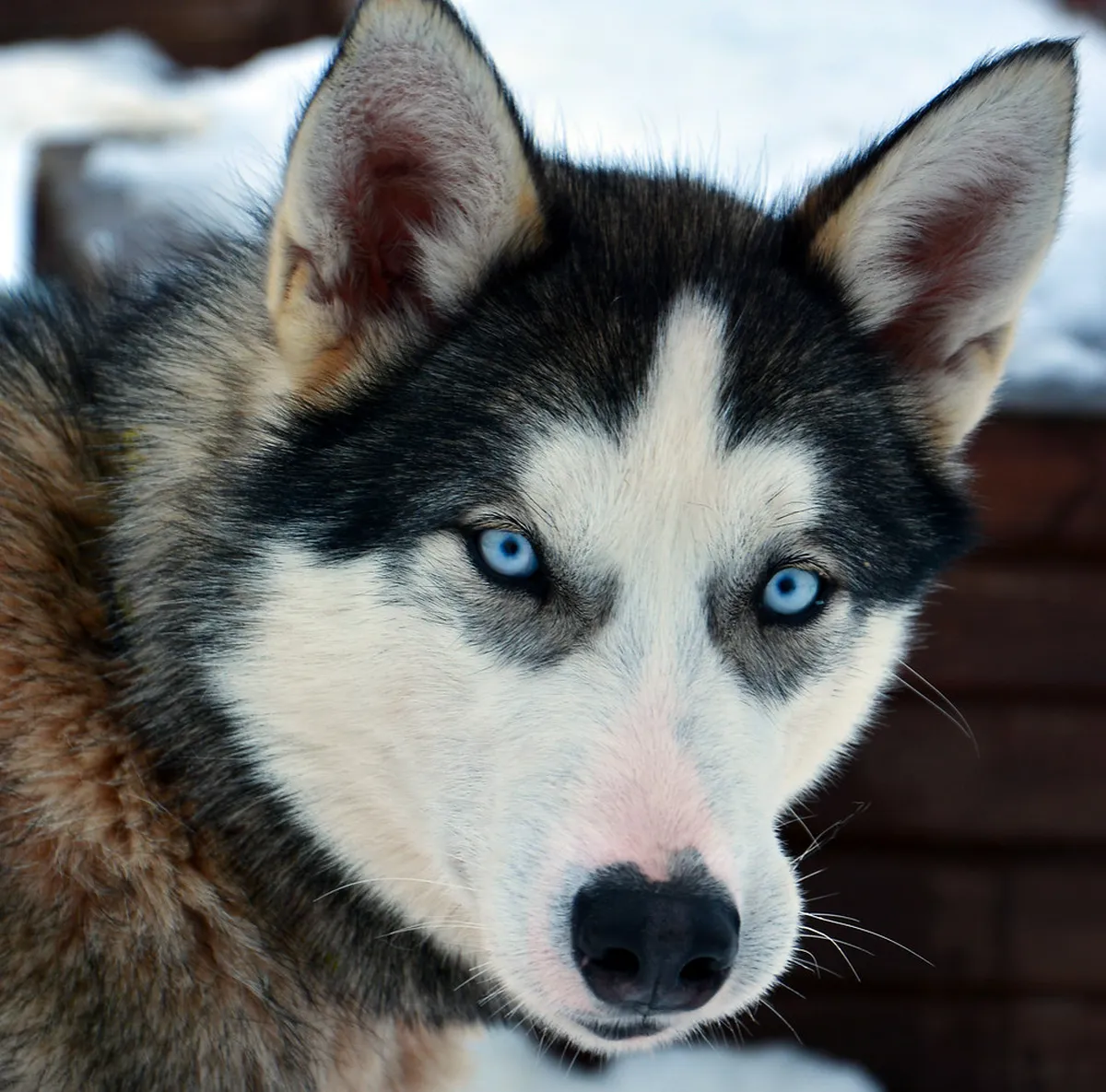
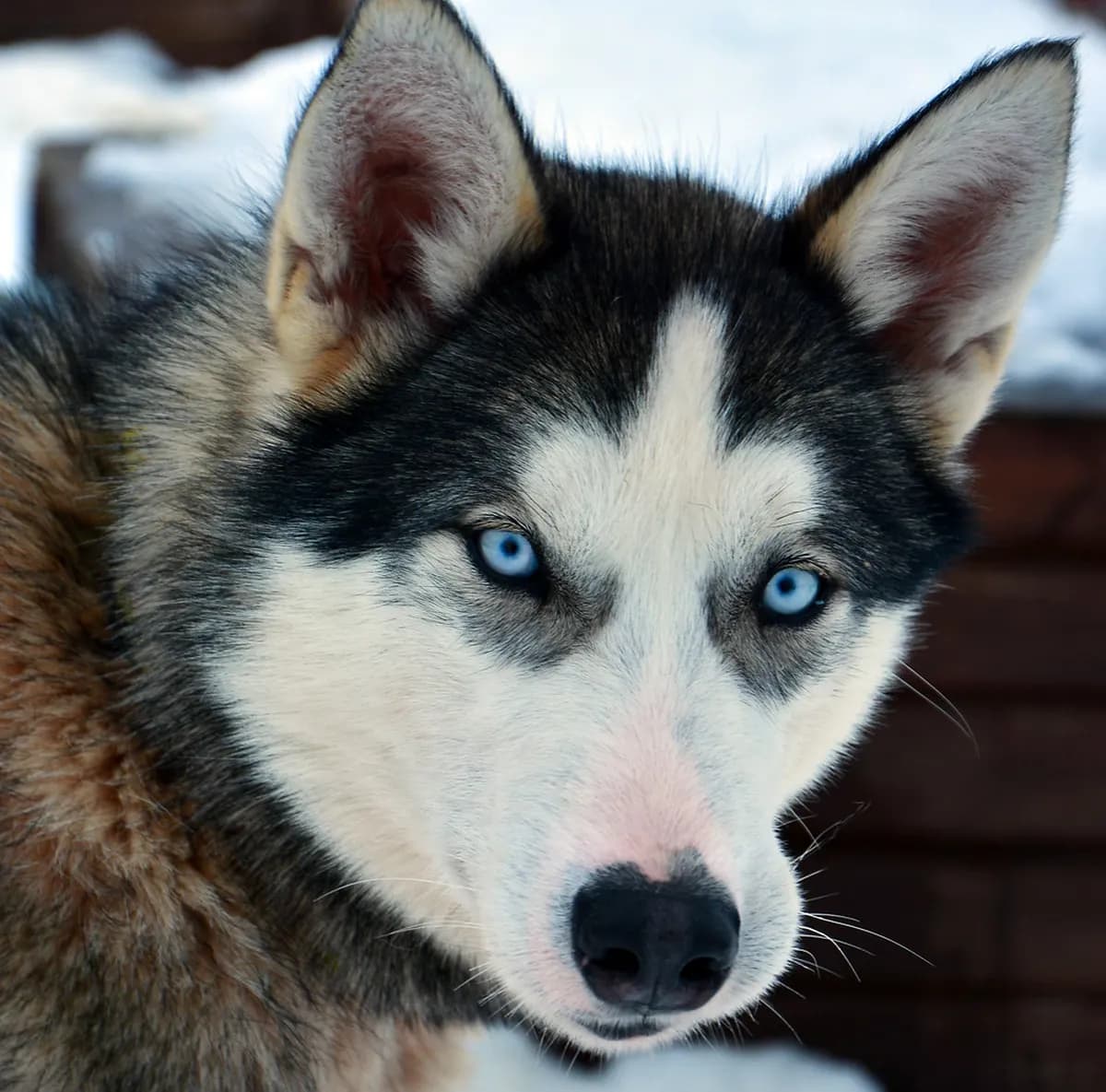
Alaskan Huskies are the stars of the show near Tromso. These are not a single recognised breed but a performance-optimised mix bred for endurance and speed over long distances. Their thick double coats protect them in sub-zero temperatures down to minus 30°C, and they have the cardiovascular capacity to sustain high output for hours. Most dogs at reputable Tromso kennels are sociable, well-handled, and genuinely enthusiastic about heading out.
A standard sled consists of a wooden or composite frame mounted on steel runners. The musher stands at the back to steer and operate the foot brake. Passengers sit in the basket wrapped in warm reindeer skins. Guides will explain the two commands you actually need — a verbal cue to go and pressure on the brake to slow — before you reach the start line.
All the dog sledding tours around Tromso
There is a wide variety of dog sledding in Tromso to suit every budget and schedule. Tours depart from central Tromso by bus and spread across four main zones: Breivikeidet on the mainland coast, Kvaløya island to the southwest, Tamok Valley deep in the mountains, and Skibotn Valley near the Finnish border. Each zone has a distinct character, covered in the location section below.
Prices in 2026 range from around 180 EUR for a short half-day excursion to 280 EUR or more for full-day packages that include a hot meal, thermal gear, and longer driving time. Most operators bundle round-trip bus transfers from Tromso city center into the price, which matters because the drives range from 30 minutes to 95 minutes one-way. You can find short morning trips and longer full-day expeditions that run six to eight hours total.
Each tour operator provides thermal suits and boots to keep you warm during the sledding portion. You will receive a safety briefing before meeting the dogs and harnessing them up — putting on the harnesses yourself is part of the experience. Many packages include a hot meal served in a traditional Sami tent or around a campfire at the end. Book well in advance: slots sell out months ahead during peak season, particularly for February and March departures.
Self-drive vs. Guided Dog Sledding
The most important decision before booking is whether you want to drive or ride. Self-drive tours allow you to stand on the runners and control the dog team yourself. Most operators require self-drivers to be at least 16 years old, and the physical demand varies considerably by terrain — flat coastal routes are manageable for anyone reasonably active, while the uphill Tamok Valley tracks require real leg strength and core balance. On shared-sled tours you and a travel partner rotate between driving and sitting, so both of you get time on the runners.
Guided tours seat you in the sled basket while an experienced musher handles the team. This is the right choice for families with young children, anyone with a mobility limitation, or visitors who simply want to focus on the scenery and photographs. The pace and route are identical to self-drive tours — you are not missing any landscape by sitting down.
Use these benchmarks to decide before you check Tromso travel tips on gear and preparation.
- Self-drive physical readiness checklist:
- Balance — comfortable standing on moving footrests through gentle turns
- Leg strength — able to drag one foot as a brake and push the sled on short uphills
- Stamina — 60 to 90 minutes of intermittent effort without overheating in a thermal suit
- Focus — following verbal commands quickly, no simultaneous phone filming while driving
- Age — minimum 16 for self-drive on most tours; guided tours often accept children from age 4 or 5
Choose Between Day Time and Evening Tours
Daylight tours offer clear views of the dramatic Norwegian fjords, mountains, and frozen lakes. Even during Polar Night in December and January, the blue twilight at midday provides a photogenic low-angle light for around two to four hours. Daytime runs are better for seeing the landscape and for groups with children, as temperatures are slightly warmer and visibility is complete. Conditions are easier for first-time drivers during daylight hours.
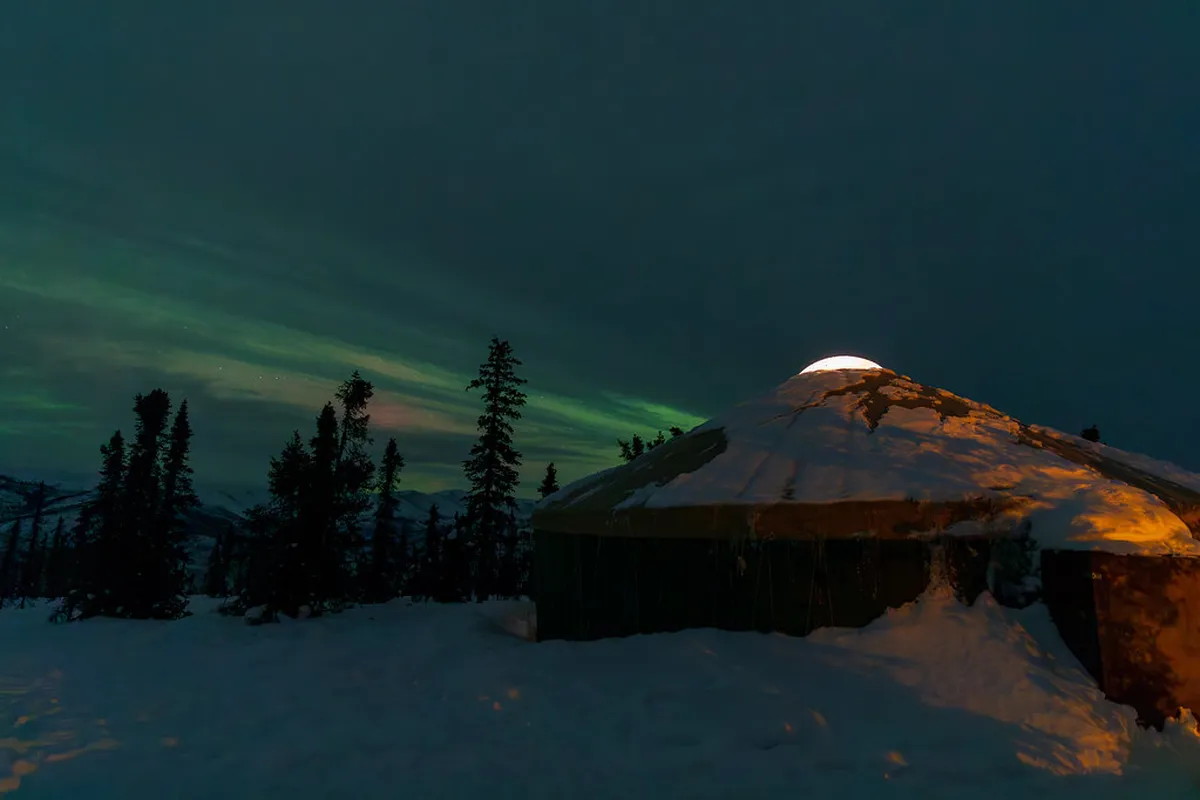
Evening tours offer a chance to see the Northern Lights in Tromso while sledding through a dark forest. Gliding under a star-filled Arctic sky with only the sound of the runners and the dogs' breathing is a different kind of experience entirely. Guides attach headlamps to the sled; the trails are well-known to the mushers and remain safe in the dark. Evening tours at inland locations like Tamok Valley and Skibotn Valley — away from coastal light pollution — give the best aurora odds.
Use this quick decision guide to pick your slot.
- Day tour: better for photography, families, first-time drivers, and seeing the mountain scenery
- Evening tour: better for aurora hunters, couples, a more immersive wilderness feel, and Skibotn Valley departures specifically marketed around Northern Lights
- Temperature note: inland evening temperatures at Tamok and Skibotn regularly reach minus 15°C to minus 20°C; pack an extra mid-layer even when the operator supplies a thermal suit
Visit the Happy Huskies at the Dog Yard
If you want a calmer and shorter experience, a dog yard visit is worth considering. These tours focus on meeting the dogs, learning about kennel life, and spending time with the pack without the physical commitment of a full sledding run. You can pet the huskies, help feed them, and hear from handlers about how the team is selected and trained. Kennels with active litters often let visitors spend time with puppies, which tends to be the single most-requested activity for families with small children.
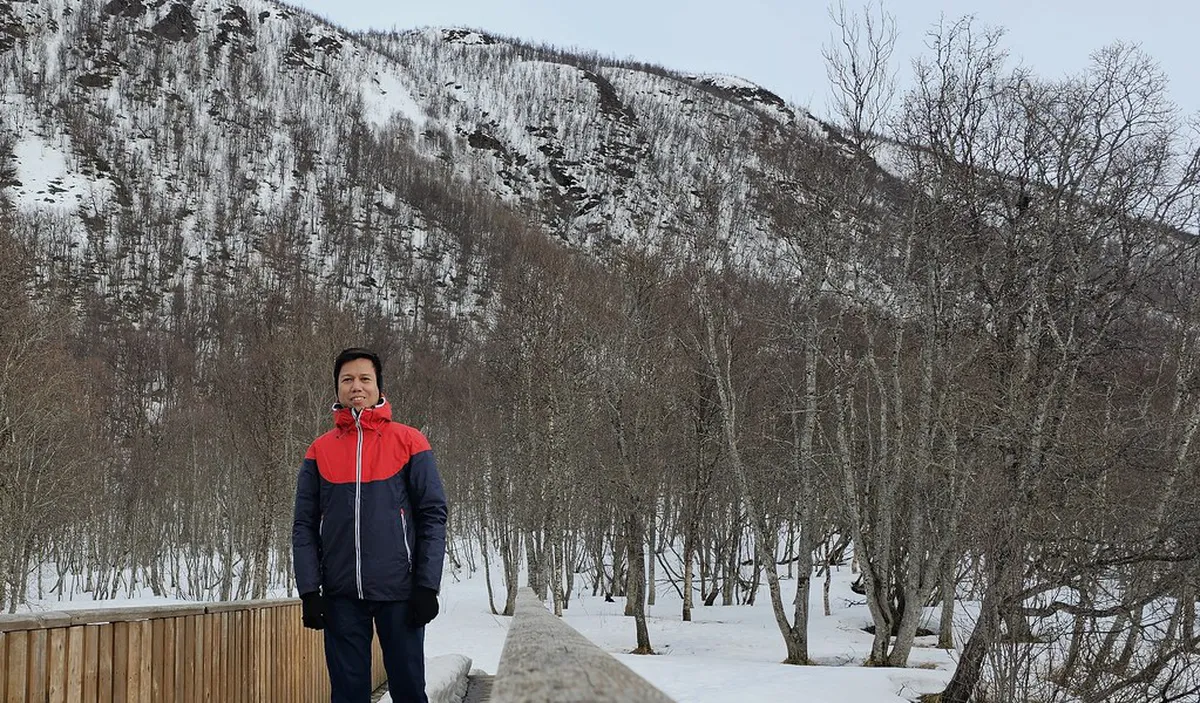
A yard visit is also a practical choice if you are nervous about sledding or traveling with a group of mixed abilities. Some visitors combine a yard visit in the morning with a short self-drive session in the afternoon at the same kennel. Guides will walk you through the social structure of the pack, explain each dog's role — leaders at the front, swing dogs behind them, wheelers closest to the sled — and share stories about the history and culture of the kennel. This educational element is often the highlight for animal lovers.
Most yard visits include a tour of the facilities and a look at the kitchen where the high-calorie diet for working dogs is prepared. Working Alaskan Huskies consume up to 10,000 calories per day during the sledding season, fuelled by a mix of dry kibble, fish, and animal fat. Check the availability of yard-only packages when booking at respected operators like Villmarkssenter: they are typically cheaper than full sledding tours and run year-round at some kennels.
Breivikeidet, Camp Tamok, and Skibotn: Choosing Your Location
Three distinct zones host the majority of dog sledding departures around Tromso, each with a different terrain type, drive time, and difficulty level. Understanding the differences before you book prevents the most common booking mistake: choosing a challenging mountain route without realising the physical demand, or picking a short coastal tour when you actually wanted a longer wilderness immersion.
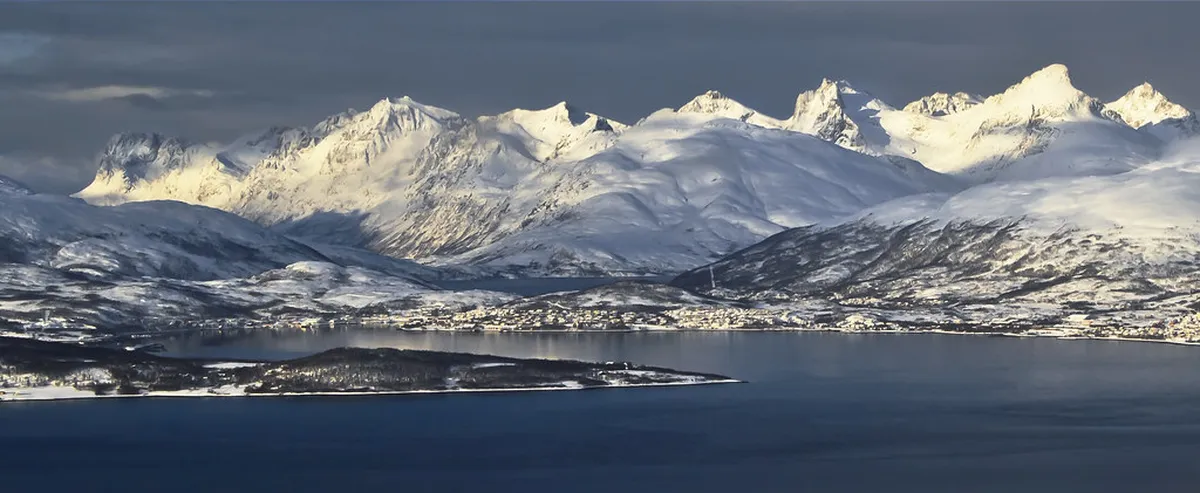
Breivikeidet sits on the mainland coast about 50 minutes by bus from Tromso. The terrain is flat and the trails run alongside the fjord, making it the friendliest choice for beginners and families with children as young as four. The flat ground means self-drive participants rarely need to push or brake aggressively, and the pace stays consistent. The trade-off is snow quality: the coastal climate brings wetter, wind-packed snow, which is slower and icier than inland powder. You gain spectacular fjord and mountain backdrops but sacrifice some of the fast, quiet glide that inland operators offer.
Camp Tamok is set in a dramatic mountain valley roughly 95 minutes from Tromso. The snow here is drier, colder, and considerably deeper than at coastal sites — this is where the sled runners genuinely sing. The terrain includes uphill sections where self-drivers must push the sled or use their body weight to help the team. The intermediate and advanced Tamok routes are typically restricted to ages 16 and up for this reason. Full-day packages from Tamok run six to eight hours and include a warm meal around a fire after the run. If you also enjoy mountain landscapes, you might consider combining a Tamok day with reindeer sledding near Tromso for a two-day Arctic programme.
Skibotn Valley, roughly 90 minutes southeast of Tromso near the Norwegian-Finnish border, is the least-discussed location among English-language guides but deserves attention. The valley's distance from the coast produces some of the clearest, darkest skies in the region — making it the best base for evening Northern Lights sledding. Several operators run evening Skibotn departures that welcome children from age five. The Lyngenfjord sits nearby and the mountains here have a different, starker character than the Tamok forest. If an aurora sledding experience is your primary goal, Skibotn Valley should be your first search filter, not an afterthought.
| Location | Terrain | Drive Time | Best For | Min Age |
|---|---|---|---|---|
| Breivikeidet | Flat coastal paths, fjord views | 50 min from Tromso | Beginners, families | 4 |
| Tamok Valley | Mountain terrain, dry deep snow | 95 min from Tromso | Intermediate/advanced drivers | 7 (guided) or 16 (self-drive) |
| Skibotn Valley | Remote border valley, clearest skies | 90 min from Tromso | Northern Lights evenings | 5 |
| Kvaløya | Island setting, mixed terrain | 30 min from Tromso | Mix of guided and self-drive | All ages |
Evening tours at Skibotn Valley and Tamok Valley offer the best Northern Lights odds due to distance from coastal light pollution. Temperatures regularly reach minus 15°C to minus 20°C in inland evening tours, so pack an extra mid-layer even when the operator supplies a thermal suit.
Dog Sledding during Autumn in Tromsø
You do not need snow to enjoy a dog sledding adventure in Tromso. During the autumn months — typically September through November — kennels offer cart sledding on specially designed wheeled sleds. The dogs return from their summer rest with enormous energy as the air cools, and the cart format lets that energy go somewhere useful before the first snowfall arrives. This is a genuinely popular option and not a consolation prize: the Arctic autumn colours, combined with hyperactive huskies, produce a different but equally memorable experience.
Cart sledding follows the same principles as winter mushing. You will still steer using your body weight and apply the brake through turns. The dogs run on forest tracks and gravel paths rather than snow-covered fields, so the ride is slightly bumpier but just as fast. Temperatures in autumn are milder, which some visitors actually prefer — you are less likely to lose feeling in your fingers during the photography breaks. It also gives you a chance to experience the transition into the winter season before the polar darkness sets in.
Autumn is also when many kennels run puppy socialisation programmes and open their yards more freely to visitors. The dogs are excited to return to structured work, and their enthusiasm translates to a livelier atmosphere around the kennel. Check local schedules for cart sledding availability from September through mid-November; once reliable snow arrives the kennels switch back to sleds and cart sessions stop.
Cart sledding from September through mid-November is an excellent alternative if you're visiting outside the snow season. The dogs run forest tracks and gravel paths, producing a bumpier but equally fast experience, and temperatures are milder, making it easier to keep feeling in your fingers during photography breaks.
Is Dog Sledding Ethical?
Animal welfare is the question most first-time visitors ask before booking, and the short answer for reputable Tromso operators is yes, it is ethical. Norway enforces some of the strictest working animal legislation in Europe. The Animal Welfare Act (Dyrevelferdsloven) sets binding standards for housing, veterinary care, rest periods, and the maximum hours a dog can work per day. Inspections by the Norwegian Food Safety Authority (Mattilsynet) apply to registered kennels. Operators who breach these standards face licence suspension, which creates a real accountability mechanism that does not exist in many other countries offering this activity.
The more important point is biological: Alaskan Huskies are built to run. They have been selectively bred for endurance over thousands of years. When harnesses appear, the dogs in a well-run kennel do not cower — they howl, jump, and strain at their chains to be selected first. Veteran guides consistently describe restraining the dogs at the start line as the hardest part of the job. Denying a working husky regular runs causes frustration and stress, not relief. This is the opposite situation to many other animal tourism concerns.
To identify a responsible operator, look for transparency. A reputable kennel will tell you how many runs each dog does per day (typically one or two), how dogs are retired, and whether retired dogs are rehomed or kept as part of the kennel pack. Several Tromso kennels publish this information openly. Avoid any operator that cannot or will not answer these questions. Reading verified reviews on independent booking platforms and looking for mentions of specific dog names and personalities is a reliable proxy for quality of care.
Practical Information: What to Wear and Expect
Dressing in layers is the most critical preparation for any Arctic activity. Start with a wool or synthetic moisture-wicking base layer — cotton is not suitable because it holds sweat against your skin and accelerates heat loss. Consult a Tromso packing list for specific gear recommendations. Your tour provider will give you an outer thermal suit and insulated boots, but these go on over your own clothing, so the quality of your personal layers determines how warm you remain during rest stops and photo breaks outside the sled.
Most dog sledding tours carry age and weight limits. Children generally need to be at least four to seven years old for guided passenger slots, depending on the operator; age five is the most common minimum. Self-drive is typically age 16 and up. Weight limits for the sled basket exist because the dogs are matched to a safe combined load — check this detail on the booking page, particularly for shared sleds. These limits vary by operator and are not standardised across the industry.
Expect to arrive 15 to 20 minutes before departure at the city center pick-up point — usually a large central hotel. Bring goggles or sunglasses: snow kicked up by the dogs' paws is a constant companion at pace and makes eye protection more important than most guides mention. Cameras should go in an inside jacket pocket between shots because lithium batteries lose charge quickly in temperatures below minus 10°C. After the run you will have time to thank the dogs with cuddles before boarding the return bus. To secure your place, see all dog sledding tours and book well before your travel dates.
For related Tromsø planning, see our guides to Reindeer Sledding and Sami Experiences Tromso: Ultimate Guide and Snowmobiling in Tromso: 9 Things to Know for Your Arctic Safari.
Frequently Asked Questions
When is the best time for dog sledding in Tromso?
The main season for snow sledding runs from late November to early April. For the best snow conditions and daylight, consider visiting in February or March. If you prefer the Northern Lights, evening tours in mid-winter are excellent. Check where to stay in Tromso to be near departure points.
Can children go dog sledding?
Yes, most operators welcome children on guided tours where they sit as passengers. Age limits usually start around five to seven years old for safety. Self-drive options are typically reserved for those aged 16 and older. Always verify specific age requirements with your chosen tour provider before booking.
How long does a dog sledding tour last?
A typical excursion lasts between four and six hours in total. This includes the transport time from Tromso, safety briefings, and the sledding itself. The actual time spent on the sled is usually around 60 to 90 minutes. Many tours also include time for a hot meal and husky cuddles.
Is dog sledding difficult for beginners?
Guided tours are not difficult at all since you simply sit and enjoy the ride. Self-drive tours require some physical effort and balance but are suitable for most active adults. Instructors provide a full briefing on how to steer and brake. You just need to follow the guide's instructions closely.
Dog sledding in Tromso offers a deep connection to the Arctic environment and its traditions. Whether you drive the sled or ride as a passenger, the experience is truly memorable. The bond between mushers and their dogs is a highlight for many visitors, and choosing the right location — coastal Breivikeidet, mountain Tamok, or aurora-focused Skibotn — makes a real difference to what you take home. Following a Tromso itinerary will help you balance this adventure with other city sights.
Remember to book well in advance to avoid disappointment during peak winter months. Prepare for the cold with proper base layers and an open attitude to the physical side of self-driving. The Alaskan Huskies are waiting to show you a part of the Norwegian wilderness that no road reaches.
You might also like
Continue reading
More guides you'll find useful