12 Best Day Trips from Tromso and Planning Guide (2026)
Discover the best day trips from Tromso, including Kvaløya fjords, Sommarøy beaches, and Northern Lights chases. Includes driving times, tour tips, and where to stay.
On this page
12 Best Day Trips from Tromso and Planning Guide (2026)
After three winters based in Northern Norway, I have realized that Tromso is merely the gateway to a much wilder world. The city offers cozy cafes and Arctic charm, but the real magic lies in the jagged peaks, white-sand beaches, and deep fjords just beyond the city limits. This guide covers every major route, updated for 2026 with current driving times, seasonal notes, and booking windows.
Choosing the right day trips from Tromso depends heavily on the season and your comfort with Arctic driving conditions. The Best Time to Visit Tromsø: The Ultimate Seasonal Guide varies depending on whether you want to see the Midnight Sun or the Aurora Borealis. During the Polar Night in December and January, your "day" trips take place in a blue twilight lasting just a few hours. In contrast, from late May through July, 24 hours of light means hiking trips can run well into the night without any urgency.
Kvaløya: Fjords and Coastal Scenery
Kvaløya — "Whale Island" in Northern Sami — is the most accessible destination for those seeking the quintessential Norwegian fjord experience. The island is connected to the city by a bridge, so there is no ferry to worry about. Drive time from the city center is around 30 minutes, making this a natural half-day option if you want to combine it with something else.
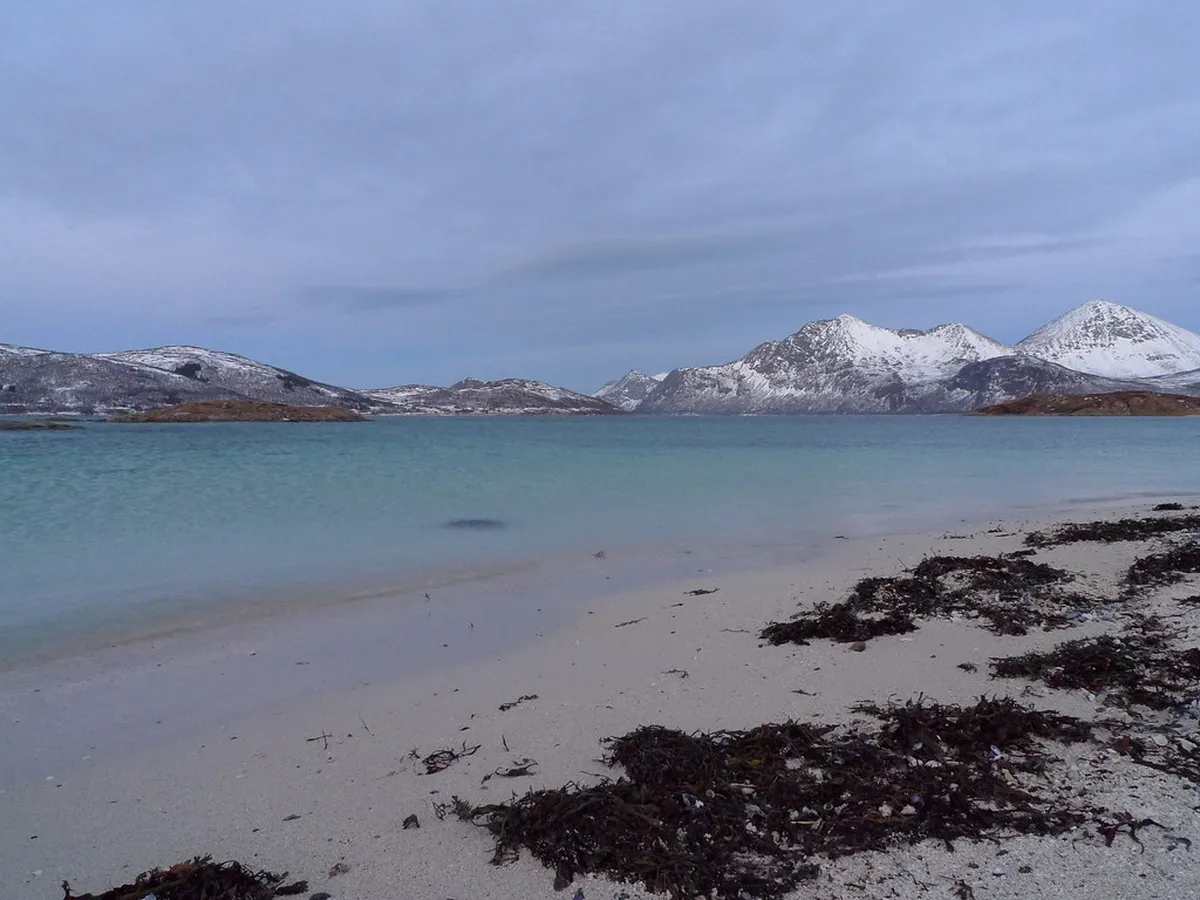
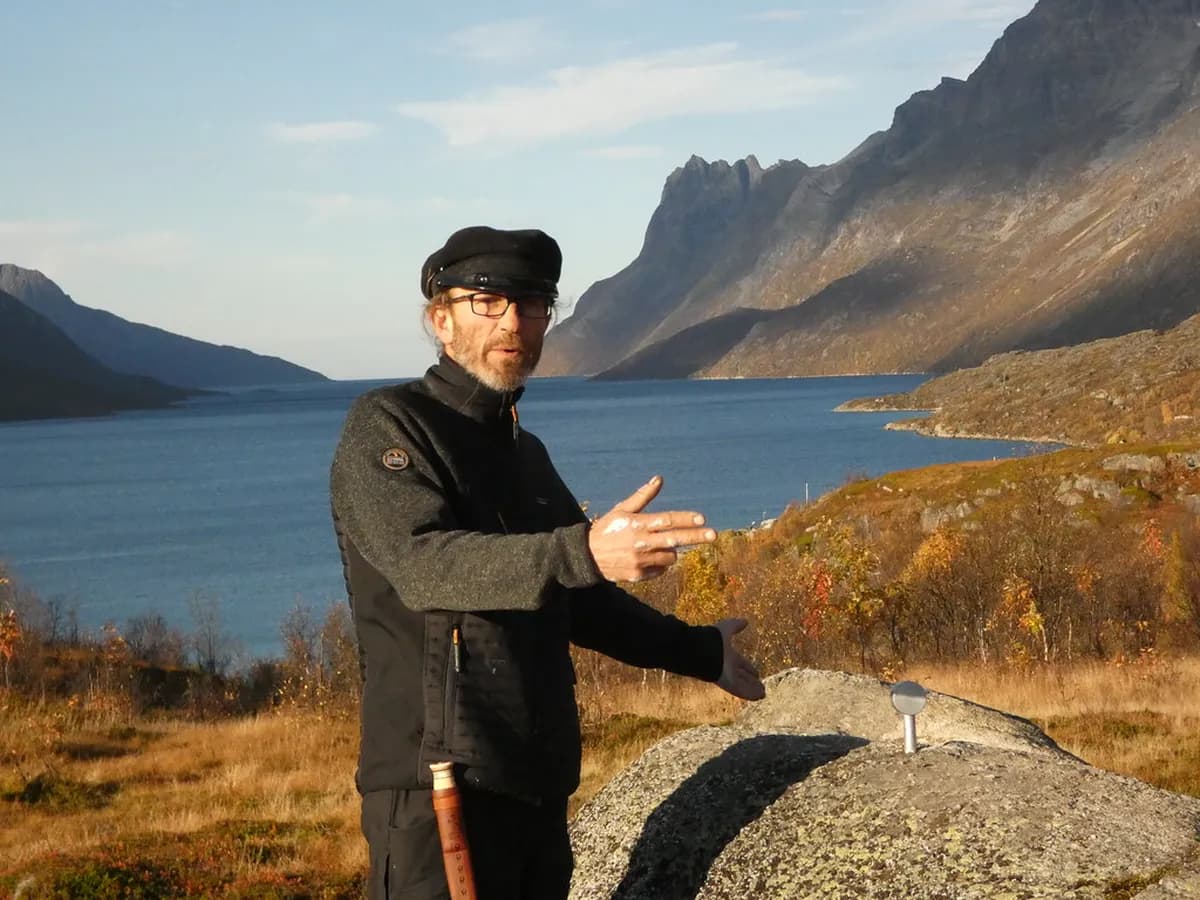
The coastal road along Kaldfjord offers numerous pull-off points where you can watch the tide change or spot local wildlife. Reindeer frequently come down to the shoreline in winter to find food along the kelp-covered rocks. Sea eagles circle the high cliffs above Ersfjordbotn, where the mountains rise almost vertically from the sea in a dramatic horseshoe shape.
Photographers should aim to be at Grøtfjord during the golden hour. Even in the depths of winter, the contrast between snow-covered peaks and dark sea is striking. The roads here are narrow — always use the designated passing places and reduce speed significantly around blind bends. The Skulsfjord at the northern tip of the island adds another 30–40 minutes to the drive but rewards you with one of the most isolated viewpoints in the region, completely free to access.
- Distance from Tromso: 28 km, approx. 33 minutes by car
- Best for: Photographers, half-day explorers, first-time visitors
- Cost: Free for self-drive; guided photography tours run 1,200–1,600 NOK per person
- Best season: Year-round — dramatic in winter snow, lush in summer light
Sommarøy: The Arctic Beach Escape
Sommarøy is often called the "Summer Island" because of its bright white beaches and shallow turquoise water that looks tropical despite the latitude. The drive from Tromso takes about an hour and crosses several impressive bridges that offer views of the archipelago. The village has around 300 permanent residents but sees heavy summer traffic from locals spending weekends on the water.
Walking across to Hillesøya provides a gentle hike with a panoramic reward. The trail takes about 30 minutes to reach the summit and is suitable for most fitness levels. On a clear day you can see all the way to the jagged peaks of Senja from this vantage point. In winter, the elevated hill is one of the better spots for watching Northern Lights reflect off the ocean surface.
After your hike, visit the local hotel for a traditional fish soup or coffee while watching fishing boats return to the harbor. This community is still very much centered on the fishing industry, giving it an authenticity that busier destinations lack. Weather changes rapidly on this exposed coast — bring a windproof layer even in August.
- Distance from Tromso: 58 km, approx. 1 hour 5 minutes by car
- Best for: Families, summer hikers, aurora hunters in shoulder season
- Cost: Free; lunch at the hotel runs 250–450 NOK per main course
- Best season: May to September for beaches; October to January for Northern Lights
Senja: Norway's Second Largest Island
Senja is often described as a more rugged and less crowded alternative to the Lofoten Islands. The National Scenic Route along the outer coast features some of the most dramatic mountain scenery in Scandinavia. Focus your time on the northern coast where the peaks of Segla and the Devil's Teeth dominate the skyline above small fishing villages.
Reaching Senja from Tromso in a single day requires careful planning and an early departure. The summer ferry from Brensholmen to Botnhamn saves roughly two hours of driving and offers a scenic shortcut across open water. In winter, you must drive the long route via Finnsnes, which takes about three hours each way without stops — making December visits particularly taxing in the dark.
The Bergsbotn viewing platform hangs over a cliff edge and provides a dizzying look at the fjord below. Husøy is another highlight: a small village built on a rock in the middle of a fjord, connected only by a narrow road along the water's edge. If you plan to hike Segla, check the local weather forecast for high winds — the exposed ridge can be dangerous in strong gusts regardless of season.
- Distance from Tromso: 178 km, approx. 2 hours 40 minutes by car (summer route via ferry)
- Best for: Hikers, photographers, adventure travelers willing to commit a full day
- Cost: 1,000–1,500 NOK for fuel and ferry; guided summer bus tours available
- Best season: June to September — winter darkness makes navigation and photography very difficult
The Bergsbotn viewing platform hangs over a cliff edge for dizzying views of the fjord, and Husøy is a tiny village built on a rock in the middle of the fjord—accessible only by a narrow road along the water's edge. Both are unreachable in deep winter snow.
Lyngen Alps: Alpine Peaks and Glaciers
The Lyngen Alps are a playground for serious hikers, mountaineers, and off-piste skiers from around the world. The range is characterized by sharp peaks rising directly from the deep blue Lyngenfjord. The area feels significantly more remote and wild than the islands closer to the city, particularly after the ferry crossing from Breivikeidet.
Blåvatnet — the Blue Lake — is the most famous destination in the region because of its intense, milky-blue glacial water. The hike is relatively flat but crosses a vast field of boulders that can be slippery when wet. Allow at least four hours for the round-trip plus the ferry crossing time. Ferry tickets for a car and driver cost roughly 250 NOK each way.
For a less strenuous day, the drive along the fjord toward Sørlenangen offers scenic viewpoints and a stop at Aurora Spirit distillery, located at the base of the mountains. The world's northernmost whisky distillery offers guided tours and tastings built around their use of glacial meltwater. It is an unusual and genuinely interesting contrast to the outdoor activities nearby. The Lyngen Alps are also a prime reindeer camp area — one of the larger Sami operations runs seasonal tours from a camp near Lyngseidet.
- Distance from Tromso: 77 km, approx. 1 hour 45 minutes by car plus ferry
- Best for: Hikers, skiers, photography, off-piste winter sports
- Cost: Ferry approx. 250 NOK each way; hiking is free
- Best season: March to May for ski touring; June to September for hiking
Polar Park: Northernmost Wildlife Park
Polar Park provides a rare opportunity to see the "Big Four" of the Arctic: wolves, brown bears, lynx, and wolverines. The enclosures are massive and designed to give animals a habitat that closely mimics life in the wild. Expect to spend time at each viewing platform because the animals can be deep inside the forested areas.
The drive south to Bardu takes you through beautiful inland valleys that offer a completely different landscape from the coastal fjords. Check the predator feeding schedule on the official website before leaving Tromso — seeing the wolves being fed is often the highlight, as they become visibly active and vocal. Adult entry is approximately 350 NOK; specialized wolf-close encounters must be booked months in advance and cost significantly more.
Families will appreciate the farm area where children can interact with more approachable animals. The on-site restaurant serves traditional Norwegian dishes including elk burger and waffles. Note that bears hibernate during winter months — if bears are your priority, plan for May through October when they are active throughout the day.
- Distance from Tromso: approx. 190 km, 3 hours by car
- Best for: Families, wildlife photographers, anyone who missed Svalbard
- Cost: approx. 350 NOK adult entry; wolf close encounters cost considerably more
- Best season: Year-round for wolves and lynx; May to October for bears
Tamok Valley: Winter Adventure Hub
Tamok Valley has a colder, drier climate than the coastal areas around Tromso. This makes it a reliable destination for winter sports even when the weather in the city is rainy or mild. The valley is home to Camp Tamok, an adventure center that acts as a base for high-energy excursions including dog sledding, snowmobiling, and snowshoeing.
Snowmobiling through the valley's deep forests and onto high mountain plateaus is a thrilling way to cover ground quickly. Most tours provide thermal suits, helmets, and boots. Guides are experienced at teaching beginners how to handle the machines safely in deep snow. Most full-package tours depart from central Tromso, last 6–7 hours including transport, and run 1,400–1,900 NOK per person.
Because the valley sits far from the city's light pollution and typically stays cloud-free due to its inland position, it is one of the best locations for aurora viewing from a fixed point. Many visitors book a combination trip: a daytime activity followed by an evening search for the Northern Lights. After the adventure, you can warm up in a traditional lavvu tent with a hot meal cooked over an open fire. For nighttime Arctic conditions, check Norwegian weather forecasts before departure. This area is also popular with 9 Things to Know About Dog Sledding in Tromso enthusiasts due to the consistent snow quality throughout the winter season.
- Distance from Tromso: 96 km, approx. 1 hour 25 minutes by car
- Best for: Adrenaline seekers, aurora chasers, winter sports beginners
- Cost: 1,400–1,900 NOK for guided full-day packages
- Best season: November to March for snow-based activities
Whale Watching: Winter Fjord Safaris
The winter whale migration is one of nature's most spectacular events, as hundreds of orcas and humpback whales follow the herring into the fjords north of Tromso. In recent years the whales have moved further north toward Skjervøy, meaning tours now often involve a longer boat journey or a bus transfer to a northern departure point. The best window for Whale Watching In Tromso: The Ultimate Guide is typically early November through late January.
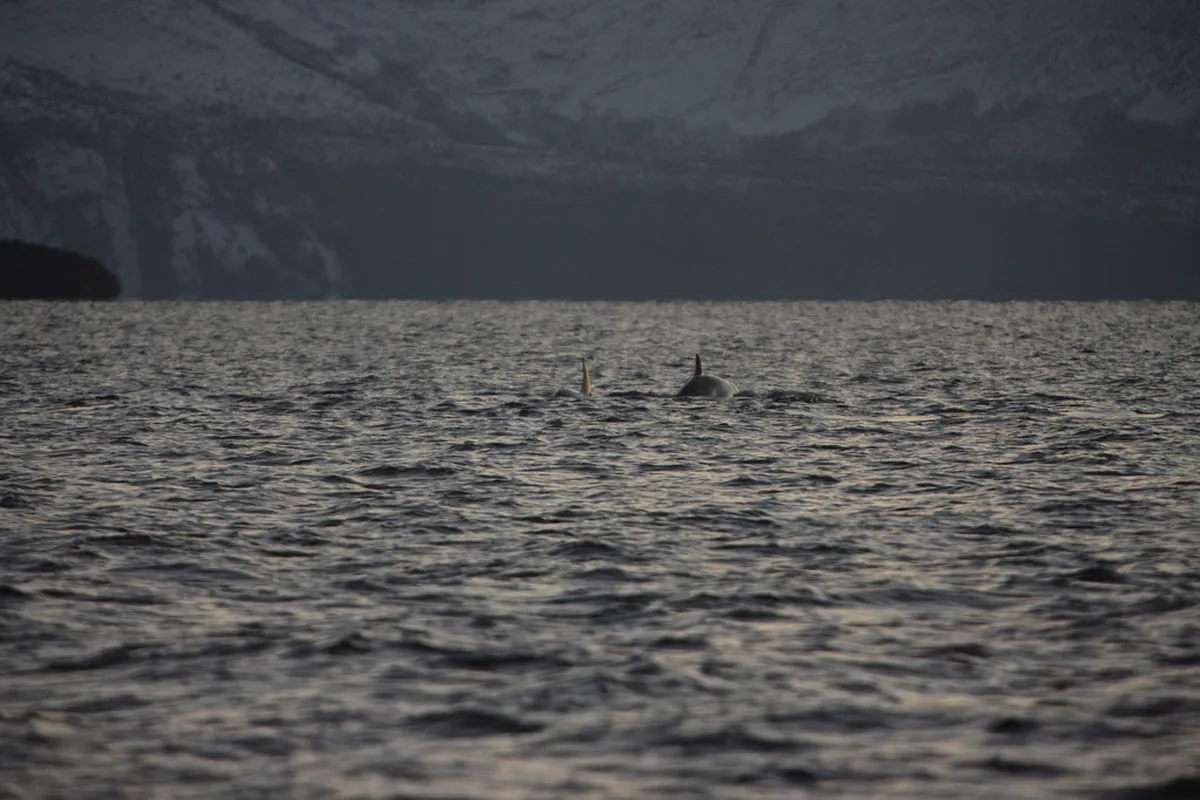
Choosing between a RIB boat and a larger catamaran is the most consequential decision you will make for this trip. RIB boats place you at water level for an intimate, close-proximity experience — when whales approach, the encounter is extraordinary. But RIBs are exposed, cold, and rough in choppy conditions. Catamarans offer heated indoor cabins, large viewing decks, and stability that makes them far better for families, older travelers, and anyone prone to seasickness. If you have children under 12 or are traveling in January when sea states are frequently rough, book the catamaran without hesitation.
Responsible operators follow strict guidelines to avoid stressing the animals, including maintaining distance and limiting time with each group. Seeing a humpback breach or an orca pod hunting in the Arctic twilight is an experience that stays with you permanently. Prices range from 1,500–1,900 NOK per person and typically cover thermal suits, hot drinks, and expert marine commentary.
- Distance from Tromso: Departure from harbor; whales currently off Skjervøy (approx. 3 hours north)
- Best for: Wildlife lovers — essential winter experience near Tromso
- Cost: 1,500–1,900 NOK per person
- Best season: November to late January only
Northern Lights: Nighttime "Day" Trips
A Northern Lights chase is categorized as a "day" trip only by the most generous definition — these tours typically depart at 18:00 and can run until 02:00 depending on solar activity and cloud cover. The guide drives to wherever the sky is clearest, sometimes crossing into Finland or Sweden to find a gap in the clouds. This mobile approach dramatically increases sighting odds compared to simply watching from the city.
A professional 17 Best Northern Lights Tours in Tromso experience costs between 1,300 and 2,000 NOK per adult. The best tours include photography coaching, which transforms a green smear on your phone screen into a properly exposed image with stars and landscape. Dress in more layers than you think necessary — standing still in sub-zero temperatures for two hours feels radically different from the short burst of cold you experience walking between buildings.
The Northern Lights season in Tromso runs from late August through early April. September and October see strong aurora activity with more comfortable temperatures for outdoor waiting. January and February offer the darkest skies and highest contrast but also the coldest conditions. If your trip falls during the Polar Night period (November 27 to January 15), every night is technically aurora-eligible — but cloud cover remains the primary obstacle regardless of month.
- Distance from Tromso: Variable — guides drive wherever skies are clear, sometimes to Finland
- Best for: Bucket-list chasers, photographers, solo travelers
- Cost: 1,300–2,000 NOK per adult
- Best season: Late August to early April; peak activity September to February
Sami Culture: Reindeer Sledding Experiences
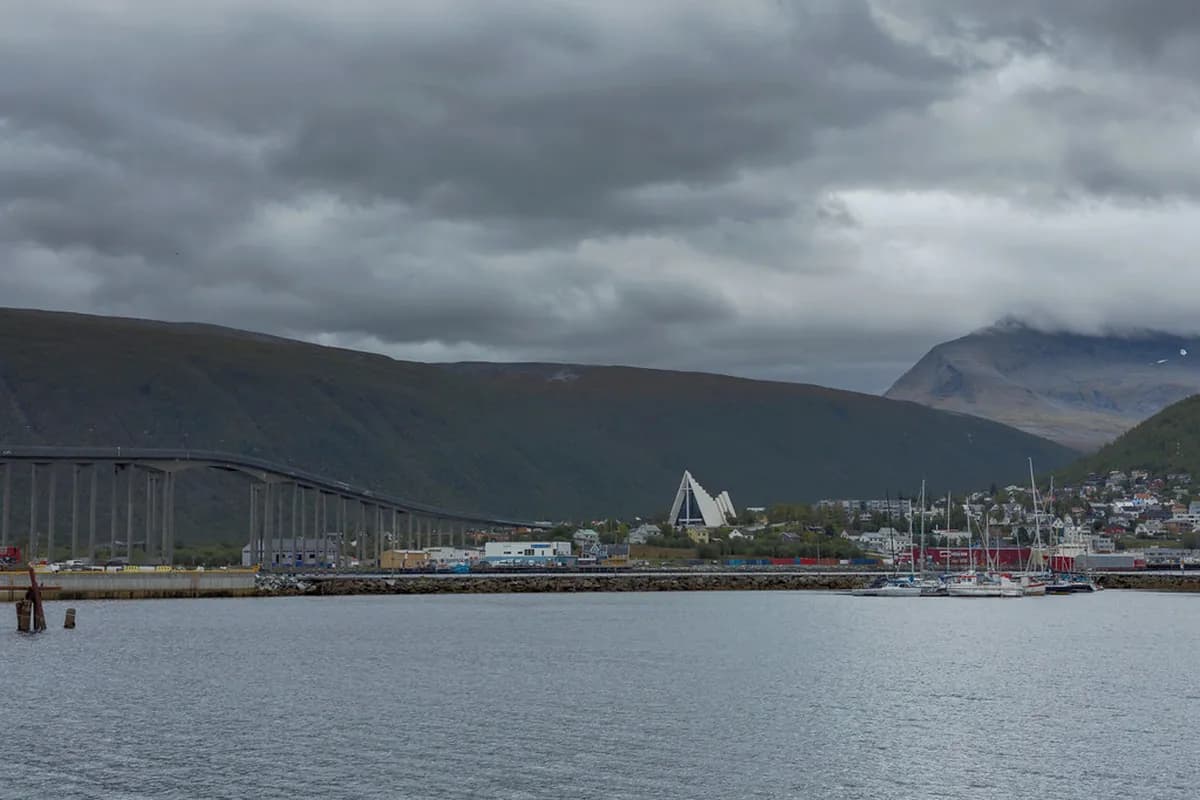
Engaging with the Sami people is an essential part of understanding the history and heritage of Northern Norway. Many families open their reindeer camps to visitors, offering a chance to learn about their traditional way of life. Reindeer sledding is quiet and slow, much more meditative than dog sledding, and the animals are surprisingly approachable once you hold out a bucket of lichen. Before or after a camp visit, explore the iconic Arctic Cathedral back in the city to experience Tromsø's cultural landmarks.
Inside the lavvu, you sit around a fire and hear stories about reindeer herding and Sami folklore. The traditional joik — a unique form of Sami vocal music — is often performed by the hosts. It is a respectful and educational way to support the local indigenous community. Typical costs run 1,400–1,700 NOK per person, which includes transport from the city center and a hot meal of reindeer stew. Rainy days between outdoor activities can be spent at Polaria, the Arctic experience center showcasing regional wildlife.
The camps located inland, particularly around Tamok Valley and toward the Lyngen Alps, tend to have more reliable snow than camps closer to the coast. If snow depth matters for your photos, opt for a camp further inland and check with the operator a few days before your departure. Wear your warmest 8 Essential Categories for Your Tromso Winter Packing List gear — you will spend a significant portion of the experience standing outside in the snow. Evening tours add the chance of an aurora overhead while the reindeer rest nearby.
- Distance from Tromso: 20–90 km depending on camp; most depart within 30 minutes
- Best for: Families, cultural travelers, photographers wanting close animal access
- Cost: 1,400–1,700 NOK per person including transport and meal
- Best season: November to March for sledding; inland camps have snow from October
King Crab Cruises and Arctic Boat Tours
King crabs are an invasive species in the Barents Sea that have become a legendary culinary experience along Norway's northern coast. A boat tour takes you out to pull crab pots from the icy depths of the fjord before heading to a shore-side cabin where the catch is prepared in the traditional Norwegian way. The crabs can reach a leg span of 1.8 meters, making them a genuinely impressive sight even before they reach the table.
The catch-to-table process is the central appeal: you watch the pot come up, see the crabs selected and measured, then eat them minutes later. The meat is sweet and succulent, served simply with bread, lemon, and homemade mayonnaise. Most cruises run 4–5 hours and cost 1,800–2,500 NOK per person, reflecting the premium ingredients and the guided experience. Boat type matters here: RIB tours are faster and more intimate but cold; catamaran tours are warmer and better suited to eating onboard. For the full catch-and-feast experience, most operators use smaller traditional boats to keep the meal at a cabin on shore.
The crabs are available year-round, but winter cruises under the twilight sky are particularly atmospheric. Summer cruises run under the Midnight Sun, which is a striking contrast — hauling up a massive crab pot in full daylight at 23:00 is genuinely surreal. These tours operate from the harbor area and do not require a long transfer, making them one of the more accessible premium experiences from the city.
- Distance from Tromso: Departs from the harbor; no long transfer required
- Best for: Food lovers, couples, anyone who wants a premium Arctic experience
- Cost: 1,800–2,500 NOK per person
- Best season: Year-round — winter for atmosphere, summer for Midnight Sun novelty
Arctic Driving Safety and Logistics
Renting a car is the single best decision you can make for day trips from Tromso. It opens every destination on this list on your own schedule, without waiting for group departures or paying per-person tour premiums. All rental cars in Tromso come fitted with studded winter tires from October through April — these provide excellent grip on frozen roads, but they do not make you immune to the conditions.
Black ice is the primary hazard. It forms on shaded sections of road, particularly in tunnels and on north-facing bends after a temperature drop. Drive at no more than 60 km/h on rural roads in winter, even when the surface looks clear. Tromso has an extensive tunnel network connecting its islands — tunnels have their own etiquette: keep right, use headlights, and reduce speed at the toll points. The Tromsøysund tunnel dips steeply before climbing out, and the transition from cold exterior to warmer tunnel air can briefly fog your windscreen.
Reindeer are a genuine road hazard on Kvaløya, Senja, and the roads toward Tamok Valley. They are unpredictable, often follow other reindeer across the road without warning, and frequently appear at night. Slow down and flash your lights if you see one near the road. A collision with a reindeer is a serious incident — you must report it to the police and the local reindeer herder. Finally, always download offline maps for your route. Mobile signal disappears on parts of Senja, in several Lyngen valleys, and in the more remote sections of Kvaløya's northern coast.
- Car rental from Tromso Airport: Book in advance for winter weeks — availability is limited
- Fuel: Fill up before leaving the city for Senja or Polar Park; remote petrol stations are sparse
- Tunnel toll: Most tunnels in the region are included in the national AutoPASS system — international cards work at unmanned tolls
- Emergency number: 112 (police/rescue), 113 (medical)
Black ice forms on shaded sections of road, tunnels, and north-facing bends after temperature drops. Drive at no more than 60 km/h on rural roads in winter, even when the surface looks clear. Reindeer are unpredictable and can appear at night—slow down if you see one near the road.
Seasonal Guide: When to Go for Each Trip
The same destination can feel like a completely different place depending on when you visit. Sommarøy's white-sand beaches are Arctic-tropical in July; the same island in December sits in full Polar Night. Below is a practical breakdown of which trips work in which season, based on daylight, road conditions, and activity availability.
Winter (November to March): This is peak season for whale watching, Northern Lights chases, reindeer sledding, and king crab cruises. Snow conditions in Tamok Valley and the Lyngen Alps make them excellent for ski touring and dog sledding from January onward. Senja is possible but requires the long inland drive and limited daylight — only serious photographers who want dramatic dark-sky seascapes should attempt it in December. Polar Park is open but bears are hibernating.
Spring transition (April to May): April is widely considered the worst month to visit — too much snow in the mountains for hiking, too little darkness for Northern Lights, and the shoulder-season quiet means fewer tour operators running. Late May changes everything: the Midnight Sun begins around May 18 and Sommarøy comes alive. Lyngen skiing is still excellent in April and early May before the snowpack softens.
Summer (June to August): Senja is at its absolute best — the ferry runs frequently, the hiking trails are clear, and the Midnight Sun adds extraordinary light for photography at any hour. Sommarøy is the go-to beach day. Polar Park is fully operational with all animals active. Northern Lights tours do not operate because it never gets dark enough. Whale watching is unavailable. Lyngen Alps hiking, including the Blue Lake route, is at its safest.
Autumn (September to October): The Northern Lights return by mid-August and the displays in September and October are often the most active of the year, with temperatures still manageable for outdoor waiting. This is the best shoulder-season window: summer crowds have gone, hiking trails are still clear, and aurora activity is high. Whale watching season starts in late October to early November.
| Season | Best Activities | Road Conditions | Top Destinations | Crowds |
|---|---|---|---|---|
| Winter (Nov–Mar) | Aurora, whale watching, reindeer sledding, king crab cruises | Snow, ice, black ice hazard; studded tires essential | Tamok Valley, Lyngen Alps, whale tours, Sami camps | High (peak season) |
| Spring (Apr–May) | Lyngen ski touring (early May), Midnight Sun begins late May | Improving; late May roads clear | Lyngen Alps, Sommarøy, Senja ferry opens | Low–Moderate |
| Summer (Jun–Aug) | Hiking, beaches, Midnight Sun, island exploration | Clear, excellent; midnight sun light late into evening | Senja, Sommarøy, Lyngen hiking, Polar Park | High (tourists) |
| Autumn (Sep–Oct) | Aurora returns, hiking still possible, warm temperatures | Clear but darkening; autumn weather unpredictable | All destinations; best aurora activity | Moderate (shoulder season) |
Where to Stay in Tromso for Day Trippers
For those planning multiple day trips, staying in the city center is the most practical choice for logistics. Most guided tours depart from the harbor area or from outside the major hotels like the Radisson Blu and the Scandic Ishavshotel. Choosing one of these Where to Stay in Tromsø: 10 Best Areas & Hotel Picks options puts you within a short walk of the majority of tour operators and eliminates taxi costs for early-morning departures.
The Radisson Blu Tromsø is the premium option, offering harbor views and a central location. The Thon Hotel Tromsø and Thon Hotel Polar are reliable mid-range picks with excellent breakfast buffets that set you up well for long days of driving. If budget is a concern, the Smarthotel Tromsø is modern and centrally located. Most hotels will prepare early breakfast boxes for guests who need to depart before the buffet opens — request this when you check in the night before.
For a more immersive option, spending one night in a cabin on Kvaløya or Sommarøy puts you directly inside the landscapes you are exploring. Glass igloo properties near Tromsø — particularly Aera Glass Cabins and the Skulsfjorden Dome — book out months in advance for winter dates. These are worth reserving early if your itinerary allows a single night away from the city. Keep in mind you will be further from restaurants and tour departure points, so plan your self-drive days around these nights.
Frequently Asked Questions
What is the best time of year to take day trips from Tromso?
Late February to March is ideal for winter trips because the days are longer but the snow is still deep. For summer hiking, July and August offer the best weather and the Midnight Sun.
Is it safe to drive to Senja from Tromso in the winter?
It is safe if you have experience with winter driving and use a car with studded tires. However, the 3-hour drive can be exhausting in the dark, so consider an overnight stay on the island.
How much should I budget for a guided day trip?
Most professional tours cost between $130 and $200 per person depending on the activity. This typically includes transportation, specialized gear, and a meal, making it a comprehensive package for travelers.
Tromso is a remarkable base for exploring the Arctic, but the true essence of Northern Norway is found in the surrounding wilderness. Whether you are standing on a white-sand beach in Sommarøy or watching orcas in a frozen fjord, these day trips will be the highlight of your journey. The combination of dramatic landscapes and unique cultural experiences makes this region one of the most rewarding travel destinations on earth.
Remember to dress in layers, book your must-see tours in advance, and always leave room for the unexpected magic of the Arctic. From the jagged peaks of the Lyngen Alps to the quiet majesty of Kvaløya, the adventures waiting for you are truly world-class. Pack your camera and your sense of wonder, and get ready to explore the incredible beauty of the North.
You might also like

Continue reading
More guides you'll find useful