8 Essential Ways to Experience Sami Culture in Tromso
Discover the rich Sami culture in Tromso. From reindeer sledding ethics to traditional bidos stew, here are 8 essential ways to experience indigenous traditions.
On this page
8 Essential Ways to Experience Sami Culture in Tromso
The Sami people have lived above the Arctic Circle for at least 10,000 years, making them one of Europe's oldest continuous cultures. Tromsø sits at the heart of Sápmi — the traditional Sami homeland that stretches across Norway, Sweden, Finland, and Russia — and remains one of the most accessible places in the world to engage with this living indigenous culture. Whether you want to feed reindeer at sunrise or sit inside a lavvu listening to a joik, 2026 offers a strong calendar of tours and events to choose from.
This guide covers the full picture: history, activities, food, ethics, and logistics. Booking ahead is essential. Cultural reindeer camps fill up weeks in advance during December through February, and the Sami National Day celebrations in early February draw visitors from across Scandinavia.
The Living History of the Sami People
Archaeological traces of Sami habitation around Tromsø date back to the end of the last Ice Age, roughly 10,000 years ago. The Sami survived and built a rich culture through hunting, fishing, and the semi-nomadic herding of wild reindeer. Their territory, Sápmi, spanned what is now four different nation-states, and each region developed its own distinct Sami language and dialect.
Contact with outside cultures was rarely peaceful. From the Middle Ages onward, the Sami faced forced assimilation campaigns, including compulsory conversions to Christianity and the suppression of their language in Norwegian schools — a policy that continued well into the 20th century. Despite this, their cultural identity survived. The Sami Parliament of Norway (Sámediggi), established in 1989, now formally represents Sami political interests and has helped fund language revitalization programmes that are ongoing in 2026.
The belief system that underpinned traditional Sami life combined animism and shamanism with reverence for natural forces. These spiritual roots shaped everything from the joik musical tradition to the design of the lavvu tent. Understanding this context — not just the surface-level reindeer photos — is what separates a memorable Tromsø visit from a superficial one.
Ancient Beginnings and Arctic Explorers
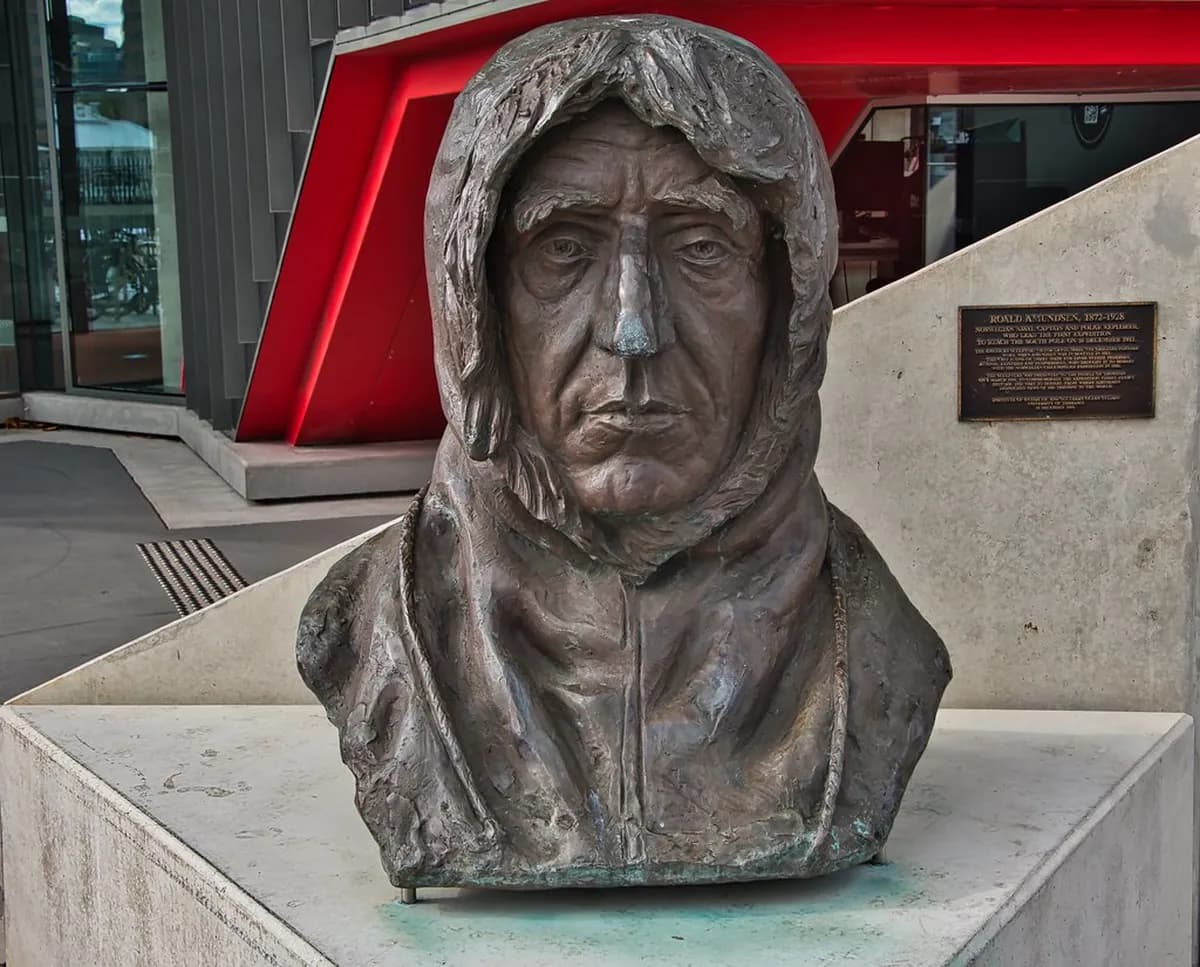
Tromsø was officially founded as a settlement in 1250 and received its Norwegian town charter in 1794. Its position above the Arctic Circle made it a natural staging point for polar expeditions: Roald Amundsen, Fridtjof Nansen, and Umberto Nobile all departed from Tromsø on their famous journeys into the Arctic wilderness. The city supplied their crews, provisions, and equipment, cementing its reputation as the "Gateway to the Arctic."
World War II left a visible mark on the region. After Nazi Germany occupied Norway, Tromsø became a refuge for the exiled Norwegian government and a base for Allied operations. The most dramatic incident was the sinking of the German battleship Tirpitz by the British Royal Air Force in November 1944. The wreck still rests near Tromsø, visible to divers, and is commemorated at the Polar Museum in the city centre.
The Polar Museum and the Arctic University Museum of Norway both offer permanent exhibits on this layered history. The Arctic University Museum's Sami collection includes traditional costumes, tools, and photographs spanning several centuries. The Centre for Sami Studies at UiT also maintains extensive research collections on Sami language and heritage. Visiting either museum before heading to a reindeer camp provides essential context that makes the live experience far more meaningful.
Top-Rated Sami Cultural Tours and Activities
Participating in reindeer sledding in Tromso remains the most popular way to engage with Sami culture hands-on. Most tours pick you up from central Tromsø, drive 20–90 minutes to a camp, and follow a structured programme: reindeer feeding, a sled ride, time inside a lavvu, a joik performance, and a meal of bidos stew. Evening departures (around 17:00–18:00) are timed to optimize Northern Lights chances.
The joik is a highlight most visitors do not anticipate. It is one of the oldest vocal traditions still practised in Europe. Unlike a song with lyrics, a joik is dedicated to a specific person, animal, or place — the performer embodies the subject rather than describing it. Hearing a live joik inside a warm lavvu while snow falls outside is genuinely affecting, even for sceptical travellers.
Beyond the camps, the city itself offers Sami cultural touchpoints. The Tromsø city centre hosts reindeer racing and open-air performances during Sami Week (the week surrounding Sami National Day, 6 February 2026). These street-level events are free and give a different perspective on how the Sami community presents itself to Norwegians, not just tourists.
Reindeer Sledding and Ethical Considerations
Many travellers ask whether reindeer sledding is ethical before committing to a booking. The short answer is that it depends entirely on the operator. Reindeer have pulled sleds in Sami culture for centuries — it was the primary way herders transported goods across northern Norway. Modern operators, however, now use snowmobiles for actual herding work and maintain sleds exclusively for tourism.
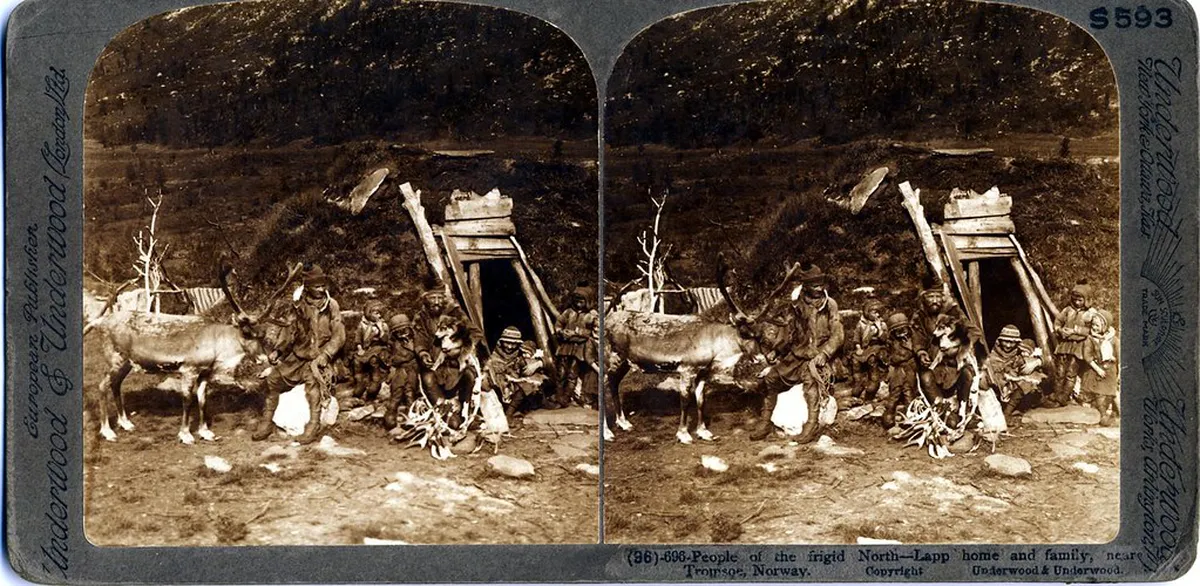
According to the WWF: Impact of climate change on reindeer, wild reindeer populations face mounting pressure from warming temperatures that freeze the ground and cut off access to lichen. At ethical camps, tourism income directly offsets the cost of supplemental winter feeding — so your booking fee is functionally a conservation contribution. Look for operators who cap group sizes, use only castrated males for sled work (they are calmer and stronger than other herd members), and keep rides short and slow within the camp field.
If you are uncomfortable with sled rides after arriving, you can simply decline — reputable camps will not pressure you. The reindeer feeding experience on its own is compelling enough. Many visitors report that the sled ride is the least interesting part of the day once they have spent time actually interacting with the herd during feeding.
Authentic Encounters at Sami Reindeer Camps
The camps within reach of Tromsø vary meaningfully in character. Tromso Arctic Reindeer is located about 25 minutes from the city centre and keeps a herd of around 200–300 reindeer. It suits families and first-timers who want a well-organised, sociable atmosphere with a large group. Camp Tamok sits in the Tamok Valley, roughly 90 minutes out, and appeals to photographers and solo travellers seeking a quieter, more remote feel with smaller groups. Tromso Ecotours operates near Kvaløya island and leans heavily into the educational side — guides explain reindeer biology, Sami land rights, and climate impacts in detail; 10% of each booking goes directly to environmental charities.
One thing that surprises visitors at every camp is the antler situation. Reindeer are the only deer species where females also grow antlers. Males shed theirs after the autumn rut — typically by November — and spend the winter antler-free. Females retain their antlers through winter until their calves are born in spring. This means that in January and February, every antlered reindeer you see in the camp is female. The large, antlerless animals are the males.
Book reindeer camps 4–6 weeks ahead during peak season (December–March). February is the most popular month due to Sami Week and aurora activity, so plan well in advance.
Reindeer eat roughly 2–3 kg of food per day. When you hold out a bucket at feeding time, the dominant animals move to the front and push others aside — you may need to keep your arm extended straight to avoid a jab from an antler. The semi-wild nature of the herds means the animals move freely around the field and are penned only during the harshest winter weeks to ensure they are strong enough for the spring migration.
Sami Gákti, Duodji Crafts, and What Tourists Get Wrong
Most visitors arrive expecting to try on traditional Sami clothing. This expectation comes from how other indigenous cultural tourism works in different parts of the world, and it regularly leads to awkward moments at Tromsø camps. The traditional Sami garment — the gákti — is deeply personal. It is not a costume. Designs vary by region, family, and marital status, and each gákti is often handmade or commissioned. Reputable camps display gákti and explain their significance, but they do not offer them for tourists to wear, and asking to try one on is considered disrespectful.
Similarly, Sami handicrafts known as duodji — knives, cups, and tools made from reindeer bone, wood, and hide — are not mass-produced souvenirs. Authentic duodji pieces take considerable skill and time to produce. You can find genuine duodji at Sami-owned craft markets in Tromsø, but expect to pay accordingly: a handmade bone-handled knife from a verified Sami maker typically costs 800–2,500 NOK. Items sold as "Sami crafts" at tourist shops near the harbour are almost never authentic and are not made by Sami artisans.
Understanding these boundaries before you visit makes the experience richer for both you and the hosts. The Sami are not reluctant to share their culture — quite the opposite. They are selective about which aspects of that culture are shared and how. Respecting those boundaries is the baseline for any authentic encounter.
Traditional Sami Cuisine: Bidos and Reindeer Stew
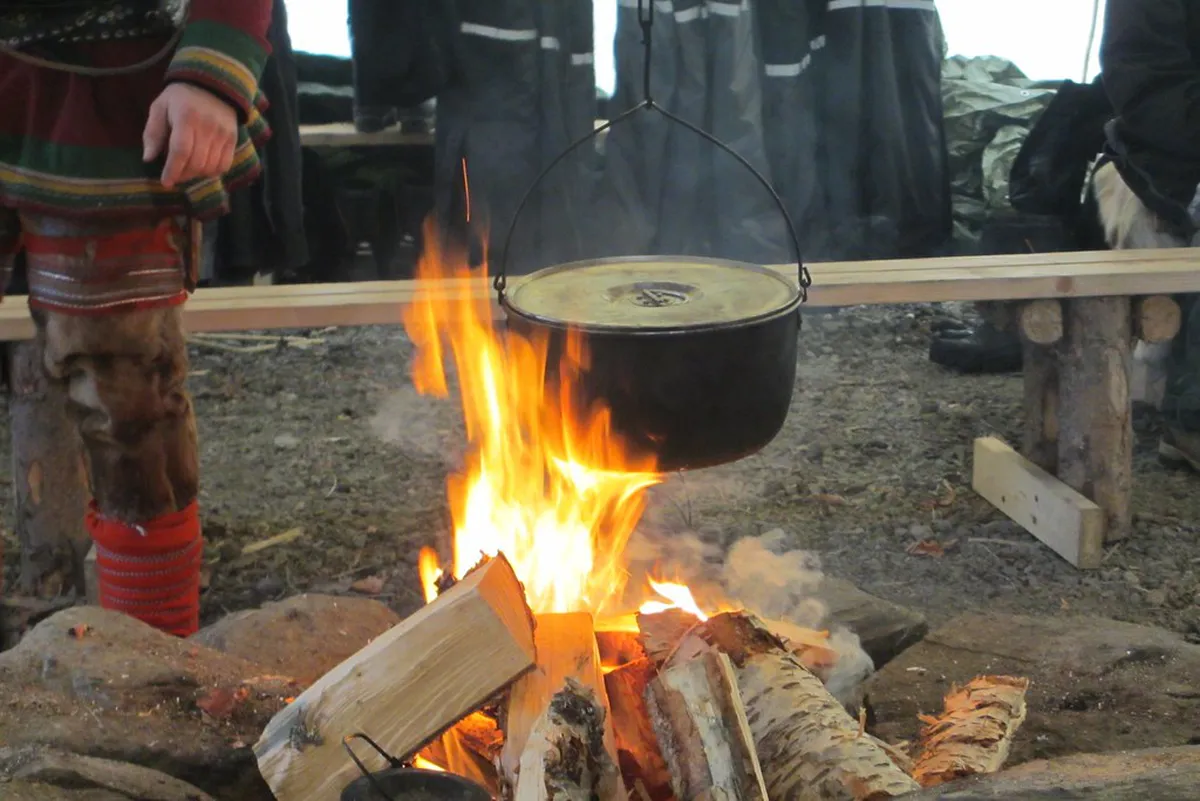
Bidos is the most recognised Sami dish: a slow-cooked stew of reindeer meat, root vegetables, and potatoes. It is served at weddings, ceremonies, and now, reliably, at the end of every cultural camp tour. The flavour is mild and lean — reindeer meat contains very little fat compared to beef and carries a slight mineral quality from the lichen-rich diet of the animals.
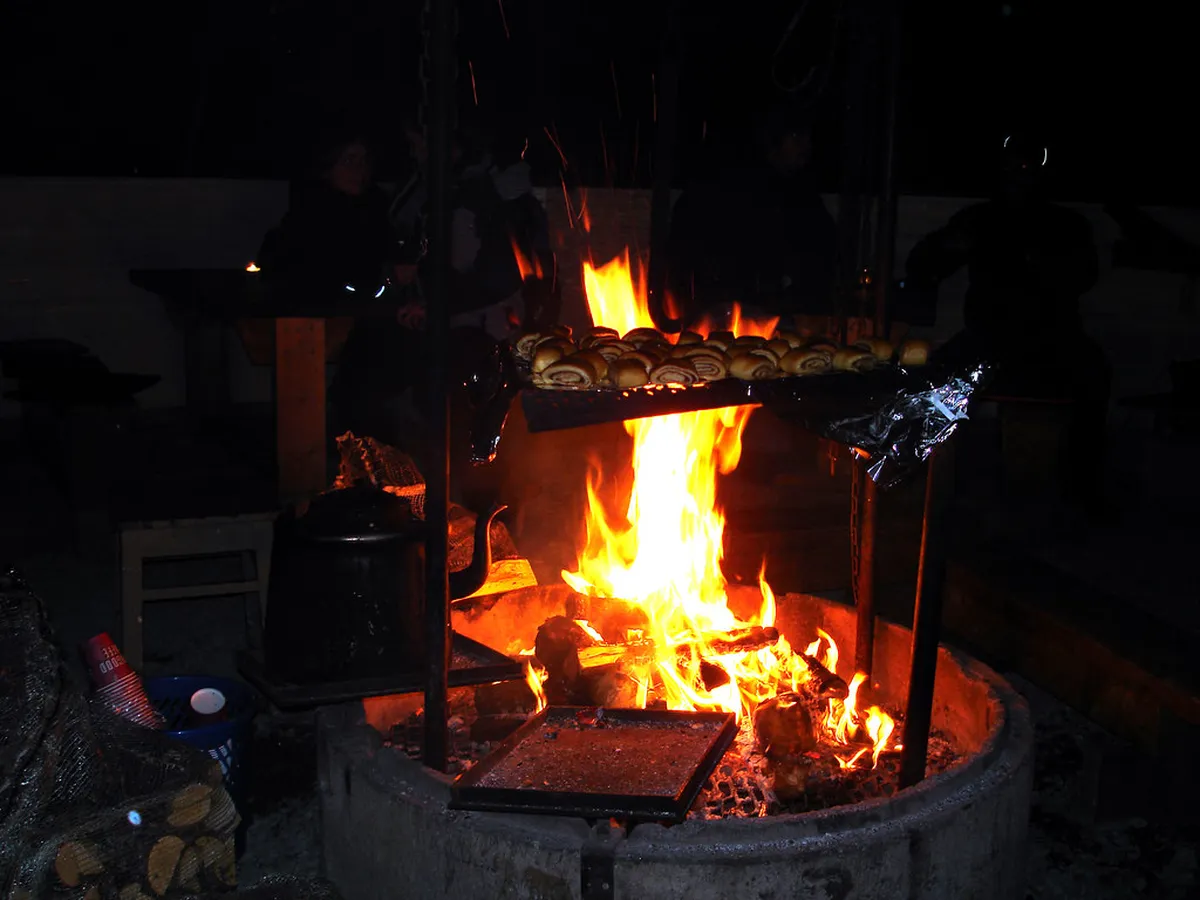
Many visitors feel conflicted about eating reindeer after spending time with the herd. In Sami culture, the reindeer provides food, clothing, tools, and transport — using every part of the animal is a mark of respect, not waste. You can find authentic versions of these dishes at several spots where to eat in Tromso, including a few restaurants in the city centre that source directly from local herders. Most camps also serve reindeer sausages grilled over an open fire on the evening Northern Lights tours.
Vegetarian options have become more common at camps over the past few years, driven partly by international visitors and partly by the guides themselves who often note the irony: imported soy products from southern Europe have a higher carbon footprint than locally raised reindeer. Whether or not you eat the stew, understanding this framing shifts the conversation from "is this ethical?" to something more nuanced about Arctic food systems and self-sufficiency.
The Living Relationship Between Tromsø and the Sami
Tromsø's relationship with the Sami was shaped, for centuries, by trade. Herders exchanged reindeer hides, dried meat, and bone tools for coastal goods — salt, grain, metal. The island's position made it a natural meeting point between inland nomadic communities and Norwegian fishing settlements. This commercial exchange helped produce the multicultural identity the city still carries today.
The 20th century was harder. Norwegian authorities pursued aggressive assimilation of Sami communities: Sami languages were banned in schools, and families were pressured to adopt Norwegian names and practices. This policy, known as Norwegianization (fornorsking), lasted until the mid-1960s. Its effects — including the near-extinction of several Sami dialects — are still being reckoned with. Several local Tromso museums address this history directly, including the Arctic University Museum, which has expanded its Sami rights collection significantly since 2022.
Today, the Sami community in Tromsø navigates an unusual dual role: preserving a heritage under climate pressure while simultaneously sharing it with growing numbers of international visitors. The camps, the Sami Week events, and the university research programmes are all part of an ongoing negotiation about what it means to be Sami in 2026 — not a historical footnote, but a living political and cultural identity.
Logistics: Meeting Points and Booking Tips
Most Sami cultural tours depart from central pick-up points including the Radisson Blu Hotel and the Tromsø Prostneset terminal. Always check your booking confirmation for the exact address — some operators use secondary pick-up spots in residential areas that are easy to miss. Buses typically depart on time, with no grace period for late arrivals during peak winter season.
Wearing the right clothing is essential. Most camps provide outer thermal suits and insulated boots, but you need to supply your own base layers. Merino wool or synthetic moisture-wicking long underwear is the minimum. Cotton is a genuine hazard in Arctic conditions — it loses all insulating ability when damp. Following the basic Tromso travel tips on layering will ensure you stay comfortable throughout the session, which typically involves standing still outside for 45–90 minutes during reindeer feeding.
Never wear cotton as a base layer in Arctic conditions. Moisture from sweating or snow makes cotton lose all insulating ability. Synthetic or merino wool layers are essential for safety.
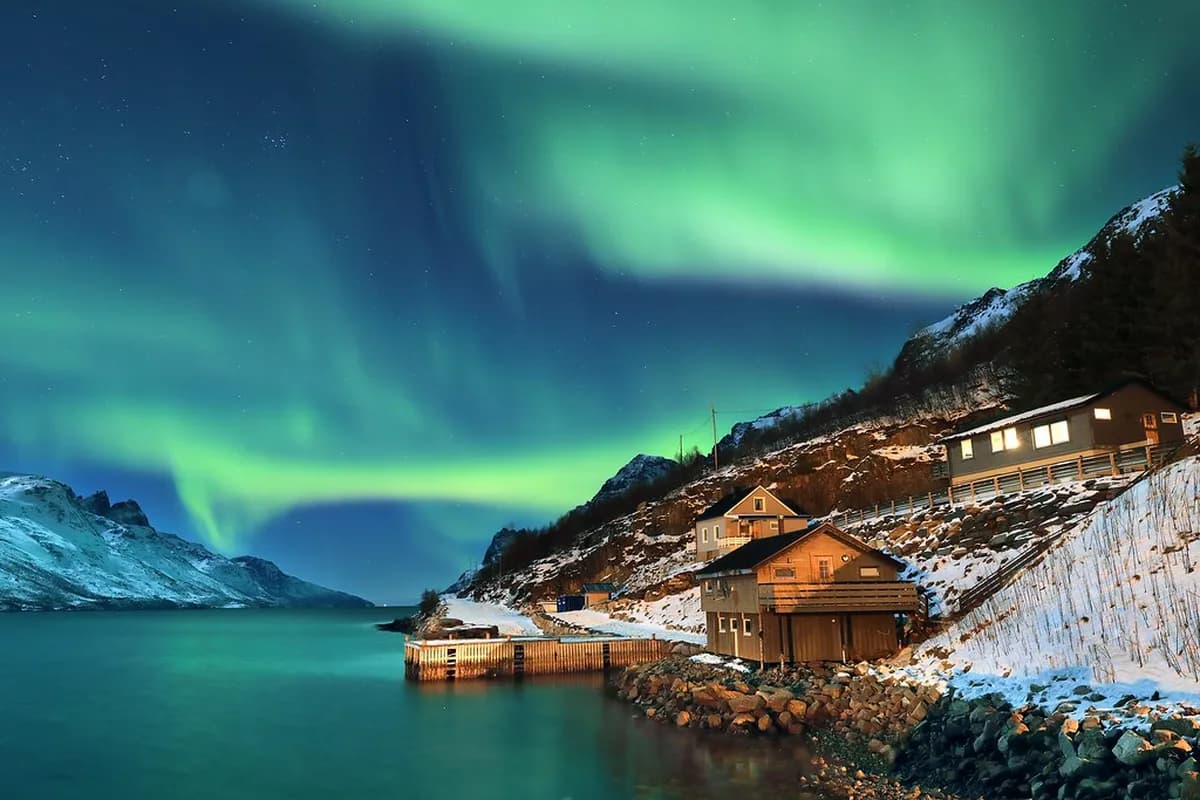
Book midweek where possible. Weekend departures fill faster and group sizes tend to be larger, which affects the quality of interaction with both the herders and the animals. Evening tours (departing around 17:00–18:00) combine the cultural programme with a Northern Lights chase — the remote camp setting, away from city light pollution, gives you a good baseline chance of seeing the aurora between December and March. Confirm before booking whether your chosen tour includes return transport, as some camps charge separately for the pickup bus.
Best Time to Visit: Seasonal Sami Experiences
The best time to visit Tromso for Sami culture is February, specifically the week around Sami National Day on 6 February. Sami Week brings reindeer racing into the city centre, traditional dress, joik performances, and cultural markets to Tromsø's main streets. This is the only time of year you can experience Sami culture at scale without travelling to a remote camp. In 2026, Sami National Day falls on a Friday, making it a natural long-weekend anchor.
December through March is peak season for reindeer sledding. Snow cover is reliable, the polar night creates dramatic lighting conditions, and the Northern Lights are visible on clear evenings. January and February have the highest tour availability but also the highest demand. Book 4–6 weeks ahead for winter travel.
September and October offer a quieter, shoulder-season alternative. The reindeer are more active and the autumn colours — deep reds and oranges across the mountain birch forests — provide a very different photographic backdrop. Sledding is not possible without snow, but reindeer feeding and lavvu storytelling sessions run year-round at most camps. April brings the start of the annual coastal migration, when herds move from inland valleys toward the fjord edges — a dramatic spectacle if you can time your visit to coincide with a herder's migration day.
Frequently Asked Questions
Is reindeer sledding in Tromsø ethical?
Yes, reindeer sledding is considered ethical when booked through reputable Sami-owned operators. These herders treat their animals with deep respect and follow traditional practices. Sledding provides essential income that helps preserve the Sami way of life in the modern Arctic world.
What is the best month to see Sami culture in Tromsø?
February is the best month to experience Sami culture because of the Sami Week festival. You can witness reindeer racing in the city center and enjoy various cultural performances. However, winter months from December to March offer the most consistent sledding conditions.
What do the Sami people eat?
The traditional Sami diet relies heavily on reindeer meat, fish, and berries gathered from the tundra. Bidos is a famous reindeer stew often served to guests. Modern Sami also incorporate contemporary ingredients, but reindeer remains a vital staple for nutrition and cultural identity.
How long is a typical Sami culture tour?
Most Sami culture tours in Tromsø last between four and six hours. This time includes transportation to the camp, reindeer activities, and a meal inside a lavvu. Some evening tours may last longer if they include a search for the Northern Lights.
Can you see the Northern Lights during a Sami experience?
Many evening Sami tours are specifically designed to help you see the Northern Lights in Tromso while at the camp. Being away from city lights increases your chances of spotting the aurora. You can enjoy traditional stories while waiting for the lights to appear.
Engaging with Sami culture in Tromso is a rewarding experience that connects you with the true spirit of the north. Whether you are feeding reindeer or listening to a joik, these moments create lasting memories of your Arctic journey. Respectful participation — including understanding what not to ask for — ensures that the indigenous heritage of Sápmi continues to flourish for years to come.
Take the time to learn about the history and ethics of the region before you arrive in the city. Supporting Sami-owned operators and indigenous businesses is the most direct way to contribute positively to the community. Start planning your 2026 visit early to secure space on the tours and dates that suit your travel window.
You might also like

Continue reading
More guides you'll find useful