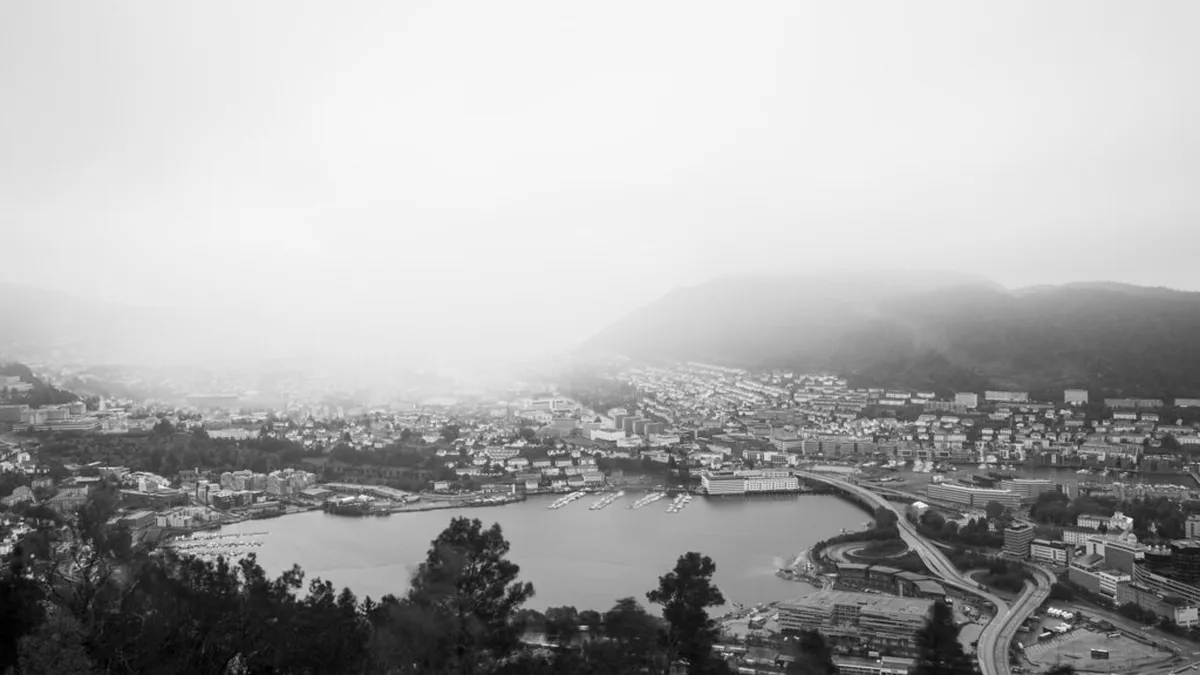
Best Time To Visit Bergen: The Ultimate Seasonal Guide
Discover the best time to visit Bergen, Norway. From summer fjord cruises to winter Northern Lights, we break down weather, crowds, and month-by-month tips.
On this page
Best Time To Visit Bergen
Mid-May to mid-June is the best time to visit Bergen for most travelers. You get roaring snowmelt waterfalls, manageable crowds, and up to 18 hours of daylight without the full July price surge. That said, Bergen rewards visitors in every season — if you know what you are actually signing up for.
Bergen sits wedged between seven mountains on Norway's Atlantic coast. That geography is the most important thing to understand before you book. Moisture-laden air rolls in off the ocean, hits the mountains, and dumps roughly 230 rain days per year on the city. No month is reliably dry. What changes is how the rain lands, how long the days are, and what the fjords look and feel like from a boat deck.
This guide gives you an honest, month-by-month breakdown of weather, crowds, prices, and activities so you can choose the window that fits your priorities rather than the one that just sounds the best in a headline.
Bergen Weather & Climate: What to Expect
Bergen is officially the rainiest city in Europe, averaging around 2,250 mm of annual precipitation. That number sounds brutal until you understand why it happens. The Seven Mountains that ring the city act as a wall, forcing Atlantic air upward where it cools and condenses into rain before it can move inland. This orographic lift effect means the rain is often heavy but fast-moving — a downpour can clear in 20 minutes and leave the fjord shimmering.
The Gulf Stream is the other defining factor. It keeps the harbor ice-free year-round and pushes winter temperatures well above what you might expect at this latitude. Bergen sits at 60°N — roughly the same as Anchorage, Alaska — but January averages a relatively mild 2°C / 36°F rather than brutal cold. The trade-off is persistent dampness rather than deep freeze.
One practical pattern that no weather chart shows: Bergen's best days come with an easterly wind. When high pressure builds over Sweden and wind swings east, the mountains block the Atlantic moisture and the city gets brilliant clear skies. Check the forecast for "Østavindsvær" (easterly weather) before deciding which day to hike Fløyen. Westerly and southwesterly winds, by contrast, are almost guaranteed to bring rain within hours. Understanding wind direction via local weather services is a more useful forecasting tool than looking at monthly averages alone.
You should also check our detailed monthly weather guide before finalising your dates — it covers historical rain days and temperature ranges in more detail. For historical climate data and patterns, Bergen's Wikipedia entry provides comprehensive meteorological background.
Best Time to Visit Bergen for Good Weather (Summer)
July and August give you the highest probability of sunshine, with daytime temperatures averaging 17–20°C / 63–68°F. In a warm spell the mercury can reach 25°C / 77°F, but those days are rare and celebrated. Daylight peaks around the summer solstice at roughly 19 hours, meaning you can hike Mount Ulriken at 21:00 and still have light to see the fjord laid out below you.
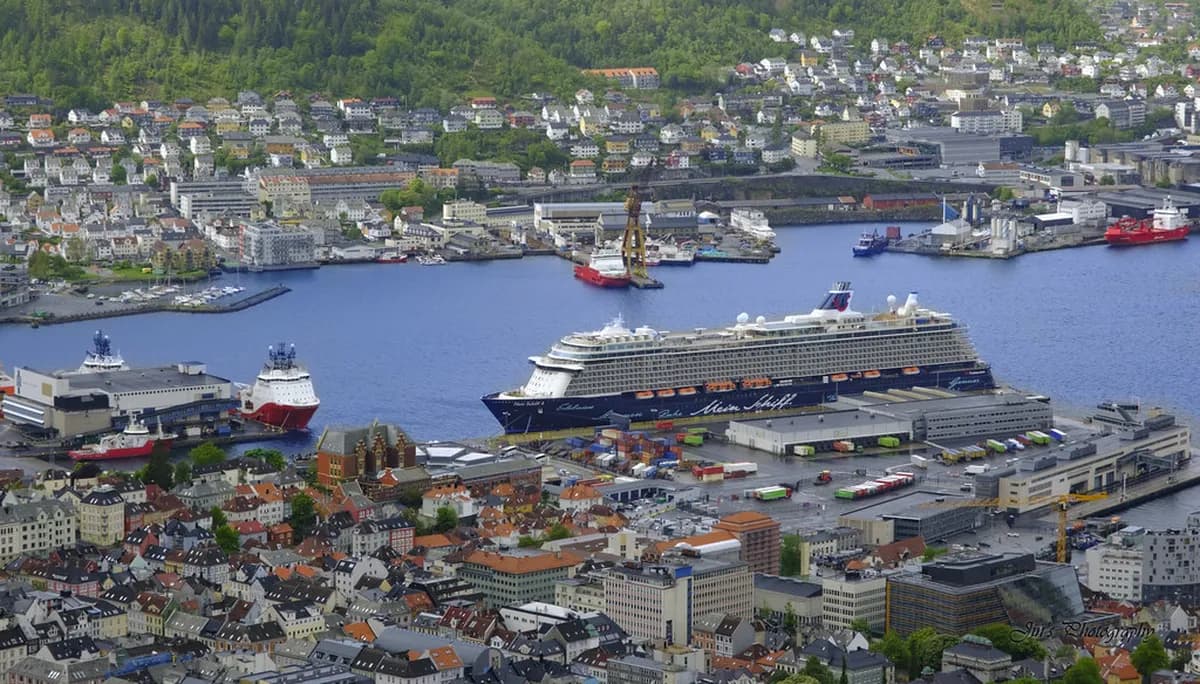
The downside is real. Cruise ships dock in Bergen harbour daily from June through August, sometimes three or four at once, each carrying several thousand passengers. The narrow lanes around Bryggen wharf can feel genuinely congested between 10:00 and 16:00. Book the Fløibanen funicular for the first departure of the day (07:30 in high season) or wait until after 18:00 when the day-trippers return to their ships. For official event calendars and harbour schedules, check Visit Bergen's tourism portal.
Hotel prices in July are typically 40–60% higher than the shoulder months. If you have flexibility, late August is a strong alternative: temperatures are nearly identical to July, Norwegian school holidays have ended, and the cruise-ship traffic begins to thin. Book accommodation for July and August at least 3 months ahead.
Visiting Bergen in Spring: Waterfalls and Blooms
May is widely considered the most photogenic month in western Norway, and experienced travelers often rate it above July despite the slightly cooler temperatures (10–15°C / 50–59°F). The reason is snowmelt. Winter's accumulated snow releases all at once through May and early June, sending waterfalls thundering down every cleft in the surrounding mountains. The contrast of white cascades against green hillsides is striking in a way that midsummer simply cannot replicate.
The Hardangerfjord region, about 90 minutes from Bergen by express boat, is at its peak in May when the cherry, apple, and plum orchards bloom against a backdrop of snow-capped peaks. It is one of the most beautiful scenes in Norway and it lasts only about two to three weeks. A day trip from Bergen to Hardangerfjord in the third week of May is one of the best single-day experiences this region offers.
May 17th — Norway's Constitution Day — transforms Bergen into a city-wide party. Residents wear their regional bunad (traditional costume) and march in parades through the streets. Most shops and some museums close for the day, but the street atmosphere more than compensates. If you are in Bergen that week, plan your museum visits for the days around it rather than on the 17th itself.
April is a quieter proposition. Temperatures hover around 7–10°C / 45–50°F and the landscape is still transitioning from winter. It suits budget travelers who want low prices and good availability, and the Fløibanen funicular and KODE museums are uncrowded. Easter week is the exception — Norwegian families take a full week off, and the ski area at Voss fills up, though Bergen itself stays relatively calm.
When a high-pressure system builds over Sweden and wind swings easterly, the mountains block Atlantic moisture and Bergen gets brilliant clear skies. Check the local weather forecast for "Østavindsvær" (easterly weather) to pick your best hiking day — this pattern works reliably across all seasons.
Autumn in Bergen: Golden Fjords and Rainy Days
September is the shoulder-season sweet spot that frequent Norway visitors recommend most. Daytime temperatures hold at 14–17°C / 57–63°F — warmer on deck than the numbers suggest because the sea retains summer heat into early autumn. The hillsides around Fløyen and Ulriken shift from green to gold and deep amber. Light at this latitude turns low-angle and warm-toned, which makes photography significantly easier than in the flat midday brightness of July.
Prices drop noticeably from their summer peaks and availability opens up. A hotel room that costs 1,800 NOK in July can often be found for 1,100–1,300 NOK in September. Cruise ships are still present in early September but tail off sharply after the first week. The fjord cruise routes continue to run on full summer schedules through September, so you get the experience without the crowds.
October brings more rain and shorter days, with temperatures dropping to 10–12°C / 50–54°F. The autumn colours are stunning through mid-October, but the hiking trails get muddy and some higher routes close after the first serious frost. The Bergen's top museums — KODE, the Bergen Maritime Museum, and the Hanseatic Museum — become the natural anchor for a trip structured around indoor culture punctuated by weather windows outdoors.
Winter in Bergen: Northern Lights and Cozy Vibes
Winter in Bergen is honest about what it is: short days, persistent cloud cover, and the kind of damp cold that seeps through an inadequate jacket. Temperatures average 1–4°C / 34–39°F from November through February, rarely dropping below -5°C / 23°F. The Gulf Stream means it almost never gets dangerously cold, but the wind-chill on the harbour waterfront can feel sharp.
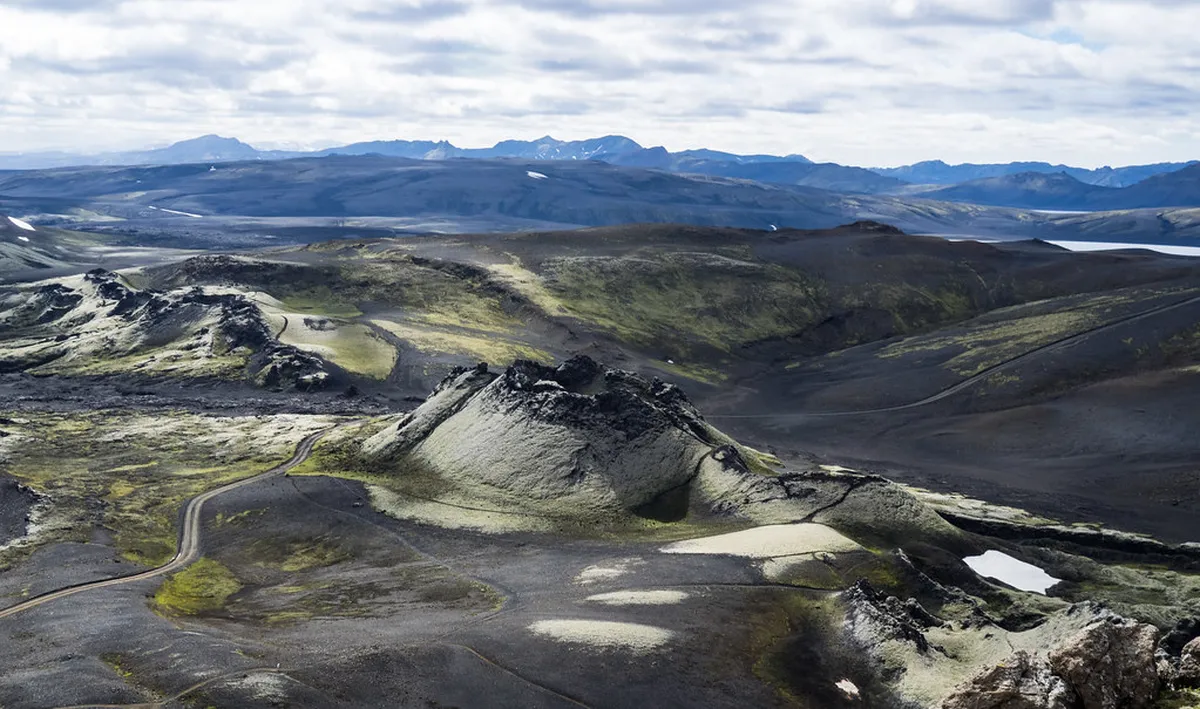
The Northern Lights question needs a direct answer. Bergen is too far south and too frequently cloudy for reliable aurora viewing. On clear nights with high solar activity you may see a faint display from Mount Fløyen, but if the Northern Lights are your primary reason to visit Norway, take a bus or train north to Flam or continue to Tromsø instead. Bergen in winter is better justified by its Christmas markets, the Gingerbread Town display (the world's largest gingerbread city, built by local children each November and December), and a genuinely cosy urban atmosphere.
The Gingerbread Town is set up in Festplassen each year from late November through early January. It is free to visit and a genuine Bergen tradition rather than a tourist gimmick. The city's Christmas lights are up from late November and the fish market area stays lively with warm food stalls through December. You can find seasonal winter attractions and activities that make the season worthwhile for the right traveler.
January is the quietest month for tourism by a wide margin. Hotel prices are at their annual floor. If you want Bergen almost entirely to yourself, this is the window — though you should accept that some attractions run reduced hours and the Hardangerfjord express boat operates a winter-only timetable with fewer departures.
Bergen is too far south and too frequently cloudy for reliable Northern Lights viewing — even on clear nights with high solar activity, you may only see a faint display from Mount Fløyen. If the aurora is your primary goal, take a bus or train north to Tromsø or Flam instead. Winter in Bergen is best justified by its Christmas markets and the cosy urban atmosphere, not the lights.
Bergen Month-by-Month Breakdown
The table below covers the key decision variables for each month: approximate average temperature, typical rain days, daily daylight hours, crowd level, and relative price index (1 = cheapest, 5 = most expensive).
| Month | Avg Temp (°C) | Rain Days | Daylight Hours | Crowds | Price Index |
|---|---|---|---|---|---|
| January | 2 | 19 | 6–7 hrs | Very Low | 1 |
| February | 2 | 16 | 9–10 hrs | Very Low | 1 |
| March | 4 | 16 | 12 hrs | Low | 2 |
| April | 7 | 14 | 14–15 hrs | Low | 2 |
| May | 12 | 15 | 17 hrs | Moderate | 3 |
| June | 15 | 14 | 18–19 hrs | High | 4 |
| July | 18 | 16 | 18 hrs | Very High | 5 |
| August | 18 | 17 | 15–16 hrs | High | 4 |
| September | 14 | 18 | 12–13 hrs | Moderate | 3 |
| October | 10 | 20 | 9–10 hrs | Low | 2 |
| November | 6 | 19 | 7–8 hrs | Very Low | 1 |
| December | 3 | 18 | 5–6 hrs | Low | 2 |
Note that rain days counts reflect days with measurable precipitation, not necessarily all-day downpours. Bergen's rain is often intermittent — a heavy shower, then a clear spell — rather than a persistent grey drizzle. May and June have fewer rain days than September and October while also offering much longer daylight windows, which is the clearest case for them as the best overall months.
Best Time for a Bergen Fjord Cruise
The answer differs depending on what you want from the water. For the most dramatic scenery, book a fjord cruise in May or early June. The snowmelt waterfalls are at full force — some cascades you can hear from the boat before you see them — and the water is still and cold, reflecting the white peaks above. The Bergen fjord cruise to Mostraumen runs year-round and the spring departures are genuinely spectacular.
For the most comfortable on-deck experience, target late August or early September. The sea surface temperature peaks around 15–16°C / 59–61°F, the light is warm and photogenic, and the waterfalls have settled into a quieter state. You trade the dramatic cascade volume of spring for a more golden, atmospheric cruise with fewer passengers.
Summer (July–August) is the most reliable for calm fjord conditions and long daylight, but it is also when boats are fullest and booking flexibility is lowest. If you are set on a specific cruise route, book 6–8 weeks ahead for July. Winter cruises are worth doing as a mood experience — snow-dusted mountainsides reflected in steel-grey water — but check schedules carefully, as some regional routes cut frequency between November and March. Fjord cruises from Bergen itself (Mostraumen and Osterfjord routes) typically run daily even in winter.
The Shoulder Season Sweet Spot: May and September
If budget and crowd-avoidance matter as much as weather, May and September consistently outperform both the peak summer months and the deep winter. In May, you pay spring prices (roughly 25–35% less than July) while getting nearly as much daylight and the bonus of waterfall season. In September, you pay autumn prices while still catching full fjord cruise schedules, warm sea temperatures, and autumn colours that July simply cannot offer.
The practical difference between May and September comes down to what you prioritise. May is for the fjords at their most dramatic — waterfalls, blossoms, crisp air, and the patriotic buzz of Constitution Day. September is for the fjords at their most beautiful — warm light, quieter boats, golden hillsides, and the kind of slow pace that makes a two-hour cruise feel like time well spent rather than an item ticked off a list.
Both months carry rain risk, but Bergen's rain is part of its character. Locals say "There's no such thing as bad weather, only bad clothing." Pack accordingly (see below) and a rainy afternoon spent at the fish market or a KODE gallery rarely feels like a wasted one.
What to Pack for Bergen's Changing Weather
Bergen's weather requires a layering system, not a single heavy jacket. The temperature swing between a still, sunny morning and a cold, rainy afternoon can be 8–10°C / 15–18°F within the same day. The three-layer approach is the most reliable framework: a moisture-wicking base layer, a mid-layer for insulation, and a waterproof shell on top. You should be able to add or remove the mid-layer within seconds — you will do this repeatedly throughout the day.
- Waterproof shell jacket with sealed seams: the single most important item. Bergen's rain is horizontal in wind. A water-resistant jacket is not waterproof — you will know the difference within ten minutes.
- Waterproof boots or hiking shoes: the cobblestones around Bryggen become genuinely slippery when wet, and the mountain trails retain moisture for hours after rain stops. Low-cut waterproof trail shoes work for most visitors; full hiking boots if you plan multi-hour hikes.
- Lightweight merino wool mid-layer: wool keeps you warm even when damp and does not retain odour the way synthetic fleece does. This matters on a multi-day trip where you may not have daily laundry access.
- Packable wind-resistant umbrella: useful for the fish market area and the wharf where the jacket hood can restrict visibility. Less useful on the mountain trails where wind inverts them.
- Waterproof day bag or pack cover: your camera, phone, and documents need protection. Bergen rain comes without warning.
For summer visits, add a lightweight sun hat and SPF for the days when the easterly winds bring full sunshine. For winter, add a thermal base layer, waterproof over-trousers, and gloves. The key mistake first-time visitors make is bringing a good jacket but inadequate footwear — wet feet on slippery wharf stones make for a miserable afternoon regardless of how scenic the surroundings are.
Bergen in 48 Hours: Rain vs. Shine Planning
A short stay in Bergen requires a two-track plan because the weather will make decisions for you. The rule is simple: do the outdoor activities whenever the sky cooperates, and shift to indoor culture when it does not. Do not wait for a forecast that promises two dry days in a row — it rarely comes.
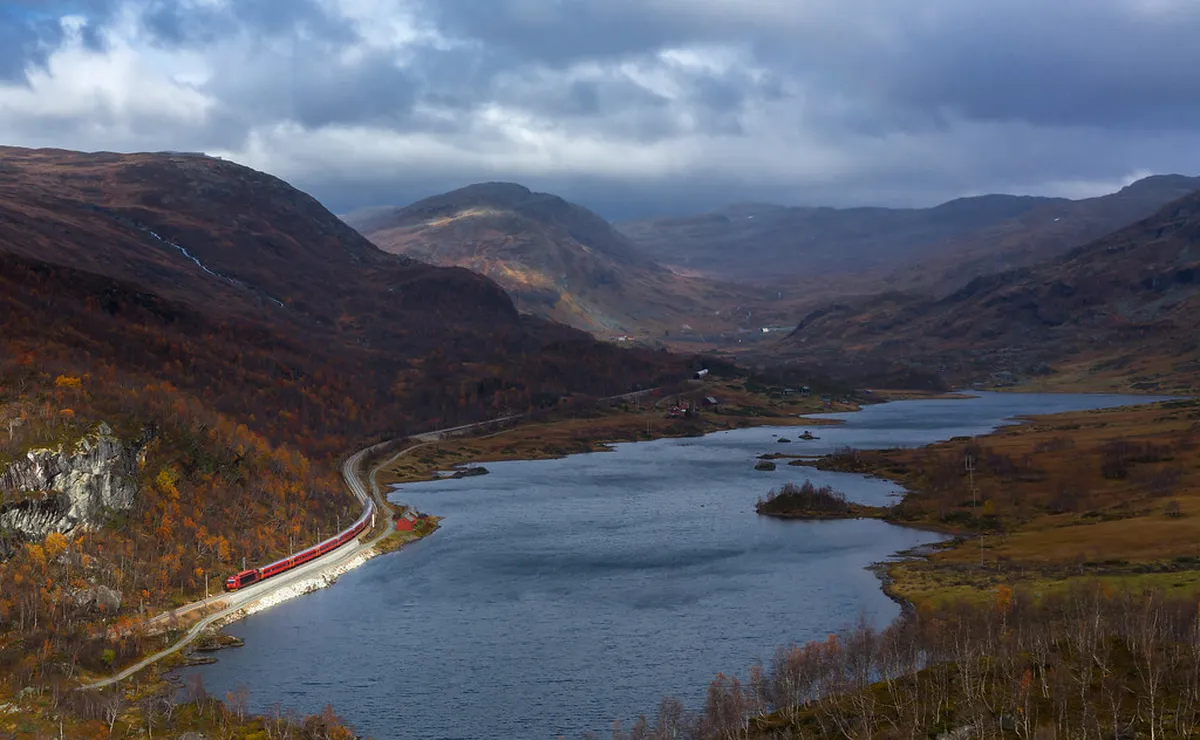
On a clear morning, go straight to the mountains. The Fløibanen funicular departs from the city centre and reaches Mount Fløyen in 8 minutes. From there you can walk the ridge toward Mount Ulriken or simply sit on the terrace and look across the fjord. Views from Ulriken — accessible by cable car from the east side of the city — are wider and less crowded than Fløyen on busy days. Check whether the Bergen Card is worth it for your trip, as it covers both the funicular and several museum entries.
When clouds roll in (and they will), pivot to the KODE art complex, which occupies four buildings near the lake in the city centre. KODE 2 holds Edvard Munch works; KODE 3 focuses on Norwegian design and applied arts. Admission covers all four buildings. The Hanseatic Museum in Bryggen is another strong rainy-day choice — it reopened in 2024 after a multi-year restoration and tells the story of the German merchant quarter that gave Bergen much of its medieval character. End a rainy afternoon at the indoor fish market (Fisketorget) on the wharf, which has warm food stalls and excellent fresh seafood at non-tourist prices if you eat early before the dinner rush.
Frequently Asked Questions
What's the best time of the year to visit Bergen?
Mid-May to mid-June is the best time for most visitors. You will enjoy blooming flowers and powerful waterfalls with fewer crowds than July. Temperatures are mild and the days are very long.
Is Bergen worth visiting in winter?
Yes, Bergen is worth visiting in winter for the cozy atmosphere and Christmas markets. It is rarely extremely cold due to the Gulf Stream. You can enjoy lower prices and peaceful streets.
When is the best time for a fjord cruise from Bergen?
The best time for a fjord cruise is from May to September. Spring offers the most impressive waterfalls from snowmelt. Summer provides the calmest waters and the warmest conditions for being on deck.
Bergen is a stunning destination no matter which month you choose, but choosing well makes a real difference. Mid-May to mid-June balances the best of the fjord landscape with manageable crowds and shoulder-season prices. September is the best single-month recommendation for travellers who want comfort and value. If you can only go in July or August, book early and build your days around the early morning and evening hours when the city feels most like itself.
Whatever month you choose, pack for rain and embrace the rhythm of a city that has turned 230 annual rain days into one of its most endearing qualities. The locals do not complain about the weather. They dress for it and go outside anyway. Follow their lead. For more inspiration on what awaits, explore our complete Bergen activities and attractions guide.
You might also like


Continue reading
More guides you'll find useful