Bryggen Wharf Bergen Guide: 10 Essential Tips & Attractions
Plan your visit with our Bryggen Wharf Bergen guide, featuring 10 essential tips on history, top attractions, photography spots, and practical logistics.
On this page
Bryggen Wharf Bergen Guide: 10 Essential Tips & Attractions
Walking through the colorful wooden alleys of Bryggen feels like stepping directly into a medieval storybook. This historic wharf is the crown jewel of Norway's second-largest city and a testament to centuries of maritime trade. Our comprehensive bryggen wharf bergen guide helps you navigate the narrow passages and discover hidden cultural treasures. Whether you are a history enthusiast or a casual traveler, this area offers many exciting attractions nearby today.
History of Bryggen, Bergen
The word Bryggen simply means "The Wharf" in Norwegian, but that plain name conceals a thousand years of turbulent history. Norwegians first settled here in the 11th century, and by the 12th century the waterfront already had wooden warehouses built on piers stretching out into the Vågen harbour. Bergen grew so rapidly around this trading hub that it became the largest settlement in Scandinavia before the 16th century.
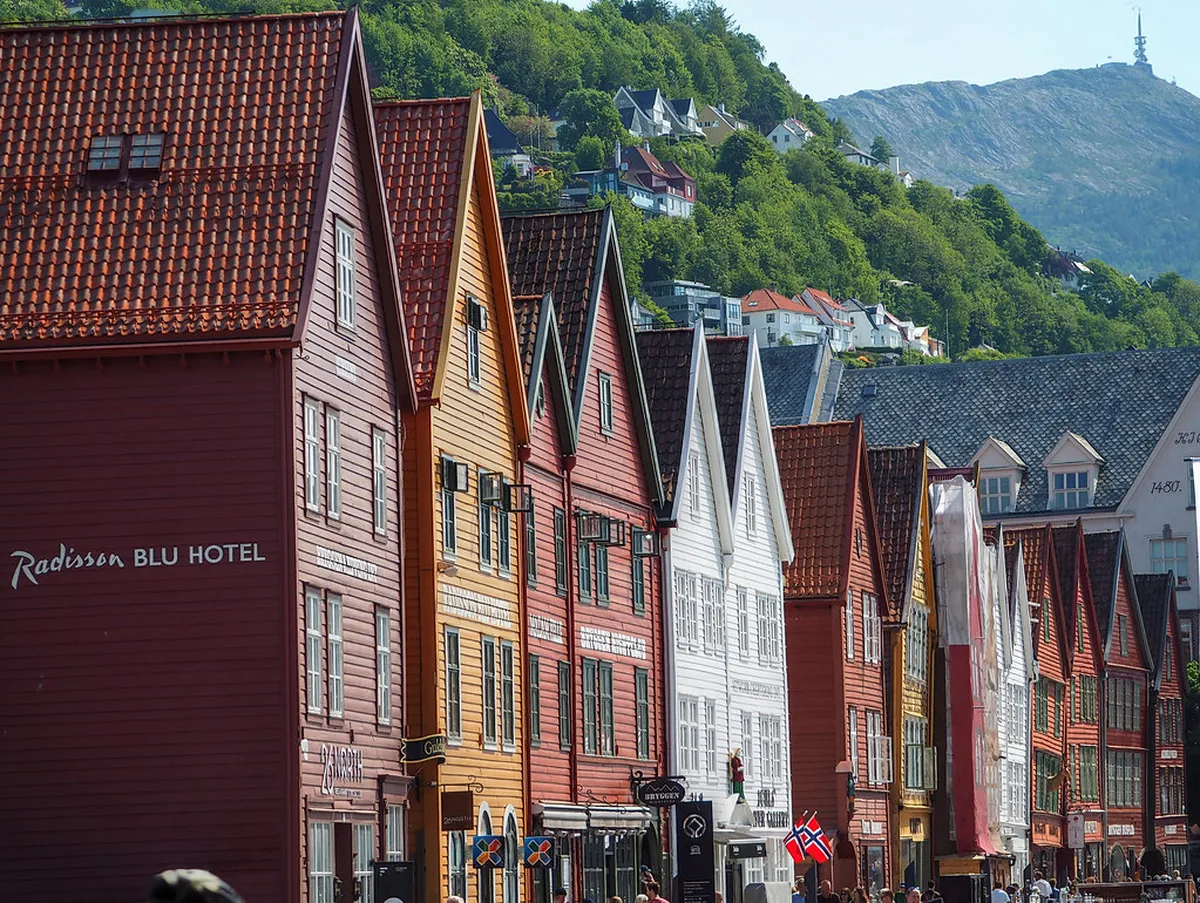
Everything changed in 1360 when the Hanseatic League — a powerful German merchant federation — took control of the area and held it for nearly four centuries. The League ran the entire stockfish trade from Bryggen, bringing dried cod from northern Norway and shipping it across Europe. German merchants lived and worked in strict isolation from the local population, following their own rules inside the walled compound.
Fire is the other constant thread in Bryggen's story. The wharf burned at least seven times between 1170 and 1955, with the most devastating blaze levelling everything in 1702. Each time, Bergen rebuilt using the same long-row layout and timber construction techniques, which is why the architecture you see today still feels authentically medieval even though most visible buildings date from that 1702 reconstruction. Only 61 of the original buildings survive — roughly 30% of the historic compound — and all are protected as a UNESCO World Heritage Site since 1979.
Must-See Bryggen Attractions
The postcard view — that line of leaning, brightly painted facades reflected in the harbour — is just the beginning. Step behind the main row and you enter a different world of dark, narrow alleys called gårder. Each gård (yard) was a self-contained trading unit where a Hanseatic merchant housed his workers, stored fish, and conducted business. The oldest wooden planks in Enhjørningsgården (Unicorn Alley) are fastened with wooden pegs rather than iron nails, a medieval joinery technique that has outlasted generations of renovation.
Look at the front facades carefully and you will notice each building carries a carved mascot — a lumberjack, a unicorn, a lion. These served as company logos for an era when most fishermen could not read. When boats arrived loaded with stockfish from Lofoten, the crew found their regular merchant by recognising the symbol on the building. These trade relationships often spanned multiple generations, functioning almost like an informal credit system for northern fishing communities.
Jacobsfjorden and Bellgården, two alleys that merged after a fire in 1476, give a clear sense of how the compound evolved over centuries. The stone cellar behind the stockfish statue dates to the 1420s. Bredsgården is the most original of all the yards, first documented in 1310 and rebuilt in the same style every time it burned. Check out the 6082 reviews on TripAdvisor to see how visitors describe the atmosphere of these passages in every season.
Museums, Art, and Culture in Bryggen
Bryggens Museum stands at the northern end of the complex and is the right place to start any cultural visit. A catastrophic fire in 1955 accidentally uncovered the medieval foundations of the original wharf, and the museum was built directly over the ruins so visitors can look down through glass floors at the first wooden buildings from the 12th century. Rune inscriptions, medieval tools, and ceramic shards recovered from those layers are on permanent display. It is one of the best options for rainy-day activities, with a full hour easily spent inside.
The Hanseatic Museum and Schøtstuene occupies Finnegården, the last and largest gård on Bryggen. The main Hanseatic Museum building has been closed since 2018 for extensive structural renovation — the building was found to be sinking — but the Schøtstuene assembly rooms nearby remain open. These communal halls are where Hanseatic merchants gathered for meals, drinking, and governance, and the preserved interiors give an unusually intimate sense of daily life inside the German trading compound. Admission runs around 120 NOK for adults in 2026; the Bergen Card covers entry.
St. Mary's Church, built between 1130 and 1170, is the oldest building in Bergen and the only structure to survive every fire intact. The Germans treasured it so much they controlled it from 1480 until 1874, maintaining its Romanesque towers and protecting its Gothic interior from the Reformation. Many graves here carry German names. The first stained-glass window in Norway — a German glass painting — was installed in the northern wall in 1336. Entry is free outside of service times.
Less obvious but worth seeking out: the Buekorpsmuseet (Boys Brigade Museum), which documents Bergen's most distinctive local tradition. Since the 19th century, boys up to 18 years old have formed neighbourhood marching clubs — the Buekorps — that parade through the streets carrying wooden crossbows and practice drums. The tradition started when bored boys began imitating Norwegian army drills. Today around 20 clubs still march actively, most visibly on 17 May (Norway's National Day). The small museum explains the hierarchy, the clubs' role in wartime resistance, and why this tradition exists in Bergen and almost nowhere else in Norway. It is a genuinely local story that none of the tourist brochures bother to tell.
Art Gallery Marianne Skjelbred, tucked inside one of the alley buildings, shows contemporary Norwegian painting at no charge. The Bryggens Museum exterior from Wikimedia gives a sense of its striking modern-concrete-over-medieval-ruin design.
Restaurants and Dining at Bryggen
The Fish Market (Torget) at the foot of the wharf is the obvious first stop for food. Stalls sell fresh salmon, king crab, prawns, fish cakes, reindeer sausage, and hot seafood soup — the soup is worth the stop on any cold or rainy day. The market operates daily from around 07:00 to 23:00 in summer and closes earlier in winter. Prices are tourist-level but the quality is genuine, and eating here with a harbour view is part of the Bryggen experience. This is the heart of local dining for first-time visitors.
Bryggen Tracteursted is the historical pick for a sit-down meal. The building dates to 1708 — rebuilt after the last great fire — and the kitchen leans into traditional Norwegian flavours: cured fish, lamb, and game served in small tasting portions. The setting is genuinely rustic rather than staged, with low ceilings and candlelit tables inside the original timber walls. Booking ahead is recommended in summer as the dining room is small.
Baker Brun has been baking skillingsboller (Bergen-style cinnamon buns) since 1893. It is the cheapest and most authentic quick stop in the area — a bun and a coffee for under 80 NOK — and the queue moves fast. On the opposite end of the price range, the red wooden building at the entrance to Svensgården now operates as a restaurant where you can eat in the same spot the Hanseatic merchants once gathered for their communal meals in the original schøtstuene.
How to Get to Bryggen Wharf Bergen
Bryggen sits at the centre of Bergen, so reaching it is straightforward from any direction. Most visitors first learn travel logistics to the city and then find the wharf is a short walk from every major arrival point in the city.
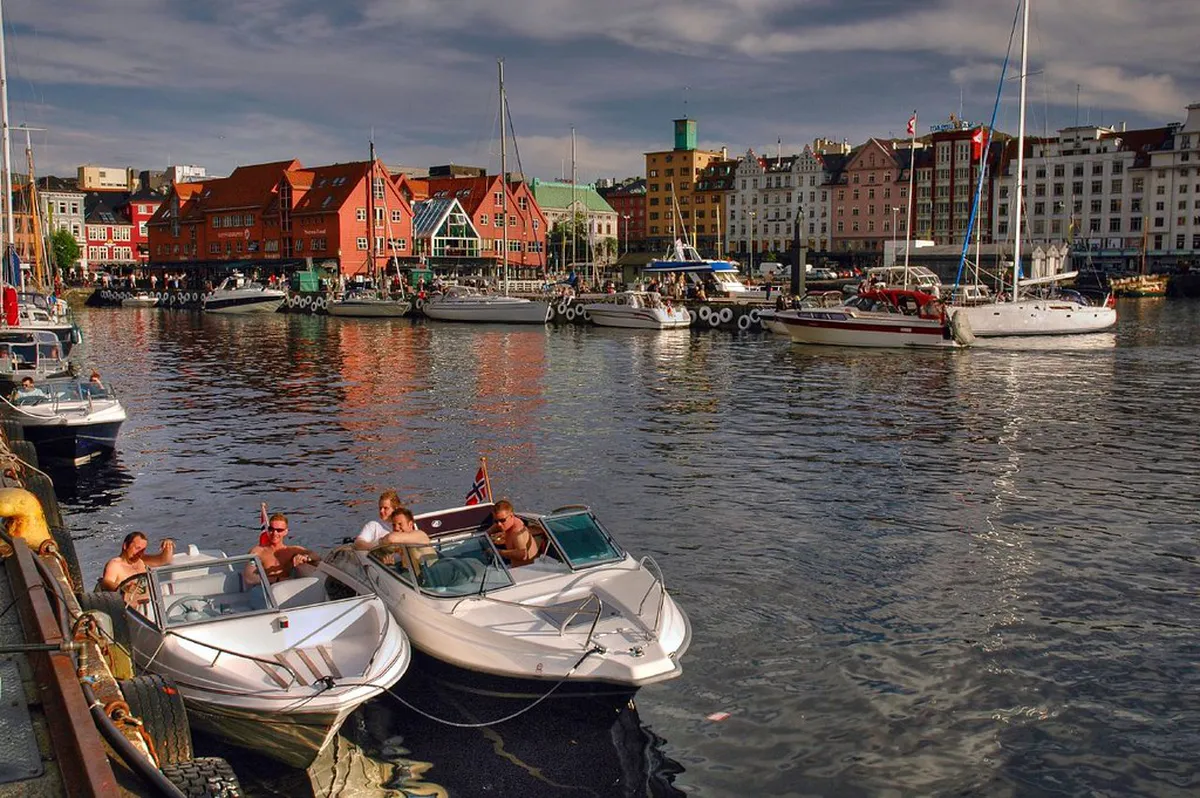
From Bergen Central Station, walk west along Marken and then north along the harbour — the route is flat and takes around 10 to 12 minutes. From the cruise terminals at Skolten or Bontelabo, it is a 5-minute walk along the waterfront. If you arrive by Flybussen from Bergen Airport (BGO), the bus stops at Byparken, leaving about 10 minutes on foot to the wharf; by taxi the airport journey takes 20 to 25 minutes. The Bybanen light rail (Line 1) stops at Byparken with trains every 5 to 10 minutes — a convenient option if your accommodation is near a station further from the centre.
There is no need to drive. Parking near Bryggen is expensive and limited, and the entire historic area is pedestrian-only. Bergen's compact centre means most hotels within the city are within a 15-minute walk of the wharf.
Best Time to Visit Bryggen Wharf Bergen
Choosing the optimal season comes down to a trade-off between daylight, crowds, and atmosphere. Summer (June to August) gives you up to 18 hours of usable light, warm enough weather to sit outside at the Fish Market, and all museums operating at full hours. The downside is significant: cruise ships bring thousands of day-trippers into a relatively small historic zone, and the main alleyways can feel claustrophobic between 10:00 and 16:00 on busy days. Arriving before 09:00 or after 17:00 in summer makes a material difference.
May and September hit the sweet spot for most independent travellers. The wooden facades catch a lower, softer light that photographers prefer over the harsh midday brightness of July. Crowds are lighter, hotel rates drop, and the shoulder months still offer enough dry days to explore comfortably. Bergen is famously rainy — it receives around 240 rain days a year — but the colours of the wooden houses genuinely intensify after rain, and the reflections in the harbour are most dramatic on overcast afternoons.
Winter (November to February) is quiet, cold, and atmospheric in a way that summer cannot replicate. Festive lights in December make the wharf look like a film set. However, some smaller attractions reduce their hours and the short daylight window (around 6 hours in December) limits outdoor exploration. Spring, particularly around 17 May (Norwegian Constitution Day), is worth timing your trip around if you want to see the Buekorps marching clubs parade through the city in full formation — an experience Bergen locals consider the defining event of their cultural calendar.
Bryggen Bergen Itineraries (2-Hour to Full-Day)
Deciding your trip duration you need often starts with planning your Bryggen visit. The site can be absorbed at very different speeds depending on your interests.
For a 2-hour express visit — typical for cruise passengers — walk the full length of the harbour front first (west to east), then turn into one or two of the main alleys. Enhjørningsgården for atmosphere, Jacobsfjorden for age. Finish with a fish soup and a cinnamon bun at the Fish Market. You will cover the essentials without any museum entry.
A half-day plan (4 hours) works well for history-focused visitors. Start at Bryggens Museum (allow 60 to 75 minutes), then walk through the alleys at a slower pace, looking at the carved mascots on each facade and reading the information boards at St. Lawrence's Chapel ruins. Visit St. Mary's Church before the morning crowds arrive. Finish with lunch at Bryggen Tracteursted.
A full day (6 to 8 hours) lets you extend outward from Bryggen into the wider district. Add the Schøtstuene assembly rooms in the morning, then take the Fløibanen funicular up to Mount Fløyen for a panoramic view of the wooden compound from above. In the afternoon, walk through Bergenhus Fortress and climb the Rosenkrantz Tower (entry around 100 NOK) for close-up views over the rooftops. The Buekorpsmuseet and Art Gallery Marianne Skjelbred fit naturally into any gaps between these anchor visits.
Bryggen Wharf Bergen Accessibility Guide
Bryggen is a medieval site, and the terrain reflects that honestly. The harbour-front quayside is the most accessible part — wide, mostly flat, and easy to navigate with a wheelchair or pushchair. The inner alleys are a different matter: cobblestones are uneven, some passages have small wooden steps between floor levels, and doorframes in the historic buildings are narrow by modern standards. Wet weather makes the cobblestones slippery; sturdy flat shoes are a practical necessity for anyone, and high heels are genuinely hazardous.
Wheelchair users can access the harbour front and several of the wider alleys. Bryggens Museum has a lift and accessible toilets, and the ground floor displays are reachable without stairs. The Schøtstuene assembly rooms have limited accessibility in older sections. Accessible public toilets are available near the Fish Market. Several benches along the harbour front provide rest stops. If visiting in summer, the highest foot-traffic hours (10:00 to 16:00) are also the hardest for anyone needing more space to navigate, so earlier or later visits help.
Best Bryggen Bergen Photography Spots
The most reproduced image of Bryggen is shot from the opposite side of the Vågen harbour, near the Strandkaien terminal. From there you capture all the coloured facades in a single wide frame, with the water in the foreground. Late afternoon in summer is ideal — the sun hits the western-facing facades directly and the harbour reflection intensifies. On overcast days the colours read more vividly than in harsh midday sun, which washes out the reds and yellows.
Inside the alleys, Jacobsfjorden (coordinates approximately 60.4020° N, 5.3252° E) rewards a 35mm or 50mm lens. The narrow vertical composition of weathered timber planks, wooden pegs, and uneven floor boards works best shot early in the morning before the crowds arrive. Look upward as well as forward — the gap between rooflines and the sky above makes a strong geometric frame. Read visitor reviews for first-hand notes on the best conditions different photographers have found.
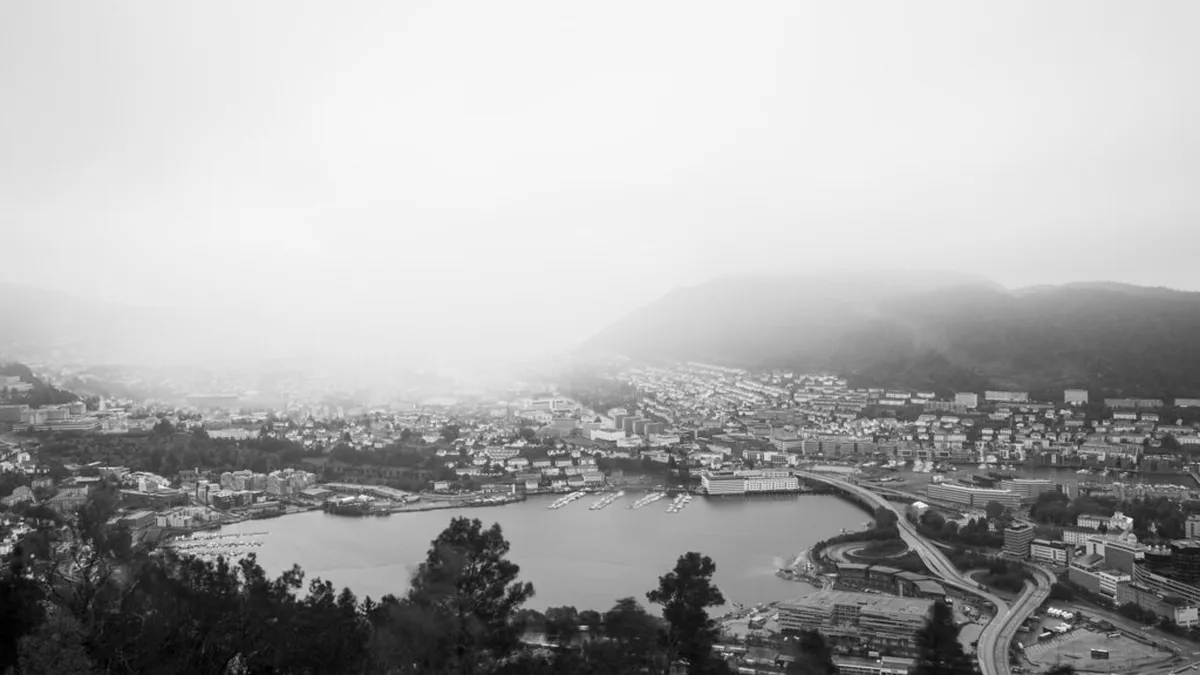
Drone photography is not practical here: UNESCO World Heritage protection combined with cruise port proximity means flight restrictions apply across the Bryggen area. The Fløibanen funicular viewpoint on Mount Fløyen gives the best legal aerial-style perspective, compressing the rooftops and harbour into a telephoto frame. For ground-level wide shots of the "leaning houses" effect, crouch low on the cobblestones facing north from the southern end of the row — the slight outward tilt of the upper storeys is most obvious from a low angle.
Bottom Line: Why Bryggen Wharf Bergen Is Worth Visiting
Bryggen is not just a row of pretty buildings. It is one of the few places in Europe where you can walk through a continuously inhabited medieval trading district and understand — through the architecture, the museums, and the street plan — exactly how the pre-modern economy functioned. The Hanseatic League built something that survived seven fires and still operates as a living neighbourhood today.

History buffs will find Bryggen endlessly layered: every alley has a documented history going back to the 14th century, and the museums fill in the archaeological record beneath that. Photographers get one of Norway's most photogenic subjects in almost any weather or season. Families can spend half a day here without museum fatigue by mixing the alleyway exploration with the Fish Market and a funicular ride. Casual visitors who give it only an hour from a cruise ship will still carry a strong impression home. You can determine the Bergen Card for your trip to save on museum entries here — if you plan to visit Bryggens Museum, Schøtstuene, and Rosenkrantz Tower in the same day, it almost always pays off.
One honest caveat: if you visit in peak summer between 10:00 and 16:00 on a cruise-heavy day, the main alleyways become uncomfortably crowded and the atmosphere suffers. Arriving early or extending into the evening recovers most of what makes the site worth the trip. Bryggen is Bergen's defining landmark for a reason, and it earns that status every time the light catches those leaning wooden walls.
Frequently Asked Questions
What is Bryggen?
Bryggen is the historic Hanseatic wharf in Bergen, Norway. It consists of a series of colorful wooden commercial buildings that served as the center of the stockfish trade for centuries. Today, it is a protected UNESCO World Heritage Site and a major tourist attraction.
Where is the Bryggen District?
The Bryggen District is located on the eastern side of the Vågen harbor in the heart of Bergen city center. It is situated right next to the famous Fish Market and the Bergenhus Fortress. You can easily walk there from any central hotel or the train station.
What does Bryggen mean in Norwegian?
In Norwegian, the word Bryggen simply translates to "The Wharf" or "The Pier." This name reflects its historical purpose as the primary landing place for merchant ships. It has remained the name of this specific district for hundreds of years.
Is it free to visit Bryggen?
Walking through the streets and alleys of Bryggen is completely free for all visitors. However, you will need to pay an admission fee to enter the museums located within the district. Many travelers use the Bergen Card to get free or discounted entry.
Exploring Bryggen is a highlight of any trip to the fjords of Western Norway. The combination of ancient architecture and modern culture creates a unique travel experience. We hope this bryggen wharf bergen guide helps you make the most of your time in the city. Enjoy your journey through the historic heart of Bergen and its legendary wooden wharf.
You might also like

Continue reading
More guides you'll find useful