10 Ways to Master Getting Around Bergen
Master getting around Bergen with our guide to the Light Rail, Skyss buses, ferries, and walking tips. Includes ticket prices and airport transfer hacks.
On this page
10 Ways to Master Getting Around Bergen
Navigating the gateway to the fjords is surprisingly simple once you understand the local transport landscape.
Bergen offers a highly integrated system that connects the historic harbor with the surrounding mountains and suburbs.
Travelers often find that top attractions in Bergen are best reached through a mix of walking and public transit.
This guide explores every option to ensure you master getting around Bergen during your next Norwegian adventure in 2026.
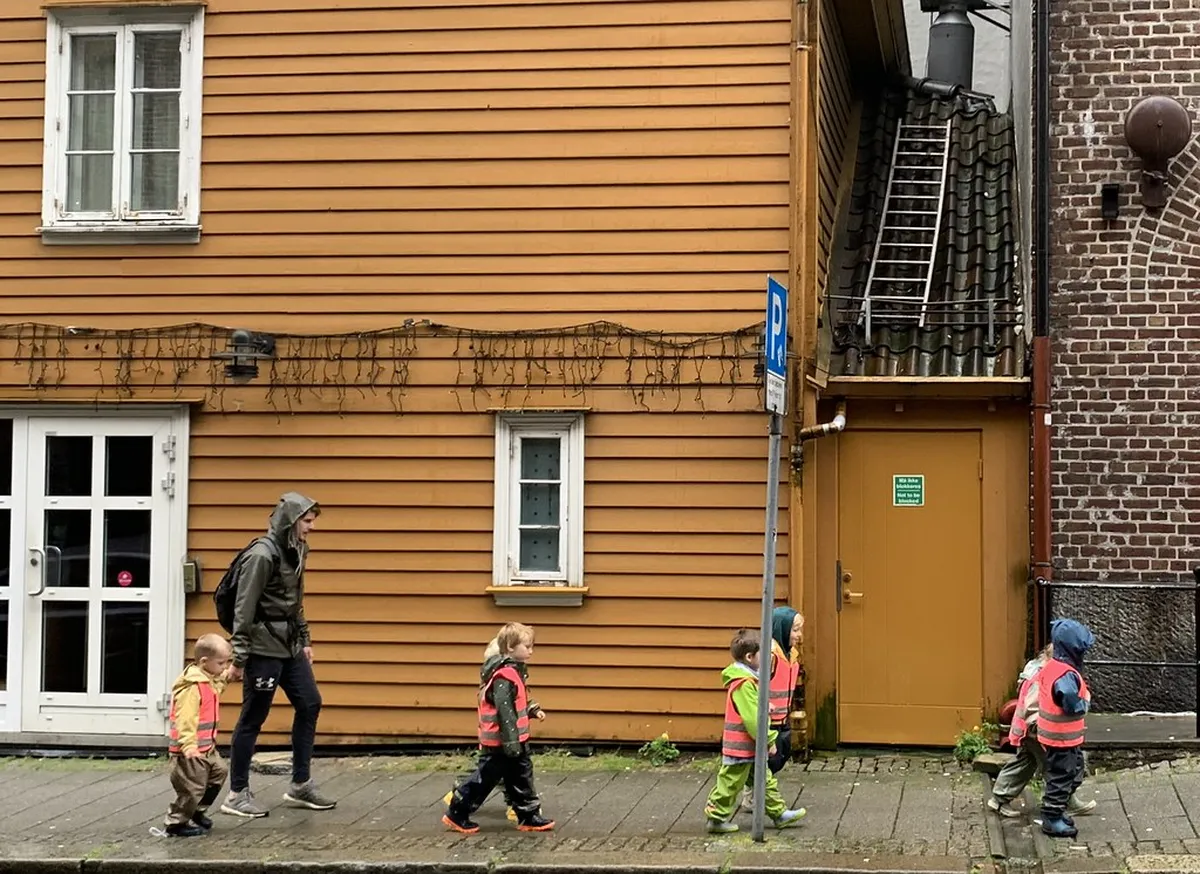
Walking the Compact City Center
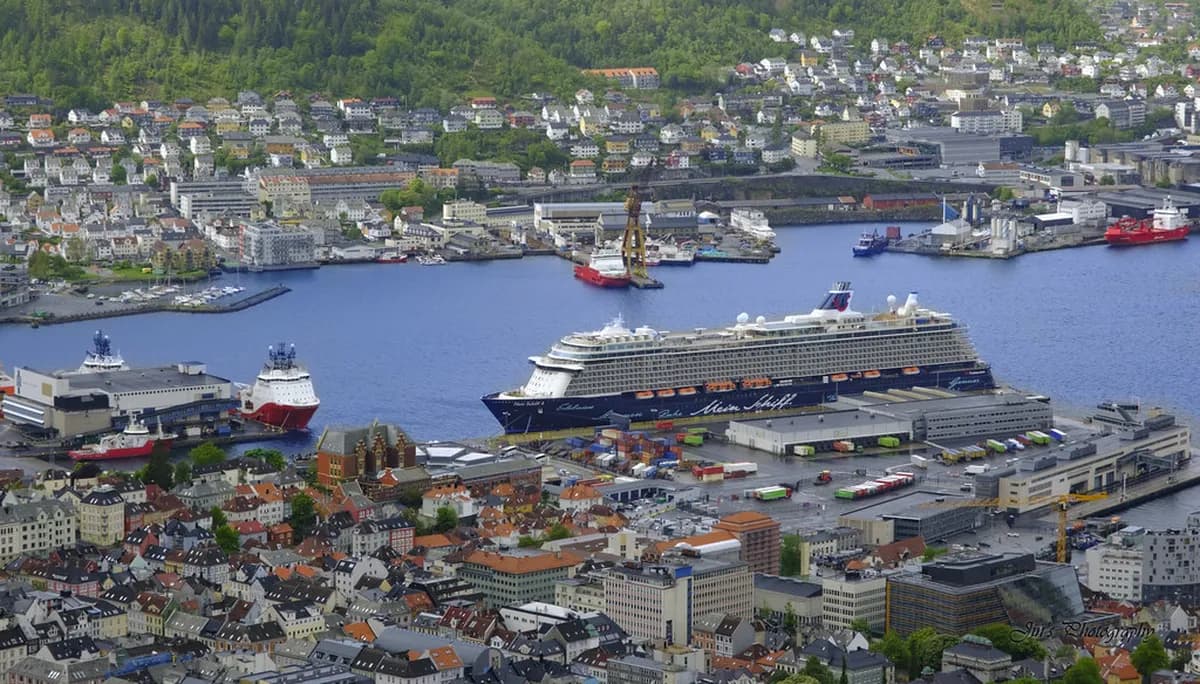
Bergen remains a remarkably walkable city for the majority of travelers visiting the historic harbor and downtown core. Most major landmarks sit within a comfortable fifteen-minute walk of each other around the Vågen bay area. You can easily stroll from your hotel to the famous Bryggen wharf area without needing any motorized transport.

Visitors should prepare for steep inclines and uneven cobblestone streets when venturing into neighborhoods like Nordnes or Sandviken. Sturdy walking shoes with good grip are essential for safely navigating these historic pathways in wet weather. The city center is relatively flat, but the surrounding hills require more physical effort to climb.
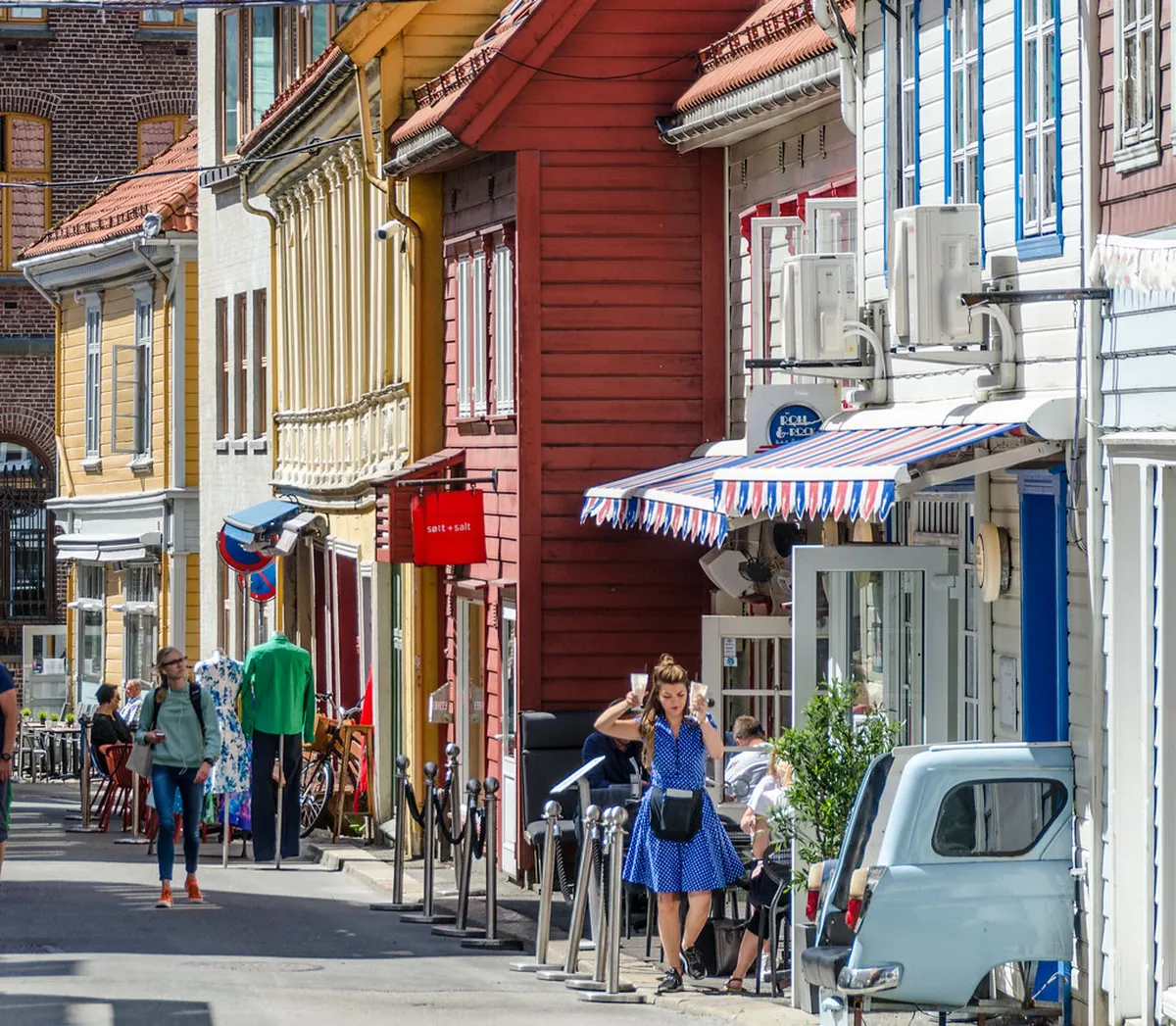
Pedestrian zones are clearly marked and offer a safe environment away from heavy vehicle traffic. Exploring on foot allows you to discover hidden alleys and charming wooden houses that cars and trams cannot reach. For most visitors staying near Bryggen or the fish market, your legs are the most efficient transport mode for the first day.
Cycling and City Bike Rentals
Cycling has become an increasingly popular way of getting around Bergen for both locals and active tourists. The Bergen Bysykkel system provides hundreds of blue bikes at docking stations across the city, which you can unlock via the dedicated mobile app. Renting a bike offers a faster alternative to walking when covering more ground along the flat waterfront.
Dedicated bike lanes are expanding throughout the city to provide safer routes for cyclists of all skill levels. Be mindful of the tram tracks embedded in the streets — catching a tire in the groove at speed causes falls. The hilly terrain can be challenging, so plan routes to include flatter paths along the harbor wherever possible.
Bergen's cycling infrastructure also includes tunnels that cut through the hills, though these are more suited to experienced cyclists. Locking your bike securely is important if you stop to explore shops or cafes along your journey. City bikes are best suited for short trips of under thirty minutes; longer outings warrant a private rental with gears.
Navigating the Skyss Public Transport Network
The comprehensive Skyss network covers the entire city and the surrounding Vestland county area with a single integrated ticketing system. Most visitors will spend their entire trip within Zone A, which encompasses the city center, all main tourist stops, and Bergen Airport Flesland. Using one ticket across buses, the Bybanen light rail, and local trains simplifies travel enormously.
Buses and light rail vehicles are modern, clean, and designed to handle the frequent coastal rain. Electronic displays at major stops provide real-time information about the next arriving service. Drivers generally speak excellent English and can help if you are unsure about your destination.
One practical detail most visitors miss: within Zone A you do not need to show your ticket when boarding city buses. You can board from both the front and rear doors. On the Bybanen, you cannot show your ticket to the driver at all — you must present it only during an on-board inspection, so always keep it active on your phone screen.
Riding the Bergen Light Rail (Bybanen)
The Bybanen is a surface-level light rail — not a metro or subway — and it is the backbone of public transport for anyone getting around Bergen. Line 1 runs from Bergen Airport Flesland through the city center to Byparken, passing through student neighborhoods and residential areas along the southwest corridor. Line 2 serves the western suburbs including Lagunen shopping center and provides access to several residential districts that buses cover less frequently.
Both lines converge at the main Byparken terminal in the city center, allowing easy transfers between them. Trains run every five to six minutes during peak hours from roughly 06:00 to 23:00, and every twelve to fifteen minutes in the evenings. You can reach the base of the Floibanen funicular within a short walk from Byparken.
The light rail was designed to universal accessibility standards: all platform access is step-free and ramp-free, and wheelchair users can roll straight from the platform into the carriage. A blue button on the doors extends the door-open time for passengers with prams, wheelchairs, or large luggage. Onboard screens and audio announce every stop in both Norwegian and English.
Ticket Pricing, Zones, and the Skyss App
Zone A covers the entire city of Bergen, including the airport, making it the only zone most tourists ever need. A single adult ticket costs around 44 NOK when bought through the Skyss Billett app; a 24-hour pass runs approximately 120 NOK and covers unlimited trips across all Zone A services. A 7-day pass is roughly 340 NOK, which pays for itself quickly on a full week of sightseeing.
The Skyss Billett mobile app is the most convenient purchase method — buy before you board and keep the active ticket on screen. Ticket machines are available at all Bybanen stops and major bus hubs for card payments. Cash is not accepted on any bus or light rail vehicle, so digital payment is strictly required.
One ticket covers unlimited transfers within a 90-minute window. In practice this means you can take a bus to the Bybanen, ride to Byparken, and catch a return bus — all on a single fare. Children under six travel free at all times, and one adult with a valid ticket can bring up to four children aged 6–18 free of charge every day under the family discount. Consider checking whether the discounted city pass is worth it, since it bundles Zone A transport with free museum entry.
Skyss App vs. Google Maps: What to Use When
Google Maps works reasonably well for planning Bybanen journeys in Bergen, but it has a consistent blind spot: it does not reflect real-time Skyss service disruptions or cancellations. When a departure is cancelled in the Skyss system it disappears from the Skyss app's journey planner — but Google Maps will still show it, leaving you waiting at an empty stop.
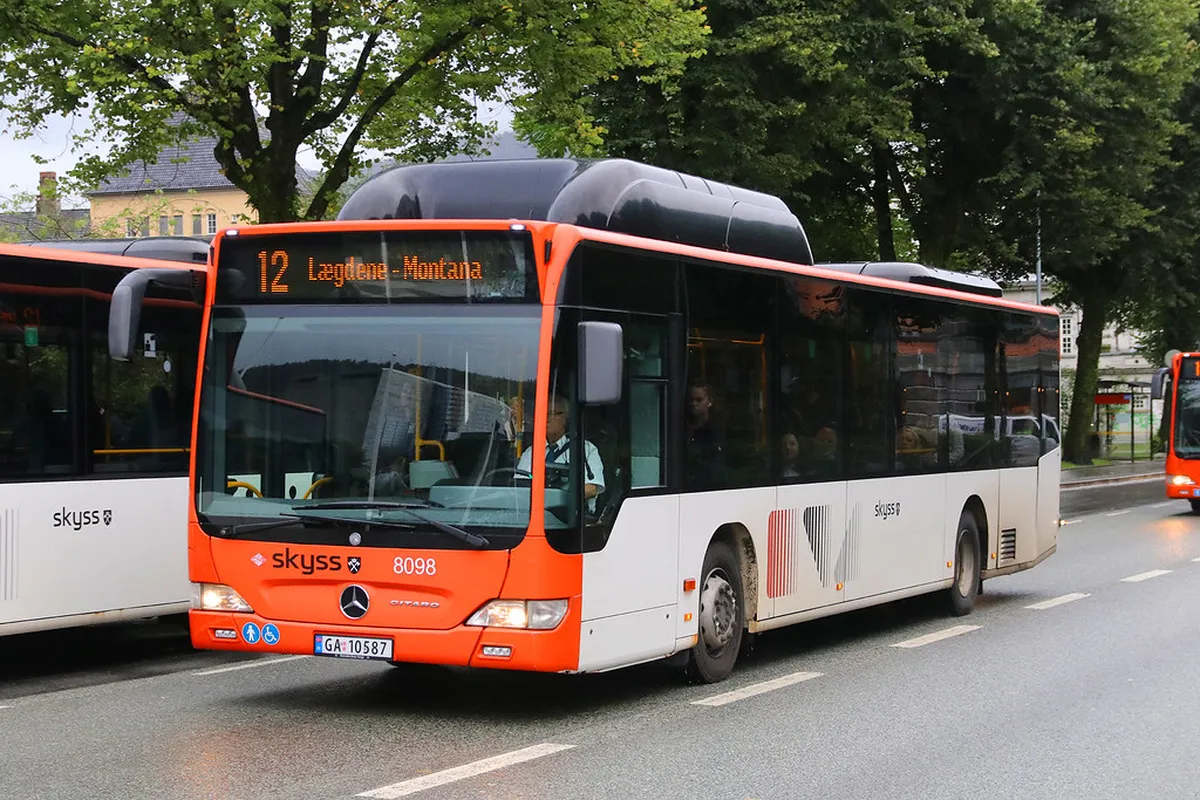
For day-to-day planning during your trip, use the Skyss Reise app (or the travel planner at skyss.no) as your primary tool. It shows live departure boards, flags disruptions, and lets you adjust the transfer buffer time in settings — useful in Bergen where the light rail and buses do not have guaranteed connections. Google Maps is fine for a quick sense of which stop to head for; the Skyss app is what you open when you actually need to catch a specific departure.
The Skyss Reise app also displays the city bike map and electric scooter locations directly, so you can switch modes mid-journey if a service is delayed. Download it before you arrive — it works offline for timetable lookups, though live disruption alerts require a data connection.
Taking Local Buses and Regional Trains
Local buses fill the gaps where the light rail does not reach, especially in the northern neighborhoods of Sandviken and Åsane. Regional trains run from Bergen station to nearby towns like Arna and Voss, making them useful for day trips into the surrounding countryside. Both are covered by your Zone A Skyss ticket for the sections within the Bergen municipality.
Many buses feature low floors and ramps to accommodate passengers with limited mobility, prams, or heavy luggage. The flex area near the rear door is the designated space for wheelchairs (priority), then prams, then bicycles. Night buses run on weekends, so getting back from evening events in the center is straightforward.
For group travel on buses, Skyss asks groups of fifteen or more to notify the operator at least 24 hours before the journey. Buying regional train tickets for destinations outside Zone A in advance through Vy is usually cheaper than purchasing onboard.
Using Passenger Ferries and Boats
The small Beffen ferry provides a charming and historic way to cross the harbor between Bryggen and Nordnes. Regional express boats depart from the Strandkaiterminalen for destinations further along the coast and into the fjords. Water transport offers a unique perspective of the city skyline and the surrounding mountain peaks.
Beffen operates on a frequent schedule during the summer months but has limited hours in winter — check current times before relying on it for a specific crossing. Larger passenger ferries to island destinations and regional towns require separate tickets not covered by the Zone A Skyss pass. Children under twelve may not travel by boat alone and must be accompanied by someone over sixteen.
If you are traveling with a mobility need on a boat route, accessibility varies significantly between vessels. Contact Skyss customer service in advance for any route outside the Beffen harbor crossing, and they will confirm whether the specific vessel can accommodate a wheelchair or pram.
Taxis and Rideshare Options in Bergen
Taxis are readily available throughout Bergen but are generally the most expensive transport option. You can find taxi ranks at the airport, the main train station, and near major shopping centers. Booking through Bergen Taxi ensures a regulated fare; Uber also operates in the city and offers a familiar app-based alternative for international visitors.
Prices for taxis are regulated but increase during late-night hours and public holidays. Most drivers accept major credit cards, making it easy to pay without carrying local currency. Taxis are the best choice for groups traveling together with significant luggage, or for late arrivals when the Bybanen is no longer running.
Pets travel free on all Skyss public transport, but taxis have their own rules — confirm with the driver when booking if you are traveling with a dog.
Airport Transfers: Bybanen, Flybussen, or Taxi
Getting from Bergen Airport Flesland to the city center is a decision between cost, speed, and luggage comfort. The Bybanen Line 1 is the cheapest option at around 44 NOK for a single Zone A ticket. The journey takes approximately 45 minutes to Byparken, with frequent stops along the way — every five to six minutes during daytime hours.
Flybussen airport coaches offer a faster journey of roughly 30 minutes with fewer stops and more dedicated overhead space for large bags, at a cost of around 150–200 NOK per adult in 2026. A private taxi costs 500–800 NOK for the same door-to-door trip, taking 20–25 minutes depending on traffic. For small groups of three or four splitting the fare, a taxi can become competitive with Flybussen on a per-person basis.
| Option | Cost (2026) | Journey Time | Frequency | Best For |
|---|---|---|---|---|
| Bybanen Line 1 | ~44 NOK | 45 min | Every 5–6 min | Budget travelers, light luggage |
| Flybussen | 150–200 NOK | ~30 min | Every 15–20 min | Heavy bags, direct to hotel stops |
| Private Taxi | 500–800 NOK | 20–25 min | On demand | Groups, late-night arrivals |
If you are arriving late at night after the Bybanen stops running (typically around 01:00 on weekdays), Flybussen or a taxi are your only realistic options. Reviewing intercity transport options covers all arrival methods including ferry and express train from Oslo.
Traveling with Prams, Wheelchairs, and Pets
Bergen's public transport is well set up for families and mobility-limited travelers, but there are practical rules worth knowing before you arrive. Prams travel free on all buses and Bybanen services if space is available. The driver has final say on whether the flex area has room — wheelchair users take priority, then prams, then bicycles and other luggage.
Wheelchair users will find the Bybanen fully accessible: step-free boarding from every platform, a blue door button to extend opening time, and securement straps onboard. City buses in the Bergen urban area have low-floor ramps at rear doors. From July 2026, Skyss has committed to making all buses in outer regions including Sogn and Sunnhordland fully wheelchair accessible — useful to know if you plan day trips beyond the city.
Pets travel free on all Skyss services provided they are on a lead or secured in a carrier and do not disturb other passengers. The only exception is express coach and express boat services, which may have separate rules. If your pet causes a disturbance, drivers and crew are entitled to remove the animal from the vehicle.
Navigating Bergen During Major Events
Major festivals like Bergenfest — held each June — lead to crowded transport and temporary changes to standard bus routes. Extra departures are typically added to the Bybanen schedule to move large crowds efficiently. Walking is often the most reliable way to navigate the center when streets are closed for stages or parades.
Check the Skyss app or skyss.no/avvik for real-time route alerts during your stay. Some bus stops may be relocated to adjacent streets to accommodate pedestrian-only zones. Using the light rail is generally better than buses during events because it avoids surface road congestion entirely. For a full overview of Bergen's summer attractions and events, visit the official Bergen tourism site.
Booking accommodation in Bergen near a Bybanen stop pays dividends during event weekends — you can join and leave the festival center on your own schedule without relying on roads that may be closed or gridlocked.
Frequently Asked Questions
Is public transport free with the Bergen Card?
Yes, the Bergen Card provides free unlimited travel on all Skyss buses and the Bybanen light rail within Zone A. This makes it an excellent value for visitors planning to see multiple attractions. You can find more details on our Bergen Card review page.
How do I pay for the light rail in Bergen?
The easiest way to pay is through the Skyss Billett mobile app before you board the train. You can also use ticket machines located at every stop for credit card payments. Cash is not accepted on any light rail vehicles or city buses.
Can you use Uber in Bergen?
Uber is available in Bergen and offers a convenient alternative to traditional taxi services for many travelers. You can book rides directly through the app just as you would in other major cities. Prices are competitive but often higher than public transport options.
What is the cheapest way to get from Bergen airport to the city?
The Bybanen light rail (Line 1) is the most affordable way to travel from the airport to downtown. A single ticket costs around 44 NOK and covers the entire 45-minute journey. This is significantly cheaper than the Flybussen or a private taxi.
Do I need a car in Bergen?
Most visitors do not need a car because the city center is compact and public transport is excellent. Parking in the city can be very expensive and difficult to find during peak tourist seasons. A car is only recommended if you plan to explore remote fjord areas not served by buses or ferries.
Mastering the transport system is key to enjoying everything this beautiful coastal city has to offer.
Whether you choose to walk the historic streets or ride the modern light rail, getting around Bergen is stress-free once you understand Zone A and the 90-minute transfer window.
Deciding whether Bergen is worth it becomes easy when you see how accessible the city is for tourists of all mobility levels.
Download the Skyss app before you land, pick your airport transfer method from the comparison above, and your first day in Bergen will run smoothly.
You might also like
Continue reading
More guides you'll find useful