15 Best Things to Do in Bergen When It Rains (2026)
Don't let the weather ruin your trip. Discover the 15 best things to do in Bergen when it rains, from KODE museums to indoor fjord cruises and local secrets.
On this page
15 Best Things to Do in Bergen When It Rains
After four visits to the Norwegian coast, I have learned that the rain is not a spoiler — it is the city's natural state. Bergen sees precipitation roughly 239 days a year, but this mostly arrives as a fine maritime mist rather than a day-long downpour. With the right plan, you can move between world-class museums, historic churches, and warm cafes without ever feeling like the weather has beaten you.
This guide covers every indoor and weather-resilient activity worth your time in 2026, with current prices and opening hours. Check the Yr.no Bergen weather forecast before you head out — the precipitation graphs are far more accurate than general weather apps for reading exactly when a shower will pass. Yr.no is the Norwegian meteorological service, so locals trust it above everything else.
You should also read the seasonal weather guide before you pack, especially if you are visiting outside summer. Many classic sites are within a ten-minute walk of each other, so a well-timed dash between buildings keeps you drier than any umbrella. The Visit Bergen official rainy day list is a reliable companion for checking seasonal hours.
Is Bergen Really as Rainy as People Say?
The city sits in a geographic bowl surrounded by seven mountains that trap moist Atlantic air coming in off the North Sea. Bergen records precipitation on about 239 days per year on average, with November being the wettest month — often clocking over 260 mm. That said, the rain rarely lasts all day without breaks, and it almost never falls as heavy continuous rain for hours.
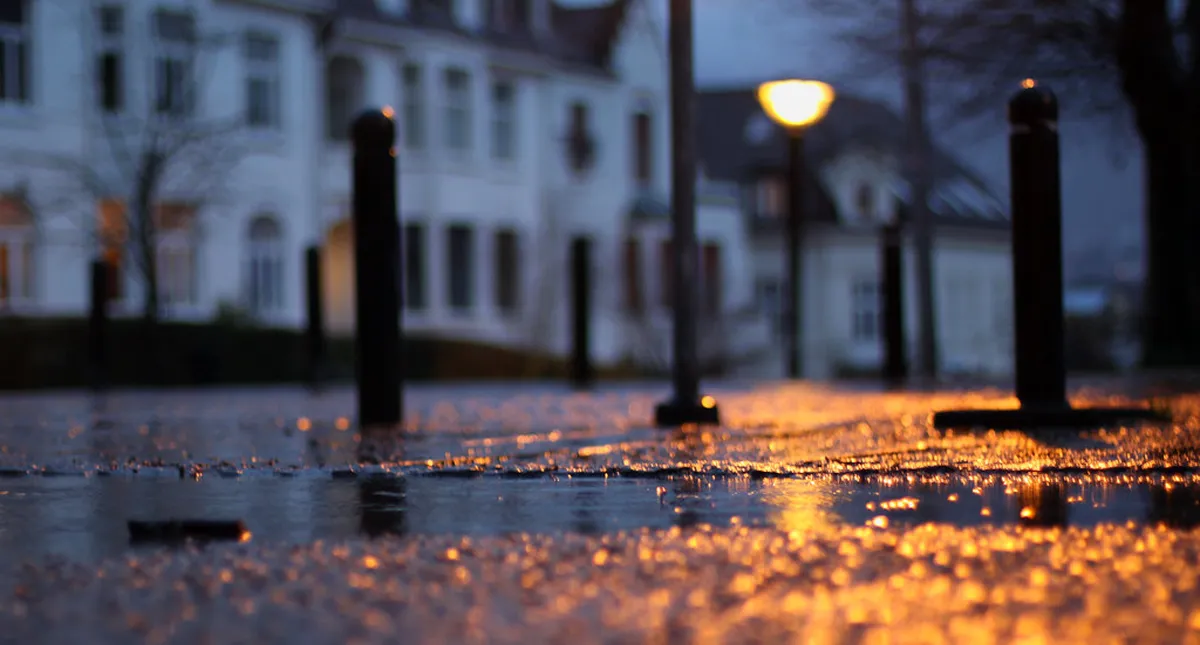
The Gulf Stream keeps temperatures surprisingly mild even when the clouds roll in heavily. Most precipitation arrives as a light coastal spray or a drizzle that feels more atmospheric than inconvenient. Locals do not own umbrellas — the coastal wind makes them useless — but every local owns a proper waterproof shell jacket.
Bergen's precipitation days are tracked precisely by Yr.no, the Norwegian Meteorological Institute. Use the Yr.no app or website to check the rainfall graph by hour — most "rainy" days have two to four clear windows of 30–60 minutes that are perfect for dashing between museums or grabbing lunch outdoors.
The practical upshot: plan your itinerary assuming you will get some wet time outdoors, but count on multiple windows of dry weather throughout the day. A good layering system matters as much as waterproofing, because damp cold seeps through quickly in January and February. A merino base layer, a midlayer fleece, and a hardshell outer jacket is the standard local combination.
Umbrellas are useless in Bergen — the wind will destroy them within minutes. Invest in a proper waterproof hardshell jacket with a hood before you arrive, or buy one locally. Wool socks are equally critical; cotton socks stay wet and cause blisters in damp conditions. Most outdoor shops in Bergen stock all this gear, but Norwegian retail prices are steep.
What to Know Before Visiting Bergen in Winter
Bergen's winter season runs roughly from November through March. Daylight is short — just five to six hours in December — so plan your outdoor moments in the middle of the day and use the long evenings for museums and dining. Most major indoor attractions keep their full hours through the winter, though some smaller sites reduce opening days to four or five per week.
The Bergen Card (24h, 48h, or 72h) covers free or discounted entry to most indoor museums and unlimited travel on the Bybanen light rail, including the airport connection. On a rainy day itinerary hitting KODE, VilVite, the Aquarium, and the Maritime Museum, the 24-hour card at around 395 NOK typically pays for itself by the second attraction. Pick it up at the tourist information office at Strandkaien 3 or download the digital version before arrival.
Book any fjord cruise at least 48 hours ahead, since indoor-seating boats fill quickly in shoulder season. Restaurants at Bryggen do not require reservations for lunch on weekdays, but dinner booking is advisable at weekends. If you arrive without heavy waterproofs, the outdoor gear shops on Strandgaten stock Helly Hansen and Bergans at full Norwegian retail — expensive, but the quality justifies it.
Getting Around Bergen Without Getting Soaked
The Bybanen light rail is the single most useful tool for staying dry while moving around the city. It connects Bergen Airport directly to the city center and continues south to Flesland, with covered platforms at every stop. The ride from the airport to Byparken takes about 45 minutes and costs 50 NOK — far cheaper than a taxi, and completely sheltered once you are on board.
For moving around the central core, use the city's natural corridors. Walk from the Fish Market through Galleriet shopping mall into the bus terminal — this covers most of the distance between Torget and the KODE museums without a single exposed step outside. The Galleriet food court on the upper floor has large glass windows facing the square, making it a useful refuge to wait out a heavy shower with a coffee.
Bus stops in the city center are fitted with glass shelters and digital displays, so waiting is tolerable even in sideways rain. Most major museums cluster around the Lille Lungegårdsvann lake, meaning the walk between KODE 1, KODE 2, and KODE 3 is just two to four minutes between buildings. Keep your Bergen Card on your phone for contactless boarding — physical card readers and app both work on all city buses and the light rail.
Explore the KODE Art Museums
KODE is one of the largest art museum complexes in Scandinavia, spread across four buildings along the lake in the city center. The combined collection runs to over 50,000 works, including one of the world's most significant holdings of Edvard Munch paintings outside Oslo. A single day ticket covers all four buildings and typically costs between 160 and 200 NOK for adults; it is free with the Bergen Card.
Start with KODE 3 and the Rasmus Meyer Collection, which holds the core of Norwegian Golden Age painting — Munch, J.C. Dahl, and Harriet Backer in one building. Then cross to KODE 2 for applied art and design, which tends to have shorter queues. KODE 1 houses decorative art and the composer Edvard Grieg's piano, giving the complex a musical dimension that few art museums can match.
Practical note: the buildings are open Tuesday through Sunday from 11:00 to 17:00 (some from 11:00 to 16:00 in low season — confirm on kodebergen.no before visiting). The Lysverket restaurant inside KODE 2 is an excellent — if expensive — lunch option, serving seasonal Norwegian seafood in a stunning room. Allow a minimum of three hours to move through the collection at a comfortable pace.
Discover Medieval History at Bryggens Museum
Bryggens Museum is built directly over the foundations of Bergen's oldest buildings, excavated after a fire in 1955 revealed the city's 12th-century bones beneath the modern street level. You walk through glass-floored sections above the actual archaeological dig, which is one of the more unusual museum experiences in Norway. Entry costs around 100 to 130 NOK, and the Bergen Card gives free access.
The Hanseatic Museum and Schøtstuene sit adjacent to Bryggens Museum and can be visited on the same ticket. These assembly halls show how German Hanseatic merchants lived and traded in Bergen for over 400 years, and the dark timber interiors feel particularly appropriate on a gray, damp afternoon. Both sites are open daily from 10:00 to 16:00 in the main season, with reduced days in deep winter.
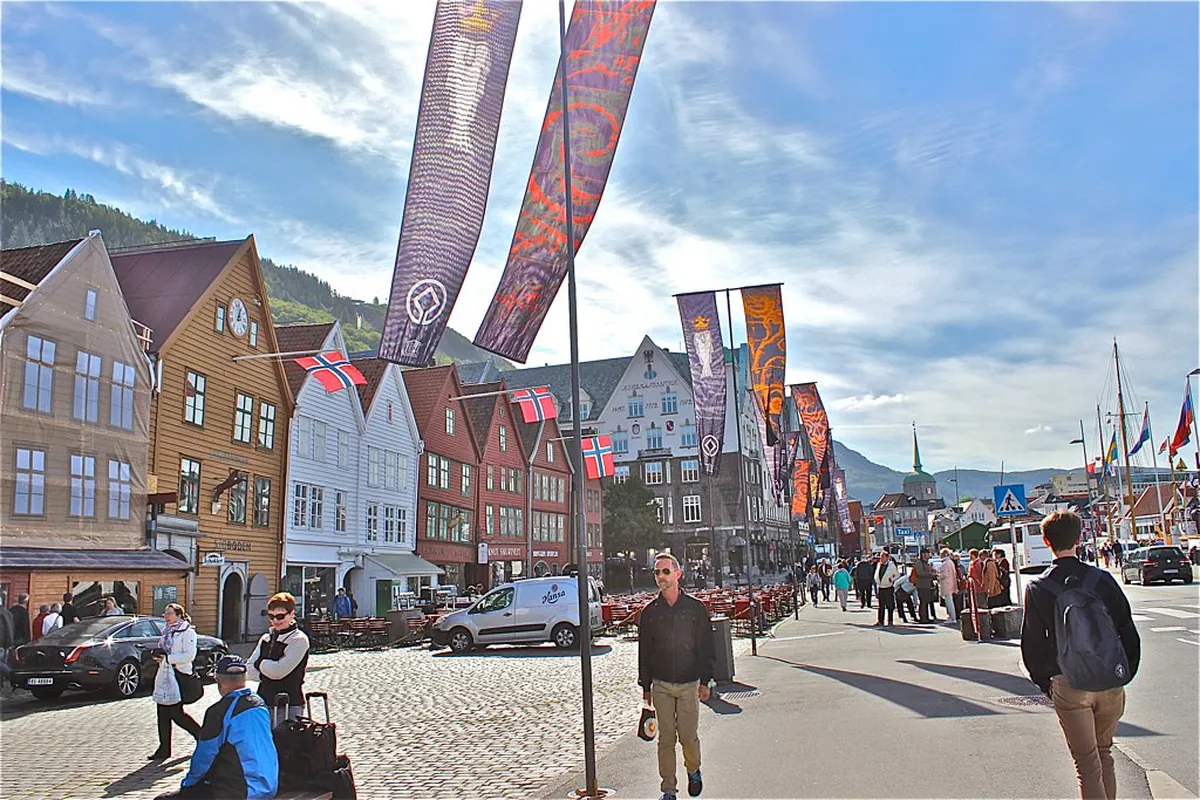
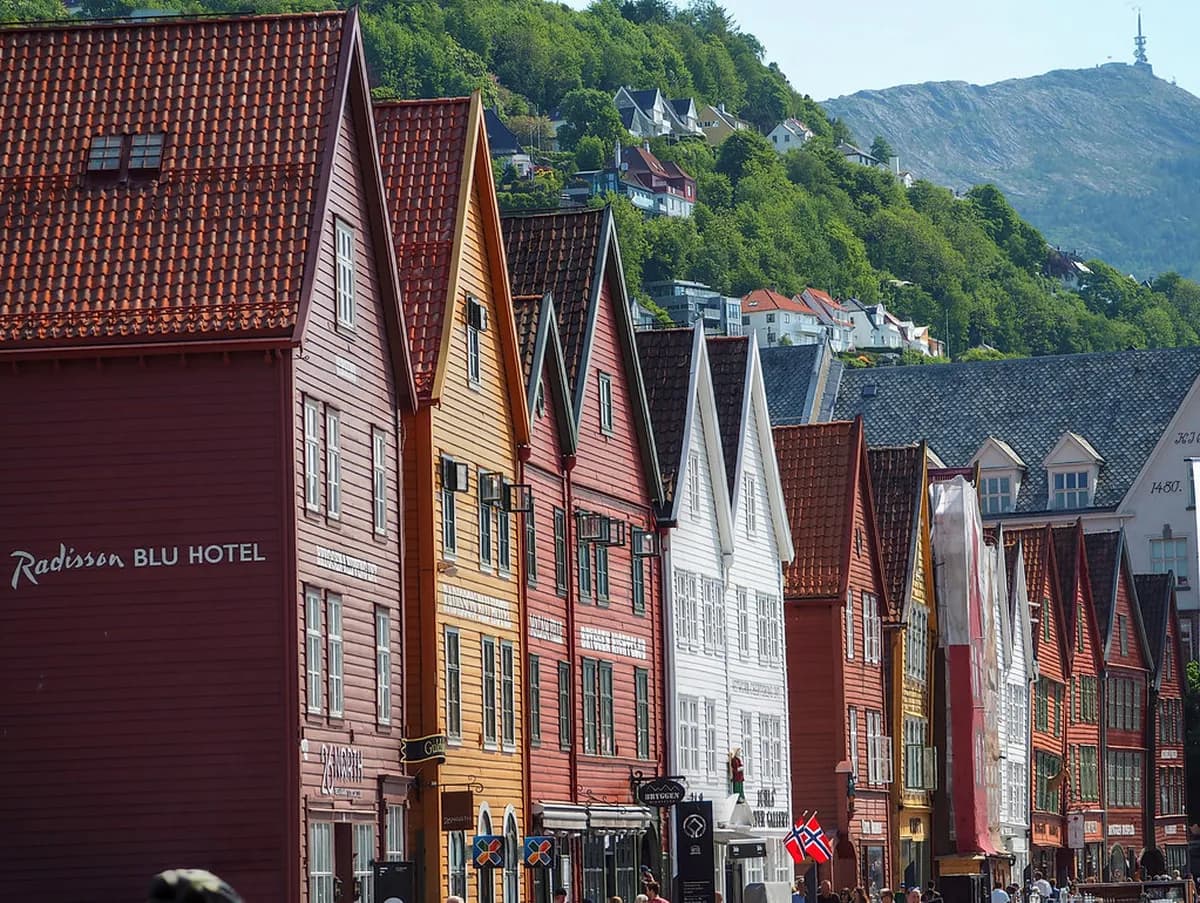
The surrounding Bryggen wharf itself is also worth a covered wander. The narrow wooden alleys between the historic buildings are partially sheltered by the overhanging upper floors, and many of the small shops and artist studios inside them stay open regardless of the weather. Read our complete Bryggen exploration guide for the best passages to explore and what to look for inside.
Visit the Historic St. Mary's Church
Mariakirken — St. Mary's Church — is the oldest surviving building in Bergen, dating to the early 12th century, and one of the best-preserved Romanesque stone churches in Norway. The thick stone walls make it genuinely silent inside, a striking contrast to the wind and rain outside. Entry is modest, usually 50 to 80 NOK, and the church is open for visitors on weekdays from 10:00 to 16:00.
The interior highlights are the ornate baroque pulpit from 1676, carved from alabaster and wood, and the medieval triptych altarpiece behind the main altar. Both are far more detailed than the modest exterior suggests. The Hanseatic merchants who ran Bryggen used this church as their primary place of worship, adding a commercial-history dimension that connects it directly to the nearby museum sites.
The church sits at the northern end of Bryggen, making it a natural first or last stop when touring the wharf area. A visit takes 20 to 30 minutes, which makes it an easy addition to a morning museum circuit without adding much distance. Note that the church sometimes closes for services on Sundays — check the notice board outside before paying entry on a Sunday morning.
Get Interactive at Bergen Science Centre VilVite
VilVite is Bergen's interactive science center and the top pick for families on a rainy day. The exhibits cover energy, the ocean, physics, and — fittingly — weather, with a hands-on approach that keeps children engaged for two to three hours. Entry is 180 to 220 NOK per person, and the Bergen Card gives free admission in winter (check seasonally on vilvite.no). The center is open daily from 10:00 to 17:00.
The Weather Station exhibit is the best meta-activity the city offers on a wet day. It explains exactly why Bergen's mountain bowl traps moisture from the Atlantic and why rainfall patterns here differ so sharply from coastal cities at similar latitudes. Children can run hands-on experiments with wind and precipitation models — genuinely educational rather than just entertaining.
VilVite sits in the Mindemyren area, a short Bybanen ride south of the city center. It is a deliberate destination rather than a walkable diversion, so combine it with the nearby Lagunen shopping center if you want to extend the dry-time streak. The science center also runs guided demonstrations at set hours during school terms — check the schedule on arrival at the front desk.
Meet the Locals at Bergen Aquarium
Bergen Aquarium (Akvariet) is the largest aquarium in Norway, sitting at the tip of the Nordnes peninsula about a 20-minute walk from Bryggen. The indoor tanks hold penguins, sea lions, tropical fish, crocodiles, and snakes — a range that keeps families with varied interests happy for several hours. Standard adult tickets run 290 to 320 NOK; children pay roughly half price. The aquarium is open daily from 10:00 to 18:00 in summer, shortening to 10:00 to 16:00 in winter — confirm on akvariet.no before going.
The sea lion and penguin feeding sessions happen at set times mid-morning and early afternoon, and the indoor presentation rooms are heated and comfortable. The penguin enclosure is an enclosed indoor-outdoor space, so the birds are visible regardless of the weather outside. This is one of the few Bergen attractions where the Bergen Card does not give free access — it provides a discount of around 10 to 15%, so check whether buying separately or using the card saves more on the day.
The walk to Nordnes along the waterfront is pleasant in light rain because the buildings on Nøstegaten and Skuteviken provide partial shelter. If the rain intensifies, city bus 11 runs directly from the city center to the aquarium entrance and is covered by the Bergen Card and light rail pass.
Learn Sea Secrets at the Maritime Museum
The Bergen Maritime Museum (Sjøfartsmuseum) is one of Norway's oldest specialist museums, tracing thousands of years of seafaring history with model ships, original Viking-era artifacts, and detailed documentation of Bergen's role as the country's most important port city. Tickets cost 100 to 140 NOK; the Bergen Card gives free entry. Opening hours are typically 11:00 to 15:00 daily, reduced on weekends in winter.
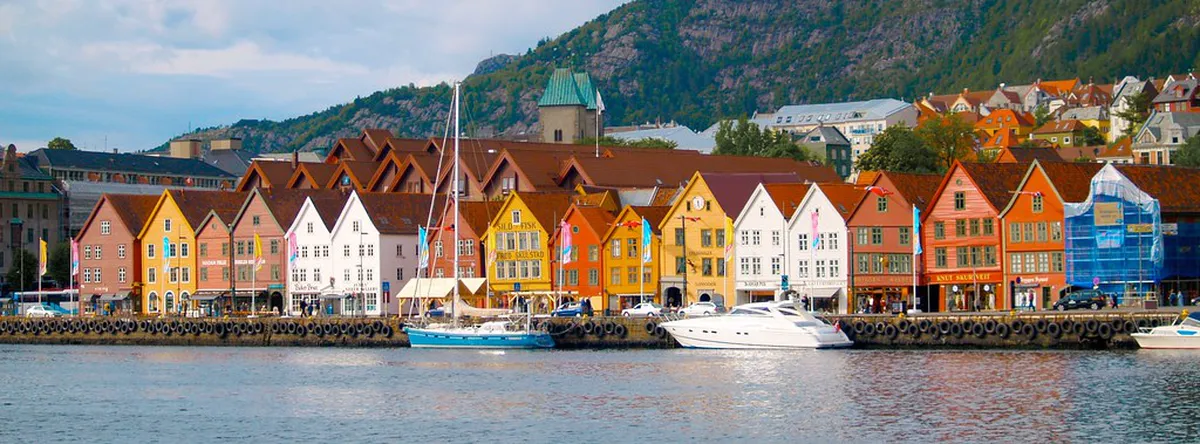
The main hall has large windows that look directly over a gray, rain-swept harbor — the view reinforces the maritime theme in a way that sunshine never could. The model ship collection includes hand-built replicas spanning from Norse longships to 20th-century steamers, each labelled in English. The museum is quieter than KODE on most days, making it a good choice if you want space to think rather than crowd-navigate.
The museum is located in Sydneshaugen, about a ten-minute walk from the KODE complex. Combining it with KODE and Bryggens Museum in a single day creates a cohesive historical arc from the medieval Hanseatic period through modern Norwegian seafaring. Allow 45 to 60 minutes for a thorough visit.
Chill Out at the Magic Ice Bar
Magic Ice is a sub-zero gallery and bar where the entire interior — sculptures, furniture, and drinking glasses — is carved from ice. Entry costs around 250 NOK and crucially includes a thermal poncho and insulated gloves at the door, so you do not need your own cold-weather gear to enjoy it. This makes it a genuinely gear-agnostic rainy day stop regardless of what you brought from home.
The gallery features large-scale ice sculptures themed around Norwegian culture and Norse mythology, refreshed each season. The bar serves drinks in ice-carved cups, and the temperature inside is a steady minus five degrees Celsius. Operating hours are generous — typically 11:00 to 23:00 — which makes it one of the few high-quality evening options that does not depend on the weather clearing.
Magic Ice is located near the Fish Market at Strandkaien, making it easy to combine with an indoor meal at Mathallen before or after. Spend 30 to 45 minutes inside to appreciate the sculptures without becoming genuinely cold, even in the provided poncho. Children under five years old enter free, and the visual spectacle holds their attention even if the bar element is not relevant.
Go on an Indoor Shopping Tour in Bergen
Bergen has two main shopping destinations that double as dry-weather corridors. Galleriet mall sits at Torgallmenningen in the heart of the city center, directly accessible from the main square without crossing any exposed ground. It holds Norwegian and international brands across multiple floors, with a food court on the upper level that faces the square through floor-to-ceiling windows. Hours run 09:00 to 21:00 on weekdays and 10:00 to 18:00 on Saturdays.
Lagunen Storsenter, one of the largest malls in Norway, is a bigger destination a short Bybanen ride south of the city. The light rail drops you directly at the mall entrance, meaning the entire journey stays dry. Lagunen opens at 10:00 and closes at 21:00 on most days, and the range of stores covers everything from outdoor gear to electronics and Norwegian craft goods. The food hall here is significantly larger than Galleriet's and includes sit-down restaurants.
For something more local, the Bryggen alleys hold small independent shops selling Norwegian woolens, ceramics, and Sami-inspired jewelry. These narrow covered passages provide shelter even without going into the shops themselves. Budget one to two hours for a relaxed circuit from Galleriet through Torgallmenningen to Bryggen and back.
A Taste of Bergen Indoors: Cafes, Soup, and the Local Skillingsboller
Bergen has its own variant of the Scandinavian cinnamon roll called the Skillingsboller — slightly larger and spiced a little differently to the Norwegian standard. The best place to eat one in context is Det Lille Kaffekompaniet, the oldest and smallest cafe in the city, tucked beside the Fløibanen funicular entrance at Vetrlidsallmenning 1. The place seats around fifteen people, the coffee is excellent, and it closes early on rainy afternoons once the rolls run out, so arrive before noon.
Kaffemisjonen on Øvregate is the go-to for serious coffee and a longer sit — a specialty roaster with seating built around waiting out a shower. For something more substantial, Søstrene Hagelin on Strandkaien serves Bergen fish soup and homemade fish cakes at prices well below what the tourist-facing fish market stalls charge. The soup here is a slow-simmered coastal version with root vegetables, considered by locals to be the benchmark for the dish in the city.
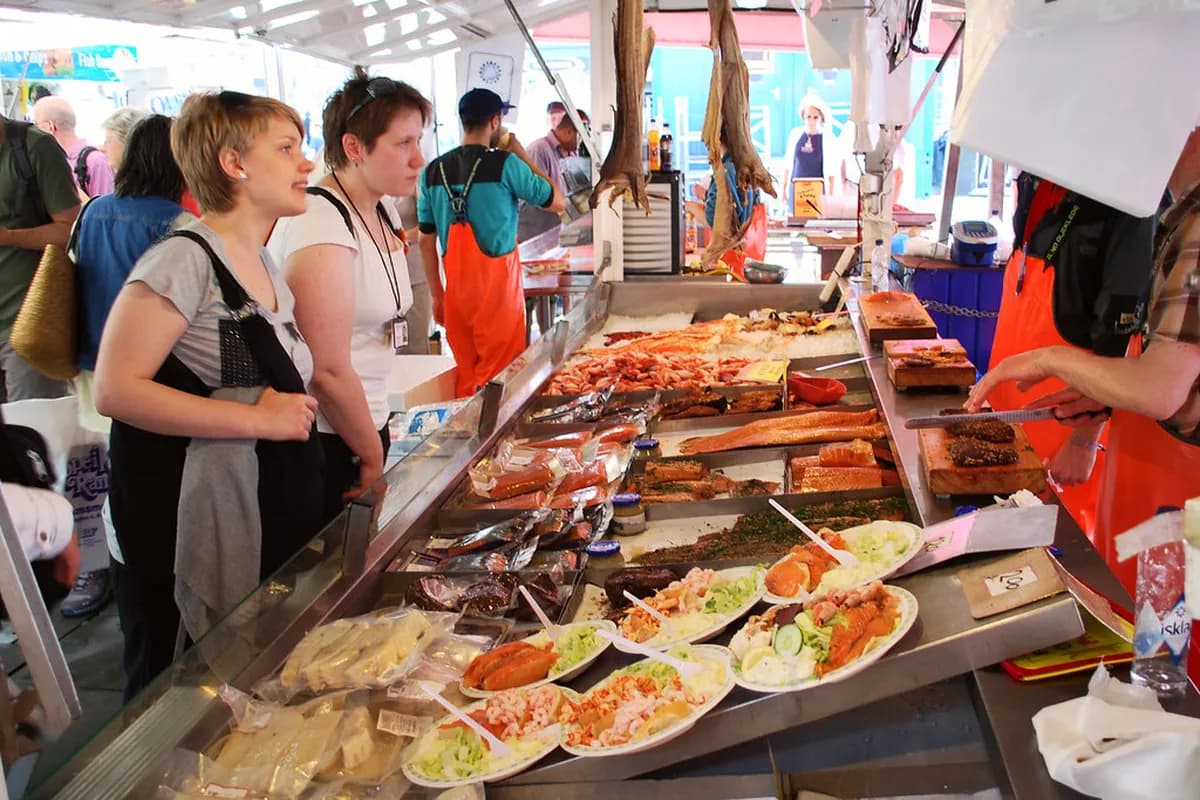
Mathallen — the indoor fish market hall at Torget — is open daily from 10:00 to 21:00 and gives you access to fresh seafood in a climate-controlled space. A meal at one of the Mathallen counters runs 250 to 500 NOK depending on choices. This is also where to try Norwegian winter staples like kjøttkaker (meat patties) and traditional fish cakes if you want a warming lunch between museum stops.
Take a Fjord Cruise Through the Mist
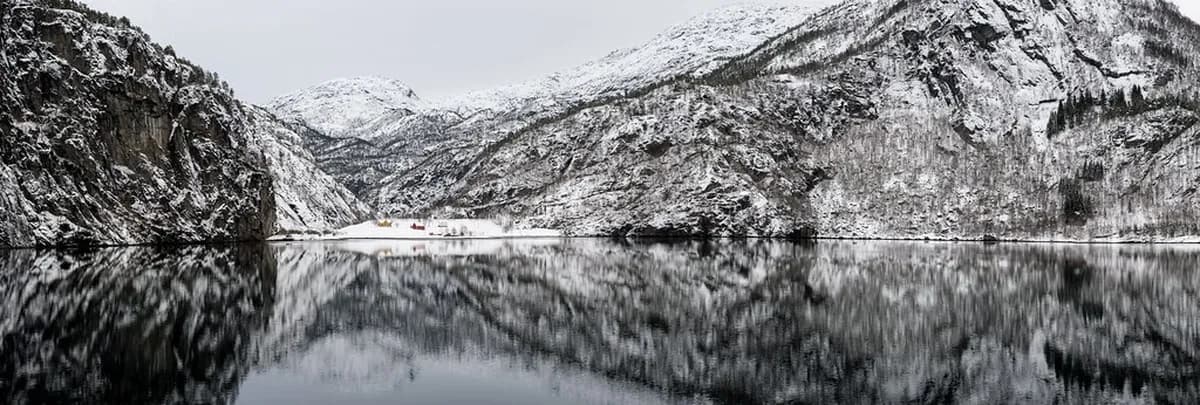
The Mostraumen fjord cruise is the most popular single-day excursion from Bergen and runs daily regardless of weather. The boats have large heated indoor salons with panoramic windows, so you see the narrow fjord walls, waterfalls, and stave church ruins without exposure to wind or rain. Tickets cost 750 to 850 NOK per adult, with departures typically at 10:00 and 14:00 from the central pier at Strandkaien. Read our Mostraumen cruise guide for booking details and what to expect on board.
The mist actually adds visual drama on this cruise. Waterfalls along the Osterfjord system run higher and faster after sustained rainfall, and low cloud rolling between the mountain walls creates a moody atmosphere that clear-sky photos cannot replicate. Many experienced Norway travelers specifically prefer this route in overcast conditions.
The Norway in a Nutshell itinerary — combining the Flåm Railway and Nærøyfjord ferry — is another strong rainy-day option because both the train and ferry segments are primarily covered experiences. The heated train carriage on the Flåm Railway travels one of the most dramatic mountain descents in Europe, and indoor seating on the Nærøyfjord ferry is comfortable even in rough conditions. Book this combination at least 48 hours ahead in peak season.
Rain-Friendly Day Trips from Bergen
Voss, about 90 minutes east by train, is a practical rainy-day trip for its indoor ski lodge culture and the Voss Gondola, which runs even in wet weather as a scenic lift experience. The town's riverside restaurants are a notch calmer than Bergen's tourist-facing options, and the train journey through Hordaland's river valleys is scenic in low cloud. A return train ticket from Bergen costs roughly 250 to 350 NOK depending on advance booking.
Fantoft Stave Church is a closer option, accessible by Bybanen line 1 to the Fantoft stop and a five-minute walk following signs from the station. The stave church was rebuilt after a 1992 fire and now looks as it did in its 12th-century original form. The surrounding woodland path is manageable in light rain, and the church structure itself provides some shelter at the entrance. Entry costs 50 NOK and the site is open April through October.
Troldhaugen — the villa and museum of composer Edvard Grieg — is about 20 minutes from the city center by public transport (Bybanen to Hop, then a short walk). The villa, composer's hut, gravesite, and the Troldsalen concert hall are all enclosed. Small chamber concerts take place at Troldsalen most days in season, and attending one is one of the most atmospheric indoor experiences near Bergen, especially on a wet afternoon. Entry and concert together cost around 200 NOK.
Two Things You Should Skip on Rainy Days
Mount Ulriken is the highest of Bergen's seven mountains at 643 meters, and its summit viewpoint is frequently consumed by thick cloud when it rains. The Ulriken643 cable car still operates in most rain conditions, but paying 330 NOK for a round trip to stand in zero-visibility fog is a common tourist mistake. Check the Yr.no forecast for the Bergen mountains specifically — it shows cloud ceiling altitude, which tells you whether the viewpoint will be above or below the cloud line before you commit.
The Stoltzekleiven hiking trail should be avoided during or immediately after rain. This steep urban trail rises over 500 meters in under two kilometers, and the stone steps become dangerously slippery when wet. Bergen's mountain rescue service regularly assists hikers on this route in poor conditions, and even experienced hikers with proper footwear can find the descent genuinely difficult. Save Stoltzekleiven for a dry, clear day.
The Fløibanen funicular is still worth taking even in rain, with one key distinction: ride to the station at the top and stay inside the summit cafe for the view rather than venturing out to the exposed wooden viewing platforms. The cafe at the summit has panoramic windows that frame the harbor and city center, and you are more likely to be below the cloud ceiling on Fløyen (425 m) than on Ulriken (643 m). A cinnamon roll and coffee inside the summit cafe while watching the cloud roll in over the harbor is a perfectly satisfying Bergen experience.
Is the Bergen Card Worth It for Rainy Days?
The rainy-day math strongly favors the Bergen Card. A 24-hour card costs around 395 NOK for adults (2026 pricing — confirm at the tourist office). KODE entry alone is 160 to 200 NOK, VilVite runs 180 to 220 NOK, and the Maritime Museum adds 100 to 140 NOK. Those three sites together exceed the card price before you factor in the free unlimited light rail travel that eliminates taxi costs between attractions.
The card also covers the Bergen Philharmonic Orchestra concerts at Grieghallen at a discount — worth knowing if you are planning an evening out after a day of museum-hopping. Free access to the Bergenhus Fortress museums and the Rosenkrantz Tower adds further value for history-focused visitors. The 48-hour card at around 545 NOK makes sense if you are spending two full wet days in the city.
Buy the card at the tourist information office at Strandkaien 3 (open daily from 09:00 to 20:00 in summer, shorter hours in winter) or download the digital version before you travel. It activates on first use, so you can buy it in advance and start the clock when you first tap it on a bus or museum entry. The digital version on your smartphone also doubles as a contactless transport card, which saves fumbling for a physical card in the rain.
Frequently Asked Questions
Is Bergen the rainiest city in Europe?
Bergen is frequently cited as one of Europe's rainiest cities due to its 239 days of annual precipitation. However, many coastal cities in Scotland and Ireland experience similar total rainfall amounts. The city's infrastructure is perfectly adapted to keep visitors dry.
Can you still do a fjord cruise if it is raining?
Yes, fjord cruises operate daily regardless of the rain. The boats feature large indoor lounges with panoramic windows for comfortable viewing. Rainfall actually makes the waterfalls along the fjords much more dramatic and impressive.
What is the best indoor activity in Bergen for kids?
The Bergen Science Centre VilVite is the top choice for children on rainy days. It offers dozens of interactive exhibits and a specialized weather station. The Bergen Aquarium is another excellent indoor option for families.
Bergen is a city that embraces its weather, and you should do the same during your visit. By focusing on the incredible museums, indoor markets, and sheltered historic streets, you can have a full experience without getting soaked. The rain is part of what makes the colored timber buildings of Bryggen glow, the waterfalls run hard, and the cafes feel genuinely worth sitting inside.
Pack a good hardshell jacket, download the Yr.no app, grab a Bergen Card, and let the gray coastal light work in your favor. For more on planning around monthly weather patterns, the guide covers what to expect from October through April in detail. And if you want a full rainy-day companion for families, our family activities guide lists the best activities by age group.
You might also like
Continue reading
More guides you'll find useful