10 Essential Tips for Norway In A Nutshell From Bergen
Plan your Norway in a Nutshell trip from Bergen with our DIY booking guide, route highlights, and local tips for visiting the Fish Market and Kode museums.
On this page
10 Essential Tips for Norway In A Nutshell From Bergen
I have navigated the steep tracks of the Flåmsbana many times over the last decade. This guide reflects current 2026 prices and transport schedules for the region. My first trip was a frantic 11 PM arrival where I barely caught the last local bus.
Taking this scenic iconic fjord loop is the most iconic way to see the fjords. This legendary route combines trains, buses, and ferries into one seamless, scenic day of mountain travel. Travelers often choose between the official tour package or booking each individual leg themselves.
Bergen serves as the perfect gateway for this loop, offering easy access to the deep Nærøyfjord. You will see snow-capped peaks, cascading waterfalls, and tiny villages that feel frozen in time. This article covers the logistics you need to master the circuit without the typical tourist stress.
At a Glance: Norway in a Nutshell from Bergen
- Duration: 11–14 hours (round trip, same day)
- Route order: Bergen → Voss → Gudvangen → Flåm (ferry) → Myrdal → Bergen
- Independent cost: NOK 1,400–1,600 (~$130–150)
- Official package cost: NOK 2,698 (~$255)
- Best months: May, June, September (July is peak crowded)
Understanding the Norway in a Nutshell Route from Bergen
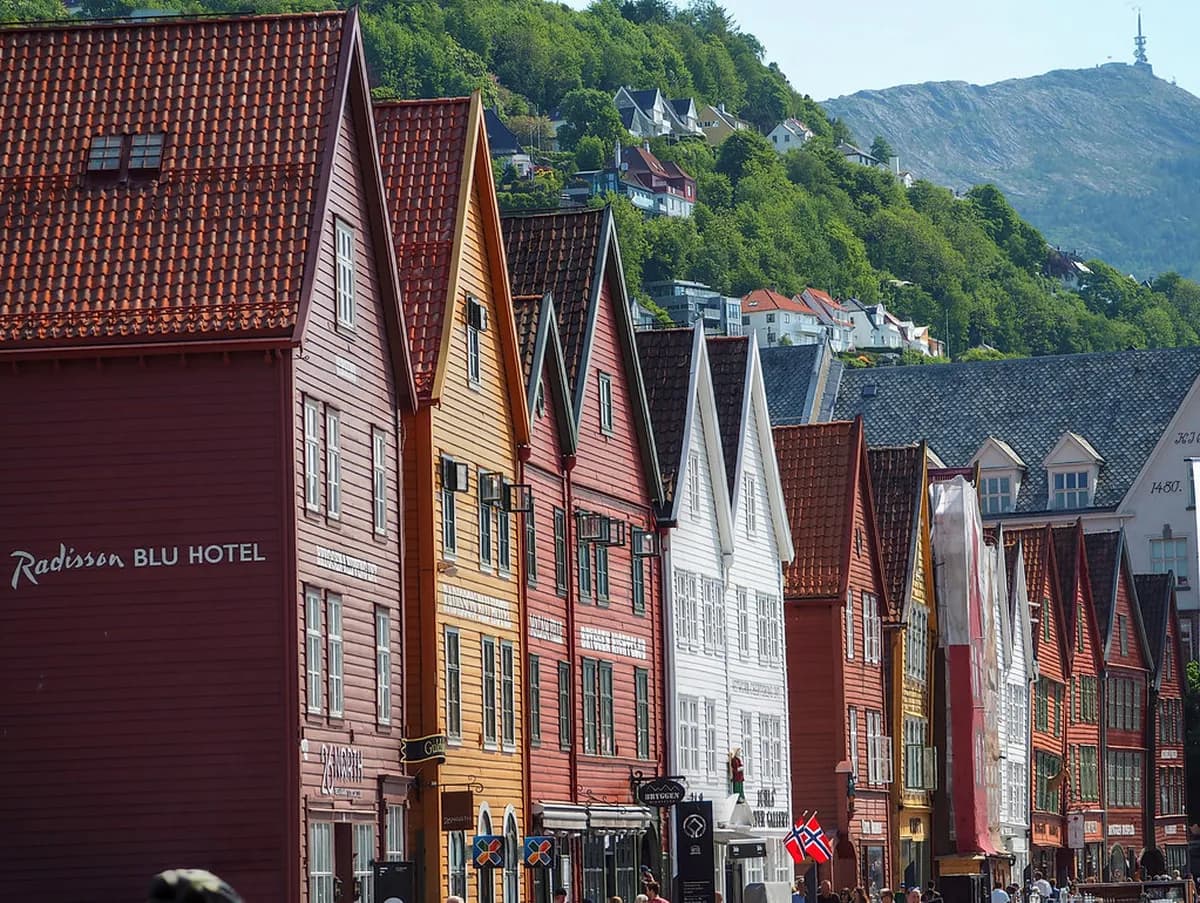
The classic loop starts at Bergen Railway Station and heads east toward the high mountains. Most travelers take the Bergen Railway to Voss before switching to a bus for the descent into Gudvangen. The path is designed to be completed in a single day of about 12 to 14 hours.
From Gudvangen the route transitions to an electric ferry cruise through the UNESCO-listed Nærøyfjord to Flåm. You then board the steep Flåmsbana mountain railway up to Myrdal, where you reconnect with the mainline Bergen Railway back to Bergen. The total loop covers some of the most dramatic elevation changes in Northern Europe.
Checking the Norway in a Nutshell map helps visualize the circular path through the mountains. The route runs year-round, though summer (June through August) offers the most frequent connections. Winter trips provide a stark, icy beauty but require careful attention to shorter daylight hours and reduced bus frequencies.
Planning your arrival and transport to Bergen efficiently is your first step before booking. The city centre is compact and Bergen Railway Station is easy to reach from most hotels. I recommend arriving at the platform at least 20 minutes before your morning departure.
| Leg | Mode of Transport | Duration | Key Detail |
|---|---|---|---|
| 1. Bergen to Voss | Bergen Railway train | ~2 hours | Book via Vy app; reserved seats essential in summer |
| 2. Voss to Gudvangen | Bus 950 | ~45 minutes | Stalheimskleiva road (13 hairpins) — sit right side for views |
| 3. Gudvangen to Flåm | Electric ferry (Nærøyfjord) | ~2 hours | UNESCO World Heritage fjord; quietest leg of the day |
| 4. Flåm to Myrdal | Flåmsbana mountain railway | ~55 minutes | 20 tunnels, 900m elevation gain; book first (sells out months ahead) |
| 5. Myrdal to Bergen | Bergen Railway train | ~2 hours | Hardangervidda plateau views; rest lap of the circuit |
Official Tour vs. DIY: Booking the Fjord Route Independently
The official Fjord Tours package costs NOK 2,698 per adult and NOK 1,204 per child under 16 for the 2026 season. It combines all legs into a single booking, which is genuinely useful if you want zero coordination risk. The trade-off is that you travel on the same buses, ferries, and trains as every other tour passenger — July in particular is extremely crowded.
Booking independently can cut the total cost roughly in half. The Bergen to Voss train leg costs around NOK 240 if you book via the Vy app well in advance. Add roughly NOK 60 for the Voss–Gudvangen bus, NOK 600 for the Nærøyfjord ferry, and NOK 500 for the Flåmsbana — bringing the independent total to approximately NOK 1,400–1,600 depending on how early you book the mainline trains.
One practical note on the Vy booking website: it does not process credit cards from the United States, Canada, or Australia due to European payment security protocols. Use PayPal at checkout, or call Vy at +47 23 62 00 00 to pay by card over the phone. English speakers are handled without issue.
- Step 1 — Bergen to Voss by train: Book via the Vy app, roughly 8:00 AM departure, about NOK 240. Reserved seats fill up; book at least 2 months ahead in summer.
- Step 2 — Voss to Gudvangen by Bus 950: Walk from the train platform straight to the bus bay. About NOK 60 and 45 minutes. Sit right side for valley views.
- Step 3 — Nærøyfjord ferry to Flåm: Board at Gudvangen kai dock immediately after the bus. Around NOK 600 per adult. The 2-hour electric ferry ride is the quiet highlight of the day.
- Step 4 — Flåmsbana to Myrdal: Roughly NOK 500 and 55 minutes. Book this first — it sells out months ahead. Line up 15 minutes early for a window seat.
- Step 5 — Myrdal to Bergen by train: Around NOK 400 depending on booking date. Two hours through the Hardangervidda plateau. Rest here — you have earned it.
Platform locations at Bergen Station are clearly marked for the morning trains to Voss. Most fjord-bound trains depart from platforms 3 or 4 near the main ticket hall. Station staff are usually available from 7:00 AM to help travelers find their wagons.
Key Highlights: Nærøyfjord, Flåmsbana, and the Bergen Railway
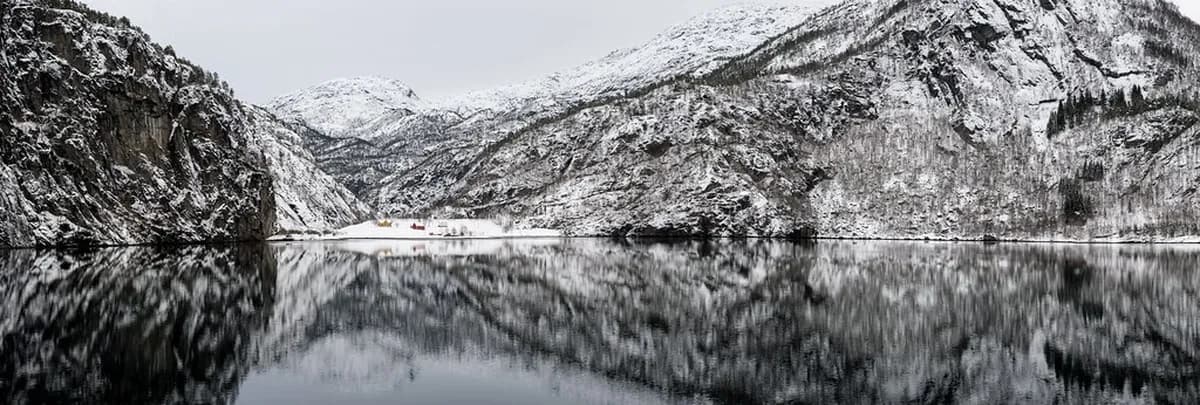
The Nærøyfjord is a UNESCO World Heritage site and one of the narrowest fjords on Earth. Sheer cliffs rise 1,800 metres above the water while waterfalls cascade down the rock faces in every direction. The silence of the electric ferry is, for most travelers, the most moving moment of the entire trip.
Engineering fans will marvel at the Flåmsbana, one of the world's steepest standard-gauge railways. It twists through 20 tunnels and climbs nearly 900 metres in less than an hour. Large windows are designed specifically for the landscape, and the train stops at Kjosfossen waterfall during summer months where a performance figure in red traditionally appears on the rocks.
The Bergen Railway connects the fjord region back to the city across the Hardangervidda plateau — the highest mountain plateau in Northern Europe. Blue-tinted glaciers are visible from the train window in clear conditions. Most travelers find this final two-hour segment a welcome rest after the intensity of the bus and ferry legs.
Comparing your options is essential for a stress-free trip. The official Official Itinerary Reference lists the standard timings that most packaged travelers follow. Booking independently gives you the flexibility to shift to early-morning or evening departures, which reduces crowd density significantly.
The Stalheimskleiva Bus Detail Most Travelers Miss
There are two bus routes between Gudvangen and Voss, and they are not the same experience. Only the bus departing from Gudvangen kai — the dock where the ferry arrives — travels the Stalheimskleiva hairpin road, one of the steepest paved roads in Norway with thirteen tight bends and stunning valley views. This is the bus that everyone wants to be on.
The other option, departing from Gudvangen E16, travels through a tunnel instead and skips the hairpins entirely. Its bus stop is also roughly 500 metres from the ferry dock, which matters if you are tired or carrying luggage after the fjord crossing. If you are booking independently, confirm at the dock that you are boarding the Gudvangen kai departure, not the E16 express.
If the Stalheimskleiva road is closed due to snow or road maintenance — which can happen outside the May-to-September core season — both bus options use the tunnel. Check road status at vegvesen.no before your trip if you are traveling in shoulder season. Packaged tour tickets default to whatever bus is running, so you may not know in advance which route you are getting.
Gudvangen: The Viking Village Worth a Stop
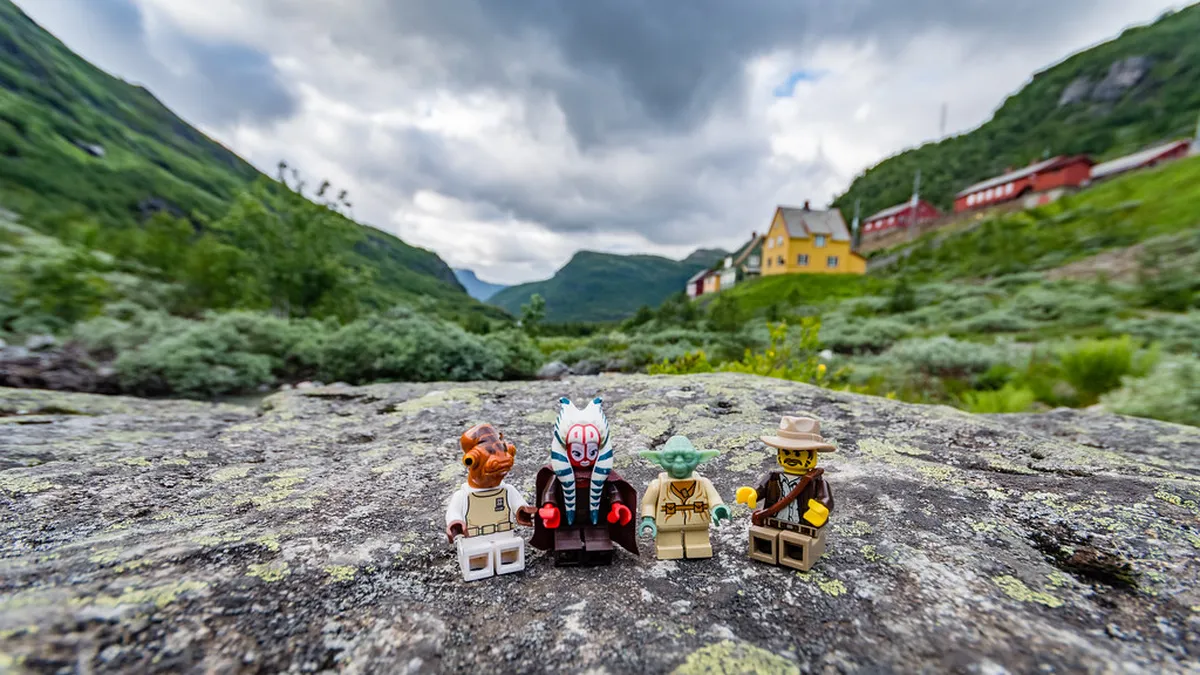
Most travelers sprint through Gudvangen toward the next transport connection and never discover that the village holds one of Europe's most unusual living-history sites. Njardarheimr Viking Village is not a museum — it is an active settlement where residents genuinely live according to Viking-era customs, crafts, and traditions year-round. Guided tours run from June to September and the guides are the residents themselves, which makes the conversations far more compelling than anything a standard exhibit could offer.
If you are booking independently, the most rewarding option is the 17:00 ferry from Flåm rather than the standard midday departure. Arriving in Gudvangen in the late afternoon gives you a quieter fjord crossing and a couple of hours to explore the Viking Village before the last bus to Voss. Staying overnight near Gudvangen — the scenery after tour groups leave is genuinely spectacular — sets you up for a morning hike before continuing.
Budget around NOK 150–200 per person for Viking Village entry. Combine it with a simple meal at the village longhouse if the kitchen is open, which beats the expensive tourist snacks at Flåm pier. This stop is best suited for history enthusiasts and families with children, but even seasoned travelers find it more memorable than another waterfall photo.
Stay Longer: How to Discover the Magic of the Fjords
Rushing the entire loop in one day can be exhausting and leaves little time to actually experience the places you pass through. I recommend staying overnight in Flåm or the quieter village of Aurland, just 10 minutes by road. This allows you to hike the Rimstigen trail at dawn for a bird's-eye view of the Aurlandsfjord that no day-tripper ever sees.
Undredal is another hidden gem, famous for its brown goat cheese and one of Norway's smallest stave churches, seating just 40 people. You can reach it by local bus or a small passenger boat from Flåm. Staying overnight means you experience the fjords after the large cruise crowds have departed — the difference in atmosphere is remarkable.
Budget roughly NOK 1,500 / ~$140 per night for a decent guesthouse in the area. Securing accommodation in Bergen for your return night is equally important. Morning light on the Aurlandsfjord is a photographer's dream that day-trippers consistently miss.
Essential Bergen Stops Before You Board
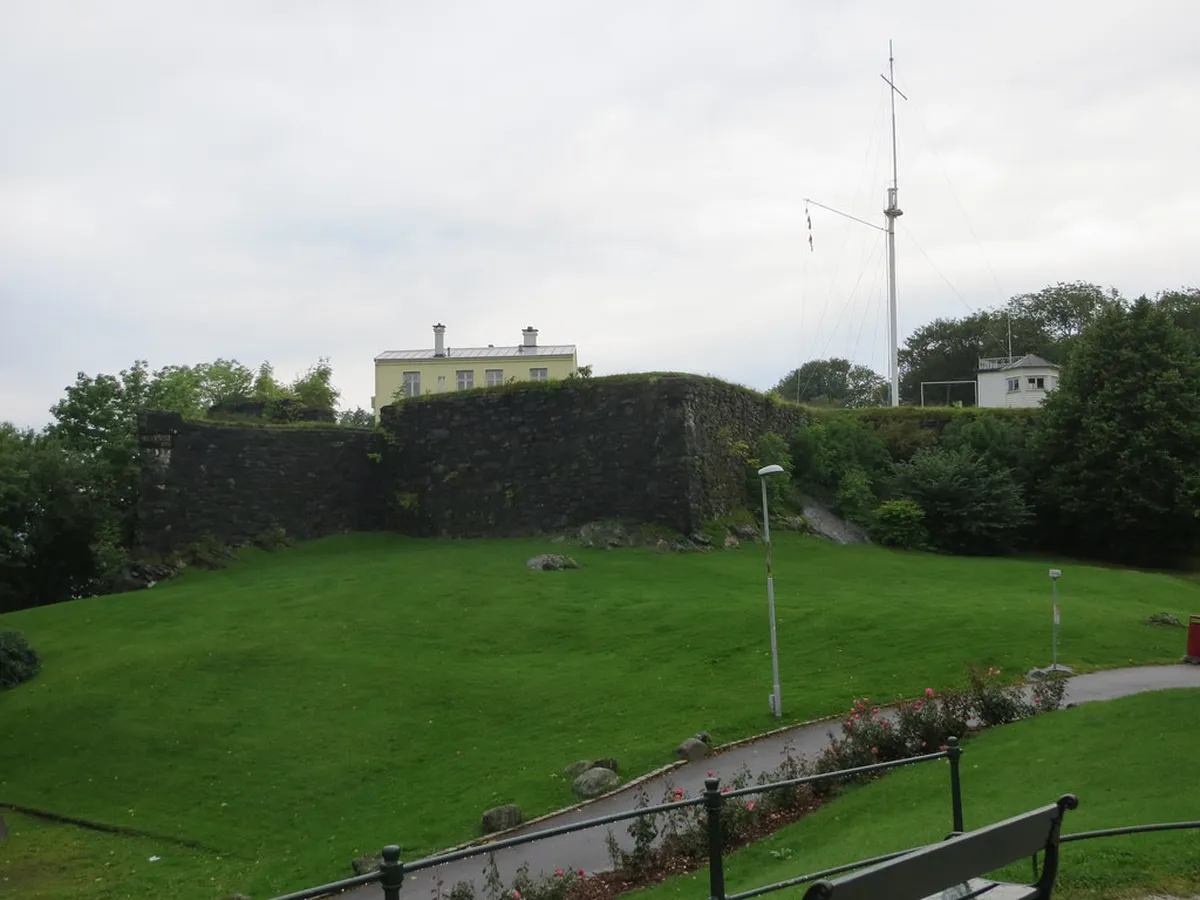
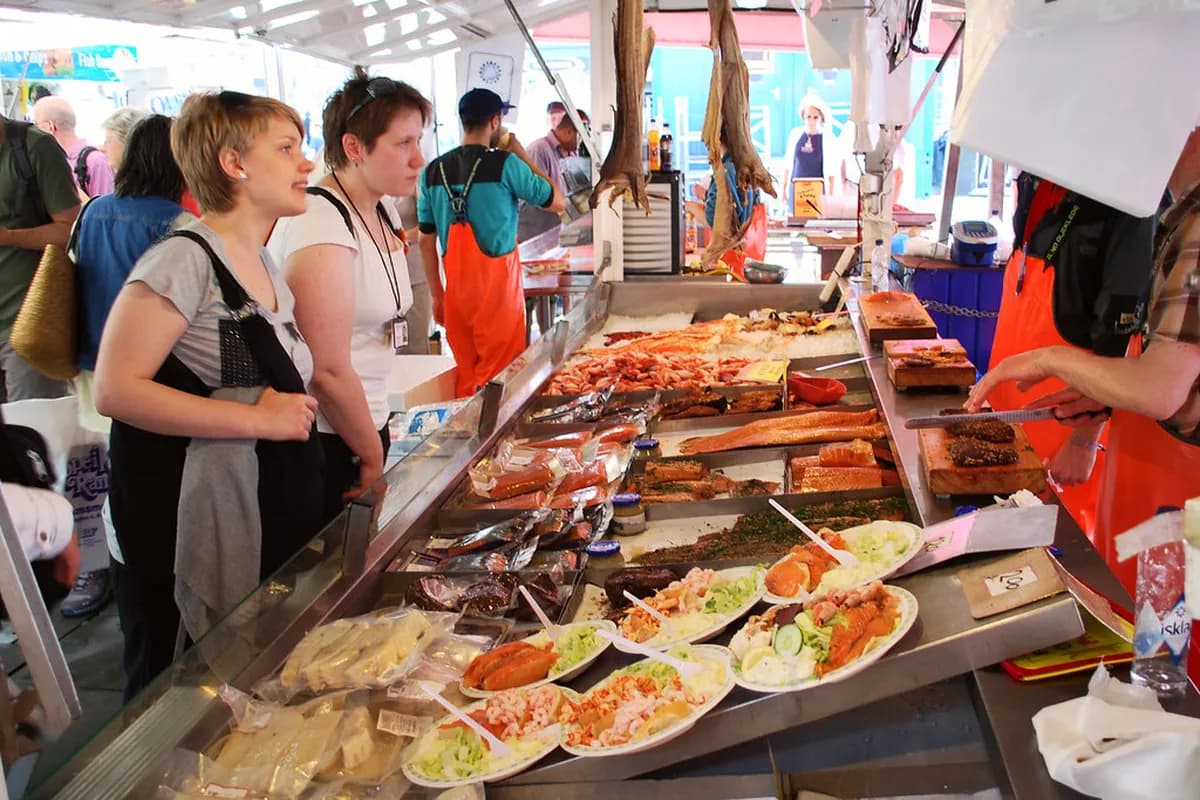
Before heading out, visit the Fish Market in Bergen to stock up on supplies for the journey. Fresh seafood wraps and local berries are ideal for a long day on trains and ferries, and the market stalls open early enough for those taking the 8:00 AM departure. Expect to pay around NOK 150 / ~$14 for a quality lunch to go — a fraction of what the same quality costs at Flåm pier.
The Bergen Cathedral is a short walk from the station and offers quiet reflection before the day's travel. This stone building dates back to the 1100s and survived several of the city's historic fires. It is usually open from 10:00 AM to 4:00 PM.
- Preparation checklist: Download the Vy and Skyss apps for digital tickets. Pack a waterproof jacket even if Bergen sun is shining. Bring a portable power bank for cameras and phones. Wear sturdy walking shoes for the transitions between trains, buses, and boats. Carry a small amount of cash for smaller village shops. Confirm your departure platform on the large station display board before the train arrives.
Cultural Hubs: Kode and the University Museum for a Full Bergen Day
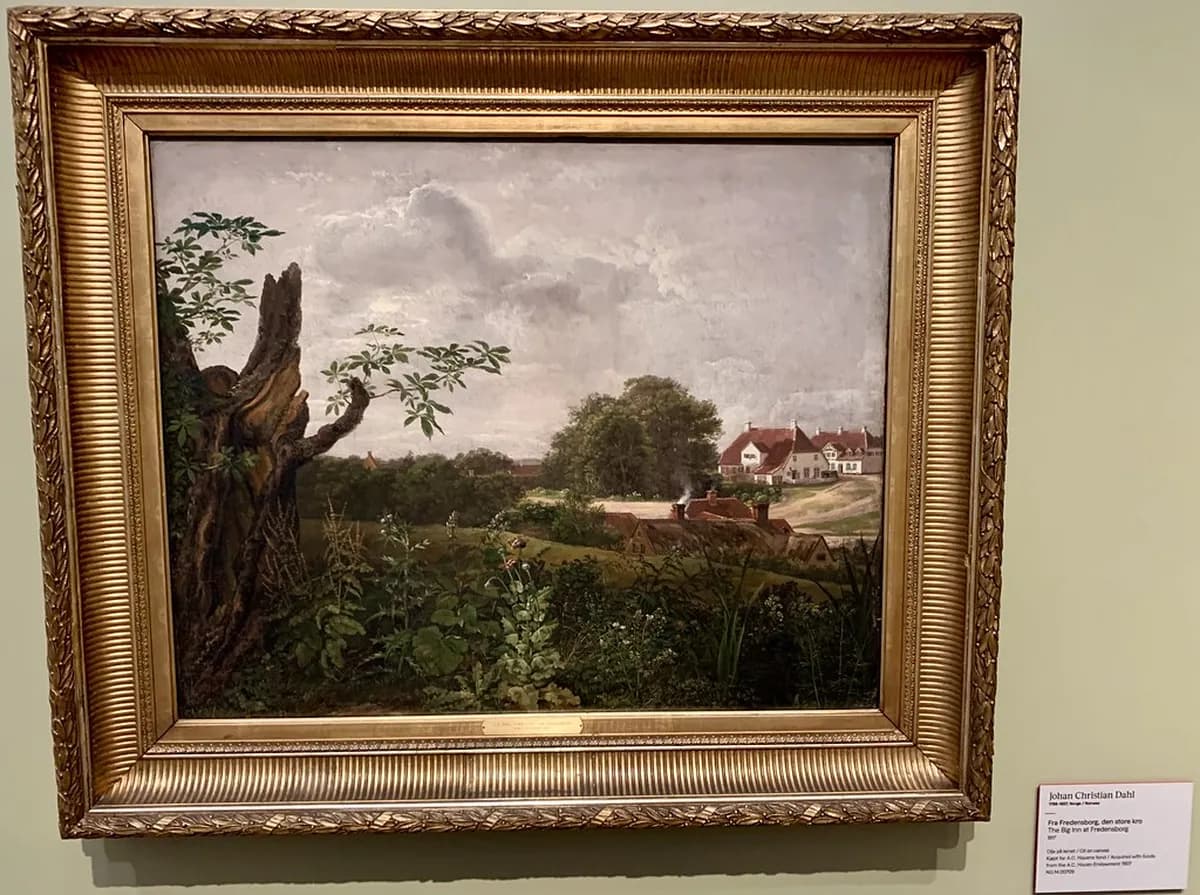
If you have a day before or after the fjord loop, the Kode Art Museum is a world-class stop. It houses one of the largest Edvard Munch collections outside Oslo and is split into four buildings along the central city lake. Best for art lovers and those seeking shelter from Bergen's frequent rain.
The University Museum of Bergen covers both natural and cultural history across two collections. The whale hall is particularly good for families with children, and the Viking-era artefacts in the cultural history wing complement a visit to the Gudvangen Viking Village nicely. Entry costs approximately NOK 150 / ~$14 for adults and is free for students.
Check whether a Bergen Card saves money on your museum itinerary — it covers both Kode and the University Museum plus public transport. Most galleries are closed on Mondays, so plan accordingly.
Driving the Route: Stalheimskleiva and Seeing Norway by Car
Renting a car is the one alternative that genuinely competes with the train-and-ferry combination, especially for groups of two or more. Car rentals in Bergen start at around NOK 1,200 / ~$112 per day, which shared between two people undercuts the per-person cost of independent public transport tickets. More importantly, driving gives you freedom to stop at remote viewpoints that buses and trains pass without slowing.
The crown jewel of a self-drive version is the Stalheimskleiva road — the same hairpin route the Bus 950 takes from Gudvangen to Voss. Thirteen sharp bends with gradient reaching 1 in 5 in places, flanked by waterfalls. You can stop the car at any bend for unobstructed views that no ferry deck or train window can match. Note that the road is open roughly May to October; outside those months, traffic is redirected through the Stalheimen tunnel.
Check our complete guide to scenic drives and excursions from Bergen for more driving route options around the wider fjord region. I recommend a car only if you are comfortable with narrow mountain roads. If you drive, consider spending a night at the Stalheim Hotel at the top of the pass — the views over the valley from the terrace are extraordinary.
Practical Tips: Timing and What to Watch Out For
The best months for the Norway in a Nutshell route are May, June, and September. July is the most crowded month by a significant margin — if you travel then, book every single leg at least two months ahead. Early May can still have snow on the high passes, which is beautiful, but check road and bus status before departure.
Book the Flåmsbana first, before the ferry and before the trains. It has the most limited capacity of any leg and sells out fastest in summer. Missing it means spending an unplanned night in Flåm — not a catastrophe, but it disrupts connections home.
- Troubleshooting common problems: If the Bergen train is delayed, tell the conductor at Voss — they can alert bus drivers. Missing the ferry in Gudvangen means a two-hour wait for the next departure. Pack extra layers; temperature drops sharply as the ferry enters the narrowest section of Nærøyfjord. Use the Skyss app for local bus alternatives if the main Gudvangen–Voss connection fails. Verify your return train time from Myrdal to avoid missing the last Bergen service of the day.
Frequently Asked Questions
Is Norway in a Nutshell worth it from Bergen?
Yes, it is the most efficient way to see the fjords. You save hours of travel compared to starting in Oslo. The route covers the best scenery in a single day.
Can I book Norway in a Nutshell legs separately?
You can book every leg independently to save money. Use the Vy app for trains and the Norled website for the ferry. This requires careful schedule planning.
How long does the Norway in a Nutshell tour take from Bergen?
The standard round trip takes approximately 11 to 14 hours. Most travelers depart Bergen at 8:00 AM and return by 9:00 PM. It is a long but rewarding day.
The Fjord Tours Reviews consistently highlight the breathtaking scale of the Nærøyfjord. Whether you choose the official package or the DIY route, the scenery remains the same. Bergen provides the ultimate base for exploring these natural wonders at your own pace.
Remember to pack for all four seasons and bring a sense of adventure. The fjords of Norway are a bucket-list destination that never fails to impress. I hope this guide helps you navigate the tracks and waters of this beautiful land.
You might also like
Continue reading
More guides you'll find useful