Can You See Northern Lights From Tromso City? (10 Best Spots)
Discover if you can see the Northern Lights from Tromso city center. Our guide covers the 10 best walking-distance spots, timing tips, and DIY vs. tour comparisons.
On this page
Can You See Northern Lights From Tromso City? (10 Best Spots)
Many travelers dream of witnessing the dancing green lights of the Arctic sky. You might wonder if you can see northern lights from Tromso city without traveling deep into the wilderness. The short answer is yes, the aurora is often visible right from the town center.
Tromsø sits directly under the auroral oval, making it one of the best places on Earth for sightings. While city lights can dim the experience, several dark pockets exist within walking distance. This guide covers exactly where to go, when to go, and whether to book a tour or head out alone.
Whether you prefer a quiet beach or a mountain peak, the city offers diverse viewing options. You do not always need an expensive tour to enjoy this natural wonder. Understanding where to go and when to look is the key to a successful chase.
The Reality of Seeing the Aurora from the City Center
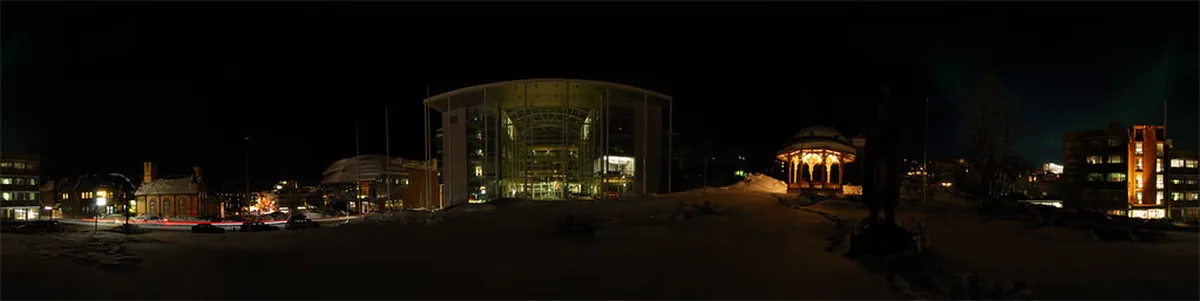
So, can you see northern lights from Tromso city when the sky is clear? When solar activity is high, the lights can appear directly over the main shopping street. However, street lamps and neon signs create significant light pollution that can wash out faint displays.
To get the best view, you should find a spot away from direct artificial light. Even moving a few blocks into a darker park makes a massive difference for your eyes. You can find more details about northern lights in Tromso to help plan your evening.
The aurora season runs from late September to early April, with the darkest and most reliable viewing window from November to February when nights last until 15:30. 2026 is a peak solar maximum year, meaning geomagnetic activity is measurably higher and displays are more frequent and dramatic.
What are the northern lights exactly? They occur when charged particles from the sun collide with gases in Earth's atmosphere at altitudes of 100 to 300 kilometers. This creates the shimmering curtains of green, pink, and violet light that draw thousands of visitors to the Arctic every winter. The phenomenon is measured by a KP index: KP 3 or above is visible from Tromsø on a clear night, and KP 5 or above can light up the whole city sky.
Local experts recommend checking the weather forecast before heading out. Clouds are the biggest enemy of any aurora hunter in the city. A clear sky is mandatory for seeing the lights from your hotel or the sidewalk, so combine the cloud cover map on Yr.no with a KP alert app before you leave.
Avalanche terrain exists on the hillside above the Sherpatrappa staircase in heavy snowfall — always check the Norwegian avalanche warning at varsom.no before ascending. Crampons are non-negotiable for the stone steps in winter.
Telegrafbukta Beach (Walking Distance)
Telegrafbukta offers beach and pier views on the southern tip of Tromsøya island. This park is a favorite spot for locals who want to see the northern lights in walking distance from Tromsø. It faces away from the city center, providing a darker horizon to the east, south, and west for photography.
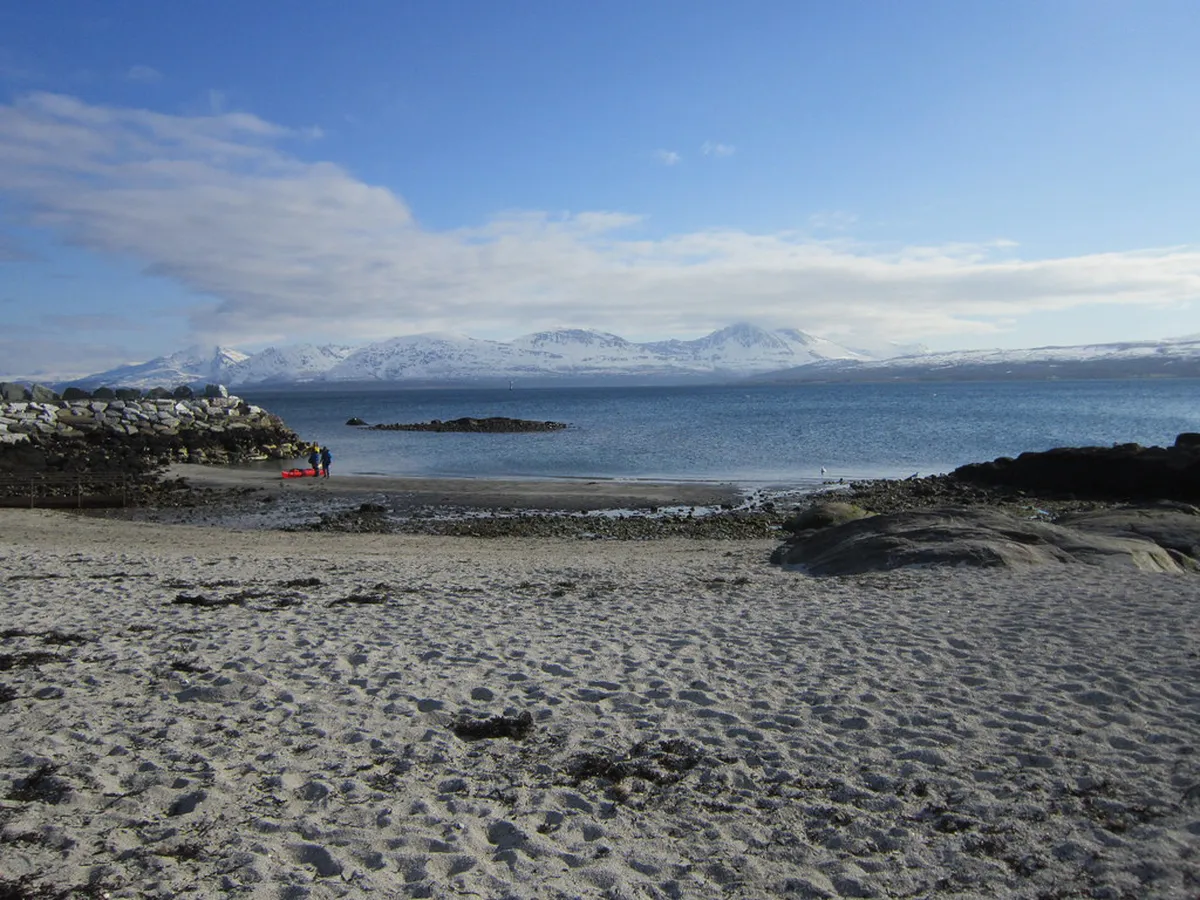
The walk from the city center takes about 35 minutes along the coastline. You can enjoy the crisp Arctic air while following the well-lit pedestrian paths. Once you arrive, the open water provides a stunning foreground for the aurora, and a small wooded area behind the beach offers a wind break on stormy nights.
This location is perfect for those who want a DIY experience without paying for transport. Take bus 33 outward and bus 34 on the return leg. The bus stop sits within two minutes of the main viewpoint, which matters a great deal when the temperature drops below -10°C and you need to leave quickly.
- Distance from center: 3 km on foot, or a short bus ride on line 33/34
- Light pollution: Low to moderate — faces away from city center
- Photography potential: Very good with wide open southern horizon
- Cost: Free public park, open 24 hours
The North Jetty (Walking Distance)
The North jetty takes you out onto the sound, providing a unique perspective of both the city and the sky. Located near the Skattøra area, this long breakwater reaches far into the water. It effectively puts a distance between you and the bright city lights behind you.
Walking out onto the jetty feels like stepping into the middle of the fjord. You will have a 360-degree view of the surrounding peaks and the northern sky. From here you can see the Arctic Cathedral and the Tromsø bridge standing together on the same frame, which makes it a favourite spot for aurora photographers.
Be careful when walking on the jetty during windy or icy nights. The spray from the ocean can make the rocks very slippery underfoot. Always wear sturdy boots with ice spikes and stay away from the edge if waves are running.
- Distance from center: 20-minute walk north along the waterfront
- Light pollution: Moderate to high — city behind you, dark horizon ahead
- Photography potential: Good, iconic Arctic Cathedral backdrop
- Cost: Free, always accessible
Prestvannet Lake (Tromsøya Island)
Prestvannet is an easy to reach island top lake located at the highest point of the city. Because it is elevated, you are often above the thickest layers of city haze. The lake is surrounded by a nature reserve that remains relatively dark at night.
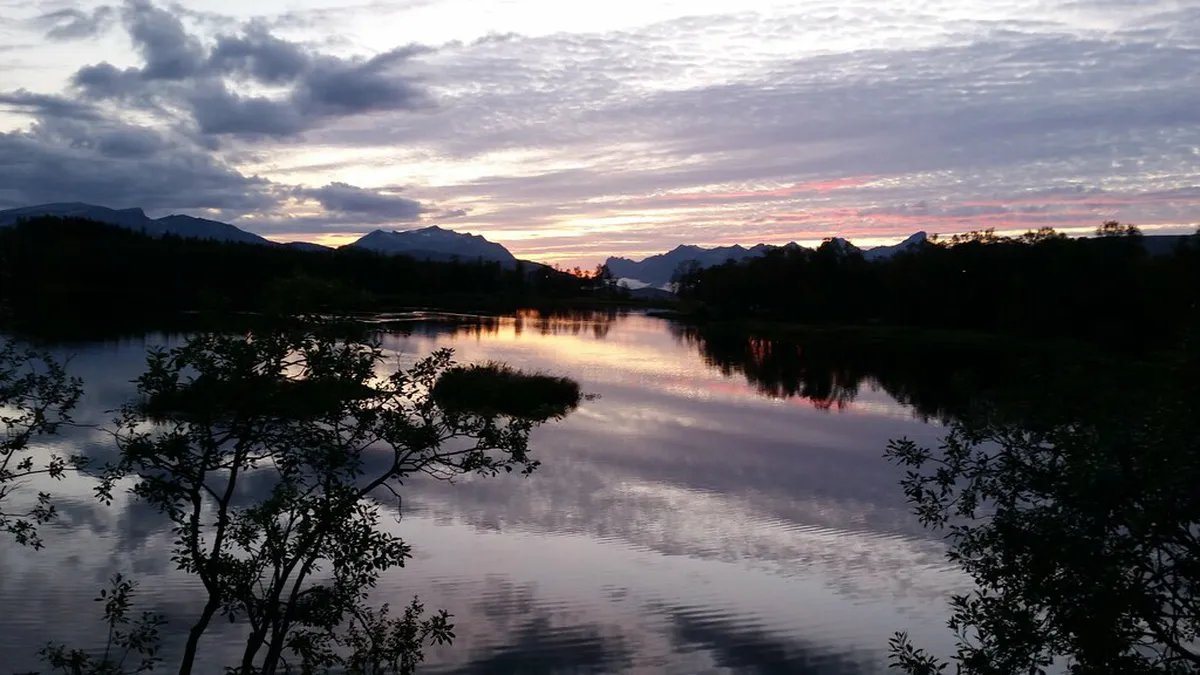
In the winter, the lake freezes over, creating a large open space for viewing. You can walk around the entire perimeter on a groomed ski trail. This is one of the best places to see the northern lights in town without leaving the island, and the frozen surface provides excellent reflection shots in calm conditions.
To reach the lake, you can take bus lines 28 or 40 to the Prestvannet stop, or enjoy a steep 20-minute walk uphill from the center. Learning about Getting Around Tromso Travel Guide will make this trip much easier for you. Note that new housing developments nearby have increased light pollution slightly in recent years, so position yourself on the western shore for the darkest sky.
Fjellheisen Cable Car (Mainland View)
Fjellheisen cable car offers the classic northern lights view from the top of Mount Storsteinen at 421 meters. You can see the entire city glowing below while the aurora dances above the peaks. It is a breathtaking sight that combines urban beauty with natural wonder.
The viewing platform is well-maintained and includes a warm cafe for chilly nights. If you want more darkness, you can hike further into the mountain plateau. Nearby, the Grønnåsen ski jumps are a unique viewing area that offers a different angle of the valley and can be reached on bus line 24 from the Echrehagen stop.
Taking the Fjellheisen cable car is a must-do activity for any visitor. The ride only takes four minutes but transports you to a completely different environment. Take bus 26 from outside Peppe's pizza in the city center and ride to the Fjellheisen stop on the mainland — check the last cable car time before heading up, as missing it means a steep walk down on an icy trail.
Sherpatrappa Staircase: The Walker's Route Up
The cable car is not the only way onto the hillside above Tromsdalen. Completed in 2019, the Sherpatrappa is a stone staircase built by Nepalese mountain trail builders that climbs from the valley floor to the cable car station at the top. It is a solid, well-engineered route, but it is unlit — bring a head torch if you plan to ascend in darkness.
The steep climb takes 25 to 35 minutes one way and generates a lot of body heat. Do not wear all your warmest layers on the way up. Pack your insulated jacket in your bag and put it on once you stop moving at the top. In winter, the stone steps are covered in snow and can be very icy, so crampons are non-negotiable. The trail is also in avalanche terrain on the hillside above; always check the Norwegian avalanche warning (varsom.no) before attempting this route in heavy snowfall.
Many visitors take the cable car up and walk down the Sherpatrappa, or vice versa. Either direction gives you a completely different experience of the mountainside. Bus route 26 to the Gaudalsvegen stop is the starting point for the valley-floor approach.
Tromsdalen Valley (Mainland Dark Spot)
Tromsdalen Valley sits on the mainland, just behind the iconic Arctic Cathedral. As you walk deeper into the valley, the mountains block the light from the city center. This creates a natural dark corridor that is excellent for aurora hunting.
There are several hiking trails and cross-country ski tracks that lead into the woods. The light pollution rating here is genuinely low — among the lowest of any spot reachable by bus from the city. The deeper you walk, the darker it gets, and the photography potential reaches excellent levels near the Red Cross cabins further in, roughly a 90-minute walk from the bus stop.
This area feels much more remote than it actually is. You can enjoy the silence of the Arctic forest while staying close to city amenities. Bus route 26 to Gaudalsvegen stop is your starting point; in winter, keep to the walking path on the side of the official ski track and always wear reflective clothing so skiers can see you.
Guided Land Tours and Regional Chases
While seeing the lights from the city is possible, joining a tour increases your chances significantly. Expert-led northern lights tours use live weather data and local knowledge to find clear skies. If it is cloudy in the city, they may drive two to three hours toward the Finnish border or into the Lyngenfjord area.
Small minibus tours (typically 6 to 14 people) cost between 1,200 and 1,800 NOK per person in 2026. They include thermal suits, hot drinks, and a guide who helps with camera settings. You can browse northern lights tours in Tromso to compare options by group size and price.
| Viewing Option | Cost (2026) | Group Size | Success Rate | Best For |
|---|---|---|---|---|
| DIY city walk | Free | Solo/groups | Varies (weather-dependent) | Budget travelers, flexible schedules |
| Minibus tour (city+regional) | 1,200–1,800 NOK | 6–14 people | 80%+ | Active chasers, one night |
| Hurtigruten cruise | 8,000+ NOK (multi-day) | Varies | High (with free-return promise) | Comfort seekers, fjord experience |
| Fjellheisen cable car | ~200 NOK roundtrip | Any | Good (if clear) | Quick check with hot cafe option |
The regional context matters for managing expectations. Tromsø sits on a coastal island and receives Atlantic weather systems that can cloud over quickly. Alta, about 4 hours east by road, has a drier inland climate and statistically clearer nights. Lyngenfjord, roughly 90 minutes from Tromsø, offers a more stable micro-climate and stunning Alpine scenery as a backdrop. Tours that chase between these areas give you the best odds on a cloudy Tromsø evening.
Hurtigruten & Arctic Cruises (The Sea Option)
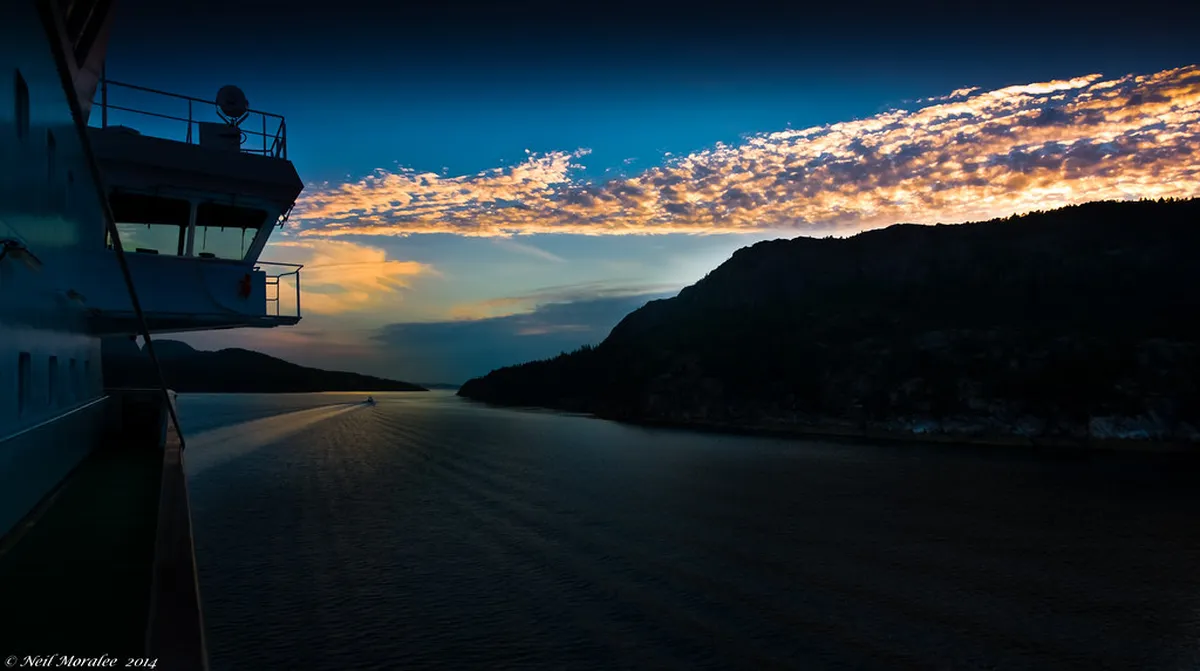
Another way to see the lights is from the deck of a ship. Being on the water provides a clear view of the horizon in every direction and puts you far from city light pollution within minutes of leaving the harbor. Hurtigruten's coastal express sails year-round and offers the Northern Lights Promise: if the lights do not appear on a qualifying voyage, you receive a free six-day return trip.
A Tromso Fjord Cruise Guide: Essential Arctic Sailing Tips is a fundamentally different product from a minibus tour. The trade-offs are real: a cruise is slower, more expensive (multi-day voyages start around 8,000 NOK per person for a cabin), and better suited to travelers who want to combine fjord sightseeing with aurora chances rather than actively chasing the lights across the landscape. A minibus tour, by contrast, costs 1,200 to 1,800 NOK for one night and goes wherever the sky is clearest right now.
The cruise wins on comfort: indoor lounges, restaurants, and a private cabin mean you are never standing in -15°C wind for three hours. The tour wins on flexibility and proximity to the aurora belt. Choose the cruise if you have four or more days and want a full coastal Norway experience. Choose the tour if your only goal is the highest probability of seeing the lights on a specific night.
Peak Timing and Winter Activities
The aurora season runs from late September to early April. The statistical sweet spot is November through February, when nights are longest and darkness begins by 15:30. You should aim for the window between 20:00 and 01:00 for peak activity, with the most intense displays often arriving in the hours around local midnight.
The ongoing solar maximum in 2026 means geomagnetic activity is measurably higher than in previous years. Displays that would have required KP 5 in a solar minimum year are now reaching KP 7 or above, pushing visible aurora further south and making Tromsø sightings more frequent and more dramatic. Check the SpaceWeatherLive app for real-time KP readings before you head out.
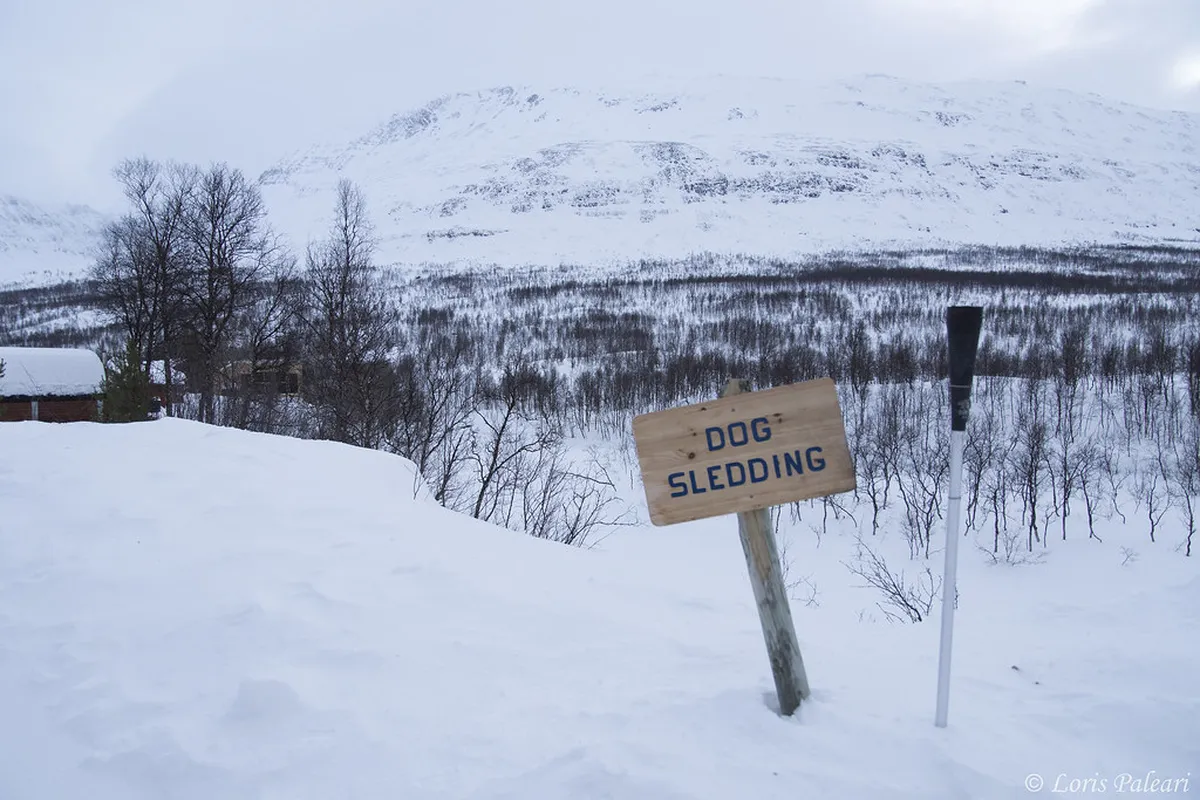
During the day, you can fill your time with dog sledding, reindeer feeding experiences, snowmobile safaris, and the Polarlightcenter in Laukvik — a dedicated northern lights museum and planetarium that explains the science and history of the aurora in detail. Knowing the best time for northern lights in Tromso helps you balance daytime activities with nighttime chasing. Rest in the afternoon so you can stay awake through the productive viewing hours.
The Two-App Check Every First-Timer Should Run
The single most common mistake first-timers make is walking out to Telegrafbukta or Prestvannet on a night when both the cloud cover and the KP index are working against them. No competitor or tour company spells this out clearly, so here is the workflow that experienced local aurora guides actually use.
First, open Yr.no and look at the cloud coverage forecast for Tromsø for the next three hours. If you see more than 50% cloud cover, do not leave your accommodation yet — wait for a window or move to the mainland where conditions may differ. Second, check SpaceWeatherLive or the AuroraWatch app for the current KP index. A KP of 2 or below rarely produces a visible display in the city even on a crystal-clear night; KP 3 to 4 gives you a decent show from the darker island spots; KP 5 and above means you can see the aurora from your hotel window if the sky is open.
Running both checks together takes 90 seconds and saves you a 40-minute walk in the cold to find nothing. If the cloud forecast is marginal but the KP is high (5+), consider taking a taxi to Fjellheisen or Tromsdalen where you can quickly check conditions and retreat to a warm cafe. This two-step habit is what separates repeat visitors who almost always see the lights from first-timers who often miss them. Monitor SpaceWeatherLive KP forecasts alongside Yr weather data for the most current conditions.
Essential Safety, Taxis, and Getting Around
Walking around Tromsø in winter requires some preparation. The sidewalks can be extremely icy, so wearing shoe spikes or crampons is highly recommended — you can buy a basic pair at any sports shop in the city for around 80 to 150 NOK. Reflective vest or bands are also vital so that drivers can see you in the dark, and they are required by common sense on any road walk after sunset.
For bus travel, download the Snerpa or Troms Billett app before you arrive. Buses rarely accept cash, and a single ticket costs around 42 NOK in 2026. Buy a day pass if you plan multiple trips across the evening. For taxis, call Tromsø Taxi on 77 60 30 00 or DinTaxi on 02045 — have the full address of your pickup point ready as dispatchers cannot send a car to a general area description.
If you find a great spot but feel too tired to walk back, taxis from Telegrafbukta or the cable car area typically cost 200 to 300 NOK for a single journey to the city center — reasonable for two to three people splitting the fare. Reviewing some 10 Essential Tromso Travel Tips: The Ultimate Arctic Guide will help you navigate these local services easily and avoid unexpected costs on a cold night.
Frequently Asked Questions
Are there any particular dangers walking around Tromsø in winter?
The main danger is slipping on black ice on the sidewalks. Always wear ice spikes or crampons on your shoes for better grip. Be careful near the water's edge at night, as docks can be very slippery. Drivers may also have trouble seeing you, so wear reflective gear.
Is it very cold in Tromsø during the aurora season?
Tromsø has a subarctic climate, but the Gulf Stream keeps it milder than other Arctic regions. Temperatures usually range from -5°C to 2°C in the winter. However, the wind chill near the water can make it feel much colder. Dress in several wool layers to stay warm.
What are the chances of spotting the lights in Tromsø compared to a tour?
Your chances are good in the city if the sky is clear and activity is high. However, tours can drive to clear spots if the city is cloudy. A tour often has a success rate of over 80%. DIY viewing depends entirely on local weather conditions that night.
How do I find out about the bus tickets for local viewing spots?
You should download the Snerpa or Troms Billett app for the easiest experience. You can buy single tickets or 24-hour passes directly on your phone. Buses do not always accept cash, so digital tickets are the standard. Check schedules on the Tromskortet website for late-night routes.
Why choose a Hurtigruten cruise over a Northern Lights tour?
A cruise offers more comfort with indoor lounges, restaurants, and private cabins. You can see the lights from the deck without standing in the snow for hours. It is a slower, more relaxing way to travel through the fjords. Tours are better for those who want active chasing.
Seeing the northern lights from the city is a realistic and rewarding goal for any traveler. By visiting spots like Telegrafbukta or Prestvannet, you can escape the worst light pollution without leaving Tromsøya island. These locations offer a perfect balance of convenience and natural beauty.
Remember to dress warmly, wear crampons, and run your two-app check before you head out. Whether you choose a DIY walk or a professional tour, the Arctic sky is ready to impress. The magic of the aurora is waiting just a few steps from your hotel door.
Tromsø remains the premier destination for anyone seeking this celestial dance. With the solar maximum at its peak in 2026, your chances of a spectacular show have never been higher. Pack your camera and get ready for an unforgettable adventure in the Arctic Capital.
You might also like
Continue reading
More guides you'll find useful