14 Best Spots for Northern Lights Near Tromso (2026)
Discover the best places to see the Northern Lights near Tromso. From the photogenic Grotfjord to the Abisko Blue Hole, plan your aurora chase with expert local tips.
On this page
14 Best Spots and Tips for Northern Lights Near Tromso
After chasing the aurora across the Arctic for five years, I have learned that location is everything. Tromso serves as a perfect base, but the real magic often happens just outside the city limits. Our editors have vetted these spots to ensure you find the clearest skies and most dramatic backdrops.
This guide was last refreshed in May 2026 to include updated transport options and current safety rules. You should check the best time for northern lights in Tromso before finalizing your winter itinerary. Success depends on your ability to escape the city's artificial glow and find a dark horizon.
I remember standing on a frozen beach last winter when the sky suddenly turned neon green. That moment only happened because we checked the cloud cover and drove forty minutes west. Official resources like Visit Norway provide great context, but local knowledge helps you avoid the crowds.
Grotfjord: The Most Photogenic Fjord Near Tromso
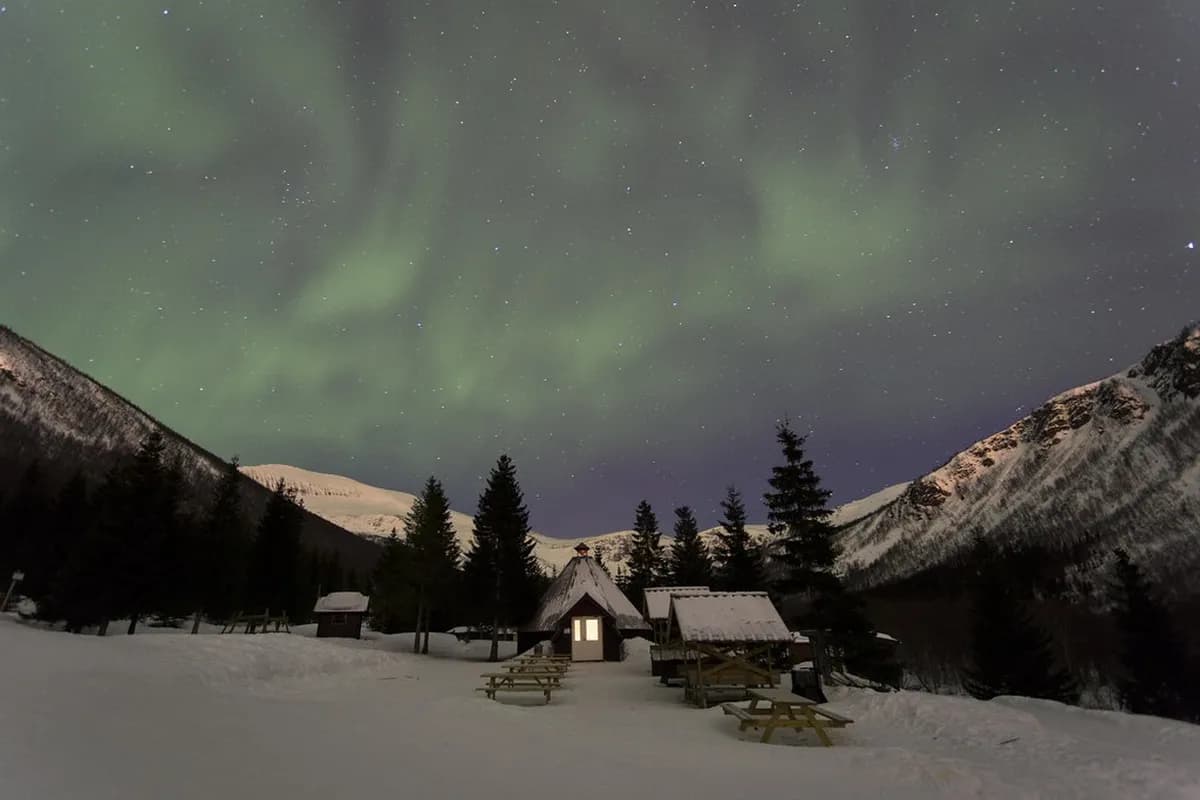
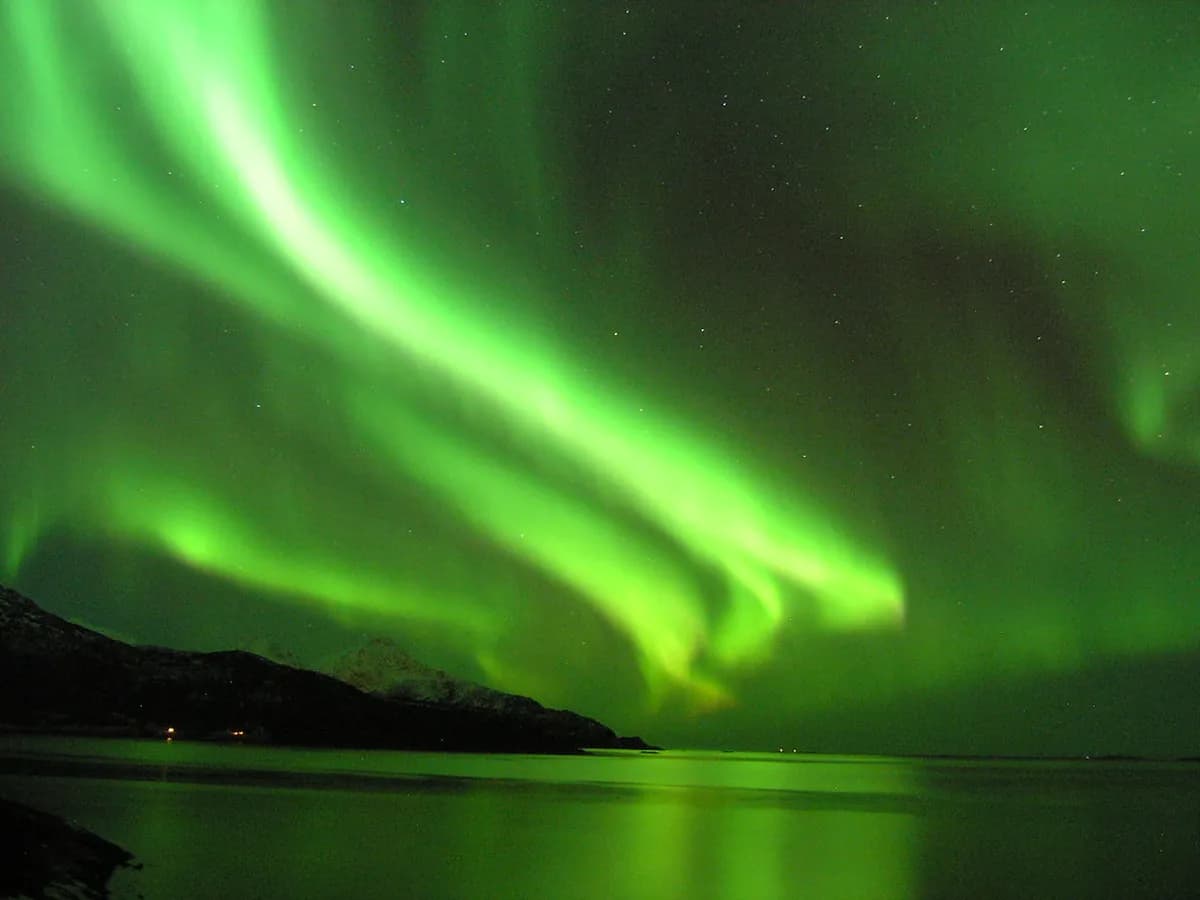
Grotfjord is the top pick for aurora photography near Tromso. It sits on Kvaløya Island with a north-facing open mouth that channels the lights directly into your frame. The steep, jagged peaks lining both sides create a dramatic natural arch around the aurora display.
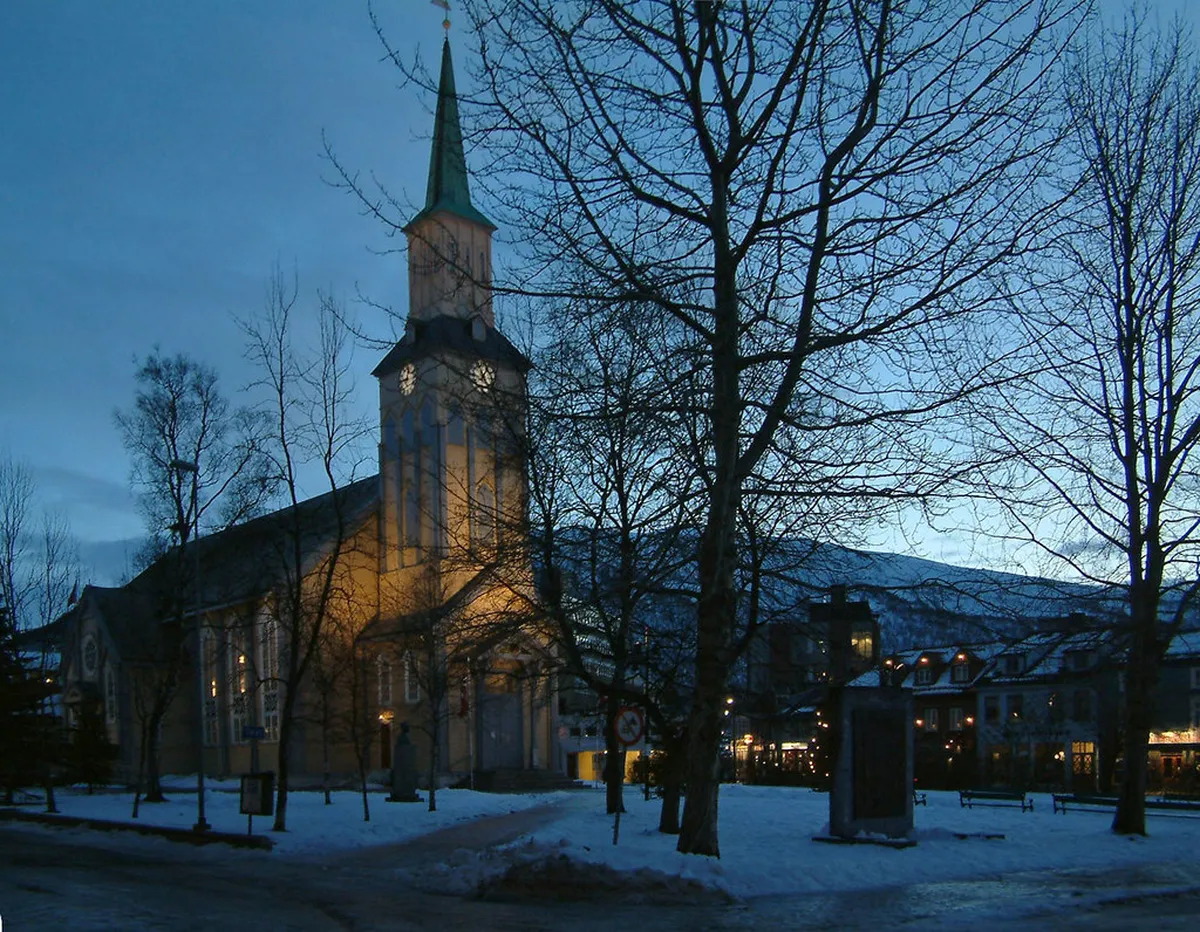
Access is free and the area is open 24 hours. Drive roughly 40 minutes west from the city center on road 862, then park safely off the narrow coastal road near the sandy beach. Walk down to the waterline for reflections when the sea is calm. Face north or north-west for the strongest compositions as the lights dance over open water.
This spot works well for Kp-index readings of 2 or higher. Even a modest aurora looks spectacular here because the mountains frame every shot with no stray streetlights in the foreground. Arrive before 21:00 in winter to scout your position while there is still dim twilight.
Kattfjordvatnet: A Frozen Lake with Easy Road Access
Kattfjordvatnet is a long, narrow lake located along road 862 on the way to Sommarøy. By mid-January the surface freezes solid, giving you a massive reflective foreground that doubles every aurora display in the ice. There are roughly ten separate pull-off points spread across several kilometres of shoreline.
The drive is about 30 minutes from Tromso city center and costs nothing to visit. Parking is roadside and accessible at all hours. The surrounding mountains block most city light, making this one of the most reliable quick escapes when clouds sit over the coast.
One downside: tour minibuses stop here frequently because of its easy access. If you want solitude, drive past the first two lay-bys and find a quieter stretch further along the lake. Timelapse photographers should note that car headlights on road 862 can illuminate the mountain backdrop during long exposures.
Sandvika: Wide Coastal Views on Kvaløya
Sandvika sits near Sommarøy and faces almost due north across the open Norwegian Sea. The panorama here is wider than Grotfjord — you can track the aurora across a 180-degree arc without turning your head. That wide field matters on nights when the band is moving fast.
Plan a 50-minute drive from the city to reach the outer edge of Kvaløya. Access is free and parking is available on the gravel near the beach. The spot is rarely crowded, and occasional reindeer wander the shore in winter, adding an unexpected foreground element.
Wind is the trade-off at Sandvika. The Norwegian Sea exposure makes this the coldest and breeziest location on this list. Bring an extra shell layer and weigh down your tripod with a bag of sand or snow to prevent vibration blur during long exposures.
The Road to Skulsfjord: A Short Drive from the City Center
The high ground just before the Skulsfjord tunnel on Kvaløya is one of the closest dark-sky spots to the city. You reach it in about 25 minutes from the center, which makes it an ideal first-night scouting point. The elevated position gives you a north-west view across the sound toward Vengsøya.
There is no entry fee and the road is maintained by snowplows throughout winter. The pass itself can be icy and steep, so studded tires or winter chains are required — not optional. Park in the wide area just before the tunnel entrance and walk a short distance for an unobstructed view.
Expect strong wind at the exposed summit. On very windy nights the gusts can make it hard to hold a camera steady, but the short drive means you can easily retreat and try another spot. The orientation is best for aurora activity in the north-west quadrant, which covers the majority of active nights in the Tromso area.
Kvaloyvagen: Remote Fishing Village Atmosphere
Kvaloyvagen sits at the northern tip of Kvaløya and provides a peaceful setting that commercial tours rarely reach. The drive is about one hour from the city. Just before the tunnel to Ringvassøya, pull off the road and walk to the shore. You get an east-north-west view with old fishing cabins adding texture to the foreground.
Parking is free near the pier. The area is open all night for respectful visitors. Traffic is minimal this far out, which means no passing headlights to wreck long exposures. The fishing boats moored in the small harbor make excellent foreground elements.
Keep in mind that Kvaloyvagen is at the end of a peninsula. If clouds roll in from the west while you are there, the only escape is to drive back the same road — a 30-minute commitment before you can change direction. Always check the Yr.no cloud map before committing to this location on marginal weather nights.
Signaldalen: Dramatic Mountain Backdrops in the Valley
Signaldalen is an inland valley roughly 90 minutes south-east of Tromso toward the Finnish border. The dominant feature is Otertinden, sometimes called the Matterhorn of the North — a sharp pyramidal peak that frames aurora shots beautifully. The valley faces north-west and the river running through it adds a reflective foreground element in early winter before it freezes.
There is no entry fee and the valley is accessible at any hour. This inland microclimate is one of your best insurance options when coastal fog from the Norwegian Sea blankets Kvaløya. Because the valley sits behind a mountain ridge, it can be completely clear while the coast drowns in cloud.
Multiple pull-off points exist along the valley floor. The river bend about two kilometres past the main village gives a clean north-west view with the mountain reflected in the water. Dress for colder temperatures than the coast — the valley traps cold air and readings are often 5 to 8 degrees Celsius lower than in Tromso city.
Breivikeidet Valley: Gateway to the Lyngen Alps
Breivikeidet is a flat, wide valley about 45 minutes east of Tromso. The Lyngen Alps rise dramatically to the south-east while a broad, clear sky opens to the north. Many professional guiding operations use this as their primary location precisely because it is the coldest and driest spot within easy driving distance of the city.
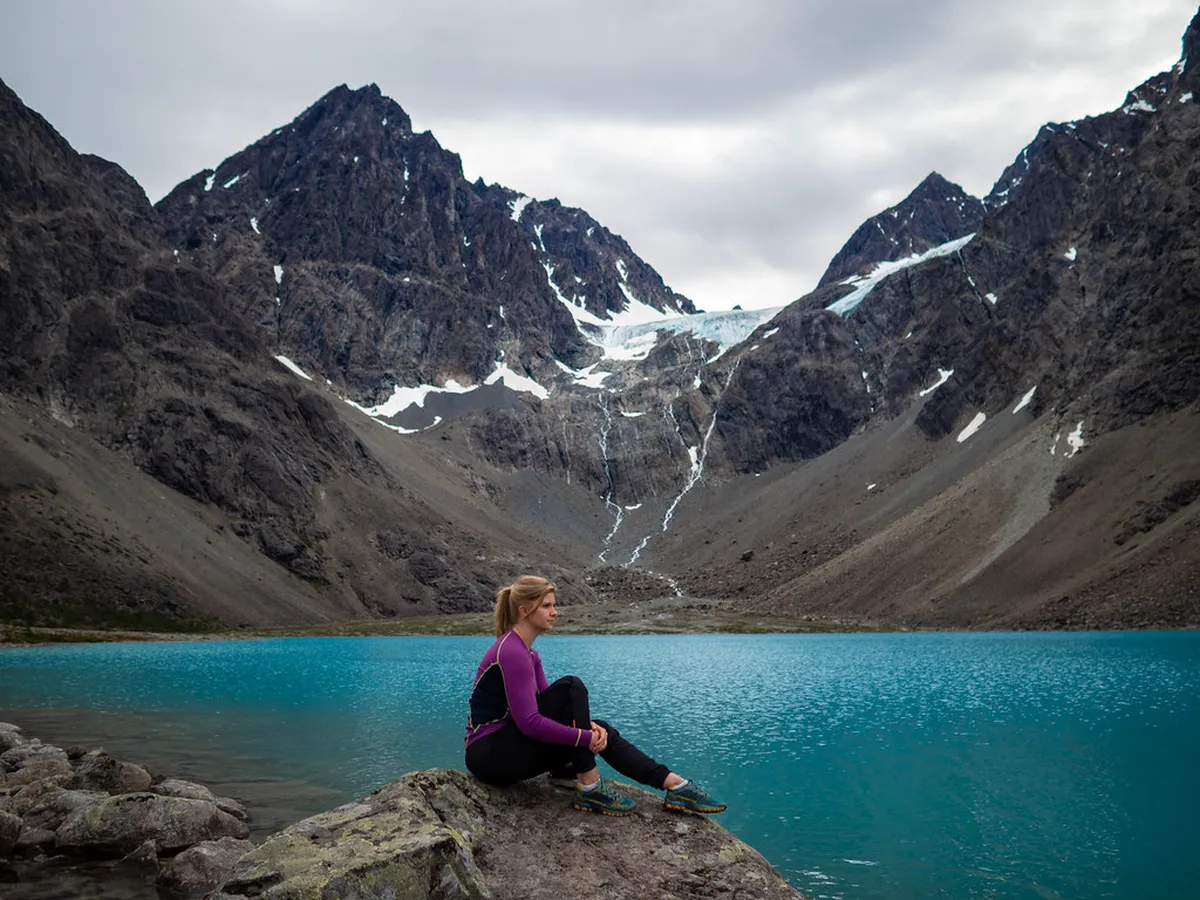
Cold air in mountain valleys is drier air, which means fewer clouds. On nights when Tromso is overcast and Kvaløya is socked in, Breivikeidet often stays clear due to this mountain rain-shadow microclimate. Park near the Breivikeidet ferry terminal for easy access to both the shoreline and open mountain views.
The valley is free to access and open 24 hours. If you rent a car, this should be your go-to destination on any night with uncertain weather. The main road is well-maintained and free of the steep switchbacks that catch drivers on some Kvaløya routes. Expect sub-zero temperatures, so carry hand warmers for camera battery management.
Grunnfjord: Deep Arctic Silence and Seclusion
Grunnfjord is a deep U-shaped glacial valley on the east side of Ringvassøya Island. The drive takes about 90 minutes from the city. The weather here often diverges from conditions over Tromso because Ringvassøya sits in a different weather zone — when the Norwegian Sea coast is cloudy, the calmer east-facing valleys frequently clear first.
Access is free and the road is kept clear by snowplows all winter. There are zero facilities — no cafes, no toilets, no shops. Bring a thermos, hot food, and full emergency kit before heading out. That remoteness is also its appeal: you may have the entire fjord to yourself on a weeknight.
The view is wide and predominantly north-facing. Silence is the defining feature here. On a strong aurora night with no wind, the only sound is the creak of ice and the occasional seal in the water. It is the most meditative spot on this list, and the one I return to when I want to chase the lights without other photographers in my frame.
Ersfjordbotn: The Classic Tromso Fjord View
Ersfjordbotn is one of the most photographed aurora locations near Tromso and for good reason. The fjord is flanked by near-vertical mountain walls that climb to over 1,000 metres, creating a narrow funnel that concentrates the aurora display into a vertical strip of sky. The drive is just 25 minutes from the city center.
Entry is free and the village parking lot is open 24 hours. The orientation here is south-east, which means you need a stronger Kp-index — typically 3 or above — for the best display. However, when a powerful aurora is active, the reflections in the still fjord water and the overhanging peaks make this the most dramatic photography spot near Tromso.
A small local cafe sometimes stays open late on high-activity nights for warm drinks. Do not rely on this — bring your own hot drinks as standard practice. The spot gets busy at weekends. Arrive early or position yourself on the opposite shore from the main car park to find an unobstructed foreground.
Sommarøy: White Sand Beaches and Arctic Islands
Sommarøy is an archipelago connected to the mainland by a series of bridges, located 60 to 70 minutes west of Tromso. Known in summer as a tropical-looking Arctic beach destination, it looks completely different under a winter night sky with snow on the white sand and ice in the channels between islands. The drive across the bridges provides continuous north-facing views — any of those bridges can serve as an impromptu aurora stop.
Access to the beaches and bridge walkways is free and open at all hours. Walk across the main bridge away from the village streetlights and find a quiet spot on the western shore for an unobstructed north-facing view over the Norwegian Sea. The curved coastline creates a natural amphitheatre for watching the lights sweep across a wide arc.
Sommarøy tends to be cloudy because of its exposure to North Sea weather systems. However, when it clears it is genuinely stunning, and the white sand reflects the aurora in a way that no other location near Tromso matches. Check Yr.no the afternoon before your visit — if the cloud forecast shows a break, prioritise this over Grotfjord for variety.
Telegrafbukta Beach: The Best Spot Within Tromso City
Telegrafbukta is a city park on the southern tip of Tromso Island, reachable by bus or a 30-minute walk from the city center. It is the only location on this list that requires no rental car, which makes it the default choice for travelers relying on public transport. A moderate aurora — Kp 3 or higher — is visible here despite the ambient city glow.
Access is free and the park is open all night. Walk to the very end of the gravel path near the shoreline trees to put a few additional metres between yourself and the nearest streetlamps. The view faces south-west across the water toward Kvaløya, which means you need an active, expanding aurora to see it well from this angle.
Telegrafbukta is best treated as a starter location or a backup when you have no transport. The lights can appear overhead even here during the most active nights of the year, when the auroral oval expands south. If you see strong activity from the beach, it is a signal to grab a taxi and head out to Ersfjordbotn or Grotfjord for a fuller display.
Fjellheisen: Panoramic Views from the Mountain Ledge
The Fjellheisen cable car lifts you 421 metres above sea level to a platform overlooking the entire city of Tromso and the surrounding fjords. From the top you can see in every direction simultaneously — a 360-degree aurora panorama that no ground-level spot can match. The upper station sits in the Tromsdalen neighbourhood, accessible by a short drive across the main bridge.
Lift tickets cost approximately 230 NOK (around EUR 20) per adult return in 2026 and the cable car runs until midnight during peak aurora season, with some extended hours on high-activity evenings. Check the Fjellheisen website for current operating times before you go, as last lifts occasionally sell out on busy nights.
The wind at the summit is significantly stronger than at sea level. Dress in an extra insulating layer and wear waterproof trousers because wind chill can be severe. One practical tip no competitor mentions: stand on the north-facing edge of the platform rather than the observation deck facing the city lights — the shadow from the station building blocks some of the artificial glow and improves your view of faint aurora bands. For deeper understanding of the aurora physics at play, the Arctic University Museum in Tromso offers detailed research insights.
Fjellheisen cable car tickets cost around 230 NOK (EUR 20) per adult return in 2026 and close at midnight during peak season. Check their website for extended hours on high-activity nights, as last lifts frequently sell out. The platform has severe wind chill, so bring extra insulation.
Kilpisjärvi: The High-Altitude Finnish Alternative
Kilpisjärvi is a small Finnish Lapland village sitting at around 470 metres above sea level, roughly 2.5 hours south-east of Tromso by car. Because the Norway-Finland border runs along a mountain ridge, the weather systems on the Finnish side often differ completely from those over the Norwegian coast. When Tromso is buried in cloud, Kilpisjärvi is frequently clear.
The altitude brings colder, drier air. Temperatures regularly drop to -20°C in January and February. That cold is the price of the clarity. The surrounding terrain is flatter than Norway — long, open tundra vistas with frozen lakes rather than dramatic fjord walls — but the dark skies more than compensate. There is almost zero light pollution after you leave the village's single main road.
Check your rental car agreement before crossing the border; some Tromso agencies prohibit international travel without an upgrade or fee. Fuel up in Norway before you go because Finnish petrol stations are sparse in this area. Visiting the village itself is free, and you can park at any of the large lay-bys along the lakeshore for an unobstructed view. The drive back gives you maximum flexibility to chase clearing skies in either country on the same night.
Abisko: The Famous Swedish Blue Hole
Abisko in Swedish Lapland sits 3.5 hours from Tromso by road, or reachable by train from Narvik. It is world-famous for the Blue Hole — a meteorological phenomenon where surrounding mountains create a persistent rain-shadow effect over Lake Torneträsk. Even when cloud covers the entire region, a clear patch frequently opens directly above Abisko. In recent seasons, tour operators in the park report aurora sightings on over 95 percent of multi-day stays.
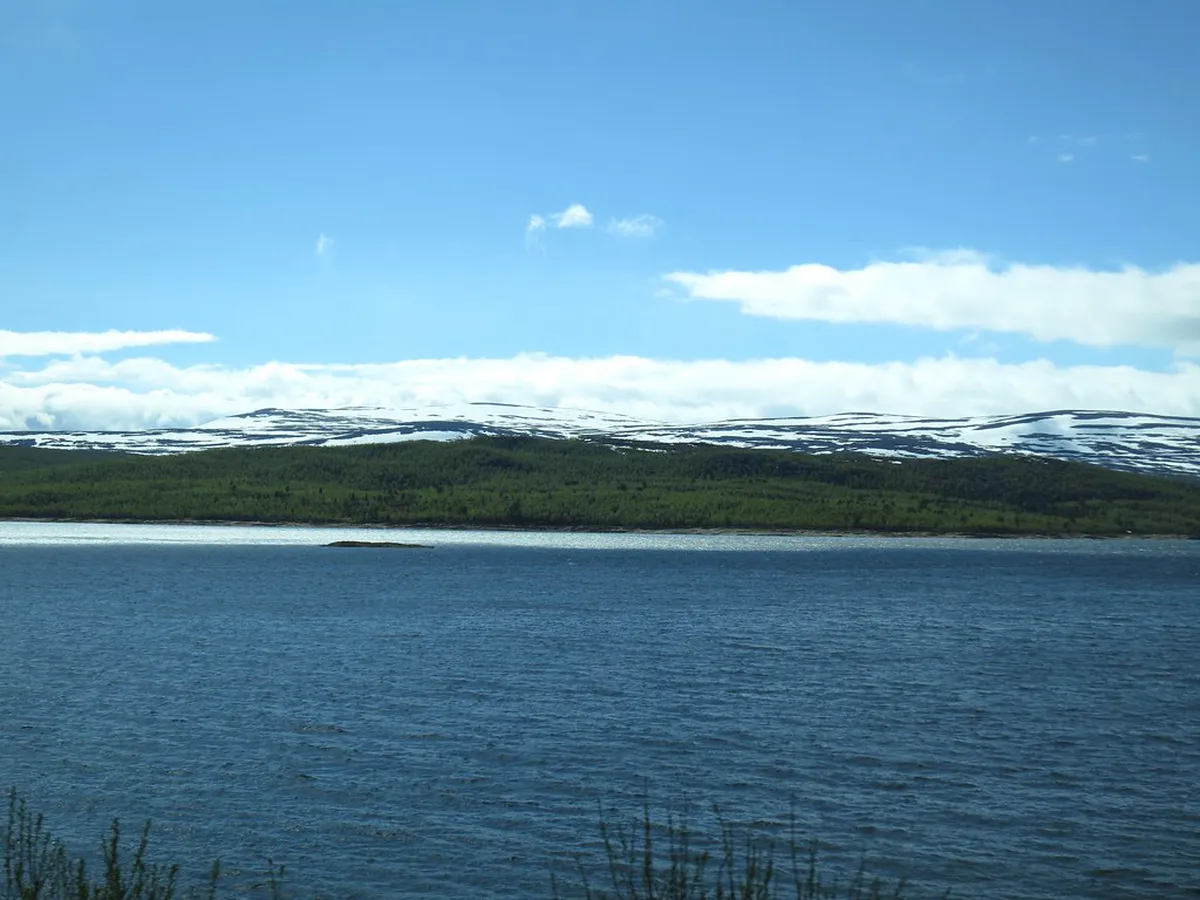
Entry to Abisko National Park itself is free. The Aurora Sky Station on Mount Nuolja is the flagship viewpoint, reached by a chairlift — tickets cost around SEK 395 (about EUR 35) return in 2026. However, you do not need the chairlift to benefit from the Blue Hole. Walking ten minutes from the STF Abisko Turiststation hostel puts you in total darkness at the lakeshore, with a wide north-facing view across Torneträsk.
Abisko is the right choice when Tromso has had several cloudy nights in a row. The drive down through Narvik and across the Swedish border via the E10 is straightforward and well-maintained in winter. Book accommodation well in advance — Abisko fills up fast from October onward for the January-to-March peak season. The Abisko guide at Heartmybackpack.com covers specific Swedish weather patterns and budget options in more detail.
Why Horizon Orientation Changes Everything
Every serious aurora chaser knows to check the Kp-index, but few discuss how the orientation of your viewpoint changes the required Kp threshold. The aurora oval sits to the north of Tromso, so a north-facing horizon is where most activity appears first. Spots like Grotfjord, Sandvika, and Breivikeidet all face north or north-west — they catch aurora at Kp 1 or 2, meaning almost any active night qualifies.
South-facing or enclosed spots like Ersfjordbotn require the aurora oval to expand significantly southward before the display reaches your line of sight. That typically means Kp 3 or higher. In practice this means: on a Kp 2 forecast, drive to Grotfjord or Breivikeidet. On a Kp 4+ night, the enclosed fjords become spectacular because the aurora fills the entire sky above the mountain walls.
North-facing spots like Grotfjord, Sandvika, and Breivikeidet catch aurora at Kp 1-2, while south-facing enclosed fjords like Ersfjordbotn require Kp 3+. This orientation difference is the single biggest factor in choosing where to drive on any given night.
A second factor is the low-cloud layer. The Yr.no app shows a specific "low clouds" layer that is separate from the general cloud cover map. Always check the low-cloud layer for your chosen spot, not just the overview. A location can show "partly cloudy" overall while the low-cloud layer reveals a solid ceiling below 500 metres — enough to block every aurora display regardless of Kp strength. This single habit separates experienced aurora chasers from first-timers who drive out and wonder why they saw nothing despite a clear-looking forecast.
Also read our Tromso travel tips for specific advice on Arctic winter driving, including how to identify black ice on bridge surfaces and what to do if you encounter reindeer on a dark road.
| Location | Drive Time | Cost | Orientation | Min Kp |
|---|---|---|---|---|
| Grotfjord | 40 min | Free | North-west | Kp 2+ |
| Kattfjordvatnet | 30 min | Free | North | Kp 2+ |
| Ersfjordbotn | 25 min | Free | South-east | Kp 3+ |
| Breivikeidet | 45 min | Free | North | Kp 2+ |
| Fjellheisen | 15 min | 230 NOK (~EUR 20) | 360° | Kp 2+ |
| Abisko, Sweden | 3.5 hrs | Free/395 SEK chairlift | North | Kp 1+ |
Practical Tips for Aurora Chasing Near Tromso
Winter driving in the Tromso area requires studded tires or winter chains — this is a legal requirement in Norway from November through March on mountain roads, not merely a recommendation. Black ice forms with no warning on the bridges between islands, particularly on calm, clear nights when temperatures drop fastest. Drive at 60 percent of your normal speed on any road you do not know well.
Reindeer are a genuine night-driving hazard. They are attracted to road salt and appear suddenly on dark stretches between Tromso and the outer islands. High beams help, but not if the reindeer steps out from a curve. Keep speeds low and scan the road edges continuously. A collision with a large reindeer causes serious vehicle damage.
For photography, bring a sturdy tripod and at least two fully charged spare batteries. Lithium cells lose 40 to 60 percent of their stated capacity at -15°C. Keep spares in an inside pocket against your body heat and swap them out as needed. Our northern lights photography guide covers camera settings, focus techniques, and the best apps for real-time aurora tracking.
The Best Tours to See the Northern Lights in Tromso
If you are not comfortable driving on icy Arctic roads, a guided tour is a sensible investment. Professional guides communicate via radio to track where clouds are breaking in real-time. They will drive as far as Finland if conditions at the primary location deteriorate. A northern lights tour in Tromso typically includes thermal suits, hot drinks, and an experienced spotter who has done the same route hundreds of times.
Choose between a chase tour in a heated minibus or a base camp experience with a heated lavvo tent. Chase tours are better for unpredictable weather because mobility is the key tool. Base camp tours are ideal for families with young children who need a warm, enclosed space while waiting for the aurora to appear. Both formats are well-established in Tromso and most run from 18:00 until after midnight.
Prices for small-group chase tours range from approximately 1,400 NOK to 2,200 NOK (EUR 120 to EUR 190) per adult in 2026. Book as early as possible — the best-reviewed small-group operators sell out weeks in advance during January and February. Check our guide on typical Tromso travel costs to budget these excursions alongside your accommodation and transport.
For seasonal context, see Visit Norway’s official Tromsø guide.
Background: the city of Tromsø sits at 69°N, deep inside the Arctic Circle.
Frequently Asked Questions
What is the best month to see the northern lights near Tromso?
The best months are from late September to late March when the nights are sufficiently dark. October and March are often favored for their milder temperatures and high solar activity. Check our guide on getting around Tromso to plan your transport for these months.
Can you see the northern lights from Tromso city center?
Yes, it is possible to see strong auroras from the city, but light pollution makes them appear much fainter. For the best experience, you should travel at least 20 minutes away from the downtown streetlights. This ensures the colors and movements are clearly visible to the naked eye.
Finding the perfect spot near Tromso is a mix of careful planning and Arctic intuition. Whether you choose the dramatic cliffs of Grotfjord or the high plains of Finland, the experience is unforgettable. Remember to dress in layers and stay patient while the lights prepare their performance.
Tromso remains a world-class destination for a reason, offering both comfort and wild nature. I hope this list helps you witness the magic of the aurora on your next trip. Safe travels and clear skies to everyone heading North this winter.
You might also like
Continue reading
More guides you'll find useful