10 Best Aurora Cabins and Glass Igloos Near Tromso (2026)
Discover the best aurora cabins and glass igloos near Tromsø. Compare top-rated Arctic domes, glass cabins, and igloo hotels with tips on transport and alarms.
On this page
10 Best Aurora Cabins and Glass Igloos Near Tromso
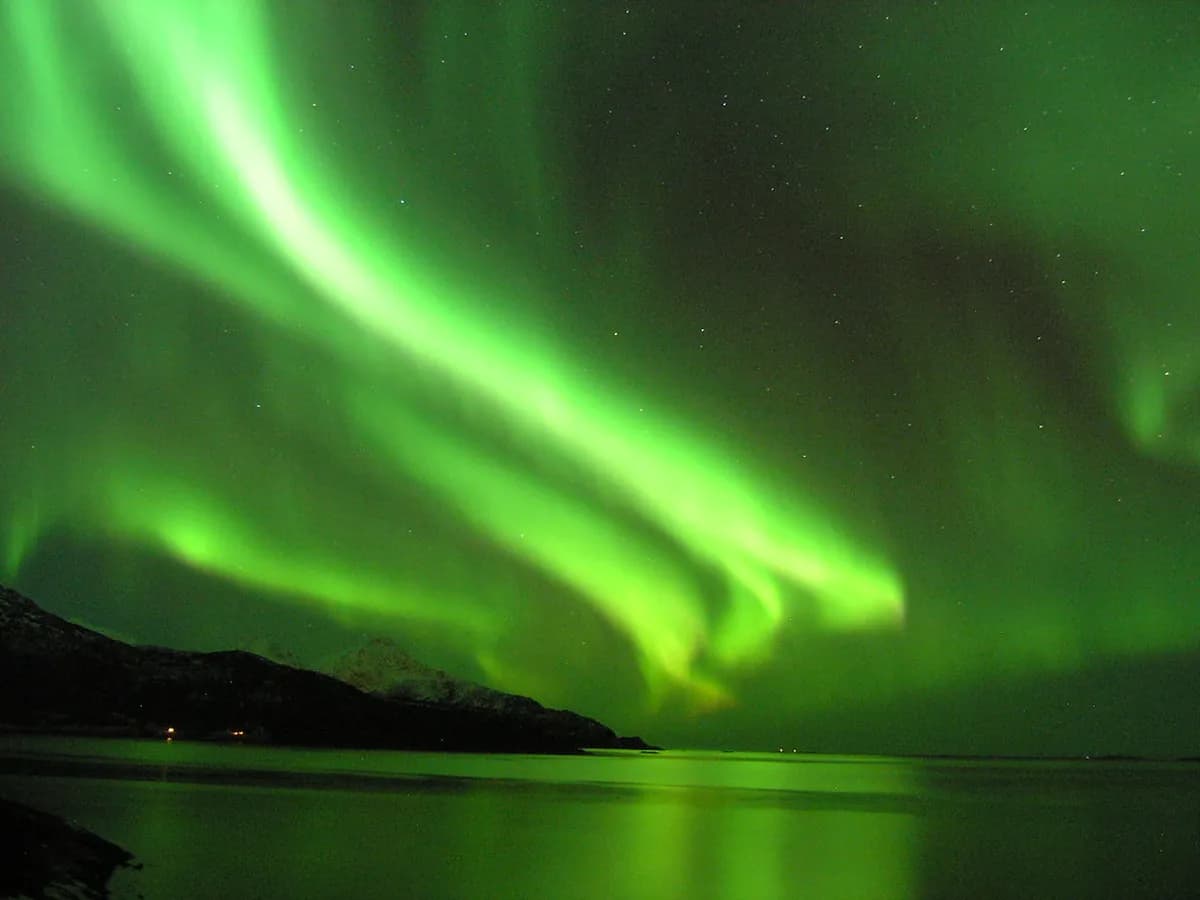
I have spent years scouting the Arctic Circle for the perfect vantage point to witness the dancing green lights. Staying in a traditional hotel often means missing the show unless you stay awake all night by a window. Aurora cabins and glass igloos near Tromso solve this by letting you watch the sky from your bed.
The 2025/2026 season coincides with the Solar Maximum, meaning aurora displays will be exceptionally frequent and intense. Planning your trip around the best time for northern lights in Tromso ensures higher visibility. This guide organizes properties by region so you can match the right cabin to your transport options and budget.
Our editors vetted these locations based on darkness ratings, heating reliability, aurora alarm availability, and ease of access from Tromsø. Reviewing our Tromso travel tips helps with packing and local etiquette before you head into the fjords.
Glass Igloos and Arctic Domes Near Tromsø
Three properties sit within 45 minutes of Tromsø city center, making them the most accessible options for first-time visitors. Skulsfjorden and Kvaløya Island are separated from the city by bridge, so you avoid any ferry crossing. Light pollution here is noticeably lower than in the city but not as dark as the deep inland valleys further south.
Aera Glass Cabins (Skulsfjorden)
The Aera Glass Cabins in Skulsfjorden feature floor-to-ceiling glass walls overlooking a dark fjord, roughly 40 minutes from the city center. A stay typically costs NOK 5,500–8,500 per night and includes a private en-suite bathroom and kitchenette. The cabins run an active aurora alarm service: staff monitor the KP index and knock on your door the moment the lights appear, so you do not need to stay awake watching the sky. Check the Aera Glass Cabins official site for the seasonal free rental car offer available between 15 September and 15 April.
Skulsfjorden Dome Glamping
This large transparent canvas dome sits on the island of Kvaløya, 25 kilometres from central Tromsø and 30 minutes by car. It provides a 180-degree view of the mountains and sea, and the wood-burning stove keeps the space genuinely warm even at minus 15°C. Prices range from NOK 3,500–5,000 per night depending on the day of the week. There is no dedicated aurora alarm here — guests monitor the sky or use the free Yr app for KP alerts.
Camp Tamok Aurora Chalets (Tamokdalen)
These wooden chalets in Tamokdalen have large glass roof windows and sit in a dry inland climate that clears faster than the coast after coastal cloud systems. Expect to pay NOK 3,000–5,000 per night, often bundled with dog sledding the following morning. Camp Tamok runs a daily shuttle bus departing from central Tromsø, making it one of the few car-free options in the region. The inland position — 90 minutes from Tromsø — means clearer skies on nights when rain hits the coast.
Camp Tamok's shuttle service is ideal if you want to avoid winter driving, and the inland location near Tamokdalen offers statistically clearer skies than coastal properties when cloud systems move in from the sea.
Luxury Glass Cabins in the Lyngen Alps
The Lyngen Alps sit roughly two to three hours east of Tromsø, depending on route. The drive follows one of Northern Norway's main highways for most of the journey, so it is manageable in winter with studded tires. The reward is darker skies, dramatic mountain backdrops, and some of Norway's most photogenic glass accommodation.
Lyngen North Glass Igloos
Lyngen North sits on the Spåkenes peninsula with its glass igloos facing the Lyngen Alps across the fjord. Rates run NOK 6,500–9,500 per night and include an attached private bathroom — a rarity for glass igloos this close to wilderness. The property has an on-site restaurant serving Nordic cuisine, and the team can arrange transport from Tromsø for guests who do not want to drive. An aurora alarm service is included: staff wake guests when the KP index rises above 3.
Aurora Fjord Cabins
These modern cabins in Lyngen feature floor-to-ceiling windows designed for fjord-side aurora watching, facing north over the water. A typical night costs NOK 4,500–7,000 and offers full privacy for couples or small families. Access requires a rental car and a drive of roughly two hours from Tromsø airport. Pack extra food as the nearest grocery store is a significant drive from the property. There is no formal aurora alarm; the all-glass north-facing wall means you can watch from bed without needing a wake-up call.
North Experience Basecamp
North Experience sits just under 90 minutes from Tromsø by Lyngenfjord. The glass igloos here are purpose-built for aurora viewing from bed and the property adds an outdoor jacuzzi and a barrel sauna. The Lyngenfjord setting gives you one of the most scenically impressive backdrops of any property on this list. Prices sit in the NOK 5,000–7,500 range and the highway route makes self-drive straightforward even in winter conditions.
Igloo Hotels and Domes in Alta and Finnmark
Alta sits even further north than Tromsø and the surrounding landscape has a strong outdoor wilderness culture. Flying from Tromsø to Alta takes 40 minutes; driving takes five to six hours. The properties here tend to offer higher levels of included activity programming than the Tromsø-adjacent options.
Glød Explorer (Alta)
The Arctic Domes at Glød Explorer are set in a quiet wooded area outside Alta. Each dome has an attached toilet, and a shared sauna and shower facility are located 30 metres from the units in the main building. For stays of two nights or more, Glød includes a free transfer from central Alta or the airport. An aurora alarm service is active from 20:00 to 03:00 each night. Rates typically sit at NOK 4,000–6,500 per night.
Sorrisniva Arctic Wilderness Lodge (Alta)
Sorrisniva offers ultra-luxury glass rooms alongside its famous ice hotel on the banks of the Altaelva river. The lodge rooms feature floor-to-ceiling windows with views over the river, and some have private terraces for outdoor aurora viewing. Prices are premium — NOK 9,000–15,000 per night for the glass rooms — and include access to a full activity program including husky sledding and reindeer encounters with Sami guides. The ice hotel next door opens from mid-January and is a compelling add-on night.
Aurora Borealis Observatory (Senja Island)
Senja Island is three hours south of Tromsø by car or a 45-minute drive from Bardufoss airport. The Aurora Borealis Observatory has one standalone glass igloo — listed as the "one-bedroom bungalow" on booking platforms — with nearly 360-degree views of the sky. Rates range from NOK 7,000–12,000 per night and include daily breakfast and access to a fine-dining tasting menu celebrating Northern Norwegian cuisine. The on-site team alerts guests when the lights appear. Book the glass igloo six months ahead; availability is very limited. Check the Aurora Borealis Observatory Senja listing for current availability.
GLØD Aurora Canvas Dome (Alta)
These canvas domes in the pine forest of Alta provide a boutique glamping feel with heated floors and a wood-burning stove. A stay costs NOK 4,000–6,500 per night. The external bathroom is in a dedicated outhouse immediately adjacent to the domes — roughly 15 metres away — which means any midnight trip doubles as an unplanned sky check. Check the GLØD Aurora Canvas Dome page for seasonal deals.
Arctic Domes vs. Glass Igloos: What's the Difference?
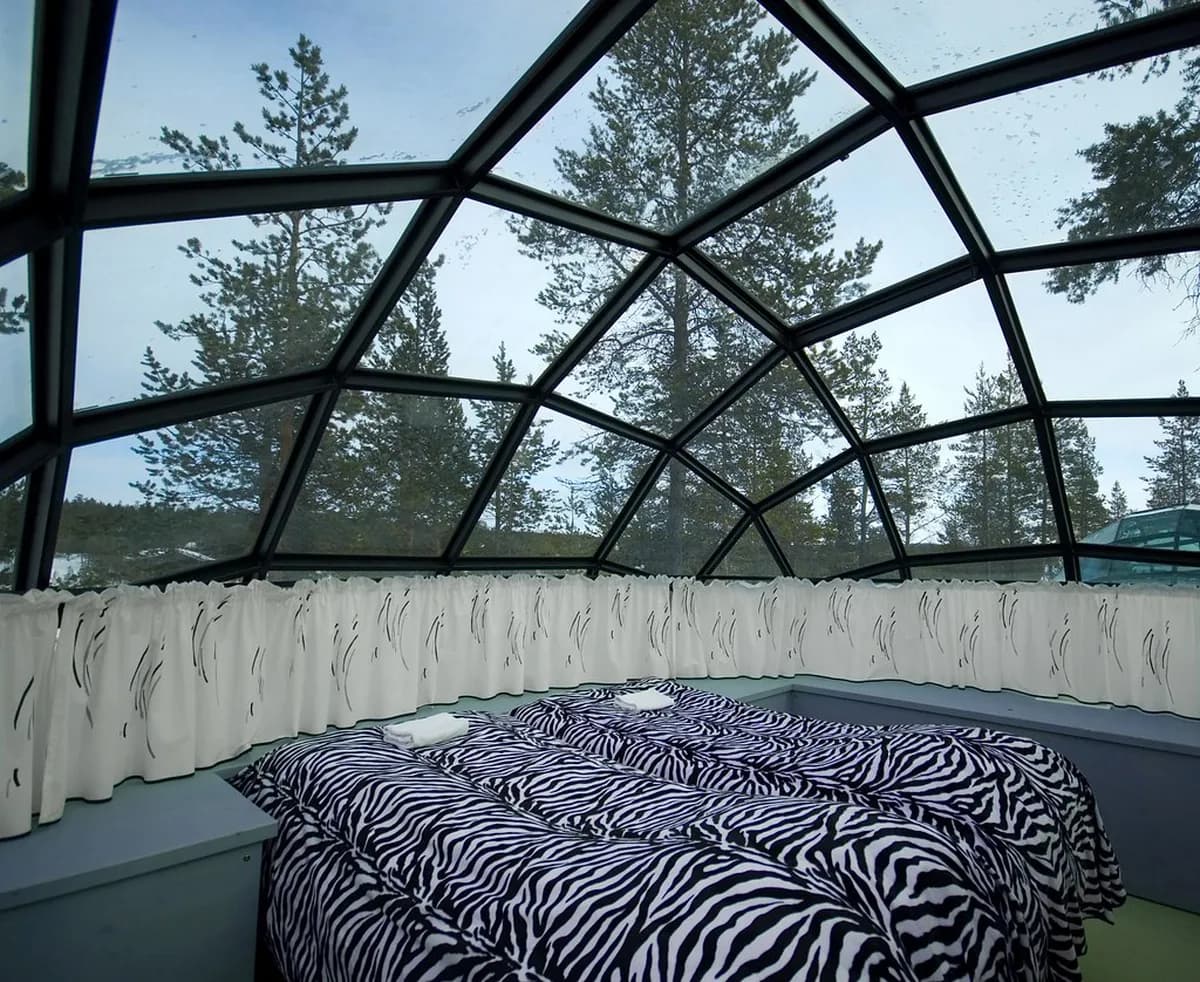
Glass igloos are permanent structures with high-quality tempered glass panels and full insulation. They feel more like a luxury hotel room and maintain a stable temperature throughout the night. The glass provides completely undistorted views of the sky, which matters for aurora photography with a wide-angle lens.
Arctic domes are typically made of heavy-duty canvas with a large transparent plastic window in the ceiling and on one wall. They are produced by a Norwegian company and offer a more authentic glamping feel, often with a wood-burning stove as the primary heat source. The plastic window gives a slightly warmer colour tint than glass but is adequate for naked-eye aurora viewing.
Glass igloos generally offer better soundproofing against howling Arctic winds, while domes let in the natural sounds of the forest or fjord. Temperature stability is the key practical difference: a glass igloo holds heat through the night without stoking a fire, whereas a dome may require you to add a log around 02:00 to stay comfortable. Consider your tolerance for that task when booking.
Norway has fewer large igloo resorts than Finland, which is actually an advantage. Most Norwegian options are two to six units per property, so you are not sharing the darkness with dozens of other guests whose cabin lights and phone screens reduce your night vision.
Aurora Alarm: Which Properties Actually Wake You Up
An aurora alarm is the single most practical differentiator across all properties on this list, yet almost no booking platforms mention it clearly. The difference is significant: some properties employ a night-watch staff member who monitors the KP index and physically wakes guests when the lights appear. Others leave guests entirely responsible for their own sky-watching.
Properties with an active aurora alarm service in 2026: Aera Glass Cabins, Lyngen North, Glød Explorer, and the Aurora Borealis Observatory. All four have dedicated night staff or a monitoring system with a guaranteed knock on your door or cabin phone call when KP rises. Camp Tamok offers a text message alert but no physical wake-up call. Skulsfjorden Dome, Aurora Fjord Cabins, GLØD Canvas Dome, North Experience, and Sorrisniva do not offer a structured alarm — guests use the free Yr weather app (Norway's national meteorological service) or SpaceWeatherLive for KP forecasts.
If you are a heavy sleeper or if seeing the aurora is your primary reason for the trip, prioritize the four properties with active alarms. If you are a light sleeper or plan to photograph the aurora yourself, the all-glass north-facing windows at Aurora Fjord Cabins and Lyngen North mean you may well wake naturally when the sky brightens. Setting your phone to alert on a KP reading above 3 via the free app "Northern Lights Photo Taker" is a reliable fallback at any property; Arctic research shows the most intense displays follow Solar Maximum peaks.
Essential Logistics: Transport and Rental Cars from Tromsø
Reaching most aurora cabins and glass igloos near Tromso requires a rental car. Public transport to Skulsfjorden or Hatteng is limited to a handful of daily buses with no evening connections, which makes spontaneous sky-chasing impossible. Winter driving in Northern Norway requires experience with icy, narrow roads; all rental cars in Tromsø are fitted with studded tires from October through April.
Aera Glass Cabins offers one of the most useful hacks on this list: a free rental car for the duration of your stay when you book between 15 September and 15 April. This solves the 40-minute transport gap from the city at zero extra cost. Always confirm this offer directly on their official booking page, as it is subject to vehicle availability.
If you prefer not to drive, Camp Tamok runs a daily shuttle bus from central Tromsø, and Lyngen North can arrange private transfers on request. Glød Explorer in Alta includes a free airport pickup for stays of two nights or more. Taxis from Tromsø to Lyngen or Hatteng are available but typically cost NOK 1,500–2,500 each way, which adds up quickly over a multi-night stay. Many guests combine a cabin stay with northern lights tours in Tromso earlier in the trip when the forecasting flexibility of a guided chase is more useful than a fixed bed in the wilderness.
One practical driving note: the road between Tromsø and the Lyngen Alps passes through the Breivikeidet ferry crossing. The crossing runs frequently during daylight but services reduce after 23:00, which matters if you are chasing clear skies late at night. Check the ferry timetable on reisnordland.no before planning a late departure.
The Breivikeidet ferry service to Lyngen reduces significantly after 23:00 — if you are chasing aurora activity late into the night and want to return to the city, plan your departure accordingly or book accommodation on the far side of the ferry.
| Property | Region | Distance from Tromsø | Price Range (NOK/night) | Aurora Alarm |
|---|---|---|---|---|
| Aera Glass Cabins | Skulsfjorden | 40 min | 5,500–8,500 | Yes |
| Skulsfjorden Dome Glamping | Kvaløya Island | 30 min | 3,500–5,000 | No |
| Camp Tamok Aurora Chalets | Tamokdalen | 90 min | 3,000–5,000 | Text alert |
| Lyngen North Glass Igloos | Lyngen Alps | 2–3 hours | 6,500–9,500 | Yes |
| Aurora Fjord Cabins | Lyngen | 2 hours | 4,500–7,000 | No |
| North Experience Basecamp | Lyngenfjord | 90 min | 5,000–7,500 | No |
| Glød Explorer | Alta | 40 min flight | 4,000–6,500 | Yes |
| Sorrisniva Arctic Wilderness Lodge | Alta | 40 min flight | 9,000–15,000 | Included |
| Aurora Borealis Observatory | Senja Island | 3 hours / 45 min from Bardufoss | 7,000–12,000 | Yes |
| GLØD Aurora Canvas Dome | Alta | 40 min flight | 4,000–6,500 | No |
Best Months for Aurora Glamping
The window for using aurora cabins and glass igloos near Tromso runs from late September to early April. September and October are excellent because the lakes have not yet frozen, allowing for beautiful aurora reflections in open water. Temperatures are milder, making any late-night walk to a shared bathroom facility much more bearable than in the depths of January.
February and March are often considered the statistical peak for clear skies across the Tromsø region. Snow coverage is at its deepest, and the white landscape reflects the green lights in a way that makes even a moderate aurora display look spectacular. The equinox periods in late September and late March also correlate with increased geomagnetic activity, giving you stronger displays on average.
Avoid June and July entirely if the aurora is your goal. The Midnight Sun means the sky never darkens enough for the lights to be visible. These cabins remain beautiful in summer — the views are extraordinary — but they serve a completely different purpose during the polar day.
Frequently Asked Questions
Do glass igloos near Tromsø have private bathrooms?
Most high-end glass igloos like Aera and Lyngen North feature private en-suite bathrooms. However, smaller eco-huts and some canvas domes may require a short walk to a shared facility building. Always check the specific room description before booking to ensure it meets your comfort needs.
How far are the glass igloos from Tromsø city center?
Locations vary from a 40-minute drive in Skulsfjorden to over three hours for spots in the Lyngen Alps. Most wilderness cabins are situated at least 30 kilometers away to avoid city light pollution. A rental car is usually the most efficient way to reach these remote Arctic properties.
Is a rental car necessary for an aurora cabin stay?
While not strictly necessary for every property, a rental car provides the most freedom for exploring. Some camps offer shuttle buses from the city, but these have fixed schedules. Having your own vehicle allows you to chase clear skies if clouds move over your cabin.
Staying in a glass cabin is a transformative way to experience the Arctic wilderness without sacrificing comfort. Whether you choose a luxury observatory on Senja or a cozy dome in Skulsfjorden, the memories will last a lifetime. The 2026 season promises to be one of the best in a decade for solar activity and light displays.
Remember to book well in advance, as these unique accommodations often sell out six months ahead. Prepare for the cold, respect the local environment, and keep your camera ready for the first green glow. The Arctic is waiting to show you its most spectacular natural light show from the comfort of your bed.
You might also like
Continue reading
More guides you'll find useful