Tromso Weekend Itinerary: 3 Days in Arctic Norway
Plan the perfect Tromso weekend itinerary with our 3-day guide. Includes Northern Lights tips, dog sledding, and local transport advice for first-timers.
On this page
3-Day Tromso Weekend Itinerary: The Ultimate Arctic Guide
Tromso sits 350 kilometres above the Arctic Circle and packs more into three days than almost any city its size. You get the Northern Lights, dog sledding, fjord cruises, a cable car with a panoramic view, and a genuinely lively restaurant scene — all within a walkable island city of 75,000 people. I built this itinerary after multiple winter visits, including one during polar night in January and one in February when the sun finally returned. You will find that How Many Days in Tromso: 10 Essential Planning Factors you actually need depends entirely on your activity list and your luck with the aurora.
This guide follows the briefing structure that most first-timers actually need: the right season to book, how to get in from the airport, a realistic day-by-day plan, where to sleep, and what to pack. Prices are in Norwegian krone (NOK) and euros (EUR) where relevant, and all logistics reflect 2026 conditions.
Step 1: Choose the Best Season for Your Visit
The most important decision you make about a Tromso weekend is when to go. The city is a genuine four-season destination, but each season delivers a radically different experience. Get this wrong and you may arrive during the one window that does not suit your goals.
For most visitors, February and March are the sweet spot. You still have a real chance of seeing the Northern Lights — the aurora season runs from late August through early April — and the sun rises properly around 07:30 and sets around 16:30 by mid-February, giving you enough daylight to enjoy outdoor activities. January delivers the snow-globe scenery many people picture, but polar night (27 November to 15 January) means zero sunrise. You get three to four hours of a deep blue twilight glow each day, which is beautiful in its own right, but it limits daytime sightseeing.
September and October are underrated. Aurora activity is strong, temperatures hover just above freezing rather than plunging below -10°C, and crowds are thinner than in peak winter. The trade-off is unreliable snow cover. Spring — April specifically — is the local consensus for worst timing: the Northern Lights are gone, the mountain snow is too slushy for skiing, and daylight has returned but there is nothing special to replace the aurora.
Summer (18 May to 25 July) brings the Midnight Sun, when the sun never sets. Hiking at midnight is genuinely extraordinary. If aurora is your primary goal, skip summer entirely — it is too bright to see the lights. If you want hiking and the Midnight Sun, summer is the only time that works.
February and March are the sweet spot for a 3-day visit — you have a real chance of aurora and enough daylight (sunrise around 7:30 AM, sunset around 4:30 PM) to explore outdoor attractions without feeling rushed.
Step 2: Arrange Your Flights and Airport Transfers
Tromsø Airport (TOS) is ten minutes from the city center by road, which makes arrival straightforward. Norwegian and SAS both operate direct flights from Oslo in under two hours, and several European carriers connect via Oslo or Stockholm. There is no train to Tromsø — the rail network does not extend this far north — so flying is the practical choice for most visitors.
From the airport you have three options. A taxi from the stand outside arrivals costs around 250 NOK (approximately EUR 22) and takes 10 minutes. The Tromsø Airport Express Bus costs 110 NOK single (180 NOK return) and drops you at the main hotels in the city center; it is the right choice if you have large luggage, since the city buses have minimal luggage space. The cheapest option is bus 40, 42, or 24, which depart from the stop across the parking lot, turn left out of arrivals and walk down the staircase. City buses cost around 25 NOK when paid via the Tromsø Billett app — significantly less than a cash ticket purchased on board.
The Tromsø Billett app is worth downloading before you land. It covers all local buses, you board through the rear doors, and a single adult fare works out to roughly NOK 25–40 depending on time of day. If you are staying centrally for the weekend you will rarely need a bus for sightseeing — the city center is walkable — but the app earns its keep on the airport run and any excursion that drops you off at a different point than pickup.
Car rental is available at the airport but is unnecessary for a city-focused three-day stay. Tour operators provide transport for all wilderness excursions: dog sledding, reindeer camps, and aurora chases all include hotel pickup. Renting a car makes sense only if you plan a self-drive day trip to Sommarøy or the Lyngen Alps.
Step 3: Explore Arctic Culture and the Northern Lights (Day 1)
Arrive the evening before if possible, so Day 1 is a full day. Begin the morning at Polaria, the Arctic aquarium housed in a building shaped like ice floes pushed ashore. Bearded seal feedings happen daily; check the posted schedule at the entrance. Adult tickets cost approximately 180 NOK. The museum sits a short walk from the harbor and pairs well with a stroll along the waterfront.
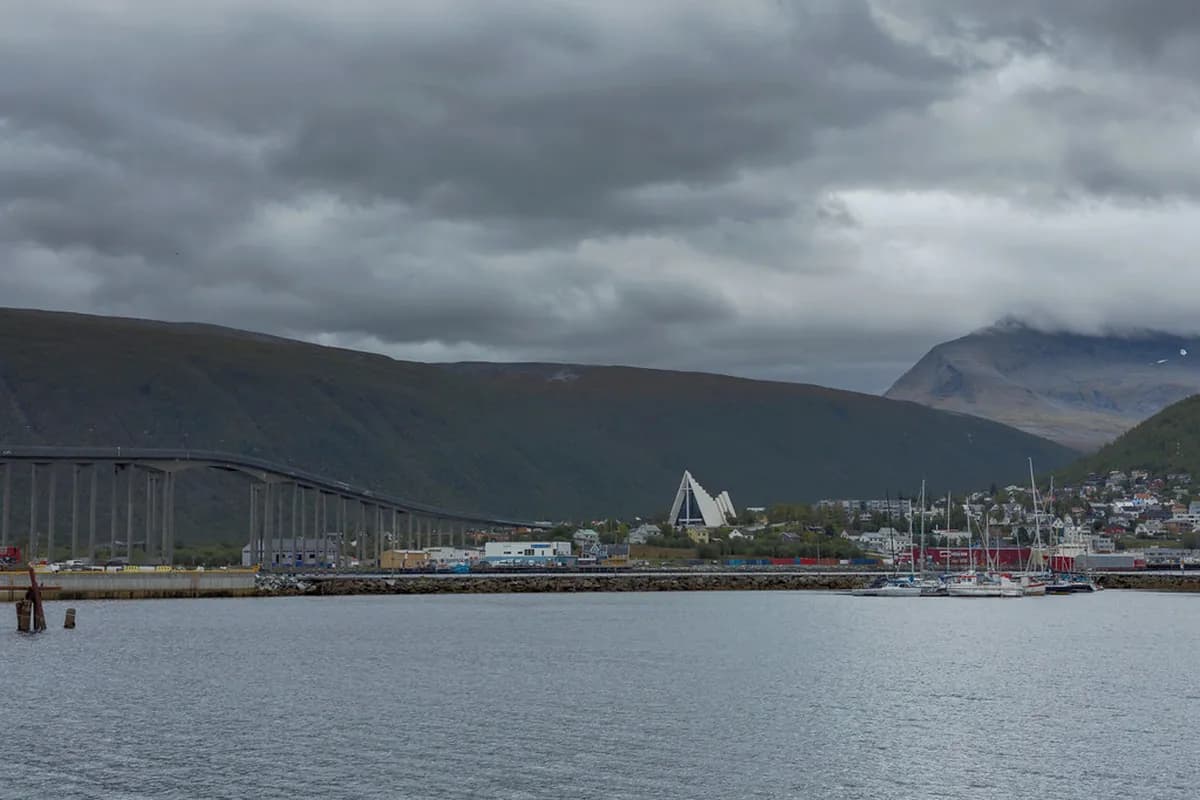
In the afternoon, cross the Tromsø Sound on the bridge to visit the Arctic Cathedral (officially Tromsdalen Church), one of Norway's most photographed buildings.
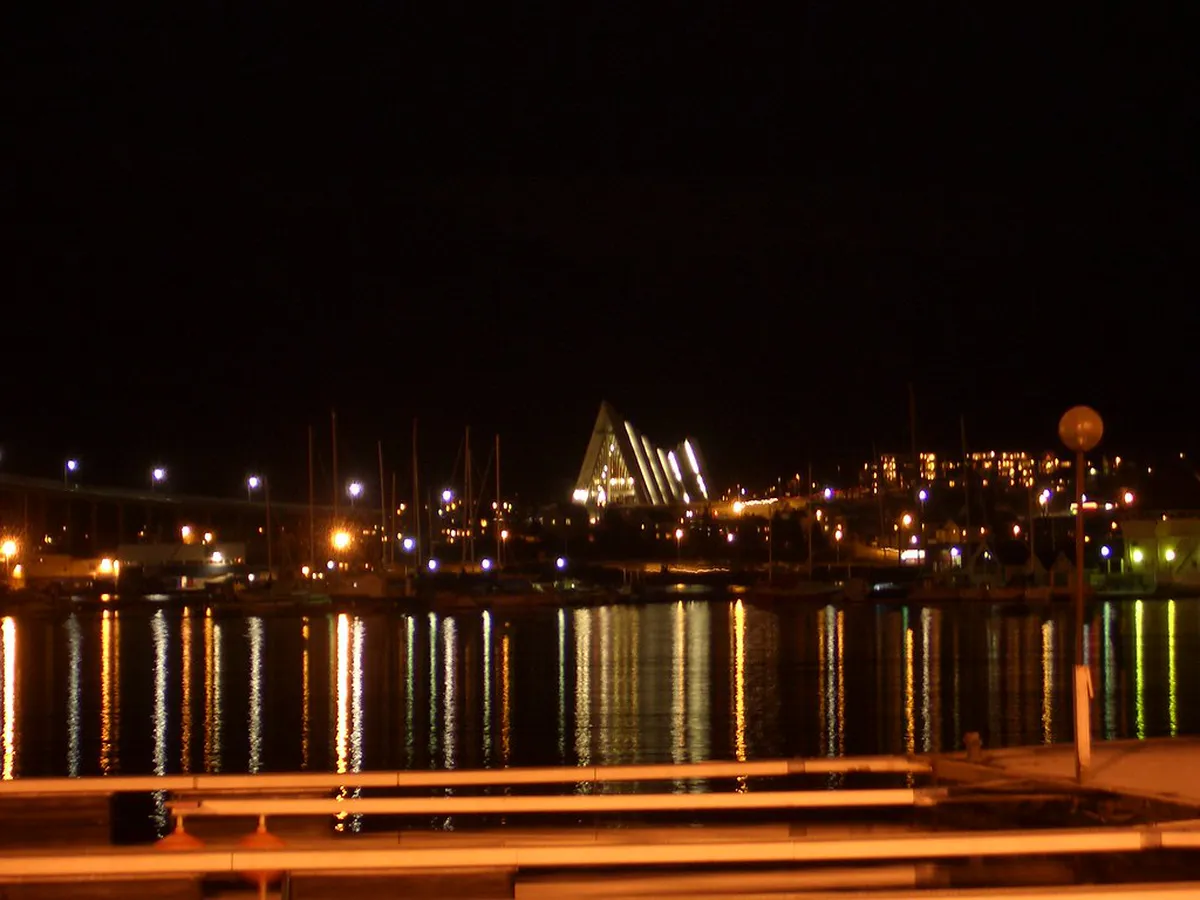
In the afternoon, cross the Tromsø Sound on the bridge to visit the Arctic Cathedral (officially Tromsdalen Church), one of Norway's most photographed buildings. The triangular glass facade faces the bridge and catches the light dramatically in the early afternoon. Entry costs around 70 NOK. If you time it right, the blue hour glow that comes during polar night turns the mosaic window into something genuinely stunning. The Polar Museum near the harbor is also worth a visit for its exhibits on Arctic hunting and the early polar expeditions — the author Roald Amundsen departed from Tromsø.
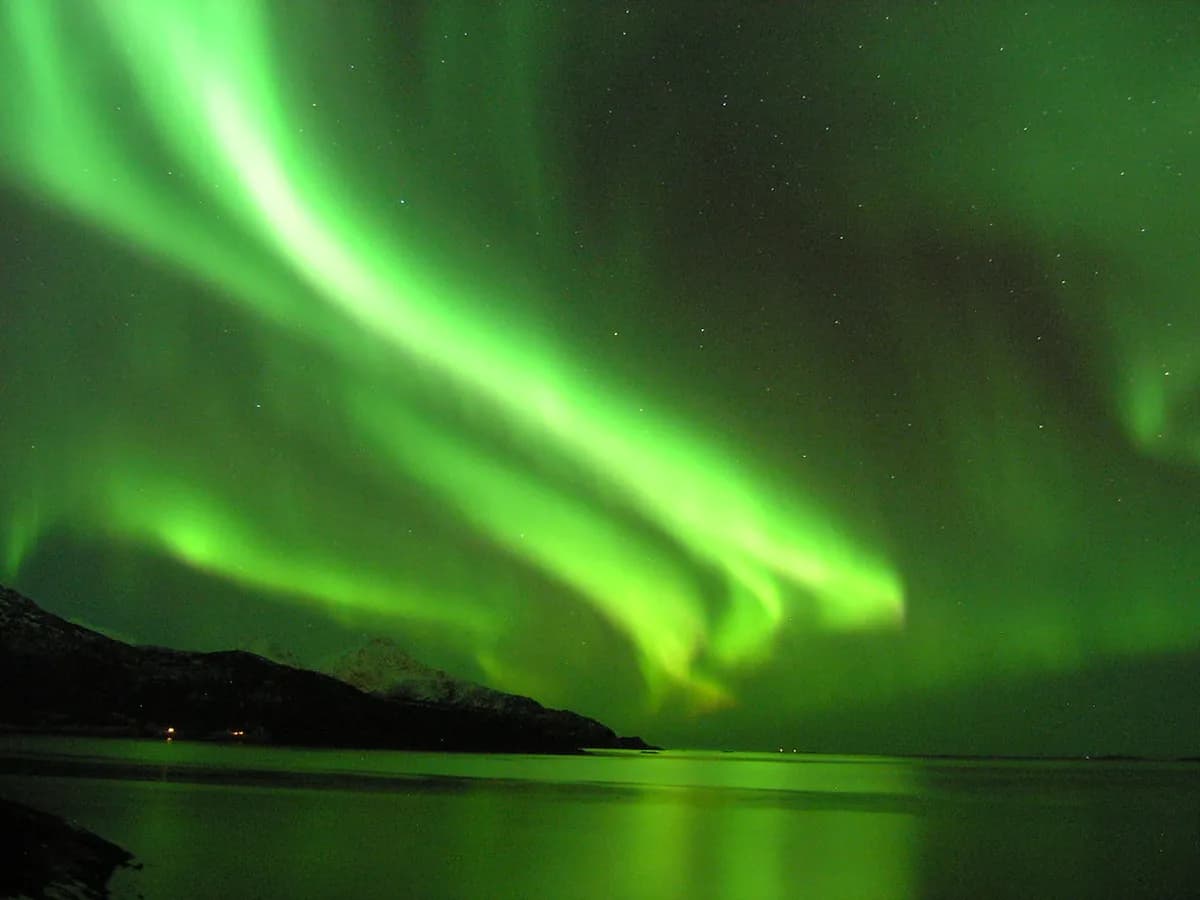
Save your evening for a Northern Lights chase tour. This is where most first-timers lose significant money or opportunity by booking the wrong product. See the comparison in Step 4 below. For Day 1, book a small-group minibus chase tour — guides monitor forecasts, check KP index readings, and drive as far as Finland if cloud cover demands it. Tours depart around 20:00 and return between midnight and 02:00. Expect to pay 1,200–1,600 NOK per person. Thermal suits are provided by most operators, so you do not need to layer up as heavily as you might expect.
Step 4: Discover Fjord Landscapes and Wildlife (Day 2)
Day 2 centres on the water. Board one of the fjord cruises departing from the harbor. The silent electric catamarans are the most comfortable option for winter — no diesel fumes, low engine noise, and a heated cabin.
Day 2 centres on the water. Board one of the fjord cruises departing from the harbor. The silent electric catamarans are the most comfortable option for winter — no diesel fumes, low engine noise, and a heated cabin. Tours run three to five hours and cost around 1,500 NOK. Between November and January, humpback and killer whales feed in the fjords near Tromsø; whale safari operators monitor the pods daily and will tell you honestly whether conditions are favorable when you call ahead. A RIB (rigid inflatable boat) whale tour gets you closest to the animals but is intensely cold; choose a standard enclosed vessel if comfort matters.
After lunch, warm up at Tromsøbadet, the indoor pool complex with jacuzzis, sauna, steam room, and a heated outdoor pool area with mountain views. Entry is around 200 NOK, and the facility stays open until 21:00 on most days. It is genuinely used by locals, not just tourists, and the contrast between sitting in warm water while looking at snow-covered peaks is one of the more memorable things you can do on a budget in Tromsø. In the evening, walk to the Mack Brewery area for dinner — Mack claims to be the world's northernmost brewery and the pub food is solid and reasonably priced by Norwegian standards.
Boat vs. Land: Which Northern Lights Tour Should You Book?
If you did not see the aurora on Day 1 or want a second attempt, Day 2 evening is your next chance. At this point, a question most guides never directly answer: should you book a boat tour or a land-based chase tour for your second attempt?
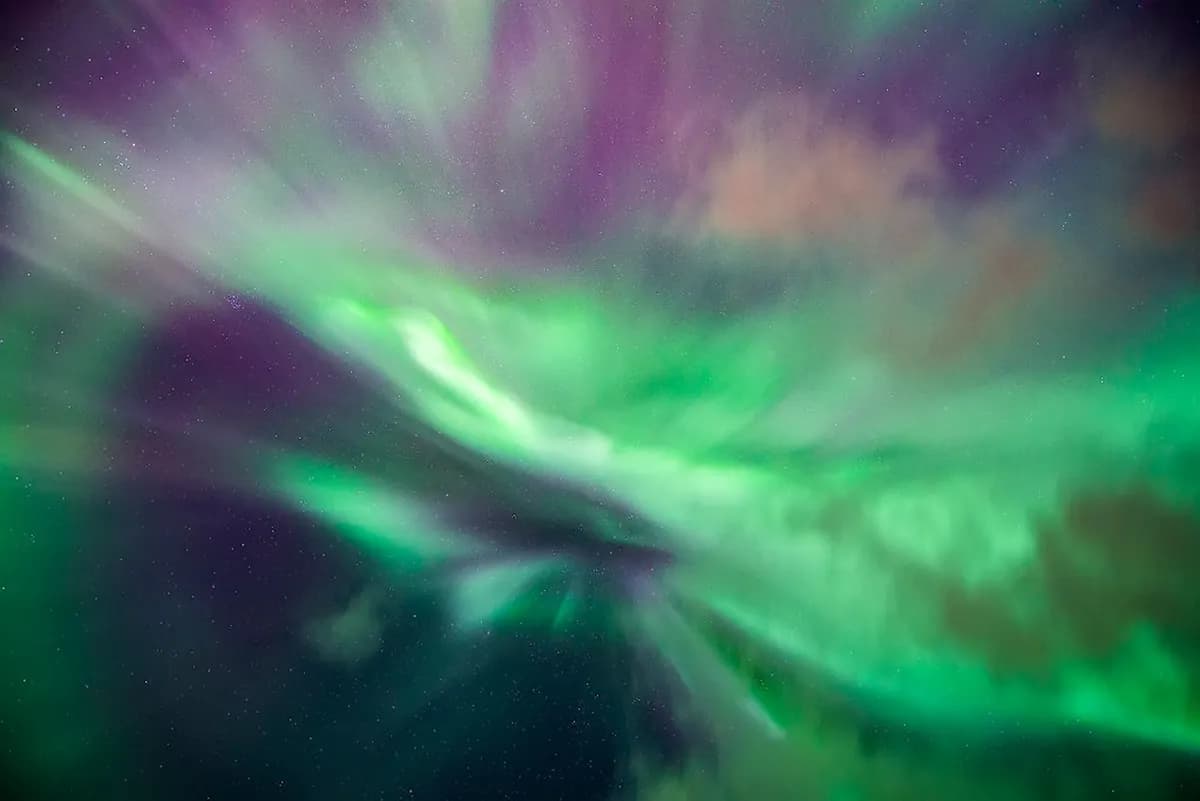
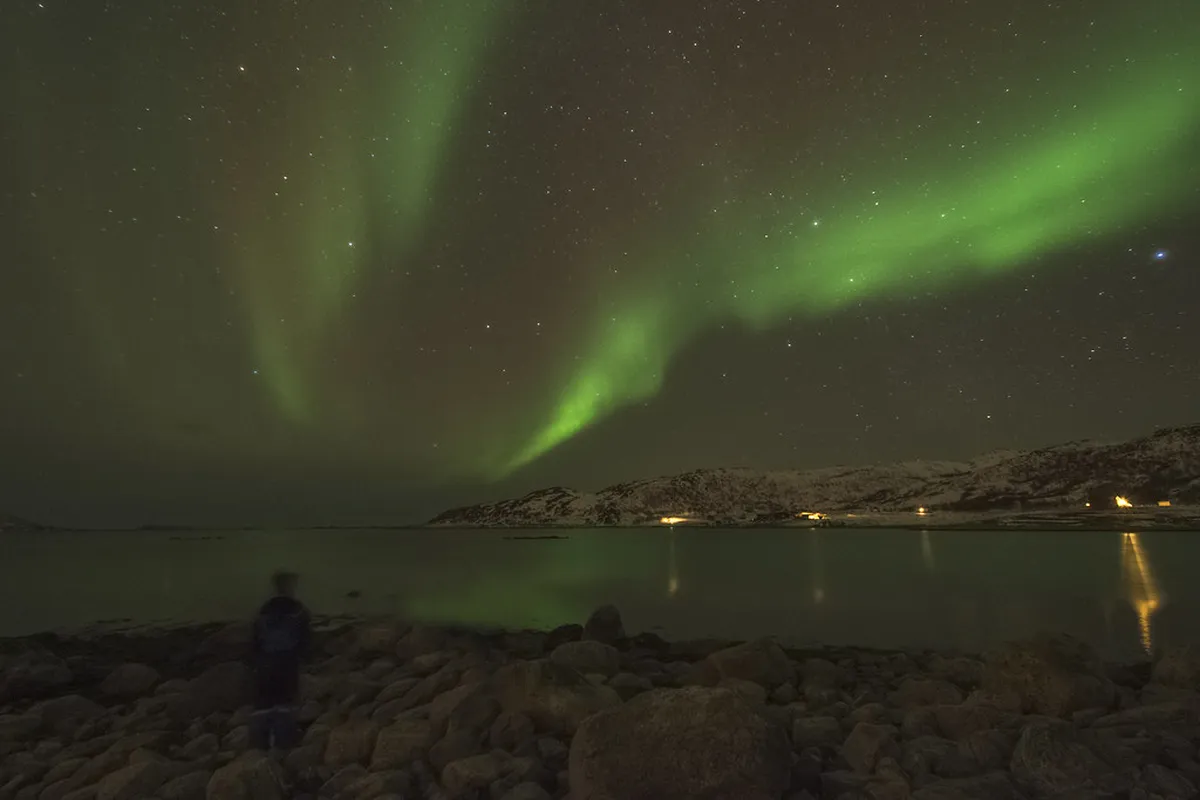
Land-based minibus chase tours have one critical advantage — mobility. The guide drives until they find a clear sky gap, sometimes crossing into Sweden or Finland. Success rates for chase-style tours run at roughly 80–90% on nights when any clear patch exists above northern Norway. You can also use a tripod and take long-exposure aurora photographs. The downside is that you are standing outside in -10°C to -20°C air for several hours.
Boat-based aurora tours — typically a catamaran or sailing vessel — offer a dramatically different experience. You have a warm cabin, Arctic tapas or hot drinks on board, and a fjord reflection that makes the lights look extraordinary when conditions are perfect. The trade-off is that you cannot photograph the lights with a long exposure from a moving vessel (images blur). Boat tours also cannot redirect the way a minibus can; if clouds sit over the fjord, you stay in the clouds. These tours work best when the forecast is already strong and you care more about the experience than the photograph.
The verdict for a three-day trip: book the land-based chase tour for your first attempt (Day 1), and if you saw the aurora and want a memorable second experience over the water, book the boat for Day 2. If Day 1 was clouded out, use Day 2 for another chase tour and save the boat for Day 3 only if the forecast is good.
Book small-group Northern Lights tours at least two to four weeks in advance in peak season (Jan–Mar) — top operators with eight to twelve-person groups sell out quickly. Check the cloud forecast, not just the KP index; 100% cloud cover ruins aurora visibility regardless of activity level.
| Tour Type | Mobile? | Photography | Comfort | Cost | Best for |
|---|---|---|---|---|---|
| Land-based (minibus chase) | Yes — drives to clear skies | Long exposure (tripod) | Cold (standing 3+ hrs) | 1,200–1,600 NOK | High success rate; photos |
| Boat (catamaran) | No — confined to fjord | Limited (moving vessel blurs) | Warm cabin; hot drinks | 1,500+ NOK | Memory over photos; comfort |
Step 5: Experience Sami Traditions and Mountain Views (Day 3)
Most operators pick you up from your hotel at 09:00 for the morning reindeer and Sami culture experience. Two tiers of tour exist. The closer camps, about 30 minutes from the city, let you feed reindeer, hear about Sami herding traditions, and take a short sleigh ride. The farther camps — particularly those in the Lyngen Alps, roughly 90 minutes out — are situated inland where snow cover is more reliable, the scenery is wilder, and the experience lasts longer. Camp Tamok in the Lyngen Alps consistently has snow even when Tromsø city is bare. I visited in mid-November when Tromsø was slushy and found knee-deep powder at the camp. Budget 1,500–2,200 NOK for the longer tour and book at least three weeks in advance — small group sizes fill quickly.
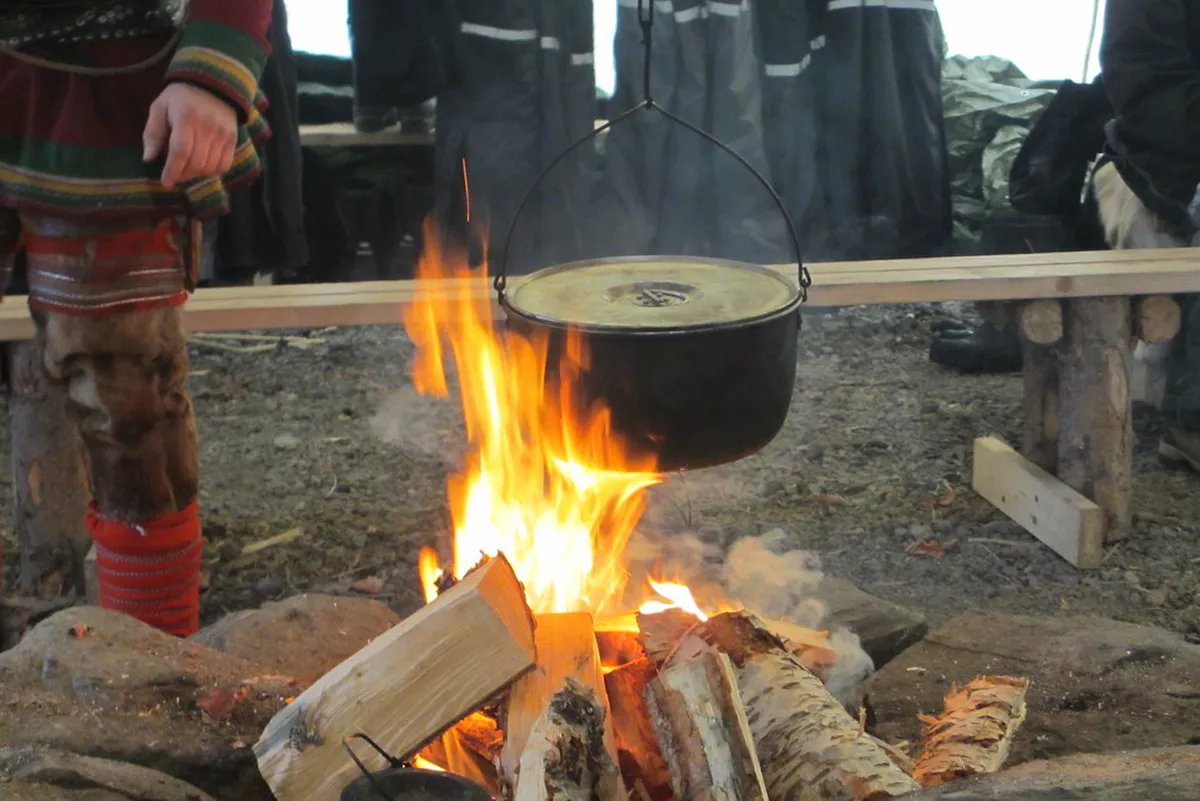
Most operators pick you up from your hotel at 09:00 for the morning reindeer and Sami culture experience. Two tiers of tour exist. The closer camps, about 30 minutes from the city, let you feed reindeer, hear about Sami herding traditions, and take a short sleigh ride. The farther camps — particularly those in the Lyngen Alps, roughly 90 minutes out — are situated inland where snow cover is more reliable, the scenery is wilder, and the experience lasts longer. Camp Tamok in the Lyngen Alps consistently has snow even when Tromsø city is bare. I visited in mid-November when Tromsø was slushy and found knee-deep powder at the camp. Budget 1,500–2,200 NOK for the longer tour and book at least three weeks in advance — small group sizes fill quickly.
After the tour returns around 14:00, take the Fjellheisen cable car for the best view in the city. The cable car runs from 10:00 to 23:00 daily. A return ticket costs approximately 250 NOK. The platform at the top sits at 421 metres and on a clear day you can see across the island to the surrounding fjords and peaks. During polar night, the city lights below are genuinely beautiful even without a visible horizon. Several hiking trails start from the top station; in winter, the route back down on foot takes about 45 minutes and requires microspikes or crampons.
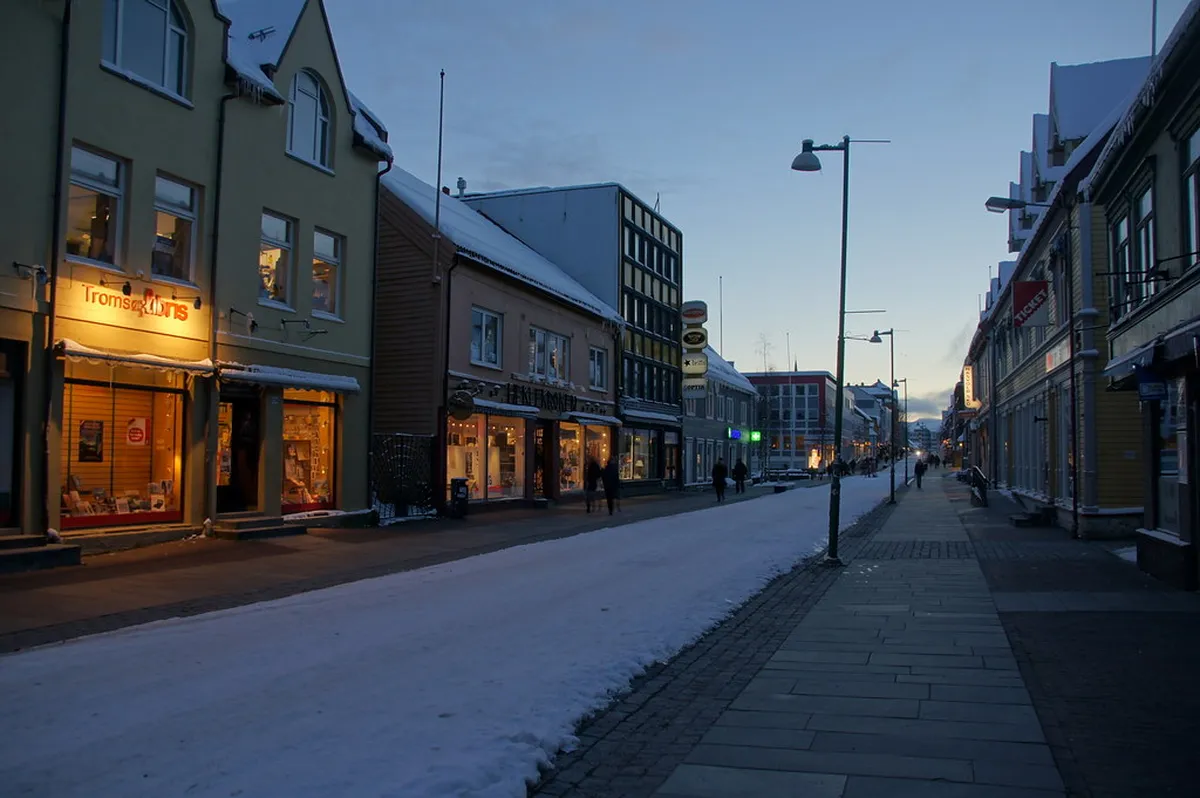
Finish the afternoon at the shops along Storgata in the city center. The street runs the length of the island and has a concentration of outdoors gear stores, souvenir shops, and a good selection of wool products. If you need to rent gear for snowshoeing or cross-country skiing at any point during your stay, Tromsø Outdoor on Storgata rents full Arctic clothing sets for approximately 400 NOK per day — far cheaper than buying gear for a single weekend.
Step 6: Select the Best Tromso Accommodation
Choosing Where to Stay in Tromsø: 10 Best Areas & Hotel Picks shapes your entire logistics. Stay in the city center and you walk to every restaurant, the cable car base station, and the harbor for cruise departures. Every major tour operator in Tromsø does free hotel pickups from the central hotels, which eliminates the need for taxis to reach early-morning excursions.
The Scandic Ishavshotel sits directly on the Tromsø Sound and is one of the two main tour-pickup hotels. Rooms face the water and the views toward the Arctic Cathedral are excellent. Clarion Hotel The Edge is the city's premium option — it has Tromsø's only skybar and a waterfront position — expect to pay 1,800–3,500 NOK per night in peak season. Thon Hotel Tromsø and Thon Hotel Polar are reliable mid-range choices with strong breakfast buffets. Budget 1,200–2,200 NOK per night for a standard double in January through March. Prices spike sharply during the Christmas and New Year period.
Glass igloos near Tromsø — Aera Glass Cabins and Skulsfjorden Dome are the two most-reviewed options — book out months in advance. They offer a remarkable sleeping experience with aurora views directly overhead, but they are 20–40 minutes from the city center, which complicates tour logistics. If the igloo experience is your priority, build your itinerary around it from the start rather than treating it as an add-on.
For solo travelers or those on tight budgets, Tromsø Activities Hostel is the practical choice. It sits centrally and has connections to several tour operators. Hostel dorms run around 400–600 NOK per night.
Step 7: Prepare Your Arctic Packing List and Gear
The single biggest mistake first-timers make in Tromsø is bringing urban winter clothing and expecting it to hold up during a three-hour outdoor aurora chase in -15°C wind. The layering system that works is: merino wool base layer, a mid-layer fleece or down sweater, and a windproof waterproof shell. Cotton as a base layer is dangerous when wet — it loses insulating value immediately.
Follow a proper winter packing list and pay particular attention to extremities. Thin liner gloves under thick waterproof mittens let you operate a camera without losing fingers. A balaclava or neck gaiter is more useful than a standard scarf. Waterproof snow boots rated to at least -20°C are non-negotiable; many people underestimate foot exposure during outdoor tours. Microspikes for icy city streets and the Fjellheisen descent are worth packing if you have space.
The important caveat is that most wilderness tour operators — dog sledding, reindeer camps, and Northern Lights chases — provide thermal coverall suits and sometimes thermal boots. This means your layers only need to survive the transfer between the bus and the suit. A good mid-layer set and a decent outer shell will get you through those transitions. If you are flying into Tromsø with hand luggage only, rent a full clothing set from Tromsø Outdoor (around 400 NOK per day) rather than buying gear you will use once.
One equipment note most guides skip: heated sidewalks. Many pavements in the Tromsø city center are underground-heated and stay clear of ice. Side streets and the area around the cable car base are not heated, and the icy slope outside the Fjellheisen station catches multiple people per day. Boots with a genuine grip sole — or Yaktrax cleats slipped over regular boots — are worth the inconvenience of packing.
What to Expect from Tromsø Winter Weather
The coastal location means Tromsø is milder than people expect for somewhere this far north. The Gulf Stream moderates temperatures significantly, so January averages around -4°C to -6°C rather than the -20°C many visitors anticipate. Some winter weeks see temperatures just below freezing with light snow; others bring rain when the temperature lifts above 0°C. Snow is not guaranteed, particularly in December. If you want reliable snow cover and classic Arctic scenery, aim for late January through March.
The coldest months are January and February, with average highs around -1°C and lows reaching -8°C to -12°C on cold nights. March warms slightly and is often the best month for clear skies. Wind is the real variable — a still night at -12°C is comfortable in proper clothing; a windy night at -5°C feels brutal. Check the wind speed alongside the temperature when planning outdoor activities.
Cloud cover is the other critical factor for a Northern Lights weekend. The west coast of Norway, including Tromsø, sits in a maritime zone that brings frequent overcast skies. This is precisely why chase-style tours that drive inland or across borders matter — the cloud bands that roll off the Norwegian Sea rarely extend all the way to the Finnish border. The KP index (aurora activity level) is easy to monitor on the Space Weather Live app, but the cloud forecast matters more than the KP level for a city-based visitor. A KP 7 storm with 100% cloud cover produces nothing visible. A KP 2 on a perfectly clear night can produce a stunning display.
Book in Advance: Reserve These Arctic Tickets Early
Tromso fills up fast in peak Northern Lights season (January to March). Top-rated Northern Lights tours with small group sizes — typically eight to twelve people — sell out two to four weeks ahead. Book your aurora chase before you confirm your hotel if you are travelling in February.
Dog sledding is the hardest activity to secure. The most reputable operators, including the Tromsø Wilderness Center on Kvaløya, have limited kennel capacity. Tours sell out three months in advance during peak season. If dog sledding is a priority, book it the moment you decide on your travel dates. Reindeer camp tours with the Lyngen Alps operators fill in a similar window.
The Arctic Cathedral and Polaria accept walk-ins. The Fjellheisen cable car has a ticket machine at the base and rarely sells out, though weekend queues at sunset are long — arriving 20 minutes before sunset avoids the worst wait. Tromsøbadet does not require reservations except for private sauna bookings.
Add an Extra Day: Best Day-Trip Extensions
If you have a fourth day, Sommarøy is the most accessible escape. The island, one hour west of Tromsø by road, is known for white sand beaches that look improbable in an Arctic setting. In winter the beaches are empty and the light is extraordinary. A rental car is the practical way to get there; no regular bus runs to Sommarøy from the city.
The Lyngen Alps, 90 minutes east of Tromsø, offer glacier walks, heliskiing, and the kind of mountain scenery that fills Norwegian tourism calendars. Guided glacier walks operate from January through April and cost around 1,500–2,000 NOK per person. The camps in this area are also drier and snowier than the city, making them the best base for a dedicated powder day if you ski.
You can equip a DIY day from Tromsø Outdoor with cross-country skis or snowshoes for roughly 340 NOK per adult per day. The company is centrally located on Storgata. They also stock all the warm-clothing essentials if you find your kit is short on a particular layer.
Use our guide to things to do in Tromsø for the wider city overview.
Frequently Asked Questions
How do I get from Tromso airport to the city center?
The Tromsø Airport Express Bus is the fastest option. It takes 15 minutes and costs about $12. Local buses 40 and 42 are cheaper alternatives.
What should I pack for a Tromso weekend?
Follow a strict winter packing list with wool base layers. Bring a windproof outer shell and sturdy waterproof boots. Temperatures often drop below -10°C in the evenings.
Do I need to rent a car for three days?
No, a car is not necessary for a city weekend. Most tours include transport to the wilderness areas. The city center is very walkable for most visitors.
A weekend in Tromso rewards visitors who do two things well: book early and pack correctly. The aurora is not guaranteed on any single night, which is why the three-day structure here builds in multiple attempts across different tour formats. Follow this itinerary and you give yourself the best realistic odds. Safe travels as you head into the Norwegian Arctic.
You might also like
Continue reading
More guides you'll find useful