10 Best Museums in Tromso (2026)
Plan your visit to the best museums in Tromso with our 2026 guide. Find top picks, costs, hours, and tips for the Polar Museum, Polaria, and more.
On this page
10 Best Museums in Tromso (2026)
Tromso packs more cultural weight than its size suggests. As the historic gateway for Arctic expeditions, seal hunts, and Sami life, this city has genuine stories to tell — and most of them are best heard inside its museums. After visiting the city four times over the last decade, I have seen which institutions justify the entry fee and which ones feel like a detour.
This guide gives you a frank ranking from best to most skippable, along with the practical details you need for 2026: current ticket prices in NOK and EUR, opening hours by season, street addresses, and honest notes on what kind of traveler each museum suits. Not every institution here is worth your time, and I will tell you which ones to drop if your schedule is tight.
Before You Go: Tickets & Essentials for Exploring Tromso
Most Tromso museums do not require advance booking — you can walk in on the day. The exception is guided tours that combine multiple sites: the Tromso Walking Tour with Polar Museum entry and the Polar Bear Walk (which includes Polaria) do sell out during cruise ship days, so booking ahead removes the risk. Norway is nearly cashless, so you can pay by card or mobile at every site listed below.
The city offers a combined ticket covering the Polar Museum and the Arctic University Museum for roughly 40 NOK less than buying separately — worth it if you plan to visit both. Opening hours shrink outside summer: many venues run 11:00–17:00 from September to May and extend to 18:00 or 19:00 in June and July. Always check the official site for closures around Norwegian public holidays at Christmas and Easter. Lockers are available at the larger institutions for storing coats and bags.
Getting around costs nothing extra if you stay central. The Polar Museum, Perspektivet Museum, MS Polstjerna, and the Magic Ice Bar are all within a ten-minute walk of each other along the harbor. The Arctic University Museum and the Science Centre sit on the university campus about 3 km south — reachable by city bus (line 22 or 26) or a short taxi ride. Budget roughly half a day for the harbor cluster and a separate half-day for the university sites if you want to cover both.
Tromso Museums Personal Guide – From Best to Least Interesting Ones
Tromsø is not a city of grand museums. Most institutions here are small, topic-specific, and can be seen in under 90 minutes. That focus is actually a strength — the best ones deliver genuine depth on a single subject rather than sprawling collections that dilute everything. The ranking below reflects content quality, not size or marketing budget.
Most museums do not require advance booking, but guided tours combining multiple sites and Polaria can sell out on cruise-ship days — book ahead if you arrive with a ship.
1. The Arctic University Museum of Norway — 5/5
Address: Lars Thørings veg 10. Open Monday–Friday 10:00–16:30, Saturday–Sunday 11:00–16:00. Entry: 110 NOK (approx. €10).
This is the best museum in Tromso by a clear margin. It covers Sami culture and traditional life in extraordinary detail, with original artifacts, clothing, and boat-building techniques. The geology and Arctic wildlife sections are equally strong. What surprises most visitors is the witch trials room: original 17th-century court documents from the region, where Tromso saw some of the most intense witch-hunt prosecutions in Scandinavian history. Seeing the actual handwritten testimony is a genuine jolt. Because the museum sits away from the cruise-ship trail, it is rarely crowded even in peak summer.
The Northern Lights exhibit here is also the best static explainer in the city — more scientifically grounded than the planetarium film at the Science Centre. If you are doing only one cultural stop in Tromso, make it this one. Visit our page on 8 Essential Ways to Experience Sami Culture in Tromso for more context before you go.
2. The Polar Museum (Polarmuseet) — 4/5
Address: Søndre Tollbodgate 11B. Open daily 11:00–17:00 (Sep–May), 11:00–18:00 (Jun–Aug). Entry: Adults 110 NOK (approx. €10), children 7–18 pay half. Full details at the Polar Museum official site.
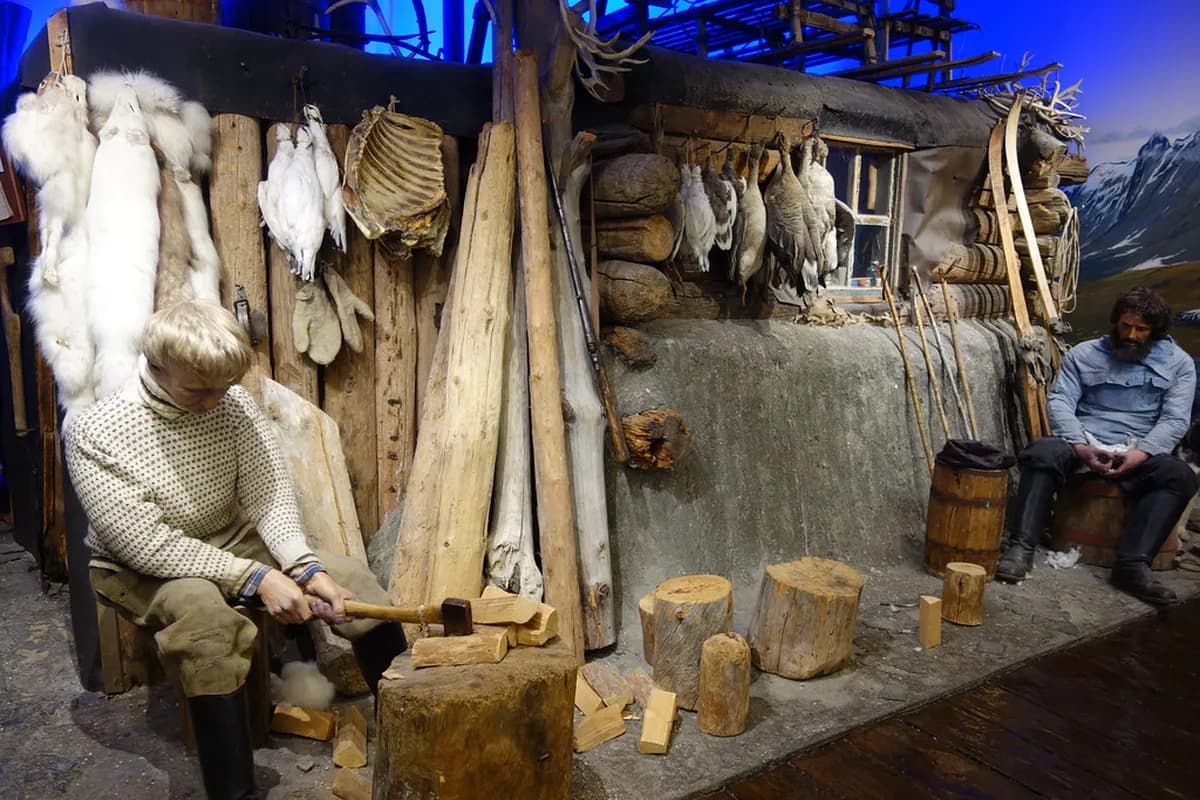
Housed in a bright-red warehouse from 1830, the Polar Museum tells the story of Arctic trappers, hunters, and the great polar expeditions in ways that feel immediate rather than academic. Old tools, rough equipment, and handwritten logs pull you into conditions that are hard to imagine. The ground floor focuses on hunting and trapping: walrus and seal hunting from the 17th century onward, the shift to Arctic fox pelts, and the extreme winters endured by lone trappers on Svalbard.
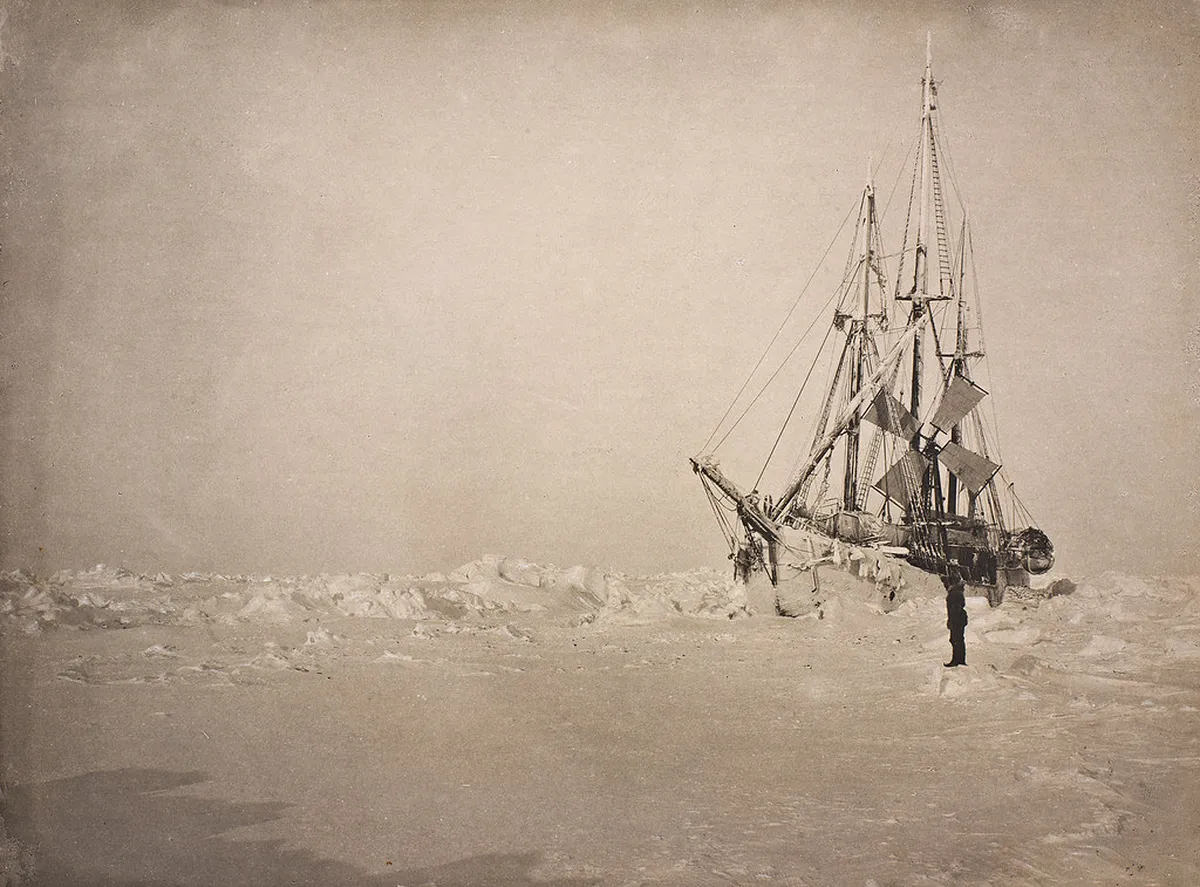
Upstairs the tone shifts to polar exploration. The Roald Amundsen rooms are strong, but the highlight is the Fram exhibition. The museum explains in detail how the Fram's first expedition, launched in 1893, was deliberately frozen into the Arctic ice to drift westward — a theory by Fridtjof Nansen based on Siberian debris that had washed up in Greenland. When the drift stalled, Nansen and Hjalmar Johansen set off on foot for the North Pole, reached a record latitude, then spent an entire winter in a self-built hut on Franz Josef Land before making it home. The exhibit handles that survival story with the weight it deserves.
One honest caveat: this is the most visited and most crowded museum in the city. Arrive before 12:00 or after 15:00 to have room to read the panels. Plan 90 to 120 minutes. The hunting displays — taxidermy animals, fur coats, bone tools — are realistic, which is appropriate for the subject but worth knowing in advance.
The Polar Museum's lighting is dim in places to preserve artifacts, and narrow historic stairs require caution — allow extra time and wear sturdy shoes with good traction.
3. Perspektivet Museum — 4/5
Address: Storgata 95, next to the Polar Museum. Open Tuesday–Sunday, hours vary by exhibition. Entry: 85 NOK (approx. €8) in 2026; some sources still list it as free, but that changed.
This photography and social history museum occupies a handsome 1838 merchant's house. The rotating exhibitions consistently focus on real people and real situations: post-war daily life in Tromso, identity in the Arctic north, global humanitarian topics. When the current show is strong, this is the most thought-provoking stop on the harbor loop. Check their site before visiting to see what is showing — it makes a significant difference to the experience.
4. MS Polstjerna — 4/5
Address: Hjalmar Johansens gate 10. Seasonal opening; check ahead. Entry: 60 NOK (approx. €5.50).
A real early-20th-century sealing vessel preserved inside a glass building beside Polaria. You walk through the crew quarters — tiny bunks, worn tools, cold metal — and get a visceral sense of what Arctic hunting work actually looked like. It is small and done in 30 minutes, but it complements the Polar Museum well. The ticket price is slightly steep for the size, but if you combine it with Polaria next door, the value improves.
5. Nordnorsk Kunstmuseum — 3/5
Address: Sjøgata 1, city center. Closed Mondays. Entry: approx. 80 NOK (€7.50).
The North Norwegian Art Museum covers Arctic-themed painting, Sami visual art, and Svalbard photography from the 19th century to today. The permanent collection is modest but the rotating exhibitions can be genuinely interesting — particularly anything focused on Svalbard or indigenous visual culture. If art is not your primary interest, this is a reasonable 45-minute stop but not essential.
6. The Science Centre of Northern Norway — 3/5 for adults, 5/5 for families
Address: Hansine Hansens veg 17, university campus. Open 11:00–16:00 most days. Entry: 130 NOK (approx. €12) adults.
The planetarium here is the largest in Norway and the aurora borealis film is well made. The hands-on physics stations and interactive exhibits are excellent for children. As an adult traveler who has visited larger science centers elsewhere in Europe, the exhibits will feel basic. If you are traveling with kids under 12, this is a priority stop. Solo or couple travelers on a short trip can skip it without missing anything essential to understanding Tromso.
7. Tromsø Kunstforening (Contemporary Art) — 3/5
Address: Mellomvegen 82, a short uphill walk from the center. Open Wednesday–Sunday 12:00–17:00. Entry: free.
The oldest art institution in Northern Norway, this gallery focuses on experimental and contemporary work from local and regional artists. The atmosphere is welcoming and admission is free. The building itself, dating to 1894, is worth seeing. Recommended for art enthusiasts or anyone spending several days in the city; too niche for a one- or two-day visit.
Museums I'd Personally Skip (or Approach with Caution)
Polaria gets heavy marketing as a must-see Arctic experience, but the reality is thin for the price. The panoramic films about Svalbard and the northern lights are essentially drone footage compilations. The bearded seal tank is small, and the aquarium section is limited. If the weather has shut down every outdoor activity and you have already visited everything else, it works as a backup. Otherwise, skip it. Entry is approximately 220 NOK (€20) per adult — the highest admission on this list for the least return.
The Troll Museum charges 180 NOK for an augmented-reality fairy-tale experience that skews heavily toward children. Adults looking for cultural or historical content will find it gimmicky. The Tromsø War Museum is another one to approach with realistic expectations: it is very small, covers WWII occupation history, and lacks the depth or artifact quality of war museums elsewhere in Norway. Worth 30 minutes if the topic interests you specifically, but do not plan your day around it.
The Magic Ice Bar is a social experience, not a museum. The ice sculptures reference Arctic history and the entry fee includes a drink, but you are paying for atmosphere rather than education. Fun with a group; awkward alone. Entry is 250 NOK (€23).
| Museum | Entry (NOK) | Entry (EUR) | Best for |
|---|---|---|---|
| Arctic University Museum | 110 | €10 | Sami culture, history, geology, witch trials |
| Polar Museum | 110 | €10 | Arctic exploration, Fram expedition, hunting history |
| Perspektivet Museum | 85 | €8 | Photography, social history |
| MS Polstjerna | 60 | €5.50 | Sealing vessel, maritime work |
| Nordnorsk Kunstmuseum | 80 | €7.50 | Arctic and Sami visual art |
| Science Centre | 130 | €12 | Planetarium, families with children |
| Polaria | 220 | €20 | Backup if weather prevents outdoor activities |
| Magic Ice Bar | 250 | €23 | Group social experience, not education |
The Detail Most Visitors Miss: Tromso's Witch Trial History
The Arctic University Museum's witch trials room tends to stop visitors cold, and understandably so. Between roughly 1600 and 1700, the Tromso region saw a disproportionate number of witch trial prosecutions relative to its population — more intense than most of mainland Norway. The exhibit includes original court documents, testimonies taken from accused women, and explanatory panels that put the cases in their social and religious context.
What makes this section particularly affecting is that the accused were ordinary coastal and inland Sami and Norwegian women, often targeted during periods of economic stress or community conflict. Reading the actual accusations — fishing curses, storm-raising, harm to cattle — against the backdrop of the everyday objects displayed nearby creates an unsettling contrast. It is the kind of exhibit that stays with you long after you leave the building, and it is not covered in any meaningful depth in standard Tromso travel guides. Plan extra time in this wing if history of this kind interests you.
Things to Know Before Visiting Museums in Tromsø
Walking between the central sites is feasible even in winter, provided you have sturdy boots and ice grips. Most city center museums are within a ten-minute walk of each other, saving you money on local transport. Consult our Getting Around Tromso Travel Guide guide for bus routes to the Science Centre and University Museum.
Museum cafes typically close an hour earlier than the exhibits themselves. If you plan on having lunch at the Arctic University Museum, aim to arrive before 14:00 to ensure food service. Lockers are usually available for free or a small coin deposit to store heavy winter coats while browsing.
Many visitors underestimate the time needed for the Polar Museum, which requires at least 90 minutes to read the detailed journals and expedition accounts. The lighting in the historic building can be dim in places — appropriate for artifact preservation but take your time on the narrow stairs. Refer to our 10 Essential Tromso Travel Tips: The Ultimate Arctic Guide for more advice on navigating the city during the polar night.
Check official websites for holiday closures, especially during the Christmas and Easter periods in Norway. Some smaller galleries operate on reduced hours during the shoulder seasons of May and October. Booking a guided walking tour can often bundle discounted entry to several of these locations in one package — particularly useful if you have only one full day in the city.
How to Plan a Smooth Museum Day in Tromso
If you have one full day for museums, use the morning for the Arctic University Museum (bus from the center, arrive at opening at 10:00 or 11:00). Spend two hours there, then take the bus back and walk the harbor cluster: Perspektivet Museum, then the Polar Museum, then MS Polstjerna if you want the sealing ship context. That itinerary covers the four strongest institutions without rushing.
If you have only half a day, go straight to the Polar Museum at 11:00 and walk to Perspektivet afterward. Both are centrally located and can be done back to back in three hours. The Arctic University Museum then becomes a separate trip or a priority if you have a second day. Check our full guide to 15 Best Things to Do in Tromsø, Norway for how to sequence museums with outdoor activities like the Fjellheisen cable car, which is best in the early evening light.
Students with a valid ID typically save 40–50% at the university-affiliated sites. Children under seven enter free at most institutions. The combined Polar Museum and Arctic University Museum ticket saves roughly 40 NOK off the individual prices — ask at the first desk you visit. Pack a reusable water bottle: Norwegian tap water is excellent and museum cafes are expensive.
Frequently Asked Questions
Which museums in Tromso are free?
Perspektivet Museum and Tromsø Kunstforening both offer free admission to the public. These galleries focus on documentary photography and contemporary art, making them excellent budget-friendly cultural stops in the city center.
How much time should I plan for the Polar Museum?
Most visitors spend between 90 minutes and two hours exploring the exhibits. This allows enough time to read the detailed historical accounts of Arctic explorers and view the extensive collection of trapping equipment.
Are Tromso museums open on Sundays?
Yes, most major museums like Polaria and the Polar Museum remain open on Sundays. However, some smaller art galleries like Nordnorsk Kunstmuseum may have shorter hours or be closed on Mondays instead.
The best museums in Tromso offer a window into a world of extreme survival, creative resilience, and scientific wonder. Start with the Arctic University Museum for its breadth and the Polar Museum for its expedition depth — those two alone justify a full cultural day. Add Perspektivet if you have time, and skip Polaria unless the weather forces you indoors.
Make sure to check the latest seasonal hours before you set out, especially during the dark winter months. Your journey through Tromso's history will undoubtedly be one of the highlights of your Norwegian adventure.
You might also like
Continue reading
More guides you'll find useful