9 Best Arctic Beaches Near Tromso (2026)
Discover the 9 best Arctic beaches near Tromso. From the white sands of Sommarøy to the Vulkana spa boat, plan your polar plunge with local gear and timing tips.
On this page
9 Best Arctic Beaches and Coastal Experiences Near Tromso
Standing on the white sands of Sommarøy, you might momentarily forget you are 200 miles north of the Arctic Circle. The water glows with a brilliant turquoise hue that defies the freezing temperatures of the Barents Sea — a visual trick where the Caribbean meets the polar tundra. Arctic beaches near Tromso offer a rugged beauty that contrasts sharply with any tropical getaway, and planning a visit requires specific knowledge of local conditions, seasonal light, and transport options.
One common mistake travelers make is underestimating the distance between these secluded coves and the city center. While Telegrafbukta is a quick stroll from downtown, the most dramatic landscapes require a journey across the bridges to Kvaløya. The following selection highlights the most iconic coastal spots and unique experiences that define Northern Norway's seaside culture. Prepare for a beach vacation where wool sweaters are just as important as your swimsuit. Check out everything else on your list of 15 Best Things to Do in Tromsø, Norway to plan the rest of your trip alongside these coastal days.
Sommarøy: The Turquoise Jewel of the Arctic
Sommarøy — literally "the Summer Island" — sits about 60 km west of Tromsø on the outer edge of Kvaløya, and it is the destination that defines the Arctic beach experience. Its white-sand beaches and turquoise lagoons look so out of place this far north that first-time visitors routinely stop on the bridge just to photograph the view. The village is a working fishing community, which means the shoreline is flanked by painted boathouses and stacked lobster pots rather than beach bars and sun loungers.
You can reach Sommarøy by car in about one hour via the E8 and RV862, or by taking the 420 bus from Tromsø's Prostneset terminal, which runs several times daily and takes around 1 hour 15 minutes. On weekends the bus is less frequent, so check the Tromskortet app for live schedules before you leave. A sea kayak is the ideal mode of transport for exploring the surrounding archipelago: you can paddle between small islets, find a hidden cove entirely to yourself, and be back at the village for coffee within a few hours. The hotel offers full Nordic accommodation and dining once you arrive.
The Sommarøy Arctic Hotel overlooks the beach and its restaurant is open to day visitors, making it the most convenient spot for a warm meal before or after your coastal walk. The public beach area near the bridge is free to access 24 hours a day. Park at the gravel lot beside the bridge and walk five minutes south to reach the softest shell-sand sections. This is also the most photographed stretch of water in the region, and for good reason.
A Different Type of Beach Vacation
Norway is not the first destination that comes to mind when someone says "beach holiday," and Northern Norway even less so. That gap between expectation and reality is precisely what makes these beaches so memorable. There are no beach vendors, no thumping speaker systems, and no fight for a sun lounger. What you get instead is a golden eagle soaring overhead, the rhythmic sound of waves that have beaten this coast for thousands of years, and the near certainty that no other tourist is within a kilometre of you.
The coastal landscape surrounding Tromsø divides into three main clusters: city-adjacent parks like Telegrafbukta, the rugged Kvaløya coast with spots like Grøtfjord and Otervika, and the Sommarøy archipelago to the west. Each cluster has a distinct character. The city beaches are family-friendly and reachable by bus. The Kvaløya coast is mountainous, wild, and best explored by rental car. Sommarøy is the postcard destination where the shell-sand beaches look genuinely tropical. Plan around your transport and your tolerance for remote access roads.
Managing expectations is part of the preparation. Water temperatures sit between 4°C and 12°C year-round. Wind chill can turn a beautiful afternoon into a genuine cold-weather challenge within minutes. Pack wool mid-layers, a waterproof outer shell, and neoprene boots even for a summer visit. The reward for that preparation is access to some of the most dramatic, uncrowded coastal scenery on the planet — scenery that a beach in Mallorca simply cannot match.
Arctic water temperatures never exceed 12°C even in peak summer, and drop to 2–4°C in winter. Always have dry clothing and hot beverages ready before entering the water, even for a brief polar plunge.
A 5mm neoprene wetsuit costs roughly 400–600 NOK per day to rent through local tour operators, making it essential gear for any extended time in the water. A drysuit is worth the extra cost for winter snorkeling or kayaking.
9 Best Arctic Beaches and Coastal Experiences Near Tromso
The following list combines traditional beach locations with unique coastal experiences like the Vulkana spa ship. This mix ensures that even those who prefer to stay dry can enjoy the beauty of the Arctic shoreline. Each entry notes the access method, so you can plan around whether you have a rental car or are relying on public transport. For the complete guide to the island that holds most of these spots, the Sommaroy Day Trip From Tromso: A Perfect 1-Day Itinerary route overview covers timing and stop combinations.
| Beach or Experience | Distance from Tromsø | Access Method | Cost |
|---|---|---|---|
| Sommarøy Arctic Hotel Beach Front | ~60 km (1 hour) | Car or bus 420 | Free |
| The Vulkana Spa Ship | City harbour | Walking + booking | 1,000–1,800 NOK |
| Telegrafbukta City Beach Park | City center | Bus 33 (10 min) | Free |
| Grøtfjord Sand Beach | ~40 km | Rental car required | Free |
| Sandvika Beach on Sommarøy | ~60 km | Car or bus 420 | Free |
| Otervika Hidden Cove | ~50 km | Rental car + hiking | Free |
| Kallfjord Coastal Shoreline | ~30 km | Rental car | Free |
| Grotfjord Village Waterfront | ~40 km | Rental car | Free |
| Tussøy Island Remote Beaches | ~50 km to ferry pier | Car + ferry | 100–150 NOK ferry |
- Sommarøy Arctic Hotel Beach Front
- This iconic white-sand beach sits right at the edge of a vibrant fishing village and offers stunning turquoise water views.
- Access is free and open 24/7, though the nearby hotel facilities are reserved for paying guests and diners.
- Located an hour from Tromsø, it is best reached by car or the 420 bus which runs several times daily.
- Park at the public lot near the bridge and walk five minutes to reach the softest sand sections.
- The Vulkana Spa Ship Experience
- A converted fishing vessel, the Vulkana offers a mobile coastal experience featuring an on-deck saltwater hot tub and sauna.
- Sessions typically cost around 1,000–1,800 NOK per person and run for 3–4 hours departing from the city harbour.
- This is the best way to experience the Arctic sea while maintaining a comfortable body temperature in the steam.
- Book your session at least two weeks in advance as this boutique boat has very limited capacity for each sailing.
- Telegrafbukta City Beach Park
- This popular local park in the southern part of Tromsø island features grassy lawns and a rocky shoreline.
- Entry is free and the park is open year-round, serving as a prime spot for summer picnics and winter aurora viewing.
- Take the number 33 bus from the city center for a ten-minute ride directly to the park entrance.
- The southern tip of the park offers the best view of the mountains across the fjord during sunset.
- Grøtfjord Sand Beach
- Nestled between steep mountains on Kvaløya, this beach is a favourite for local surfers and brave swimmers.
- The beach is free to visit and is most dramatic during the golden hour when the peaks glow orange.
- You will need a rental car for the 40-minute drive from Tromsø as public transport here is very limited.
- The tide recedes significantly here, revealing hidden tide pools that are perfect for children to explore safely.
- Sandvika Beach on Sommarøy
- Located just before the main bridge to Sommarøy, this expansive beach features the finest shell sand in the region.
- The area is public land and accessible 24/7, making it a top choice for midnight sun photography.
- Drive toward Hillesøy and look for the small gravel pull-off areas where you can park for free.
- Climb the small hill behind the beach for a panoramic view of the entire archipelago and the open sea.
- Otervika Hidden Cove
- This secluded spot on the western side of Kvaløya offers a more private experience away from the main road.
- There is no cost to visit, but the path from the road can be muddy and requires sturdy footwear.
- It is situated about 50 minutes from the city and is best found using a GPS or local topographic map.
- Look for the small wooden gate near the sheep pastures to find the start of the coastal trail.
- Kallfjord Coastal Shoreline
- This area is known for its dramatic rock formations and deep blue water that contrasts with the winter snow.
- Access is free and the shoreline is easily reached from several roadside stopping points along the fjord.
- The drive takes roughly 30 minutes from Tromsø and offers several chances to spot sea eagles overhead.
- Visit during the blue hour in December for an ethereal light that makes the water appear like liquid silver.
- Grotfjord Village Waterfront
- The small village surrounding the beach provides a charming, traditional backdrop for a coastal walk.
- While the beach is free, please respect the privacy of the local residents by staying on marked paths.
- Getting here requires a car, and the winding mountain road offers spectacular views of the surrounding peaks.
- The local community center sometimes opens a small seasonal cafe during the peak summer months of July and August.
- Tussøy Island Remote Beaches
- For a true escape, this small island features untouched beaches that are only accessible by a local ferry.
- The ferry costs approximately 100–150 NOK per adult and departs from the pier at Sandneshamn on Kvaløya.
- This is a full-day commitment as the ferry schedule is limited to just a few crossings each day.
- Pack all your own food and water as there are no shops or commercial facilities on the island.
The Vulkana: A Unique Arctic Spa Boat Experience
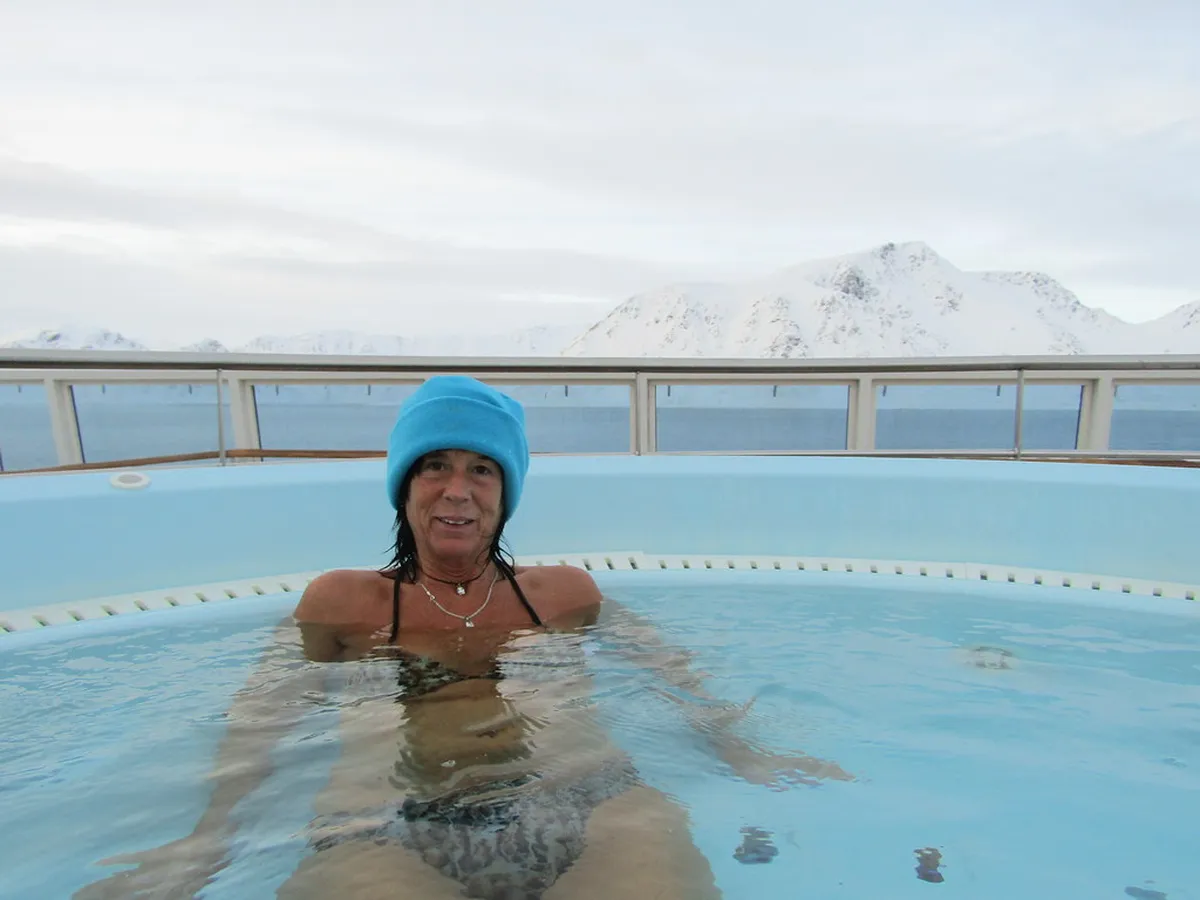
The Vulkana started life as a traditional Norwegian fishing vessel and was converted into a floating spa that sails out of Tromsø harbour. It is often described as "just a boat with a sauna" by people who have not been on it, and that description does it no justice. Onboard you have a rooftop hot tub with open-sky views, a cedar sauna with panoramic windows, a steam room below deck, a fireplace lounge, a dining area, and a full bar. Drinks — alcoholic and non-alcoholic — are included in the session price.
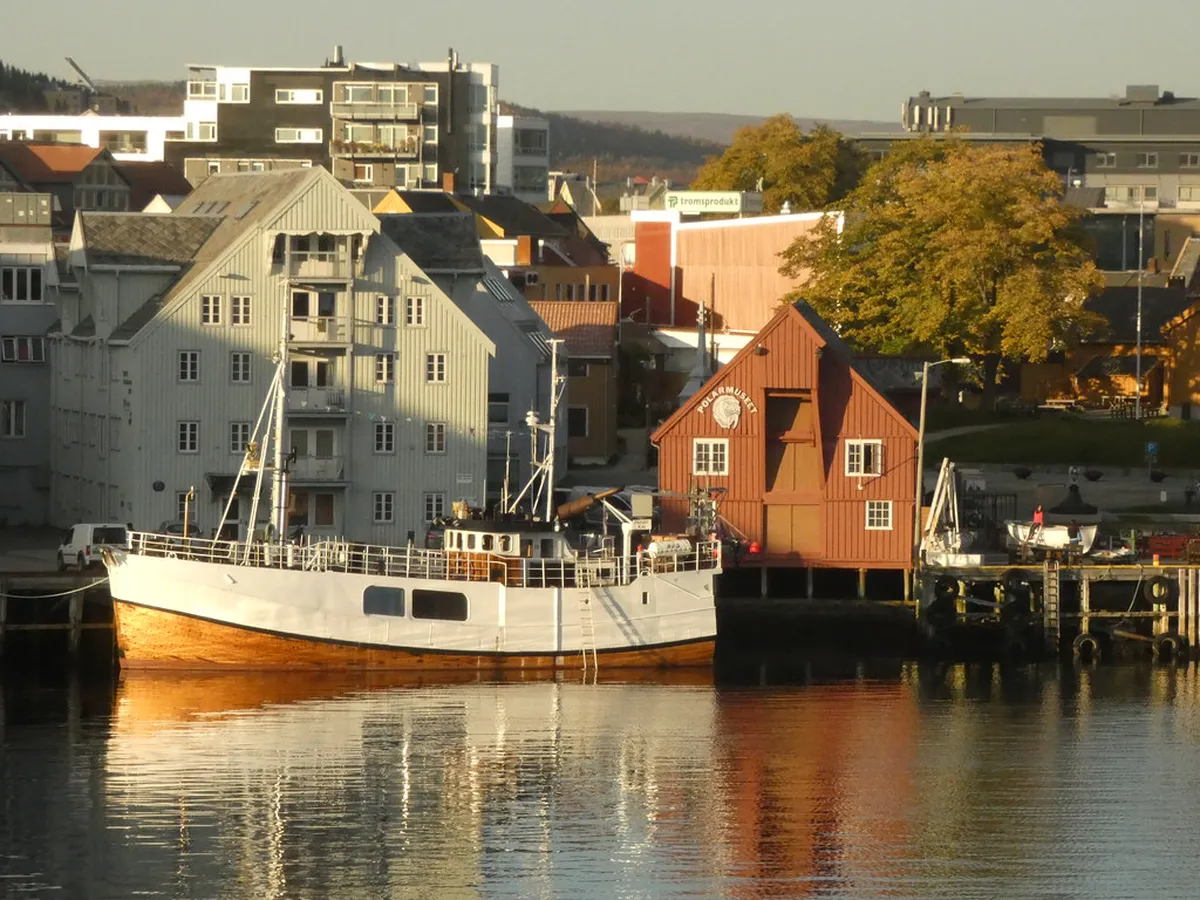
The key draw is the polar plunge option. After warming your core in the sauna, you descend a ladder directly into the Arctic sea. The contrast is extreme: within seconds your teeth chatter and your skin flushes from the shock. Most people manage 5 to 15 seconds before climbing back aboard. The cycle of sauna-plunge-sauna-plunge is the Nordic way, and the Vulkana does it in one of the most dramatic settings imaginable — open water between fjord mountains with the possibility of seeing a dolphin or minke whale in the distance.
Sessions run 3–4 hours and depart from the central Tromsø harbour. Capacity is deliberately small, which keeps the experience intimate but means availability disappears quickly in peak months. Book directly via the Vulkana website at least two weeks ahead for summer sailings. If you want the full Arctic coastal experience without setting foot on a beach, this is your best alternative — and a genuinely useful option for travelers who want the sea but lack the cold-water tolerance for a traditional polar plunge.
Turquoise Seas and Pearly White Sands: The Science of Shell Sand
The tropical appearance of Arctic beaches near Tromso is a fascinating geological result of the local ecosystem. Unlike volcanic beaches in Iceland or quartz sands elsewhere in Europe, these shores are composed almost entirely of crushed calcareous shells. Over thousands of years, the remains of sea urchins, snails, and coralline algae have been ground down by the waves into fine white particles. This organic material creates a brilliant white surface that reflects light very differently from standard mineral sand. Visit Norway's official Arctic information provides detailed geological insights into this unique polar phenomenon.
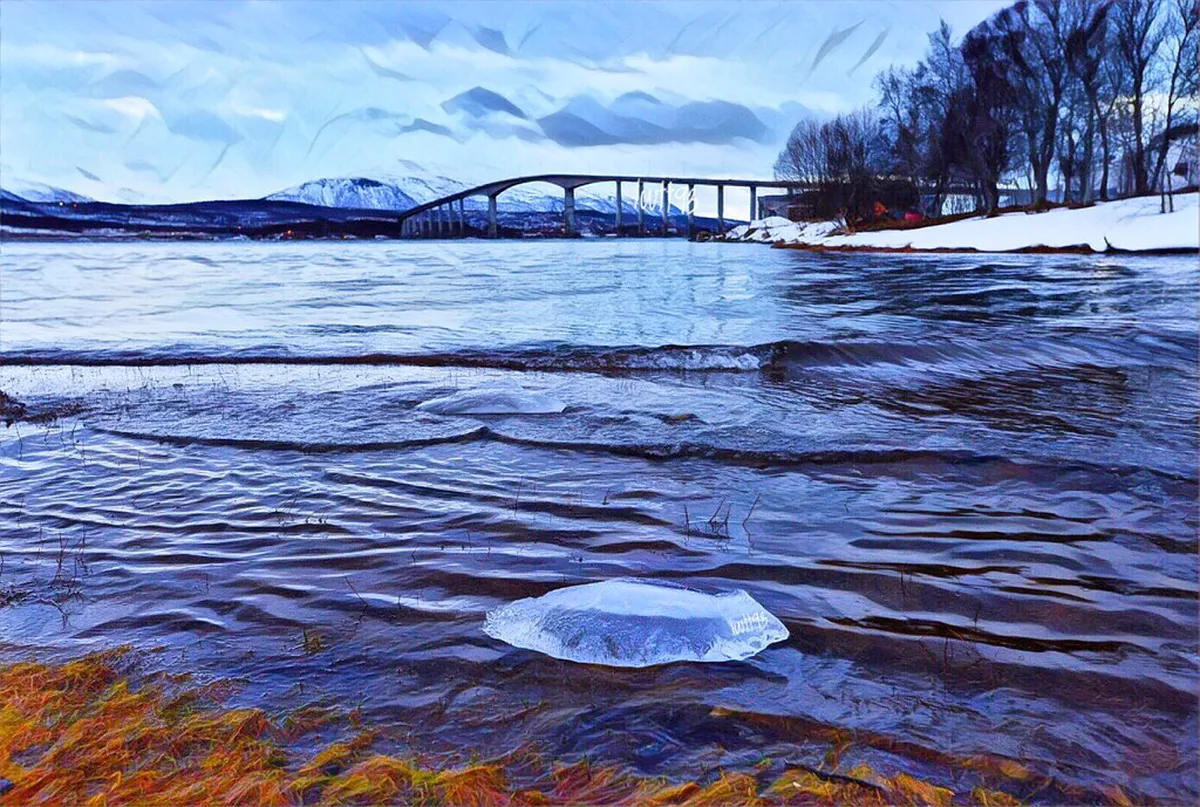
When the sun hits this white seabed through the clear water, it filters out the red parts of the light spectrum, leaving behind the vivid blues and greens that give the Barents Sea its signature turquoise glow. The water clarity in Northern Norway is exceptional because the cold temperatures inhibit the growth of large plankton blooms. Visibility can often exceed 20 metres during winter months, which amplifies the colour effect even on overcast days.
This visual phenomenon is most intense during summer, when the sun stays high in the sky and maximises the reflection off the shell sand, making the water look almost neon. Even on cloudy days, the contrast between the white shore and the dark mountains remains striking. The combination of biology and light physics is what makes the region a photographer's paradise — and why a beach in Northern Norway can genuinely look more tropical than the real tropics in a photograph.
The "Northern Norwegian Swimsuit": Essential Cold-Water Gear
The phrase "Northern Norwegian Swimsuit" is a local joke that refers to a wetsuit. It captures the core truth about swimming here: the water is cold enough to require real gear if you want to stay in longer than a few seconds. Water temperatures rarely climb above 12°C even in peak summer and drop to around 2–4°C in winter. A 5mm neoprene wetsuit is the minimum for anything beyond a brief dip. A 7mm suit or a drysuit is strongly recommended if you plan to snorkel, kayak, or spend more than a few minutes in the water. Rental costs for a quality wetsuit run roughly 400–600 NOK per day through local tour operators. You can read about the Is Tromso Expensive? 13 Travel Cost Breakdowns & Budget Tips breakdown for gear hire and other budget items.
The wetsuit works by trapping a thin layer of water against your skin. Your body heats that layer, and the neoprene insulates it — allowing you to stay in temperatures that would cause rapid heat loss with bare skin. A drysuit goes further: it keeps all your inner clothing completely dry by sealing at the neck and wrists and uses trapped air as insulation. Drysuits are more expensive to rent but are the correct choice for guided snorkeling or kayaking in winter conditions. Always check the neck seal before entering the water.
If you choose the traditional skin-only polar plunge, the safety sequence is: heat your core in a sauna or steam room first, enter the water quickly and exit after 5–30 seconds, then immediately wrap in a dry towel and drink something hot. Locals always bring a large thermos of coffee or blackcurrant juice and a wool beanie for the exit. Neoprene swim boots protect your feet from frozen sand and sharp rocks. The post-plunge flush of warmth — the blood rushing back to your skin — is deceptively pleasant and is the part everyone ends up describing to their friends afterward.
Arctic Water Temperature Guide: When to Swim and How Long to Stay
No competitor guide provides this, yet it is the most practical question visitors ask before booking. The Barents Sea around Tromsø follows a predictable annual temperature curve. In February and March, surface water drops to its lowest point at around 2°C. By June it climbs toward 8°C, and it peaks between 10°C and 12°C in August and early September before descending again through autumn. These numbers determine not just how cold the experience will feel, but how long bare skin can stay safe in the water. Norway's official weather service tracks real-time conditions for each season.
As a general guide based on cold-water immersion research: at 2–4°C (winter) bare skin loses coordination within 2–5 minutes and hypothermia risk begins before 10 minutes — keep polar plunges to under 60 seconds without prior sauna preparation. At 5–8°C (late spring, early autumn) a fit adult can safely swim bare for 3–5 minutes; with a 5mm wetsuit that window extends to 30–45 minutes. At 10–12°C (August peak) bare swimming is manageable for up to 10 minutes for most people, and a wetsuit makes an hour-long session comfortable. In every season, the wind chill on exit is the real danger — have your dry layer ready before you go in, not after.
The practical takeaway: if you are visiting in June through August and want a genuine swim rather than a plunge, a wetsuit makes it genuinely enjoyable. If you are visiting October through April, the Vulkana sauna-plunge cycle is the most sensible way to experience the Arctic sea without cold-weather risk. At any time of year, never swim alone on a remote beach where no one else is present to assist if you get into difficulty.
Allemannsretten: Understanding Your Right to Roam
Norway operates under a legal principle known as Allemannsretten — the "Right to Roam." This law allows everyone to enjoy the country's uncultivated land, including almost all coastal areas and beaches. When exploring 10 Best Things to Do in Kvaloya Tromso: A Complete Travel Guide, you are free to walk on any beach that is not someone's private garden. This freedom comes with the strict responsibility to protect the fragile Arctic environment and leave no trace of your visit.
Camping is generally permitted on beaches for up to two nights as long as you are at least 150 metres from the nearest house or cabin. During summer, this is a popular way to experience the midnight sun without paying for expensive accommodation — particularly on the outer Sommarøy islands where some coves see almost no visitors. You must not damage coastal vegetation or disturb nesting birds. Open fires are strictly prohibited on or near forest and uncultivated land from 15 April to 15 September.
The shell sand beaches are particularly sensitive to waste. Always carry out everything you bring in. Local regulations also request that visitors avoid using soaps or detergents in the sea or near freshwater streams. Respecting these rules ensures that Allemannsretten remains a protected privilege for future generations. If a sign indicates a protected bird sanctuary, stay on the marked trails — seabird colonies nest in the coastal grass and a single disturbance can cause whole groups to abandon their eggs.
Finding Your Own Private Beach: Tips for Exploration
The true advantage of the Arctic coast is that the beaches have no infrastructure and therefore no crowds. There are no beach beds, no vendors, and no reserved sections. The practical challenge is that the best-hidden coves are not on any tourist map and require a car plus some willingness to follow rough gravel tracks toward the water. The outer coast of Kvaløya in particular hides dozens of unnamed coves that local families have known for generations but that rarely appear online.
The best approach is to drive the RV862 west from Tromsø toward Sommarøy and pull off whenever a gravel track descends toward the sea. Check the terrain on a topographic app like Norgeskart before you leave the car, and look for the subtle gap between the coastal cliffs that indicates a beach at the bottom. A sea kayak booked through a Tromsø operator gives you the highest return: you can paddle the entire coastline of Sommarøy's outer islands and land wherever the sand looks inviting. Pack lunch, something to drink, and a camera — and the Arctic archipelago is ready for discovery.
Tussøy Island, reachable by a short ferry from Sandneshamn on Kvaløya, is the ultimate version of this. The island has no shops, no facilities, and almost no other visitors outside July. The ferry runs a limited schedule, so treat it as a full-day commitment. Bring everything you need, follow the Allemannsretten rules on waste, and you will likely have an entire Arctic beach to yourself — which, in 2026, is a genuinely rare thing anywhere in the world.
Watching the Midnight Sun from the Shore
Between roughly 20 May and 22 July each year, the sun does not set over Tromsø. This means Arctic beaches become entirely different places after midnight — still lit by a warm golden light that hangs just above the horizon and turns the shell sand a deep amber. The experience is disorienting in the best way: your body says it is time to sleep but the light says it is late afternoon, and the beach is often yours alone while the rest of the world is in bed.
Sommarøy is the classic spot for midnight sun photography from the shore. The open western aspect means the low sun reflects across the water with nothing to block it, and the white sand amplifies the colour. Sandvika Beach, just before the main Sommarøy bridge, offers a slightly higher vantage point and a wider arc of sky. For a more dramatic composition, the rocky foreshore at Grøtfjord frames the sun between the mountain walls of the valley. Check the 10 Best Ways to Experience the Midnight Sun in Tromsø guide for exact dates and the best positions for each location.
Practical notes for a midnight shore visit: dress as warmly as you would for any evening, since the air temperature at midnight in June still drops to around 6–10°C. Bring a headlamp even though you will not need it for light — it is useful for reading a map on the gravel track back to your car. Insects are more active during the humid midsummer nights, so a head net is worth packing for any extended stay on the grass behind the beach.
Chasing the Northern Lights on Arctic Beaches
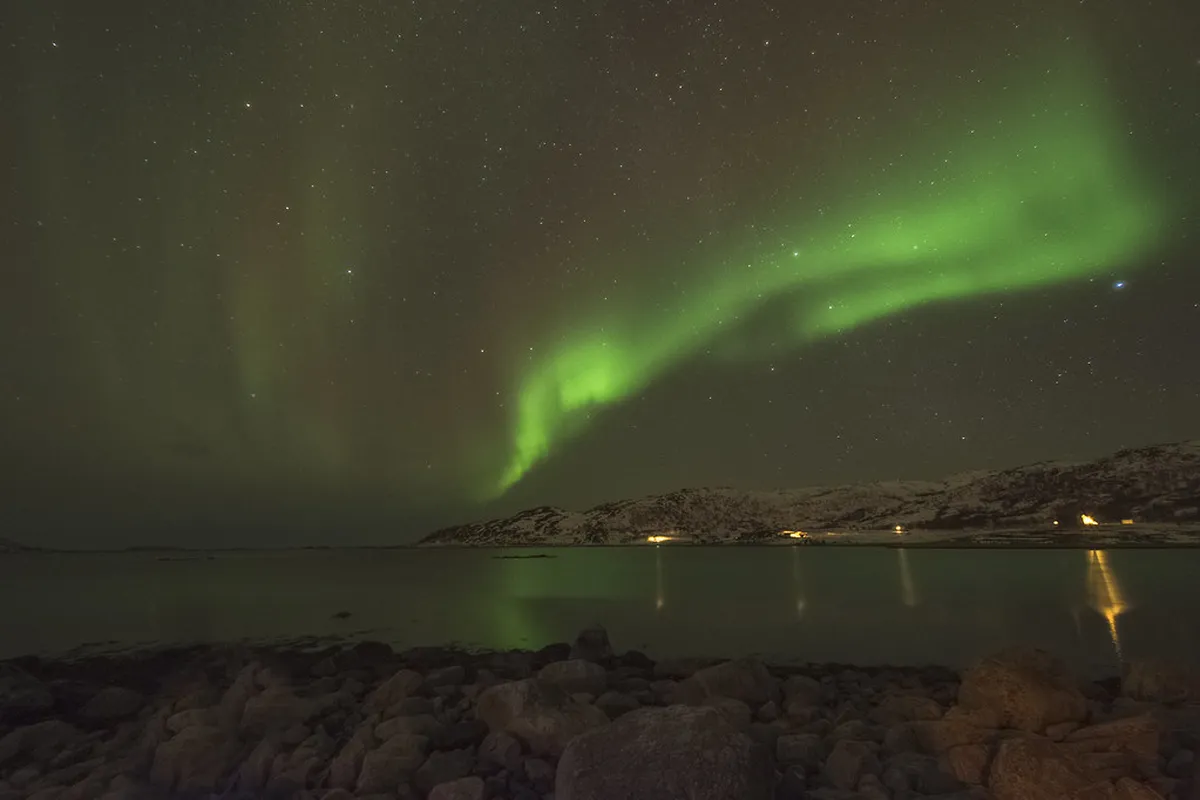
In winter, the same beaches that glow with turquoise sunlight transform into dark, wind-scoured platforms for aurora hunting. The absence of beach infrastructure that makes these spots feel empty in summer becomes an asset in winter: no artificial lighting, no buildings, and a completely unobstructed view of the northern sky over the open sea. The reflection of the Northern Lights on the wet shell sand or the frozen shoreline adds a second layer to photographs that you cannot get from a car park or a hilltop.
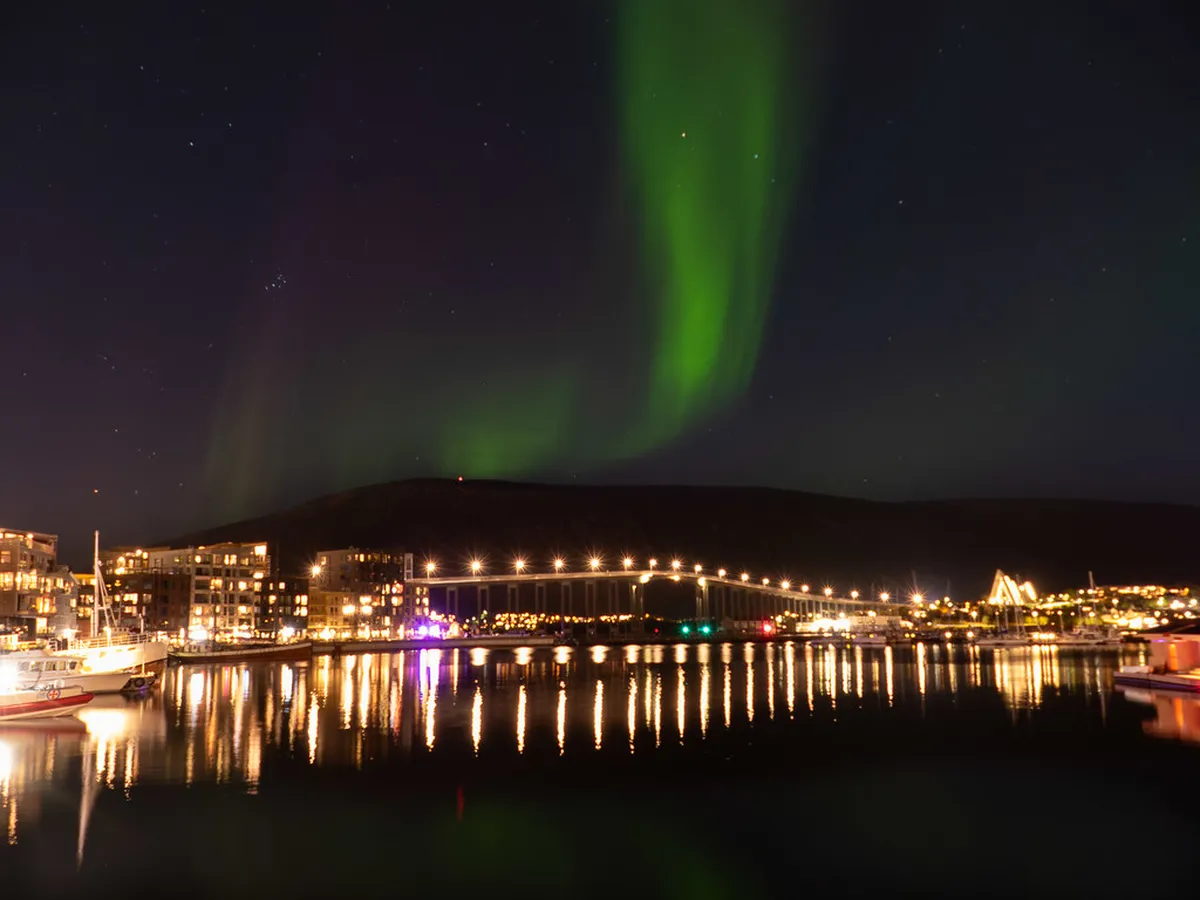
Grøtfjord and the western beaches on Sommarøy face north and are consistently rated by local aurora guides as the best coastal spots near Tromsø for aurora viewing. The fjord orientation means you get sky from east to west in a single frame, and the mountain backdrop on the south side blocks the faint light from Tromsø city. Visit between late September and mid-March for the longest dark windows. The aurora is active any time the sky is clear during magnetic darkness, which near Tromsø means essentially all night from late October through February.
For the best chance, check the KP index via the Space Weather app and head out when the forecast reaches KP3 or above. Drive to your beach of choice, switch off the car headlights before you exit, and give your eyes 15 minutes to dark-adapt before you start photographing. The beach at Telegrafbukta is reachable by bus and works as a starter location, but the light pollution from the nearby city limits its potential. For serious aurora photography, the outer Kvaløya coast is worth the extra drive. You can find a full strategy in the 14 Best Spots for Northern Lights Near Tromso guide.
Frequently Asked Questions
Can you actually swim at beaches near Tromso?
Yes, you can swim, but the water remains between 4°C and 12°C year-round. Most people opt for a quick 'polar plunge' rather than a long swim. For safety, always have warm clothes and a hot drink ready for the moment you exit the water.
What is the best beach near Tromso for Northern Lights?
Grøtfjord and the beaches on Sommarøy are excellent because they face north and have minimal light pollution. You can find more tips on 14 Best Spots for Northern Lights Near Tromso to maximize your chances. The reflection of the aurora on the water is spectacular.
How do you get to Sommarøy from Tromso without a car?
You can take the 420 bus from the Tromsø Prostneset terminal, which takes about 1 hour and 15 minutes. Note that the bus runs less frequently on weekends, so check the Tromskortet app for live schedules. A car remains the most flexible option for beach hopping.
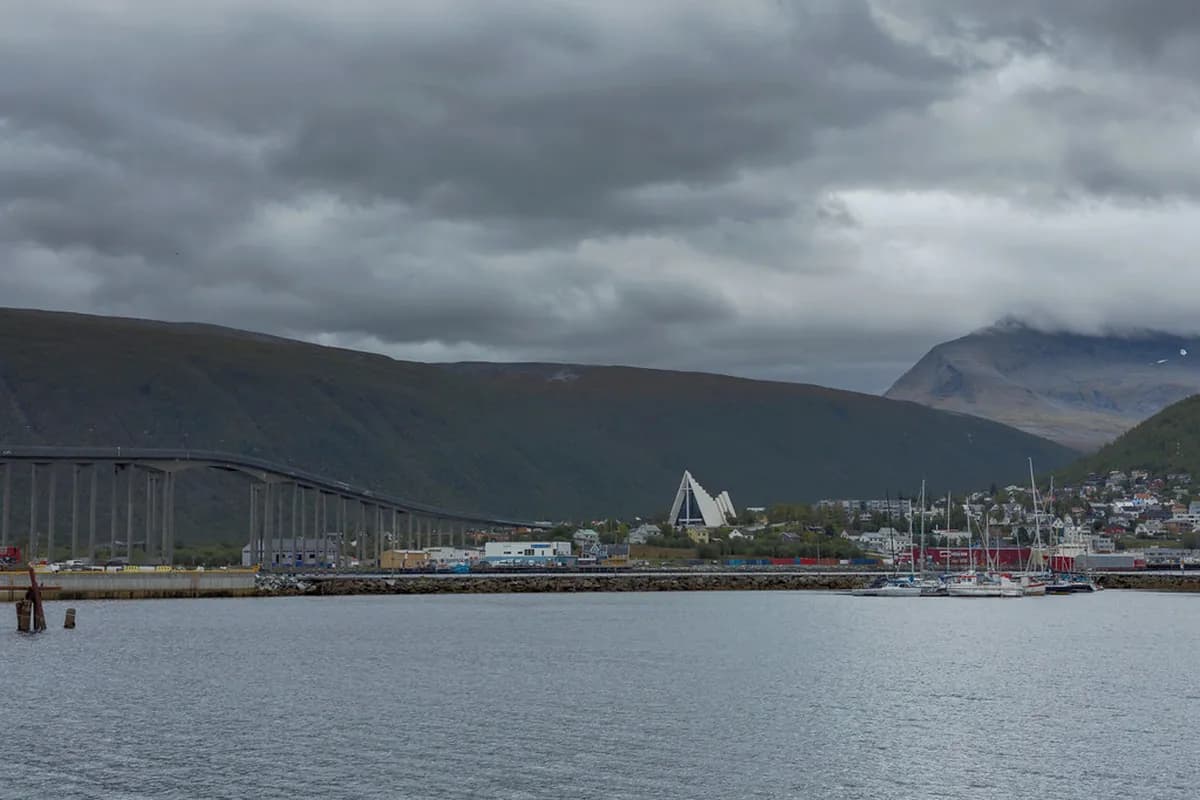
The Arctic beaches near Tromso offer a surreal beauty that challenges every expectation of the polar North. From the shell-sand shores of Sommarøy to the urban charm of Telegrafbukta, these coastal spots are essential for any itinerary. Whether you choose to brave the cold water or simply admire the turquoise waves from the shore, the experience is unforgettable. The contrast of the Barents Sea against the snow-capped peaks remains one of Norway's most iconic sights.
As you plan your 2026 trip, remember to respect the local environment and the Right to Roam laws. Pack your wool layers, charge your camera batteries, and prepare for a beach vacation unlike any other on earth. The Arctic coast is waiting to show you its vibrant, icy colors.
You might also like
Continue reading
More guides you'll find useful