10 Essential Tromso Travel Tips: The Ultimate Arctic Guide
Plan your trip with these 10 essential Tromso travel tips. Covers Northern Lights advice, packing lists, budget dining, and local secrets for a smooth Arctic adventure.
On this page
10 Essential Tromso Travel Tips
Tromsø sits high above the Arctic Circle and offers a unique mix of urban life and wild nature. Visitors flock to this Norwegian gem to see the Northern Lights and explore icy fjords. Planning a trip to this remote region in 2026 requires specific knowledge about the local environment. These tips will help you navigate the city and maximize your chances of a magical experience.
The city serves as a gateway to the Arctic and provides modern comforts in a rugged setting. Travelers often feel surprised by the vibrant food scene and the variety of outdoor adventures on offer. Preparation is the key to enjoying the cold temperatures and the dramatic seasonal changes. Follow this guide to ensure your journey to Northern Norway is smooth and memorable.
Essential Things to Know Before You Visit Tromsø
Most residents in the city speak English fluently, so communication is rarely a problem for tourists. Learning a few basic Norwegian phrases like "Takk" for thank you shows respect for the local culture. The Norwegian alphabet also includes three letters you won't find in English: Æ, Ø, and Å. Locals will not mock you for trying — they genuinely appreciate the effort, even if they immediately switch back to their impeccable English.
Grocery stores across Norway close on Sundays entirely. Buy supplies on Saturday to avoid paying 3× more at convenience stores. Two exceptions: Joker Storgatbakken (Storgata 132F) and Joker Dramsveien (near botanical gardens) open Sundays.
Grocery stores across Norway follow strict rules and remain closed on Sundays. Small convenience stores like 7-Eleven and Narvesen stay open but charge at least three times more for basic food items. Savvy travelers should buy their supplies on Saturday to avoid these extra costs. Two exceptions worth knowing: Joker Storgatbakken on Storgata 132F in the city center and Joker Dramsveien near the botanical gardens both list Sunday opening hours on their doors.
Alcohol sales are strictly regulated and handled by a state-run monopoly called Vinmonopolet. The Tromsø branch is at Nerstranda 9 and closes at 18:00 on Saturdays — earlier than most travelers expect. Supermarkets sell beer and cider only, and those sales stop at 20:00 on weekdays and 18:00 on Saturdays. No alcohol of any kind can be purchased on Sundays, so plan ahead if you want wine or spirits for your stay.
No alcohol sales on Sundays in Norway. Vinmonopolet (liquor store) closes at 18:00 Saturdays. Buy wine or spirits Friday or Saturday; supermarkets sell beer only (until 20:00 weekdays / 18:00 Saturdays).
Tipping is not expected in Norway the way it is in North America. Service workers earn a fair wage and Norwegians do not rely on tips to make ends meet. Leaving 10% is a generous gesture if you receive exceptional service. No one will write anything passive-aggressive on your receipt — you simply will not feel any social pressure either way.
Getting to and Around Tromsø: Navigating the Arctic Capital
Most international travelers arrive at Tromsø Lufthavn, which is located just ten minutes from the city center. The cheapest transfer option is the local city bus (routes 40, 42, or 24) at around 25 NOK — buy your ticket on the Tromsø Billett app or from the machine at the stop. The Tromso Airport Express Bus costs 110 NOK for adults and is more convenient if you have large luggage, as the city bus has very limited space for suitcases. Taxis from the airport cost roughly 250 NOK to the city center — acceptable for an airport run, but avoid taxis for everyday journeys around town as fares add up quickly.
The Tromso city bus network is efficient and covers most major tourist attractions. Download the Tromsø Billett app to buy tickets and check real-time schedules. Drivers do not accept cash, so having the app or a pre-paid card is essential. Learning about getting around Tromso will help you explore beyond the main harbor area.
The city center is compact and very easy to explore on foot during any season. Walking allows you to admire the historic wooden houses and the bustling waterfront. Be careful during winter as the sidewalks can become extremely slippery with ice. Many locals use small metal spikes called brodder on their shoes — they cost very little and are available at most sports shops in town. If you plan to explore the surrounding region, renting a car gives you much more flexibility. You can rent a car in Tromso at the airport or downtown. Between December 1 and March 31, the Arctic Route also connects Tromsø to Arctic destinations in Sweden and Finland by a combination of buses and trains.
Winter sidewalks freeze solid. Locals wear brodder (metal spikes on shoes) — cheap and available at sports shops. If you skip them, you risk a fall. Essential for safe walking November–March.
Where to Stay in Tromsø: Best Hotels and Neighborhoods
Staying in the city center puts you within walking distance of the best restaurants and museums. Many tour operators depart from the main harbor, making this location very convenient for excursions. Thon Hotel Tromsø is a popular choice for its central location and famous breakfast buffet; Thon Hotel Polar across the street is equally good. For the most luxurious option, the Clarion Hotel The Edge sits right on the waterfront and has the only skybar in the city. Researching where to stay in Tromso helps you find the right balance of price and comfort.
If you prefer a quieter atmosphere, consider staying on the nearby island of Kvaløya. This area offers a more rural feel and better chances to see the aurora from your doorstep. You will likely need to rent a car to reach these remote lodges, but the trade-off is darker skies and a more local atmosphere. Glass igloos and dome cabins near the city, such as Aera Glass Cabins and Skulsfjorden Dome, book up months in advance — reserve early if this is your priority.
Budget travelers can find hostels and guesthouses slightly further from the waterfront. Tromsø Activities Hostel is a solid option with easy access to tour departures. These options often include shared kitchen facilities, which help reduce your total food spending. Book your accommodation several months in advance if you plan to visit during the peak winter months, particularly over Christmas and New Year, when demand far exceeds supply.
Must-See Tromso Attractions and Seasonal Activities
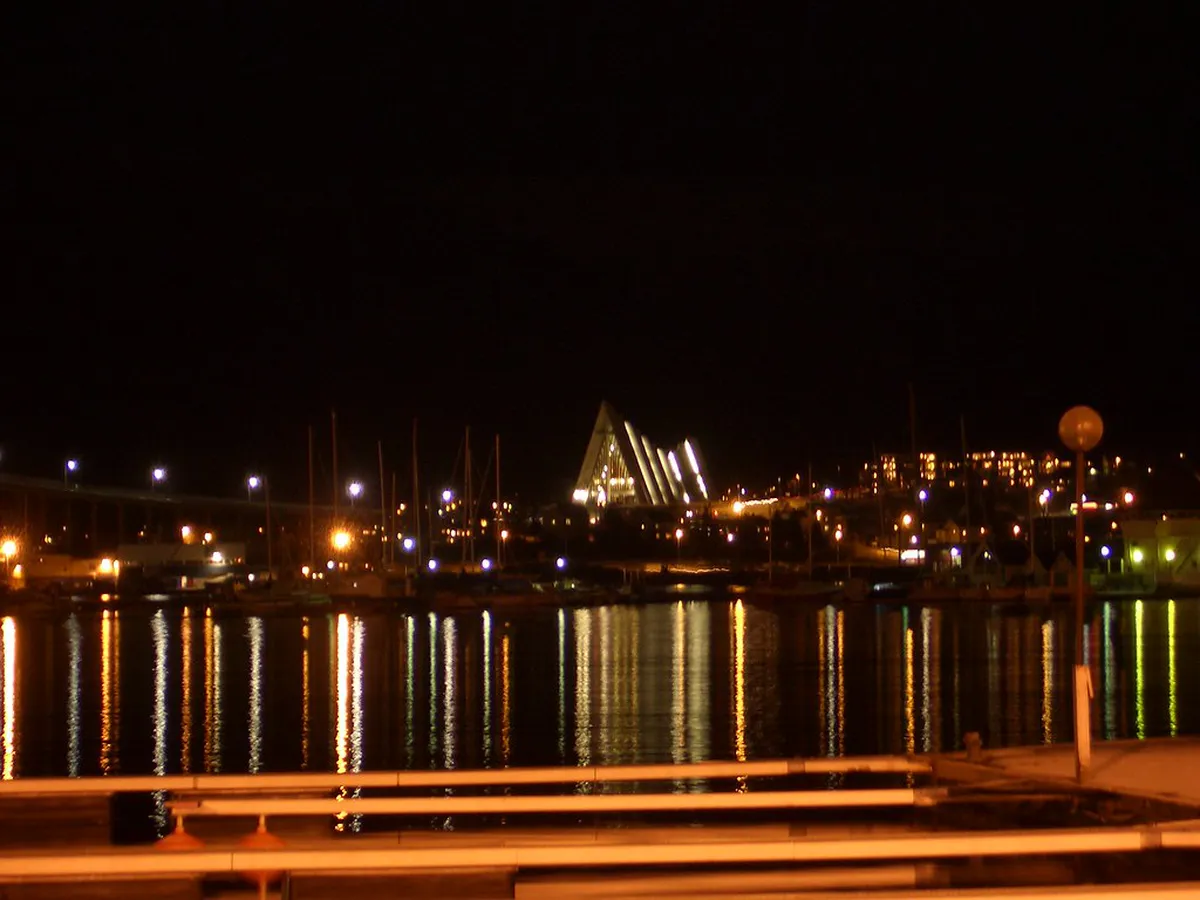
The Arctic Cathedral is the most famous landmark in the city and features stunning glass mosaics. Built in 1965, it actually sits in Tromsdalen on the mainland, so you cross the bridge to reach it — the view from the bridge is worth the walk on its own. Take the Fjellheisen cable car to the top of Mount Storsteinen for a panoramic view of the islands and, if you are lucky, a Northern Lights display overhead. These attractions are accessible year-round and provide a great introduction to the local landscape. Exploring things to do in Tromso ensures you don't miss these iconic spots.
Summer visitors should spend time at the Tromso Arctic-Alpine Botanical Garden, which showcases colorful plants that thrive in the harsh northern climate. The Midnight Sun provides continuous daylight from 18 May to 25 July, allowing for late-night hikes and sightseeing that feel genuinely surreal. Polar Night runs from 27 November to 15 January — the sun never rises, but you still get two to three hours of beautiful blue twilight each day. Those dramatic pink skies in early December are among the most photographed moments in all of Norway.
Winter brings opportunities for skiing and other snow-based adventures right near the city. Visit Tromsø Alpinpark for downhill skiing and snowboarding with a view of the sea — it is a short bus ride from the city center. Dog sledding, snowshoeing, snowmobiling, whale watching from November to January, and king crab cruises round out the winter activity menu. Tromsøbadet, the large indoor pool complex, is worth knowing about as a rainy day alternative for families traveling with children. Each season offers a completely different perspective on the beauty of Northern Norway.
Chasing the Aurora: Your Ultimate Guide to Tromsø's Northern Lights
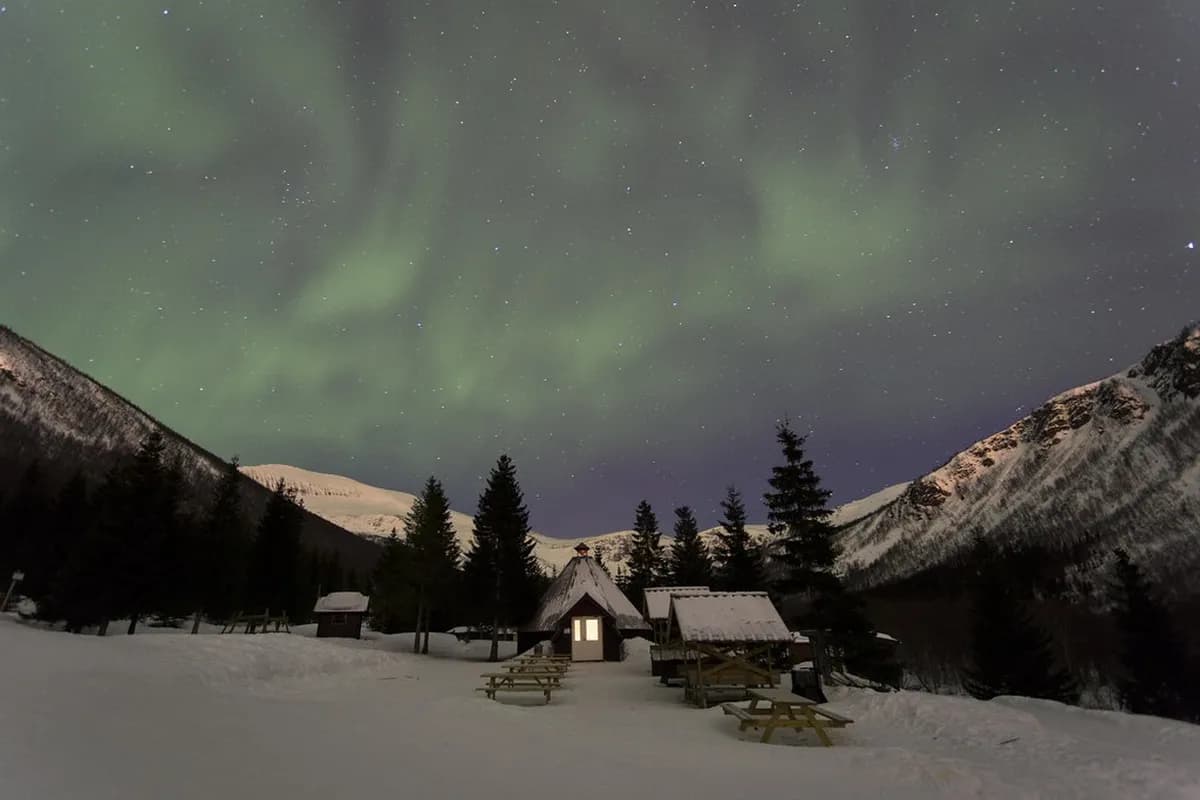
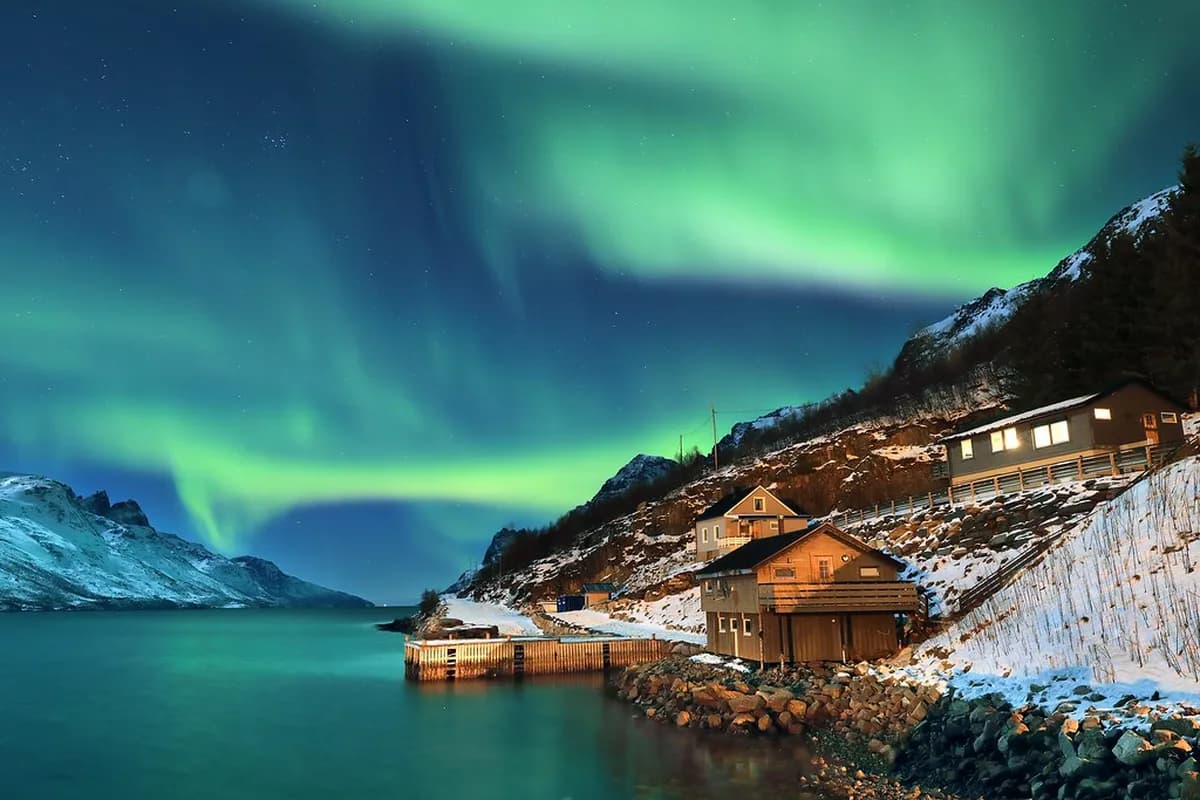
Many travelers fixate on the KP index when planning their aurora hunt, but this is largely the wrong metric to watch. Cloud cover is the single most important factor — even a KP9 storm is invisible beneath a thick overcast sky. The Northern Lights are visible in Tromsø from mid-August until late April, but September and October are often the best months: aurora activity is strong, temperatures are more comfortable for standing outside, and the skies tend to be clearer than in deep winter. Check real-time weather forecasts before your aurora hunts to time your outings for clear skies. Understanding northern lights Tromso patterns will dramatically improve your chances of a sighting.
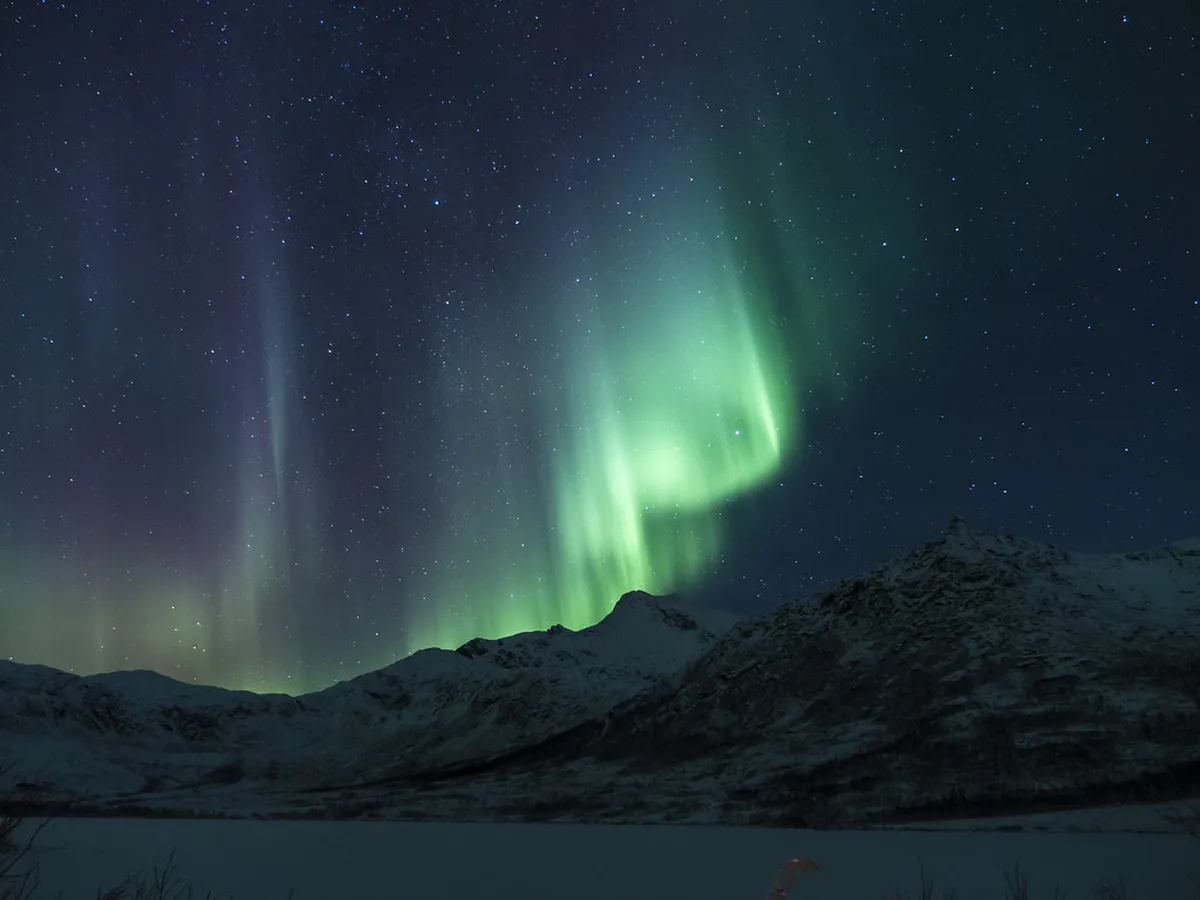
Viewing from the city center is almost always a disappointment. Light pollution from Tromsø's streets washes out all but the most intense displays. Professional guides drive for hours to find patches of clear sky away from the city, often crossing into Finland or Sweden on the same night. They use sophisticated weather models — not the KP index — to decide which direction to go. Investing in a guided tour consistently outperforms solo aurora hunts, especially on a short trip where you cannot afford to wait out a cloudy week.
Patience is essential because the lights can appear and disappear in minutes. Dress in your warmest gear so you can stay outside comfortably for several hours at a stretch. Bring a tripod if you want to capture high-quality photos — most phone cameras now have a dedicated night mode that handles aurora photography reasonably well. The experience of seeing the aurora is often the single most memorable moment of any Arctic trip.
What To Pack For Northern Norway – The Ultimate Packing List
The secret to staying warm in the Arctic is using a proper three-layer clothing system. Start with a high-quality merino wool base layer to trap heat against your skin. Avoid cotton entirely — it holds moisture and will make you feel cold far faster than the temperature alone would suggest. Checking a Tromso packing list winter helps you select the right materials for each layer.
Your middle layer should be a thick wool sweater or a warm fleece jacket. The outer layer must be windproof and waterproof to protect you from the elements. Insulated boots with thick rubber soles are necessary to keep your feet off the frozen ground. Don't forget a warm hat that covers your ears and mittens (not gloves — mittens are warmer) that cover your wrists for extra protection. An eye mask is essential if you visit during the Midnight Sun season, as even hotel blackout curtains can let in light.
Many tour companies provide heavy-duty thermal suits for activities like dog sledding and snowmobiling. This means you do not necessarily need to buy expensive expedition gear for a short trip. Confirm with your tour operator whether boots and suits are included in the price — most snowmobile and reindeer camp tours provide full outerwear, while northern lights tours and whale watching trips generally do not. If you need gear and don't want to buy it, Tromsø Outdoor downtown rents cross-country skis, snowshoes, and accessories at reasonable rates. Having the right gear ensures you focus on the scenery rather than the cold.
Food, Drinks, and Shopping in Tromsø
Dining at restaurants in Tromsø can quickly become the most expensive part of your journey. Look for lunch specials or "Dagens Rett" to enjoy high-quality local food at lower prices. Fresh seafood and reindeer meat are local specialties worth trying at least once. The local cuisine also features cod, salmon, whale, cloudberries, and lingonberries — ingredients rooted in the hunting and fishing traditions of Northern Norway. Researching where to eat in Tromso can help you find hidden culinary gems.
Grocery stores like REMA 1000 and Kiwi offer the most affordable food options in the city — you will pay at least three times more for the same items at a 7-Eleven or Narvesen kiosk. Buying ingredients for a simple breakfast or packed lunch from a supermarket can save you a significant amount over a week-long trip. Tap water in Tromsø is some of the cleanest in the world, drawn from pristine mountain sources — bring a reusable bottle and fill it at your hotel tap. Buying bottled water is both an unnecessary expense and a source of plastic waste in a fragile Arctic environment.
Most restaurants have menus in English, and vegan and vegetarian options are widely available — look for "vegansk" or "vegetarisk" on menus. Those with gluten intolerance can ask for "gluten-fri" options; many grocery stores stock clearly labelled gluten-free sections. Shopping for souvenirs is best done in the local boutiques along Storgata — look for traditional Norwegian knitwear, Sami Duodji handicrafts, and wool items. Be aware that clothing stores and most shops are closed on Sundays, so plan your souvenir shopping for earlier in the week.
Sami Culture in Tromsø: Ethical and Authentic Experiences
Learning about the indigenous Sami people is a vital part of understanding Northern Norway. The Sami number between 37,000 and 60,000 in Norway and have faced centuries of forced Norwegianization that has endangered their language and traditions. Choosing tours that are owned and operated by Sami families directly supports the communities working to keep those traditions alive. These experiences often include storytelling around a fire, traditional joik singing, and a visit inside a lavvu — the traditional Sami tent.
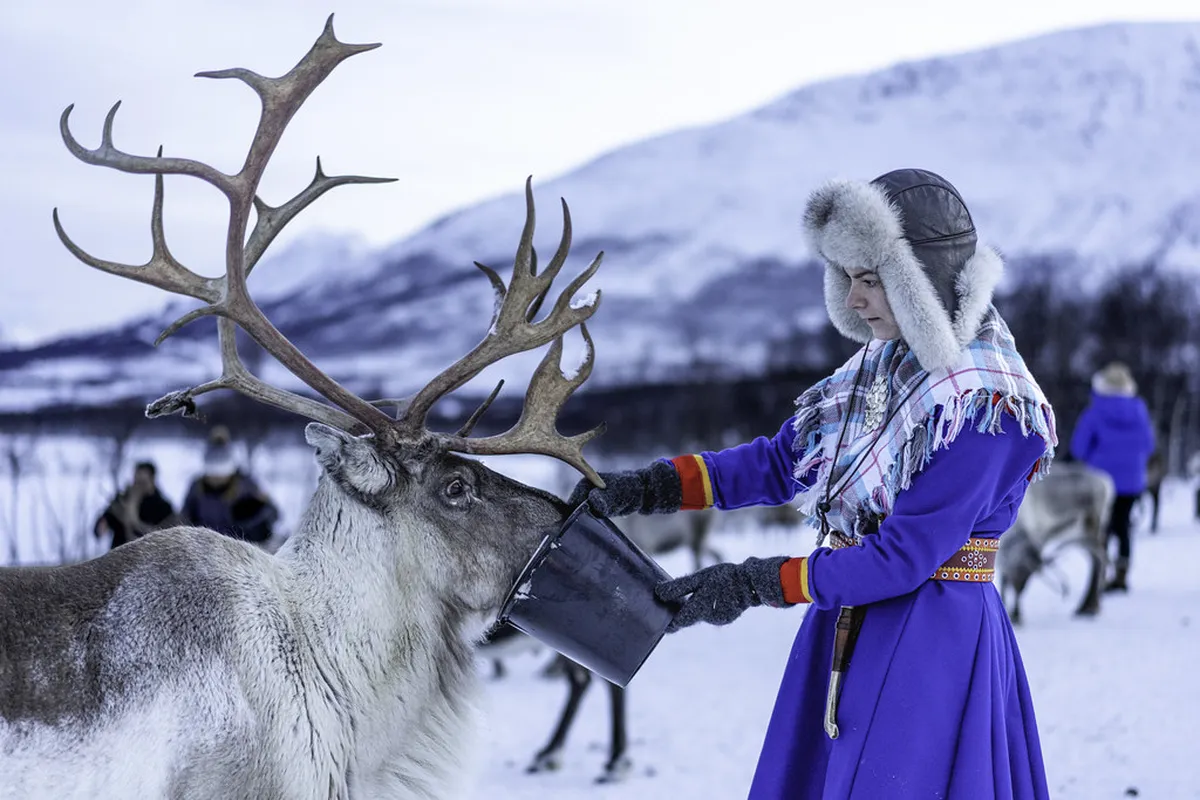
Not all reindeer experiences are equal. Use this quick checklist when evaluating any Sami tour: the operator should be Sami-owned and led (not just staffed by non-Sami guides in rented costumes); the camp should have a stated approach to animal welfare and be able to explain where the reindeer spend summer; the experience should involve education, not just photo opportunities; and the price should reflect real cultural investment rather than a 30-minute token stop. Booking an ethical reindeer sledding sami tromso tour supports the local community and ensures the experience you pay for is genuine.
Two well-regarded options near Tromsø are the reindeer camp 30 minutes from the city center and Camp Tamok in the Lyngen Alps, which is roughly 90 minutes away. Camp Tamok is set farther inland where snowfall is more reliable in November and December, when Tromsø itself can still be bare. For a deeper introduction to Sami history, the University of Tromsø Museum has a permanent exhibition on Sami life in Norway — free to enter and often overlooked by tourists focused purely on outdoor activities. You can also find Sami handicrafts known as Duodji, made from reindeer bone, wood, and high-quality wool, in specialized shops in the city center.
How Many Days Are Enough for Tromso?
The right answer depends entirely on your primary goal. If you are coming mainly to see the city itself — the Arctic Cathedral, Fjellheisen, the museums, and a few restaurants — two full days is enough. If Northern Lights are your priority, you need a minimum of four nights, and seven is much better. Cloud cover is unpredictable and can wipe out three consecutive nights in a row; more nights gives you more chances. Weather in the Arctic can delay outdoor plans with little warning, so always build in a buffer.
A four-day trip is the sweet spot for most first-time visitors. You get two nights of aurora hunting and two days of city activities, enough time for a fjord cruise, the cable car, and one major adventure like dog sledding or a reindeer camp. Seven days opens up Senja island day trips, more time in the Lyngen Alps, or a ferry leg on the Hurtigruten coastal route to or from Tromsø.
| Duration | Highlights | Aurora Nights | Best For |
|---|---|---|---|
| Two days | Arctic Cathedral, Fjellheisen cable car, Storgata walking, restaurant dinner | 0–1 | Weekend breaks or stopover on longer trip |
| Four days | City, aurora tours, one major activity (dog sledding, snowmobile, or reindeer camp) | 2 | First-time visitors; standard package |
| Seven days | City, aurora, whale watching (Nov–Jan), Senja or Lyngen Alps day trip, buffer days | 3–4 | Nature lovers and photographers |
Accessibility and Mobility in Winter Tromsø
Norway is generally well set up for travelers with mobility needs, but winter in Tromsø introduces one major complication: ice. Pavements throughout the city can be dangerously slippery from November through March, and not every street gets sanded or cleared promptly. Anyone who is unsteady on their feet — whether due to age, disability, or simply being unfamiliar with packed snow — should pack a pair of crampons, known locally as brodder. They slip over regular shoes and cost very little; most sports shops in the city carry them. If you forget to pack them, any outdoor shop assistant will understand the word "brodder" immediately.
Several Tromsø tours explicitly accommodate travelers in wheelchairs or with significant mobility limitations. Whale watching by hybrid-electric catamaran, northern lights chases by electric catamaran, and the Tromsø Arctic Reindeer Sami experience are all designed to be accessible — contact operators directly before booking to confirm details and give them time to prepare. Not every area of a reindeer camp is wheelchair-accessible, but the tent and main facilities typically are. For travelers using a wheelchair, it is worth contacting tour operators two to three weeks in advance rather than booking on the day.
The Fjellheisen cable car is accessible for most mobility levels and requires no hiking at all. Tromsøbadet indoor pool complex is fully accessible and a strong option for travelers who want an active day without dealing with icy outdoor terrain. The city center itself is compact and mostly flat, which makes it manageable even in winter if you wear the right footwear. Plan outdoor tours earlier in the day when roads and paths are more likely to have been treated with sand or salt.
Practical Information for Visiting Tromsø (Cash, Water, and Safety)
Norway is a nearly cashless society and most places only accept card or mobile payments. You do not need to carry physical currency for shops, restaurants, or transport. Ensure your credit card has a working PIN as some machines require it for verification. Apple Pay is widely accepted, and even small market stalls and public toilets typically have contactless terminals.
The tap water in Tromsø is some of the cleanest and best-tasting in the world, drawn from pristine mountain sources that exceed the quality of most bottled brands. Buying bottled water is a waste of money and generates unnecessary plastic waste. Bring a reusable bottle and fill it up for free at your hotel or any tap throughout the city.
Norway is nearly cashless—use card or mobile payment everywhere. Apple Pay widely accepted. Even ATMs and market stalls have contactless terminals. You don't need physical currency for any transaction.
Norway uses Type C and Type F power plugs at 230V. Travelers from North America, the UK, or Australia will need an adapter. The most practical approach is to buy a single European adapter and a small power strip — that way you only need one adapter regardless of how many devices you are charging. Most modern laptops and phone chargers handle 230V without a voltage converter, but check your device specifications if you are unsure. Safety in Tromsø is very high, but always check weather forecasts before heading into nature and inform someone of your route if you plan to go hiking or skiing outside of guided tours.
For the full picture, see our complete guide to things to do in Tromsø.
Frequently Asked Questions
Can you see the northern lights in the Tromsø city center?
You can sometimes see the lights from the city, but light pollution makes them appear much fainter. For the best experience, it is better to head to darker areas or join a professional tour. Guides know how to find the clearest skies away from urban lights.
Is there daylight in Tromsø during the winter?
During the Polar Night from late November to mid-January, the sun does not rise above the horizon. However, you will still experience a few hours of beautiful blue twilight each day. This unique lighting creates a magical atmosphere for sightseeing and photography.
Can you drink the water in Norway?
Yes, tap water in Norway is exceptionally clean and safe to drink everywhere. In Tromsø, the water comes from pristine mountain sources and tastes better than most bottled brands. Carrying a reusable bottle is one of the top things to do in Tromso to save money.
Do you need a power adapter for Tromsø?
If you are traveling from outside Europe, you will likely need a Type C or Type F adapter. Norway uses the standard two-prong plugs common across the continent. Most hotels also provide USB charging ports for modern mobile devices.
Tromsø is a spectacular destination that offers unforgettable Arctic experiences throughout the year. Using these Tromso travel tips will help you navigate the logistics of this remote northern city. From chasing the aurora to learning about Sami culture, every moment here feels like an adventure. Prepare your layers and get ready to explore the beautiful capital of the Arctic.
You might also like
Continue reading
More guides you'll find useful