10 Essential Tips and Things to Do in Tromso in Winter (2026)
Plan your perfect Arctic escape with our guide to Tromso in winter. Includes 10 essential tips on Northern Lights tours, whale watching, packing, and what to skip.
On this page
10 Essential Tips and Things to Do in Tromso in Winter
After my third visit to the Arctic Circle, I have realized that Tromsø is the ultimate winter playground for northern adventures. This city offers a rare blend of cosmopolitan culture and raw, frozen wilderness that few other places can match. I last refreshed this guide in May 2026 to ensure all pricing and seasonal schedules are accurate for your winter trip.
Navigating the Polar Night requires a bit of strategy, especially when you are balancing limited daylight with high costs. Many travelers wonder if 15 Best Things to Do in Tromsø, Norway are worth the premium price tag during the coldest months. I have vetted every activity on this list to help you prioritize experiences that truly deliver on their Arctic promises.
Is Tromso Worth Visiting in Winter?
Deciding between Reykjavik and Tromsø is a common dilemma for those seeking the Northern Lights. Tromsø sits much further north, placing it directly under the Aurora Oval for higher sighting frequencies. The landscape here is also more dramatic, featuring steep fjords that remain accessible even during heavy snowfall. You should check the Best Time to Visit Tromsø: The Ultimate Seasonal Guide to ensure your dates align with peak snow coverage.
The Polar Night lasts from late November to mid-January, meaning the sun never actually rises above the horizon. While this sounds daunting, the sky often glows with a beautiful deep blue and pink twilight for two to four hours around midday. This unique lighting creates a magical atmosphere that makes even a simple walk through the city feel like an adventure. I found that the lack of sun actually makes the Northern Lights appear more vivid throughout the long evenings.
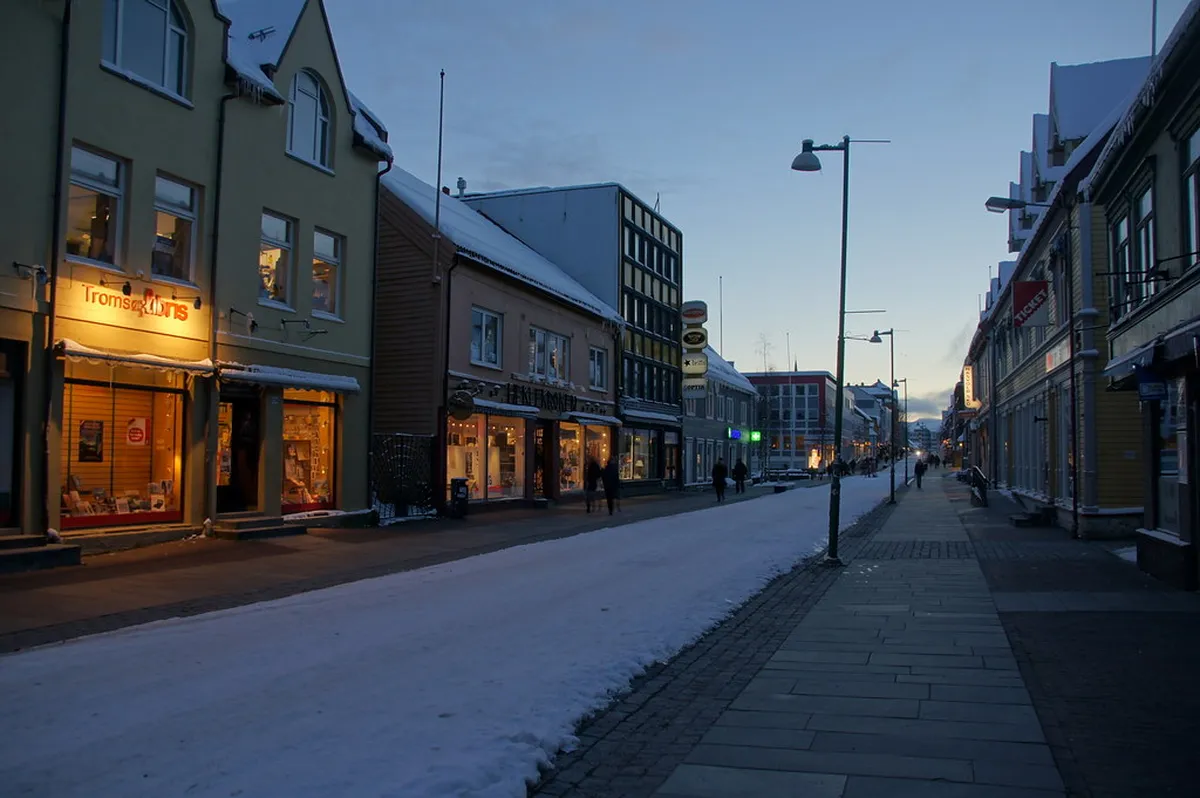
Expect temperatures to hover between -5°C and -15°C inland, though the coastal city center often sits closer to -1°C to -4°C thanks to the moderating effect of the fjord. The city infrastructure is incredibly efficient, with heated sidewalks in the center that prevent ice from forming on main paths. Most major attractions remain open daily, though you must book tours weeks in advance due to high winter demand. Overall, the combination of accessibility and wild nature makes this destination worth every penny for winter enthusiasts.
Compared to Iceland, Tromsø wins on landscape drama and whale-watching reliability in winter. Iceland offers the Ring Road and geysers as year-round draws, but for pure Polar Night immersion and orca sightings, Tromsø has the edge from November through January. If budget is the deciding factor, both destinations are equally expensive — budget at least NOK 1,500 (around €130) per day for activities alone in either city.
Essential Planning: Booking Ahead and Arctic Temperatures
Tromsø winter runs from November through March, but each month has a very different character. November brings the first reliable snowfall and the start of the whale season, while December plunges you into true Polar Night. January and February are the coldest months and the peak of Aurora activity, and March starts to see returning daylight with excellent skiing conditions. Here is what you can expect for daylight and temperature by month:
- November: High 2°C / Low -2°C — about 3–4 hours of twilight; whale watching opens; first snowfall likely after mid-month.
- December: High 0°C / Low -4°C — less than 2 hours of civil twilight; deepest Polar Night; Northern Lights visible for up to 18 hours of darkness.
- January: High -1°C / Low -5°C — daylight slowly returns; snowiest month (average 41 cm); peak Aurora season continues.
- February: High -1°C / Low -5°C — roughly 5–6 hours of daylight; optimal balance of light for photography and darkness for Aurora chasing.
- March: High 1°C / Low -4°C — 9+ hours of daylight; good skiing; whale season ends by mid-January but husky sledding runs through mid-April.
The daylight window is the sharpest differentiator between months. Photographers and families with children often prefer February for its returning sun, while Aurora hunters and whale watchers should target November through January. Tours inland toward Camp Tamok or the Swedish border will always feel 3°C to 5°C colder than the city, so dress for the outdoor tour destination, not the hotel lobby.
Use this booking timeline to avoid sold-out regrets. Dog sledding and whale watching are the two activities that sell out fastest — both often fill by October for the following winter season. Northern Lights small-group minibus tours fill within weeks of opening. Here is how I recommend staging your reservations:
- 6 months out: Book dog sledding, husky tours, and whale watching. Reserve accommodation — prices spike after September for December and January dates.
- 3 months out: Book your first Northern Lights chase (small group) and Sami reindeer experience. Purchase Fjellheisen tickets online to skip the queue.
- 1 week out: Book a backup Northern Lights tour for your last night. Check the Tromsø Ice Domes website to confirm the snow park is intact.
Booking accommodation at least six months ahead is non-negotiable for December and January. The Radisson Blu and Clarion Hotel The Edge sit closest to most tour departure points on the harbor quay. Budget travelers should look at Smarthotel Tromso and Comfort Hotel Xpress, both within ten minutes walk of the main tour pickups.
Best Things to Do in Tromsø in Winter
Planning a trip to the Arctic requires a careful balance of indoor culture and outdoor thrills. I have grouped these selections into the experiences that consistently deliver the most value per NOK spent — iconic landmarks, wildlife encounters, and unique local traditions. Each offers a distinct perspective on life above the Arctic Circle. Make sure to check operating hours as they shift during the Polar Night.
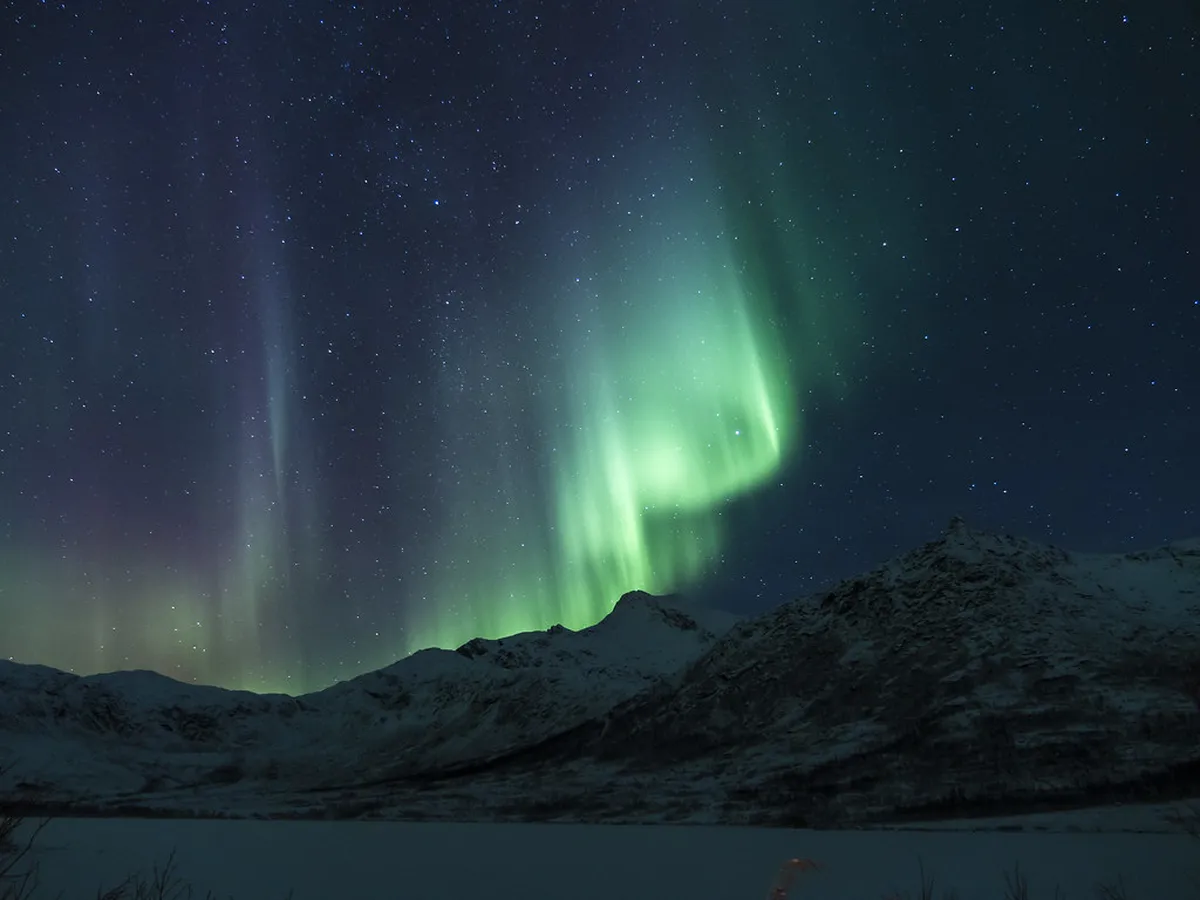
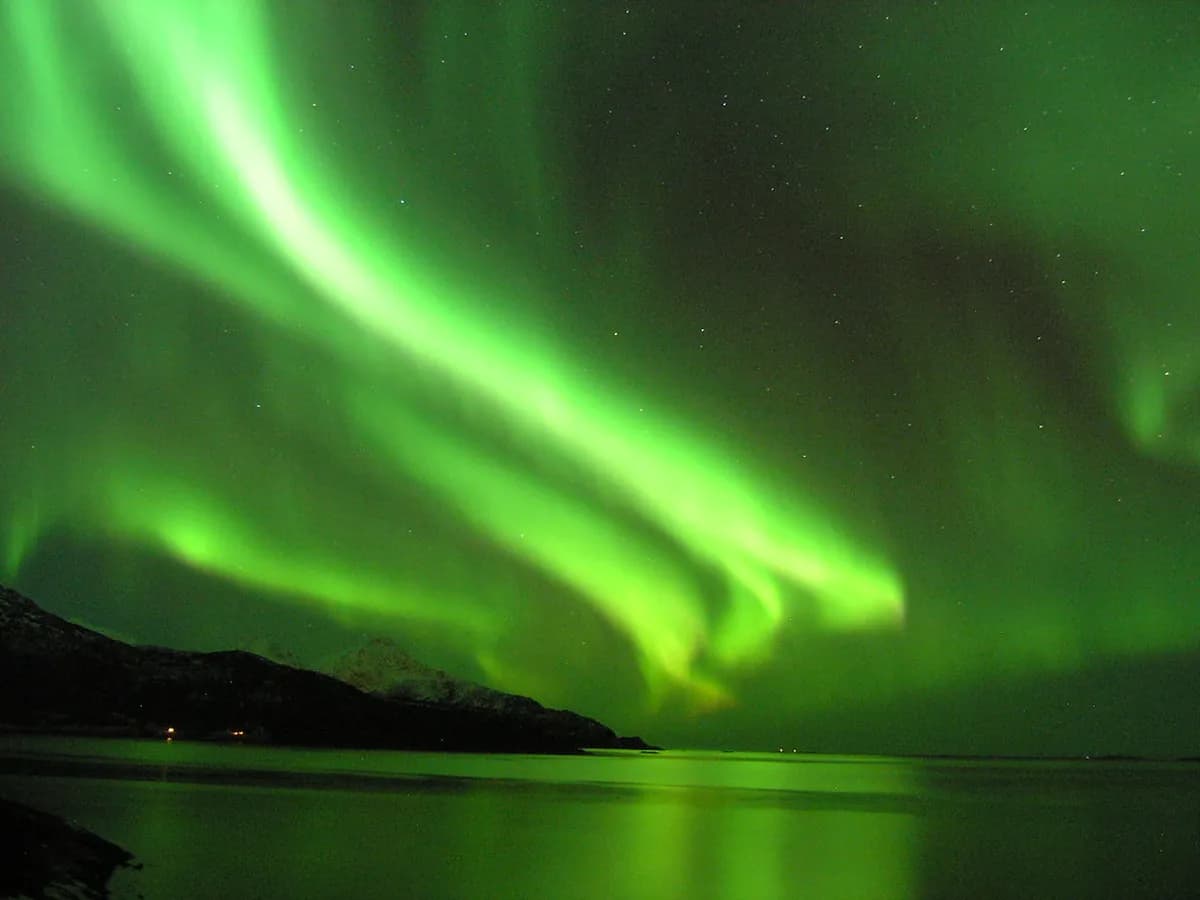
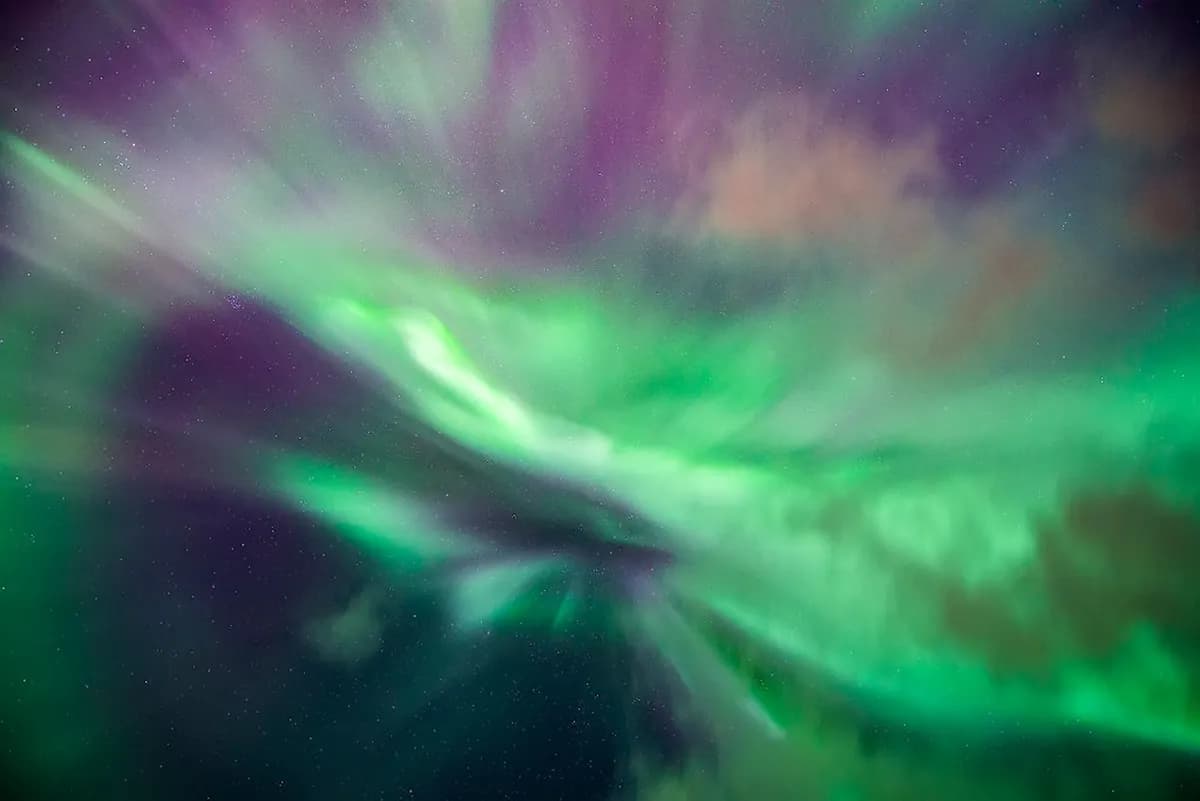
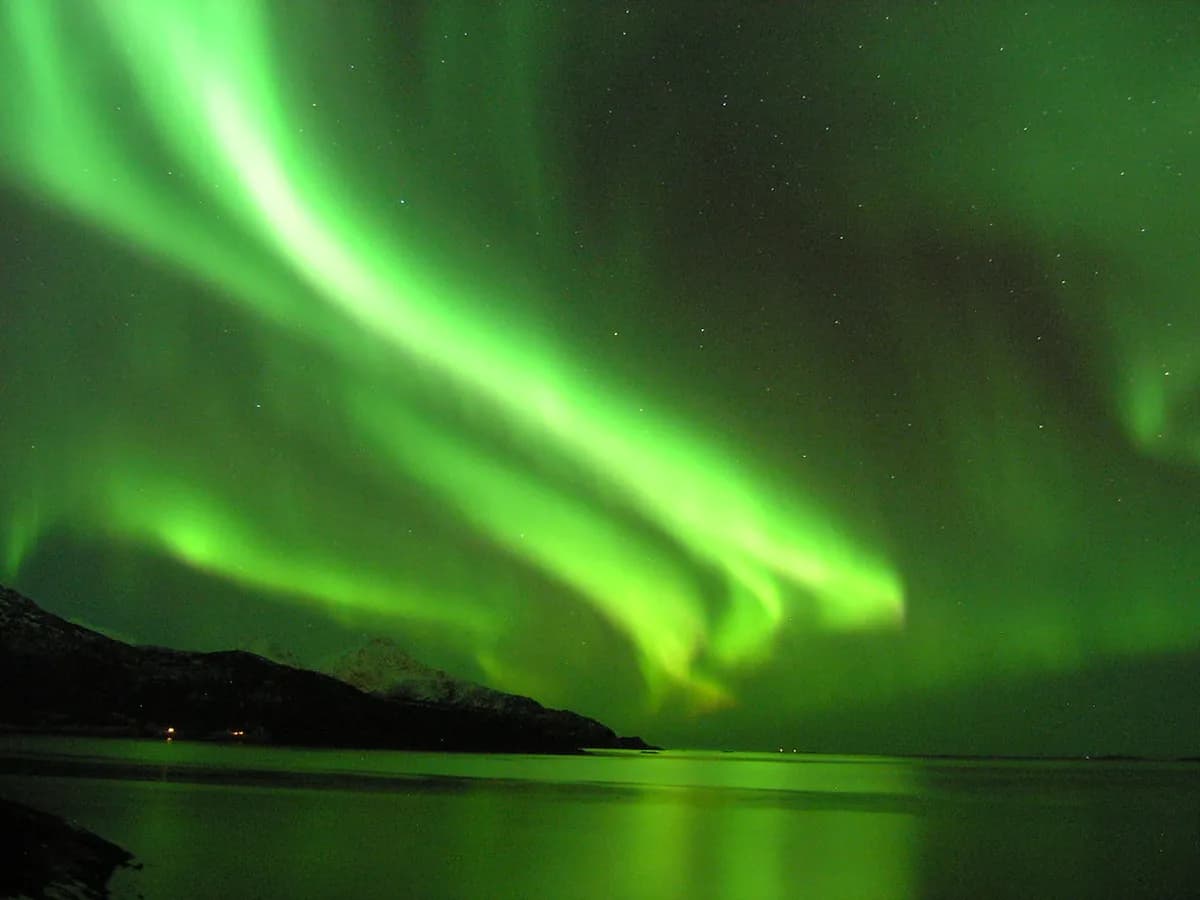
- Northern Lights Chase with Guides — guided excursion into the wilderness to find clear skies and active Aurora Borealis displays. Tours cost between NOK 1,100 and NOK 1,750 (€100–€160) per person and depart nightly around 18:00–19:00 from the harbor.
- Husky Sledding in Breivikeidet Valley — drive your own team of energetic Alaskan huskies through pristine snow-covered valleys. Expect to pay NOK 2,000–2,500 (€180–€230) for a half-day tour including thermal suits and hot drinks. Book at least two months ahead.
- Whale Watching Safari to Skjervøy — board a silent hybrid catamaran to witness humpback whales and orcas feeding in rich northern waters. Full-day tours run NOK 1,750 (€160) and depart around 08:00–09:00 from the harbor. Season runs October to late January.
- Reindeer Sledding and Sami Cultural Camp — feed a herd of reindeer before gathering in a traditional lavvu tent for Sami storytelling. Standard tours cost around NOK 1,650 (€150) and run daily. The Tromsø Arctic Reindeer farm is wheelchair-accessible to the main cabin — let them know in advance.
- Polaria Arctic Experience Center — this museum features bearded seals and cold-water fish species in a building designed like shifting ice floes. Tickets are approximately NOK 240 (€22) per adult; open 10:00–16:00 daily in winter. Arrive early for the seal feeding sessions.
- Pust Floating Sauna and Cold Plunge — relax in a wood-fired sauna floating in the harbor then jump into the freezing Arctic seawater. A one-hour session costs roughly NOK 275 (€25) per person; advance booking required. Bring your own towel.
- Mack Brewery Guided Tour — explore the world's northernmost brewery and sample local beers in the historic Ølhallen pub, open since 1928. Tours run approximately NOK 385 (€35) including samples, usually on weekday afternoons.
- Polar Museum — a favorite for its harrowing Arctic exploration history, housed in a red building along the harbor dating to 1830. Tickets are NOK 120 (€11) for adults; children under 18 free. Open 11:00–17:00 daily. Ground floor only is wheelchair-accessible.
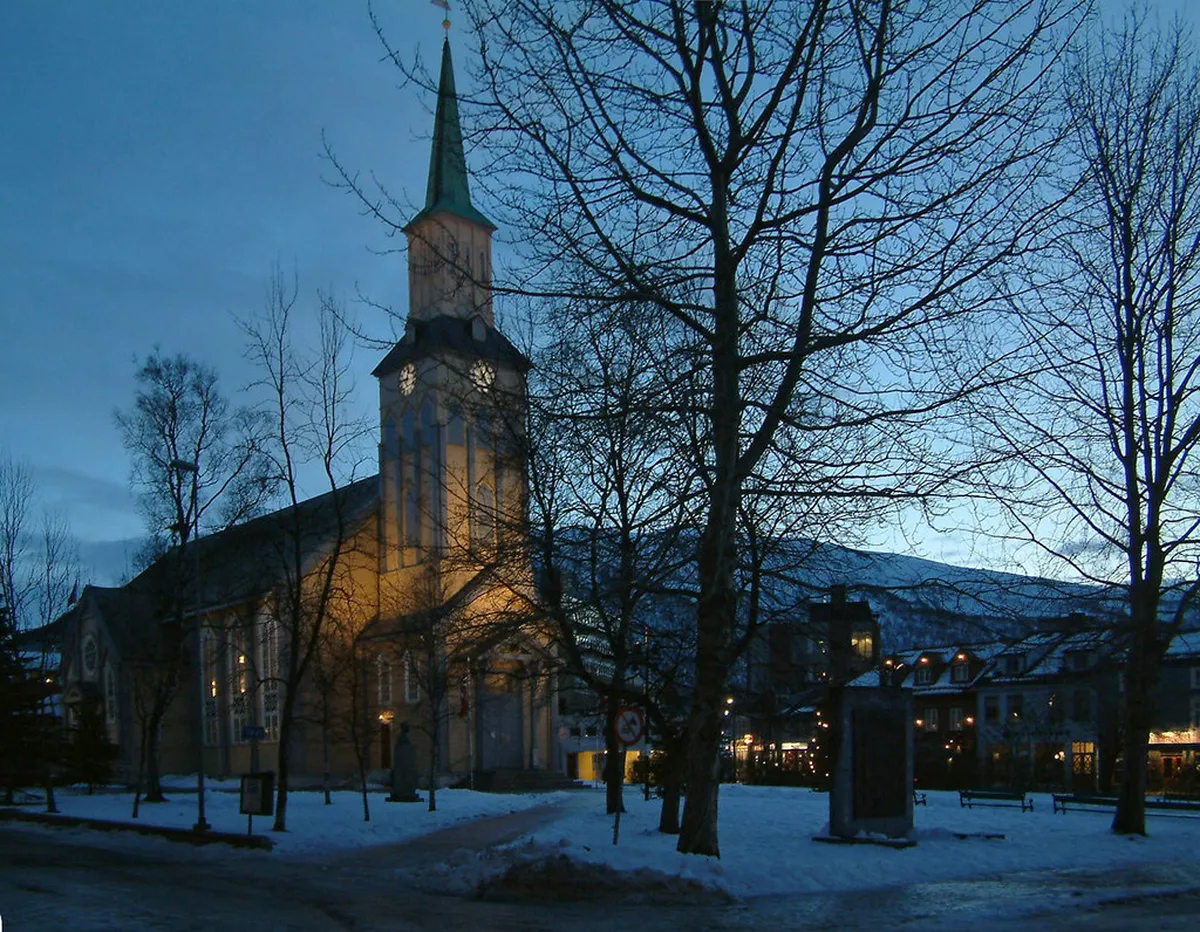
- Tromsø Cathedral Midnight Concert — an affordable nighttime option at the yellow Tromsø Cathedral (Kirkegata 7), featuring psalms, Sami music, and Nordic folk tunes. Tickets run around NOK 320 (€29) for the 30-minute concert. Meet at 22:45; wheelchair-accessible.
- Snowmobiling to Camp Tamok — a full 7-hour snowmobile adventure to Camp Tamok, about 90 minutes from the city, with a warm meal in a lavvu tent afterward. Available December through early April; departs from the harbor area.
Dog sledding and whale watching sell out fastest — book at least 6 months in advance, ideally by October for December and January dates. Northern Lights small-group minibus tours typically fill within weeks of opening.
Northern Lights Tours: Big Bus vs. Small Group Options
One of the biggest decisions you will face is choosing the right Northern Lights tour format. Big bus tours are the most affordable option — typically NOK 1,100–1,400 (€100–€130) — and offer the comfort of an onboard restroom and extra heat. However, these large coaches are restricted to main roads and cannot easily pivot if the weather shifts quickly. I found the lower price point excellent for budget travelers who don't mind sharing the experience with 40 others.
Small group chases use 10–15-passenger minivans that can navigate narrow mountain roads to reach secluded viewpoints. These tours often include professional photography and campfire dinners in the wilderness, and typically cost NOK 1,500–1,750 (€140–€160). The flexibility to move quickly often results in better sightings, and guides can spend more time helping you set up your camera for long-exposure shots. In practice, both bus and minivan tours tend to gather at similar dark-sky spots on any given night.
Here is a direct comparison to help you decide:
- Big Bus: NOK 1,100–1,400 per person — up to 40 passengers — onboard toilet — fixed to main roads — great for comfort and budget.
- Small Group Minivan: NOK 1,500–1,750 per person — 10–15 passengers — mobile and flexible — professional photo service often included — better for active Aurora hunters.
- Private Tour: NOK 3,500+ per group — maximum flexibility — ideal for photographers or families with young children.
Regardless of format, most tours will drive toward the Finnish border or the island of Sommarøy to find clear skies. Prepare for a long night — most chases depart around 18:00–19:00 and return between 01:00 and 03:00. Always ask whether the operator offers a rebooking discount if you do not see the lights. I recommend booking your first chase on arrival night so you have backup dates if the weather closes in.
Fjellheisen Cable Car: Best Views of the City
The Fjellheisen Cable Car is the single best vantage point in Tromsø, lifting you 421 meters above the city to a panoramic ledge above Mount Storsteinen. Adult return tickets cost NOK 415 (€38) and cars run every 30 minutes from 10:00 until midnight. The outdoor viewing platform gets extremely windy, so bring a windproof shell even if the city feels calm below.
In winter, the cable car becomes even more spectacular. The pink-blue twilight that replaces true daylight during the Polar Night bathes the fjords in colors that are almost impossible to photograph accurately. I found visiting around 12:00–13:00 gives you the best chance of that vivid twilight glow. Evening visits after 20:00 are worth it for Northern Lights viewing directly from the platform on clear nights — no tour bus required.
The base station is across the fjord from the city center, reachable by a short walk over the bridge or by taxi. Try to avoid cruise ship days when the platform gets crowded and the queues at the bottom stretch out the door. Checking the port schedule on the Tromsø harbor website before you book your slot takes about two minutes and saves significant frustration.
Whale Watching in Skjervøy: Humpbacks and Orcas
If you are in Tromsø between October and late January, booking a whale-watching safari is non-negotiable. The whales follow the herring that migrate into the Skjervøy feeding grounds each winter, and sighting rates during this window are among the highest in the world. You will likely see both humpback whales and orcas on the same trip — the orcas are particularly dramatic, working cooperatively to herd herring and occasionally displacing much larger humpbacks.
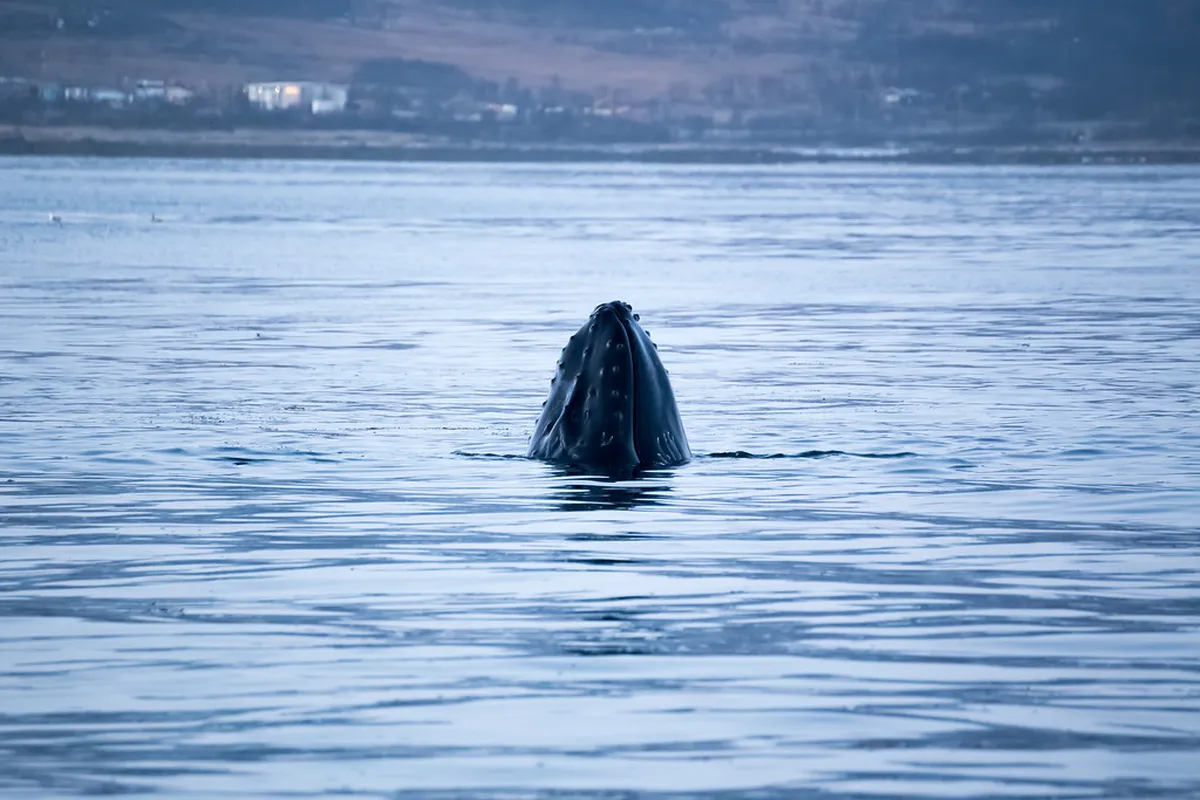
I strongly recommend choosing a silent hybrid catamaran operator such as Brim Explorer. The electric propulsion does not disturb the whales, allowing the boat to approach far closer than conventional vessels. The catamaran is wheelchair-accessible with advance notice, and a heated indoor lounge means you can warm up between time on the open deck. Expect to pay NOK 1,750–2,000 (€160–€180) per person for a full-day tour departing around 08:00. The journey to the feeding grounds takes two to three hours each way.
Pack for the cold: standing on an open deck for several hours is colder than it sounds, even with onboard shelter. Bring touchscreen gloves and a phone wrist strap — your fingers will freeze mid-shot if you fumble with a bare-handed camera. Do not schedule other tours on whale-watching day — the full commitment to the excursion is what makes it worthwhile, and the tour often returns to port just before dark.
Whale watching season runs October to late January only. If you visit outside this window, skip the safari and prioritize Northern Lights chasing and husky sledding instead — the herring migration that attracts whales and orcas won't be present.
Arctic Cathedral and City Centre Highlights
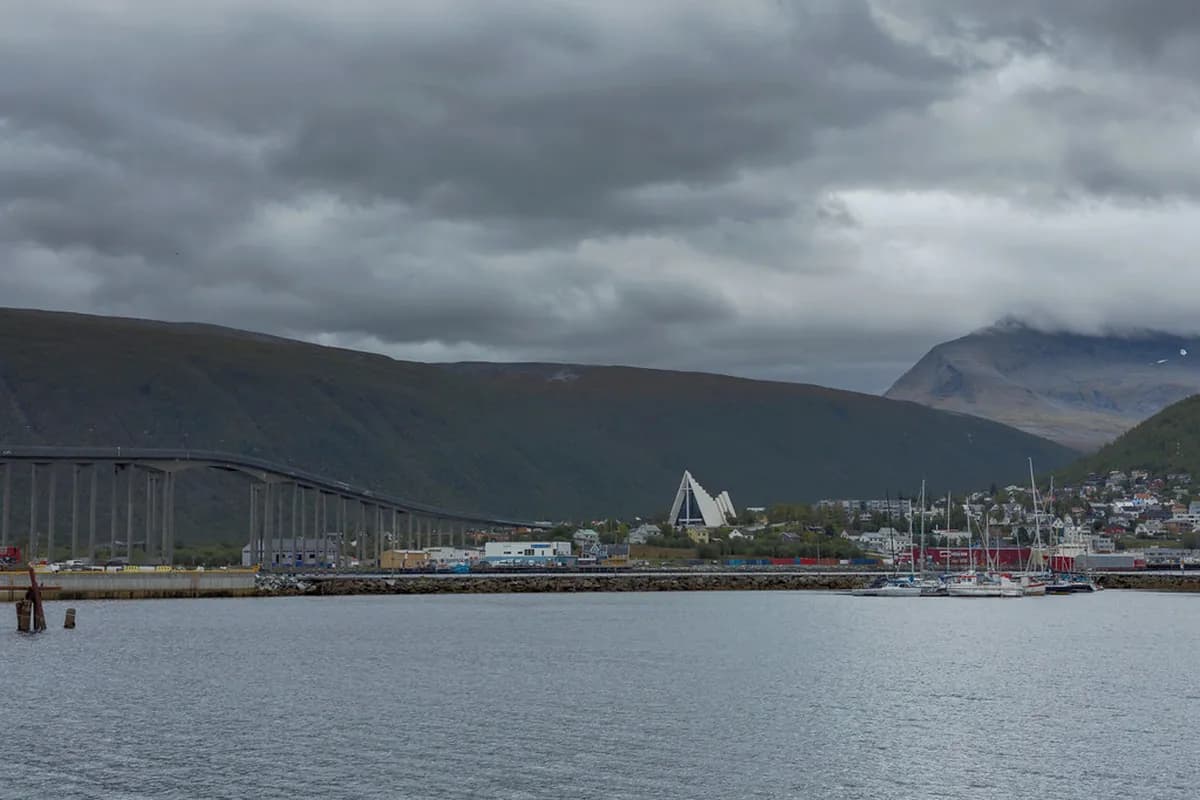
The Arctic Cathedral (Ishavskatedralen) is the most photographed building in Tromsø, and for good reason. This triangular 1965 church seats 600 people and sits directly across the Tromsø Bridge from the city center, with the snow-capped Tromsdalstinden mountain as its backdrop. A self-guided visit costs NOK 70 (€6) per adult; evening concerts run around NOK 275 (€25). Visit during the blue hour around 12:00–13:00 to see the massive stained-glass window glow against the dark sky.
Note that the Arctic Cathedral is a working church. It closes without notice for weddings and funerals, so check the website on the morning of your visit. Many visitors combine it with Fjellheisen — walk across the bridge, visit the cathedral, then take the short taxi or bus to the cable car base station. The walk across the bridge itself is free and gives you a superb view of the city skyline.
Back in the city center, the walkable harbor area rewards slow exploration. The Polar Museum at the waterfront is the best indoor stop (NOK 120 / €11). Storgata is the main pedestrian street and home to the city's most beloved cafes. Smørtorget, open 08:00–18:00 on weekdays, is the best breakfast stop — cinnamon buns, skolebrød, and the coffee is excellent. Raketten Bar & Pølse on Storgata serves Norway's most famous hot dog from a tiny yellow kiosk open 12:00–19:00 daily; expect a queue, but it moves quickly.
Tromsø Attractions That Are Worth Skipping
While most activities here are fantastic, some commonly listed spots might not be worth your limited winter time. I recommend skipping the attempt to see the Northern Lights from the city center or the main harbor area. Light pollution from the streetlights significantly dulls the colors of the Aurora, making it look like a faint grey smear unless solar activity is extremely high. Always go with a tour that takes you out of the city to dark skies.
The Tromsø University Museum is informative but sits quite far from the center and can feel dated compared to what is available closer to the harbor. Your time is better spent at Polaria or the Polar Museum, both of which focus specifically on Arctic history and wildlife. The University Museum suits long-term visitors or those with a specific academic focus — for a three-to-five day trip, skip it.
Avoid booking a fixed-location "Northern Lights Dinner Camp" if seeing the Aurora is your top priority. These stationary setups are atmospheric and warm, but they cannot chase clear patches of sky the way a mobile tour can. If conditions are overcast, you will be sitting in a warm lavvu with no lights above you. Go mobile on your first night, then consider a fixed camp as a relaxed backup experience. You will find far better food options in the city itself — see my favorite places to eat in Tromsø for restaurant picks across every price point.
Where to Stay in Tromsø: Best Hotels and Neighborhoods
Choosing Where to Stay in Tromsø: 10 Best Areas & Hotel Picks is largely a matter of proximity to the harbor. Most tour departures happen near the Radisson Blu or the Clarion Hotel The Edge, making the city center very convenient. Staying within walking distance of the main quay saves you from navigating the bus system in the dark at 02:00 after a Northern Lights chase. The harbor neighborhood is compact and walkable, putting the Polar Museum, Storgata, and most restaurants within a ten-minute walk of each other.
For those watching their wallet, the Smarthotel Tromso offers compact but functional rooms right in the heart of town. Another excellent budget-friendly option is the Comfort Hotel Xpress Tromso, which skips traditional room service to keep rates low. If you prefer a more modern vibe, the Moxy Tromso is a stylish choice slightly closer to the airport. For full reviews and current availability, check the hotels in Tromso comparison page covering all budget levels.
If you stay further out on Tromsøya island, ensure your hotel sits near a stop for bus line 24 or 42. Walking more than ten minutes in the snow with luggage is genuinely difficult, especially when most tours return after midnight. Book accommodation at least six months ahead for December and January — prices in peak Polar Night season regularly double compared to shoulder months, and the best harbor-front properties disappear first.
Packing for Tromsø in an Underseat Bag
Traveling to the Arctic with only an underseat bag is genuinely possible if you focus on high-output wool layers rather than bulk. I managed a four-day trip by wearing my heaviest coat and boots onto the plane to save bag space. The key system is a merino wool base layer, a lightweight down vest mid-layer, and a windproof shell on top — three light layers outperform one heavy coat in Arctic conditions because you can regulate temperature between the bus, the lavvu, and the open tundra.
Here is a specific packing list that fits in a 40-litre underseat bag and covers four days in Tromsø in January:
- Base layers (x2): Icebreaker or Smartwool merino long-sleeve tops — these do not smell after two days of wear.
- Thermal leggings (x2): Uniqlo Heattech Extra Warm — thin, crushable, and genuinely effective to -10°C.
- Down vest: Worn under your outer jacket, adds 5°C of warmth for almost no weight.
- Water-resistant trousers (x1): Zip-off hiking trousers from Fjallraven or similar — layer over thermals for outdoor tours.
- Wool socks (x3): Darn Tough or Icebreaker; one pair per day with a spare.
- Thin silk glove liners: Add significant warmth under your outer gloves; also work as touchscreen gloves.
- Neoprene face gaiter: Not optional for standing outside at -15°C on a Northern Lights chase.
- Power bank (20,000 mAh): Cold kills phone batteries in minutes; a large power bank is more useful than an extra outfit.
Wear your snow boots and heaviest coat onto the plane. Use compression cubes for your mid-layers. Skip jeans entirely — they offer no insulation, take up enormous bag space, and are miserable when wet. Keep liquids under 100ml to pass through security without checking bags. A high-quality weather balm or thick moisturizer is the most overlooked item — Arctic wind dries and cracks exposed skin within hours.
Frequently Asked Questions
Is it completely dark in Tromsø during the winter?
No, it is not completely dark. During the Polar Night, you will experience three to four hours of twilight with beautiful blue and pink hues in the sky. True darkness only occurs from late afternoon until the following morning.
Is Tromsø expensive to visit?
Yes, Tromsø is considered an expensive destination. Expect to pay $15-$25 for a casual meal and over $150 for most guided excursions. You can save money by using public transport and booking hotels with included breakfast.
When does it usually snow in Tromsø?
Snow typically begins to accumulate in late October or November. The heaviest snowfall usually occurs between January and March, which provides the best conditions for winter activities like dog sledding and skiing.
Tromsø in winter is a bucket-list destination that truly lives up to the hype if you plan ahead. From the thrill of the Northern Lights to the quiet beauty of the fjords, the experiences here are unforgettable. By prioritizing the right tours and packing smartly, you can enjoy the Arctic without unnecessary stress.
I hope this guide helps you navigate the challenges of the Polar Night with confidence and excitement. Remember to book your top activities early and always keep an eye on the local weather forecast. Safe travels to the north, and may the Aurora be bright during your visit!
You might also like
Continue reading
More guides you'll find useful