Polar Night in Tromso: 10 Essential Things to Know
Discover the magic of the polar night in Tromso. Learn when the sun disappears, what the blue hour looks like, and the best winter activities for your trip.
On this page
Polar Night in Tromso: 10 Essential Things to Know
The polar night in Tromso is one of the most misunderstood phenomena in Arctic travel. Most visitors expect total, oppressive darkness. What they find instead is a quiet, blue-lit world that locals have called home for ten thousand years. This guide covers everything you need to plan a trip during the dark season, from exact dates and temperatures to transport, accessibility, and what locals actually do when the sun disappears.
What is the Polar Night in Tromso?
The polar night occurs when the sun never rises above the horizon. In Tromso, this officially lasts from November 27 until January 15 — roughly six weeks. The phenomenon happens because of Earth's axial tilt: in winter, the northern hemisphere leans away from the sun, and at latitudes above the Arctic Circle the sun drops entirely out of view.
It does not mean the city is pitch black for twenty-four hours. Even though the sun stays below the horizon, light still reaches the atmosphere from the south. During the middle of the day you get a long, soft twilight that is bright enough to walk the streets comfortably. The darkness builds toward the solstice and slowly eases as January approaches.
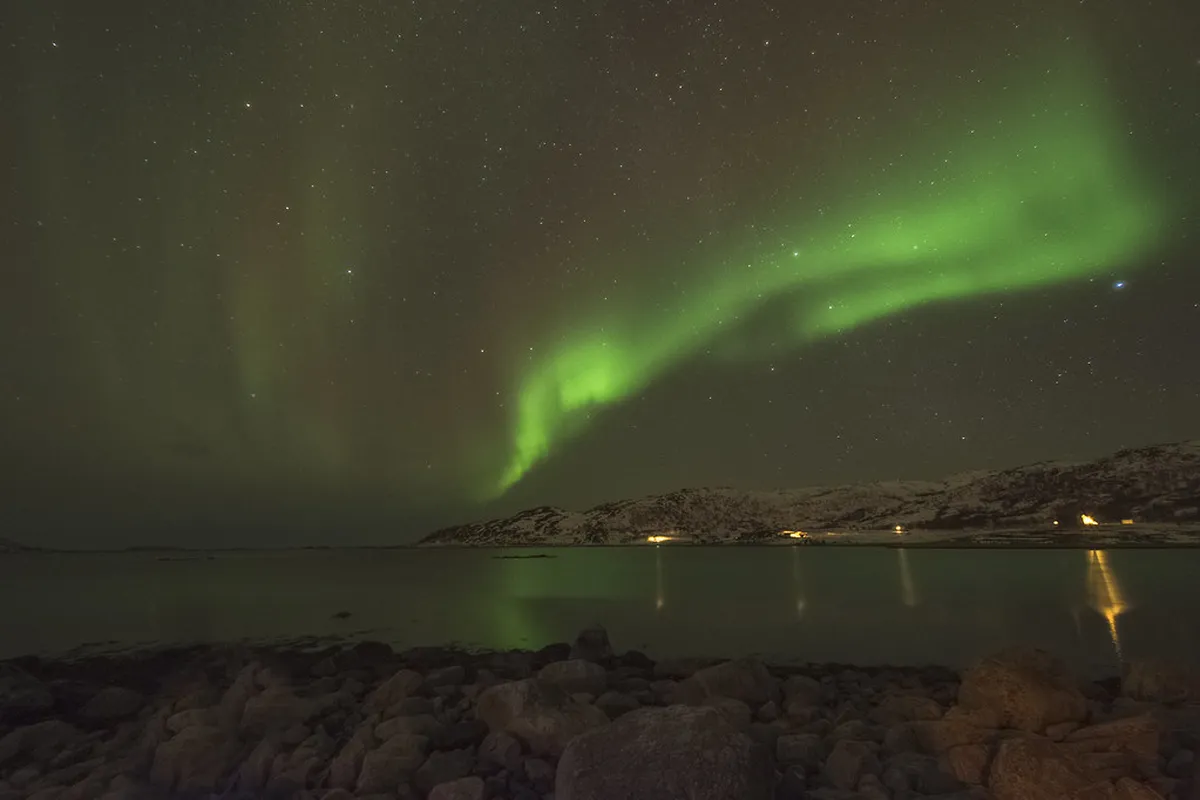
Many visitors worry about feeling sad or fatigued. Locals stay active and use light therapy to keep their energy levels stable. This season is actually the Best Time to Visit Tromsø: The Ultimate Seasonal Guide for aurora borealis. The absence of competing daylight means you can hunt for the northern lights from mid-afternoon onward.
Polar Night Weather and Temperatures
The climate in Tromso is milder than most people expect for the Arctic. The Gulf Stream carries warm water along the Norwegian coast, moderating temperatures in the city center. Average readings between late November and mid-January range from -5°C to -1°C (23–30°F). Wind off the fjord can push the feels-like temperature significantly lower.
Snow usually covers the ground by early December and stays until April. Moist air from the sea leads to heavy snowfall or, occasionally, freezing rain that glazes sidewalks overnight. You should prepare for damp conditions that penetrate thin clothing. Check the 10 Essential Tips and Things to Do in Tromso in Winter guide for more weather specifics and how to dress for a range of conditions.
Weather patterns change fast in Northern Norway. A clear aurora forecast can be overturned by cloud cover within an hour. Always check the Norwegian Meteorological Institute forecast before heading out on any mountain excursion, and build flexibility into each day so you can chase clear skies when they arrive.
The "Blue Hour": Tromso's Most Iconic Light
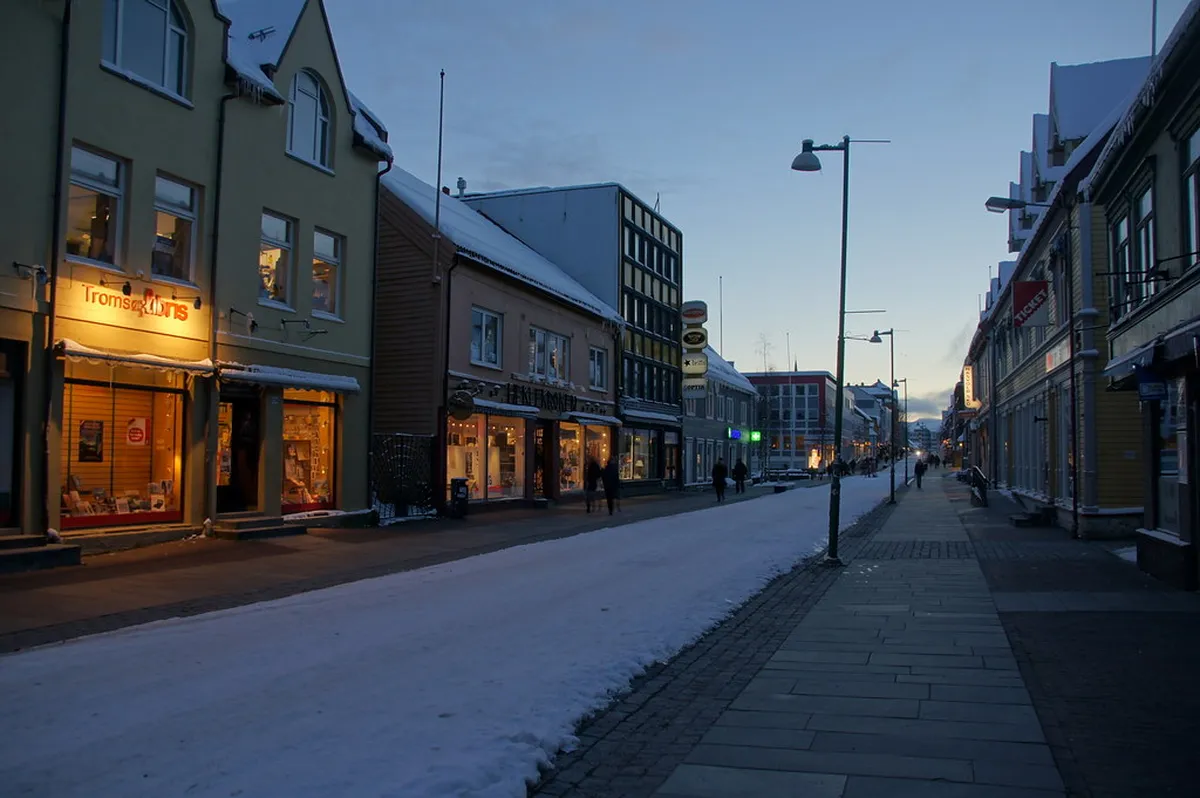
The blue hour is the visual signature of the polar night season. It occurs between roughly 11:30 and 14:00 each day, when the sun sits just a few degrees below the southern horizon. The residual light reflects off the white snow and the dark blue fjord, bathing the entire landscape in a luminous cobalt and violet glow. No filter or post-processing can replicate what you see with the naked eye.
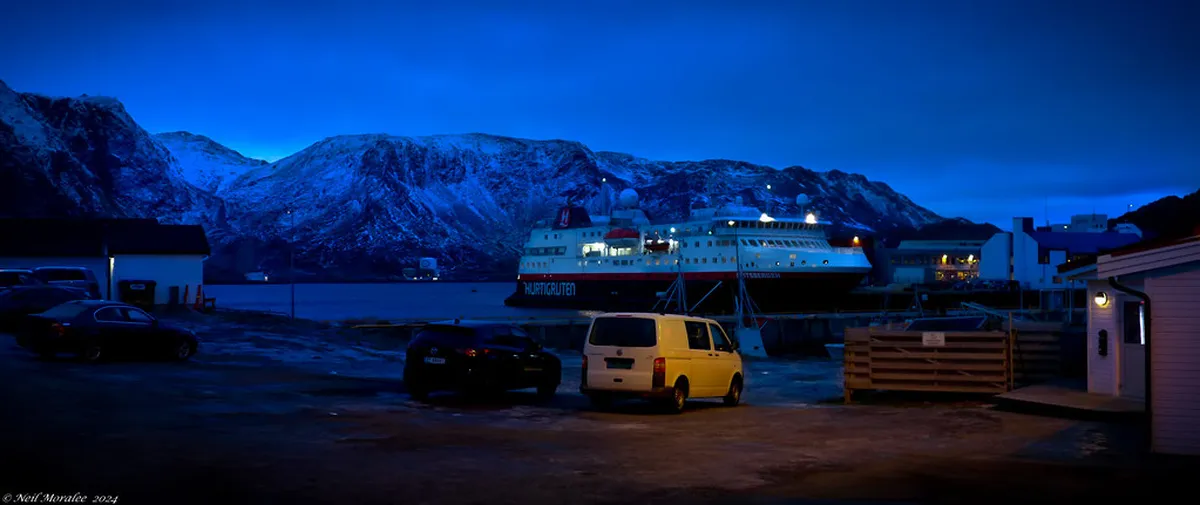
It is never completely dark all the time during the polar night. On clear days the sky to the south shows shades of amber and rose at the horizon, fading into deep indigo overhead. Street lights and candles in windows add warm orange accents that contrast beautifully with the cold blue outside. Photographers should bring a tripod, shoot in RAW, and set their white balance manually — auto white balance consistently underexposes the blue tones.
The blue hour shifts a few minutes later each day as winter deepens and then gradually returns to noon as January progresses. Plan your sightseeing to coincide with it. The view from Storsteinen mountain, reached by the Fjellheisen cable car, is the single best vantage point for watching the blue light spread across the city and the surrounding peaks.
Polar Night Duration: Tromso vs. Other Northern Cities
Tromso sits at 69.6°N and experiences about 49 days of polar night. Further north and south, the duration changes dramatically. The table below compares key Norwegian destinations so you can calibrate your expectations and choose the right base.
| Location | Polar Night Start | Polar Night End | Approx. Duration |
|---|---|---|---|
| Bodø | No true polar night | — | Sun visible briefly at solstice |
| Harstad | 2 December | 10 January | ~39 days |
| Tromsø | 27 November | 15 January | ~49 days |
| Alta | 25 November | 17 January | ~53 days |
| Hammerfest | 22 November | 20 January | ~59 days |
| North Cape | 20 November | 22 January | ~63 days |
| Longyearbyen, Svalbard | 26 October | 16 February | ~113 days |
Tromso is the sweet spot for most travelers. It has the full polar night experience with a modern city infrastructure — direct flights, international hotels, guided tours, and good hospitals. Svalbard offers a more intense darkness but is significantly more expensive and requires more preparation. Harstad and Alta are quieter alternatives if you want to avoid Tromso's high-season crowds.
Note that on Svalbard the darkness is total around Christmas, with no residual twilight at all at midday. In Tromso you always get that blue hour glow. The celebrated "Sun Day" in Tromso falls on January 21, when the sun finally clears the mountain ridge and shines directly into the city center for the first time — a local celebration with genuine emotion attached to it.
Top Things to Do During the Polar Night
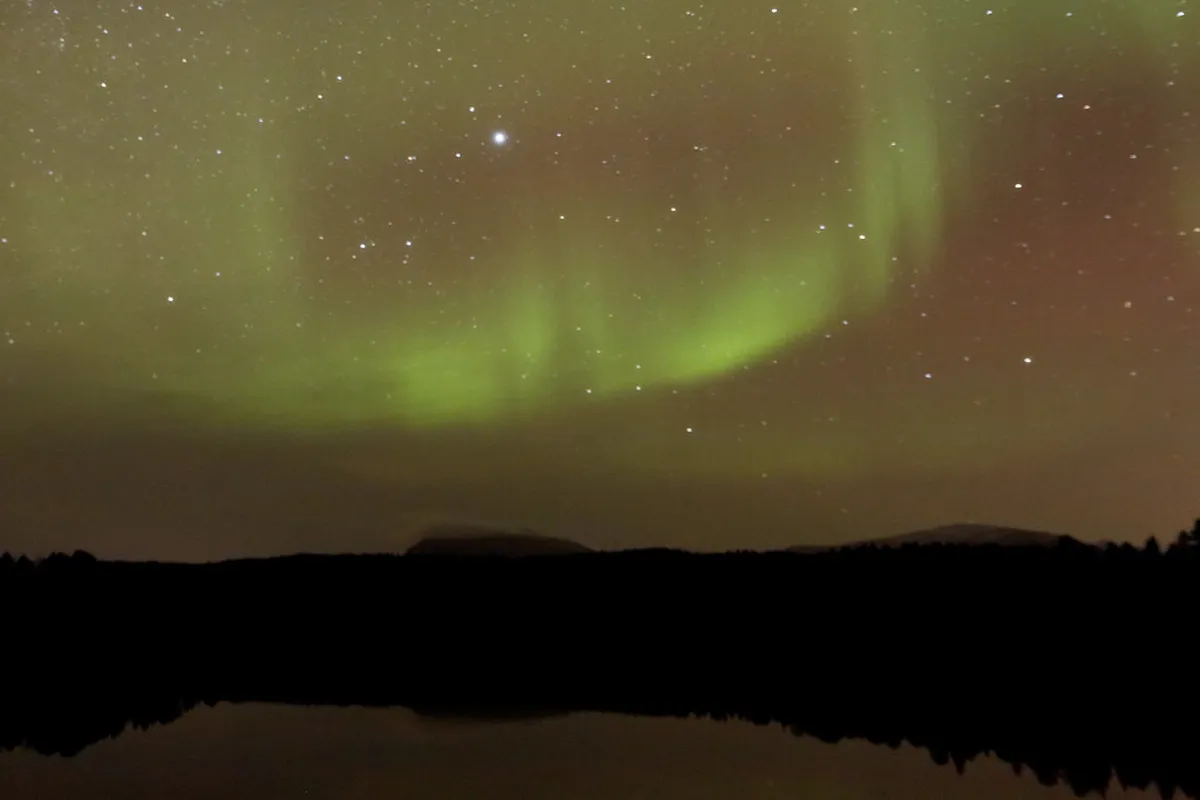
Hunting for the northern lights in Tromso is the primary draw. Long nights give you up to eighteen hours of potential aurora-watching time. Many operators run a northern lights tour that drives east toward clearer inland skies, away from coastal cloud cover. The city lights can wash out faint displays, so getting at least 20 km from the center makes a real difference.
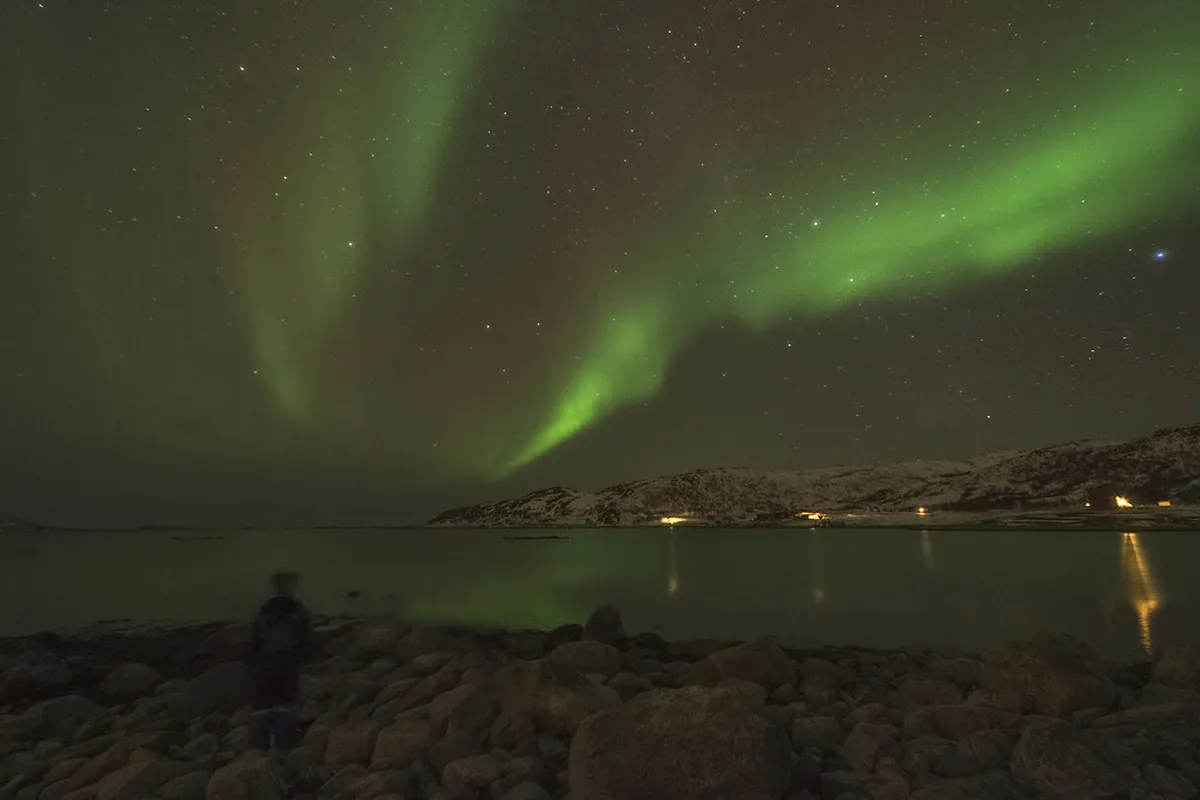
The blue hour peaks between 11:30 and 14:00 each day during polar night. Schedule your outdoor sightseeing, photography, and cable car visits during these hours to catch the best cobalt-and-violet light.
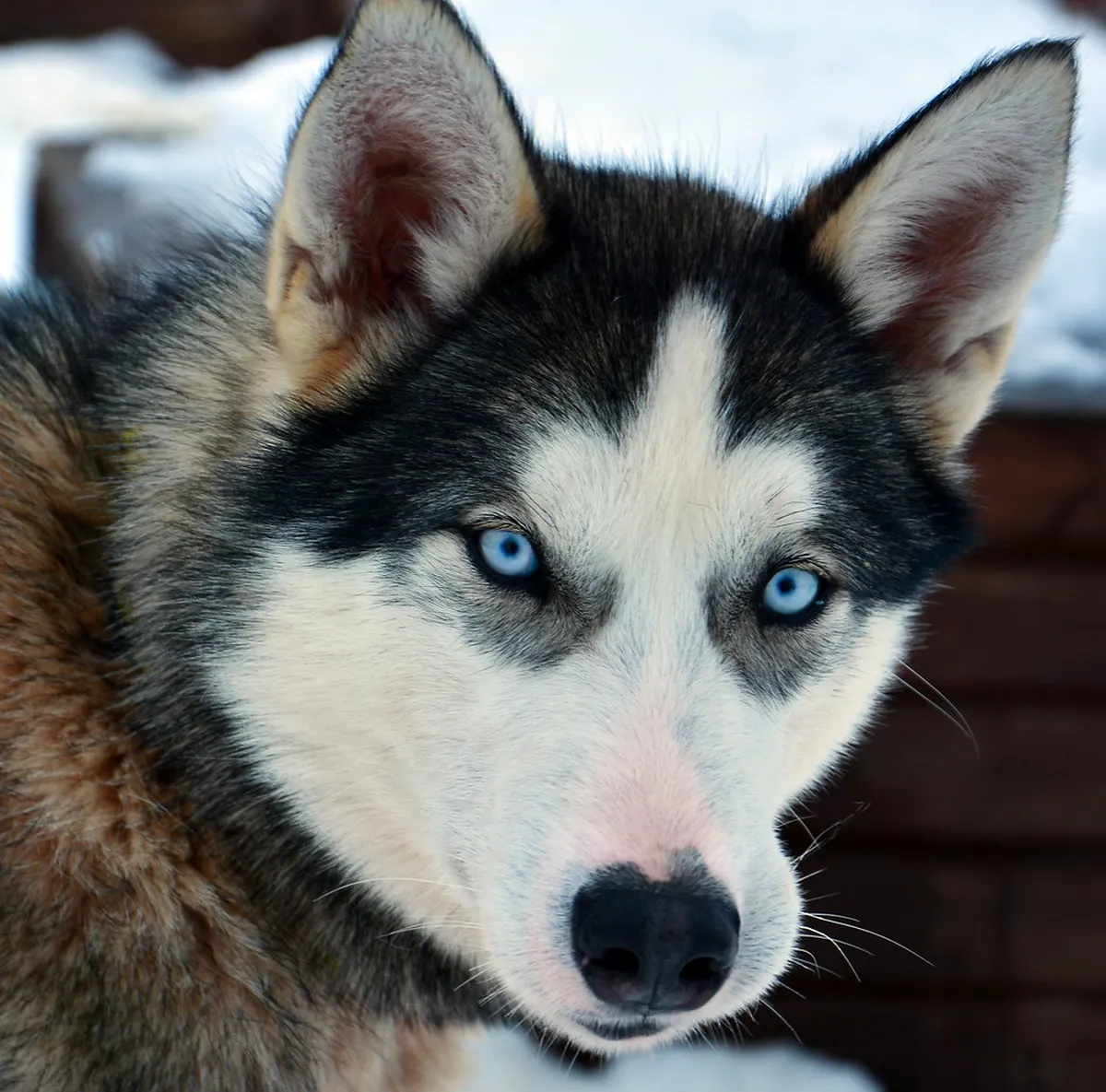
The fjords come alive with wildlife in November and December. Humpback whales and orcas follow the herring migration into the cold, dark waters near Skjervøy and Kaldfjord. Whale watching by RIB boat is possible from late October through January, with many boats departing before 09:00 to catch the brief midday light. Dog sledding through the Tamokdalen valley is equally compelling — the dogs run harder and faster in the cold, and the landscape under a starlit sky is unlike anything in daylight.
Ice on pavements is near-universal from December through February in Tromsø. Locals use studded boots or slip-on ice cleats (about 150–200 NOK); many outdoor shops near the harbor sell them. Pedestrians in dark jackets are nearly invisible to drivers in the dark — wear reflective vests or bands.
Indoor options cover the coldest hours. The Arctic Cathedral is open year-round and its stained glass is best appreciated with artificial lighting. The Perspektivet Museum covers Sami culture and Arctic history at a level that holds interest for several hours. The city has a strong cafe culture — order a cup of kaffe and a kanelbolle (cinnamon bun) and settle in. Local reindeer, king crab, and fresh skrei cod appear on menus from December onward.
Life in the Arctic: How Locals Thrive in Darkness
The people of Northern Norway have lived with the dark months for roughly 10,000 years. Daily life continues without significant disruption. Schools run normal hours. Restaurants and cafes fill up night after night. Ski runs in the hills around Tromso are lit from early afternoon. Dog-sledding operators start before dawn. The pace of life does not slow — it simply shifts indoors after the blue hour fades.
The concept that structures winter life here is koselig — a Norwegian word for coziness that goes beyond comfort. Koselig means thick candles on a wooden table, a wood-burning stove, a warm drink, and good company. It is a deliberate cultural response to the darkness: instead of fighting it, locals lean into it. You will see this in every café, in the way homes are lit, and in the general sociability of strangers on a dark street.
Locals also acknowledge mild fatigue. Most people go to bed earlier and sleep longer during polar night — the body responds to the absence of dawn signals. The practical fix is a light therapy lamp (lysterapi) used for 20–30 minutes each morning. Many households and some hotels have them. Vitamin D supplements are routine; Norwegian pharmacies stock them prominently. If you are traveling for more than a week, bringing or buying a supplement is a simple precaution that makes a measurable difference in energy.
Transport: Navigating Tromso in Winter
Tromso Airport (TOS) receives direct flights from Oslo (SAS and Norwegian year-round), and seasonal routes from several European cities. Winter schedules are generally reliable, though storms can delay or cancel flights with little notice. Book flexible fares if your trip falls in December or January, and always allow a buffer day before important connections.
Within the city, the bus network (Troms Fylkestrafikk) covers the main routes reliably even in heavy snow. Night buses run until around 02:00 on weekends. Taxis are plentiful but expensive — a ride from the airport to the city center costs around 300–400 NOK (roughly 25–35 EUR). Car hire is possible but requires winter-tire experience; icy mountain roads in the dark are not the place to learn.
- The Hurtigruten coastal ferry calls at Tromso on its northbound and southbound routes daily. In winter the ship runs on schedule even in rough weather, making it a reliable backup if flights are cancelled.
- The express boat to Skjervøy (whale-watching hub) takes about 2 hours and runs several times a week, though winter timetables are reduced — check Tromsbuss.no before booking whale tours that depend on it.
- Ice on pavements is near-universal from December through February. Locals walk in studded boots or attach slip-on ice cleats to ordinary shoes. Many outdoor shops near the harbor sell them for around 150–200 NOK.
Accessible Arctic Experiences
Tromso is more accessible in winter than its Arctic location suggests, but ice and darkness add genuine challenges for travelers with mobility limitations. The city center streets are gritted and cleared quickly after snowfall, but side streets and harbor-front paths can be icy for hours after a freeze. A wheelchair or walking frame on black ice is a serious risk. Travelers with limited mobility should stay central — within the area bounded by Storgata and the main bridge — to minimize exposure to unpaved or ungrit sections.
The Fjellheisen cable car has a wheelchair-accessible cabin and serves the Storsteinen plateau at 421 m. The viewing platform at the top is flat and open. Whale watching RIBs are not accessible for most mobility restrictions, but some operators run larger, more stable catamaran boats with boarding ramps. Always call ahead to confirm. The Arctic Cathedral is fully accessible with a ramp entrance.
Northern lights tours vary widely in accessibility. Standard minibus tours require stepping up into the vehicle and walking on snow to reach viewing spots. Several operators offer "aurora glamping" experiences where a heated tent or lavvo is set up at a fixed location and guests remain seated for the evening — no walking required. Ask specifically for this option when booking.
What to Pack for the Dark Season
Staying warm depends on layering correctly. Start with a merino wool or synthetic base layer that wicks moisture. Add a mid-layer fleece, then a windproof shell, and top it with a heavy down parka for outdoor evenings. Avoid cotton at every layer — it holds sweat against the skin and chills fast. Hands and feet lose heat quickly; thick wool socks and waterproof boots rated to -20°C are essential.
Safety and visibility matter as much as warmth. Drivers have little reaction time in the dark, and pedestrians in dark jackets are nearly invisible. Locals wear reflective vests or attach reflective bands to their coats. Many outdoor shops sell small adhesive reflective patches for around 20 NOK. Ice grips that slip over boot soles are sold everywhere and make an enormous difference on frozen pavements.
- Merino wool base layers — moisture wicking, odor resistant, warm even when damp
- Down parka rated to at least -20°C — synthetic fill dries faster if it gets wet
- Waterproof insulated boots with grip soles — not fashion boots
- Slip-on ice cleats — buy locally if you cannot pack them
- Reflective vest or bands — essential for road safety in the dark
- Headlamp — useful for pre-dawn excursions and trail walks near the city
- Vitamin D supplement — standard precaution for stays over five days
Essential Tips for Planning Your Polar Night Trip
Book accommodation early if you plan to visit over Christmas or New Year. Tromso has a limited number of quality rooms and they sell out months in advance for the holiday peak. Mid-January through February offers the same aurora and winter activity options at standard prices, fewer crowds, and more availability. The return of the sun around January 21 is also a genuine local event worth timing your trip around.
Aurora hunting requires flexibility. Book refundable or rebookable tours where possible, because a cloudy week can block all displays. Many operators offer a "next night free" policy if auroras are not visible — confirm this before paying. Check the aurora forecast at spaceweather.com or the Norwegian Space Agency portal the evening before, not just at booking time.
Structure each day around the blue hour. Schedule outdoor sightseeing, photography, and cable car visits between 11:00 and 14:00. Use the dark afternoon and evening hours for indoor activities, restaurants, or aurora tours. This rhythm aligns with how locals live during the dark season and makes the limited light work for you rather than against you. Compare your options in the full Tromso Itinerary: 8 Essential Planning Steps and Daily Routes guide for a day-by-day framework.
Use our guide to things to do in Tromsø for the wider city overview.
Frequently Asked Questions
Is it pitch black all day in Tromso?
No, it is not pitch black all day during the polar night. You will experience a few hours of twilight known as the blue hour. This light is often enough for most outdoor activities.
When is the polar night in Tromso?
The polar night in Tromso lasts from November 27 to January 15. During this time, the sun stays below the horizon. The sky still displays beautiful colors during the midday hours.
Can you see the Northern Lights during the day?
You cannot see the Northern Lights when there is twilight or sunlight. However, the long nights provide up to twenty hours of darkness. This gives you many chances to see the aurora.
The polar night in Tromso is a unique and peaceful time to visit. While the sun is missing, the blue light and auroras provide plenty of beauty. Prepare for the cold weather and embrace the local concept of koselig. It is an experience that stays with you for a lifetime.
You might also like
Continue reading
More guides you'll find useful