King Crab Safari Tromso: The Ultimate Guide to Arctic Fishing Tours
Plan your king crab safari in Tromso with our guide to the best tours, what to wear, and how to catch the legendary Arctic king crab.
On this page
King Crab Safari Tromso
A king crab safari Tromso experience is one of the most rewarding adventures in the high Arctic. You get to witness the raw beauty of the Norwegian fjords while hunting for massive crustaceans, then eat them freshly steamed on board the same boat. This activity combines outdoor thrills with a gourmet feast that you will never forget.
Many travelers visit the region for the lights, but the local seafood culture is equally captivating. Exploring the things to do in Tromso reveals a deep connection between the sea and the community. Catching your own dinner adds a unique layer to your holiday memories.
The journey begins on a boat where the salty air and mountain views set a perfect scene. Professional guides lead you to the best spots where these legendary crabs thrive in deep water. Prepare yourself for a hands-on encounter with the giants of the Barents Sea.
Must-See King Crab Safari Highlights
The primary highlight of any tour is the moment the heavy crab pots are pulled from the icy depths. You will see the sheer size of the red king crab as it emerges from the water, legs splayed wide across the deck. Guests typically help handle the catch safely under guide supervision — it is far more hands-on than most people expect.
After the fishing portion, the focus shifts to the culinary side of the expedition. Guides steam the legs in salted seawater, either on board or at a cozy seaside cabin, and serve them within minutes of the harvest. The meat is intensely sweet and tender in a way that restaurant preparation simply cannot replicate.
A night safari offers an extra layer of magic during the dark months from November to February. You might catch a glimpse of the aurora borealis while waiting for the fishing gear to surface. Operators like Norwegian Fjord Explorer specialize in these evening combinations, pairing crab fishing with northern lights tours Tromso on the same trip.
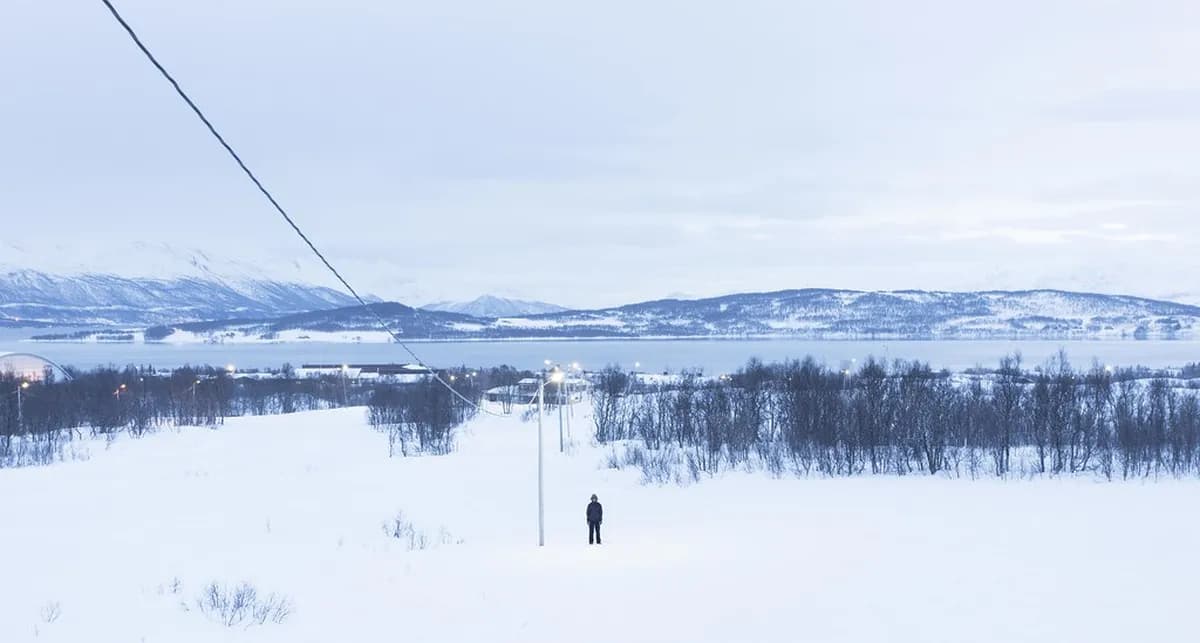
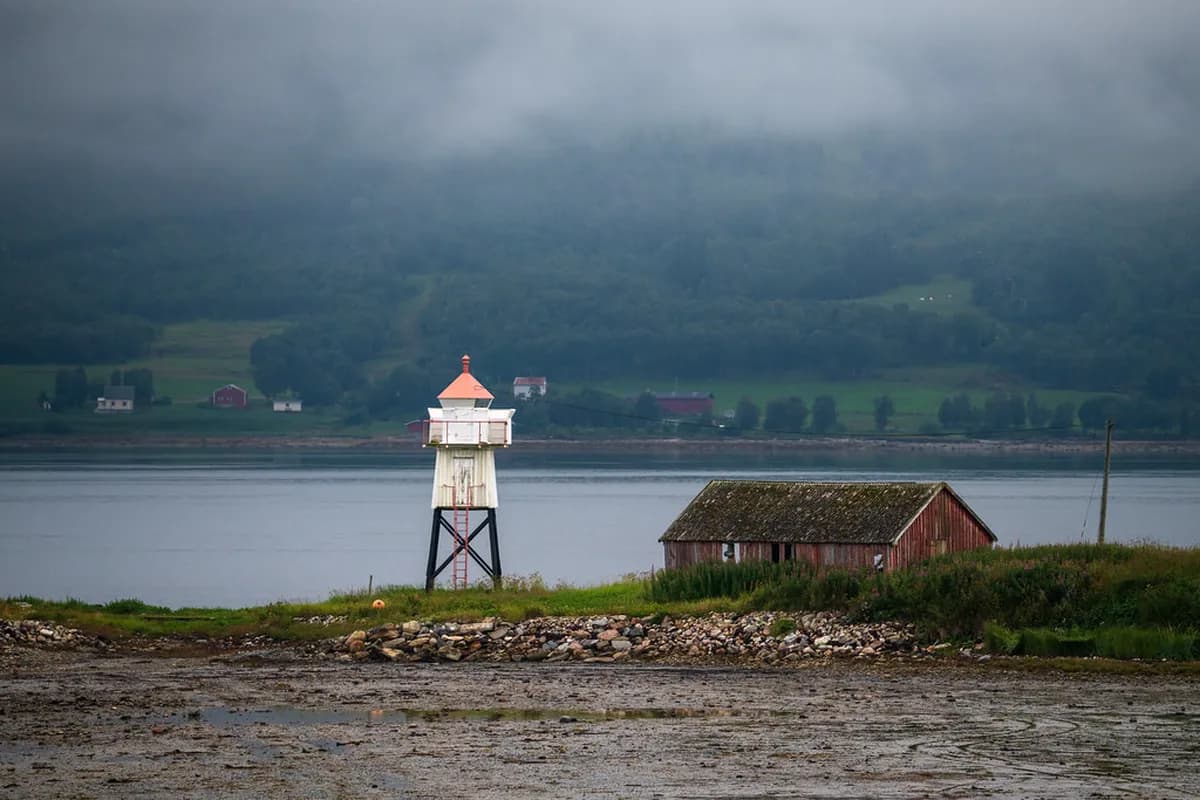
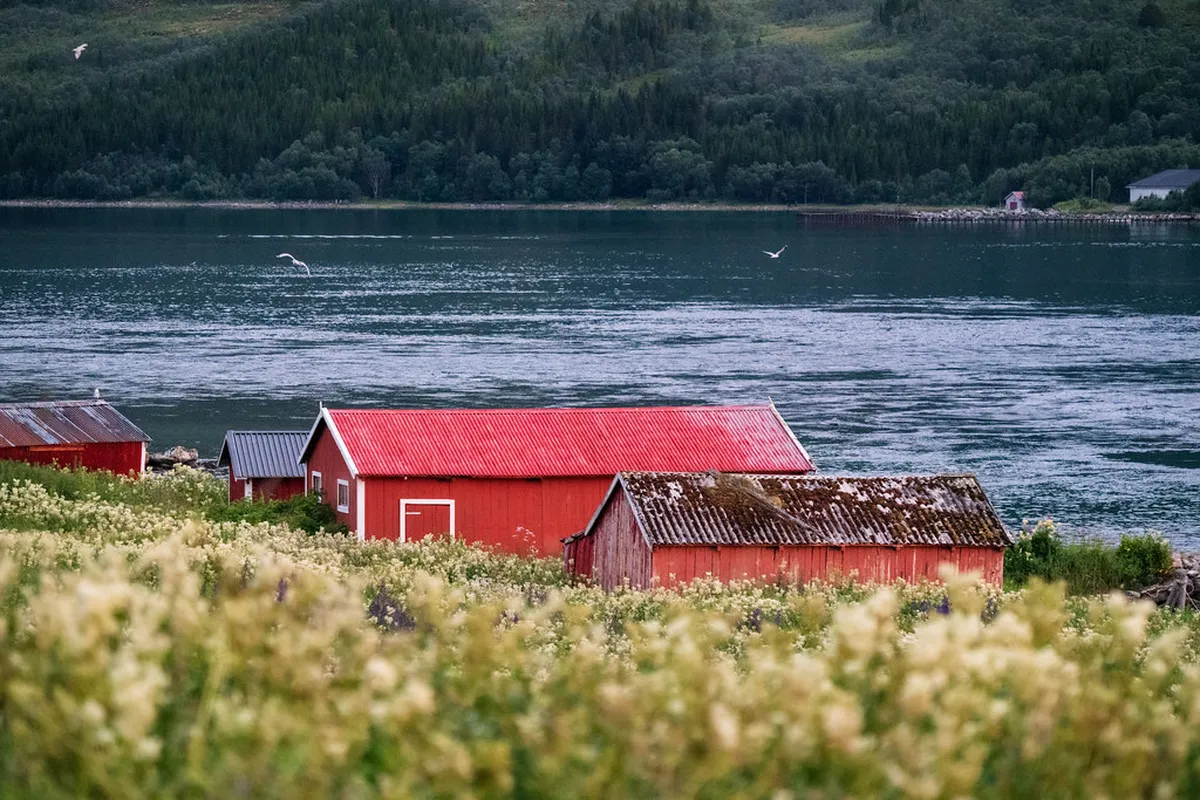
The scenery around the fishing grounds is dramatic in every season. Jagged peaks and deep blue fjord water create a sense of isolation and scale that feels genuinely Arctic. It is a rare chance to see this landscape from a working fishing vessel rather than a cruise deck.
Biology, History, and Culture of King Crabs in Norway
The red king crab (Paralithodes camtschaticus) is not native to the Norwegian coast. Soviet marine biologists released it into the Murmansk Fjord in the 1960s hoping to establish a new food source in the Barents Sea. The first specimens appeared in Norwegian waters in the mid-1970s, and the population has expanded steadily southward ever since.
Ecologists consider these crabs an invasive species because they consume large amounts of local bottom-dwelling marine life — sea urchins, worms, small fish, and kelp beds all suffer in areas of dense king crab population. Catching them is therefore a genuine ecological service to the delicate marine ecosystem of the fjords. This makes your safari a form of sustainable hunting that protects native species rather than exploiting them.
In Norwegian culture the king crab has transformed from a biological curiosity into a high-value export commodity. Tromsø sits at roughly the southern edge of the crabs' comfortable temperature range; the water there is marginally warmer than in the Barents Sea core zone, so densities are lower but the crabs that do reside in the area tend to be large and mature. This geographical nuance is why Tromsø guides focus on quality over quantity when hauling pots.
Tromsø vs. Kirkenes: Choosing the Right Base
Most articles about king crab safaris are actually written about Kirkenes, a small town near the Russian border where the crabs are most abundant. If you have seen a vivid first-person narrative of blasting across the Barents Sea on a RIB boat and hauling pots in the Bøkfjord, that story almost certainly happened in Kirkenes, not Tromsø.
Tromsø-based safaris are genuinely different. The crabs here live at the outer edge of their habitat range, so tour operators keep group sizes small — typically six to ten people — and use local knowledge to find productive spots near Kvaløya and the surrounding islands. The payoff is a more intimate experience with less tourist throughput than the Kirkenes mainstream circuit.
Tromsø also has a major logistical advantage: the city is a serious travel hub with an international airport, a wide range of hotels, and a full calendar of activities. You can book a morning crab safari and spend the same evening on a northern lights tour without changing your accommodation. Kirkenes requires a separate flight from Oslo and limits your other Arctic options considerably. If you are already basing yourself in Tromsø, the safari there makes strong practical sense even if the crab density is slightly lower.
Parks, Fjords, and Outdoor Fishing Spots
Most safaris depart from the main harbor and head toward the sheltered waters near Kvaloya from Tromso. This island offers deep fjords where the crabs prefer to congregate during the colder months, and the surrounding mountains provide shelter from the harsh open-sea winds. Average water depths in these areas reach 150 to 300 metres — the ideal habitat for mature crabs.
Captains use sonar and accumulated local knowledge to locate the exact positions of their submerged pots. You will feel the excitement build as the boat slows down near the colored buoys and the crew begins hauling the line hand over hand. The pots emerge dripping and heavy, packed with legs that wave in all directions.
Wildlife sightings are common during the transit to the fishing grounds. Sea eagles frequently patrol the rocky outcrops along the shore, and harbor seals are a regular sight. During autumn and early winter, humpback whales and orcas follow herring into the same fjords, making the boat ride just as rewarding as the fishing itself.
Degrees of Comparison: RIB vs. Classic Boat Tours
Rigid Inflatable Boats (RIBs) get you to the fishing grounds at high speed, which is thrilling but cold. The Nibbling Nomad describes RIB passengers on the Barents Sea as having their eyeballs nearly freeze — take any offered goggles and extra gloves without hesitation. RIBs are more common in Kirkenes, though some Tromsø operators offer them for guests who want an adrenaline-focused experience.
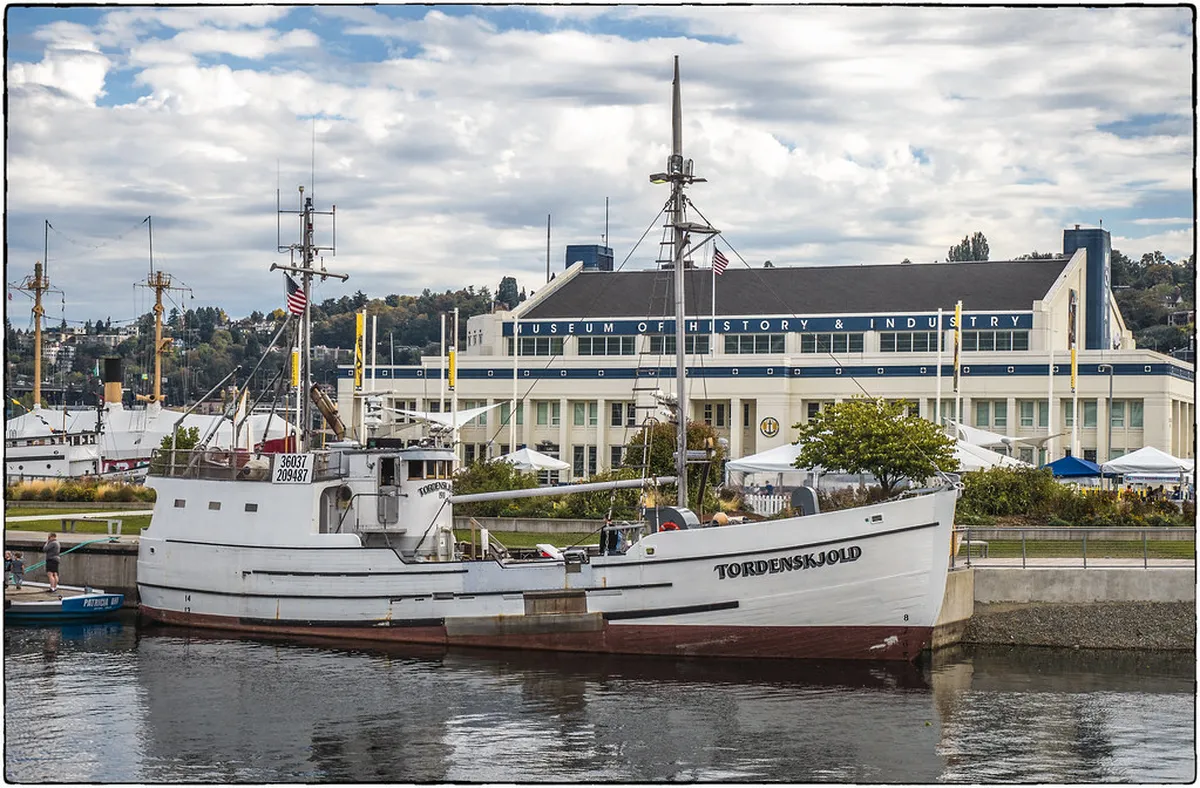
Classic explorer vessels — enclosed wooden or steel boats — provide a warm, stable platform for the journey. You can shelter inside a heated cabin between fishing stops and set up a tripod more easily for mountain and wildlife photography. This is the dominant vessel type used by Tromsø operators like Duen Experience, which runs its tours aboard the Senjafjell, a purpose-fitted Arctic vessel.
The choice matters more than it might appear. On a classic vessel the crab feast is often served at a table inside the warm cabin, which transforms the meal into a relaxed dinner rather than a windswept deck exercise. For families, older travelers, or anyone who prioritizes the food over the speed, the classic boat is the better pick.
| Vessel Type | Speed | Temperature | Common Use | Best For |
|---|---|---|---|---|
| Rigid Inflatable Boat (RIB) | High speed | Very cold exposure | Kirkenes tours | Adrenaline seekers |
| Classic Explorer Vessel | Moderate | Heated cabin | Tromsø tours (Duen Experience) | Families, comfort, photography |
Understanding King Crab Sizes and Catch Limits
A mature red king crab can weigh up to eight or nine kilograms and have a leg span exceeding 180 centimetres. Seeing one held up next to a human torso puts the scale into immediate perspective. Most guests have a camera in hand the moment the first pot clears the water.
Only male crabs above a minimum legal size are kept for the feast. Female crabs carry their eggs in a clutch under the abdominal flap for up to a year, making their return to the water a regulatory and ecological necessity, not just a guide preference. Smaller males are also returned to maintain a healthy breeding population.
The legs contain nearly all the edible meat, and guides show you the correct technique for cracking the shells — typically a pair of heavy scissors run along the seam, then the meat pulled free in one piece. A single large leg yields a surprisingly generous portion, which is why the feast feels abundant even when you are sharing a crab between two people.
Thermal flotation suits are mandatory and provided by all legitimate operators. These heavy-duty suits keep you warm in sub-zero conditions and double as flotation devices, so you never need to purchase specialist Arctic gear separately.
What to Wear and What Is Provided
Every reputable Tromsø operator provides thermal flotation suits (also called survival suits) as part of the tour price. These heavy-duty suits go over your street clothes, keep you warm in sub-zero conditions, and double as flotation devices if anyone goes overboard. You do not need to buy or rent specialist Arctic gear separately.
What you bring yourself makes a real difference to your comfort. Wear a wool or synthetic base layer next to your skin — merino wool is ideal. Add a mid-layer fleece or down jacket and insulated waterproof boots. Avoid cotton entirely; it holds moisture and chills you quickly once damp. The tour operator at Storgata 88 in central Tromsø can provide loaner shoes if needed, but your own warm footwear is strongly preferred.
- Provided by the operator: thermal flotation suit, gloves, hat, safety briefing, crab meal
- Bring yourself: wool base layer, mid-layer fleece or down, insulated waterproof boots, a buff or balaclava for the face in winter
- Optional but useful: waterproof camera or phone case, sunglasses or ski goggles on RIB tours, a small dry bag for your wallet and phone
Alcohol and loose footwear (bare feet, sandals) are not permitted on board. Children under six years old and guests under 20 kg are not accepted on most safaris due to suit sizing and safety constraints.
Family-Friendly and Budget-Friendly Safari Options
Families traveling with children aged six and above will find these tours well suited to younger explorers. Seeing a king crab emerge dripping from the water and holding it for a photo is the kind of vivid memory that outlasts any museum visit. Most operators provide smaller thermal suits for children and brief the whole group clearly before departure.
In 2026 a standard Tromsø king crab safari costs roughly 2,000 to 3,000 NOK per person (approximately EUR 170 to 260), a price that covers the boat trip, all protective gear, and a full meal of fresh crab with soup and bread. Some operators price closer to EUR 288 for a small-group private experience. Booking several weeks in advance typically secures the best rate and guarantees your spot in high-demand winter months.
To save on the total trip cost, look for packages that bundle the crab safari with an evening activity. Several operators offer combination days where you fish in the afternoon and chase the Northern Lights after dark, which avoids paying two separate transport fees. Shoulder-season dates in October or March often have more availability and slightly lower prices than the peak January and February aurora window.
Check the Dates: Best Time for a Safari
The best time to visit Tromso for a crab safari depends on what you want to pair it with. Winter tours from November through February run in near or total darkness, which creates the atmospheric polar night backdrop and gives you the best shot at seeing the Northern Lights from the boat. The atmosphere is cozy and genuinely Arctic in a way that summer cannot replicate.

Summer safaris from May to August operate under the Midnight Sun, giving you full coastal visibility at any hour and calmer sea conditions in general. The fishing itself is just as productive, and the experience is more comfortable for guests who are sensitive to cold. The trade-off is no darkness and therefore no aurora.
Spring and autumn — April and September to October — are the strongest shoulder seasons. Fewer crowds, transitional light with long golden hours, and reasonable weather make these months underrated choices. October in particular sits right before the main tourist rush and often has excellent Northern Lights conditions alongside still-accessible king crab grounds.
Summer safaris from May to August offer no darkness, so Northern Lights viewing is impossible during that period. Winter tours (Nov–Feb) provide the aurora opportunity but operate in near-total darkness and cold conditions.
How to Plan a Smooth King Crab Safari Day
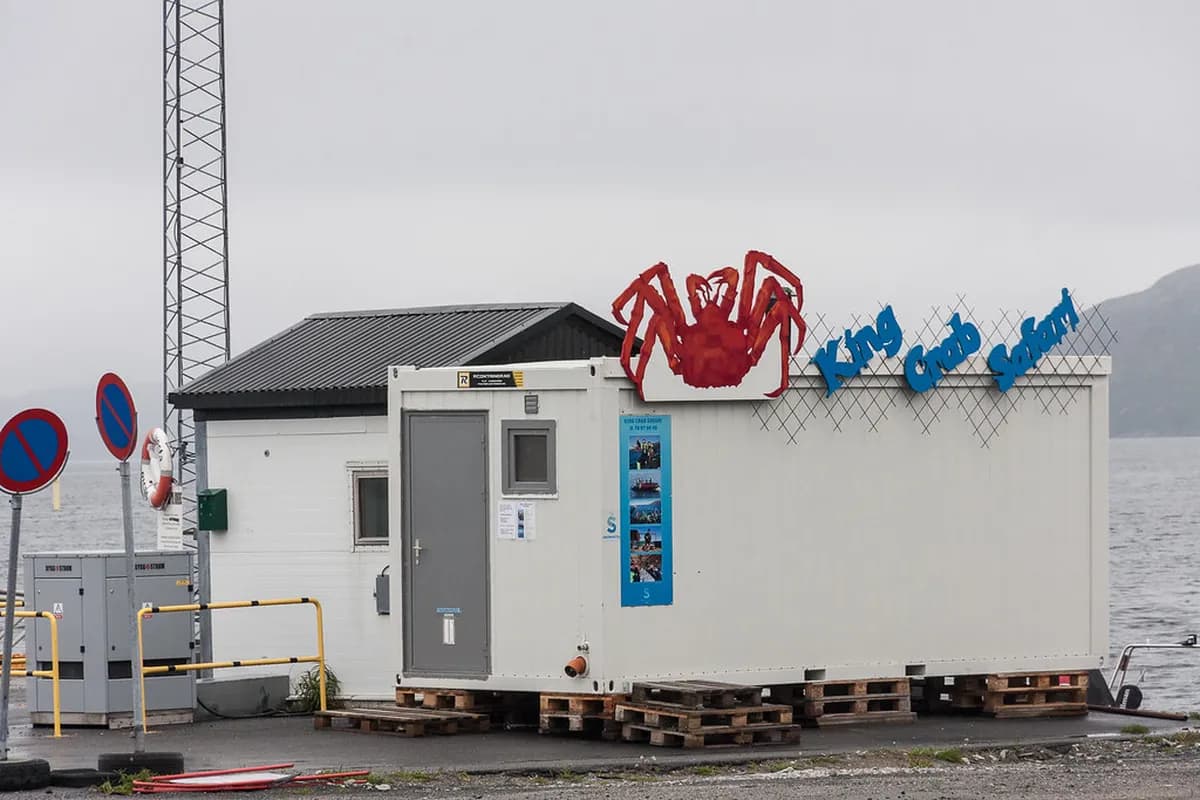
The standard meeting point for Duen Experience's tours is at Storgata 88 in central Tromsø, a short walk from the main city square. The entrance is beside Brillehuset; take the stairs to the third floor to meet your guide. Arrive fifteen minutes early so you can be fitted for your thermal suit before the group walks to the vessel.
A typical safari runs three to five hours from start to finish, including the boat journey, fishing, the meal on board, and the return to the harbor. This schedule leaves your evening free for other activities — an ideal pairing is a Northern Lights tour departing around 18:00. You can read reviews of current operators on the Go Tromsø Tours booking page before committing.
Free cancellation up to 24 hours in advance is standard across most legitimate operators. Lock in your date early, especially for January and February when slots fill weeks ahead. Check weather conditions the morning of your tour — captains monitor conditions and will reschedule if sea state makes the experience unsafe or uncomfortable.
Beyond the Crab: Explore More Tromsø Arctic Tours
Many visitors combine their fishing trip with a full evening of aurora chasing. You can spend the morning or afternoon on the water and the evening in the wilderness hunting the Northern Lights. Bundling both into the same 24-hour window maximizes the chances of ticking two major Arctic experiences off in a single day.
Whale watching is another activity that shares the same coastal waters as the king crab safaris. During late autumn and early winter, humpback whales and orcas follow herring into the fjords around Tromsø, and some crab safari operators spot them on the transit to and from the fishing grounds. It is a genuine wildlife bonus rather than a separate tour you must book independently.
After a day on the water, the local dining scene is worth exploring to compare different seafood preparations. Our guide on where to eat in Tromso covers restaurants that serve fresh Arctic seafood year-round. Supporting these establishments keeps the traditional fishing culture alive and gives you a useful contrast to the raw immediacy of eating crab you caught yourself.
Pair this with our main Tromsø things-to-do guide to plan the rest of your trip.
For seasonal context, see Visit Norway’s official Tromsø guide.
Background: the city of Tromsø sits at 69°N, deep inside the Arctic Circle.
Frequently Asked Questions
Is there king crab in Tromsø?
Yes, king crabs are found in the fjords surrounding Tromsø, particularly near Kvaløya. While they are more abundant further east in Kirkenes, several local operators run successful safaris directly from the city harbor. You can find more tromso travel tips to help plan your visit.
How much does a king crab safari in Tromsø cost?
A typical safari costs between 2,000 and 3,000 NOK per person. This price usually includes the boat trip, thermal suit rental, and a full meal of fresh crab. Some luxury or private options may cost more depending on the vessel type.
Do you actually get to catch the crabs yourself?
You will participate in pulling the crab pots from the water and handling the catch. Guides explain the biology and show you how to safely hold the massive crabs for photos. It is a very interactive experience that involves the whole group.
What should I wear for a winter king crab safari?
Wear warm wool base layers, a thick sweater, and insulated boots. The tour operator provides a heavy-duty thermal flotation suit that goes over your clothes. This combination ensures you stay warm even in sub-zero temperatures on the water.
A king crab safari in Tromsø is a bucket-list experience that combines adventure, history, and incredible food. You will leave the boat with a full stomach and a deeper appreciation for the Arctic marine environment. It is the perfect way to spend a day exploring the rugged northern coastline.
Whether you choose a high-speed RIB or a classic heated vessel, the memories of the fjords will stay with you long after you return home. The king crab is a true giant of the north, and the experience of catching and eating one in its own habitat is unlike anything a restaurant can offer. Start planning your Arctic journey today to ensure you do not miss this unique opportunity.
You might also like
Continue reading
More guides you'll find useful