How Many Days in Tromso: 10 Essential Planning Factors
Plan how many days in Tromso you need for Northern Lights success and Arctic adventure. Includes 3, 5, and 7-day itineraries and seasonal timing tips.
On this page
How Many Days in Tromso: 10 Essential Planning Factors
Deciding how many days in Tromso you need depends most on one factor: how seriously you take the Northern Lights. Most visitors who book fewer than three nights leave disappointed. Most who book five nights leave wanting more. This guide breaks down every variable — season, budget, traveler type, and aurora probability — so you can plan the right length stay for your goals.
Tromsø sits 350 kilometres above the Arctic Circle and offers a rare combination of urban comfort and raw polar wilderness. You can eat at a Michelin-recommended restaurant one evening and chase the aurora across open fjords the next. That range of experience is what makes the duration question genuinely difficult to answer with a single number.
Must-See Tromsø Attractions and Landmarks
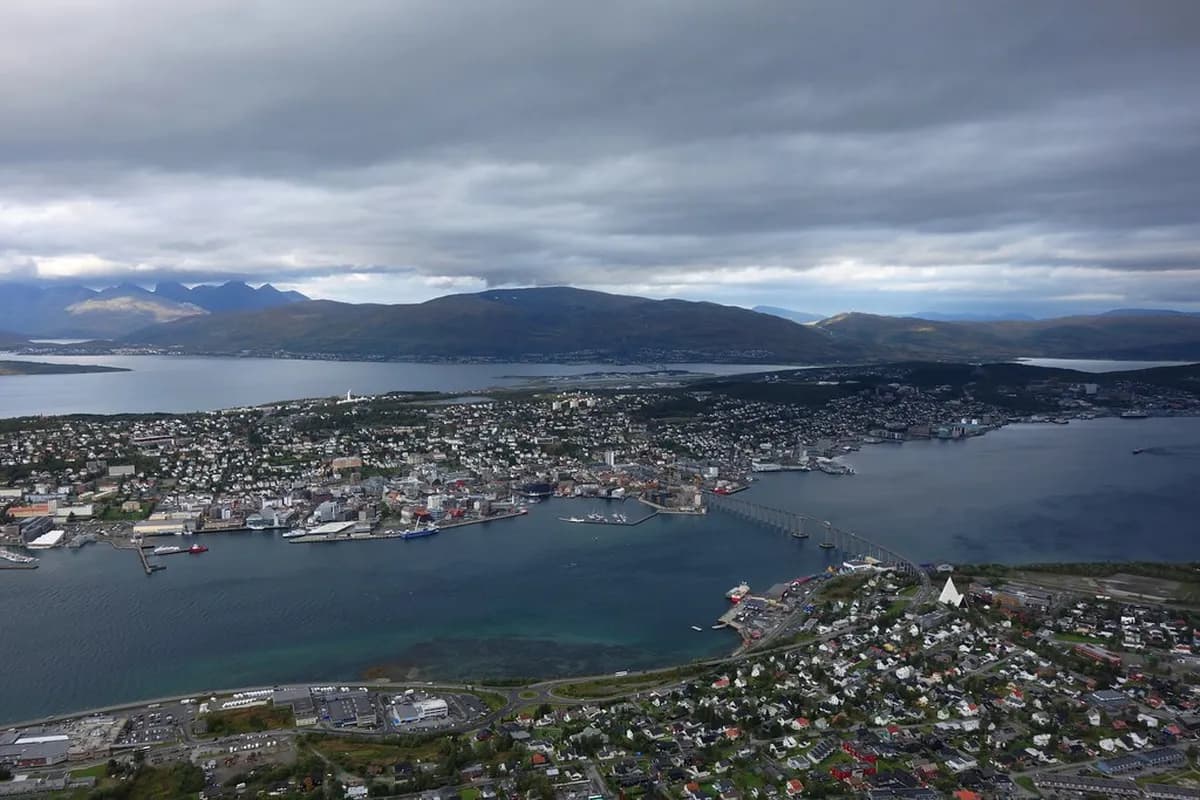
The Fjellheisen cable car is the single best orientation activity for any new arrival. The gondola runs from the base station at Solliveien 12 up to 421 metres, with return tickets costing 415 NOK in 2026. From the top platform you can see the entire city island, the bridge, and the Lyngen Alps on clear days. The cars run from 10:00 to 24:00 in winter and until 01:00 in peak summer, so you can visit after dark for city lights or catch the midnight sun at an otherworldly hour.
The Arctic Cathedral on the mainland side of the Tromsø Bridge is the city's most iconic structure. Its 11 concrete panels form a triangular silhouette meant to echo the peaks of the surrounding fjords. Admission is around 80 NOK and includes access to a 25-square-metre rose window that is one of the largest in northern Europe. Evening concerts run regularly through autumn and winter — check the cathedral's official site for 2026 dates. Allow 45 minutes including the short walk across the bridge.
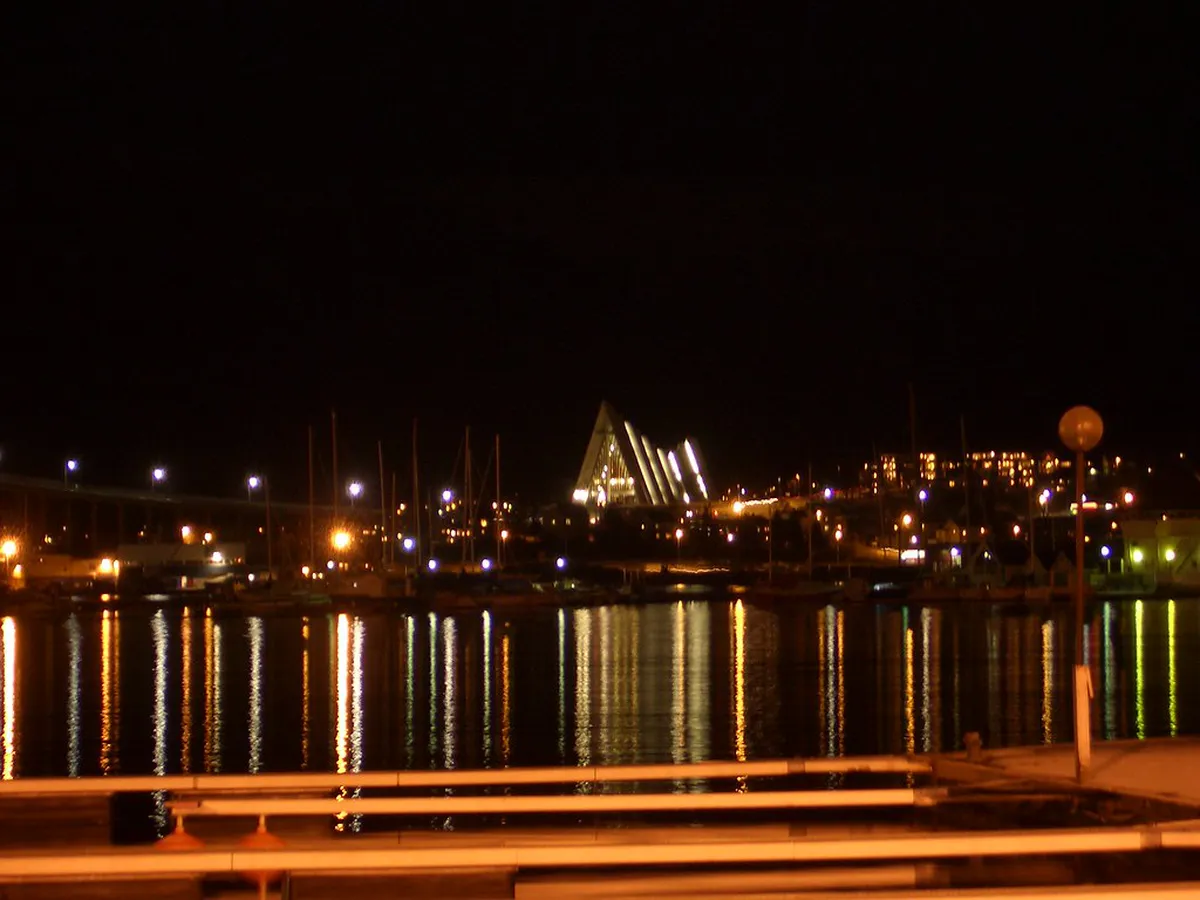
The Tromsø Bridge pedestrian lane gives you a solid ten-minute crossing with good views in both directions — ideal for photographers at golden hour during February and March when the sun grazes the horizon. Check the things to do in tromso guide for updated 2026 opening hours for these landmarks alongside newer additions like the revamped harbour promenade.
Museums, Art, and Culture in Tromsø
Polaria is the natural first stop for families and anyone arriving during the Polar Night when outdoor options are limited. The building is shaped like an ice floe driven ashore, and inside you will find bearded seals, Arctic aquarium displays, and a panoramic film about Svalbard. It sits a two-minute walk from the harbour and pairs well with the Polar Museum next door, which documents the brutal history of Arctic trapping and the early polar expeditions of the early 1900s. Budget two hours for both.
The Tromsø University Museum covers Sami culture with unusual depth. Exhibits explain how traditional reindeer herding routes were mapped across three countries and how modern land-rights disputes continue to shape indigenous life in northern Norway. It is the most substantive indoor experience in the city for anyone who wants context beyond the standard tourist trail. Entry is around 100 NOK.
The Northern Norwegian Art Museum on Sjøgata features rotating exhibitions focused on artists from the high north — many works reference the landscape you are standing in, which gives the gallery a resonance you rarely find in mainland city museums. Most of these institutions cluster within a 15-minute walk of each other in the compact downtown grid, making it easy to link two or three on a single slow day.
Parks, Gardens, and Outdoor Spots in Tromsø
The Arctic-Alpine Botanic Garden at UiT campus is the world's northernmost botanic garden, open year-round and free to enter. In summer it displays over 1,500 species of cold-climate plants from the Himalayas, the Andes, and the Norwegian mountains. In winter the garden grounds become a quiet snowshoe or cross-country ski loop away from the tour-group crowds. It is five minutes by bike from the city centre and is almost never mentioned in the standard Tromsø tourist material.
Prestvannet lake sits in the interior of Tromsøya island and forms the hub of a flat trail network used by locals for jogging and skiing. In winter the lake freezes solid enough for skating. In summer the trail circles the lake in about 45 minutes. It is the best free outdoor activity on the island and requires no equipment or guide. Telegrafbukta beach on the western shore faces Kvaløya and is popular for summer bonfires and occasional brave winter swims.
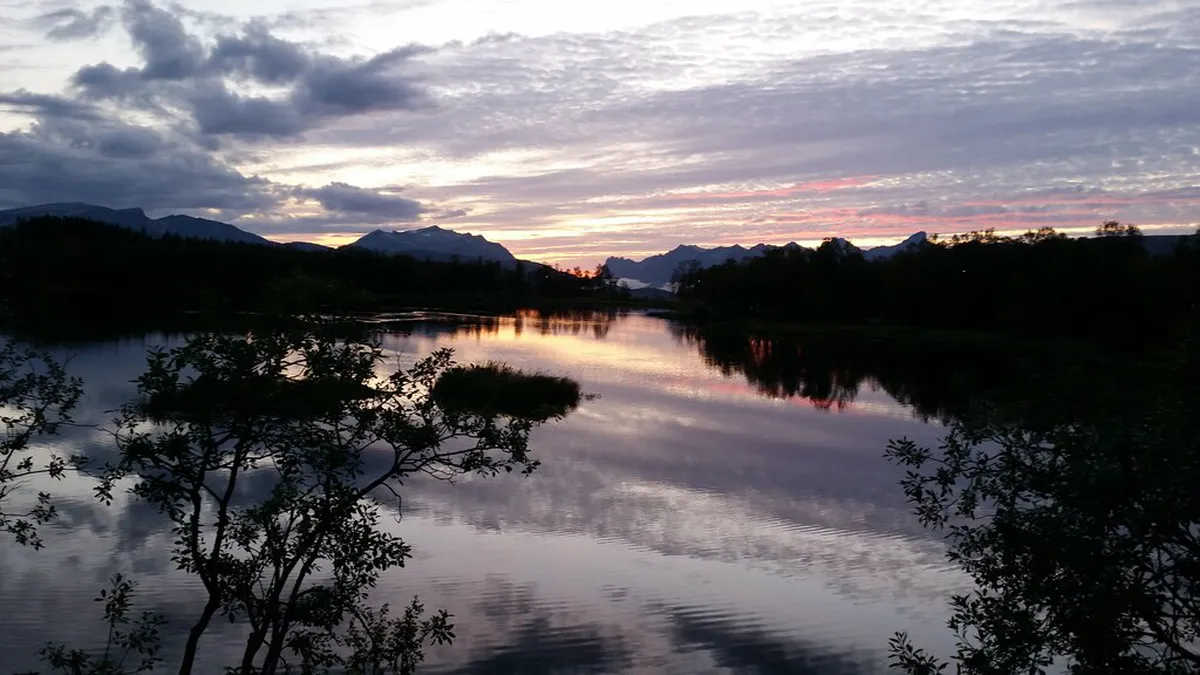
For more serious hiking, the ridge above the city is accessible without a guide in summer. The Sherpa Trail from Fjellheisen's upper station leads across the plateau and offers clear sightlines to the fjord system. Allow three to four hours and check conditions before heading out — trails above the treeline can hold ice well into May on north-facing aspects.
How Season Affects How Many Days You Need
Winter (November to mid-January) is Polar Night season. The sun stays below the horizon for almost two months, and the city operates on a few hours of dim twilight per day. This is the darkest and most dramatic period but also the most restrictive. Outdoor sightseeing is limited to twilight windows around midday, and heavy cloud cover — common on the coast — can ground aurora tours entirely for multiple consecutive nights. You need more buffer nights in deep winter precisely because the weather risk is highest.
February and March are the most popular winter months for a reason. The sun returns by mid-February, rising around 07:30 and setting around 16:30, giving you a usable daylight window for hiking, skiing, and sightseeing alongside genuine darkness after 17:00 for aurora hunting. Snow is still reliable through March. If you can choose your timing, plan for this window.
Summer (late May to late July) means the Midnight Sun. The sky never fully darkens, which eliminates aurora hunting entirely but opens up 24-hour hiking, kayaking, and coastal boat trips. Summer visitors typically need four to five days for a satisfying trip rather than the five to seven days recommended in winter, because weather delays are less common and every hour of the day is usable. The trade-off is that tour prices and accommodation rates peak in summer alongside the activity windows.
Shoulder seasons — late September to October and April — offer a middle ground. Aurora darkness returns in autumn, snow is patchy but present, and prices are measurably lower. Some winter activity operators (dog sledding, snowmobile) do not run until reliable snow arrives in November, so check availability carefully if you book for October.
How Trip Length Affects Northern Lights Success
The single biggest mistake first-time visitors make is booking too few nights. Any given night in Tromsø carries a 30 to 40 percent per-night failure rate due to cloud cover alone — and that is in peak season. The mathematics compound across nights: three nights gives you roughly 60 to 70 percent cumulative success, four nights pushes you to 70 to 80 percent, and five nights puts you above 80 percent. Seven or more nights approaches near-certainty in a normal winter.
This is what we call the 48-Hour Aurora Buffer principle. If you book only two nights, one cloudy evening wipes out half your chances with no recovery. A third night is not a luxury — it is mathematical insurance against a weather pattern that is genuinely unpredictable on the Norwegian coast. Tour operators in Tromsø will sometimes rebook you on a subsequent night if the aurora doesn't appear, but that rebooking only helps if you have a subsequent night available. Book at least three; book four if aurora is your primary goal.
Cloud cover causes 30–40% of nightly aurora tour cancellations on the Norwegian coast. Each additional night you book increases your cumulative success odds by roughly 10–15%, meaning five nights puts you above 80% chance of witnessing the lights.
Check the best time to visit tromso to align your trip with the months when per-night success rates are highest. December through February consistently outperforms September and October because the darkness window is longer and skies tend to be clearer later in winter than in early autumn.
| Nights in Tromsø | Per-Night Success | Cumulative Success Rate | Risk Level |
|---|---|---|---|
| 1 night | 30–40% | 30–40% | Very high — essentially a gamble |
| 2 nights | 30–40% | 50–60% | High — one cloudy night ends your chances |
| 3 nights | 30–40% | 60–70% | Moderate — minimum responsible booking |
| 4 nights | 30–40% | 70–80% | Low — recommended for most visitors |
| 5 nights | 30–40% | 75–85% | Very low — ideal sweet spot |
| 7+ nights | 30–40% | 85–95% | Near zero — best for photographers |
Ideal First-Time Visit: 5-Day Sample Itinerary
Five days is the duration most consistently recommended by returning visitors and local guides when asked what they wish they had booked. It provides three genuine aurora attempts, time for two or three major excursions, a full city day, and a lighter recovery day so you are not exhausted by departure morning. The schedule below assumes a winter visit (November to March) with a mid-morning arrival on Day 1.
| Day | Morning | Afternoon | Evening |
|---|---|---|---|
| Day 1 | Arrive, settle in, self-guided city walk | Arctic Cathedral + Tromsø Bridge | Northern Lights tour #1 |
| Day 2 | Dog sledding at Tromsø Villmarkssenter (4 hrs, ~2,200 NOK) | Rest, lunch at harbour | Northern Lights attempt or rest |
| Day 3 | Whale watching boat tour (Nov–Jan, ~1,800 NOK) | Late lunch, museum visit | Northern Lights tour #2 |
| Day 4 | Fjellheisen cable car + plateau walk | Sami reindeer camp (~1,800 NOK) | Northern Lights tour #3 or boat tour |
| Day 5 | Polaria + Polar Museum | Shopping, pack | Depart evening flight |
Refer to our where to stay in tromso guide to find hotels close to the main tour pickup points. Most operators collect from the Scandic Ishavshotel and the Clarion Collection Hotel Aurora on the harbour — staying within walking distance of either removes the need for a taxi on early-morning departure days.
7-Day Complete Arctic Experience Sample Itinerary
A full week unlocks the experiences that make Tromsø genuinely different from any other European destination. You can spend whole days on Senja Island — two hours south by car — where the Segla mountain and Henjadalen valley offer dramatic scenery that feels nothing like the city. You can ski in the Lyngen Alps with a certified guide, go ice fishing on a frozen lake, or join a multi-day snowmobile expedition into the interior. None of these are possible in a three-day sprint.
Extended trips also reduce daily pressure. You can afford to cancel a tour for bad weather and reschedule for the following morning without the cost of your entire trip collapsing around one cloudy evening. Week-long visitors consistently report a slower, more immersive experience that is qualitatively different from shorter stays.
| Day | Primary Activity | Evening | Notes |
|---|---|---|---|
| Day 1 | Arrive, city walk, Fjellheisen (415 NOK return) | Northern Lights tour #1 | Light orientation day |
| Day 2 | Dog sledding full session (~2,200 NOK) | Northern Lights attempt | Most physically demanding |
| Day 3 | Whale watching, Nov–Jan (~1,800 NOK) | Rest | Long day at sea, 6–8 hrs |
| Day 4 | Museums + Sami reindeer camp (~1,800 NOK) | Northern Lights tour #2 | Cultural focus, lighter pace |
| Day 5 | Snowmobile safari, Lyngen Alps (~2,500 NOK) | Northern Lights DIY or rest | Advance booking essential |
| Day 6 | Senja Island day trip (~2,000 NOK with transport) | Return to Tromsø, rest | Full day excursion |
| Day 7 | Fishing or cross-country skiing | Farewell dinner, late departure | Flexible final morning |
Family-Friendly and Budget-Friendly Options in Tromsø
Families with children should plan for five to six days. The pace of winter activities — early starts, cold exposure, long drives to activity centres — is tiring for younger children, and a lighter recovery day mid-trip prevents meltdowns. Polaria is the standout family attraction: the bearded seal feeding sessions run twice daily and children consistently rate it as a highlight over more adult-oriented excursions. The Science Centre of Northern Norway on Hansine Hansensveg has hands-on aurora and physics displays that work well for children aged seven and older.
Budget travellers benefit from longer stays in a counter-intuitive way. Flights to Tromsø from most European cities cost 150 to 400 EUR return. That fixed cost is the same whether you stay two nights or seven. Spread across five nights, a 300 EUR return flight adds 60 EUR per day to your cost base. Spread across two nights, it adds 150 EUR per day. A 5-day trip is not just better for aurora success — it is genuinely cheaper per day than a 2-day trip once you account for the flight that makes both possible.
Practical budget moves: buy groceries at the Rema 1000 or Coop Extra on Storgata for breakfasts and packed lunches. Many apartments near the university rent for significantly less than harbour hotels while still offering the full kitchen setup that families need. The city transit network costs 40 NOK per journey and covers most of the island.
How to Plan a Smooth Tromsø Sightseeing Day
In winter, daylight is your scarcest resource. Structure each day around its available light: outdoor sightseeing and hikes from 10:00 to 15:30, indoor museums and cafes from 15:30 to 18:00, and evening aurora tours from 18:00 onward. Download the Tromsø Ruter app for live bus tracking — the network is reliable but infrequent on some routes, and missing a connection can cost 40 minutes. Book your northern lights tromso excursions at least a week in advance during peak season (December to February); popular small-group chase tours sell out consistently.
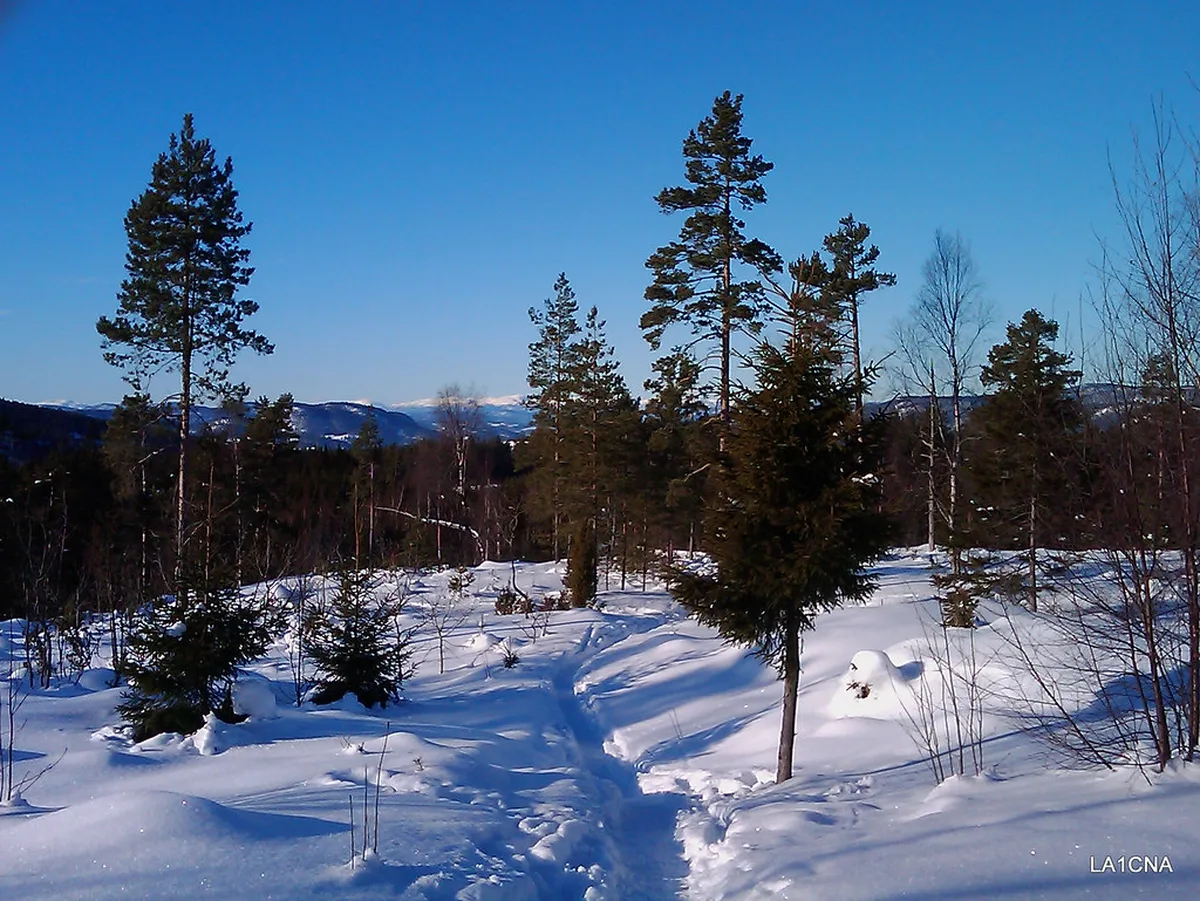
The sidewalks in the city centre are heated to melt ice, but outer streets and trails are not. Proper footwear matters more than most visitors anticipate — rubber-soled shoes fail on packed snow. Yaktrax or similar strap-on traction devices cost under 200 NOK at the Intersport on Storgata and are worth every krone. Most tour operators provide thermal jumpsuits for outdoor excursions, so you do not need to invest in specialist cold-weather gear just for tours.
Winter temperatures drop to –15 to –25°C (5 to –13°F), and smartphone batteries drain 2–3× faster in sub-zero cold. Always carry a portable charger for navigation and weather forecasting during aurora hunts.
Always carry a portable charger. Smartphone batteries drain two to three times faster in sub-zero temperatures, and a dead phone means no navigation, no tour app, and no aurora forecast. Check Yr's weather data or the Aurora Forecast Norway service the evening before any planned aurora hunt — a KP index of 3 or higher combined with a clear-sky forecast is the signal to book a tour that night.
Northern Lights Success Rate by Trip Duration
Data from tour operators and weather records consistently shows that the length of your stay is the single strongest lever you control for aurora success. Solar activity helps, but it is unreliable on a trip-by-trip basis. Clear skies are more controllable: guides drive 100 to 300 kilometres in a night to find gaps in coastal cloud banks. What they cannot manufacture is a second attempt on a trip that has no second night.
Professional photographers typically stay seven to ten nights. They need not just clear skies but the right combination of a strong aurora display, an interesting foreground, and no wind for long exposures. Casual visitors who simply want to see the aurora with their own eyes — not necessarily photograph it — can succeed in four to five nights under normal conditions. Book multiple northern lights tours tromso on different evenings rather than treating one tour as your only attempt.
The 2025–2026 solar cycle remains near its peak, which means baseline aurora frequency is higher than it was five years ago. This is genuine good news for short-trip visitors — more active nights slightly improves the per-night success rate. But it does not eliminate the need for a weather buffer. Cloud cover is a meteorological variable, not a solar one, and the Norwegian coast is wet. For real-time aurora forecasting powered by University of Tromsø space weather research, check the SvalTrackII system before each night hunt.
How Different Traveler Types Determine Duration
Solo travellers focused on a specific bucket-list activity — dog sledding or the aurora — can make three to four nights work if they accept the weather risk. Solo itineraries are also the most flexible: you can move a tour booking by 24 hours without coordinating with a group, which reduces the frustration of a clouded-out evening. Families and couples tend to need at least five days to move at a pace that feels comfortable rather than frantic.
Photographers — amateur or professional — should not book fewer than seven nights. The aurora photography learning curve means the first two or three nights involve calibrating settings and scouting locations; the quality images typically come later in the trip. Landscape and wildlife photographers need additional days to access Senja Island and the fjord systems beyond the immediate city area.
Budget travellers benefit from shoulder seasons — late September through October or April — when accommodation is 20 to 40 percent cheaper than peak winter rates. The trade-off in autumn is that reliable snow and some winter activities (dog sledding, snowmobile) may not be available until November. April offers good snow in the mountains and returning daylight, though aurora darkness is shorter. Either shoulder window suits travellers who want to extend their stay at lower cost.
| Traveler Type | Minimum Stay | Recommended Stay | Primary Reason |
|---|---|---|---|
| Aurora hunter (first-time) | 3 nights | 4–5 nights | Weather buffer — 3 nights = 60–70% success |
| Family with children | 4 nights | 5–6 nights | Recovery days prevent exhaustion |
| Photographer (serious) | 7 nights | 10+ nights | Multiple conditions + scouting time needed |
| Winter activity focus | 5 days | 6–7 days | Dog sled + snowmobile + whale watching = 3 full days |
| Summer / Midnight Sun | 4 days | 5–6 days | 24-hr daylight extends activity window |
| Budget traveller | 5 nights | 5–7 nights | Longer stay spreads fixed flight cost per day |
Use our guide to things to do in Tromsø for the wider city overview.
Frequently Asked Questions
Is 3 days enough for Tromsø?
Three days is the absolute minimum for a visit to Tromsø. This duration allows for one city day and two nights of aurora chasing. However, you may feel rushed if the weather is poor during your short stay. We recommend four days for a better experience.
How many nights do I need to see the Northern Lights?
You should plan for at least three to four nights to maximize your chances. Weather in the Arctic is highly variable and clouds can block the view easily. Staying longer provides a safety net against overcast skies. Most northern lights tours tromso suggest multiple attempts.
What is the best month to visit Tromsø?
September to March is best for the Northern Lights due to the dark skies. February and March offer more daylight for winter activities like skiing and dog sledding. If you prefer the Midnight Sun, visit between late May and July for 24-hour daylight.
The right number of days in Tromsø is five for most first-time visitors — enough for three aurora attempts, two or three major excursions, and genuine breathing room. Three nights is the floor if time is truly limited. Seven nights is the ceiling for anyone who wants the full Arctic immersion without feeling rushed on any single day. Use the tables above to match your traveler type and season to a realistic number, then book tours before accommodation sells out.
Tromsø rewards patience. The visitors who leave most satisfied are not necessarily those who packed the most into each day — they are the ones who allowed enough nights for the Arctic to reveal itself on its own schedule.
You might also like
Continue reading
More guides you'll find useful