10 Hidden Gems in Tromso: The Ultimate Local Guide (2026)
Discover 10 hidden gems in Tromso with local picks, neighborhood context, timing tips, and practical booking advice for a smoother Arctic adventure.
On this page
10 Hidden Gems in Tromso
After three winters navigating the icy streets of the Arctic Circle, I have discovered that the best experiences often hide in plain sight. While most visitors flock to the harbor for tours, the city's soul resides in its quiet corners and local haunts. Tromsø offers a unique blend of urban culture and wild nature that requires a bit of insider knowledge to fully appreciate.
This guide covers 10 specific hidden attractions, plus the practical context you need: where to stay, how to get around without overpaying, which secondary activities are worth your time, and when to combine this trip with a Lofoten visit. Whether you are looking for 15 Best Things to Do in Tromsø, Norway or seeking quietude, these spots deliver something the standard tour circuit cannot.
Planning a trip this far above the Arctic Circle involves more than packing a warm jacket. Understanding local transport, booking timelines, and seasonal windows is what separates a smooth trip from a frustrating one. Let's explore the secret side of the 'Paris of the North'.
Must-See Hidden Attractions in Tromso
The following ten locations sit outside the main tourist circuit but are easy to reach on public transport or a short drive. I have organized them by theme so you can group visits efficiently. Each entry includes opening hours, typical cost in 2026, and the fastest way to get there.
- Arctic-Alpine Botanical Garden — The world's northernmost botanical garden sits near the university campus, free to enter and open 24 hours. Look for the rare blue Himalayan poppies that bloom in late June. Bus 37 from the center drops you two minutes from the gate.
- Telegrafbukta Beach — A scenic coastal park on the southern tip of Tromsøya with mountain views and a resident bonfire spot favored by locals year-round. Free to visit; take bus 33 from the center (10 minutes). Arrive after 21:00 in summer for golden Midnight Sun light on the water.
- Perspective Museum (Perspektivet) — Housed in a 19th-century wooden building, this free museum focuses on documentary photography and Sami social history. Open Tuesday to Sunday, 11:00–17:00. The rotating exhibits are unusually candid about life in the high north.
- Tromsø Public Library — A landmark building with a distinctive four-arched roof and floor-to-ceiling harbor views. Free entry; open Monday to Friday 09:00–19:00, Saturday 10:00–16:00. The top-floor reading nooks are a perfect shelter on stormy days.
- Fullmanestien (Moonlight Trail) — An easy walking path offering elevated city views without the cable car queue or ticket price. Free, accessible year-round. Start from the Reinen school area; micro-spikes are essential from November through March.
- Magic Ice Bar Tromsø — A sub-zero gallery of ice sculptures inspired by Arctic explorers. Entry runs 250–300 NOK and includes one drink in an ice glass. Open daily 11:00–23:00; heavy ponchos are provided. Book online to skip the door queue.
- Tromsø Troll Museum — An augmented-reality space bringing Norse folklore to life, located near the main harbor. Adult entry is roughly 180–220 NOK. Open daily 10:00–18:00. Download the app before you arrive for the best AR experience.
- Tromsø Alpinpark — A small ski hill on the mainland with night skiing and views across to the city lights. Lift passes cost 350–450 NOK; the park typically runs December through April. Check the official site before heading out, as high winds can close the T-bar on short notice.
- Grøtfjord Village — A tiny settlement wedged between steep mountains and a white sand beach on Kvaløya. Free to visit; drive 45 minutes from downtown or join a rental car day trip. In winter, locals surf the cold-water breaks here — a sight most tourists never see.
- Hella Historical Site — A cluster of relocated wooden buildings on Kvaløya's coast, functioning as an open-air museum. Free; best paired with a rental car day along the Kvaløya ring road. Shore fishing from the rocks is excellent in spring and early summer.
Most indoor sites in this list are free or cost under 300 NOK, making them strong alternatives to the 1,500–2,000 NOK guided excursions. They are also excellent backup plans when poor weather cancels your outdoor tour.
| Attraction | Cost | Hours (Winter) | Transport | Location |
|---|---|---|---|---|
| Arctic-Alpine Botanical Garden | Free | 24 hours | Bus 37 | University campus |
| Telegrafbukta Beach | Free | Year-round | Bus 33 | Tromsøya south |
| Magic Ice Bar | 250–300 NOK | 11:00–23:00 | Walk/city bus | City center |
| Tromsø Troll Museum | 180–220 NOK | 10:00–18:00 | Walk/city bus | Harbor area |
| Perspective Museum | Free | Tue–Sun 11:00–17:00 | Walk/city bus | City center |
| Grøtfjord Village (Kvaløya) | Free | Year-round | Car rental | 45 min drive |
| Fjellheisen Cable Car | 260 NOK return | 10:00–23:00 | Walk/city bus | Hilltop trailhead |
Local Museums, Art, and Arctic Culture
Tromsø punches well above its weight for a city of 73,000 people. The university presence drives a serious arts and research culture that visitors rarely tap into. The Nordnorsk Kunstmuseum on Sjøgata is worth an hour for its collection of Northern Norwegian and Sami art — entry is free for permanent exhibitions and the building itself is architecturally striking.
The Tromsø Museum at the university campus covers the natural history of the Arctic alongside Sami cultural artifacts. Entry costs around 150 NOK and the museum is open daily. It is a 15-minute bus ride from the center on bus 37, making it easy to pair with the Botanical Garden next door. The museum's Indigenous Sami hall is one of the most thorough treatments of Sami heritage you will find outside of a dedicated Sami cultural center.
Polaria, the Arctic experience center, sits a short walk from the city center along the waterfront. The building's cascade of leaning concrete slabs is designed to evoke the Norwegian coastal landscape. Inside you will find Arctic panorama films, seal feeding sessions, and exhibits on polar research — entry is roughly 175 NOK for adults. Check the feeding schedule before you arrive, typically 12:00 and 15:00 on weekdays.
For an evening cultural experience, the Tromsø Aurora Cinema shows films projected against a panoramic arctic backdrop. The programme changes weekly and tickets cost around 130–160 NOK. It is a genuinely local experience and far cheaper than any organized aurora tour.
Secret Parks, Gardens, and Outdoor Spots
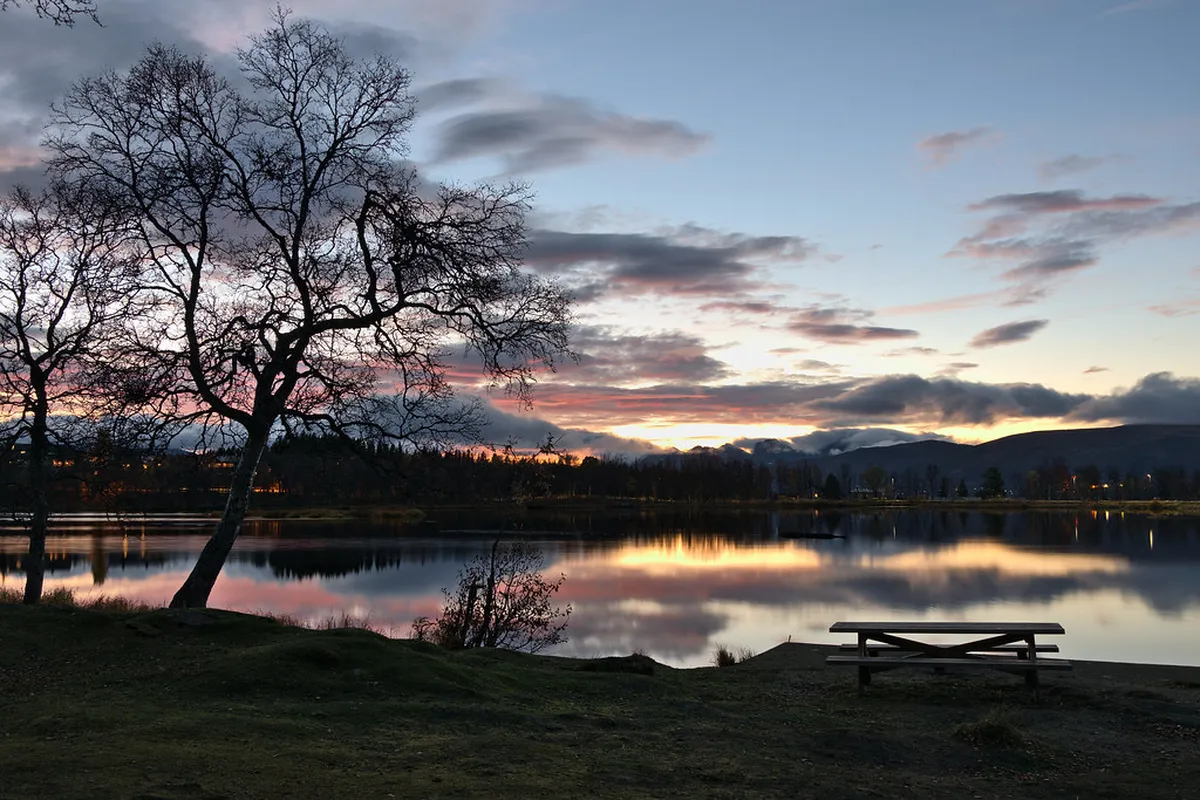
Prestvannet Lake sits just above the city center — a 20-minute uphill walk from Storgata. It is a favorite spot for locals to jog the flat 1.8 km loop, and the elevation provides enough distance from streetlights to improve your northern lights photography compared to shooting from downtown. In summer, the surrounding birch woods are a pleasant picnic area even at midnight.
The Fjellheisen cable car gets most of the attention for summit views, but the Storsteinen summit is also reachable by trail from Fjelltun if you want the view without the 260 NOK ticket. The hike takes about 45 minutes uphill and is well-marked year-round. From the top you can see across to Kvaløya and down into the urban grid of the island below.
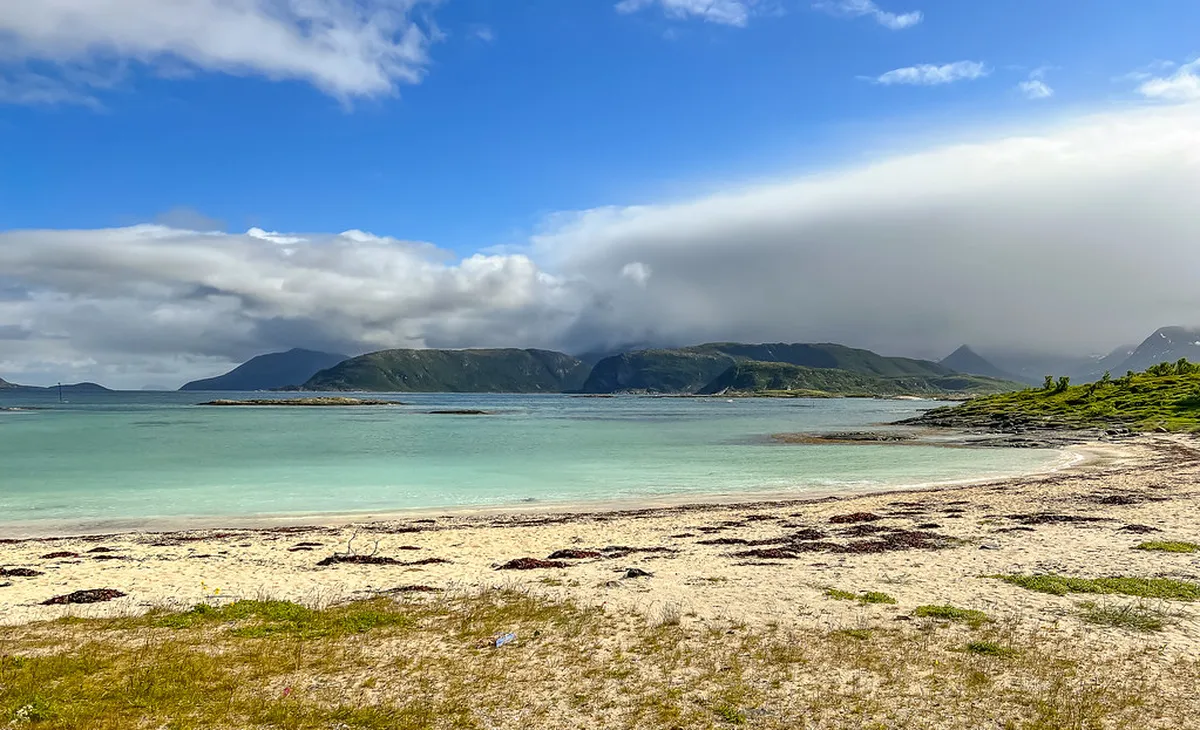
For beach access on Kvaløya, Sommarøy is the showpiece: a small island connected by a short bridge with white sand beaches that look implausibly tropical against an Arctic backdrop. It is about 70 kilometres from downtown Tromsø by road — a rental car or the Sommarøy Express bus is the practical choice. The island has a small hotel and a cafe, and the beaches stay warm enough for paddling during the Midnight Sun period in June and July.
Ersfjordbotn on Kvaløya is a quieter alternative. The head of the fjord reflects the surrounding mountains with mirror precision on calm days. It is a 30-minute drive from town and easy to reach on bus 42, making it accessible even without a rental car. Local families swim here in July when water temperatures briefly climb above 15°C.
Family-Friendly and Budget-Friendly Hidden Gems
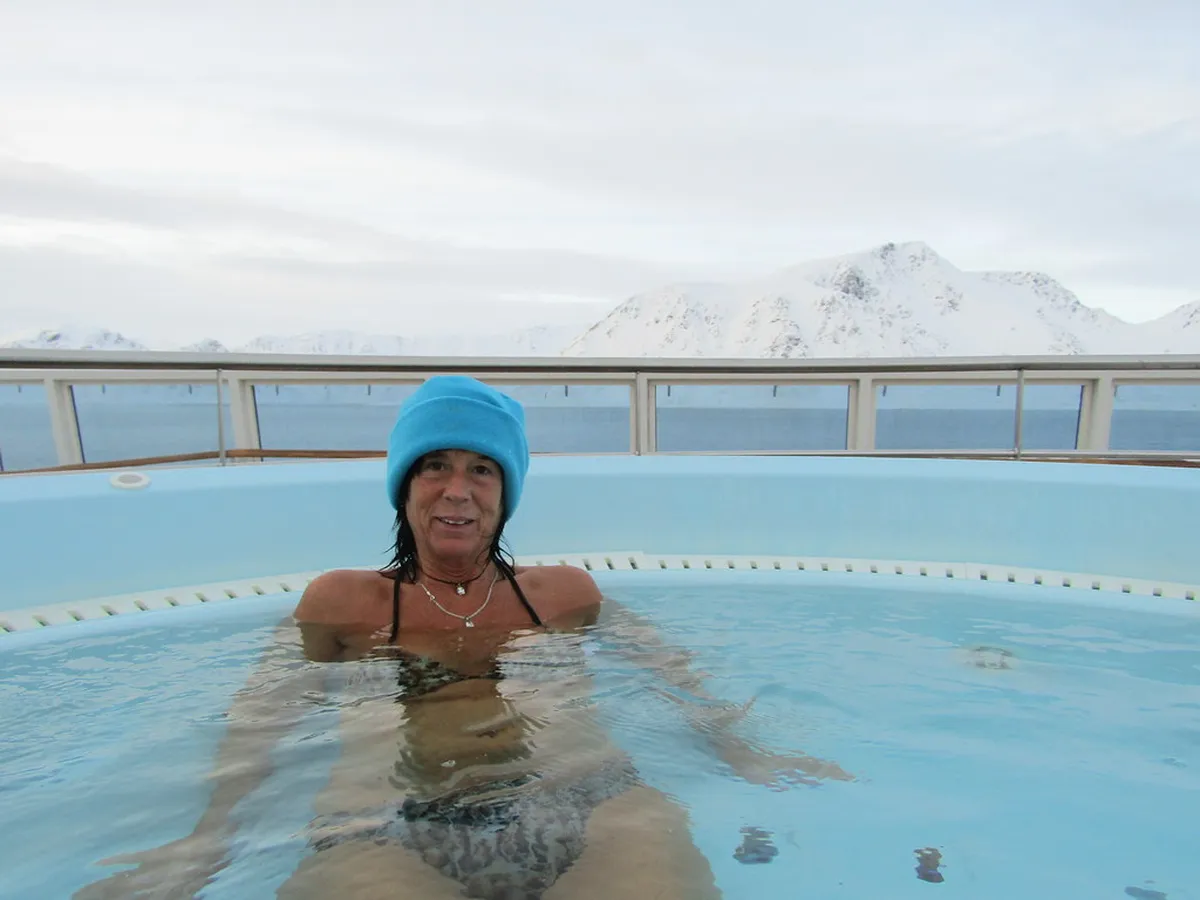
Tromsøbadet is a large indoor aquatic center with multiple pools, jacuzzis, a sauna, and a heated outdoor pool area with mountain views. Entry costs around 200–250 NOK for adults and 150 NOK for children — a fraction of organized excursion prices. It is an excellent rainy-day option and particularly good for families who need a break from the cold. The outdoor pool operates year-round, so you can sit in warm water while snowflakes fall around you.
The Polaria seal tank is free to observe from the waterfront viewing window outside the building, which is useful if you just want the kids to see the seals without paying full museum entry. The seals are usually active during feeding times (12:00 and 15:00). This small detail saves money for larger budget families doing a full day in the center.
Telegrafbukta beach has a small playground and a sheltered cove for paddling in summer. Locals bring wood for bonfires and it costs nothing. In winter, the same beach becomes a quiet snow-walking destination with very few tourists. Bus 33 runs here from the center, so no car is needed, and the journey takes about ten minutes.
Budget travelers should stock up at the Rema 1000 or Kiwi grocery chains for packed lunches before heading to outdoor sites. A meal out in Tromsø costs 200–350 NOK per person at even modest cafes. Buying lunch at a grocery store and eating at Telegrafbukta or Prestvannet Lake cuts daily food costs significantly without missing the scenery.
Best Attractions In Tromso All Year Round
A handful of experiences work regardless of season. The Fjellheisen cable car operates year-round (weather permitting) and the summit view is striking in every season — deep blue polar night light in December, blazing Midnight Sun in June. The cable car runs 10:00–23:00 in winter and 10:00–01:00 in summer, with tickets at 260 NOK return.
Fjord cruises run from Tromsø Harbor throughout the year. In winter they focus on northern lights spotting and whale migration routes; in summer they shift to midnight sun and wildlife. The Brim Explorer electric boat is particularly good year-round: its silent motor lets you approach seabirds and marine mammals without disturbing them. A basic 3–4 hour cruise typically costs 700–1,100 NOK per person.
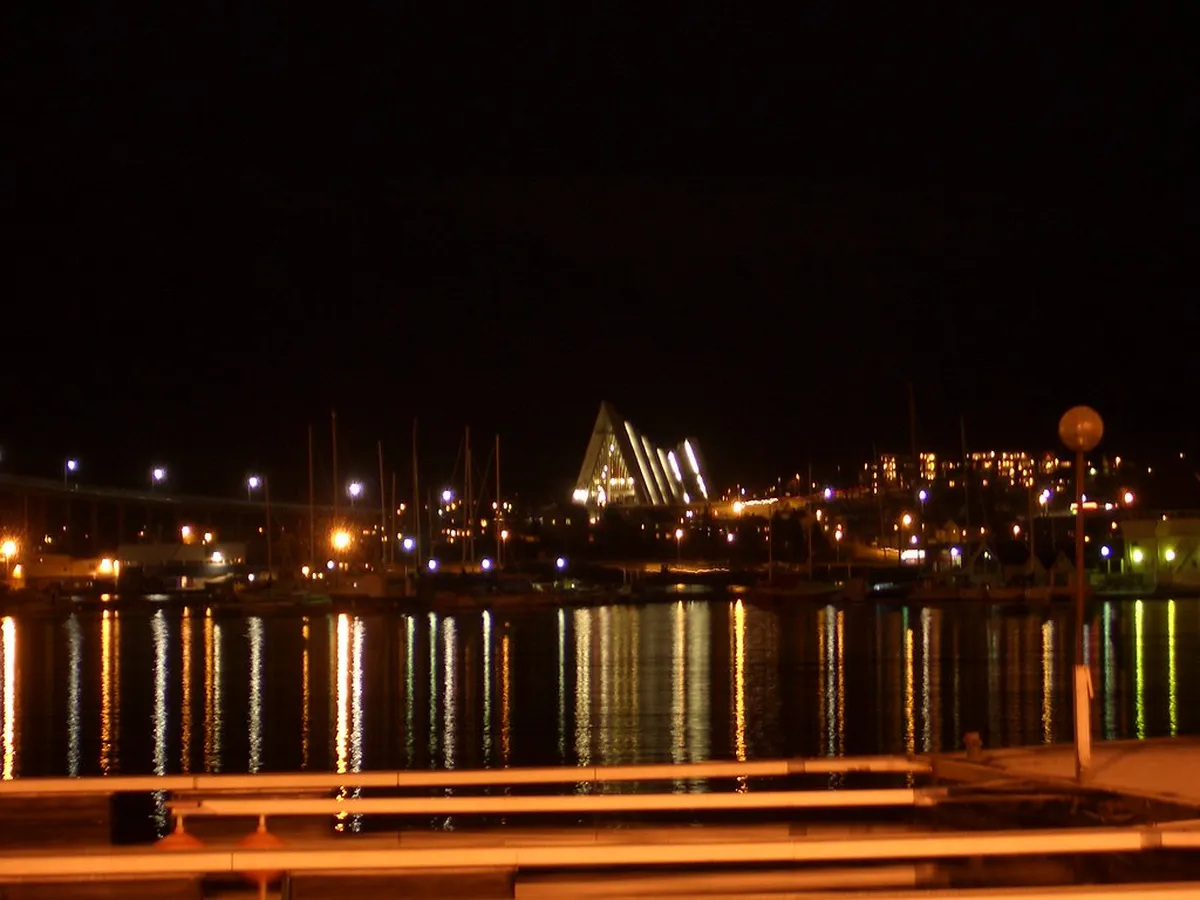
The harbor walk along Storgata and down to Sjøgata is always worthwhile. The waterfront architecture mixes 19th-century wooden warehouses with modern glass buildings, and the view of the Arctic Cathedral across the Tromsøysund strait is best photographed in the soft pink light of the polar night or the golden hour of a summer evening. This costs nothing and takes as long as you want it to take.
The Sami cultural experience — reindeer feeding, a joik performance inside a traditional lavvu tent, and a short briefing on nomadic herding history — is available year-round about 30 minutes from the center. Tours typically cost 700–1,200 NOK depending on whether dinner is included. It is one of the few organized excursions worth the price, because good information about contemporary Sami life is difficult to find independently.
How to Plan a Smooth Hidden Attractions Day
Navigating these sites is much easier if you install two apps before you arrive. Troms Billett is the ticketing app where you buy bus tickets — drivers no longer accept cash or card, and physical tickets are essentially obsolete. Troms Reise is the journey planner that shows routes and departure times. They are entirely separate apps, which confuses many first-time visitors who download one and assume it does both. Install both before you leave home.
Book husky dog sledding 4–6 months in advance for January–March peak season, and glass igloos 3–4 months ahead. Most restaurants in shoulder season accept 3 days' notice, but Christmas/New Year requires booking the same week you buy flights.
From the airport, city bus 40, 42, or 24 will get you to the center for roughly 50 NOK (buy the ticket on Troms Billett before boarding). The Tromsø Airport Express Bus costs 110 NOK one-way (180 NOK return) and has baggage space, which makes it better if you are travelling with large suitcases. A taxi from the airport costs around 250 NOK. For most travelers, the city bus is the better deal, but the Express is worth it if you are arriving late at night with heavy gear.
Booking lead times matter more than most visitors realize. Husky dog sledding at the Tromsø Wilderness Center books out 4–6 months in advance for the peak January–March window — do not assume you can book a week out. Glass igloos (Aera Glass Cabins, Skulsfjorden Dome) also fill quickly and are best reserved 3–4 months ahead. For restaurants, 3 days is enough for most local bistros during shoulder season, but during Christmas and New Year's week you should book the same week you buy your flights. Check Visit Norway's Tromsø guide for updated operating hours and seasonal closures before finalizing plans. Museums and public attractions generally accept walk-ins, so leave those flexible.
Arctic weather shifts fast. A clear forecast at 09:00 can turn to a blizzard by 14:00. Always have an indoor fallback — the Public Library, Tromsøbadet, and the Perspective Museum are all free or low-cost. Check Yr.no for the hourly local forecast and Varsom.no for avalanche risk if you are planning to drive rural roads in winter.
Arctic weather can shift from clear to blizzard in 5 hours. Always scout an indoor backup plan (library, aquatic center, museum) and check Yr.no hourly forecast before leaving accommodation.
Other Things to Do in Tromso (Maybe)
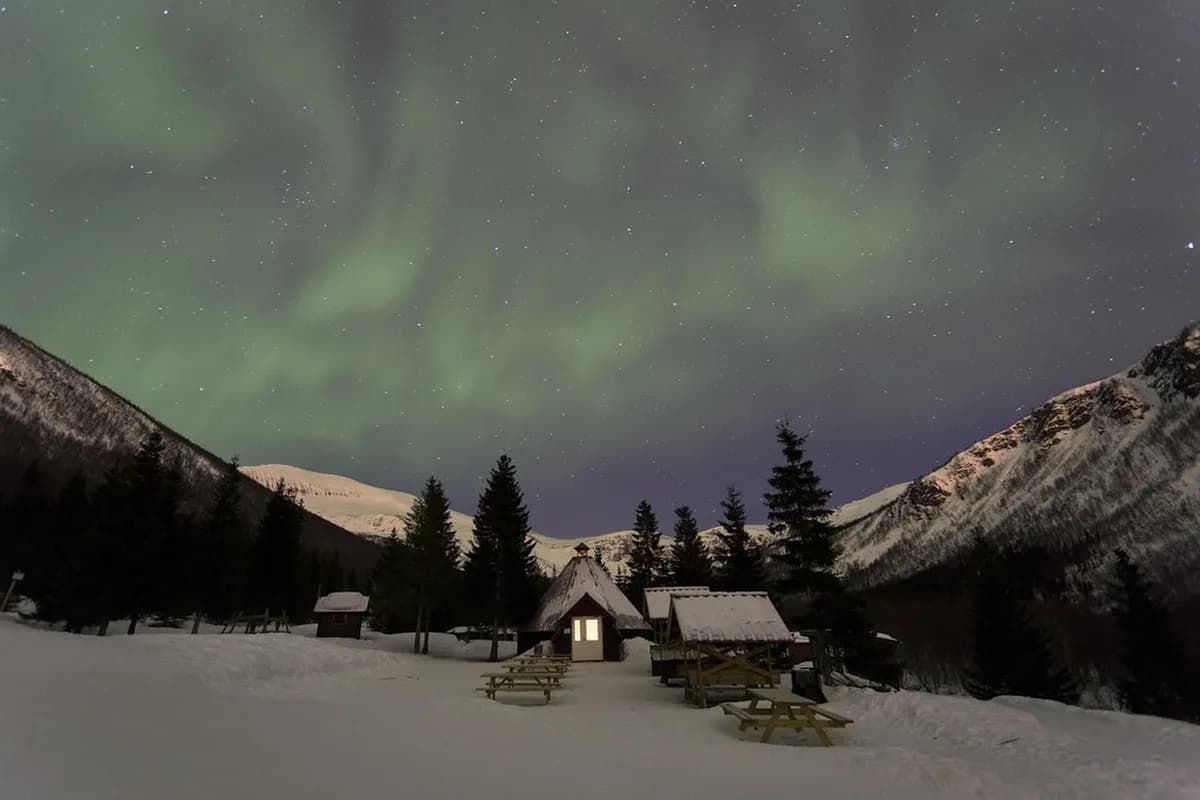
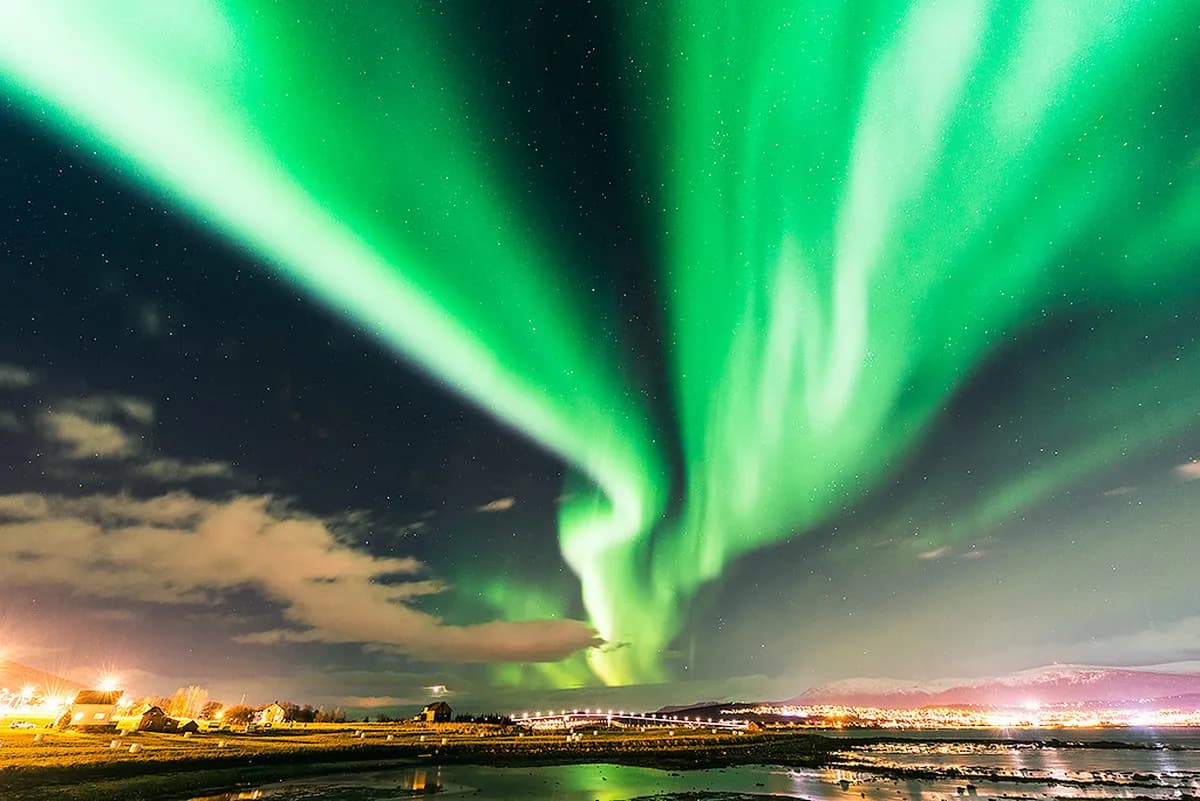
Some activities fall outside the "hidden gem" category but belong on any Tromsø trip. The northern lights in Tromso are the headline draw from mid-September through mid-April. Joining a guided tour — minibus, snowshoe, or dog-sled — gives you access to guides who track the Kp index and chase clear skies, sometimes crossing into Finland or Sweden. Trying to chase the lights solo without local knowledge is significantly less reliable.
Whale watching is another tier-one activity from roughly November through February. Humpback and killer whales enter the fjords north of Tromsø to feed on herring. Tours depart from the harbor and typically cost 1,200–1,600 NOK. The Green Gold of Norway company runs RIB tours that are considered among the most ethically respectful of the whales, working directly with local marine researchers.
A king crab cruise is worth serious consideration if you visit between October and April. You sail to a crab fishing ground, haul up traps, cook the crab fresh on board, and eat as much as you want. It runs 4–5 hours and costs 1,500–1,800 NOK — expensive, but the cost-to-experience ratio compares well to restaurant king crab prices of 600–800 NOK per portion. For budget-conscious travelers, the cruise is actually the better deal for anyone planning to eat king crab anyway.
The Pust floating sauna on the harbor is a local institution. The wooden structure sits on the water with a direct view of the Arctic Cathedral, and you alternate between the hot sauna and a cold plunge into the fjord. A session costs around 350–450 NOK and must be pre-booked online. It is not a hidden gem — locals talk about it constantly — but it delivers a genuinely Arctic experience that is very hard to replicate anywhere else.
Where To Stay In Tromso
The city center on Tromsøya island is the most convenient base for public transport and walking to the harbor, the Troll Museum, the library, and most downtown restaurants. Thon Hotel Tromsø and Thon Hotel Polar are both centrally located, reliable for the price bracket (typically 1,200–1,800 NOK per night in winter), and serve a full breakfast buffet. The Clarion Hotel The Edge sits right on the waterfront and has Tromsø's only skybar, though it costs significantly more.
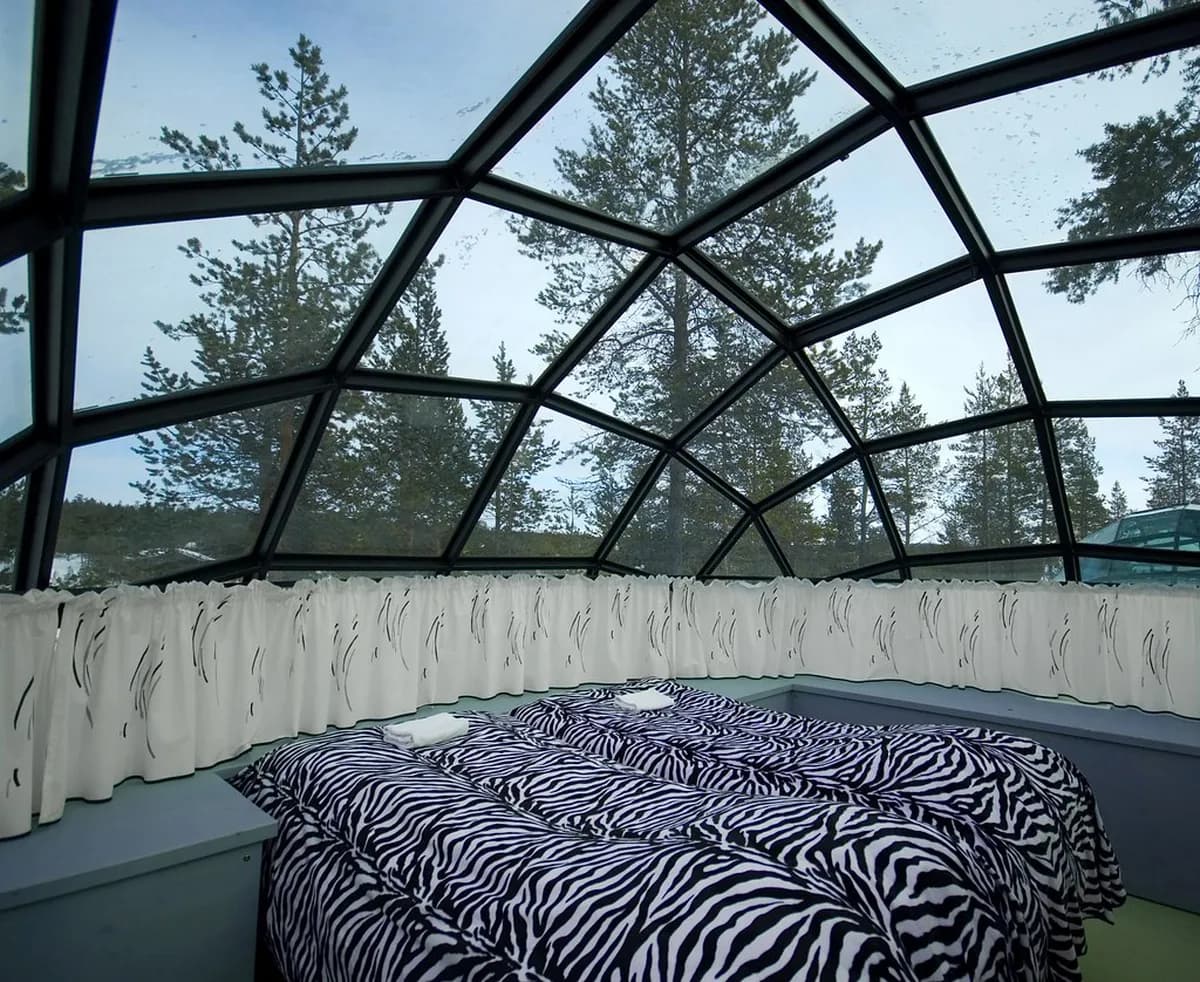
If you want something beyond standard hotels, glass igloos near Tromsø — Aera Glass Cabins and Skulsfjorden Dome — provide direct views of the night sky with climate-controlled comfort. They sit 30–45 minutes from the center and require a car or pre-arranged transfer. These book out months in advance for the January–March peak window.
The island of Kvaløya offers cabins and smaller lodges closer to nature. This option makes more sense if you plan to rent a car and spend your days exploring Sommarøy, Hella, Grøtfjord, and Ersfjordbotn. Being based on Kvaløya rather than in town saves drive time on those day trips but puts the downtown museums, the cable car, and the harbor further away. Consult our full breakdown at Where to Stay in Tromsø: 10 Best Areas & Hotel Picks for specific property recommendations across all budget levels.
Budget travelers should look at Tromsø Activities Hostel, which is centrally located and consistently well-reviewed. Staying near the Sjøgata bus hub gives the best access to the main bus routes. Proximity to the university end of the island also puts you within walking distance of the Botanical Garden and the Tromsø Museum without needing a bus at all.
Combining Tromso and Lofoten
Pairing Tromsø with the Lofoten archipelago is the most popular Norway itinerary extension and for good reason: the two destinations complement each other well without being redundant. Tromsø is an Arctic city with strong urban infrastructure and a broad menu of organized excursions. Lofoten is raw coastal landscape, fishing villages, and quieter roads. Together they cover both sides of the Northern Norway experience.
The most practical routing is to fly into Tromsø, spend 4–5 days, then fly to Bodø and take the ferry to Moskenes in Lofoten for another 4–5 days. Returning, you either fly out of Evenes (Lofoten's nearest airport at Harstad-Narvik) or retrace to Bodø. Budget airlines like SAS and Norwegian fly both legs for reasonable prices when booked early. Driving the E6 between the two regions is also possible and spectacular, but it adds at least 8 hours of drive time each way.
Seasonally, winter (November to March) gives you northern lights potential in both locations. Summer (May to August) gives Midnight Sun in both, plus snow-free mountain hiking. Avoid the gap months of April and October for Lofoten specifically — the light is poor for photography, the mountain trails are slushy, and the tourist infrastructure runs reduced hours.
If you only have 7 nights total, the most balanced split is 3 nights in Tromsø and 4 nights in Lofoten, using the Bodø ferry as a scenic transition. Tromsø's concentrated attractions mean you can cover the highlights efficiently; Lofoten rewards slower travel and a longer stay.
Is Tromso Worth Visiting?
Many travelers wonder if the high cost of Norwegian travel justifies a trip this far north. The answer is almost always yes, provided you arrive with realistic expectations about weather. Norway's Arctic is not a guaranteed light show — northern lights require clear skies, which cannot be predicted more than 48 hours out. Plan for at least 4–5 nights to improve your statistical odds.
The seasonal differences are extreme, creating two essentially different destinations. Winter offers polar night drama, the aurora, snow-based activities, and whale watching. Summer provides 24 hours of light, hiking without darkness concerns, and a city operating at full social energy. You can learn more about seasonal trade-offs in our guide to the Best Time to Visit Tromsø: The Ultimate Seasonal Guide.
Budget-conscious travelers can find genuine value by concentrating on the free attractions — the Botanical Garden, Telegrafbukta, Prestvannet Lake, the Perspective Museum, and the library — and spending money selectively on one or two organized excursions. A week in Tromsø spending money carefully, focusing on free outdoor sites and grocery-store lunches, is perfectly achievable without feeling like you are missing the city's character.
The quality of the food and the civic infrastructure are both world-class for an Arctic city. The pub culture is surprisingly vibrant — Tromsø has more pubs per capita than any other Norwegian city, driven by the 12,000-strong university population. Evenings here feel nothing like the isolated Arctic outpost that the geography implies.
Frequently Asked Questions
Which hidden gems in Tromso options fit first-time visitors?
The Tromsø Public Library and the Arctic-Alpine Botanical Garden are perfect for first-timers. They are easy to reach via public transport and offer a great introduction to the city's unique architecture and nature without a high cost.
How much time should you plan for hidden gems in Tromso?
Plan for at least two full days to explore these lesser-known spots properly. This allows you to mix indoor cultural visits like the Perspective Museum with outdoor excursions to places like Telegrafbukta or Hella.
Is hidden gems in Tromso worth including on a short itinerary?
Yes, including at least two or three hidden gems adds depth to a short trip. These spots provide a more authentic local perspective that complements the major attractions like the cable car or cathedral.
Tromsø is a city that rewards those who are willing to look beyond the standard brochures. By visiting these hidden gems, you support local culture and see a side of the Arctic most people miss. I hope this guide helps you create a more meaningful and memorable journey to Northern Norway.
Remember to dress in layers and keep an open mind as you explore the icy streets. Whether you are standing on a quiet beach or inside a modern library, the magic of the north is everywhere. Safe travels as you uncover the secrets of this incredible Arctic destination.
You might also like
Continue reading
More guides you'll find useful