8 Essential Categories for Your Tromso Winter Packing List
Master your Tromso winter packing list with our expert guide to Arctic layering, essential gear rentals, and local tips for staying warm in Northern Norway.
On this page
8 Essential Categories for Your Tromso Winter Packing List
Planning 10 Essential Tips and Things to Do in Tromso in Winter requires a strategic approach to clothing and gear. I once arrived without ice grips and spent the first night sliding across frozen sidewalks — a mistake that is easy to avoid with the right preparation. Every item in your suitcase should serve at least two purposes to keep your luggage light and your body warm. This guide covers what I actually wore and carried across multiple winter trips to Northern Norway in 2026.
The maritime climate in Tromsø is surprisingly variable due to the Gulf Stream. The city sits at around -3°C to -5°C in January and February, which sounds manageable — until the wind picks up. Inland tour locations routinely drop below -25°C. This temperature gap is the single most important thing to understand before you pack, because the gear that keeps you comfortable in the city center is not the same gear that protects you on a dog sledding excursion three hours inland.
Understanding Tromsø's Arctic Winter Climate
Tromsø sits 350 km above the Arctic Circle, yet its coastal location and the Gulf Stream keep temperatures far more moderate than the latitude suggests. The average low in January and February is -5°C (23°F) and the average high sits around -1°C (30°F). The lowest temperature ever recorded in Tromsø is -18.4°C (-1.1°F), but that is exceptional. For most city-based days, you are dealing with damp cold rather than extreme dry cold.
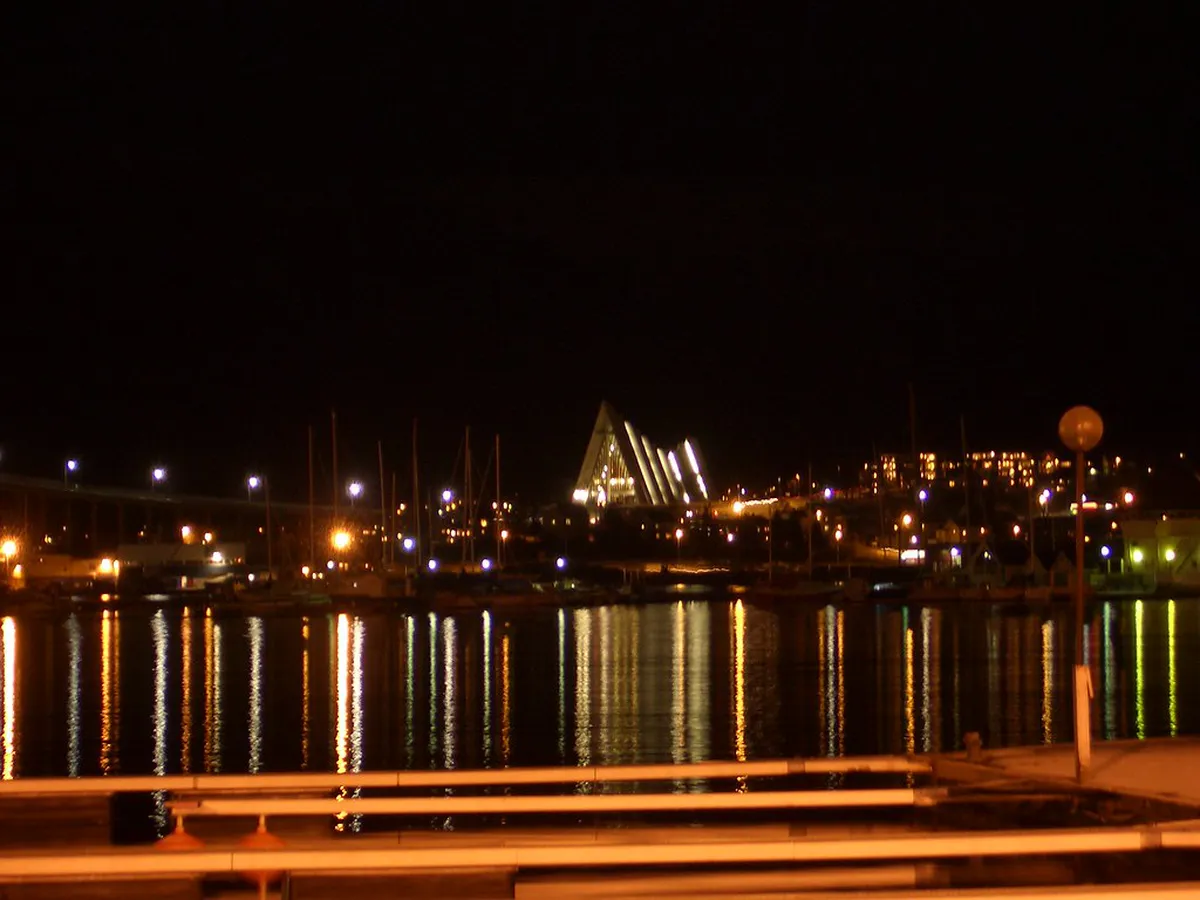
Wind chill is where Tromsø catches visitors off guard. On a calm day at -5°C you might feel comfortable in two layers. Add a coastal gust and the same temperature feels closer to -15°C. The Polar Night — the period from late November to mid-January when the sun stays below the horizon — adds psychological pressure: it is dark, cold, and windy, and your body burns more energy keeping warm. Budget an extra mid-layer for Polar Night travel versus a March trip.
The inland gap is critical for tour planning. If you are heading out on a reindeer feeding excursion or a snowmobile safari away from the coast, temperatures can drop 15–20°C colder than the city. Tour operators usually provide thermal suits for these activities, but you still need proper base layers and accessories underneath. Always confirm with your tour provider what gear is included before assuming you can leave your warmest kit at the hotel.
| Location | Typical Jan/Feb Temp | Wind Chill Factor | Notes |
|---|---|---|---|
| Tromsø city centre | -3°C to -5°C | Can feel -10°C to -15°C | Damp maritime cold; frequent freeze-thaw |
| Kvaløya Island (coast) | -5°C to -8°C | Strong coastal winds | Icy roads and trails; spikes essential |
| Inland tour locations | -15°C to -30°C | Dry cold, less wind | Tour suits usually provided; base layers critical |
The Essential Three-Layer System
The three-layer system is the foundation of every successful Arctic packing list. Each layer has a distinct job: the base layer moves moisture away from your skin, the mid layer traps warm air, and the outer shell blocks wind and precipitation. Skimp on any one of them and the whole system fails. I never use cotton in any layer because it absorbs moisture and loses all insulating properties when damp — in sub-zero temperatures, a wet cotton base layer is genuinely dangerous.
Base Layer: Merino Wool
Merino wool is the undisputed best choice for Arctic base layers. It wicks moisture from your skin, regulates temperature, resists odour (critical when you are wearing the same garments for multiple days), and crucially, stays warm even if it gets slightly damp. Pack two complete sets of base layer tops and bottoms so you can rotate them. Icebreaker and Smartwool are premium options; Mountain Warehouse's 70% merino range gives solid performance at a lower price point. Uniqlo Heattech is a synthetic alternative worth considering for evenings when you are less active.
Wear your base layer against bare skin with nothing between the fabric and your body. Long-sleeved tops and long johns (thermal bottoms) are both necessary — do not skip the thermal bottoms when temperatures fall below -5°C. For a week-long trip, two sets of base layer tops and one or two pairs of thermal bottoms are sufficient.
Merino wool stays warm even when damp and resists odour over multiple days, unlike cotton which absorbs moisture and loses all insulating properties when wet — a liability in sub-zero temperatures.
Mid Layer: Wool Sweater or Fleece
The mid layer is your primary insulation. A 100% wool sweater is my preference because it performs better than polyester fleece in damp Arctic conditions — most fleece is essentially plastic, and when it gets wet it loses insulation quickly. A thick Norwegian wool jumper or a heavyweight fleece jacket both work well. If you plan on standing still for extended periods watching the northern lights, consider packing two mid-layer pieces so you can double up when needed.
A down jacket makes an excellent mid layer for city sightseeing and northern lights viewing, where you will not be sweating. However, down loses its insulating power when wet, so if you are doing active outdoor activities like snowshoeing or skiing, a synthetic insulator or wool is more reliable. Keep your down jacket as an option you can layer under your outer shell on the coldest nights.
Outer Shell: Windproof and Waterproof
Your outer shell is the barrier between you and the Arctic wind. A knee-length waterproof parka rated to at least -20°C is ideal — the extra length covers your thighs and significantly reduces heat loss. Decathlon's Waterproof Hiking Parka -20°C is a popular budget-friendly option. Whichever jacket you choose, ensure it is both windproof and waterproof, not just water-resistant. Tromsø in January can deliver rain, sleet, and snow on the same afternoon.
Hardshell waterproof trousers over your regular trousers or thermal bottoms are necessary for any outdoor activity, particularly dog sledding, snowmobiling, or snowshoeing. Waterproof hiking trousers with a fleece lining are a versatile all-in-one option that eliminates the need for a separate overtrouser.
- Two sets of merino wool base layer tops and long johns
- Heavyweight 100% wool sweater or thick fleece jacket
- Down jacket (optional: secondary mid layer for static activities)
- Windproof and waterproof parka rated to -20°C, knee length preferred
- Waterproof hardshell trousers or fleece-lined waterproof hiking trousers
Best Footwear for Icy Arctic Streets
Your feet are in contact with frozen ground for hours every day. This makes footwear one of the highest-priority items on the entire packing list. The key requirements are warmth, waterproofing, and grip — in that order. Insulated waterproof boots rated to at least -20°C give you the most margin. Sorel Winter Boots are a reliable choice that I have used on multiple trips. Whatever boots you select, size them one size larger than your normal fit to accommodate thick wool socks without cutting off circulation — tight boots reduce blood flow and make cold feet worse, not better.
If you already own waterproof hiking boots with solid traction, those can work for city days as long as you pair them with thick wool socks. The critical variable is grip. Tromsø sidewalks, car parks, and roads are frequently sheets of ice during the freeze-thaw cycles of January and February. I have watched visitors in fashionable city boots slide across the pavement in front of the cathedral. Good tread and ice grips are non-negotiable.
Ice Grips: Your Most Underrated Piece of Gear
Ice grips — spike attachments that fit over your existing boots — are the single most underrated item on every packing list I have read. Kahtoola Microspikes are the premium option, suitable for icy trails on Kvaløya Island as well as city streets. Cheaper studded rubber spikes (sold at every pharmacy and sports shop in Tromsø for around 100–200 NOK) work fine for city walking. Carry them in your jacket pocket and put them on before you step outside. Remove them before entering any shop, museum, or restaurant — most places have signs at the door and a chair for the purpose. Metal spikes on tile floors are both dangerous and embarrassing.
- Insulated waterproof boots rated to -20°C, sized up for thick socks
- Ice grips or microspikes (Kahtoola or local pharmacy version)
- Three pairs of thick wool socks (Icebreaker Mountaineer or Smartwool equivalent)
- Two to three pairs of thinner merino liner socks to wear underneath thick socks
Must-Have Accessories for Sub-Zero Temps
Extremity protection is where most first-timers underpack. Heat escapes fastest from your head, neck, hands, and face. Covering these areas properly is cheaper and lighter than adding another mid layer to your torso. A fleece-lined beanie that covers your ears completely is essential — a thin knit hat is not sufficient below -5°C. A fleece neck warmer (tube-shaped buff) is more practical than a scarf because it stays put in the wind and fits in your jacket pocket when not needed. Sunglasses protect against glare from snow during daylight hours and are useful even in the short Polar Night window of midday brightness.
The Two-Glove System
Most guides tell you to bring warm gloves. That advice misses a critical detail: you need two distinct glove types, each serving a different purpose. Thick waterproof ski gloves or overmitts provide the warmth needed for active outdoor activities like dog sledding, snowshoeing, and northern lights viewing when you are standing still for 30 to 60 minutes. However, these bulky gloves make it impossible to operate a camera, check your phone, or adjust equipment. Thin touchscreen-compatible liner gloves — merino wool or silk liner gloves from Decathlon — solve this problem. You wear the liners underneath and swap out of the outer gloves when you need dexterity. This is the system every experienced Arctic photographer uses, yet almost no packing list spells it out clearly. Budget for both pairs; trying to find middle ground with a single glove type means sacrificing warmth or function.
Mittens are warmer than gloves for a given weight because your fingers share body heat. If you know you will be standing still watching the aurora for long periods, overmitts or thick mittens over your liner gloves give better warmth than even the best ski gloves. Hand warmers — the disposable chemical packets — extend the window before your fingers go numb on the coldest nights. Pack ten to fifteen of them.
- Fleece-lined beanie covering the ears fully
- Fleece neck warmer or buff (wool or fleece, not cotton)
- Thin touchscreen liner gloves (merino or silk)
- Thick waterproof ski gloves or overmitts
- Ten to fifteen disposable hand warmers
- Five to ten toe warmers for long outdoor tours
- Sunglasses for midday glare off snow
Electronics and Gear for Northern Lights Photography
The northern lights are a primary reason most people make the journey to Tromsø, and capturing them properly requires specific gear. Cold temperatures drain lithium-ion batteries far faster than room-temperature conditions — a fully charged phone battery can drop 40% in twenty minutes of aurora photography in -10°C. Keep all spare batteries and your power bank inside your inner jacket pocket against your body when not in use. Never store them in an outer pocket or bag in the field.
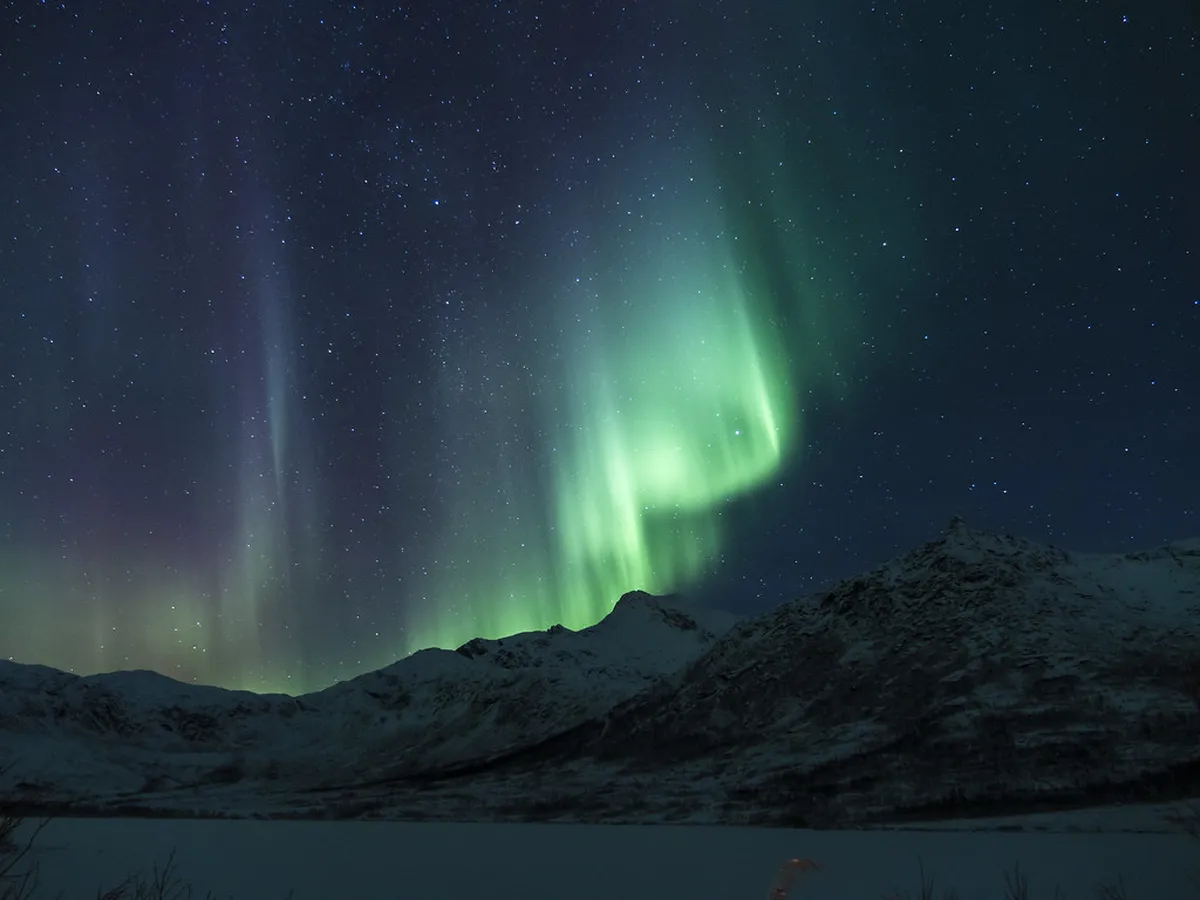
Batteries drain 40% in twenty minutes at -10°C; keep all spares and power banks against your body inside your inner jacket. Storing electronics in outer pockets in the field is a quick way to lose power when you need it most.
A sturdy tripod is non-negotiable for aurora photography. Northern lights shots require shutter speeds of five to fifteen seconds, which means any camera shake produces a blurred image. Lightweight travel tripods risk blowing over in coastal winds — weight them down with your bag or use a heavier aluminum model. Set your camera to manual mode, open the aperture as wide as it will go (f/2.8 or lower if possible), set ISO between 800 and 3200, and experiment with shutter speeds between five and fifteen seconds. Consult a dedicated guide on 10 Essential Tips for Northern Lights Photography in Tromso for precise settings based on aurora intensity.
Norway uses the European Type C and Type F round-pin sockets. A universal travel adapter with multiple USB ports lets you charge your camera, phone, and power bank simultaneously overnight. Headlamps with a red-light mode preserve night vision when you are setting up equipment in the dark — red light does not bleach your pupils the way white light does, keeping you aurora-adapted. A waterproof dry bag or a ziplock bag protects your camera and phone when moving between warm buildings and the cold outside, where condensation forms instantly on cold electronics.
- Universal travel power adapter (European Type C/F)
- High-capacity power bank (kept inside jacket when in use)
- Spare camera batteries (minimum two, kept body-warm)
- Sturdy tripod rated for wind (aluminum, not lightweight carbon)
- Headlamp with red-light mode
- Waterproof dry bag for camera and electronics
- Touchscreen-compatible liner gloves (same as accessories section)
- Extra memory cards for long sessions
What We Wore: A Tromsø Winter Case Study
On a typical city day in Tromsø during a February trip, the temperature was -4°C with a moderate wind. My layering system was: merino wool base layer top and long johns, a heavyweight 100% wool sweater, and a knee-length waterproof parka on top. For trousers, fleece-lined waterproof hiking trousers over the thermal bottoms. On my feet, insulated boots with thick merino socks and microspikes in my jacket pocket. Beanie, fleece neck warmer, and liner gloves with overmitts in the bag. This system was comfortable for three to four hours of city walking and sightseeing.
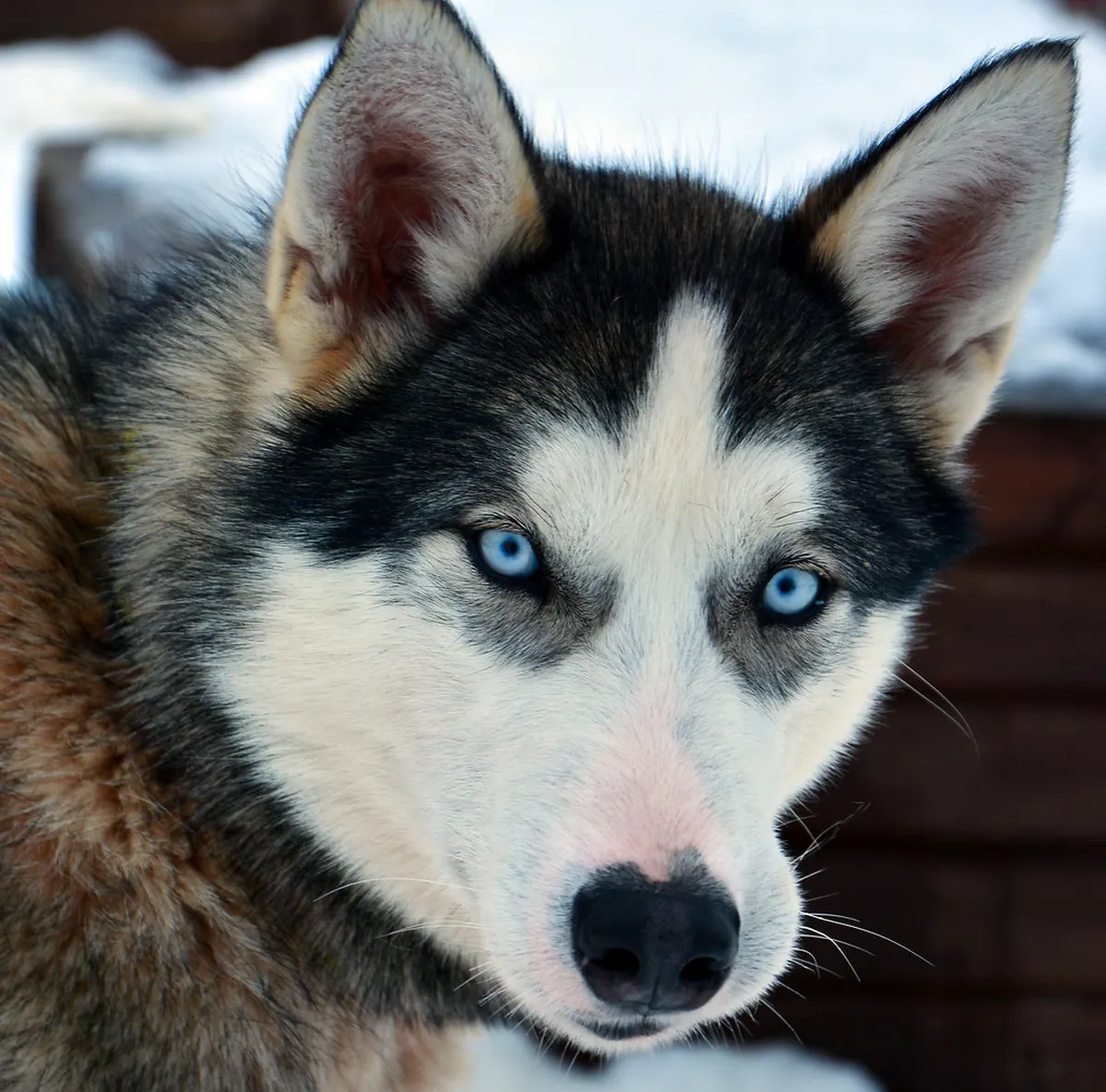
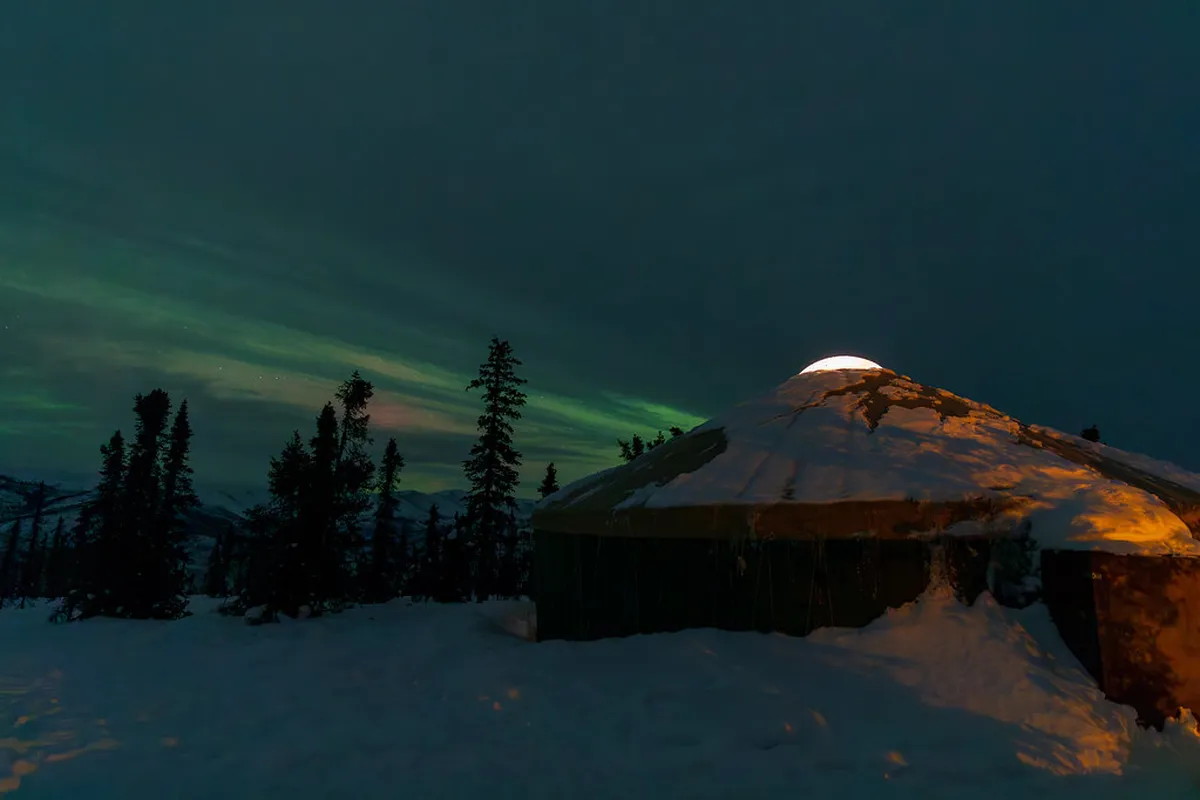
For a northern lights tour departing Tromsø and heading inland toward Svensby — where the operator put us in a field with clear skies at -18°C — the same base system applied, but I added a down jacket between the wool sweater and the outer parka. The overmitts went on from the moment we stepped out of the minibus and did not come off until we were back inside. Hand warmers in both pockets. The tour operator provided insulated overalls, which I wore over everything. Without the extra down mid layer underneath, I would have been uncomfortable in under an hour.
On Kvaløya Island, coastal wind was the main factor rather than temperature. The air was -6°C but the wind made it feel much colder when we were doing the coastal walk near Ersfjordbotn. Microspikes were mandatory — every rock and path was a sheet of ice. The two-glove system (liners plus overmitts) proved its value here: I switched to liners for five minutes to adjust my camera, then went back to overmitts. A single pair of mid-weight gloves would have meant red hands within ten minutes. Following a solid Tromso Itinerary: 8 Essential Planning Steps and Daily Routes that alternates active time with warm indoor stops makes these layering decisions much easier to manage across a full day.
Where to Rent Gear in Tromsø
Renting heavy Arctic gear in Tromsø is a legitimate strategy for reducing luggage size, particularly if you are coming from a warm climate and do not own any cold-weather equipment. Several shops in the city centre rent or sell professional thermal suits, insulated boots, and accessories. The trade-off is that rental gear fits variably and you may not get exactly the warmth rating you need, so always rent one day before your most demanding outdoor tour to test the fit.
Intersport Tromso at Storgata 64 is one of the main sporting goods stores in the city centre and stocks a wide range of winter gear for purchase and rental. XXL Sport og Villmark at Nerstranda shopping mall is the other main option, with a broad selection of boots, base layers, and outer shells. Both stores open Monday to Friday 10:00–20:00 and Saturday 10:00–18:00. Many northern lights tour operators — including those running dog sledding and snowmobile excursions — include full thermal suits and boots in the tour price, so check your booking confirmation before renting separately.
Ice grips are available at pharmacies (apotek) across the city for 100–200 NOK. This is the single item most worth buying locally if you have not packed them, as they are cheap, light, and universally available. Check the 10 Essential Tromso Travel Tips: The Ultimate Arctic Guide guide for additional gear shops and equipment hire contacts that update seasonally.
- Intersport Tromso — Storgata 64, city centre (rental and purchase)
- XXL Sport og Villmark — Nerstranda shopping mall (purchase)
- Apotek 1 / Boots pharmacy — ice grips, 100–200 NOK (city centre locations)
- Tour operator gear — thermal suits and boots usually included; confirm at booking
What to Leave at Home
Over-packing is the most common mistake on Arctic trips, and certain items waste space without adding warmth. Cotton in any form — hoodies, T-shirts, jeans — belongs at home. Cotton absorbs moisture and takes hours to dry; in sub-zero temperatures it becomes a liability. Polyester-only fleece has the same problem: once damp, it stops insulating. Heavy denim jeans are too thick to layer properly under thermal trousers and too cold when wet. Thin fashion leather gloves offer almost no insulation and get destroyed by Arctic conditions in a day.
Umbrellas are useless in Arctic wind — they invert in seconds. A waterproof jacket hood handles precipitation far better. High heels or any smooth-soled footwear is genuinely dangerous on icy streets; leave them home entirely. Cheap rain ponchos are not windproof and trap moisture against your clothing. Many travelers also overpack on electronics: one camera, one phone, and a spare battery cover almost every scenario. A second camera body adds weight and cold-weather complexity without meaningful benefit for most people.
- Cotton clothing of any kind (hoodies, T-shirts, jeans, socks)
- Thin fashion leather gloves
- Smooth-soled shoes or high heels
- Umbrellas
- Cheap plastic rain ponchos
- Heavy denim jeans (for outdoor activities — fine for indoor evenings)
- Multiple dressy evening outfits (Tromsø is a casual city)
Documents, Money, and Daily Essentials
Norwegian society is almost entirely cashless. You can pay by contactless card at pharmacies, bus kiosks, tour operators, and most outdoor markets. Ensure your credit or debit card has a functioning chip and a four-digit PIN — some automated payment terminals do not accept contactless-only cards. Notify your bank before departure. Print your travel insurance policy and keep a paper copy: phone batteries die fast in the cold, and a printed document does not need charging.
Verify your passport has at least six months of validity. Download offline maps of Tromsø city center and the areas you plan to visit — data coverage can be patchy on Kvaløya Island and in mountain areas. The yr.no weather app is the go-to forecast tool used by Norwegians and is worth downloading before you arrive. Check it every morning: conditions change within hours, and planning your outdoor activities around forecast windows is one of the most effective ways to maximize your chances of seeing the northern lights. If you plan to hire a car, confirm your driving licence meets Norwegian requirements via the Norway Driving License Rules page.
- Passport with six-plus months validity
- Printed travel insurance documents
- Credit card with chip and PIN functionality
- Tour booking confirmations (print and digital)
- yr.no weather app downloaded for offline use
- Offline maps of Tromsø and surrounding areas
- Valid driving licence (international version if required)
- Rich moisturiser and SPF lip balm for dry Arctic air
- Insulated thermos for hot drinks on outdoor tours
- Small daypack (20–30 litres) for daily excursions
For the full picture, see our complete guide to things to do in Tromsø.
Frequently Asked Questions
What is the best base layer for Tromsø in winter?
Merino wool is the absolute best choice for Arctic conditions. It wicks moisture away from your skin and stays warm even when damp. I recommend packing at least two full sets for a week.
Can I rent winter clothing in Tromsø?
Yes, you can easily rent professional thermal suits and boots in the city center. This is a smart way to save luggage space. Many northern lights tour operators also include gear in their price.
Do I need specialized boots for a Northern Lights tour?
You need heavily insulated, waterproof boots for standing in the snow. If you don't own any, consider renting them locally. Standard hiking boots are often not warm enough for sub-zero temperatures.
Packing for Tromsø is all about balancing warmth with mobility. The three-layer system, proper footwear with ice grips, the two-glove approach, and a handful of critical accessories cover the vast majority of situations you will encounter. Focus on quality materials — merino wool and windproof shells — and you will stay comfortable whether you are walking the city center or standing in a field watching the aurora at -18°C.
Remember to check yr.no every morning and stay flexible around the forecast. The Arctic is unpredictable but rewards prepared travelers generously. Have a brilliant trip to Northern Norway in 2026.
You might also like
Continue reading
More guides you'll find useful