Tromso Itinerary: 8 Essential Planning Steps and Daily Routes
Plan the ultimate Tromso itinerary with day-by-day winter routes, Northern Lights chasing tips, Sami cultural experiences, and practical booking advice.
On this page
5-Day Tromso Itinerary: 8 Essential Planning Steps and Daily Routes
Tromsø sits 350 kilometres above the Arctic Circle, and winter turns it into one of the most spectacular destinations on earth. This 5-day Tromso itinerary covers the full range of experiences — Northern Lights chasing, dog sledding, Sami culture, and fjord wildlife — without leaving you exhausted or over-scheduled.
Planning ahead is the single most important thing you can do for an Arctic trip. The best tours sell out weeks in advance, and weather can cancel activities at any moment. A five-day window gives you the recovery time you need when a storm rolls in and wipes out a planned evening. Read the Best Time to Visit Tromsø: The Ultimate Seasonal Guide guide before you book flights — the month you choose changes almost everything.
Whether you are coming for New Year's Eve fireworks or the deep silence of Polar Night, this guide has you covered. I visited during the peak winter season to test every route and activity firsthand. The schedule below is designed to minimize backtracking and maximize your odds of seeing the aurora borealis.
Best Time to Visit Tromso for Winter Activities
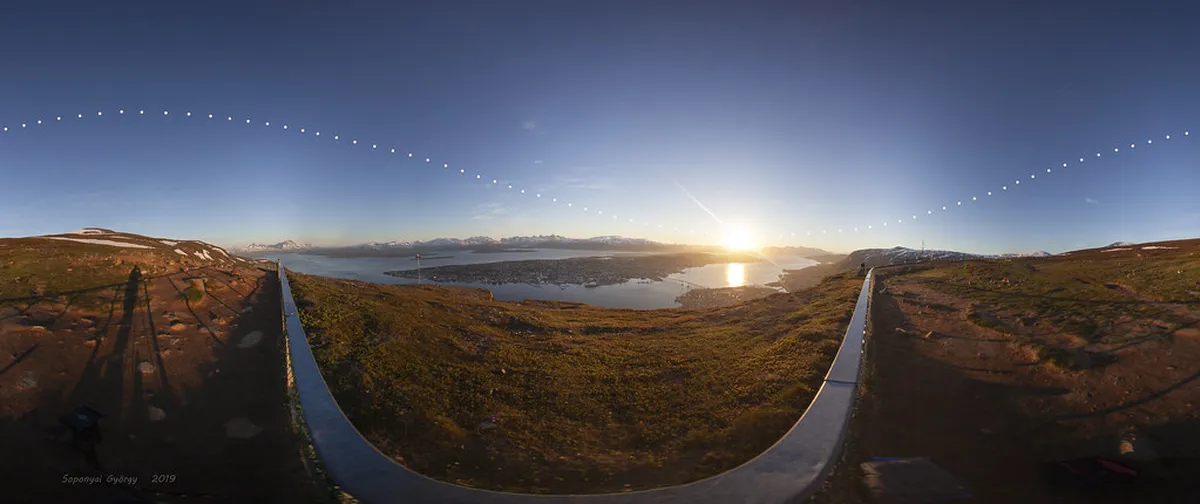
Tromsø experiences Polar Night from late November through mid-January. During this window, the sun never fully rises above the horizon — you get one to two hours of dim, blue twilight around midday and nothing else. Dog sledding tours still run, the Northern Lights still appear, and the city functions normally, but you should know what you are walking into before you book.
The Polar Night has one genuinely underrated advantage: that narrow band of twilight around 12:00–13:00 creates soft, diffuse blue-hour light that lasts far longer than at lower latitudes. Landscape photographers willing to work with it often get more usable shots in a single Polar Night afternoon than in a full summer day elsewhere. However, if you want to feel daylight and see the mountains clearly, you are better served by February or March, when the sun rises properly and the days lengthen by about 10 minutes each day.
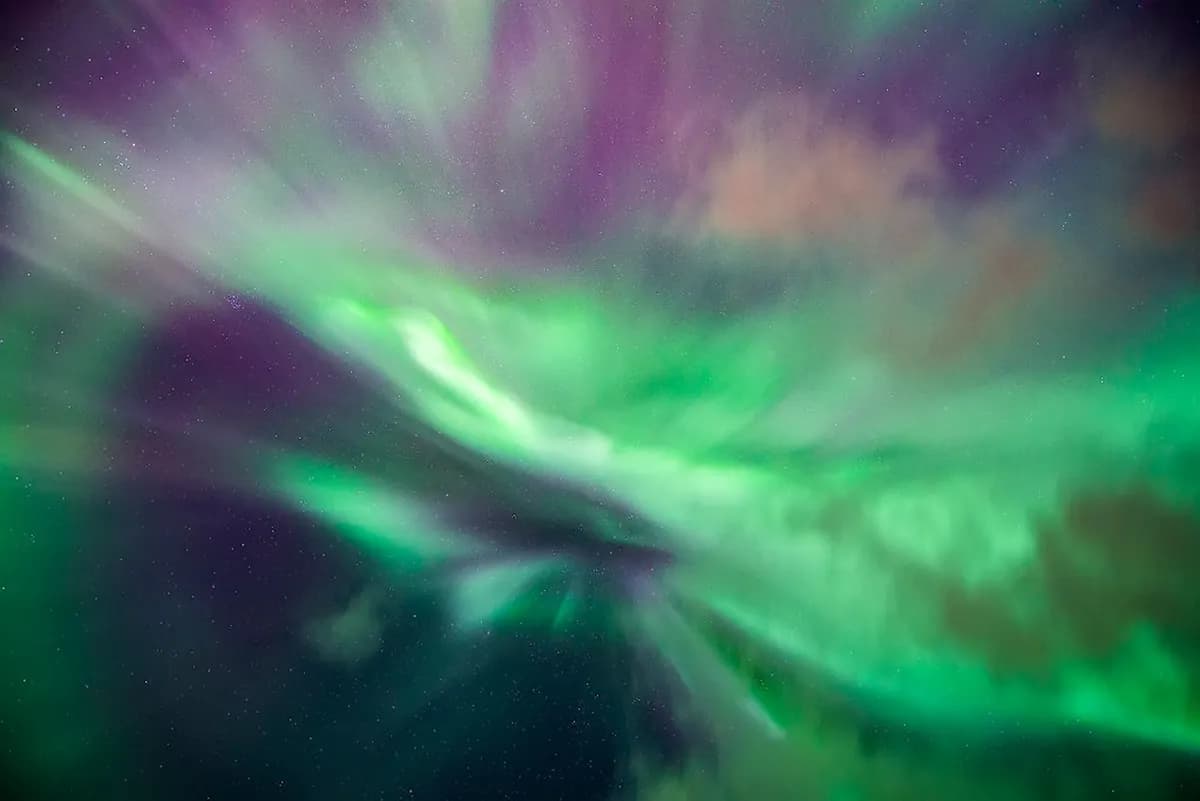
February and March are consistently the most balanced months. Snow cover remains reliable, temperatures hover between -5°C and -3°C on average, and aurora probability stays high because the dark hours are long enough for good sightings. The Northern Lights season runs from late September to late March — outside that window, the sky is too bright to see them. New Year's Eve is popular but busy; book everything at least three months in advance if you plan to visit then.
Logistics: Getting to Tromso and Navigating the City
Most international travelers fly into Oslo Gardermoen (OSL) and connect to Tromsø Airport (TOS) on Norwegian Air or SAS. The Oslo–Tromsø leg takes about two hours. SAS offers direct flights from several European hubs, and if you are coming from North America — say, from Newark — SAS Business Class on the transatlantic leg is worth considering for the overnight crossing. The business class cabin on the long-haul SAS flight includes a proper flat seat and a decent selection of Scandinavian wines, though the food quality is inconsistent. The ice cream service is inexplicably excellent.
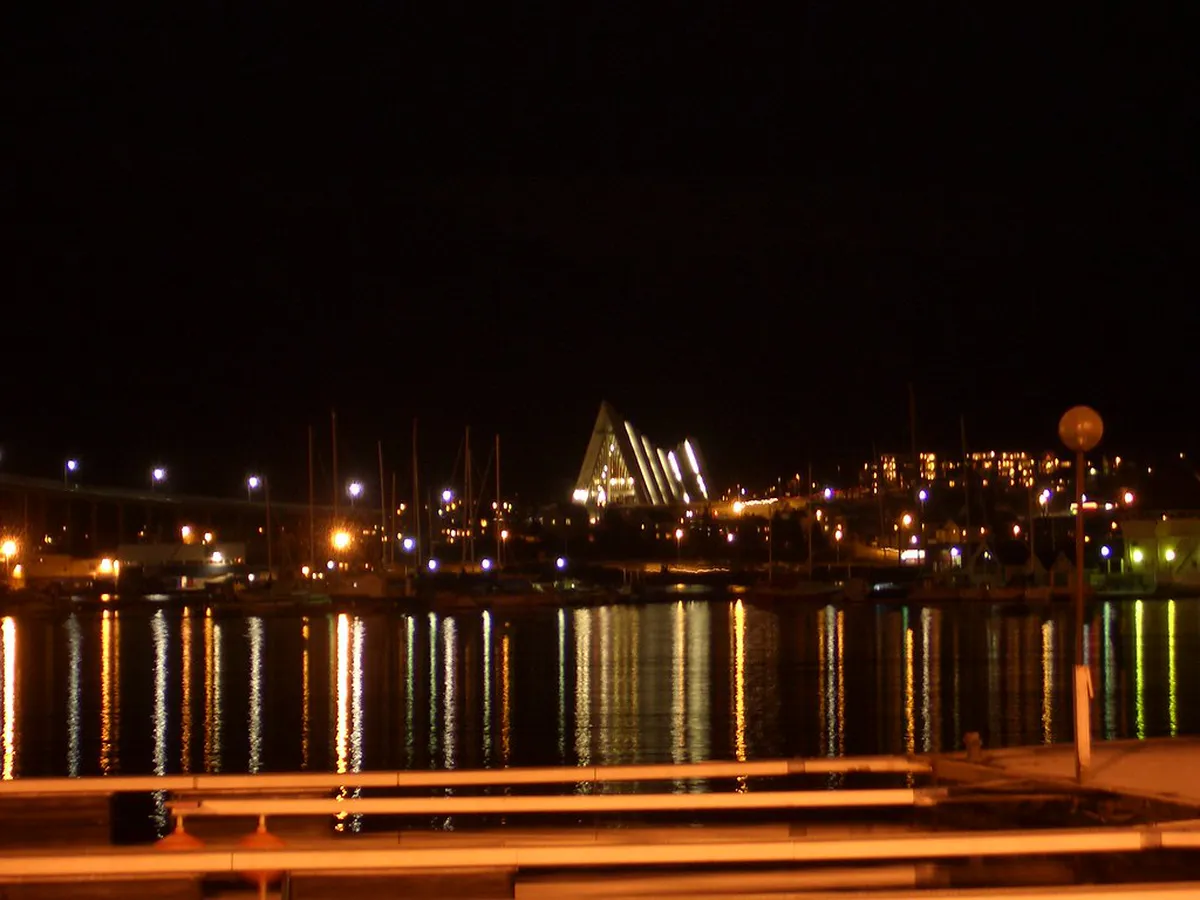
Once you land in Tromsø, taxis are the simplest option from the airport to the city center — the ride takes about 10 minutes and costs around 200–250 NOK (roughly €18–22). Uber does not operate in Tromsø. Public bus line 42 also connects the airport to the center for 46 NOK, departing every 30 minutes, but it is slow if you have heavy luggage.
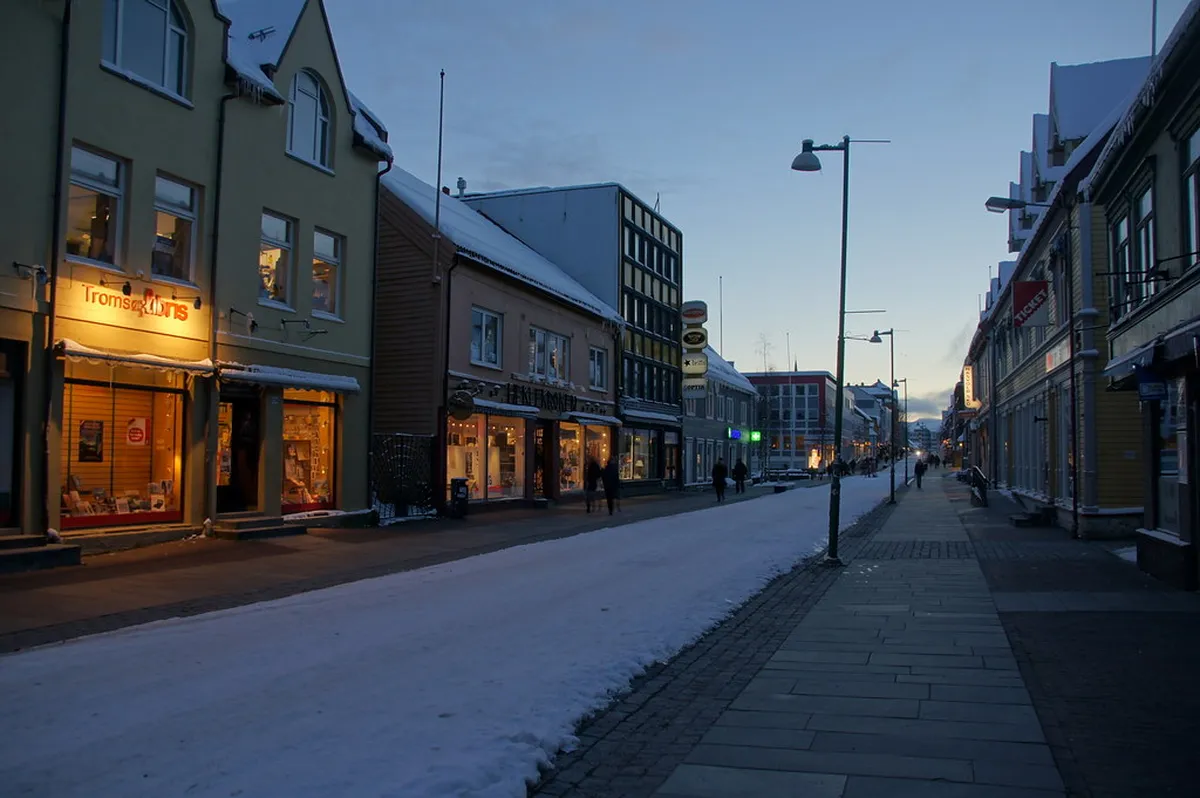
The city itself is walkable. The main strip, Storgata, runs through the center of Tromsøya island, and most hotels, restaurants, and tour pickup points sit within 10 minutes on foot. For excursions into the wilderness — dog sledding camps, reindeer farms, fjord departures — tour operators run minibuses from the main hotels. You rarely need to hire a private car for day trips unless you are heading to the Lyngen Alps or Senja independently. The official Norway travel guide covers current road conditions and seasonal logistics. Check the How To Get To Tromso: 8 Essential Travel Routes & Tips guide for up-to-date bus timetables and airport transfer options.
Tour operators sell out 4–6 weeks in advance in peak season. Book your dog sledding, Northern Lights chase, and whale watching tours BEFORE you book flights, not after.
| Day | Highlights | Duration | Budget |
|---|---|---|---|
| Day 1 | City orientation, Polar Museum, Arctic Cathedral, Fjellheisen cable car, Northern Lights chase | Evening tour: 2–3 hrs | 1,200–1,500 NOK |
| Day 2 | Reindeer sleigh ride, Sami culture and lunch, evening activities | 3–4 hrs tour + afternoon free | 1,000–1,200 NOK |
| Day 3 | Dog sledding with kennel experience, thermal suit provided | 3–4 hrs tour | 1,300–1,600 NOK |
| Day 4 | Whale watching (orcas/humpbacks), Mack Brewery tour, optional evening Northern Lights boat | 4–6 hrs whale tour | 1,200–1,500 NOK |
| Day 5 | Snowshoe hike on Mount Storsteinen or Fjellheisen cable car, souvenir shopping | 3–5 hrs hike | 400–600 NOK |
Where to Stay: Modern Hotels vs. Traditional Sami Lavvus
The Clarion at the Edge is the benchmark city hotel for a Tromsø winter stay. It sits right on the waterfront, rooms overlook the sound toward the Arctic Cathedral, and most major tour operators include it on their free pickup routes. The design is modern and eco-focused — the key card controls all room lighting to reduce waste. Expect rooms from around 1,400 NOK (€120) per night in January and 1,900 NOK (€165) in February peak. Breakfast is included in most room rates.
The Scandic Ishavshotel is another strong option. It is positioned directly on the Tromsø Sound, breakfast is included, and it shares the same tour-company pickup privilege as the Clarion. For a tighter budget, Thon Hotel Polar sits a few blocks inland but offers well-designed rooms and the Egon Restaurant downstairs for a reliable dinner.
Some travelers want to spend at least one night in a traditional Sami lavvu — a teepee-style dwelling used by the indigenous Sami people. Let me give you an honest read on this. Operators like Off The Map Travel arrange lavvu stays in the Lyngen Alps that are genuinely atmospheric: candlelit interiors, a central wood stove, reindeer pelts, and the aurora visible through a gap at the top. The experience is real and memorable. The catch is comfort. The fire needs tending through the night, toilet facilities are in a separate heated building 50 feet away, and if you are a light sleeper or need a warm shower on waking, you will be unhappy. One night in a lavvu is the right call for most people. Book the Clarion or Scandic for the rest of your stay so you actually sleep and recover for the next day's activities. Read more in the Where to Stay in Tromsø: 10 Best Areas & Hotel Picks guide.
Day 1: Tromso City Highlights and Northern Lights Chasing
Spend your first morning getting oriented. Walk Storgata, visit the Polar Museum (open 11:00–17:00, entry around 130 NOK), and cross the bridge to see the Arctic Cathedral up close — entry costs about 90 NOK and the interior is worth seeing. If you want views, ride the Fjellheisen cable car in the early afternoon. The car runs from 10:00 to midnight in winter and a return ticket costs 205 NOK. The blue-hour light around 12:30–14:00 is the most photogenic time to be at the top during the Polar Night period.
Book your Northern Lights chase tour for the first evening of your trip. Do not wait until the second night on the assumption the first night is just for settling in. You want as many attempts as possible, because weather can cancel tours and the aurora is never guaranteed even with a clear sky. Small-group chase tours are vastly better than big bus tours — a guide with a van of 8–12 people can drive two hours to find a break in the clouds, sometimes crossing into Finland if needed. Budget around 1,200–1,500 NOK (€105–130) for a reputable small-group tour.
For dinner before the evening tour, Presis at Storgata 36 is the most reliable choice in the city center. It serves Spanish and Arctic tapas in a candlelit room — some tables are fitted with hanging swings instead of chairs, which is exactly as charming as it sounds. Order the garlic aioli potatoes and the spicy meatballs; the portion size for two is generous. Arrive by 18:00 to eat comfortably before your 20:00 tour departure.
Day 2: Reindeer Sleigh Rides and Sami Cultural Immersion
Reindeer experiences typically depart from the Radisson Blu or your hotel at around 09:00. The drive to Tromsø Lapland takes 20–25 minutes. Tour operators provide full winter suits and gloves, so you do not need to wear your own thermal gear for the sled ride itself. The reindeer pull individual sleds connected in a chain — it is slower and more peaceful than dog sledding, covering about 3 km through open snowfields over roughly 40 minutes.
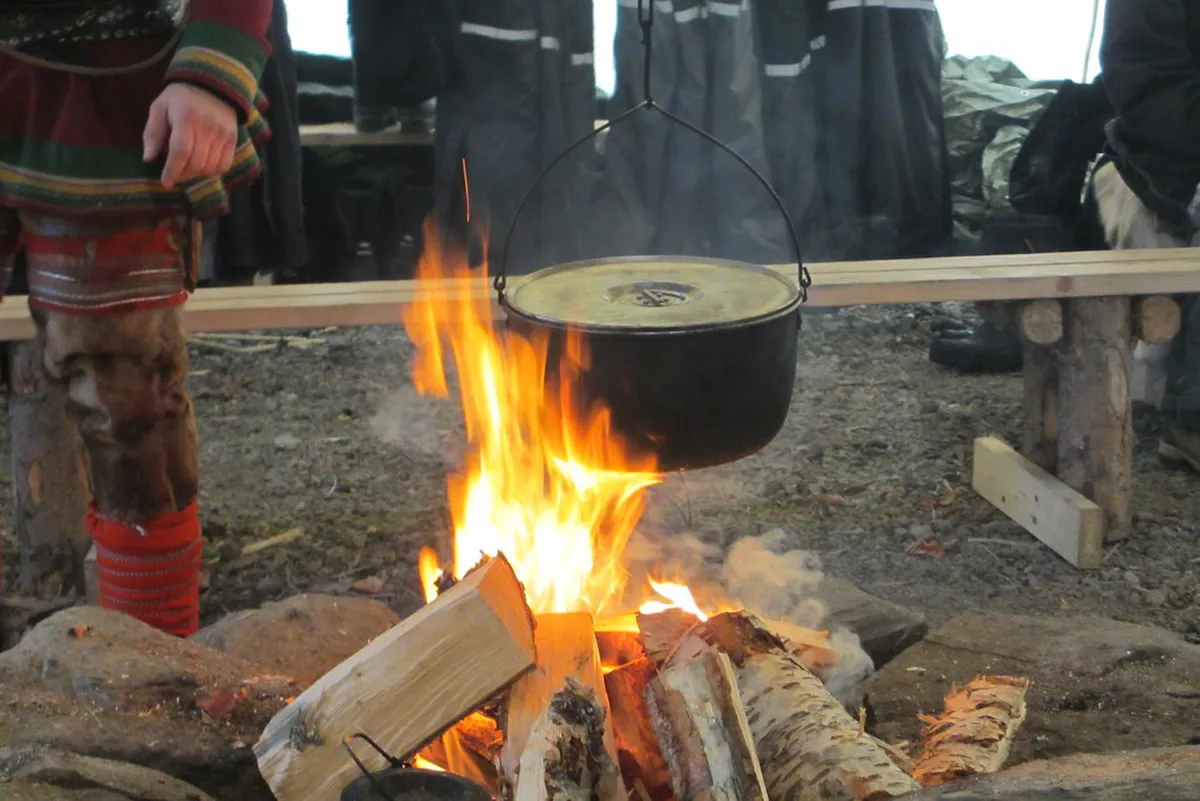
After the ride, the guide ties the reindeer in an open area so you can feed them by hand. Their fur is coarser than you expect and some animals still carry fuzz on their growing antlers in January. The group then moves to a traditional Sami lavvu for a lunch of reindeer stew served around an open fire. A Sami guide explains the culture and the role of reindeer herding in their communities — some guides will perform a joik, a traditional form of Sami song, which is unlike anything you will hear anywhere else.
The afternoon is yours. Visit the Arctic Cathedral if you skipped it on day one, or wander to the University Museum for an Arctic history exhibit. By evening, if the weather has not cooperated for Northern Lights, walk around the corner to Huken Pub on Storgata 36. The interior uses old suitcases as tables and has a barn-chic aesthetic that is unusual and comfortable. The Mack beer selection is extensive. Huken is a small place — ideal for two people sharing a corner table, less suited to groups of six or more. It closes around midnight on weekdays.
Day 3: Dog Sledding Adventures and Arctic Wilderness
Dog sledding is the activity that most first-time visitors remember longest. Tours depart at around 08:30–09:00, with the drive to the kennels taking 30–45 minutes depending on the operator. Tromsø Villmarkssenter on Kvaløya is one of the most established operators — they pick up directly from city hotels and the team clearly cares about the dogs' wellbeing. At the kennel, you will see the dogs chained to individual houses, bouncing and barking with obvious enthusiasm. They are bred to run and they know what harnesses mean.
Thermal suits and boots are provided. Driving a sled is harder than it looks — you need to brake on downhills, push on uphills, and keep the dogs from tangling. If you are not confident, most operators allow you to ride as a passenger while a guide drives. The sled ride lasts around one hour. Afterward, return to the warming hut for reindeer stew and hot chocolate. Read more about 10 Best Attractions in Tromso to Visit worth combining with your sledding day.
Night dog sledding is also available through some operators and gives a completely different feeling — silent forests, headlamps, and the occasional glimpse of aurora overhead if the sky clears. If your schedule allows it, doing both a daytime and a night sled run across the five days is worth the extra cost. Your leg muscles will complain the next morning regardless of which version you choose.
Day 4: Whale Watching and Fjord Exploration
Humpback whales and orcas follow the herring migration into the fjords around Tromsø typically from November through January. The peak season aligns with the darkest, coldest weeks of winter, which means whale watching and aurora hunting can happen on the same trip. Boats depart from the main harbor at around 08:30 and tours run 4–6 hours. Warm waterproof suits are provided on all reputable boats, which matters because the wind chill on open water is severe and you will want to spend time on deck.
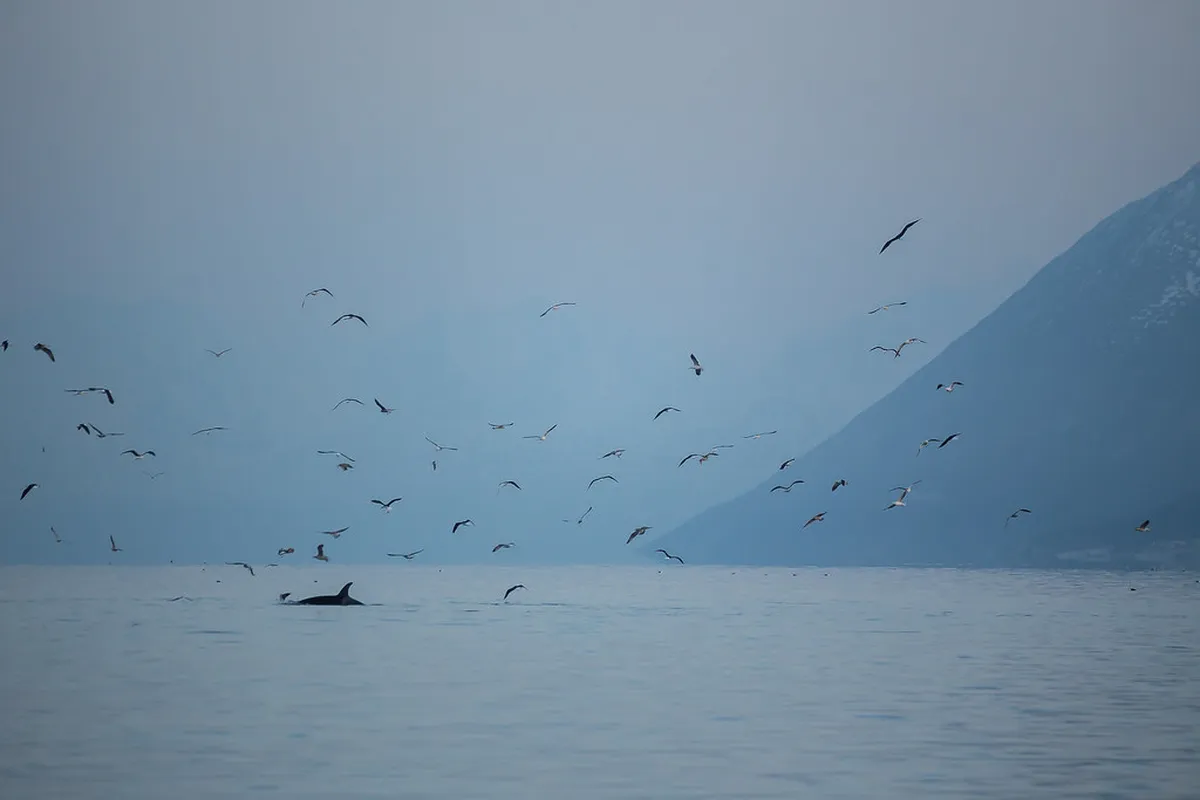
When a pod is located, the captain positions the boat at a respectful distance and cuts the engines. Orcas in particular are unbothered by quiet vessels and often surface within 20–30 metres. Watching a pod of 10 orcas surface and blow in the fjord, with snow-covered peaks behind them, is one of those travel moments that is genuinely difficult to describe. The boat usually circles with the pod for 45–60 minutes before heading back. If your feet go numb, go inside and warm up — frostbite risk on the water is real.
Wind chill on open water is severe and frostbite risk is real during whale watching tours. Wear hand and toe warmers, bring a liner glove for camera operation, and move inside the cabin immediately if your extremities go numb — don't tough it out.
The Mack Brewery makes a good afternoon stop after you return to the harbor. It is one of the northernmost active breweries in the world and the self-guided tour takes about an hour. Try the Isbjørn lager — it is the local standard and widely available across every bar in the city. If you book a Northern Lights boat tour for this evening, note that long-exposure photography from a moving vessel is nearly impossible, so bring the tour for the experience rather than the photos.
Day 5: Snowshoeing and Panoramic Arctic Views
Your final morning belongs to Mount Storsteinen or the snowfields of Kvaløya. A guided snowshoe hike departing around 10:00 takes you through birch forest and out to open ridge terrain with views across the sound. The hike is accessible to most fitness levels with snowshoes provided — the guide adjusts pace to the group. The drive to the trailhead is about 45 minutes from the city center. Dress for the coldest conditions you have encountered all trip, as exposed ridgelines cut the wind chill significantly below what you feel in the city.
If your legs are spent from four days of activity, ride the Fjellheisen cable car instead for a final panoramic view of the archipelago. The cable car summit at 421 metres gives a wider 360-degree view than most of the walking trails and takes 15 minutes each way. Either option gives you a strong send-off from the Arctic. Back in the city by mid-afternoon, pick up souvenirs on Storgata — reindeer skin products, Sami craft work, and Tromsø-branded wool are all available without inflated tourist-trap pricing.
Dinner on your final night at Presis, if you did not go on day one, rounds out the trip well. A farewell drink at Huken Pub afterward on Storgata 36 is a Tromsø tradition worth keeping. Check 10 Essential Tromso Travel Tips: The Ultimate Arctic Guide for any late-season schedule changes before your return flight.
What to Pack for Winter in Tromso
The Norwegian saying is accurate: there is no bad weather, only bad clothing. Tromsø in winter averages -5°C to -3°C, dropping to -15°C or lower during cold snaps, with wind chill pushing the felt temperature further down near the water. Check the live forecast before each outing to gauge the day's conditions. Tour operators provide thermal suits for dog sledding, snowshoeing, and whale watching — so your daily walking gear does not need to be expedition-grade. But it needs to be genuinely warm.
- Merino wool base layer top and bottom — synthetic fleece is fine but merino handles sweat better in varying temperatures
- Mid-layer fleece or down jacket that compresses into a daypack
- Windproof and waterproof outer shell — the city gets biting harbour wind
- Waterproof snow boots rated to at least -20°C with ankle support
- Merino wool hat covering the ears, balaclava for outdoor evening tours
- Waterproof insulated gloves — bring a liner glove underneath for camera operation
- Yaktrax or micro-spikes for city sidewalks — Tromsø heats most central pavements but side streets ice over unpredictably
- Hand and toe warmers for whale watching and evening Northern Lights waits
One packing note most guides skip: pack a spare memory card and keep it in an inside pocket close to your body. Cold kills card performance faster than most people realize, and you do not want to hit a write error mid-aurora. A spare fully charged battery in an interior pocket is equally important — lithium batteries drain within 45 minutes in sub-zero temperatures when kept in an exterior pocket.
Book in Advance: Essential Arctic Reservations
Tromsø is popular and tour slots are finite. Dog sledding caps group size to protect the dogs, so the reputable operators sell out four to six weeks in advance in January and February. Whale watching tours also fill quickly because the season is short and weather cancellations reduce available dates. Book both before you book your flights, not after.
17 Best Northern Lights Tours in Tromso options range from budget bus tours to private guided chases. Small-group chase tours with a van of 8–12 and an experienced guide are worth the extra 300–400 NOK over the cheap bus tours. Chase-style operators follow the weather and drive to wherever skies are clear — sometimes two hours from the city. A big bus cannot do this efficiently. Book for your first night in Tromsø and again for night three as a backup.
New Year's Eve deserves a specific warning. The week of 29 December through 2 January is the busiest travel week of the year in Tromsø. Tour availability shrinks, prices rise 20–30%, restaurants require reservations weeks ahead, and the Northern Lights tours that do run charge premium rates. If you visit during New Year's Eve, you do get something competitors rarely mention: Norwegian law permits fireworks only from 23:30 to 00:30 on 31 December, and neighborhoods genuinely compete with each other for the best display. It is chaotic, loud, and completely unlike anything you will see in a Nordic city at any other time of year. Worth seeing once.
Add an Extra Day: Arctic Extensions
If you have more time, consider some 12 Best Day Trips from Tromso and Planning Guide. The island of Senja is famous for its dramatic, jagged mountain peaks. It is a long drive but well worth the effort for photographers. You can also explore the Lyngen Alps for world-class skiing.
Sommarøy is another beautiful destination just an hour from the city. It features white sand beaches that look almost tropical in photos. The water is freezing, but the scenery is absolutely breathtaking. We loved the quiet atmosphere of the fishing village there.
For those seeking more wildlife, try a king crab safari. These tours often include a boat ride and a fresh feast. It is a unique way to experience the local Arctic bounty.
Use our guide to things to do in Tromsø for the wider city overview.
Frequently Asked Questions
What is the best month to visit Tromso for Northern Lights?
The best months are from late September to late March. You need dark skies and clear weather to see the aurora. We found that February often has the most stable snow conditions for tours.
What should I pack for a winter trip to Tromso?
You must pack high-quality wool base layers and a windproof outer shell. Bring sturdy waterproof boots and plenty of warm socks. Don't forget a warm hat and insulated gloves for the Arctic wind.
Is sleeping in a Sami teepee worth it?
It is a unique adventure but can be very cold and basic. We suggest doing it for just one night to experience the culture. Most travelers prefer the warmth of a city hotel for the rest of their stay.
Tromsø is a destination that stays with you long after you leave. Following this 5-day Tromso itinerary will help you see the very best of the Arctic. From the howling huskies to the silent aurora, every moment is a new discovery. I hope my personal tips help you plan a trip of a lifetime.
Remember to dress in layers and keep an open mind about the weather. The Arctic is unpredictable, but that is part of its rugged charm. Safe travels as you head north to the gateway of the Arctic. Enjoy every minute of your snowy Norwegian adventure.
You might also like
Continue reading
More guides you'll find useful