Tromso In Summer Travel Guide: Midnight Sun & Arctic Adventures
Plan your perfect trip to Tromso in summer. Discover the Midnight Sun, top hiking trails, Kvaløya day trips, and essential packing tips for the Arctic.
On this page
Tromso In Summer Travel Guide
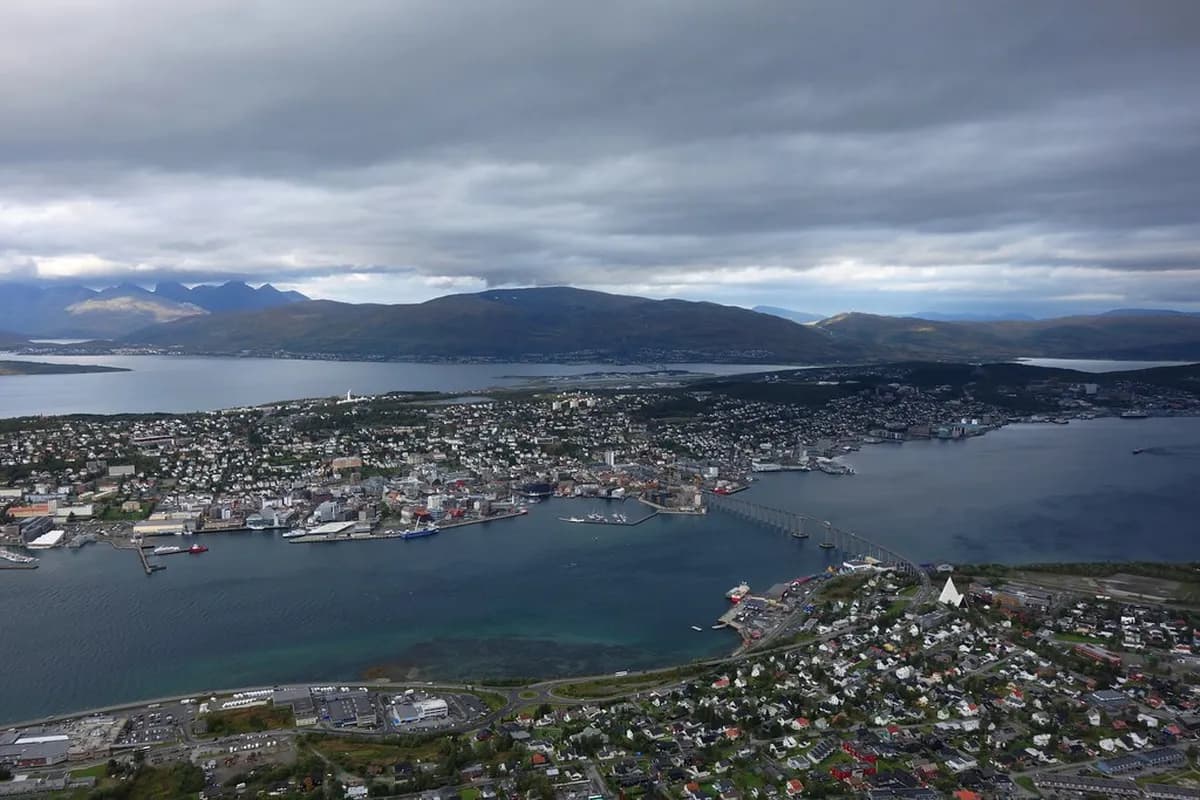
Tromsø in summer is one of the most unusual travel experiences in Europe. The sun never sets, the mountains turn vivid green, and the city slows into a quiet Arctic rhythm that feels nothing like peak-season tourism anywhere else. I spent two weeks here in July 2025 and came away convinced it deserves far more attention than it gets outside the Northern Lights season.
The city sits at 69 degrees North inside the Arctic Circle, yet it is surprisingly accessible — direct flights from Oslo take around 90 minutes. In summer 2026 the Midnight Sun is visible from roughly 20 May to 26 July, giving you a long window to plan around. Read the Best Time to Visit Tromsø: The Ultimate Seasonal Guide guide for a full seasonal breakdown before you commit to dates.
This guide covers everything you need to decide whether summer is right for you: what the Midnight Sun actually feels like, the best things to do, how to use Kvaløya and Sommarøy as day trips, what the local festival calendar looks like, how many days to plan, and what to pack for an Arctic summer.
Tromsø in Summer at a Glance
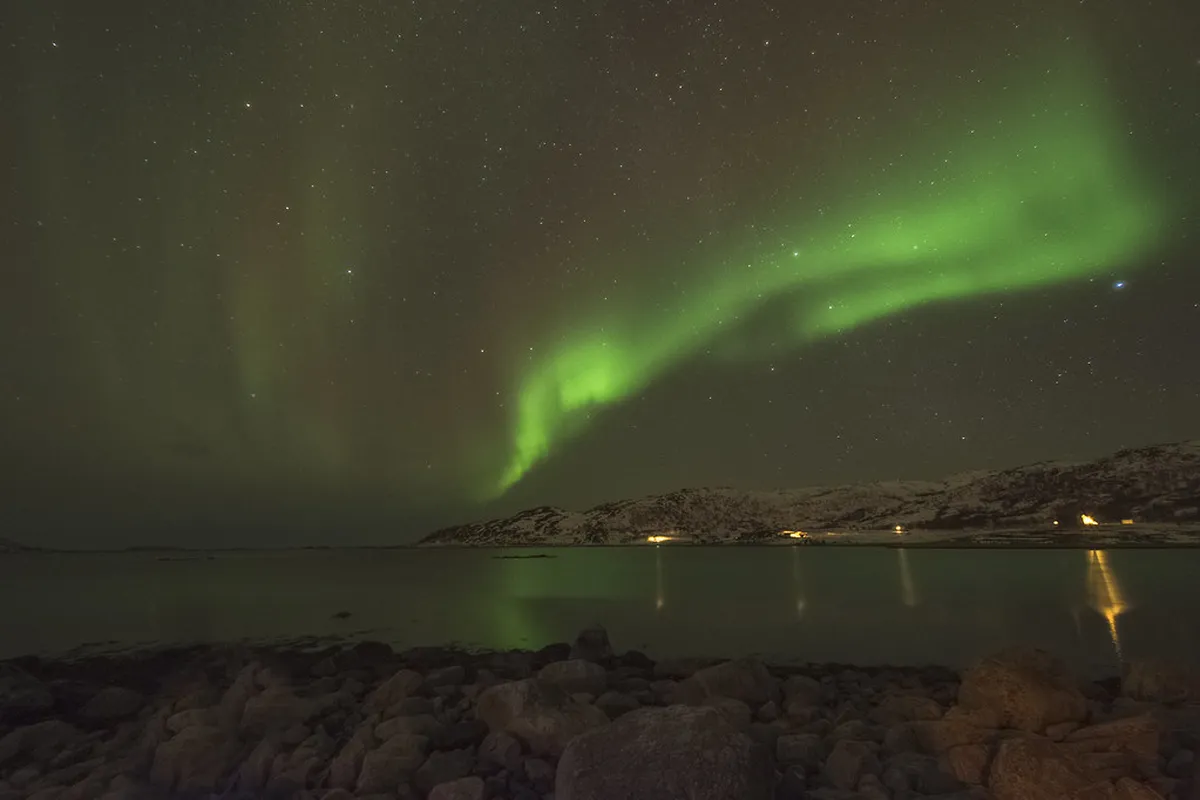
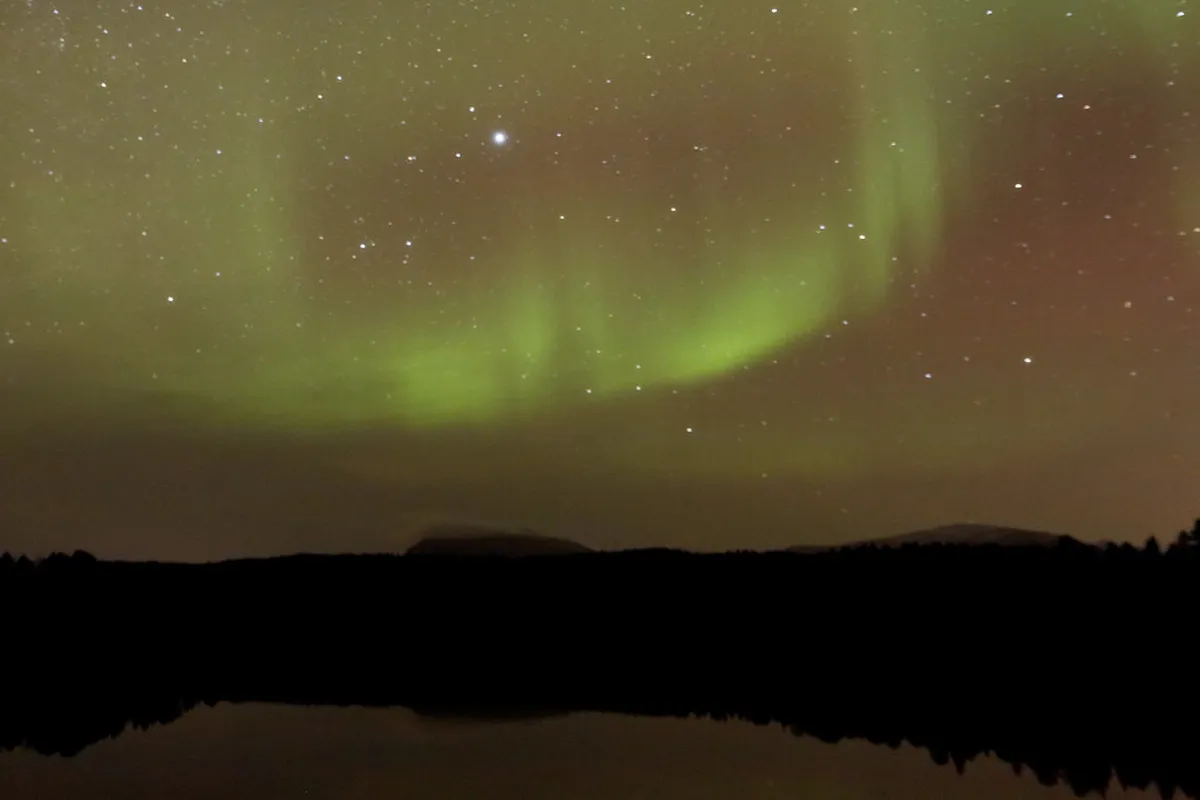
Tromsø in summer is best for: 24-hour daylight, scenic coastal road trips, hiking on snow-patched peaks, kayaking in turquoise Arctic waters, and a slower, quieter version of Norway than you find further south. It is not the place for nightlife, warm beach weather, or Northern Lights — the sky is too bright from late May through late July for aurora to appear.
June brings the strongest Midnight Sun and a spring-like atmosphere with snow still visible on mountain ridges. July is the warmest and most stable month, making it the easiest choice for first-time visitors. August turns cooler and more autumnal, but crowds thin out and the first faint aurora chances return in the final weeks of the month.
| Month | Temperature | Crowds | Best For |
|---|---|---|---|
| June | 8–16°C / 46–61°F | Low–medium | Midnight Sun peak, quieter roads |
| July | 12–22°C / 54–72°F | Medium | Warmest weather, hiking, beaches |
| August | 10–18°C / 50–64°F | Low–medium | Berries, softer light, first aurora chance |
Prices are high by any measure. A hotel room in the centre runs 1,400–2,500 NOK per night in July. Car rental for a week starts around 700–900 NOK per day including insurance. Book both at least six to eight weeks ahead in summer — availability drops faster than in winter because many operators take vacations themselves.
Is Tromsø Worth Visiting in Summer?
Yes — with one clear caveat. If you are drawn to nature, silence, and long days with no agenda, Tromsø in summer is extraordinary. If you need energy, nightlife, or warm weather, you will likely feel let down. The city genuinely quiets down in summer because many locals go to their mountain cabins or take extended holidays. Restaurants and cafes often close by 17:00. The vibe is the opposite of the packed, performative tourism season you find in coastal Norway in July.
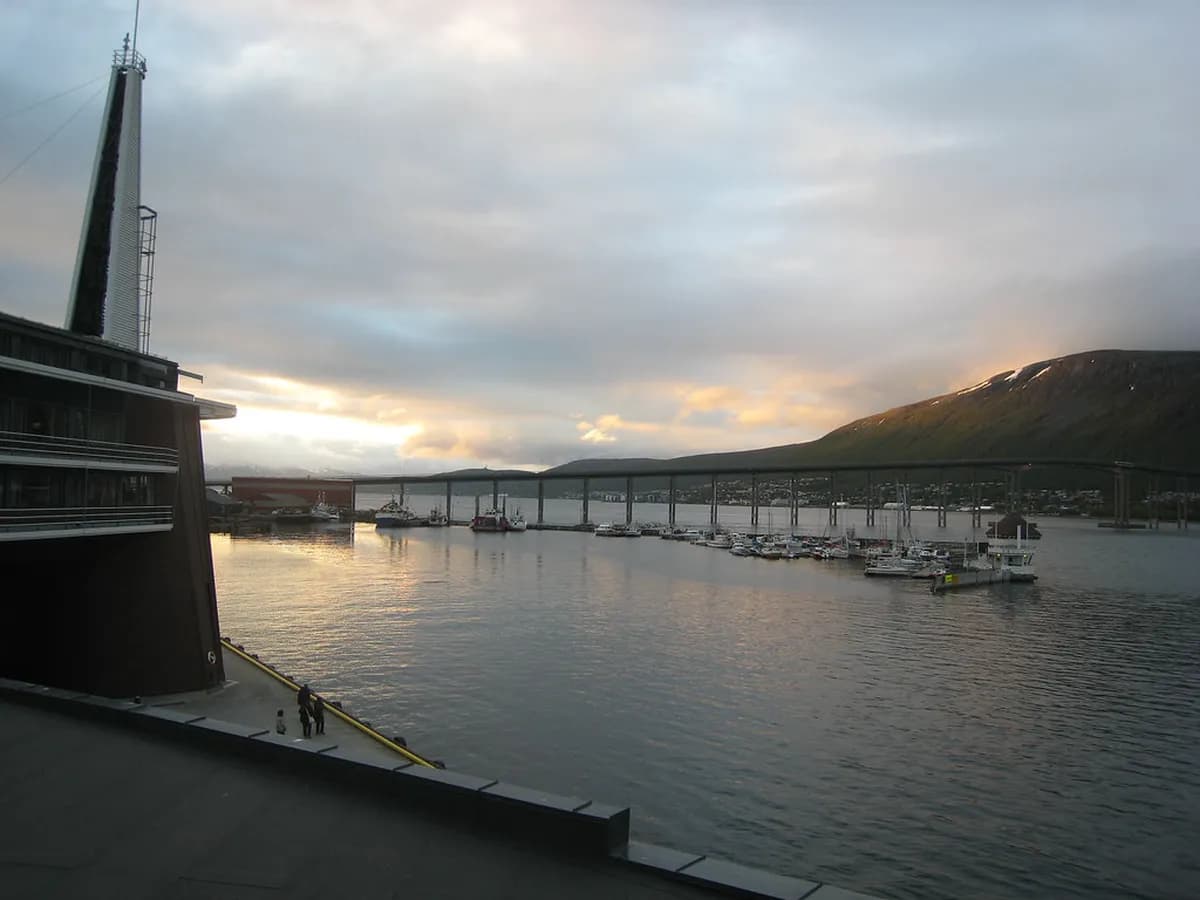
What makes summer worthwhile is access. Hiking trails that are buried in snow from October to May open up fully. The fjord roads to Kvaløya and Senja become easy drives with no ice. The Fjellheisen cable car runs until 01:00, so you can ride up at midnight and watch the sun sit fat and orange over the fjord — that single experience justifies the trip for many people.
The trade-off versus winter is real. You will not see the Northern Lights. Dog sledding and snowmobile tours are gone. Some visitors feel the darkness and drama of winter is what makes Tromsø special. My take: summer is the harder season to find information about, and that makes it underrated. The scenery with green slopes and blue-green water is genuinely beautiful, not just a consolation prize. Check out our guide to 10 Best Ways to Experience the Midnight Sun in Tromsø for more on how the light actually looks and feels.
The Midnight Sun: What to Expect from 24-Hour Daylight
The Midnight Sun occurs because the Earth's axial tilt keeps Tromsø angled toward the sun continuously through late spring and early summer. At 69 degrees North, the sun stays above the horizon from around 20 May to 26 July — roughly 68 days. This is not just a brief golden hour at midnight. It is full, bright daylight around the clock. At 02:00 you can read a book outside without a torch.
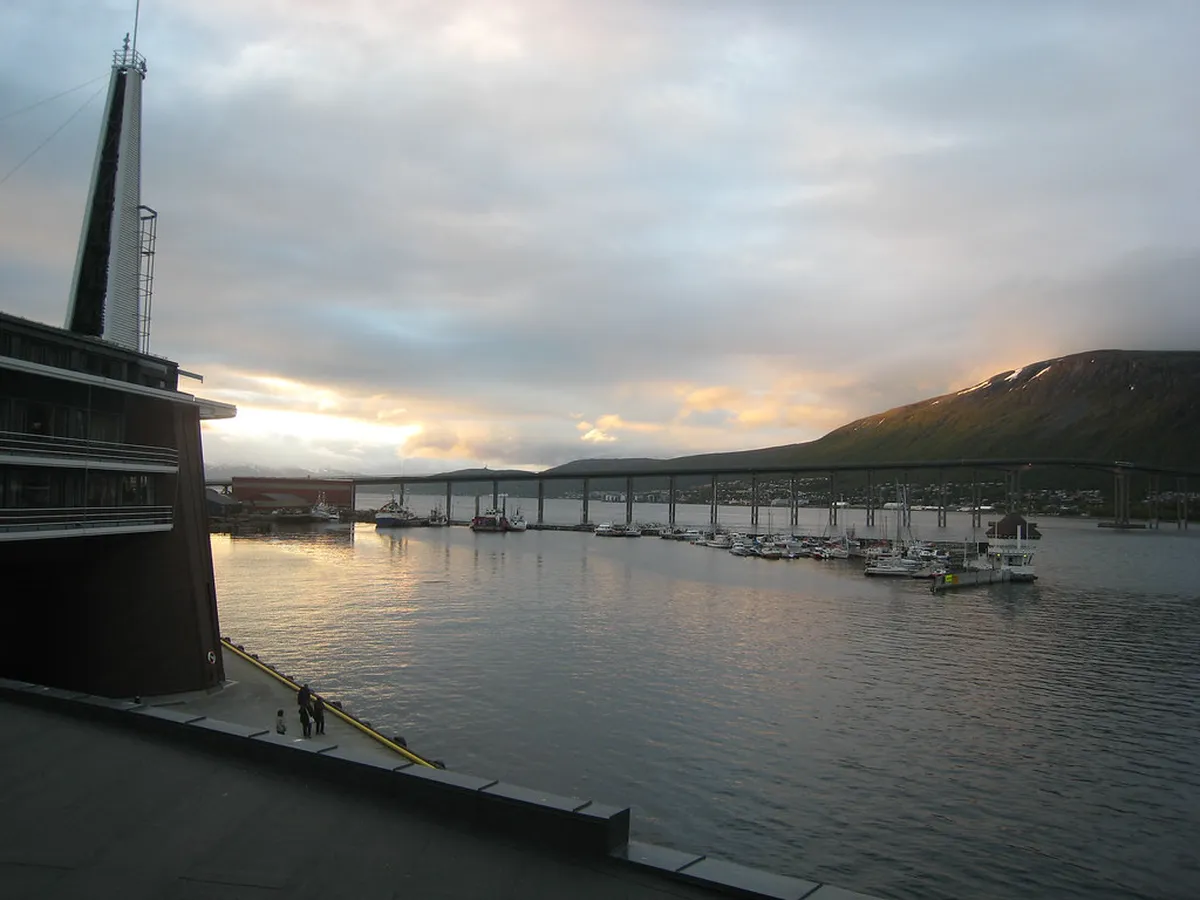
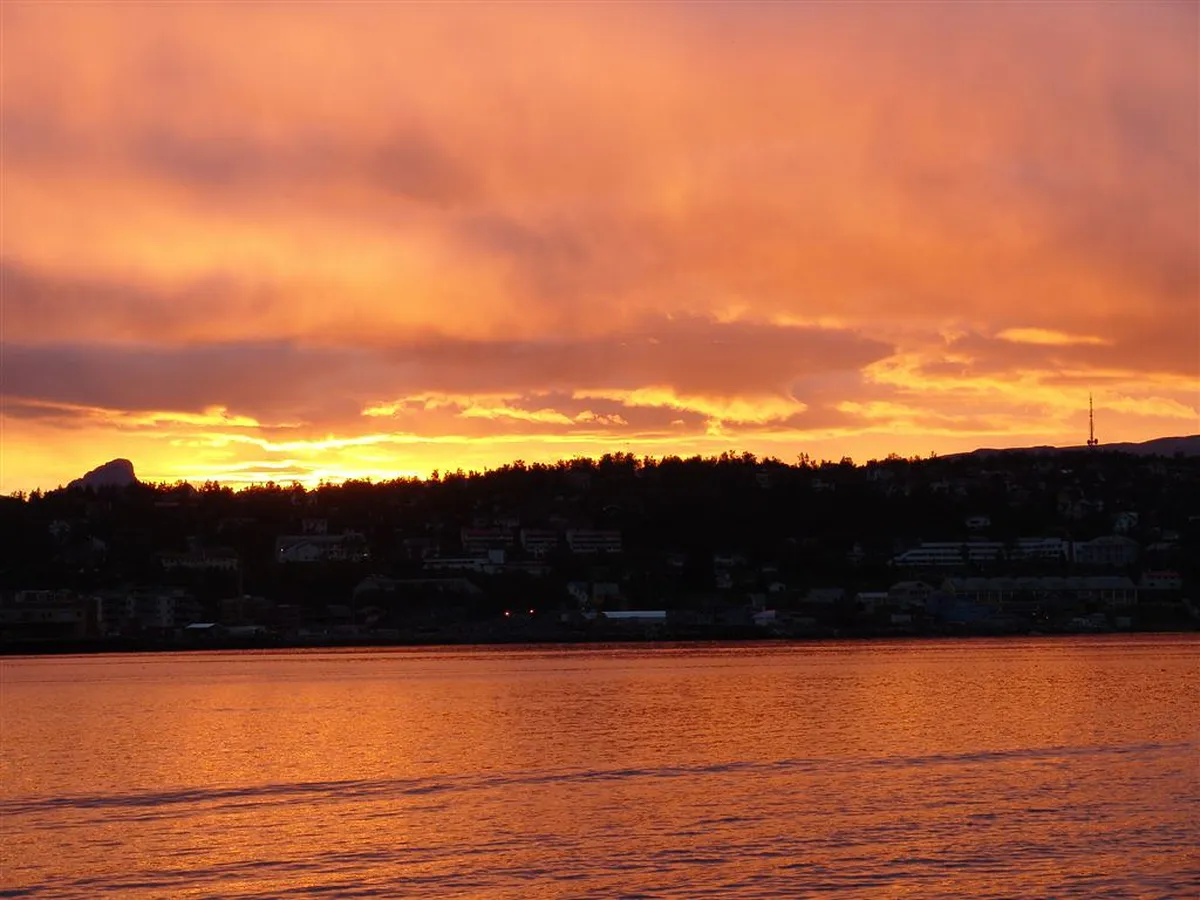
Watching the sun hover above the northern horizon at midnight from the top of Fjellheisen is the signature Tromsø summer experience. The light turns deep amber and the fjord below reflects it back. It is stunning. What the photos do not convey is how disorienting it becomes after a few days. Your body loses its reference point. You look outside and guess it is 18:00 — it is 23:30. You feel wide awake at midnight and sluggish at noon.
Managing your sleep rhythm is genuinely important, not just a comfort tip. Blackout curtains are standard in Tromsø hotels and apartments, but check before booking — some budget properties rely on thin curtains that let light flood in. A high-quality, well-fitting sleep mask is the most important item to pack. I also found it helpful to set meal times and a consistent bedtime regardless of what the sky looked like, and to avoid planning anything before 09:00 for the first few days while your body adjusts.
One practical note: do not over-schedule your days just because the light never forces you to stop. Going on a midnight hike that ends at 04:00 is thrilling once. Doing it back-to-back with a morning boat tour leaves you exhausted in a place where fatigue is easy to miss because the sun keeps tricking you into thinking it is earlier than it is.
At 02:00 in Tromsø, you can read a book outside without a torch. Pack a high-quality sleep mask that blocks light fully — this is non-negotiable for managing the disorientation of 24-hour daylight.
Top Things to Do in Tromso in Summer
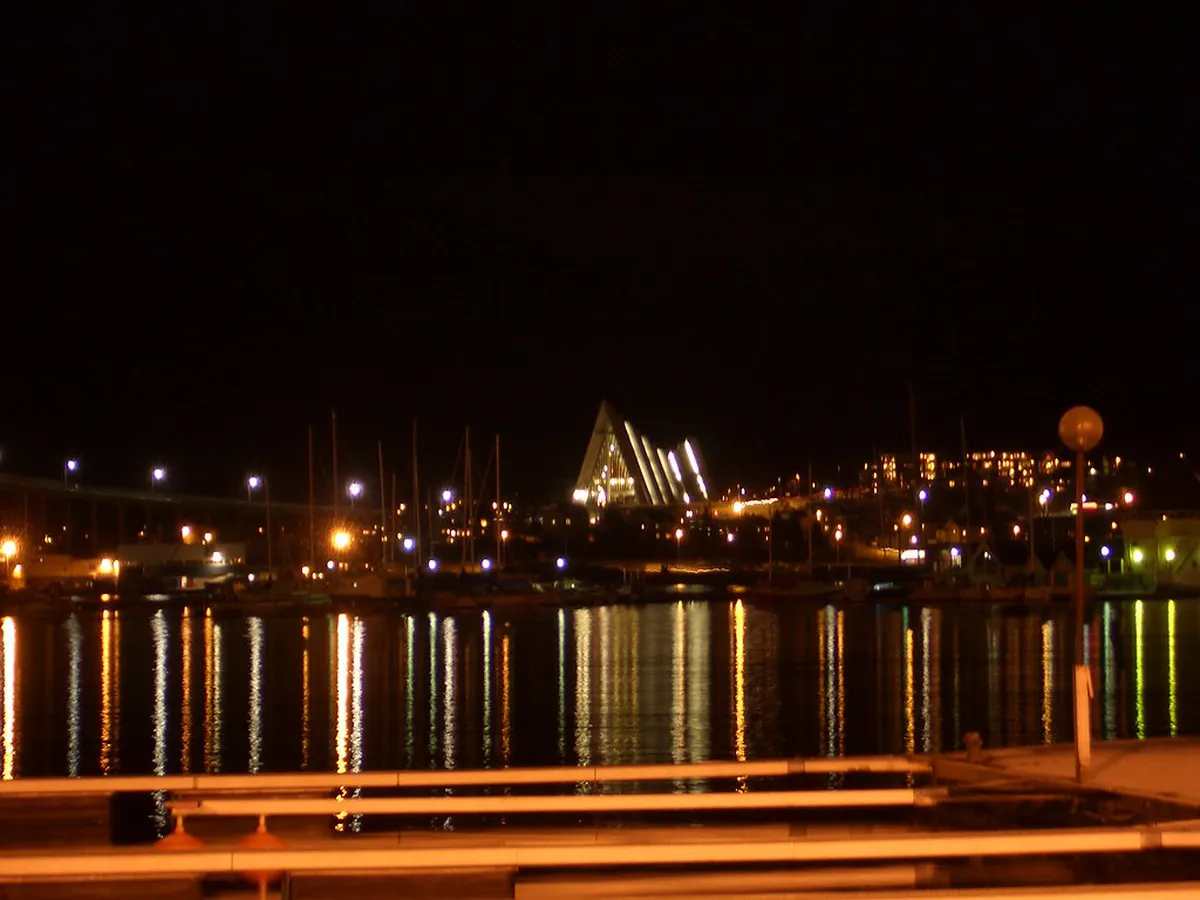
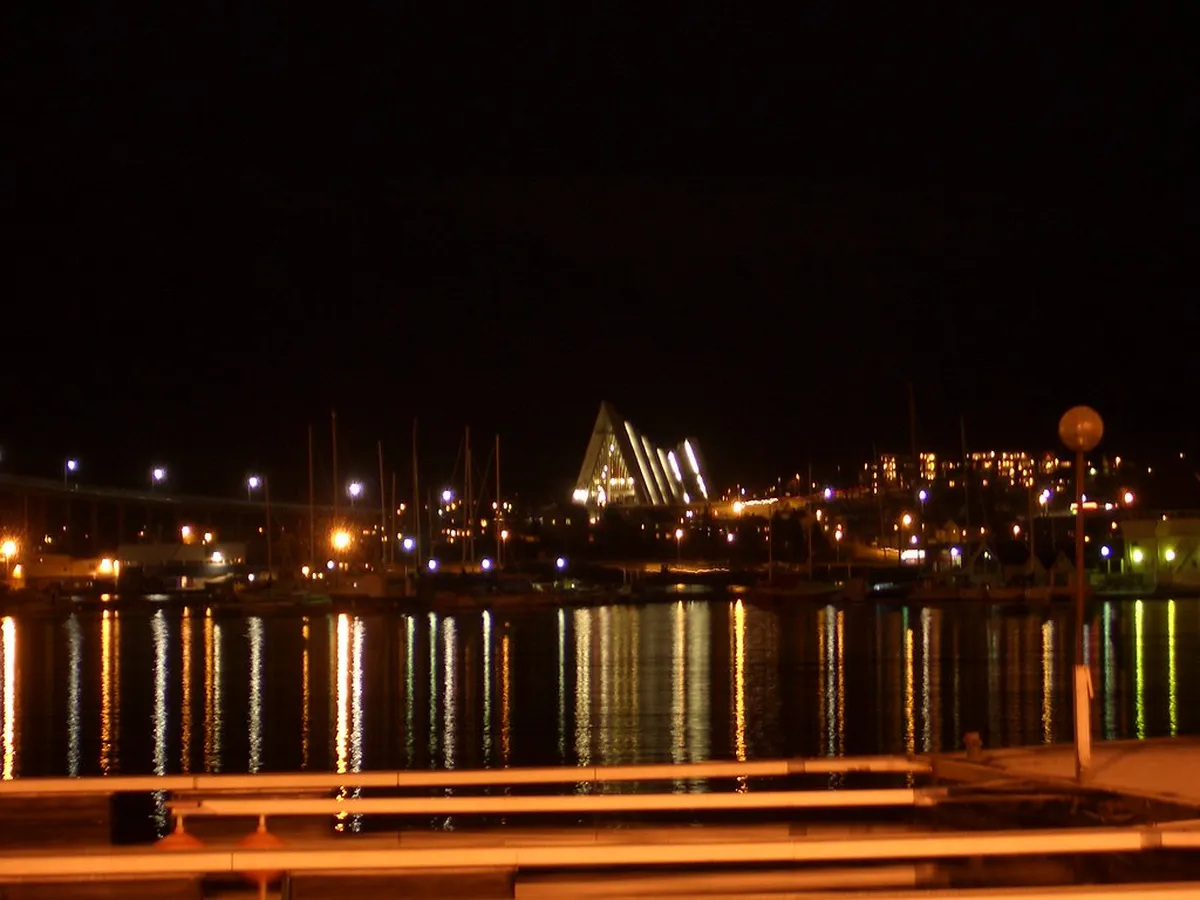
The city centre rewards a full half-day on foot. Start at the harbour and walk south along the waterfront to the Polar Museum (Polarmuseet), which covers Tromsø's history as a base for Arctic expeditions. Entry costs around 120 NOK. Cross the bridge to Tromsøya's eastern shore and you reach the Arctic Cathedral (Ishavskatedralen), the titanium-panelled church that is the city's most recognisable landmark. Concerts run there at 23:00 on some summer nights — the timing is designed so you can walk back in full daylight.
Ride the Fjellheisen cable car from Solliveien up to Storsteinen at 421 metres. The gondola runs daily until 01:00 in summer and costs 260 NOK return (2026). From the top you have a 360-degree view of Tromsøya and the surrounding fjords. The hike down via the Sherpa Steps takes about 45 minutes and is well-marked. For the best Midnight Sun view, go up between 23:00 and 01:00 on a clear night — the platform faces north-northwest, which is where the sun sits lowest.
On the water, a midnight fjord cruise by catamaran or rigid inflatable boat gives a completely different perspective. Several operators run 2–3 hour evening departures that coincide with the sun's lowest point. Kayaking is another strong option, particularly around Sommarøy where guided tours navigate between small islands in calm, turquoise water. Hiking is the broadest category: trails range from the easy 30-minute walk up Blåbærlia to the demanding 7-hour round trip to Tromsdalstinden at 1,238 metres. Check the 8 Things to Know Before Visiting Fjellheisen Cable Car Tromso page for current operating hours before you go.
- Polar Museum (Polarmuseet) — harbour side, 120 NOK entry, open daily in summer
- Arctic Cathedral — concerts at 23:00 some nights, 150 NOK entry
- Fjellheisen cable car — 260 NOK return, runs until 01:00, best at midnight on clear nights
- Midnight fjord cruise — 2–3 hours, departures from 22:00, book in advance
- Arctic Botanical Garden (Arktisk-Alpint Botanisk Hage) — free entry, best in July for wildflowers
Exploring Kvaløya: Northern Norway on One Island
Kvaløya is connected to Tromsø by a bridge and is large enough to feel like a destination in its own right. The coastal drive around its western and southern edges gives you dramatic mountain-fjord scenery in about two hours without stopping — but you will stop, constantly. Reindeer graze roadside in June, sea eagles hunt above the smaller islands, and the light on the water is extraordinary in the evening hours.
The southern part of Kvaløya has some rough, narrow road sections where you need to slow down significantly. A standard hire car handles them fine but drive carefully. EV charging points exist at Straumsbukta and at the Sommarøy Arctic Hotel — useful to know if you hire an electric car, which is increasingly common in Norway. Petrol stations thin out quickly once you leave the main road, so fill up before crossing the bridge.
Car rental is the practical choice for Kvaløya. Buses serve the island but run only a few times daily and do not reach the best scenic spots. If you do not want to drive, guided day tours from Tromsø cover the highlights in 4–6 hours with a driver-guide — a reasonable trade-off. Parking at most trailheads and viewpoints is free and easy to find in summer.
Sommarøy and Beyond: Arctic Beach Day Trips
Sommarøy sits on the outer edge of Kvaløya, about 70 kilometres west of Tromsø — roughly one hour by car. The island's beaches look genuinely Caribbean: white sand, water that shifts from pale green to deep turquoise, and on a sunny July afternoon, an almost surreal warmth of colour. The water temperature in July sits around 12–14°C. Locals swim and some visitors manage a full dip, but for most people it is a "feet in, photo taken, get out" experience. That is fine — the scenery and the kayaking are the real draws.
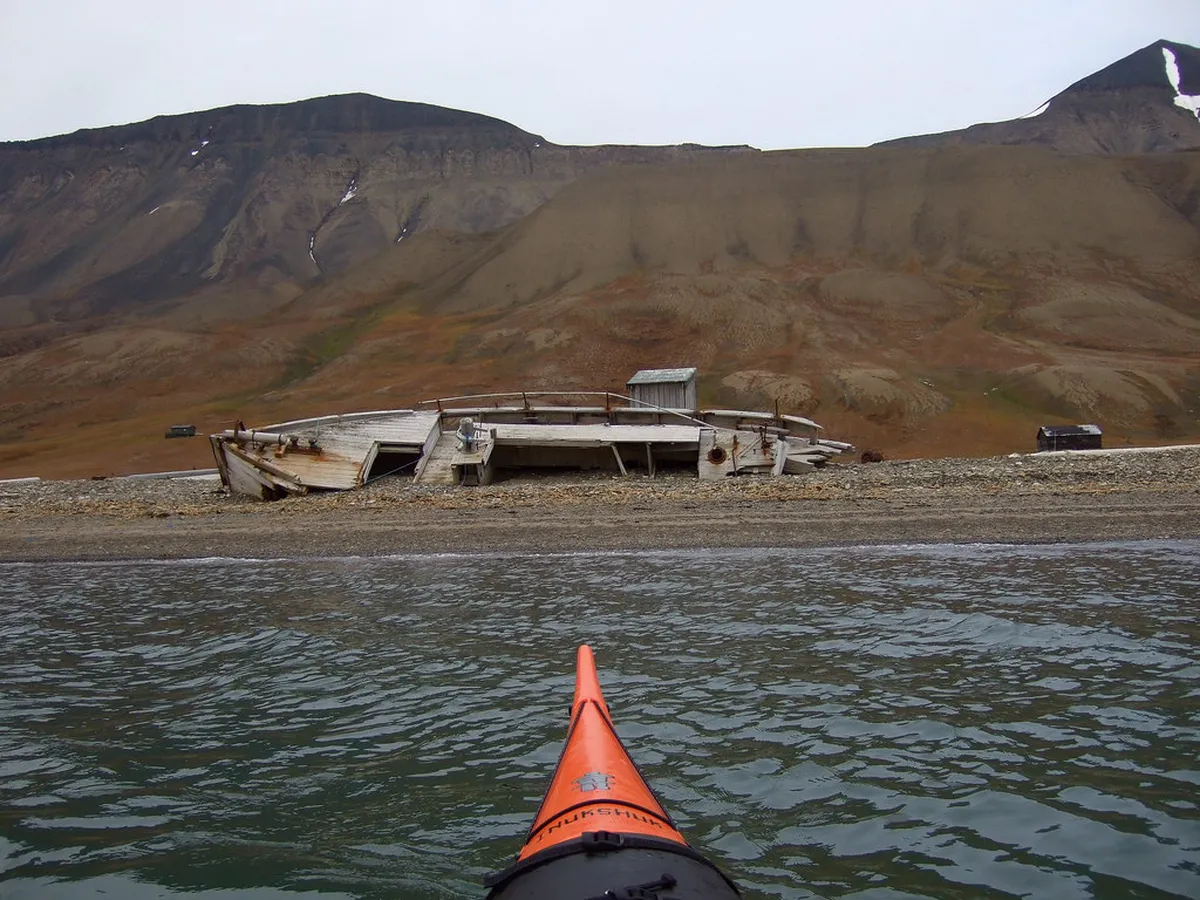
Guided kayak tours from Sommarøy last around 2–3 hours and take you between the small skerries just offshore. The water clarity is remarkable. You do not need kayaking experience but you do need a guide if you have none — solo rental without a licence is not permitted in most spots. The Sommarøy Arctic Hotel has a kayak rental desk and can arrange guides on short notice in June, though July fills up faster.
Bus No. 420 runs from Prostneset in central Tromsø to Sommarøy. A ticket costs around 100 NOK and the journey takes about 90 minutes. The schedule is limited — usually two or three departures each way per day in summer — so check the Troms Mobillett app before relying on it. For Telegrafbukta, a smaller and closer beach on Tromsøya itself, you can walk or cycle from the city centre in about 20 minutes. It is more sheltered and a popular local spot for evening picnics in summer. Read our guide on Sommaroy Day Trip From Tromso: A Perfect 1-Day Itinerary for the full logistics.
Festivals and the Quiet Local Summer
Most visitors assume Tromsø is quiet all summer. It largely is — but July has one significant exception. The Bukta Outdoor Festival typically runs in mid-to-late July at Telegrafbukta beach, which is walking distance from the city centre. It is the largest outdoor music festival in Northern Norway, drawing 10,000–15,000 attendees over three days with an eclectic lineup that mixes Norwegian artists with international acts. The contrast of festival stages against Arctic fjord scenery is striking. If your trip overlaps with Bukta, buy tickets early — they sell out weeks ahead, and accommodation in the city fills up faster than usual around those dates in 2026.
Beyond Bukta, the Midnight Sun Marathon takes place in mid-June — one of the world's most unusual races, run at 22:30 under full daylight. You do not need to be a runner to enjoy the atmosphere along the route. The Tromsø Jazz Festival runs in late August, spanning several venues in the city centre, and overlaps with the first cooler weeks of early autumn.
The broader local summer vibe is intentionally slow. Storgata, the main pedestrian street, fills with outdoor cafe tables and Tromsø residents who spend much of the year waiting for this warmth. Locals consider summer their private season — tourism dials down, and the city feels genuinely Norwegian rather than tourist-facing. Restaurants close early, some for weeks at a time. If you arrive expecting the buzzing nightlife of Bergen or Oslo in summer, adjust your expectations before you land.
How Many Days Do You Need in Tromso in Summer?
Three full days cover the city essentials comfortably: the Polar Museum, Arctic Cathedral, Fjellheisen at midnight, a harbour walk, and one short hike. Four days adds a full Kvaløya coastal drive with a stop at Sommarøy. Five to seven days is the right window if you want to also day-trip to Senja, attempt a longer mountain hike like Tromsdalstinden, or take a boat cruise to the outer islands.
Two days is tight but doable if Tromsø is a stopover on a larger Norway itinerary. You can realistically do the cable car, the Arctic Cathedral midnight concert, and a morning city walk. Do not expect to reach Sommarøy without a car and an early start. One day is only worth it as a cruise port stop or if you are passing through by road — you will see the city but not understand it.
A useful planning note: tour availability in summer is thinner than in winter. Many operators run only two or three departures per week for specific experiences. If a midnight kayak tour or a guided hike is a priority, book it before you arrive — not on arrival day. You may not find a spot. This is less about demand and more about the fact that guides and operators also take holidays in summer.
Guides and operators take holidays in summer. If a specific tour is a priority, book before you arrive — you may not find availability on short notice, especially for midnight kayak tours or guided hikes to Tromsdalstinden.
Beyond Tromsø: Regional Destinations to Combine
Senja is the natural extension of a Tromsø summer trip. The island is often called "Norway in miniature" because it packs fjords, beaches, fishing villages, and dramatic peaks into one manageable circuit. From Tromsø, drive south to Brensholmen and take the ferry to Botnhamn — ferries run several times daily and the crossing takes around 90 minutes. Drive the Nasjonal Turistveg scenic route along Senja's western coast: key stops include the Tungeneset viewpoint, Bergsbotn overlook, and the Segla hike (roughly 2 miles each way, steep, allow 3–4 hours return). A car is essential; there is no useful public transport covering the route.
The Lyngen Alps, about 90 minutes east of Tromsø by road, offer a different scale of scenery — jagged glacier-draped peaks that plunge directly into the fjord. The driving here is straightforward and the views on the E8 road are some of the best in Arctic Norway without needing to park and hike. Horseback riding in Lyngen is available through a handful of local operators and gives a slower, lower-altitude perspective on the landscape.
Combining Tromsø with Senja adds two to three days minimum to do it justice. Combining all three — Tromsø, Senja, and Lyngen — works well on a 10-day Northern Norway road trip and does not require retracing your route if you plan the loop carefully. Fuel costs are significant on these drives: petrol in Northern Norway runs around 20–23 NOK per litre in 2026. Budget roughly 400–600 NOK per day in fuel for active driving days. See our Tromso Itinerary: 8 Essential Planning Steps and Daily Routes for a day-by-day structure that includes these regional stops.
Weather, Packing, and Getting Around
Tromsø sits on the Gulf Stream, which keeps it milder than most places at the same latitude. Summer temperatures in the city centre range from 8–22°C depending on the month, but the key detail is that coastal wind makes any temperature feel four to six degrees colder than it reads. A day that shows 18°C in the forecast may feel like 12°C if you are standing on an exposed ridge or in a boat on the fjord. Pack for that reality, not the number.
Weather changes fast and within a single day. A morning of sunshine and t-shirts can flip to a heavy rain squall by early afternoon. The local term for summer sea fog, havtåke, is worth knowing — it rolls in from the coast with little warning and can reduce visibility on mountain trails significantly. Always carry a map or download offline GPS maps before hiking, and tell someone your route if you are going above the treeline alone.
For getting around, the city centre is walkable. A rental car unlocks everything beyond it. The local bus network (Troms Mobillett app) covers main routes to Kvaløya and some island stops but runs infrequently. Cycling is practical on the island of Tromsøya itself — several hire shops operate near the harbour. Taxis and ride-sharing apps exist but are expensive for longer distances.
- Sleep mask — non-negotiable for the 24-hour daylight; get one that actually blocks light fully
- Windproof waterproof jacket — pack this even if the forecast looks clear
- Warm mid-layer (fleece or wool jumper) — evenings drop to 10–12°C even in July
- Waterproof hiking boots — trails are muddy throughout summer
- Wool or synthetic hiking socks — keep feet warm if boots get wet
- High SPF sunscreen — UV exposure is real with 24-hour daylight
- Layers you can add or remove — temperature swings of 10°C in one day are common
- Offline maps downloaded to your phone — signal is patchy on outer islands and mountain trails
Norway uses the Norwegian Krone (NOK). Credit cards are accepted almost universally — many places in Tromsø actively prefer card over cash. ATMs exist in the city centre but are scarce outside it. The currency ran at approximately 11 NOK to the Euro in early 2026.
Pair this with our main Tromsø things-to-do guide to plan the rest of your trip.
Frequently Asked Questions
Can you see the Northern Lights in Tromso in summer?
No, you cannot see the Northern Lights during the summer months. The sky remains too bright due to the Midnight Sun. You must visit between September and April for a chance to see them.
Is it expensive to visit Tromso in summer?
Tromso is generally expensive throughout the year. Summer prices for hotels and car rentals can be quite high. I recommend booking in advance to find the best possible rates for your trip.
What is the weather like in Tromso in July?
July is the warmest month with temperatures around 12–16°C / 54–61°F. Rain is common, so you should always carry a waterproof jacket. The sun shines for twenty-four hours a day during this time.
Tromso in summer rewards travelers who want something genuinely different. The 24-hour light, the quiet fjord roads, the Arctic beaches that look tropical and feel freezing — none of it fits the standard summer holiday template, and that is exactly the point. Plan for the Midnight Sun, build in a day for Kvaløya, and give yourself at least four days to feel the rhythm of the place rather than rush through it.
Pack layers, bring an eye mask, book your car and key tours before you arrive, and adjust your sleep expectations for the first two days. Once you settle into Arctic time, you will not want to leave.
You might also like
Continue reading
More guides you'll find useful