7 Best Tips and Routes for Snowshoeing in Tromsø
Discover the best snowshoeing in Tromsø. From self-guided routes like Fløya to guided wilderness tours, learn about gear, bus routes, and avalanche safety.
On this page
7 Best Tips and Routes for Snowshoeing in Tromsø
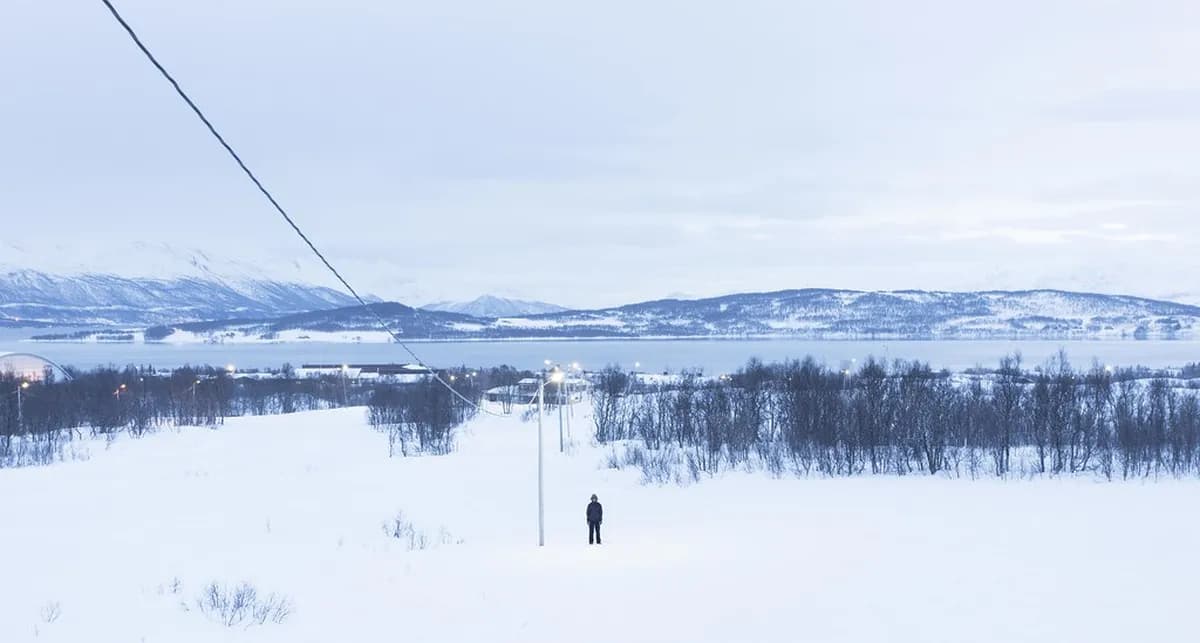
Snowshoeing in Tromsø offers one of the quietest ways to experience the Norwegian Arctic. The landscape transforms into a frozen wilderness where deep snow blankets the mountains and birch forests. You can find trails that lead to panoramic fjord viewpoints within 30 minutes of the city center.
Many travelers visiting Tromso in winter discover snowshoeing as their favorite activity — more immersive than a cable car ride, less demanding than ski touring. The technique takes about ten minutes to learn, and the trails range from flat island forest paths to serious mountain ascents requiring avalanche gear.
This guide covers the five main routes in order of difficulty, the honest cost comparison between guided tours and going solo, and the practical logistics that most snowshoeing guides skip — including exact bus numbers, DNT cabin details for the multi-day Snarbyeidet route, and how to plan your timing around the Polar Night.
Top Self-Guided Snowshoeing Routes Near Tromsø
Tromsø has five distinct snowshoeing areas, each suited to a different experience level and available time. Tromsø Outdoor staff recommend your specific route on the day you collect your rental based on that morning's snow and weather conditions — always worth asking. Below is the honest breakdown of what each route involves.
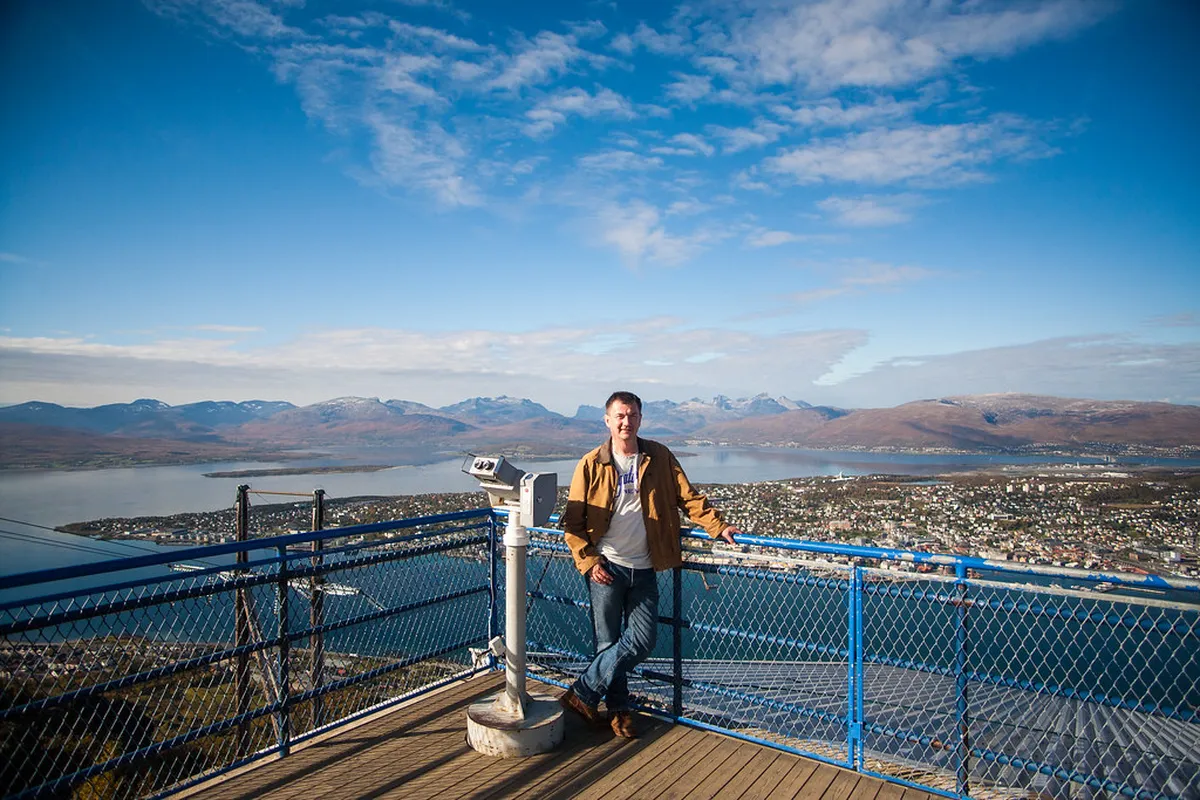
- Tromsøya Island forest trails — Easy, 1–2 hours. Flat wooded terrain of birch and spruce on the top of the main island. Accessible on foot or by local bus. Best for families, first-timers, and anyone who wants to be back in the city for lunch.
- Fløya mountain summit — Moderate, 2–4 hours. Take the Fjellheisen cable car to the upper station (open from 10:00 in winter), then snowshoe to the peak behind it and onwards toward Rødtinden. Panoramic views over the city and the Tromsø strait reward the effort. The cable car costs NOK 240 return in 2026.
- Rødtinden on Kvaløya — Challenging, 4–6 hours. Take Bus 42 to Storelva on Kvaløya island, then ascend to the Rødtinden summit. This is high alpine terrain: steep sections, significant avalanche exposure, and exposure to weather. Only suitable for experienced winter hikers carrying full avalanche safety gear.
- Kroken valley — Intermediate, 2–4 hours. Start at the Kroken Alpine Ski Center on the mainland, accessed by Bus 20 or 24. The route heads up the valley behind the center through forest and into open terrain. Quieter than Fløya, with excellent views toward the fjord.
- Snarbyeidet DNT cabin trek — Multi-day, 2–4 days. The full route starts in Tromsdalen or Kroken and follows a trail to Snarbyeidet, passing four DNT (Norwegian Trekking Association) cabins: Fjellstua, Kvitbergvatnet, Hamperokken, and Snarbyeidet. A return bus from Tromsø to Oldervik stops at Snarbyeidet, so you can exit without retracing your steps. Book DNT cabins at ut.no in advance during peak season.
All routes listed above are accessible without a car. The island trails and Fløya are walkable from the city center. Kvaløya, Kroken, and Snarbyeidet require the buses covered later in this guide.
Guided Snowshoeing Tours vs. Independent Exploration
The honest cost comparison: renting snowshoes and poles at Tromsø Outdoor costs around NOK 250–350 per day. A guided half-day tour runs NOK 850–1,400 per person, with prices varying by operator and tour length. The guide price includes snowshoe rental, transport, and usually a bonfire stop with hot drinks and lefse — the traditional Norwegian flatbread that turns up at almost every Arctic outdoor tour.
Guided tours are worth it in three specific situations: you want to do Rødtinden or any steeper terrain safely; you have less than a full day to plan logistics; or you simply want the cultural experience of a bonfire in the Arctic forest with a local telling you about the landscape. Operators like Wandering Owl and Tromsø Outdoor run small groups, and the Hurtigruten excursion (booking code HR-TOS5N, available 1 December to 1 May) follows a similar forest route on Tromsøya at around USD 211 per person.
The Tromsø Outdoor guided schedule for 2026 runs three tiers. The easy café tour (09:00–13:30, available daily from 1 December) suits anyone who wants a gentle introduction. The Tromsøya Island group hike (10:00–12:30) is the shortest option at 2.5 hours and fits comfortably into a single morning. The full hill hike on Kvaløya (10:00–15:00) is five hours and covers significantly more elevation. For things to do in Tromso beyond snowshoeing, all three leave enough afternoon for northern lights planning or a city walk.
Going independently is the right call for confident winter hikers who want to set their own pace on Tromsøya or Kroken. The DNT multi-day route is also very doable without a guide — it is rated a relatively safe route by Tromsø Outdoor — but you still need to carry an avalanche transceiver, probe, and shovel once you leave the valley floor. That equipment adds around NOK 200–300 to your daily rental cost.
Daylight and Polar Night Planning
Tromsø sits well above the Arctic Circle, and from roughly 21 November to 21 January the sun does not rise at all. This is the Polar Night — but it does not mean total darkness. Each day brings two to four hours of deep blue twilight around solar noon, typically 11:00–13:00. That window is your snowshoeing window in the heart of winter. Plan to be moving on the trail by 10:30 and turning back by 13:00 to stay in navigable light.
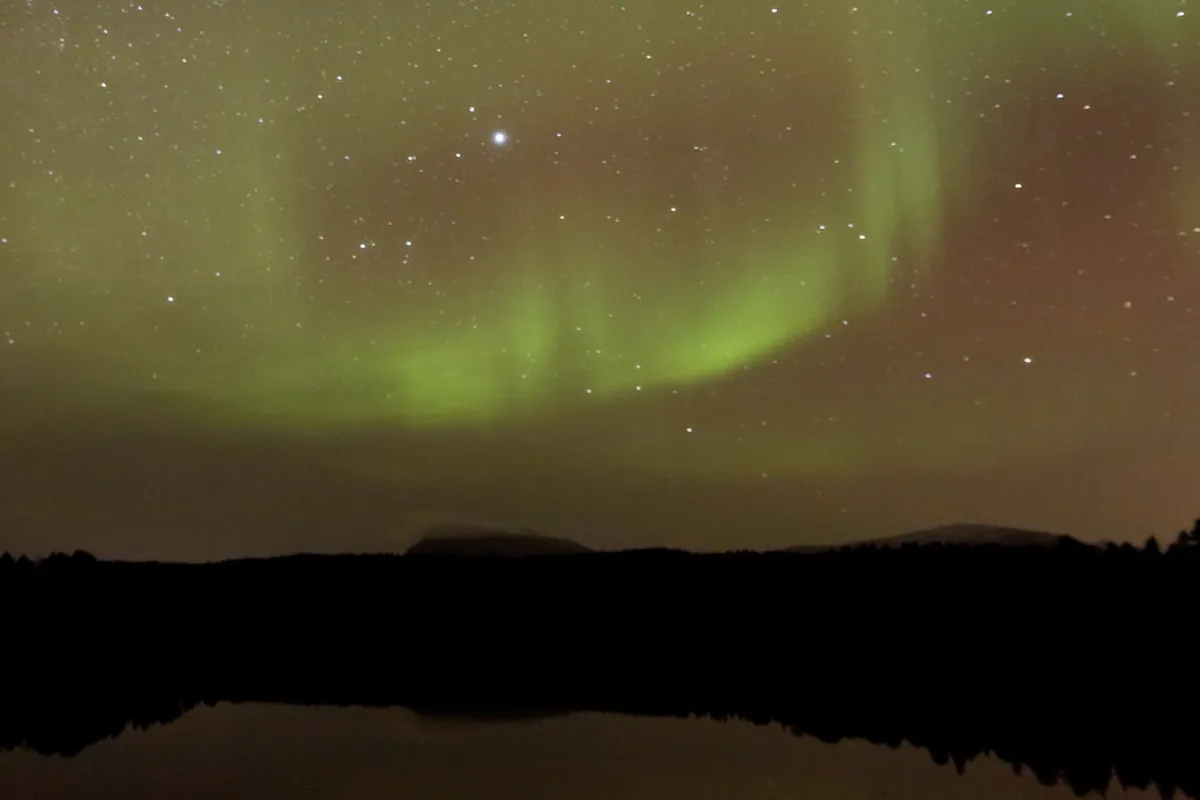
February is the sweet spot for snowshoeing — reliable snow depth combined with noticeably improving light (roughly three hours of proper sun by mid-February). The window of daylight extends rapidly after late January, making longer multi-day routes like Snarbyeidet much more manageable.
A head torch is essential even on short routes. The twilight fades quickly, and clouds can reduce visibility to near zero in minutes. Carry a spare set of batteries in an inner jacket pocket — cold kills battery life fast. From late January onward the sun returns, and by March you get six-plus hours of daylight, making the multi-day DNT routes much more manageable for planning purposes.
The season for snowshoeing typically runs from late November through April, with peak snow reliability from January to March. February tends to combine reliable snow depth with noticeably improving light — roughly three hours of proper sun by mid-February. If you have flexibility on your travel dates, this is the sweet spot for both snowshoeing and day trips from Tromso. Norway's official travel guide provides comprehensive planning tools for Arctic travel timing.
Essential Arctic Clothing and Gear Checklist
The layering system is non-negotiable in the Arctic. A thin merino wool or synthetic base layer wicks sweat away from your skin while you exert yourself on the uphill. Add a thick wool or fleece mid-layer to trap body heat. The outer shell must be both windproof and waterproof — Arctic gusts carry ice crystals that penetrate non-technical fabrics.
Footwear is the item most people get wrong. Standard hiking boots are not warm enough for sustained Arctic temperatures, which regularly drop to -10°C to -20°C in January and February. Insulated winter boots rated to at least -20°C with a high ankle to prevent snow ingress are the standard. Pack wool socks, not cotton. Consult a Tromso packing list winter guide for a complete item list before you travel.
Mittens are meaningfully warmer than gloves for cold static moments — the bonfire stop, the bus wait, the summit photo. A warm hat that covers your ears and a neck gaiter complete the head and neck protection. Carry an insulated water bottle rather than a standard one; water freezes in a regular bottle within an hour at Tromsø temperatures.
For any route beyond the flat Tromsøya trails, bring a small daypack with at minimum: an extra mid-layer, emergency snacks (nuts, chocolate, local energy bars), a thermos of hot coffee or berry juice, a head torch with spare batteries, and a printed or downloaded offline map. Mobile signal is unreliable on the higher terrain of Kvaløya and Kroken.
Understanding Tromsø Weather and Snow Conditions
Arctic weather moves faster than weather at lower latitudes. A clear morning can become a whiteout within an hour as a front rolls in from the Norwegian Sea. Wind chill is the primary risk factor: an air temperature of -10°C with 15 m/s wind feels closer to -25°C on exposed skin. Check the forecast at yr.no every morning before you head out.
Snow conditions shift significantly across the season. Early season (November–December) often has variable, wind-blown snow with icy patches on the upper routes. January and February bring reliable powder on sheltered slopes but can also produce hard-packed conditions on popular trails where foot traffic has compacted the surface. March and April see wet, heavier snow — slower underfoot but beautiful and stable.
Visibility is as important as temperature. On low-visibility days, stick to the forested island trails where trees mark the path. If you cannot see the route markers or the terrain drops away sharply, turn around. No summit view is worth a navigation error in the Arctic. Always tell someone — your hotel, a guide company, a fellow traveler — your planned route and expected return time before leaving.
Avalanche Safety and Equipment Rental
Any route that gains significant elevation on Rødtinden or the steeper sections of the Snarbyeidet trek carries real avalanche risk. The flat Tromsøya trails and the lower Kroken valley are generally safe. The divide is roughly this: if you are moving through open alpine terrain above the tree line, you need avalanche safety equipment and the knowledge to use it.
The required kit for steep terrain is an avalanche transceiver (beacon), a probe pole, and a collapsible shovel. Carrying these tools is only useful if you practice with them before your trip. A transceiver search in deep snow is a skill that degrades under stress — take a half-day avalanche awareness course if this is your first time in serious backcountry. Check the daily avalanche forecast for the Troms region at Varsom.no before any mountain route.
Tromsø Outdoor rents the full avalanche safety kit alongside snowshoes and poles. Daily transceiver rental runs around NOK 100–150 on top of the snowshoe fee. Their staff are knowledgeable about current local conditions and will tell you frankly if a specific route is too dangerous that day. This local intelligence is worth more than any map or forecast app. For self-guided trips to Rødtinden, confirm conditions with them before heading to the Bus 42 stop.
Rødtinden and the steep sections of the Snarbyeidet trek carry real avalanche risk. You must carry an avalanche transceiver, probe, and shovel if moving through open alpine terrain above the tree line. Never skip the avalanche forecast check at Varsom.no before any mountain route.
Navigating Tromsø: Bus Routes to Trailheads
All major snowshoeing trailheads are accessible by public bus. Buy tickets in advance through the Fylkestrafikk app — it is cheaper than paying the driver and avoids cash handling in thick mittens. The app shows real-time departures and live bus positions. Most routes run reliably through the winter, but check the last return departure before you set out; missing the final bus in cold and fading light is a serious situation.
- Bus 42 to Storelva (Kvaløya). Departs from Tromsø city center roughly every 15–30 minutes. Journey time around 20 minutes. Alight at Storelva for the Rødtinden trailhead. This is the main bus for Kvaløya snowshoeing.
- Bus 20 or Bus 24 to Kroken. Serves the mainland south of Tromsø. Travel time around 25 minutes. Alight near the Kroken Alpine Ski Center for the Kroken valley route. Check the timetable at Fylkestrafikk as frequency varies by time of day.
- Bus 26 to Tromsdalen. Frequent service, travel time around 10 minutes from the city center. Use this bus to reach Tromsdalen as the starting point for the DNT Snarbyeidet multi-day trek, or to access the Fjellheisen cable car base station.
- Return bus from Oldervik via Snarbyeidet. If completing the full DNT route, the Tromsø–Oldervik regional bus stops at Snarbyeidet, allowing you to exit without retracing the entire route. Check the current schedule at Fylkestrafikk as it runs less frequently than city routes.
Learning the basics of getting around Tromso will save meaningful time. The city is compact enough that the island forest trails on Tromsøya are reachable on foot or by any island-crossing bus.
Practical Information for Booking and Logistics
Guided tours during peak season — December to February — fill up well in advance, especially over Christmas and New Year. Book at least two to three weeks ahead for those dates. March is slightly easier to book last minute. Check your confirmation email carefully for the exact meeting point (most operators use the city center rather than hotel pickup) and the specific clothing requirements, which occasionally include thermal overpants that you might not have packed.
For independent renters, Tromsø Outdoor is the main local shop. They stock snowshoes in all sizes including children's, and they carry avalanche safety equipment for rent. Their central location makes same-day pickup and return easy. Rental periods are typically by the half-day or full day. If you plan to go out on consecutive days, ask about multi-day rates.
The DNT cabin network on the Snarbyeidet route requires advance planning. Staffed cabins (betjente hytter) need a DNT membership for the discounted rate; non-members pay the full guest fee. Self-service cabins (selvbetjeningshytter) operate on an honesty system with pre-purchased DNT provisions. Book through ut.no and carry your DNT card or the membership confirmation on your phone. Cell service in the DNT hut areas is unreliable, so download offline maps via Maps.me or Komoot before you leave Tromsø.
For Tromso travel tips beyond snowshoeing, note that the season overlaps with the northern lights window. Tromsø's Arctic heritage and position above the Arctic Circle make it ideal for combining winter sports with aurora-hunting. Building a snowshoe morning followed by a northern lights hunt in the evening is a natural combination — the activity keeps you warm enough to enjoy the night sky properly afterward.
Pair this with our main Tromsø things-to-do guide to plan the rest of your trip.
For seasonal context, see Visit Norway’s official Tromsø guide.
Background: the city of Tromsø sits at 69°N, deep inside the Arctic Circle.
Frequently Asked Questions
Where can I go snowshoeing for free in Tromsø?
You can go snowshoeing for free on the forest trails of Tromsøya Island or the mainland mountains. While the trails are free, you will still need to rent or bring your own equipment. The best time to visit Tromso for free snowshoeing is from January to March.
Do I need a guide for snowshoeing in Tromsø?
A guide is not required for easy trails on Tromsøya, but they are highly recommended for mountain peaks. Guides provide essential safety knowledge regarding avalanches and local weather patterns. They also handle all the logistics like transport and snacks.
What should I wear for snowshoeing in the Arctic?
You should wear a three-layer system consisting of wool base layers, a warm sweater, and a windproof shell. Insulated waterproof boots and wool socks are necessary to prevent cold feet. Always include mittens, a warm hat, and a neck gaiter for full protection.
Is snowshoeing in Tromsø suitable for beginners?
Yes, snowshoeing is very beginner-friendly and requires no special training or skills. Most people find it as easy as walking once they get used to the wider footprint. Start on flat terrain to build your confidence before attempting any steep hills.
Snowshoeing is one of the most rewarding ways to explore the Arctic wilderness around Tromsø. Whether you choose a guided tour with a bonfire stop and lefse or a solo push to Rødtinden, the scale and silence of the landscape will stay with you. Prioritize safety by checking Varsom.no for avalanche conditions and yr.no for weather before every outing.
Plan your bus times and daylight window before you go, especially if you are visiting during the Polar Night. The blue twilight hours around noon are short, and they are the best light you will get. Get on the trail early, carry your thermos, and make the most of every minute of Arctic winter daylight.
You might also like
Continue reading
More guides you'll find useful